$255 OFF

Special
Walindi Resort Special Packages
5|5
Call or text us
+1 (310) 915 6677
WhatsApp message
+1 (555) 700 6638
Speak to an expert
Use our online inquiry form
Email Us
info@bluewaterdivetravel.com
Schedule a consultation
Book a time for us to connect
Our travel consultants are available around the clock to help you plan your next trip.
Contact a specific agentPapua New Guinea, also called PNG, is THE scuba diving destination for anyone looking for pristine coral reefs, extremely rich marine life, and exotic culture in a completely off-the-beath-path location.
Expert advice on diving,
seasons, and logistics
Free planning help
when you’re ready to book
Exclusive dive packages
tailored for you


Expert advice on diving,
seasons, and logistics
Free planning help
when you’re ready to book
Exclusive dive packages
tailored for you
Special

Special
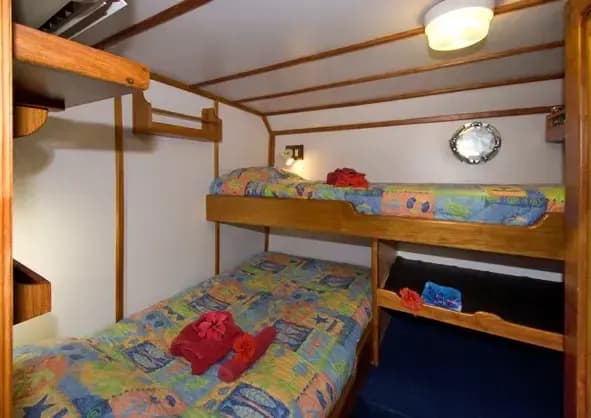
Special
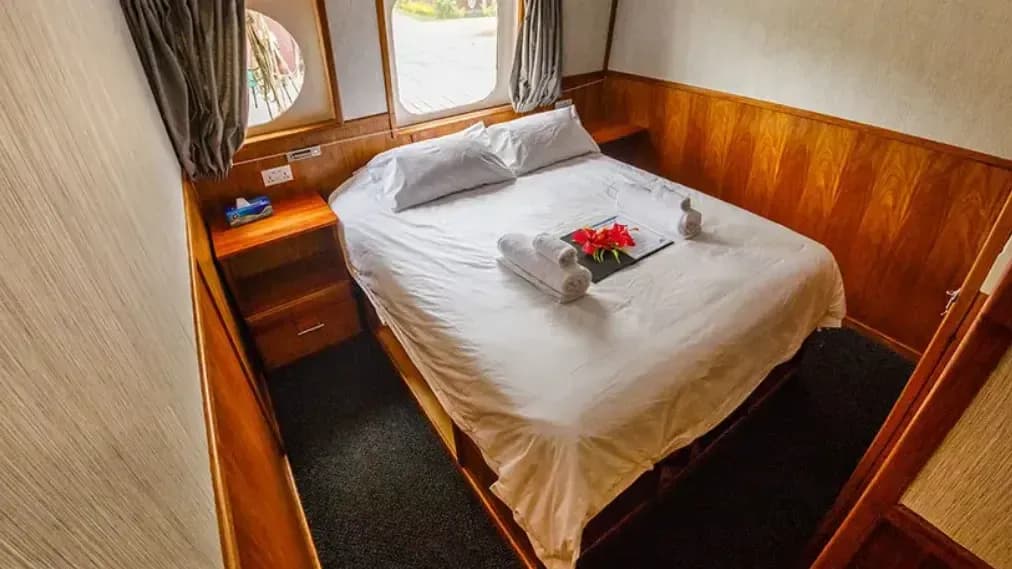
Special
Visibility
80–130 feet (25–40 meters)
Average Water Temperature
82
Wreck Diving
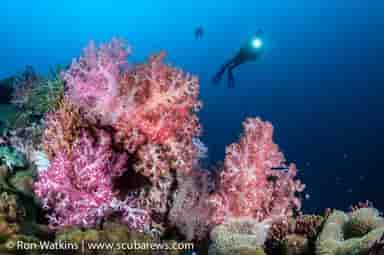
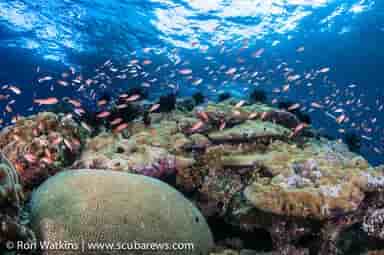
Stunning Reefs & Corals
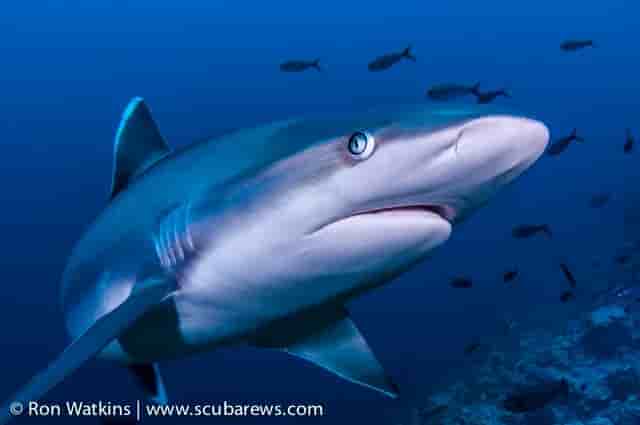
Pelagic Encounters
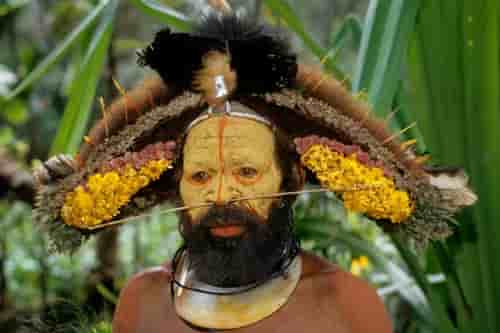
Papua New Guinea is also famous for its indigenous cultures with over 800 languages and for having the largest area of intact rainforest outside the Amazon. If you ever decide to dive the PNG, including a land tour to see the local tribes is a MUST!
There are 28,000 miles (45,000kms) of reef systems, so it's a destination where divers rarely come across other groups. It is home to some of the world's most spectacular scuba diving, with various dive resort and liveaboard options for every diver.
Papua New Guinea is located in the "coral triangle" and you can expect to see and photograph an abundance of diverse marine life.
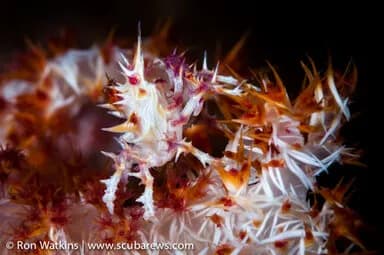
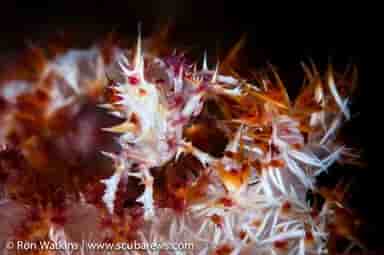
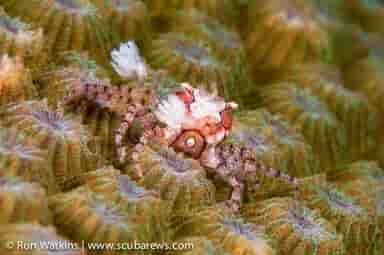
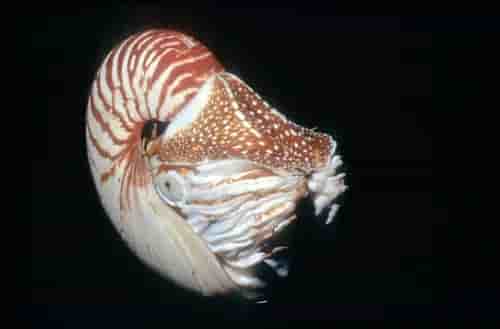
Macro life includes frogfish, pipefish, seahorses, exotic nudibranchs, crabs, shrimp and a plethora of other critters.
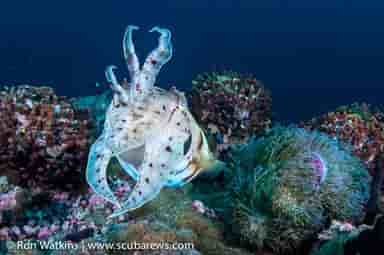
Large sea life includes pelagic sharks and fish, turtles, sea snakes, and even marine mammals. Those who like to shoot metal will find a variety of World War II wrecks that include ships, aircraft, and submarines.
See Also: Papua New Guinea Dive Trip Report and Images: Sep/Oct 2018
You can scuba dive Papua New Guinea year-round, however, the high season is generally between May and November.
Papua New Guinea offers a wide variety of diving, including vast coral beds, huge walls, wrecks and more. Depending on the site, photographers are encouraged to shoot wide-angle or to keep their eyes on the bottom looking for colorful macro life.
Manta Ray encounter at Gunabalabla, one of the best dive sites to find manta rays in Milne Bay. Taken by Bluewater Trip Leader Katie Yonker while diving Papua New Guinea in 2018
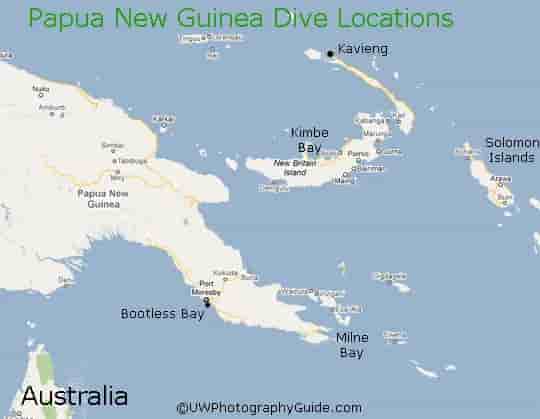
International flights arrive at Jacksons International Airport (POM) from several Asian and Australian hubs, such as Singapore (SIN), Brisbane (BNE), Sydney (SYD), and Melbourne (MEL). The airport is right next to Port Moresby, which makes transfers to liveaboards easy.
Domestic flights also leave POM for other parts of the country, operated by Air Niugini, Airlines PNG, and QantasLink. A good tip is to fly into Papua New Guinea on the same carrier being used for any domestic flights, as the airlines will then allow higher baggage weight restrictions.
Note that domestic flights in Papua New Guinea are unreliable, so we recommend booking your domestic flights on the same ticket as your international flights; this way the airline will assist with accommodation if there are flight disruptions. If you book separate tickets, you may have to find your own accommodation. Travel insurance is strongly recommended.
Papua New Guinea is a place where resorts and liveaboards are both great options.Liveaboards are a great option for exploring many areas during a week-long trip. Resorts allow divers relaxation on land along with a wide variety of local dive sites.
Papua New Guinea also has its own hyperbaric chamber and top notch dive facilities, with many catering to underwater photographers.
One can expect to be in the water 4 or 5 times a day on a liveaboard. Land-based dive operations will generally offer about 3 dives per day and most dive sites are within a 30-minute boat ride from the resorts.
There is more than just scuba diving in Papua New Guinea. There is a long list of things to do while visiting the country. Many travelers flock into the country to surf, hike, fish, bird watch, kayak, snorkel and explore the indigenous culture. It's easy to spend some time doing any of these activities before or after the dive portion of your trip.
We highly recommend including a land visit to see the local tribes on your dive trip. The experience is simply amazing!
On liveaboards you're pretty limited to diving and snorkeling, however, you can always book an add-on after your liveaboard trip. Land-based resorts offer many of these activities to complement your dive schedule. These are also great activities for non-diving travel companions while you're out on the ocean.
For an amazing liveaboard dive trip, check out the MV Chertan.
Jessie Hug is a highly experienced professional in the dive industry with over 12 years of experience. She is originally from Switzerland but currently resides in La Paz, Mexico, and is fluent in multiple languages including English, German, French, and Spanish. Jessie has worked and dived in various popular and remote destinations worldwide including Honduras, Mexico, Indonesia, and the Maldives.
As a PADI IDC Staff Instructor and SSI Instructor, she has certified hundreds of student divers.
She possesses exceptional knowledge and skills in the field of scuba diving. After many years diving in resorts, she has worked the last 5 years on liveaboards, where she could truly enjoy her passion for the marine megafauna.
Jessi won Top Sales Agent of 2024 for Bluewater Travel!