
Special
El Galleon Dive Resort Special Packages
5|5
Expert advice on diving,
seasons, and logistics
Free planning help
when you’re ready to book
Exclusive dive packages
tailored for you
Special
Special

Special
Group trip
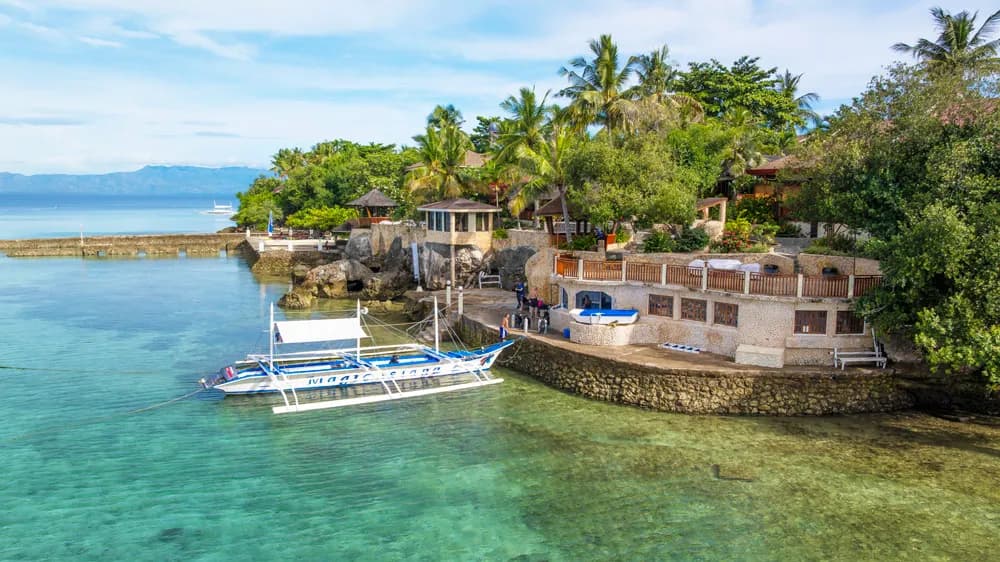
Special
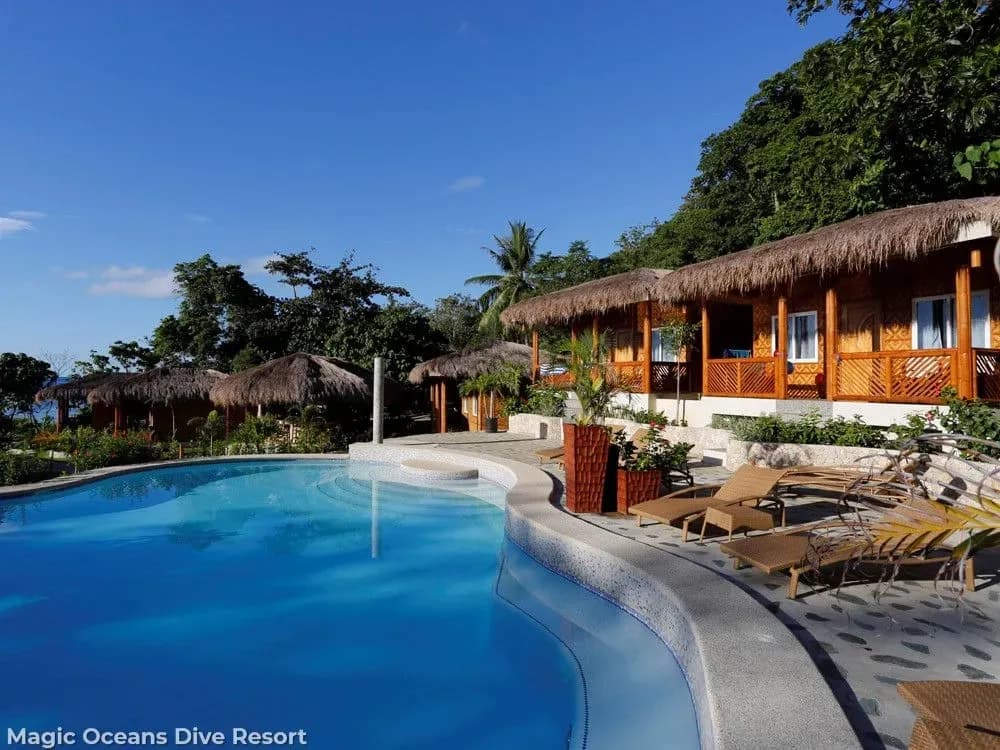
Special
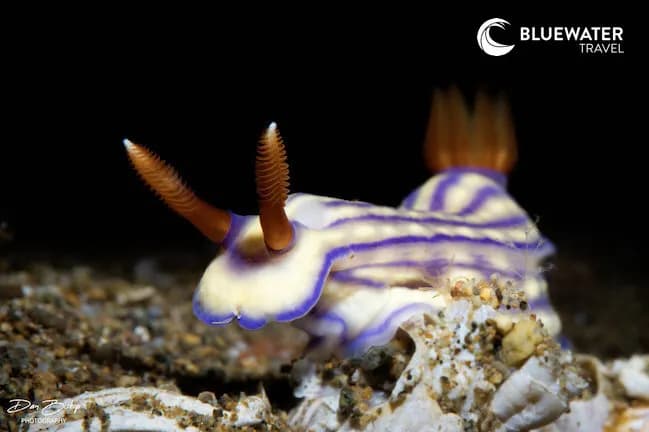
Group trip

Group trip
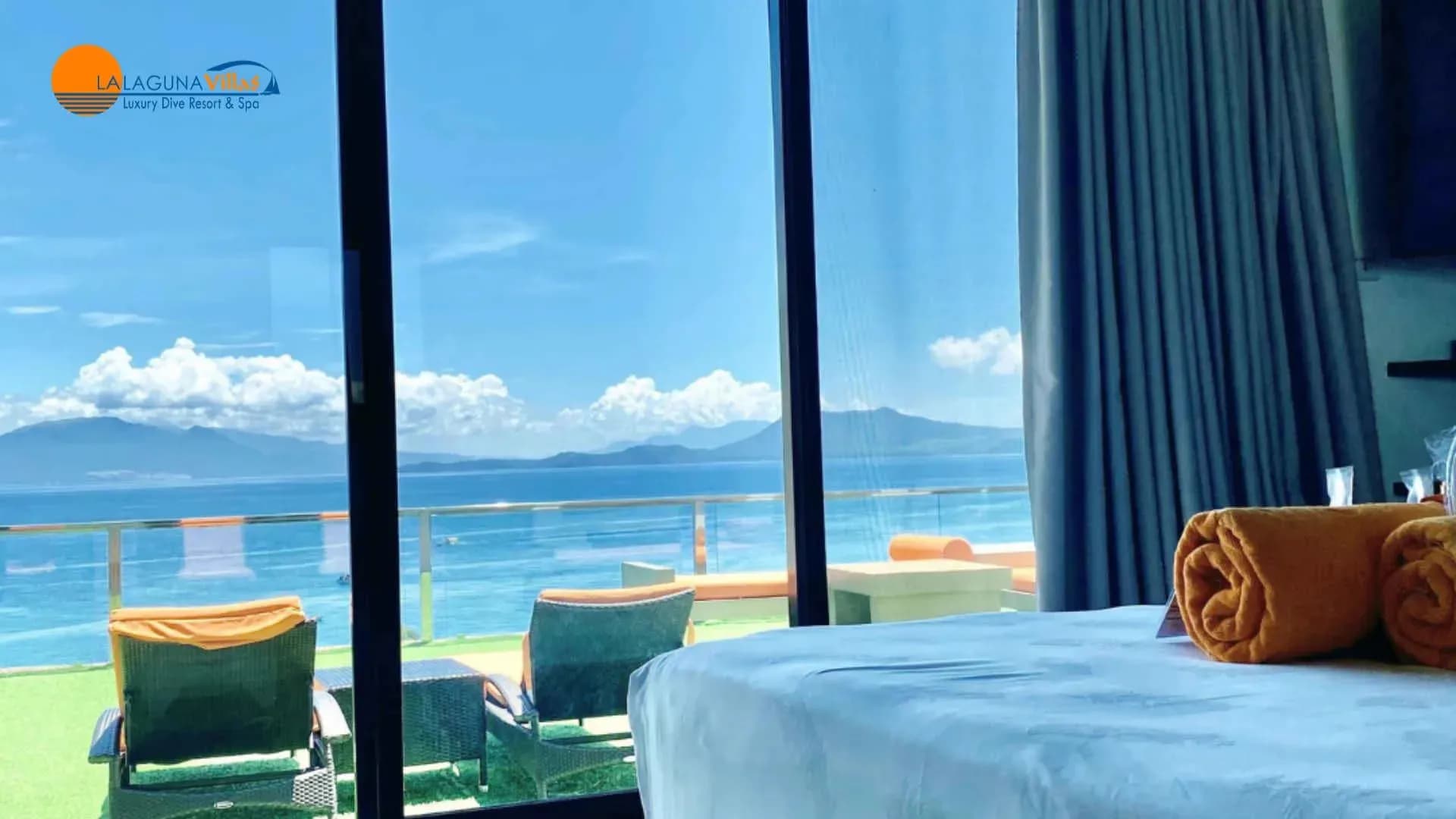
Special

Special
Group trip
Group trip
Scuba Dive Level
All Levels
Visibility
32 to 114 feet (10 to 35 meters)
Average Water Temperature
84
Pelagic Encounters
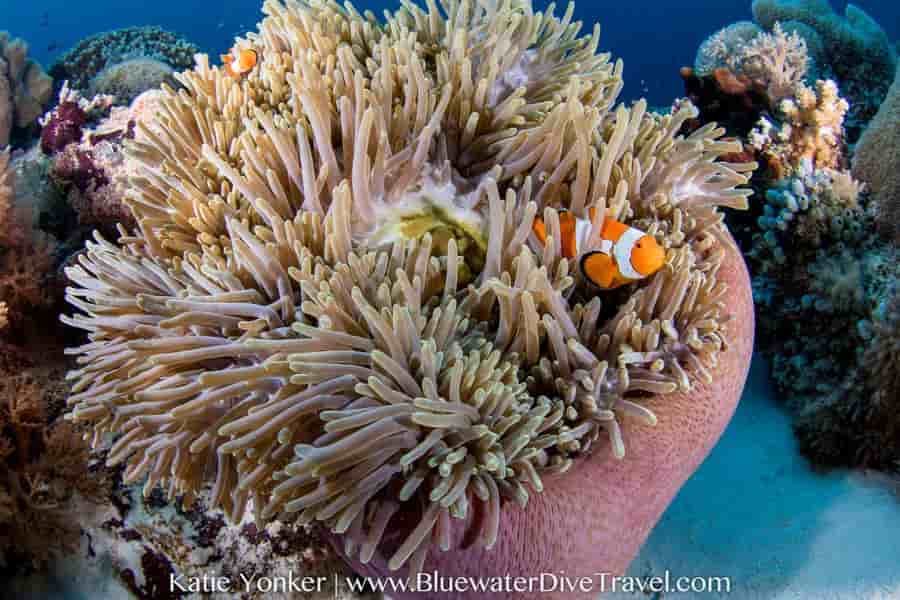
Stunning Reefs & Corals
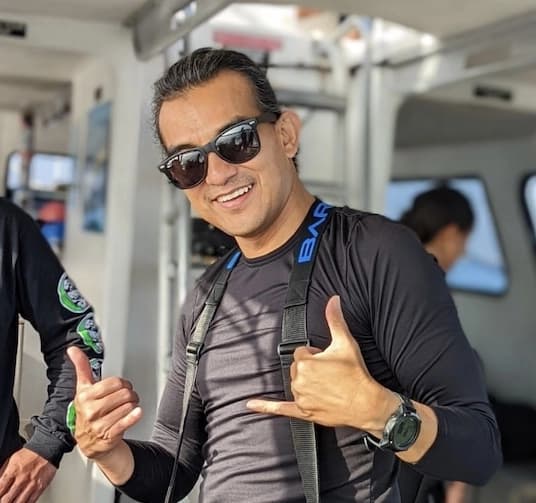
Tim grew up in tiny Singapore, where driving for more than an hour meant you would need a passport. Traveling was always his passion, but Tim became addicted to dive travel soon after he got scuba certified in Malaysia. As his diving addiction grew, Tim eventually became a Staff Instructor with PADI and an Instructor Trainer with SDI. After getting his instructor certification, Tim spent time teaching scuba in Malaysia and Vietnam.
Tim serves as General Manager and COO at Bluewater Travel and is the company's most seasoned trip leader. With a portfolio of leading over 30 group trips, his extensive expertise encompasses a variety of popular dive destinations such as the Galapagos, Raja Ampat, French Polynesia, Fiji, the Red Sea, Palau, Maldives, among others. His travels have taken him across all seven continents and allowed him to dive in all five oceans—the Atlantic, Pacific, Indian, Arctic, and Antarctic.
Diving in Tubbataha is an experience that feels like stepping into an aquarium – vibrant, teeming with marine life, and simply stunning. I had the pleasure of visiting in June 2024, and the conditions were absolutely perfect: calm, clear blue waters with no rain, and a water temperature of 29-30°C, which made for very comfortable diving. The only way to experience Tubbataha’s world-class dive sites is by liveaboard, which allows you to access this remote UNESCO World Heritage site. The reefs here are pristine and well-preserved, with spectacular walls that drop off into the deep blue. It’s a paradise for wall divers, with each dive revealing a breathtaking underwater world. The coral gardens are beautiful, with vibrant soft and hard corals providing shelter for a variety of marine species. The marine life in Tubbataha is absolutely incredible. Expect to be surrounded by swarms of anthias, schools of jacks, graceful rays, and an abundance of other fish species. The diversity of life here is extraordinary, making every dive unique and thrilling. It truly felt like diving in an aquarium, where every turn introduced new, mesmerizing creatures. One thing to note is that Tubbataha requires a certain level of experience, as the dives are quite advanced. A minimum of 50 logged dives is required to dive in this area, as currents can be strong and the conditions are best suited for seasoned divers. Overall, my time in Tubbataha was nothing short of amazing. The combination of beautiful weather, crystal-clear waters, healthy reefs, and abundant marine life made it one of my most memorable diving experiences. If you’re looking for a pristine, world-class diving destination, Tubbataha should be at the top of your list!
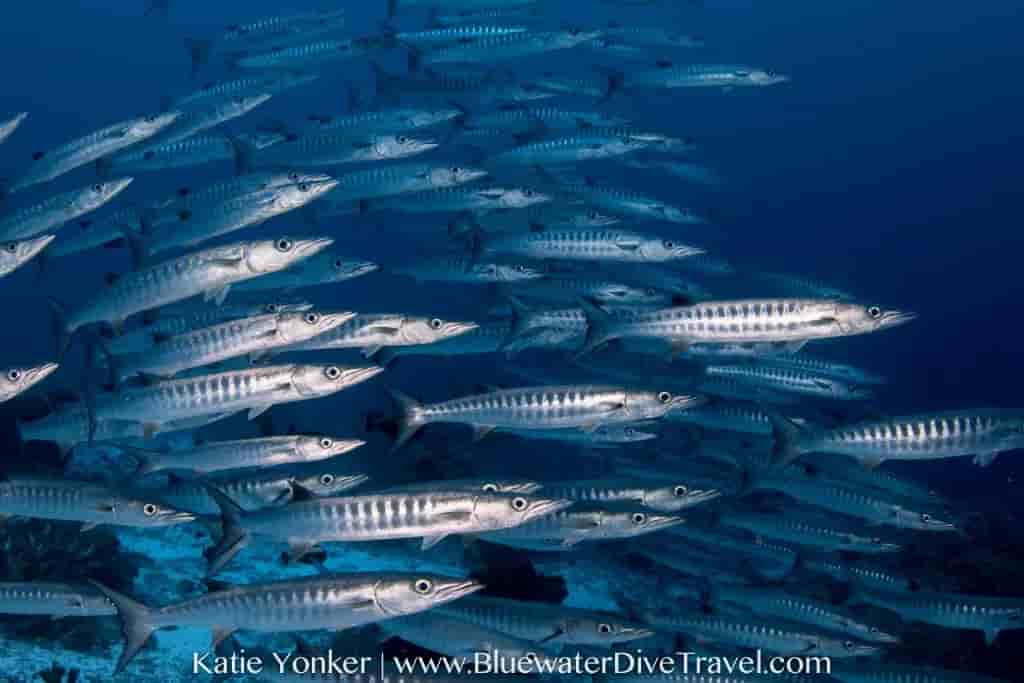
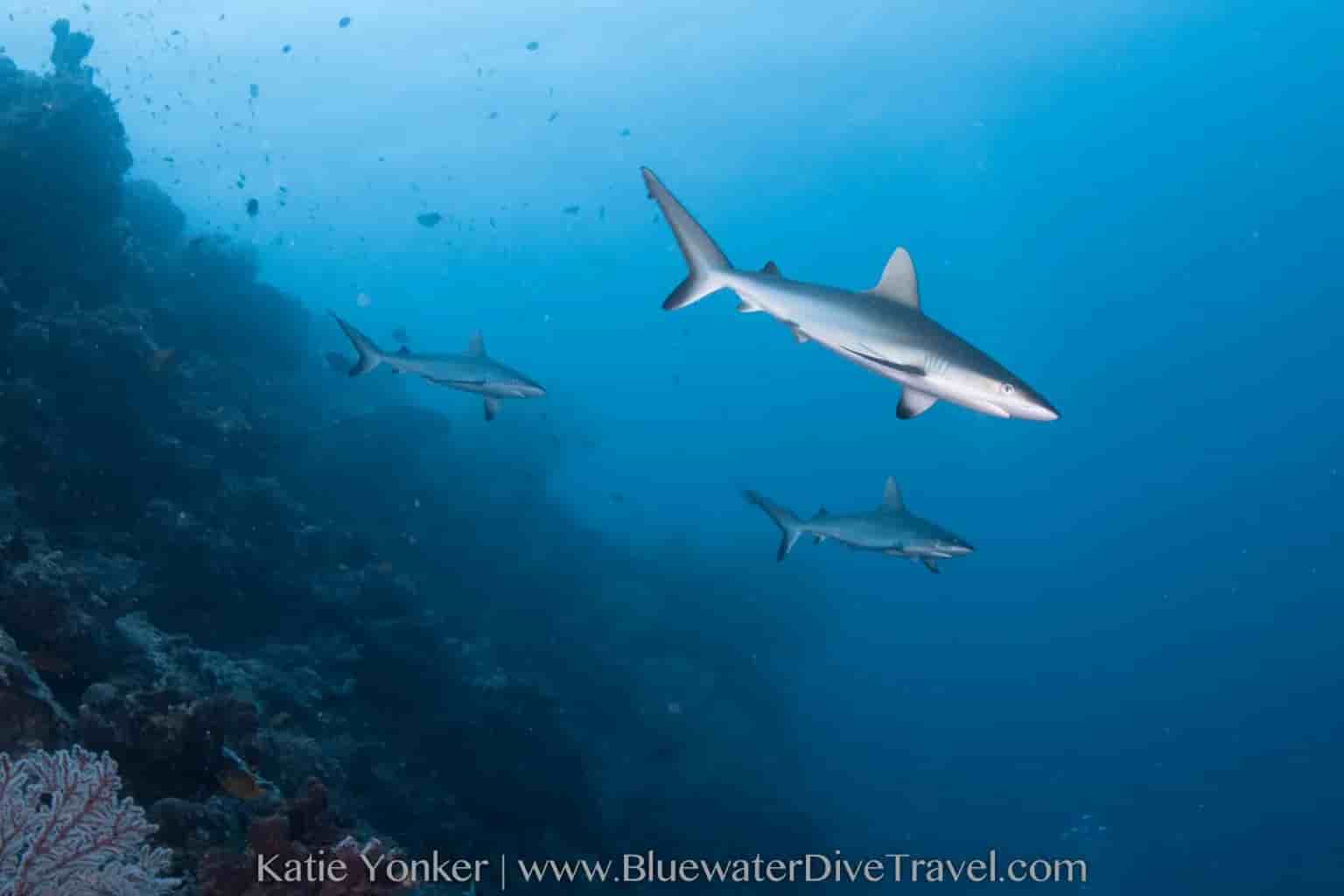
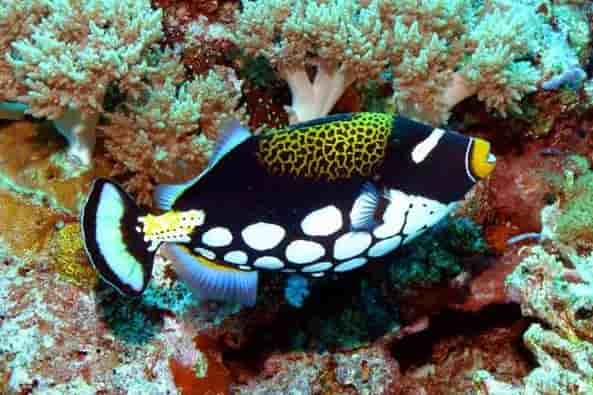
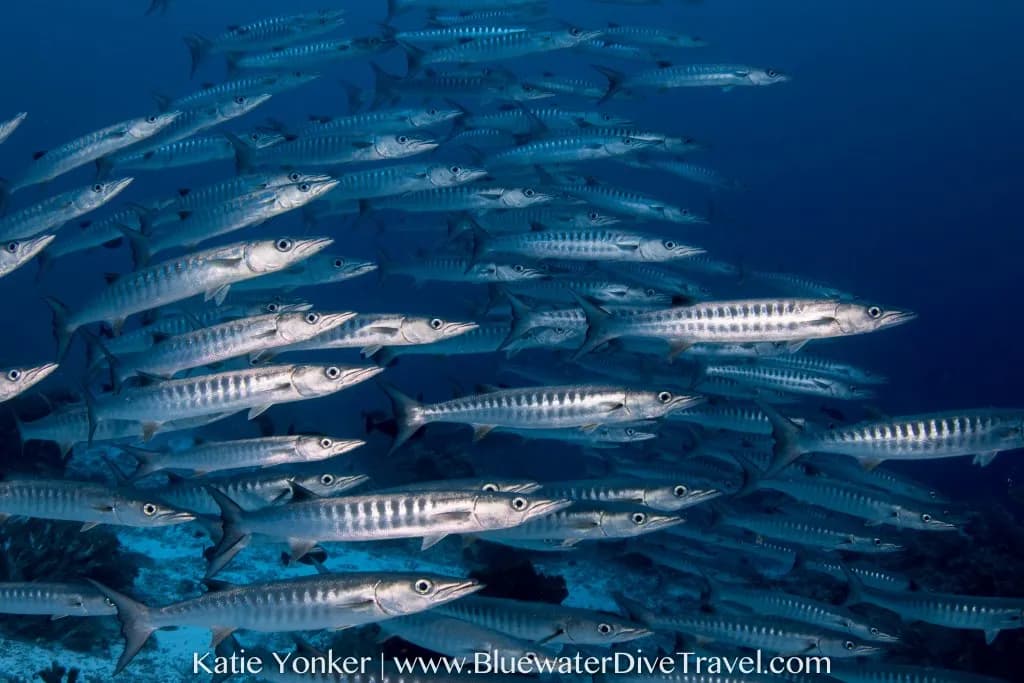
Tubbataha might be one of the best diving destinations in the Philippines for lovers of clean clear water and healthy reefs filled with marine life. It is a destination that is only accessible via liveaboard so the number of divers in the water is somewhat limited. During my trip in April 2026, our group experienced 80 foot viz and 86 Fahrenheit water all week. Thermoclines dropped the water to a refreshing 82 degrees. Most of the dives were drift dives with the current and were very relaxing. We usually started the drift along the wall that has lots of soft corals and large sea fans. Schools of jacks, grey reef sharks and tuns were patrolling the deeper parts of the wall. As we made our way up the wall, there were more hard corals and lots of anthias, big schools of longfin bannerfish, redtooth triggerfish and harlequin sweetlips. The end of the dive and safety stop were spent on the top of the reef that has big coral bommies, massive ball of jacks and schools of barracua, titan and yellowmargin triggerfish, white tip reef sharks and turtles!
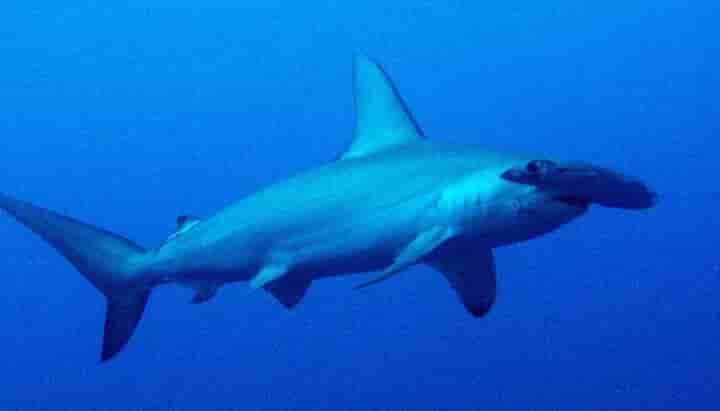
Spent 6 nights on the Philippine Siren at Tubbataha Reef. Boat is comfortable but not 5 star. The liveaboard has a huge dive deck though. Great food and friendly staff. No night dives at Tubbtaha Reef due to all wall dives & current so generally made 4 dives a day with both a early AM dive as well as a sunset dive. Up at 0530 to 0600 most every day. If you don't like wall dives, you will be disappointed.Not very much macro stuff. Lots of small sharks - whitetip, blacktip & grey reef sharks. They were generally sleeping and approachable and sometimes even saw them schooling up to a dozen at a time. A few folks saw a hammerhead shark in early morning, though tough to catch them here-generally shy & mostly deep and early morning.Marbled rays were my favorite and new for me here. I missed the macro here, though a little was available.Saw lots of large dog toothed Tunas, some jacks, anthias and moorish idols. Many huge spiny lobsters that would let you get as close as you wanted to photograph them. Moray eels and several spots with garden eels. Occasional bumphead parrotfish.The diving conditions: Visibility was generally good, though some days was only average. Currents variable and some dive sites (Washing Machine) were a big challenge even for an experienced diver. There are 2 small Islands that you dive here so after getting here not much travelling is needed, so there is not a lot of cruising after the first night.While this is a good spot for scuba diving especially for bigger stuff, I have to say that Indonesia - especially Raja Ampat & Komodo were much better than the Tubbataha Reefs national park, especially when you favor in how remote a spot this is and how long the connecting flights are. This is known as a site for big stuff, so for macro you wouldn't come here anyways.