$824 OFF

Special
Tiburon Explorer Special Packages
5|5
Expert advice on diving,
seasons, and logistics
Free planning help
when you’re ready to book
Exclusive dive packages
tailored for you

Special

Special
Special

Group trip
Scuba Dive Level
All Levels
Visibility
30 to 100 feet (9 to 30 meters)
Average Water Temperature
70
Pelagic Encounters
Shark Encounters
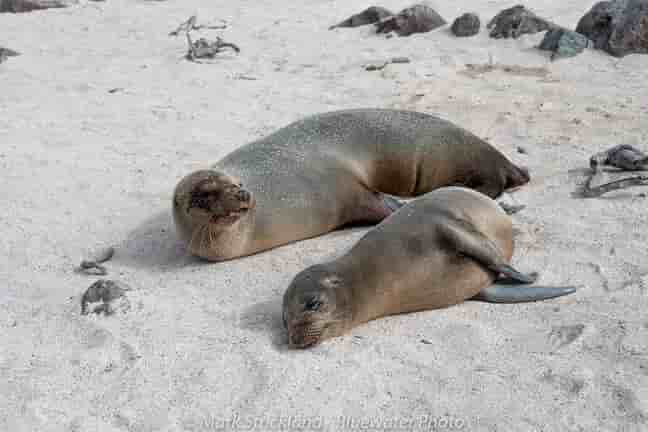
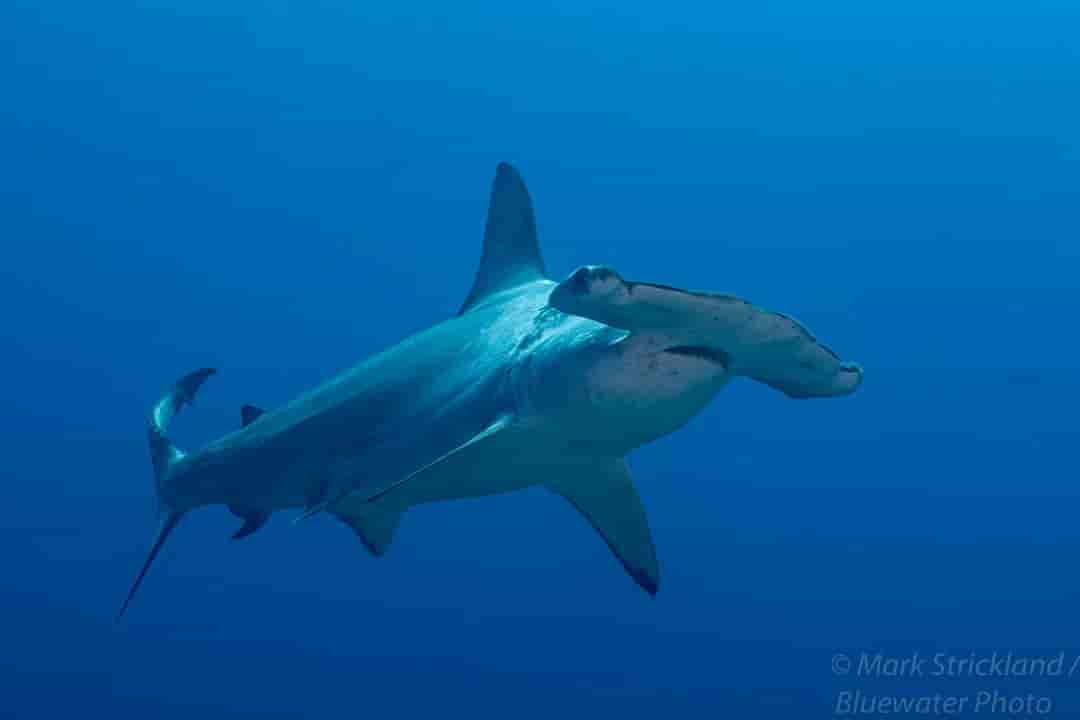
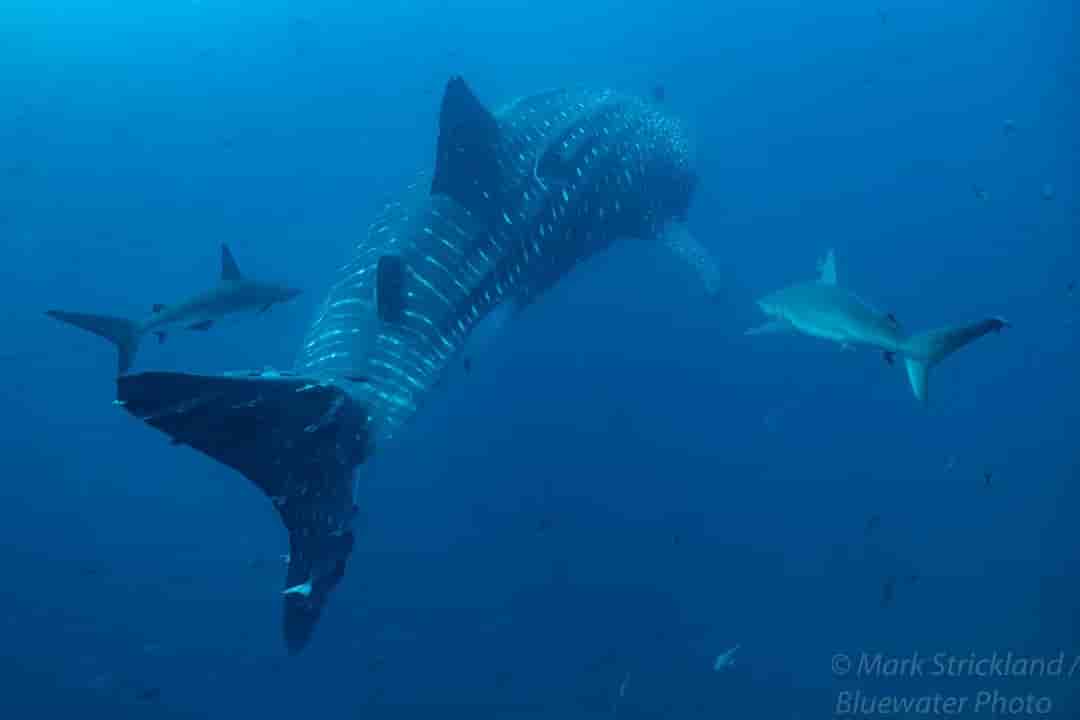
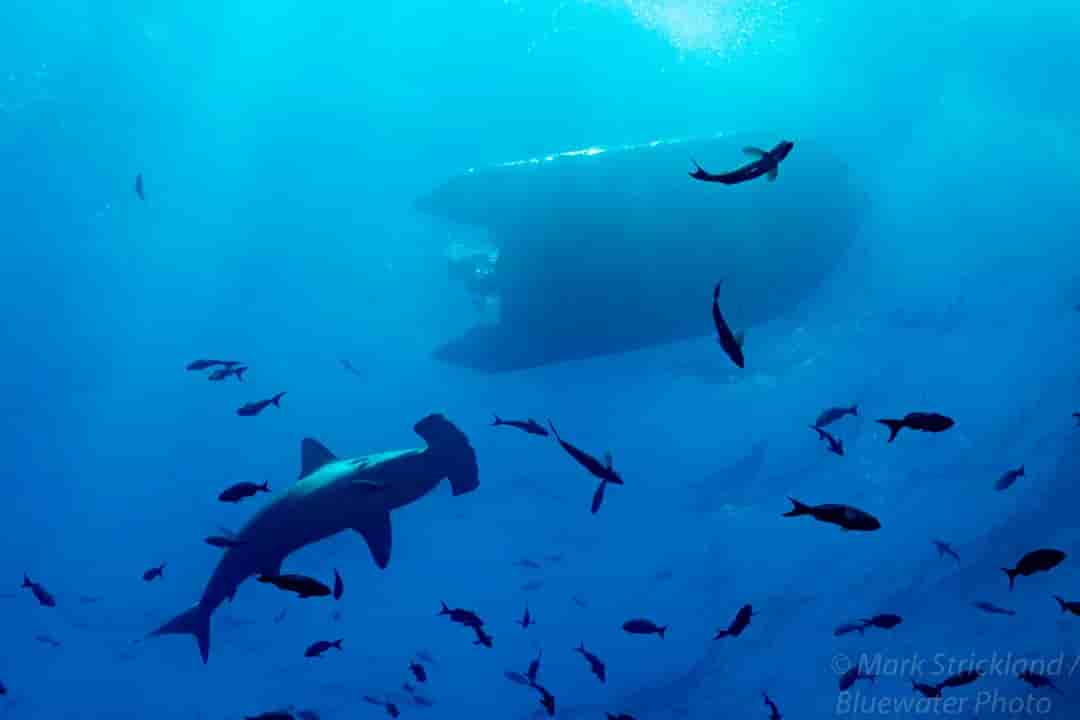
Galapagos scuba diving is one of the world’s great big-animal experiences. Divers come for schooling hammerheads, whale sharks, Galapagos sharks, marine iguanas, penguins, sea lions, huge turtles, mola mola, eagle rays and some of the most remote liveaboard diving on the planet.
This is not easy tropical reef diving. Scuba diving in Galapagos often means cold upwellings, strong currents, heavy swell, negative entries, blue-water safety stops and long days on a liveaboard. For experienced divers, that challenge is part of what makes the destination so rewarding.
This guide combines Bluewater Travel’s long-term experience planning and running Galapagos scuba diving trips with recent first-hand notes from our May 2026 Bluewater photo workshop, including how El Niño conditions affected shark activity at Wolf and Darwin.
-optimized.webp&w=640&q=75)
Expert insight from Scott Gietler, Founder & CEO of Bluewater Travel
The Galapagos consistently ranks as one of my favorite dive destinations in the world. I’ve personally visited the destination five times, and every time I’ve witnessed unique and amazing things that are hard to see anywhere else. I’ve seen a giant seven foot long tuna make a close pass, huge schools of hammerheads swimming over me, cormorants passing within a couple feet of me on a dive, several giant mola mola slowly swimming past me, an orca just a few feet from my panga, hundreds of mobula rays passing by, and marine iguanas feeding all around me.
But that’s not all that makes the Galapagos special to me. The outer islands are barely touched by tourism, and our boat is often the only one we can see the entire day. Very few places in the world are unspoiled like this.
And the iconic Galapagos wildlife - frigatebirds, blue-footed boobies, giant tortoises, the Galapagos penguin - are the icing on the cake. I place the Galapagos on a very, very small list of places on the planet you must see in your lifetime.
Galapagos dive travel is one of Bluewater Travel’s deepest specialties. My staff and I have made dozens of trips there, helped hundreds of customers plan their own trip of a lifetime, and understand the seasons, conditions, itineraries, transfers, and boat options at a level almost no other travel company can match. Understanding these details is vital to having the best possible trip, and there’s a lot of misinformation about the Galapagos online.
Contact us for a free consultation on how to make your trip the most memorable and tailored for your specific goals.
Scott Gietler, CEO
“May 9 – We did four dives at Wolf. Shark numbers were light for Galapagos—just a few hammerheads in the distance on each dive—but it was a great day for parrotfish and a big school of bonita tuna. One messy current dive separated the group, which was a good reminder that this is advanced diving. In the evening I did a presentation on shooting in current and we celebrated a guest’s birthday with the crew.”
“May 11 – Darwin was better today and group spirits are up. We had a couple of hammerheads in the distance, a tuna and an eagle ray, and half the group had two passes from a small whale shark. It’s still very El Niño‑ish—fewer sharks than in cooler years—but we’re focusing guests on turtles, reef fish and the marine iguanas to come.”
Watch our 2024 webinar where we discuss travel and diving in Galapagos and share some incredible images from our team:
Bluewater Travel Galapagos Webinar 2024
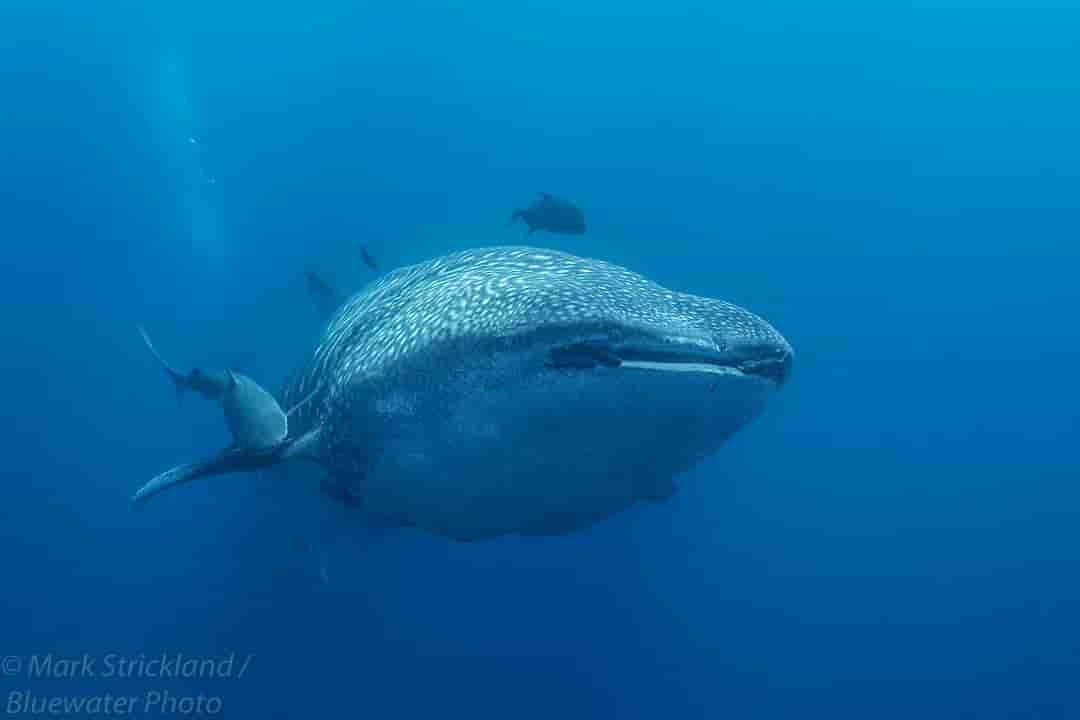
For most serious divers, the best way to experience Galapagos scuba diving is by liveaboard. A liveaboard is the only practical way to reach the legendary remote sites of Wolf and Darwin Islands, where divers have the best chances for schooling hammerheads, Galapagos sharks, whale sharks in season, eagle rays and other pelagic life.
Most Galapagos scuba diving liveaboards run 7-night itineraries and include around 18–22 dives, depending on the vessel, park schedule and conditions. Many itineraries also include a land excursion to see endemic wildlife such as giant tortoises, marine iguanas, blue-footed boobies and frigatebirds.
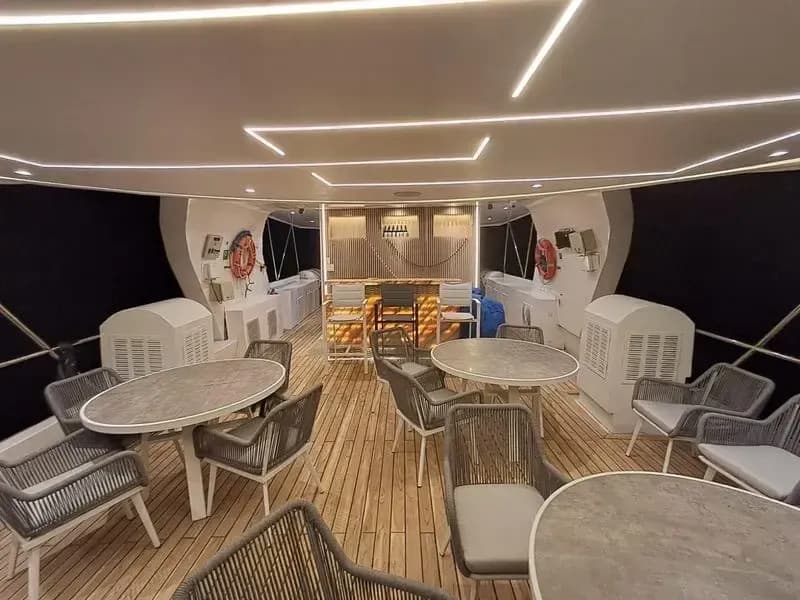
For divers who want an intimate Galapagos adventure, the Nortada Liveaboard is a completely rebuilt and refit private liveaboard charter boat for small groups of up to 8 divers.
View Galapagos liveaboard live availability and book online at the best price.
The Galapagos are volcanic islands in the Pacific Ocean, made famous by Charles Darwin and the National Park that protects them. Situated about 500 nautical miles (925 km) off the coast of Ecuador, the Galapagos are located on the equator.
There are 18 islands in total, with the favorite dive spots being Wolf and Darwin Island, arguably the best dive destination in the world for pelagic life! The islands' isolation has led to unique evolution among the flora and fauna (eventually prompting Darwin to publish The Origin of Species) leading the Ecuadorian government to declare the Galapagos archipelago a national park in 1959.
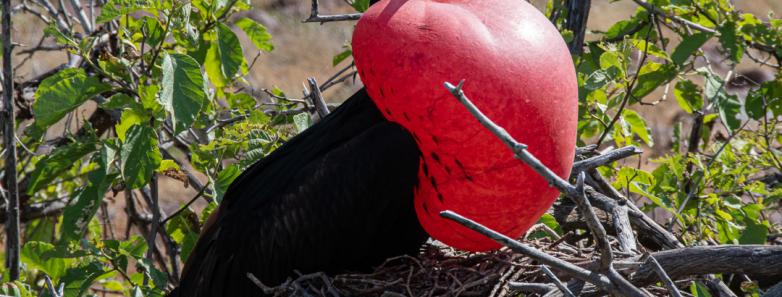
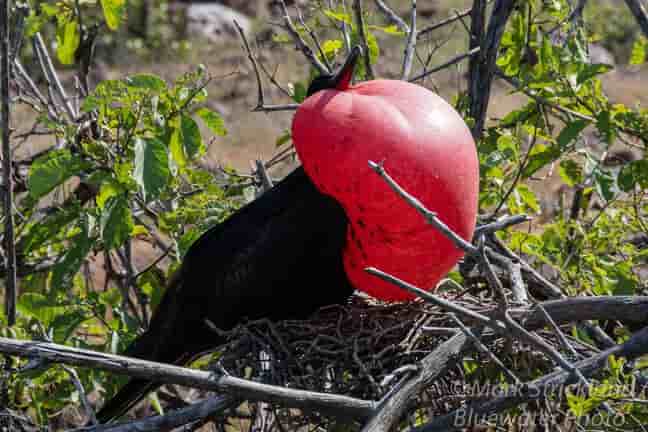
The red balloon frigate. The land excursions in Galapagos are not to be missed!
It has subsequently been recognized as a UNESCO World Heritage Site, which is great news for creatures like the Galapagos giant tortoise and the blue-footed booby, as well as the rich marine life making their home in the islands' surrounding waters.
Each Galapagos scuba diving liveaboard is given set itineraries by the government, which allow divers a wide range of dive opportunities. There are also "traditional" cruises through the islands with snorkeling, hiking, and other non-dive activities, as well as several hotels in Puerto Baquerizo Moreno (Isla San Cristobal) and Puerto Ayora (Isla Santa Cruz) offering land-based diving. If you like big fish and aren't afraid of a thick wetsuit, scuba diving Galapagos Islands is a must.
Scuba diving in the Galapagos Islands is available year-round, but the best time to go highly depends on what you want to see and your tolerance for cold water.
More on the best time to dive Galapagos
Discover the underwater wonders of Galapagos in this video...
With no shortage of interesting dive sites and marine life encounters, scuba diving Galapagos always impresses even the most seasoned and well-travelled divers! Read on for more information about marine life, diving conditions, and Galapagos dive sites.
The Galapagos Islands are one of the top destinations for seeing large marine life native to warm and cold water climates. The Galapagos is also home to some of the best shark diving in the world! While Galapagos is indeed a wide-angle photographer's paradise, you shouldn't leave the macro lens at home. Lots of small critters can be found at various dive sites. Grab your underwater camera housing and let's go!
Among the many unusual highlights while scuba diving in the Galapagos are marine iguanas, found underwater munching on algae and seaweed. They can reach 4-5 feet (1.2 - 1.5 meters) in length! Each island has unique species, which have evolved independently from their land-based counterparts in South America.
List of some of the marine animals that you'll likely to see in Galapagos:
Update – May 2026 (El Niño year): On our current trip we’ve seen fewer sharks at Darwin and Wolf than in cooler years, with more turtles, eagle rays and reef fish action instead. Whale shark sightings have been limited to a couple of small individuals so far. In neutral or La Niña years, shark numbers are typically much higher. If your priority is whale sharks and big schools of hammerheads, talk to us about current conditions and long‑range forecasts before you lock in dates.
The best time to scuba dive Galapagos highly depends on what you'd like to see! The diving season in Galapagos is generally divided into two categories: Whale Shark Season (June-November) and Manta Season (December-May) when it's slightly warmer.
| Season | Best For | Typical Conditions | Good To Know |
|---|---|---|---|
| December–May Warmer season | Manta rays, warmer water, calmer seas, marine iguanas and land wildlife behavior. | Warmer water, more sunshine, generally smoother crossings, occasional thermoclines. | Shark and whale shark encounters can still happen, but peak whale shark season is usually later. |
| June–November Cooler / whale shark season | Whale sharks at Wolf and Darwin, active fish life, schooling hammerheads and nutrient-rich diving. | Cooler water, more current, rougher surface conditions and reduced sunshine. | Bring proper exposure protection and be prepared for more demanding diving. |
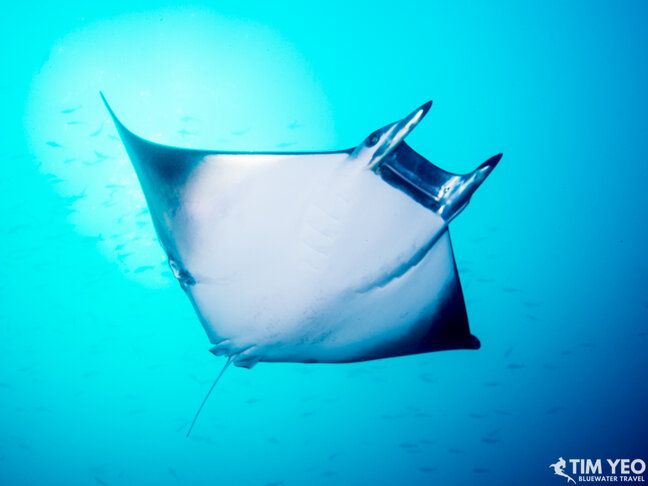
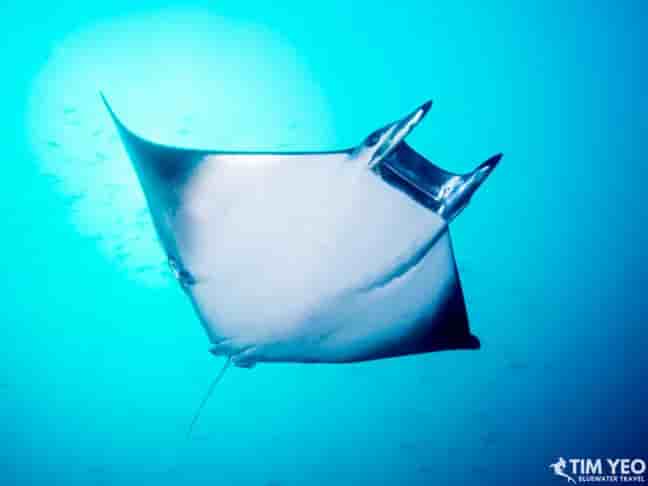
Manta Ray drifting overhead during our 2019 group trip to Galapagos.
During the warmer Manta Season (December-May) the schools of hammerheads are generally larger and giant manta rays may be found off Isabela island. There is also some interesting mating behavior with the marine iguanas and world-famous blue-footed boobies. And, being the warm season, ocean surface conditions are calmer (for a smoother boat experience) with sunshine.
May can be an excellent shoulder-season month for scuba diving in Galapagos, with warmer water and generally calmer surface conditions than the cooler season. It is one month before the traditional whale shark season, so whale shark encounters are possible but less predictable than during the peak June–November period. In El Niño years, big shark activity can be more variable.
During the colder Whale Shark Season (June-November) the gentle giants come to feed on the plankton off Wolf and Darwin Islands. Fish life is also much more active due to the increased levels of nutrients in the water. On the downside, conditions may be rougher on the boats with limited sunshine.
The decision is ultimately yours, but feel free to ask us about our experiences during the different seasons. We've been booking and running successful trips to the Galapagos for many years and can give you recommendations based on your preferences!
Interested in underwater photography? Check out next Galapagos Photo Workshop in May 2026. Daily workshops provided by photo pros at no extra cost!
Galapagos scuba diving is for advanced divers. Not only is the water cold enough to warrant a 5mm or 7mm wetsuit, but there can be strong currents, choppy water, and other conditions requiring experience beyond casual open-water certification.
Most divers visit the islands on liveaboards, which use small inflatable boats to access specific dive sites. Galapagos liveaboards vary in the number of dives offered per day, and also the number of dives at Wolf and Darwin Islands (popular for pelagics and seasonal whale sharks). Most Galapagos dive trips are now 8 days and 7 nights, offering 21 - 22 dives. Most boats will do 4 dives a day, including a night dive.
Getting there may seem more complicated than some destinations, but rest assured, the travel is worthwhile to experience scuba diving Galapagos. Just be sure to plan your flights so you arrive early to mitigate the risk of missing your Galapagos liveaboard departure.
You can fly internationally into Mariscal Sucre International Airport (UIO) in Quito or José Joaquín de Olmedo International Airport (GYE) in Guayaquil, both in Ecuador.
Most liveaboard trips depart from either San Cristobal (SCY) or Isla Baltra (GPS). Daily airline transfers available from Guayaquil to both locations, with an easy transfer flight from Quito available (stay on the same plane). It's recommended to fly into either Quito or Guayaquil 1-2 days before your liveaboard transfer since there are morning departures only, which don't sync up with arriving international flights. The flight to the Galapagos is about 2 hours.
Both Quito and Guayaquil have a wide range of hotel accommodations and plenty to explore while staying there. Quito is the capital city of Ecuador and a UNESCO heritage site at 7,900 feet in the Andes. The Mariscal Sucre is a popular part of the city for visiting tourists, however, it is 45-60 minutes from the airport. The Malecon in Guayaquil is popular with tourists, situated right on the Rio Guayas.
For serious divers, we strongly recommend booking a liveaboard trip to Galapagos. Liveaboards will provide the most variety in dive locations and are the only way to access the famous Wolf and Darwin Islands. Land-based diving is available with 2-tank morning dives, however, the dive sites are limited in range from the port.
Here at Bluewater Travel, we run guided trips and photo trips to the Galapagos every year. Our trips are carefully planned to hit the best diving spots during the best time of year. Daily photo workshops by photo pros are provided at no extra cost.
Our travel advisors can help you plan everything from A to Z and our trip leaders will be there to make sure that your vacation runs smoothly.
All that at no additional cost to you!
See all Galapagos liveaboards, view our next dive trips to the Galapagos or contact us to start planning your dream trip!
While scuba diving Galapagos is the most sought-after activity, most Galapagos liveaboards include several land excursions during the trip that shouldn't be missed. These are opportunities to see land-based birds, penguins, and the famed Galapagos giant tortoises. The non-dive activities differ depending on the trip itinerary and season, so be sure to check the specific itinerary of your trip for the land excursion details.
Check out Komodo Island diving for another unique destination with fantastic topside wildlife and great diving.
Yes. Galapagos scuba diving is widely considered among the best big-animal diving in the world. The main attractions are schooling hammerheads, Galapagos sharks, whale sharks in season, marine iguanas, sea lions, turtles, eagle rays, mola mola and remote volcanic seamounts. It is best for experienced divers rather than beginners.
You can do land-based diving from islands such as Santa Cruz and San Cristobal, but a Galapagos scuba diving liveaboard is strongly recommended if you want to visit the best sites, especially Wolf and Darwin Islands. These remote islands are where many of the most famous hammerhead, whale shark and pelagic encounters happen.
There is no single best month for everyone. June to November is usually best for whale sharks and nutrient-rich big-animal action, but it brings cooler water and rougher seas. December to May is warmer and often calmer, with good chances for manta rays, active reef life and excellent land wildlife encounters.
Yes, many Galapagos dives are challenging. Divers should be comfortable with strong currents, negative entries, surge, cooler water, choppy surface conditions and blue-water safety stops. We generally recommend Galapagos for advanced divers with recent experience in similar conditions.
Most divers use a 5 mm or 7 mm wetsuit, often with a hooded vest or hood and gloves. During the cooler June–November season and around western sites such as Fernandina and Isabela, water temperatures can be much colder than many divers expect.
Travel to a new region requires a bit of practical knowledge, and the team at Bluewater Travel is here to help you with all the details for scuba diving Galapagos. Read our list of Galapagos travel tips for more information. Don't see what you're looking for? Contact us and our team will be happy to assist.
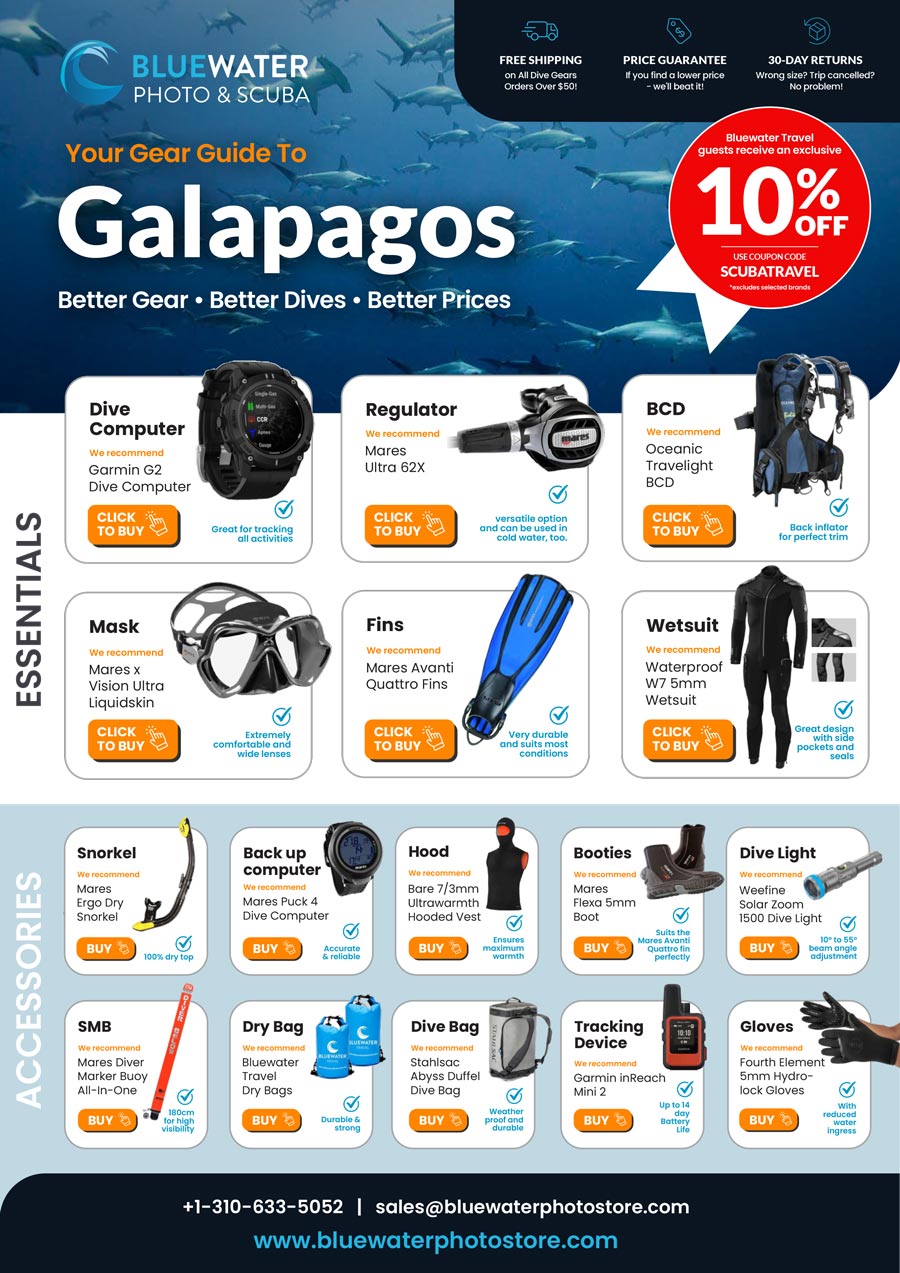
Download our full scuba gear guide to Galapagos. Bluewater Travel guests receive 10% OFF!


Nirupam Nigam is the Editor-in-Chief of the Underwater Photography Guide and the President of Bluewater Photo & Video - the world's top underwater photo & video retailer. While growing up in Los Angeles he fell in love with the ocean and pursued underwater photography in the local Channel Islands. After receiving degrees in Aquatic and Fisheries Science and General Biology, as well as a minor in Arctic Studies, Nirupam worked as a fisheries observer on vessels in the Bering Sea and North Pacific. Since then, Nirupam has been a full time underwater photographer and photo gear head.
You can get in touch with him at nirupam@uwphotographyguide.com or through his website www.photosfromthesea.com.
Learn more about Nirupam with this amazing video!
Diving with Galapagos Sky has lifted the bar for livaboards. The friendly staff, thoughtful service, restaurant quality meals and dive set up showed the results of striving for excellence. The dive sites were amazing and the guides added to the experience rather than rushing us through it. Don't be put off by the detailed expectations in the trip notes- Galapagos Sky was extremely welcoming and flexible to individual needs.
Where to start! The Galapagos has been at the top of my bucket list for years, so this trip was highly anticipated. From a marine-life perspective, it didn't disappoint, and we saw far more than I was expecting. However, visibility wasn't great so some sightings felt fleeting at best. At Wolf and Darwin, we saw plenty of individual hammerheads and a few small groups, however, they were shy and didn't come closer than 15m. The poor vis meant we didn't get to experience the huge schools that this area is famous for, however, I'm sure they were there just out of sight. We also saw a good number of big Galapagos sharks, and a couple of whitetip reef sharks.One of the highlights was spotting a huge whale shark. It spent some time doubling back and did a big figure of 8 loop so that we got a really great view. On another dive we saw 3 Mola mola at a cleaning station and then a single Mola mola during our safety stop, but , again, visibility wasn't great so we only watched them for less than a minute before they disappeared.I was really blown away by the abundance of life here. The reefs are alive and bustling, and the fish don't seem scared of divers. I've never seen so many turtles and moray eels!Diving can be challenging, especially for inexperienced divers. Expect STRONG currents at some sites, where you duck behind a rock and hold on. There is also quite a bit of bluewater diving and safety stops, choppy surface conditions, and it can get cold. In December the lowest temperatures we recorded were 13C at Fernandina! But it's worth it to see the marine iguanas and Mola mola.Galapagos is reasonably undeveloped but definitely caters to tourists. There are countless t-shirt and souvenir shops, and the tortoise reserve is interesting. If you have some extra time, I would suggest visiting some of the more outlying areas where the wildlife is exceptional.
This destination exceeded my expectations. Galapagos is an amazing location that lives up to its reputation as one of the premier dive destinations in the world - whale sharks, hammerheads, Galapagos sharks, giant spotted eagle rays, marine iguanas and more. Plus, the staff on our liveaboard was incredibly knowledgeable and helpful. Also - it would be important to note that photography in the Galapagos is not for beginners as the dive conditions make it quite challenging.
GALAPAGOS ISLANDS DIVE REVIEWThe Galapagos Islands are probably the most unusual place dive destination I have ever been to. The wildlife diversity is just amazing both on land and in the water.The land tours were fun and interesting. So many little birds, plants I have not seen in other places and I saw an enormous sinkhole full of life. And DO NOT leave without seeing those giant turtles. I went in May and the weather was quite comfortable.It was most amazing for me at sea. You can literally see the earth growing up from the ocean and slowing descending back down into it. Looking at the volcanic islands I realized how this beautiful earth of ours has been/is ever growing and changing. The marine life is just extraordinary. Sea lions lounge about in good numbers and amaze me at the places I see them laying on the rocks. How do they get up to/down from there?!? Penguins at equator? Yep!!! Flightless Cormorants diving so fast efficiently to feed. Frigate birds nesting on the almost sheer rock cliffs are so beautiful showing off those big red throat pouches trying to attract just the right female frigate is quite a show.MARINE LIFEAnd the diving, wow. We were very fortunate to have smooth seas and nice weather, very warm topside. But beware it can get pretty cool underwater so be prepared. Some of the wonderful animals I saw that cannot go with out mention are the Manta rays,Red lipped Batfish, a beautiful spotted horned shark and the ocean sun fish was a treat indeed. That dive was a case where many of our group did not get to see the fish because they were under dressed and got back on the panga due to chills before the Mola mola made his appearance.Again, I stress, go prepared, take gloves and a beanie or hood. Many dive a 5/7 ml and some even drysuit. I used a 5 ml, gloves and hood. Sharks and giant moray eels abounded !!! Hammerheads, blacktips and of course the beautiful Galapagos shark. It's my understanding that I was between Manta season and Whaleshark season. You would want to check with a travel professional concerning what time of year you went depending on what your biggest hopes of seeing are.DIVE CONDITIONSTo the best of my knowledge all dives are done from pangas or large inflated rubber rafts using back roll entry into the water. For me that means making sure I have good references on the dive operator. You want to be with a good solid operator to get you in and out of those pangas, I was. In fact the entire trip is so special and has so much to offer I believe everyone should use a travel professional in order to get the most out it. In my opinion it is not a place for beginning divers and maybe not even novices unless they have been well trained , are fit and in good watchful , thoughtful company. Currents are prevalent here, that's what brings the wildlife. Thirty foot vis was about the norm on my trip. However, it can change to much less quickly when a rain shower comes along. So be calm and enjoy the adventure. It is a wondrous destination that I would gladly visit again.
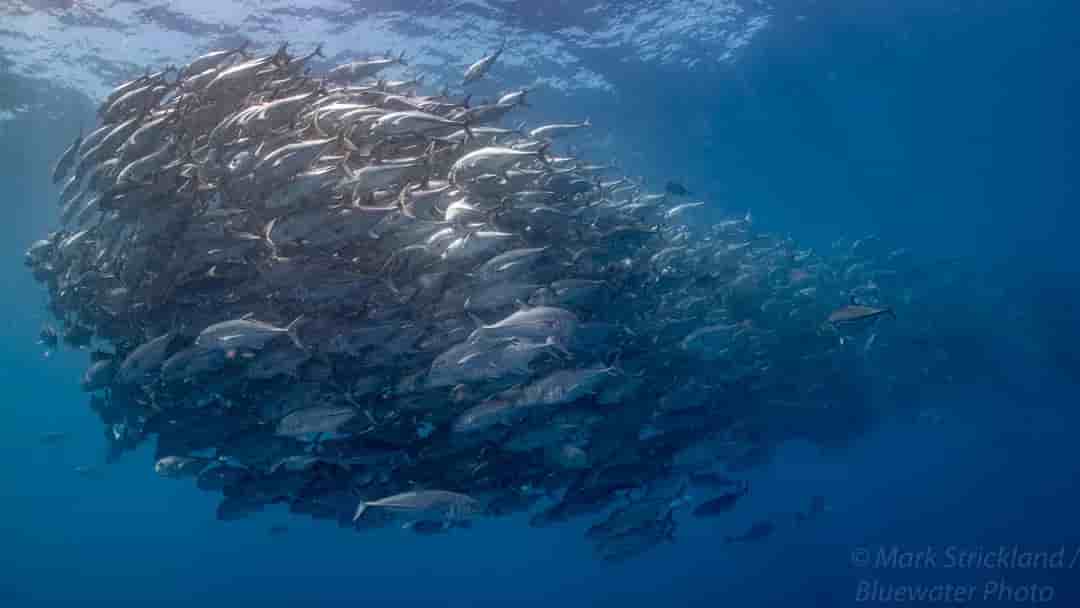
Our Family spent six adventurous weeks in Ecuador dividing our time between the Amazon, Quito and the Andes and ten days in the Galapagos on a catamaran, Galapagos Vision. This review is about our time in the Galapagos.Most of our adventures happened during the day when we walked the islands or leisurely snorkelled the blue coastal waters. We snorkelled at least twice a day with marine iguanas, two types of turtles, sharks and sting rays not to mention all the fish life. The Galapagos Vision was not a dive boat but a fifteen metre catamaran holding ten paying passengers and six crew including a naturalist, Milton.I can still hear his warm and smiling voice. ‘You do not have to look for the animals, they will look for you’. We thought he was just trying to keep us on the track but Milton turned out to be a legend. He seemed to know where to find stingrays, which ledges were hiding white tip reef sharks and where to find sea turtles gracefully feeding in the current.‘Stay still’, was easier said than done as half a dozen stingrays swam around our feet in ankle deep water. Once again ‘The legend’ had led us to a beach on Floreana Island. The sculptured dunes were the nesting area for green sea turtles and only twenty metres off the beach two turtles were mating.In this precious place we had to follow certain rules like the ‘two metre rule’. We were supposed to stay at least two metres from all animals but no one told the animals. We felt a connection as Green Sea Turtles comfortably fed just centimetres away under water. White Tipped Reef Sharks snoozed below us in the shallow water sometimes closer than we wanted to be.These islands are epic. With regularity we would get out of the path of a determined sea lion or marine iguana as they moved to a new sunning perch. The oohs and aahs as baby sea lions nursed or a Nazca Booby stood up to expose a furry chick. Magnificent and Great Frigate birds, Waved Albatross, Blue Footed Boobies and Tropic Birds were in great numbers on some islands.One of the highlights was seeing marine iguanas swim in from the cool sea with their serpent swagger and climb sometimes twenty metres up a cliff to a warm perch. They are the only marine lizard in the world and we found them lounging in great numbers (photo).Darwin explored the Galapagos and developed his theory of evolution by noticing the changes in the length of mockingbird’s beaks and variation in finches from Island to Island. It was fascinating as visitors to easily see evolving forms of animals. Sure enough every island of the nine we visited showed a change in adaptation. The mockingbird’s beaks were longer, iguanas colour changed and finch’s beaks were noticeably stouter on some islands.Even the islands change and evolve as they drift slowly east getting older, flatter and lower. Rabida is the ‘red’ island and some islands have the contrasting colour of old and new lava flows. We did not visit the most volcanic and westward islands of Fernandina and Isabela which would provide even more variety.Exploring the Galapagos by boat and living aboard puts less pressure on the growing infrastructure of the islands but you need to have some sea legs to enjoy the journey. Our family never found it rough but some on our cruise looked a bit pale. The alternative is a land based exploration, sleeping on land and making boat trips to the islands.Our shipmates were as varied as the wildlife consisting of people from Italy,US, Netherlands and New Zealand. Another bonus of our travels is we feel we have made lifelong friends and with our new acquaintances we have invitations to visit so it seems, the journey never ends. There are boats to meet every need and price range carrying passenger of a few to one hundred.The snorkelling was so different than anything I have experienced before. The animals were new but the quantity of sea life was unbelievable. The water was cool but not too cold to snorkel without a wetsuit but I would recommend one for diving.After our cruise which is a great way to see some of the islands we spent several days in Puerta Ayora to regain our land legs and look around the main town on Santa Cruz Island. My son and I chose to dive with Silberstein Dive Centre and did two dives off Baltra Island. Both dives were drift dives and were easy and gentle and called Mosquera and North Seymour. The dive master was adequate as was the rental equipment and we had no trouble. It did make me realise after our trip on Galapagos Vision that it is the guide that can make the difference between a special trip and an adequate trip. The guys at Silberstein were adequate. The schools of Jacks were incredible and at one stage we were surrounded by them while doing our safety stop.There are many dive shops to choose from in the Galapagos and I would recommend using the forums on TripAdvisor and Bluewater Travel to find the best ones. Have fun!
I went to the Galapagos a number of years back with a dive buddy. For those of us with families and tighter pocket books this is once in a lifetime bucket list trip. We booked the trip with Aggressor, and I really can't say anything bad about service, crew, or boat. Most meals were great, but we had the occasional just okay meal. Between all the diving and shore excursions eating up your calories any food is good, honestly. Of course, you really go for the underwater scenery. The amount of sea life is astonishing. From a diver that is used, to mostly, Caribbean diving, just the shear overall amount of fish, coral, rays, octopi, etc. is amazing. The hammer head sharks, which there are many, are a bonus. Some dives were a real underwater circus. Although, there were a couple dives that were comparably less visually consuming, but still always had something great to offer. It was, apparently, unseasonably warm. Most were wearing 5mil suits. I had brought my 5mil, but ended up wearing my 2mil instead. Although, I don't get cold easy, so wear what is comfortable for you. There were a couple dives that had very intense currents and wave movements. If you are uncomfortable with this type of dive it could make you anxious. Personally, I love challenging dives, and sometimes being thrown around is just plain fun. Nice thick gloves are must for holding on to outcroppings during these dives. While we had some superb dives, top side was fun as well. We had people from 5 different countries, and everyone got along well. During the first or second night while being moored off Darwin Island, I believe, a pod of dolphins put on a show for us. They hung about 10-20 meters off the boat and were doing jumps and flips for about fifteen minutes. I thought about rating the Overall Value a four, because it is very expensive, but all live aboard trips are expensive. Honestly, I think for the price you get more than you bargain for. IF I ever get the opportunity, I would definitely do it again.
Bluewater was great. I had a serious problem that almost tanked the trip and they solved it. Galapagos is amazing, highly recommend. Boat crew was fantastic. Too many hammerheads to count. Lots of eels and sea lions. Land excursions were fun too. Pro tip: Plan to arrive a day or 2 early to avoid flight delays or cancellations. There's plenty to do on land.
I think that it is best to start a review of the Galapagos Islands in Quito. The new airport is almost an hour away from the city, but it is worthwhile to spend at least one day there and maybe two or three. The old quarter of the city is a UN World Heritage Site and it beautiful to see.One arrives into the Galapagos Islands on the small island of Baltra and are taken by ferry to the core island of Santa Cruz. Santa Cruz is by far the most populated of the islands and also contains quite a bit of agriculture. Some of the local farms represent the best spot to see the giant tortoises of Santa Cruz. Each island has its own tortoise species (Isabella has 4 I believe--one for each volcano). Puerto Aroyo is a town of about 25K inhabitants and is he commercial hub of the islands. Many local dive tours and island tours leave from here including ferries to other islands. The Darwin Research Center is also here and is a great chance to see many tortoises and species such as the land iguanas. Don't miss it--it is within a long walk of the city center.We took a ferry to Isabella which was kind of a rough 2 hour ride to the very much smaller city of Puerto Villami on the SE corner of the island. Isabella is large and has incredible variety. We walked to the top of southernmost volcano. We went snorkeling near the town and saw white tips with sea lions harassing them. We saw thousands of marine iguanas and of course, blue boobies. The highlight of our stay was a long boat ride to the site of Los Tunneles which looks like some scene from another planet. Along the way, we saw dozen of mantas on the surface. We had a great chance to snorkel with them, eagle rays, and turtles everyway. This side tour is a bit expensive, but worth the price in every way. We got to see several of the Isabella tortoise species along one of our hikes. Diving is very good here as well, but not up to the standards of the outer islands.Espanola is another island that is worth a visit if you have a chance. It is one of the oldest of the islands and is quite small. In July, we saw albatrosses mating which was quite interesting. Blue boobies were everywhere and several other species of birds that are not seen on the other islands. This is an island that is not frequented by divers because of its location, but if you have a chance to get here with a couple day extension, make the investment.We did most of our diving from a liveaboard and most of them now take a very standard 7 day trip through the islands. We started in the Bartholomew area which is famous for its views featured in the Master and Commander movie. The diving in the area ifs very good, but not spectacular. Lots of snappers and lots of turtles.After a long 1 day cruise, the boat arrives at Wolf and the fun starts. We did 5 dives there including a night dive which was very good with turtles sleeping and eels in abundance. The conditions were quite harsh here with lots of surge and rough surface conditions. We saw a half dozen eagle rays and too many hammerheads to count. It was a tough place to have a big camera though and it was easy to get bruised up on the rocks.The next 1.5 days we spent at Darwin which is definitely world class. Dolphins on the surface. Orcas by the boat. Silky sharks circling at the "unsafety stop" and sharks pretty much everywhere. We saw two whale sharks, one of which bumped my son in the head with its tail. He didn't even see it coming but I got it on video.We spent the last days of the trip off the coast of Fernandina where the water was cold, but full of marine iguanas. We also had orcas cruise by when we were diving. We also saw them on the surface. Never a dull moment. We finished at the NW corner of Isabella where the water was incredibly cold. We saw mola mola, giant seahorses, and the infamous red lipped batfish.On the way back to port, we stopped for a couple of dives at Cousins Rock which is also a very nice site. We saw a half dozen eagle rays as well as a lot of turtles.This destination is pretty incredible. A week of liveaboard is the only way to see the diving. An extra week is also worth the time spent to see a small sample of what is not underwater.