
Diving in Tofo, Mozambique: What It’s Actually Like
Written by Courtney Sardinha
Camera Gear: Canon EOS R10, Sea & Sea YS-D3 Strobe, Ikelite Canon R10 Housing, Tokin 10-17mm Fisheye and a Canon 50mm lens.
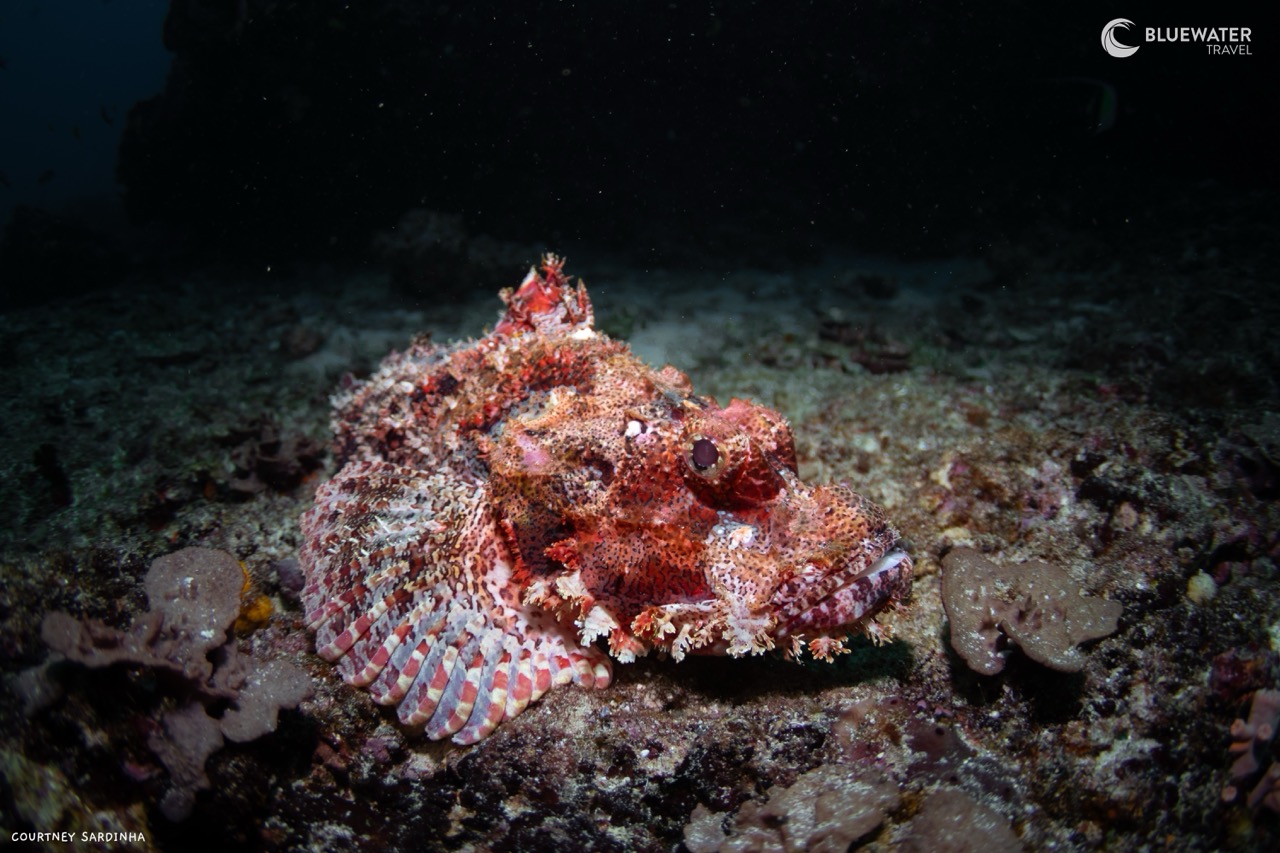
After living and diving in Tofo for three years, here's my honest guide to scuba diving in Tofo, including conditions, marine life, whale sharks, mantas, seasons, water temperature and what to do outside the water.
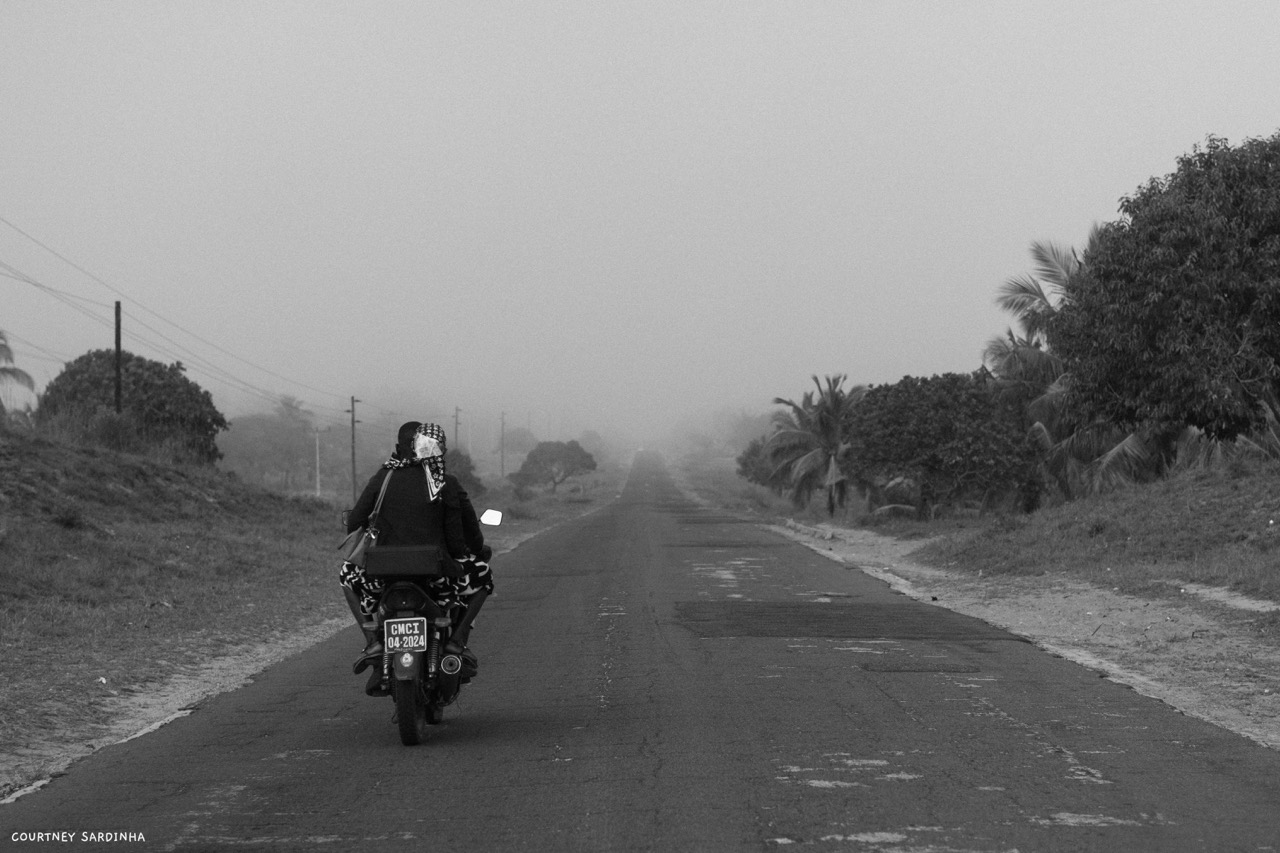
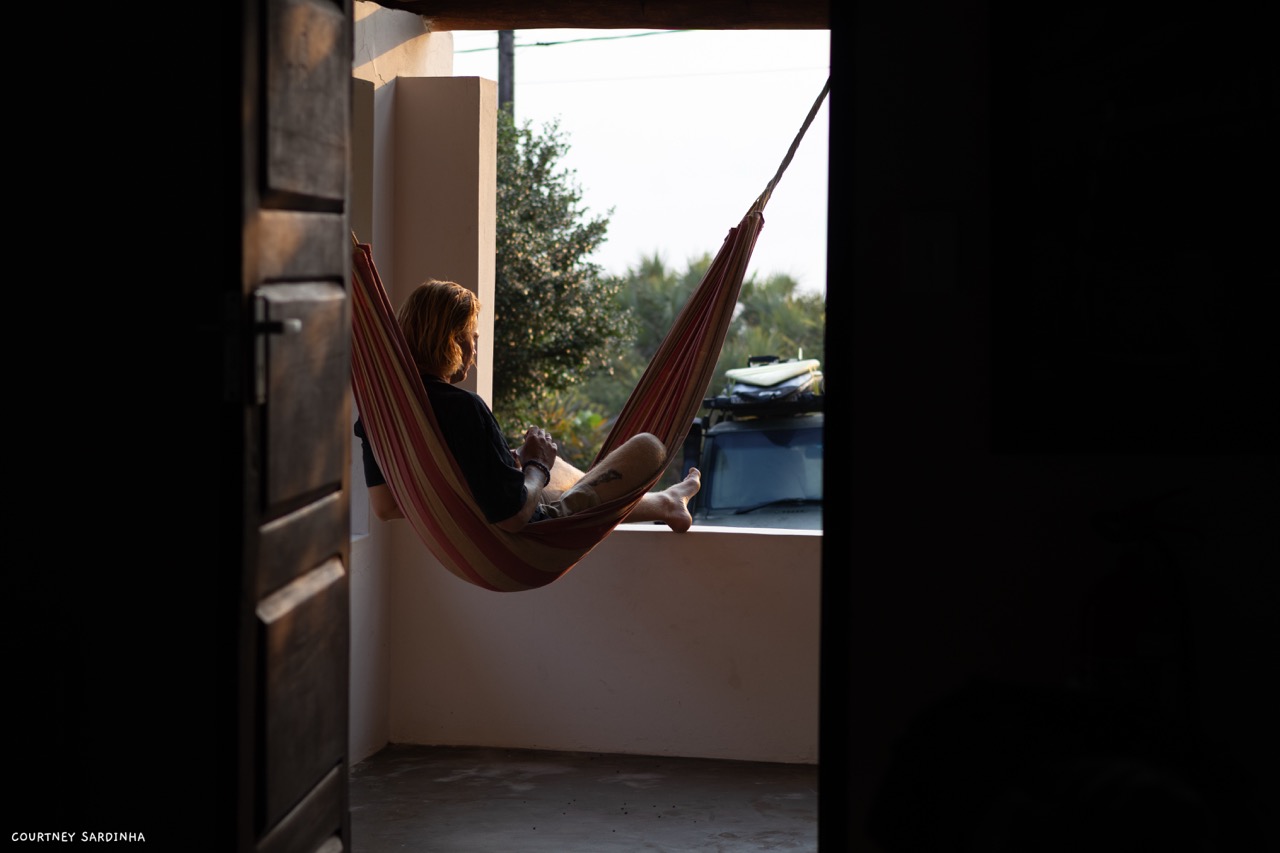
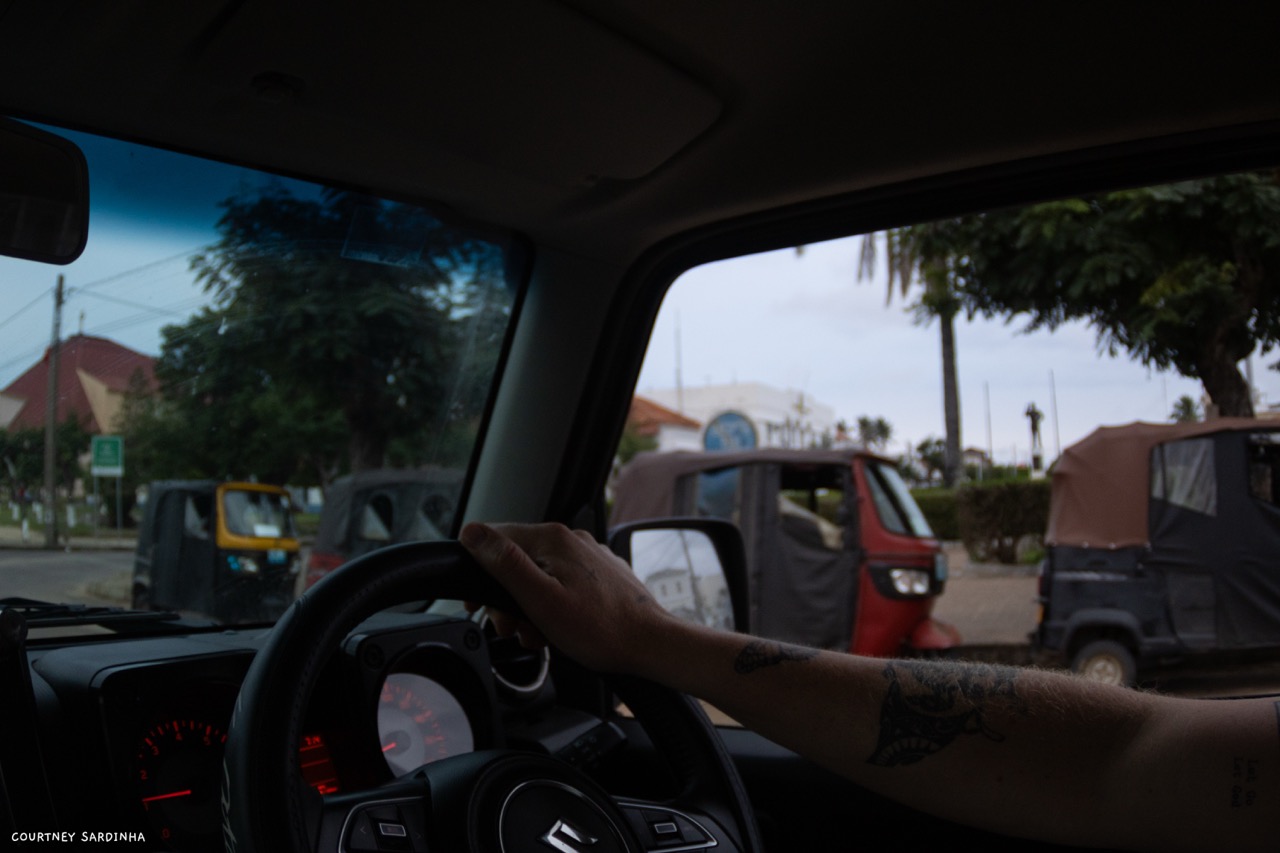
There are very few places I talk about as much as Tofo.
I moved there in January 2020 with the intention of staying for three months to do my Divemaster course. Before those three months were even up, COVID hit and I had to head back to South Africa. I came back as soon as I could, finished my Divemaster, started my Instructor course... and somehow those original three months turned into about three years and I've been going back as much as possible ever since.
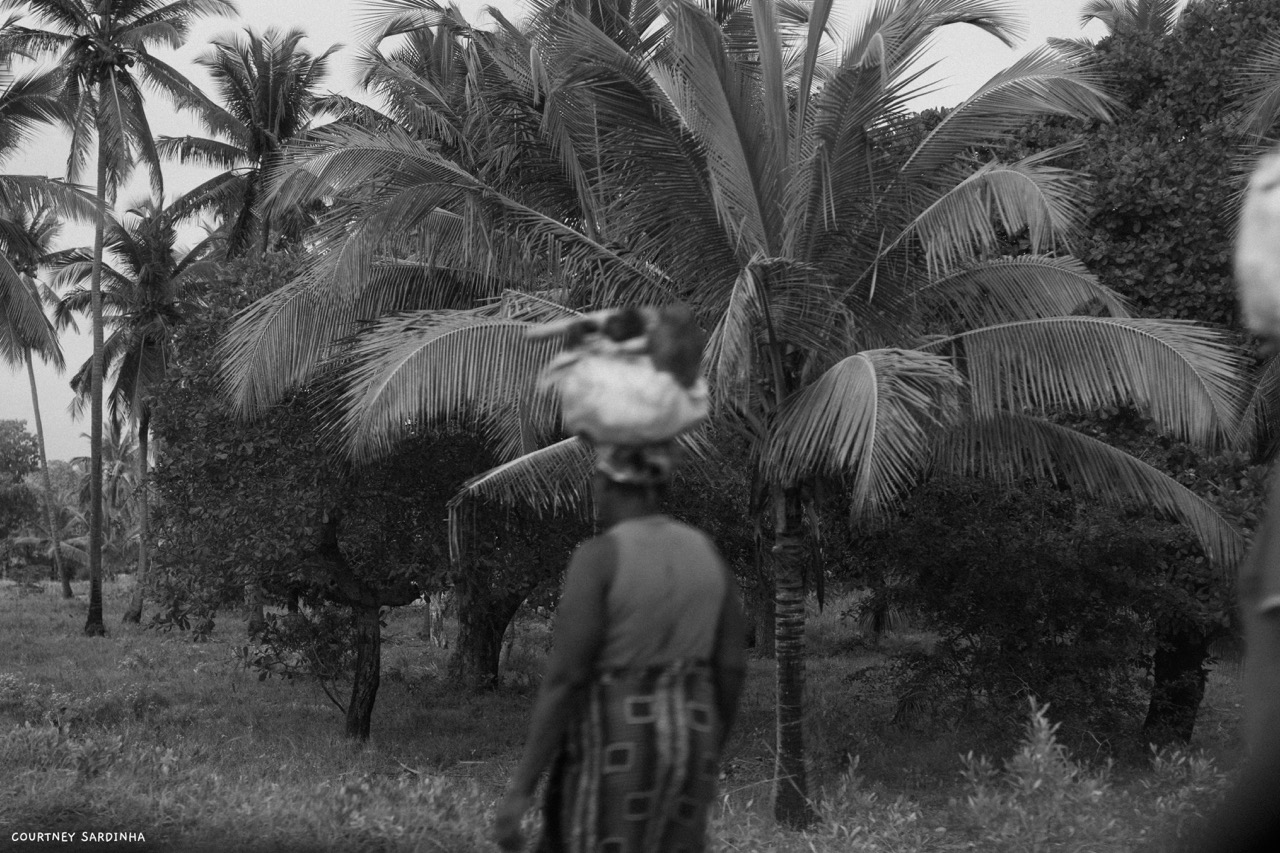
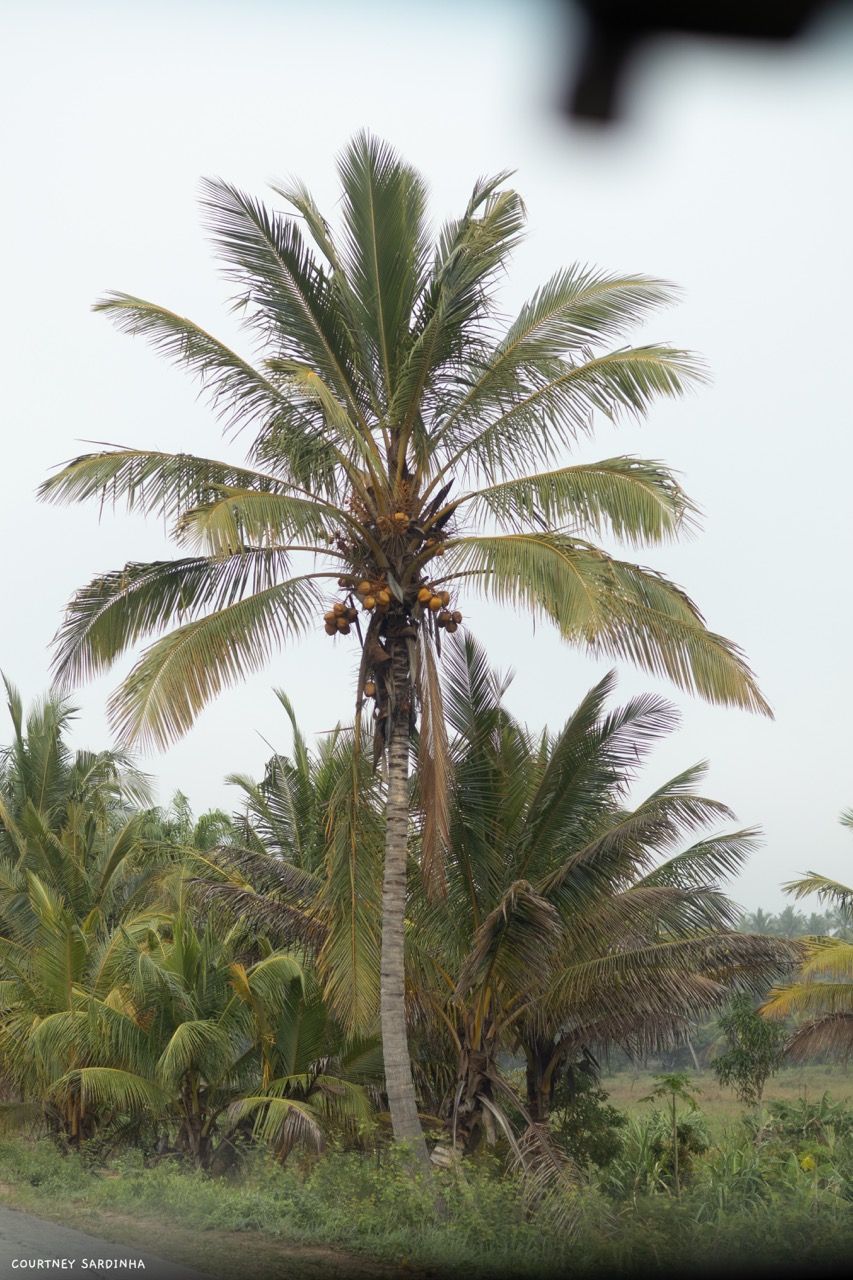
Tofo is my favorite place on the planet. Partly because of the diving, but also because there's something about the place itself that's very difficult to explain until you've been there. The coconut trees, the beach, the market, the people, the food, the smell of Mozambique, the complete lack of urgency - it immediately just feels like home. So many people visit Tofo and keep coming back over and over.
So instead of giving you a polished “everything is perfect and you'll see a whale shark every day” version of diving in Tofo, this is what it's actually like after living, diving and working there.
Where is Mozambique?
Mozambique sits on the southeast coast of Africa, with a huge stretch of coastline along the Indian Ocean.
If you're coming from South Africa, it sits directly to the northeast, which is one of the reasons Mozambique has always been quite accessible to me. My family traveled to Mozambique from South Africa almost every year from when my sister and I were tiny, so Mozambique has been part of my life for as long as I can remember.
Where is Tofo in Mozambique?
Tofo is a small coastal town in Inhambane Province, not far from the city of Inhambane.
It's known for diving, surfing, long beaches and marine life, but “small coastal town” describes it much better than “resort destination.” Mozambique's own tourism authority describes Tofo as a rustic village popular with surfers, divers and beach lovers, which is pretty accurate.
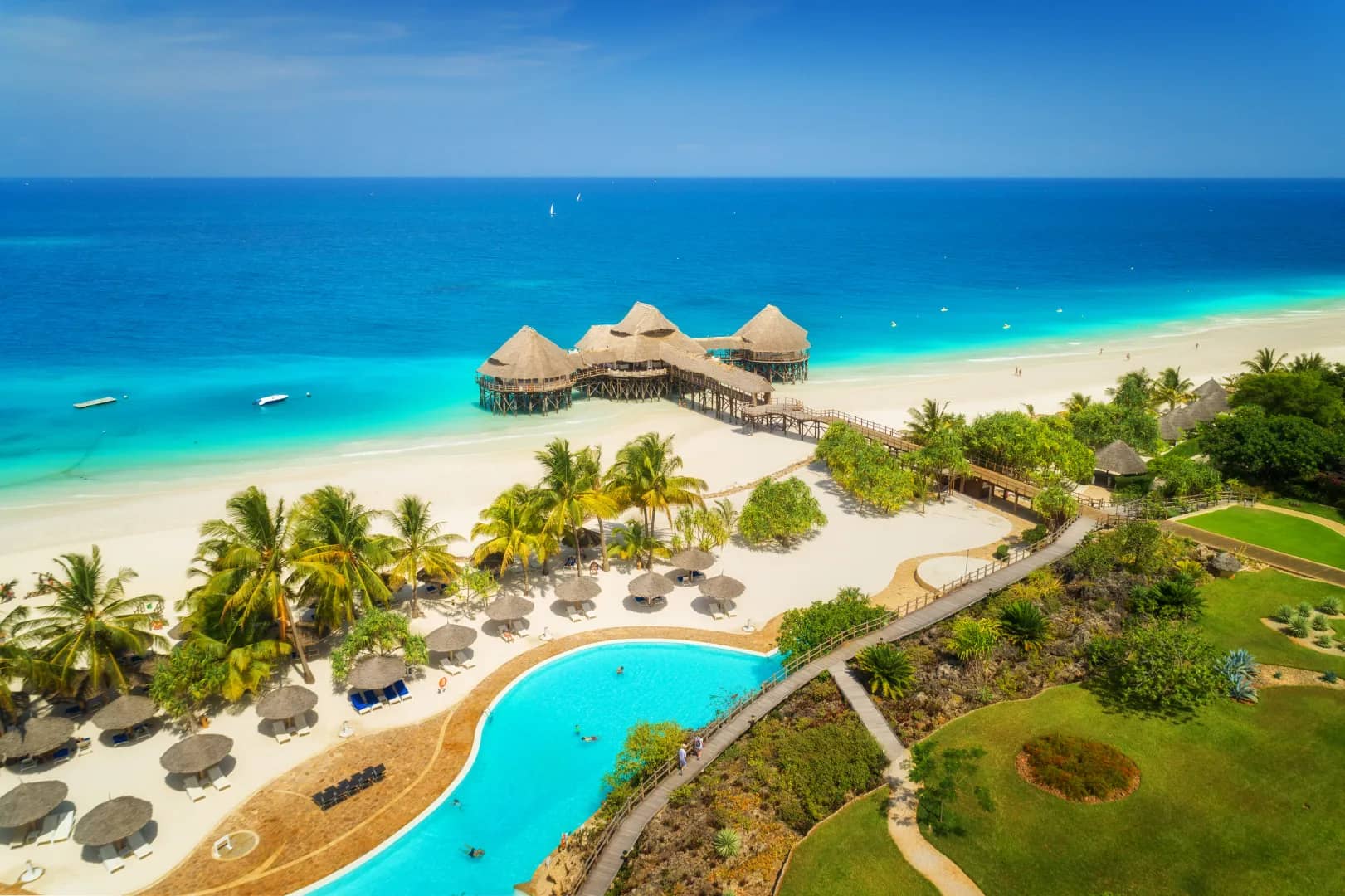
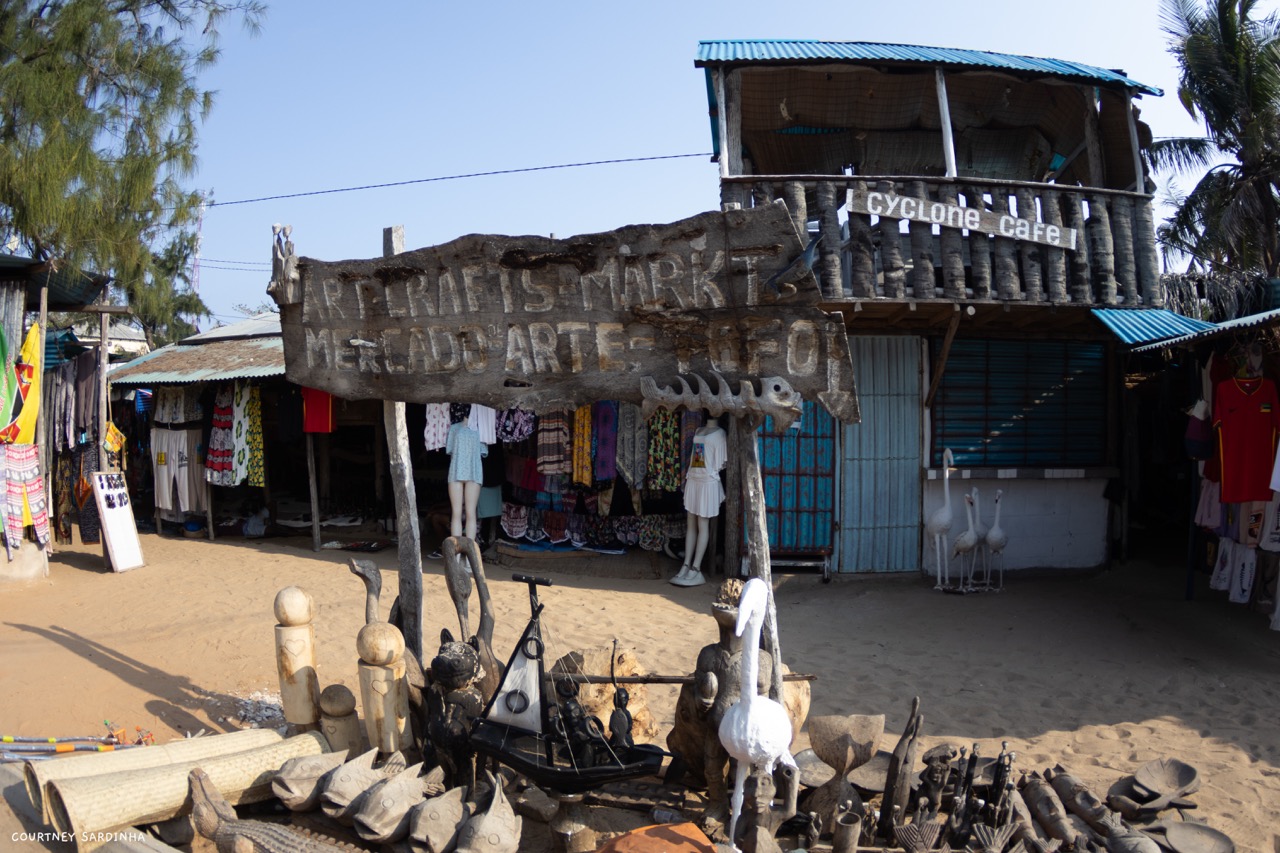
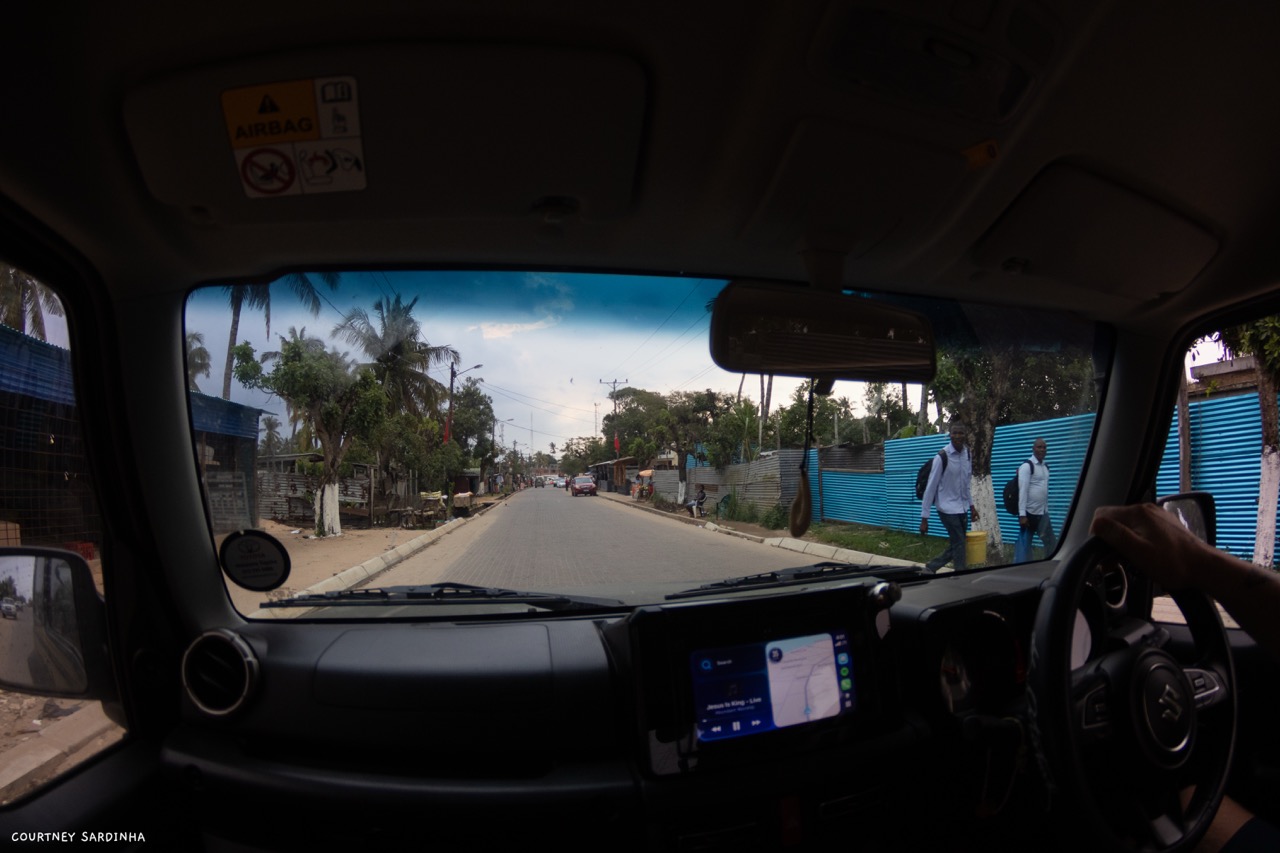
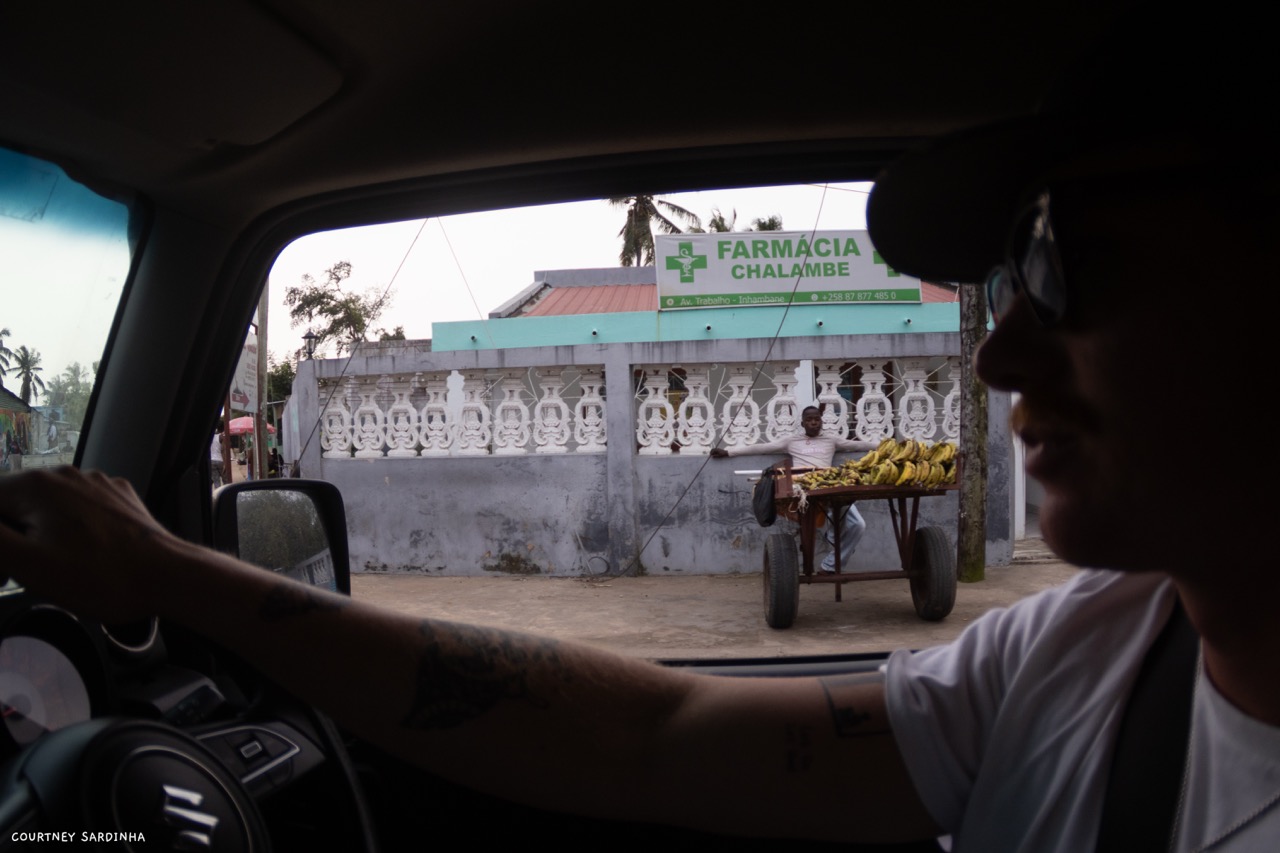
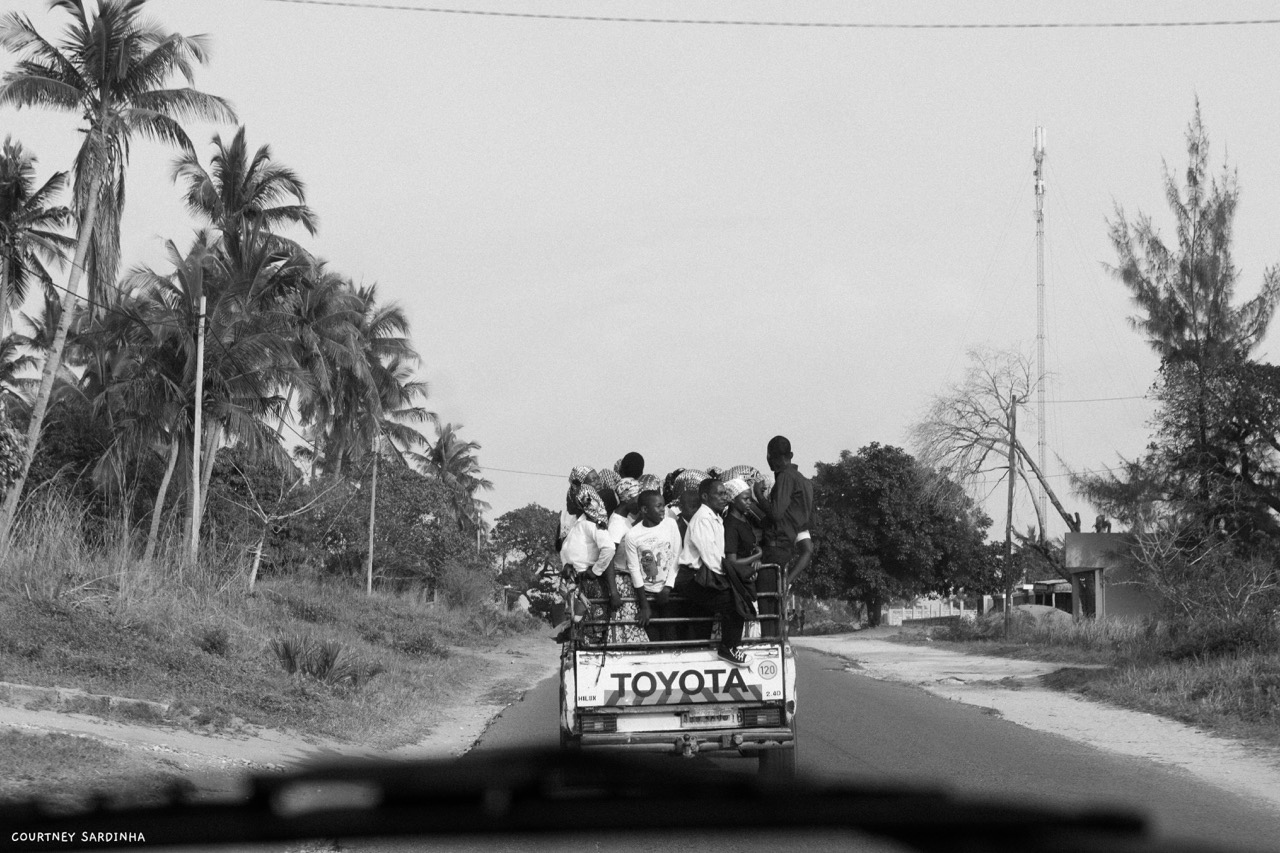
It's not polished and that's a huge part of why I love it so much. You have sandy roads, palm trees everywhere, little restaurants, local markets, dive shops, surfboards, dogs wandering around, people walking barefoot and a beach that's never very far away.
How do you get to Tofo?
I've almost always driven. From KwaZulu-Natal, I'll either cross through Kosi Bay and drive north, or I'll stop with my best friend in Malelane and cross through Ressano Garcia before heading up toward Tofo.
It is a long drive, but it's also a beautiful one!
That said, driving in Mozambique requires your attention. Road quality can change, there can be potholes, pedestrians, animals and frequent police stops, and you definitely don't want to be casually speeding through towns. Police and speed checks are common, so you need to stay aware of the speed limits, which isn't always easy when signs are missing or unclear.
If you're flying in, Vilankulo/Vilanculos is another option followed by a road transfer south, while Inhambane Airport is much closer to Tofo when flights suit your itinerary. From my understanding, flights into Inhambane can sometimes be less reliable, so I'd always double check current schedules before planning your trip around them.
Either way, my rule with Mozambique is always the same:
Expect a bit of an African adventure.
If you're driving, I personally prefer having a 4x4. You don't necessarily need one just to reach Tofo on the main road, but once you're there it gives you much more freedom to explore beaches and smaller roads.
I'd also avoid border crossings on major holiday travel days if possible. I've sat at the border for nine hours before. Admittedly, that was during the chaos of COVID testing, but it permanently changed how I plan border days. Give yourself time, get there early and, if you can, cross on a random weekday rather than when half of South Africa is heading on holiday.
💡 Insider Tip: SIM cards are super easy to buy, mobile data is inexpensive, and I always keep some cash with me.
How does diving work in Tofo?
This is one of my favorite things about Tofo because it still feels like proper African diving.
A typical double-tank day might start around 8am. You arrive, check your gear, get into your wetsuit, have a briefing and then head down to the beach.
The boats are RIBs, or rubber ducks as we'd normally call them.
Everyone helps with the launch. The boat is pushed toward the water with a tractor, divers get onboard, feet go into the foot straps, staff keep the boat straight through the shore break, engines start and off you go.
When you're new to surf launches, they can definitely be intimidating. It used to scare me a lot at first! Eventually they become part of the fun.
Some mornings the ocean is completely calm. Other mornings you're looking at the shore break thinking, well, this should be interesting.
Dive sites can be anywhere from a very short boat ride away to roughly 40-50 minutes depending on where you're heading.
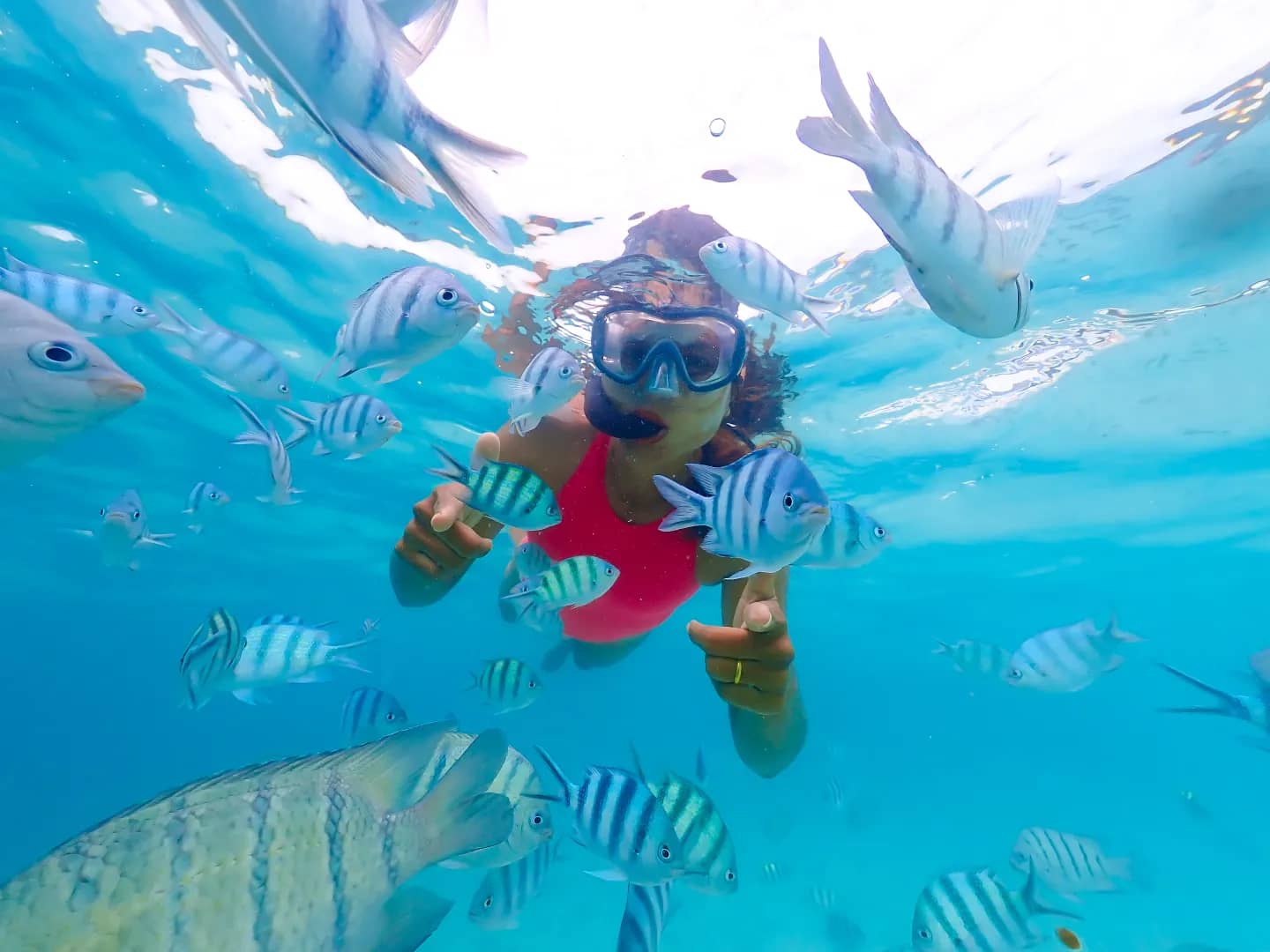
On a double tank, your surface interval basically becomes a mini ocean safari. You'll switch tanks, have snacks, fruit, tea or soup depending on the operator, and keep your eyes on the water for dolphins, whale sharks, mantas and, during whale season, humpbacks. Local operators actively look for whale sharks during double-dive surface intervals, so if one is found and conditions allow, you may get the chance to jump in and snorkel with it.
And no, there are no toilets on the RIB. Welcome to diving in Africa! Go pee in the sea.
What is diving in Tofo actually like?
Unpredictable would be the best way to describe it and I mean that as a compliment. Tofo is one of those places where you genuinely don't know what is going to appear.
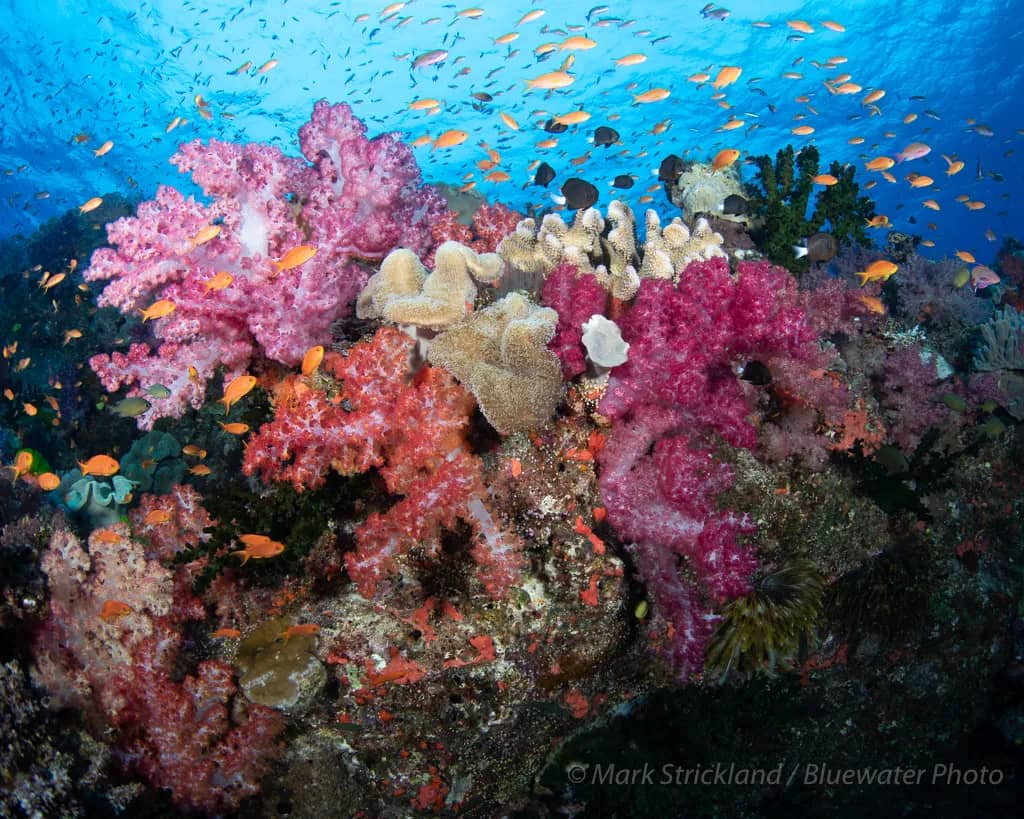
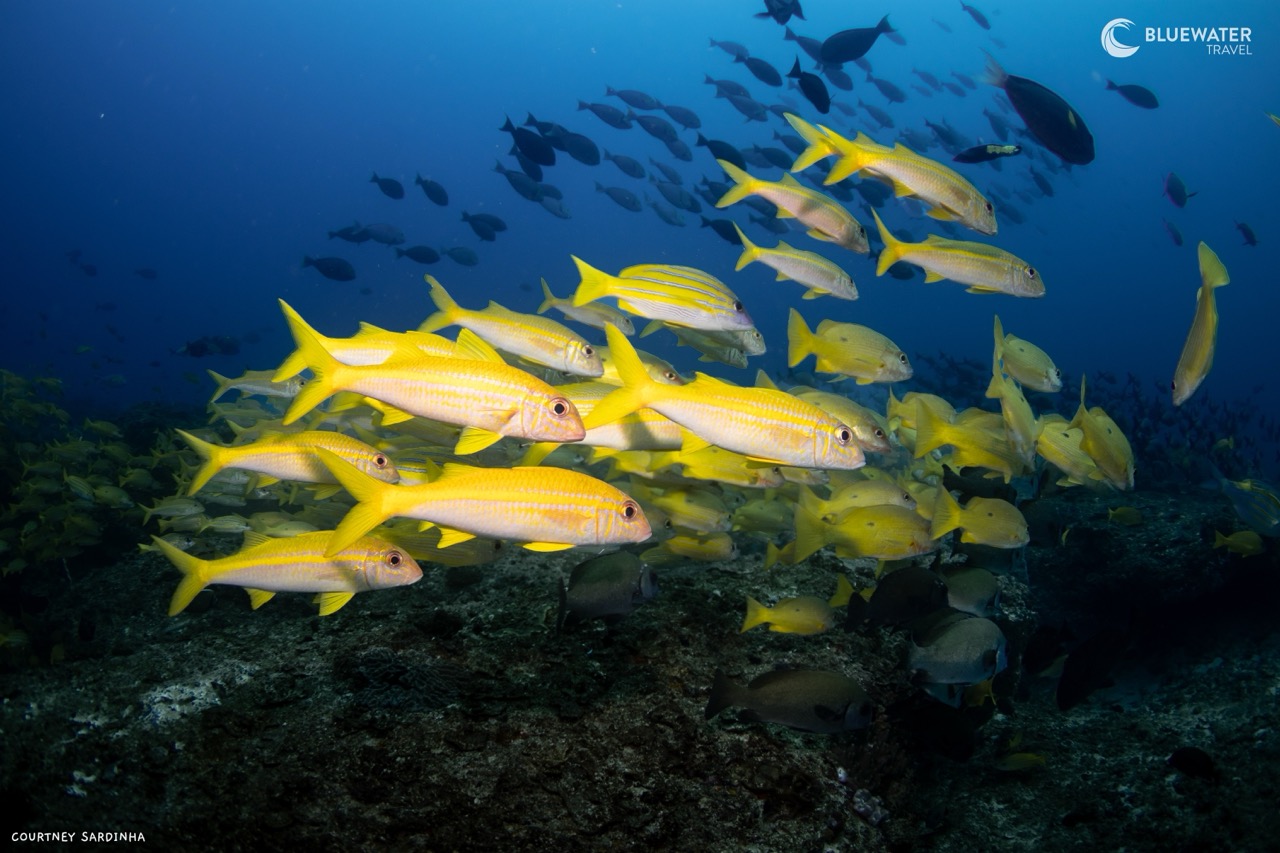
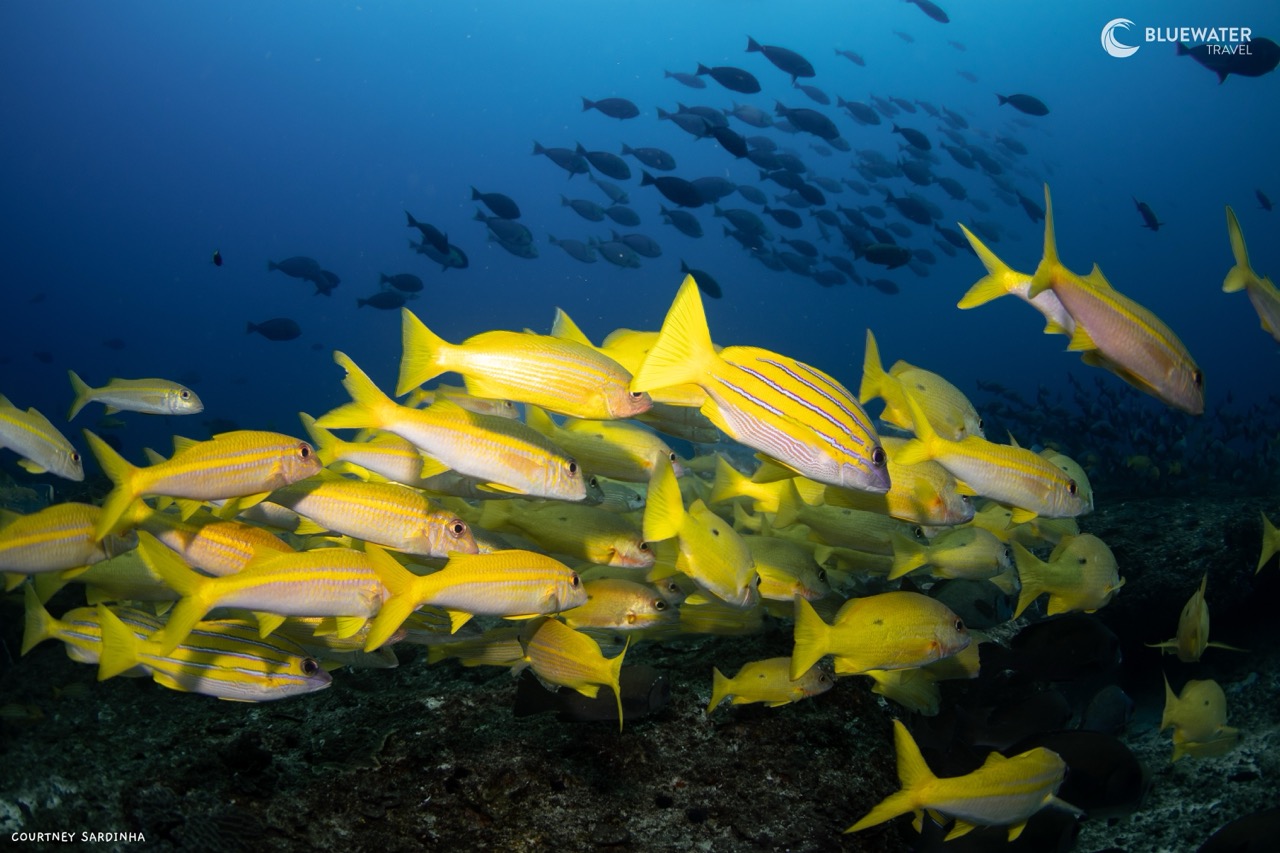
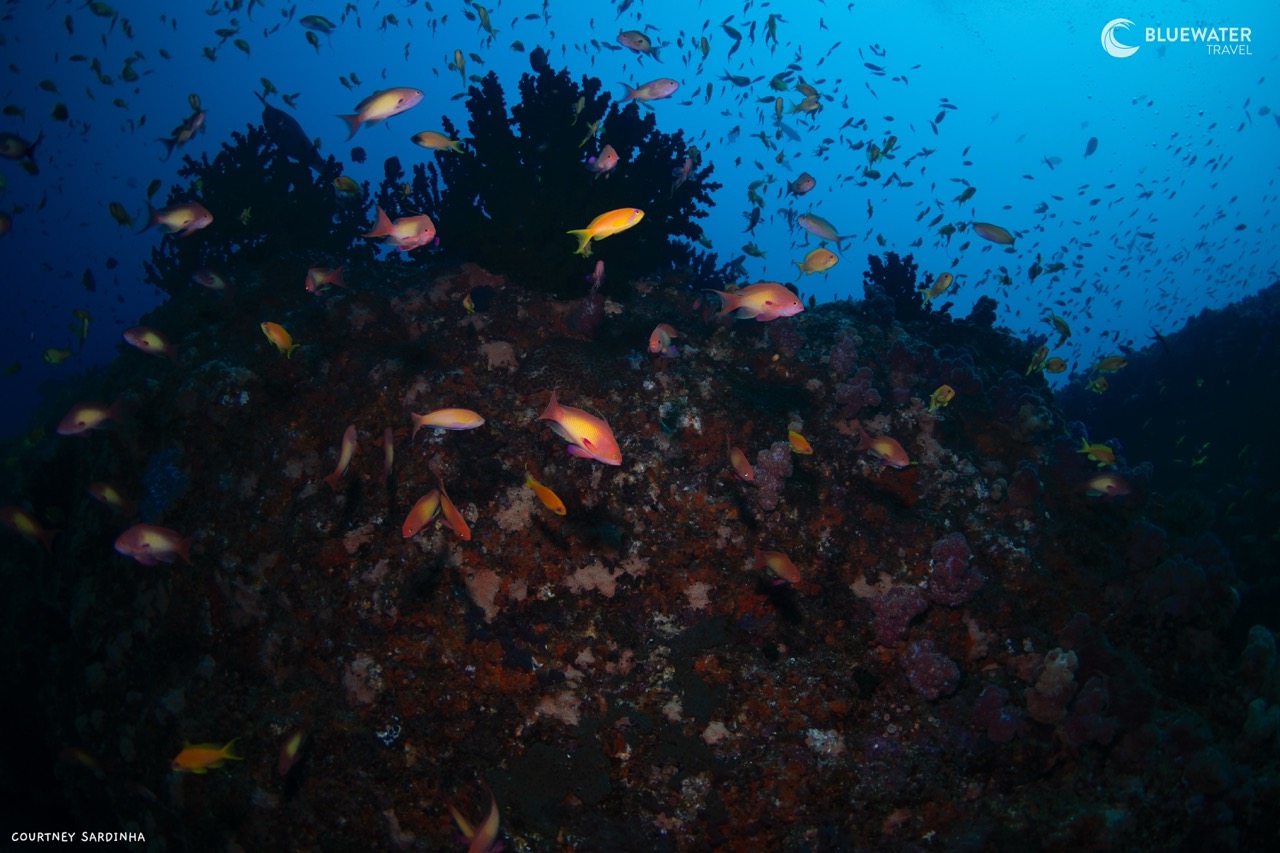
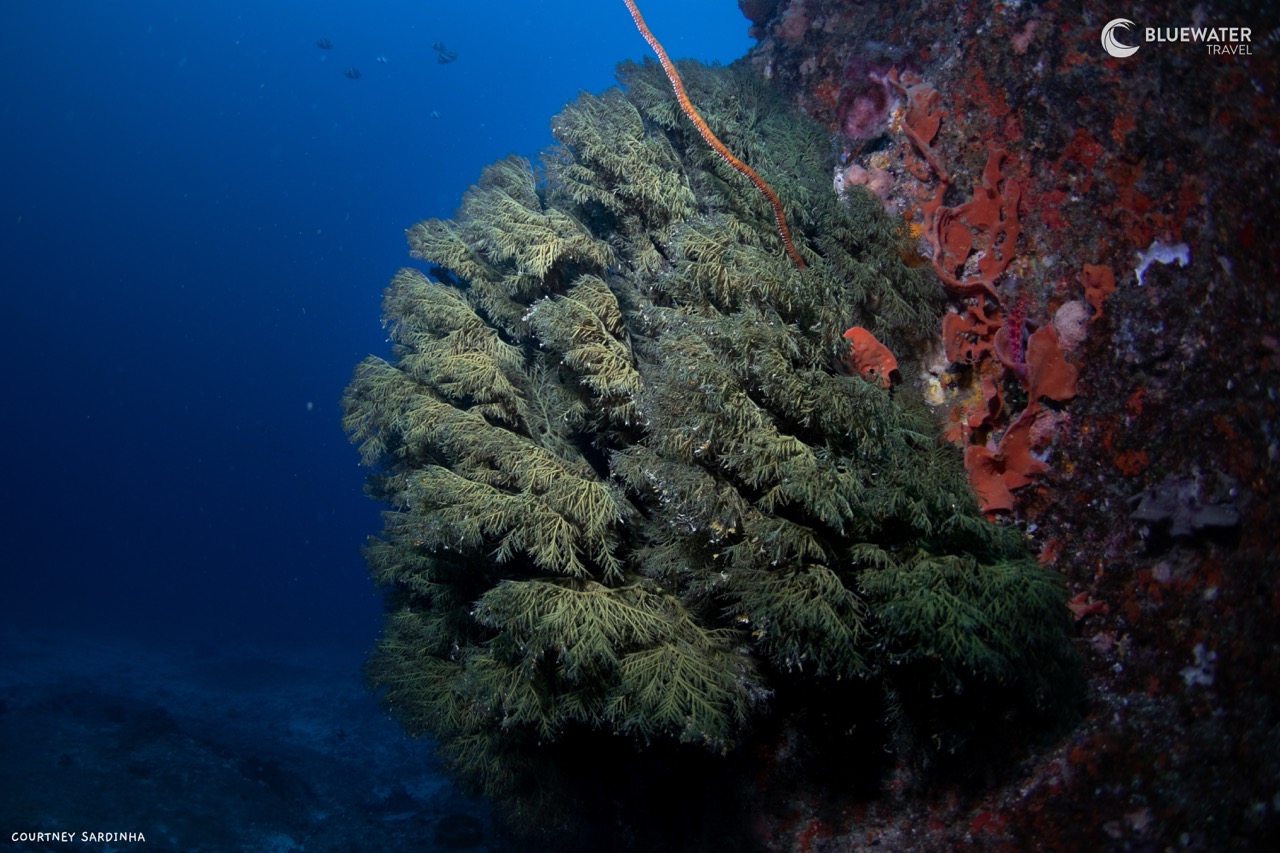
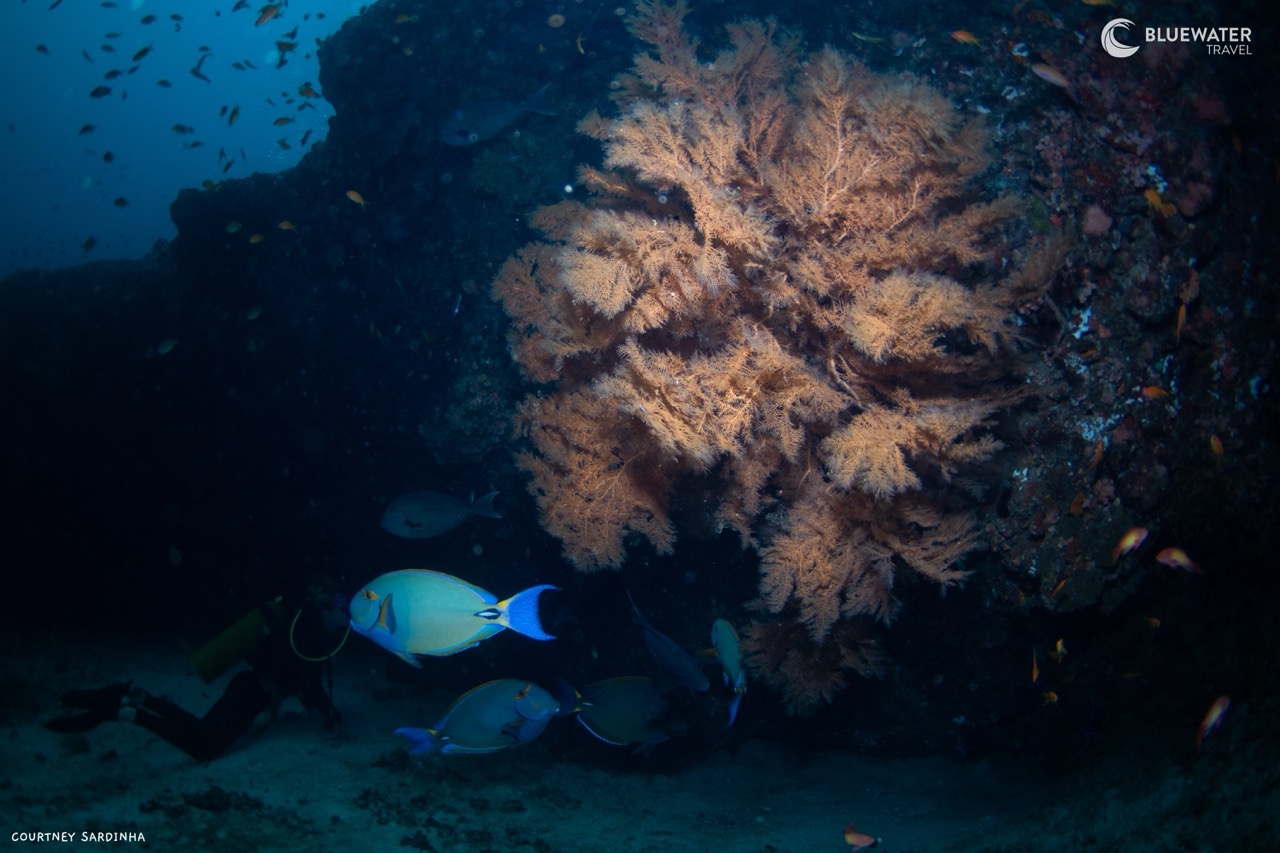
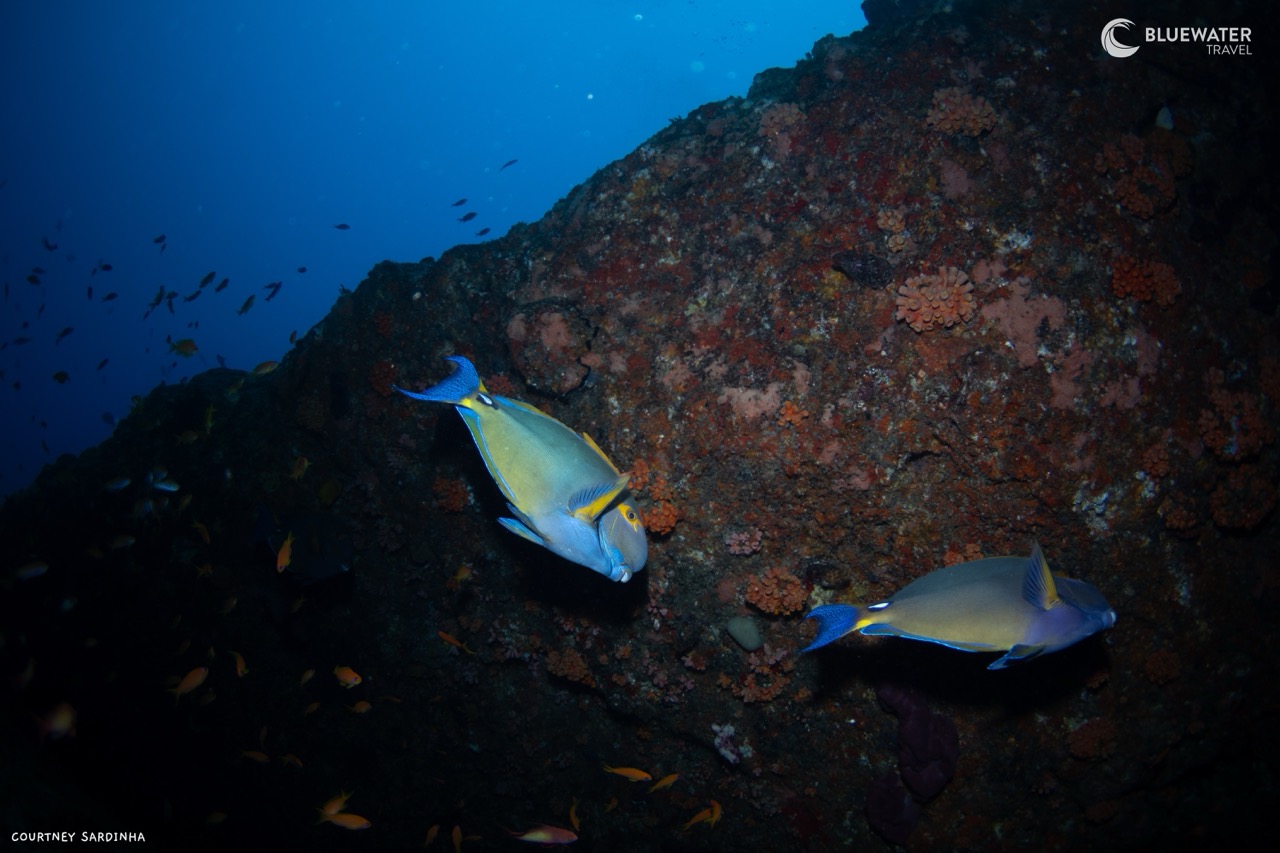
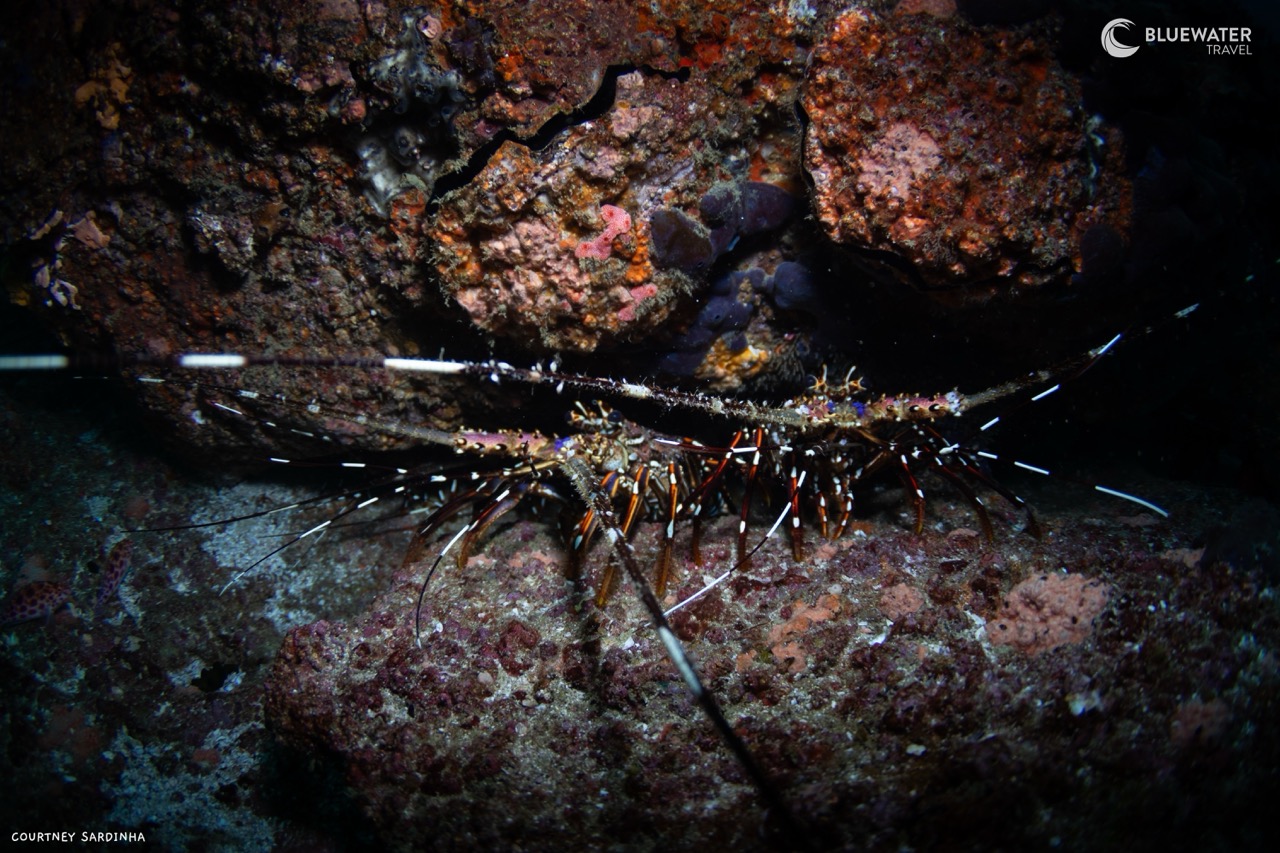
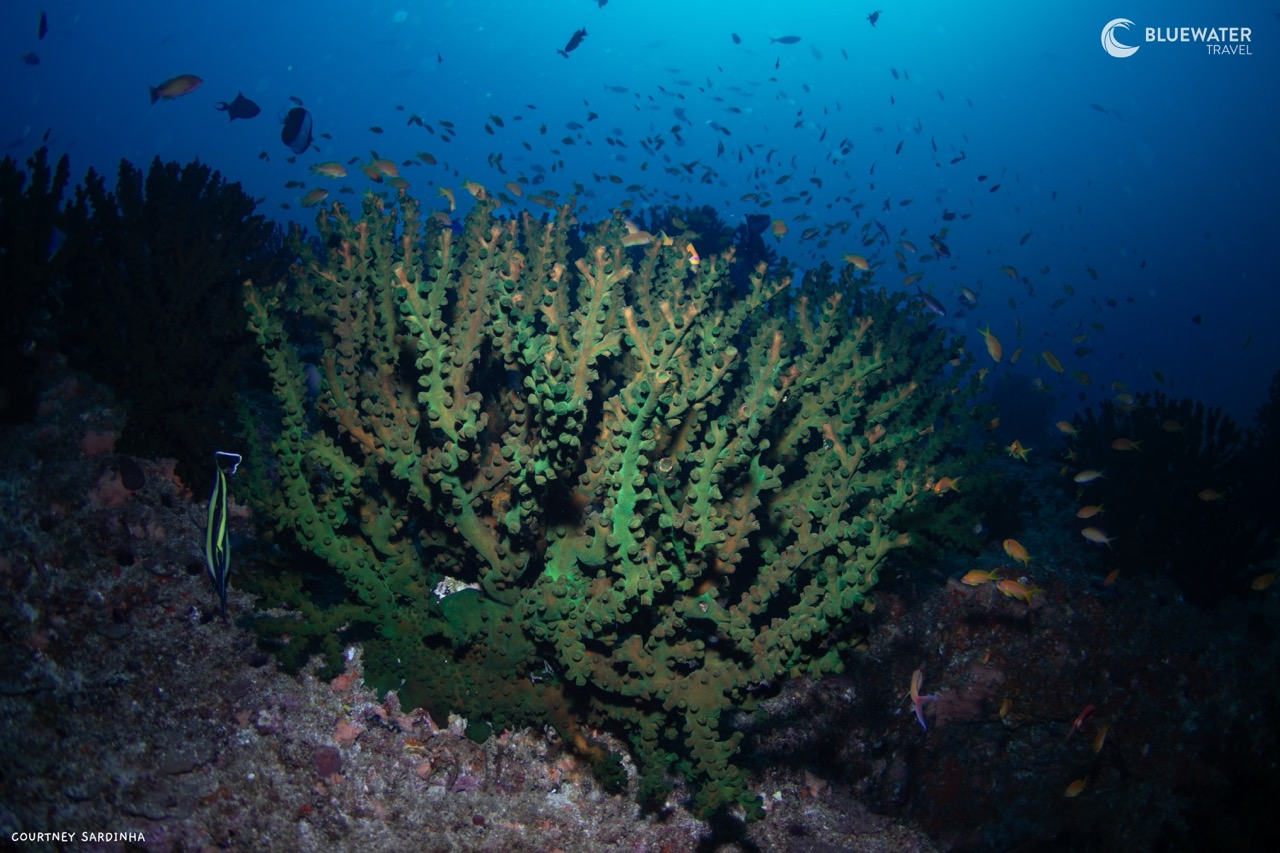
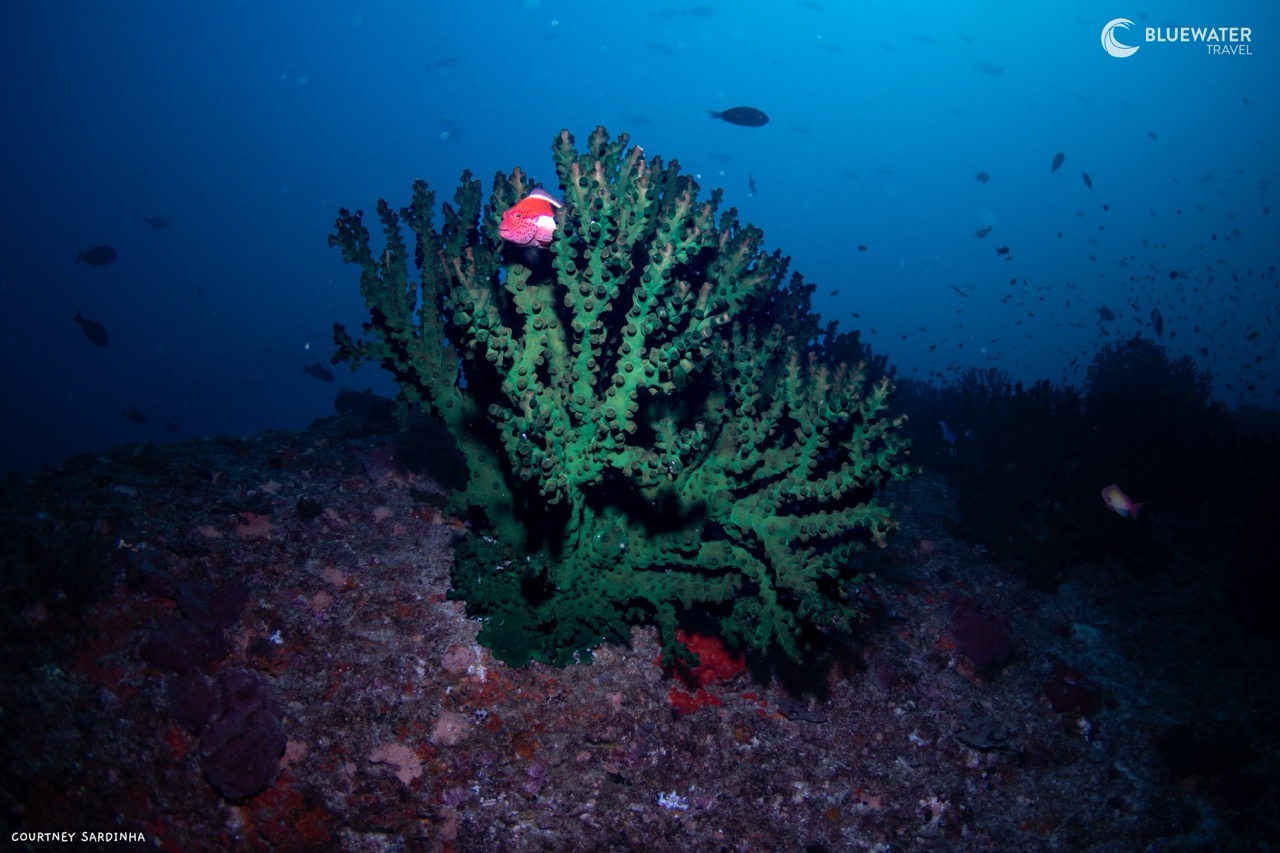
There are beautiful reefs with hard and soft corals, ridges, ledges, overhangs, channels and cleaning stations. There are shallow reefs around 10–15 meters and deeper sites pushing toward 30 meters or more and then there is the blue water around all of it. You can be finishing a deep dive, heading into your ascent and suddenly something completely unexpected cruises past.
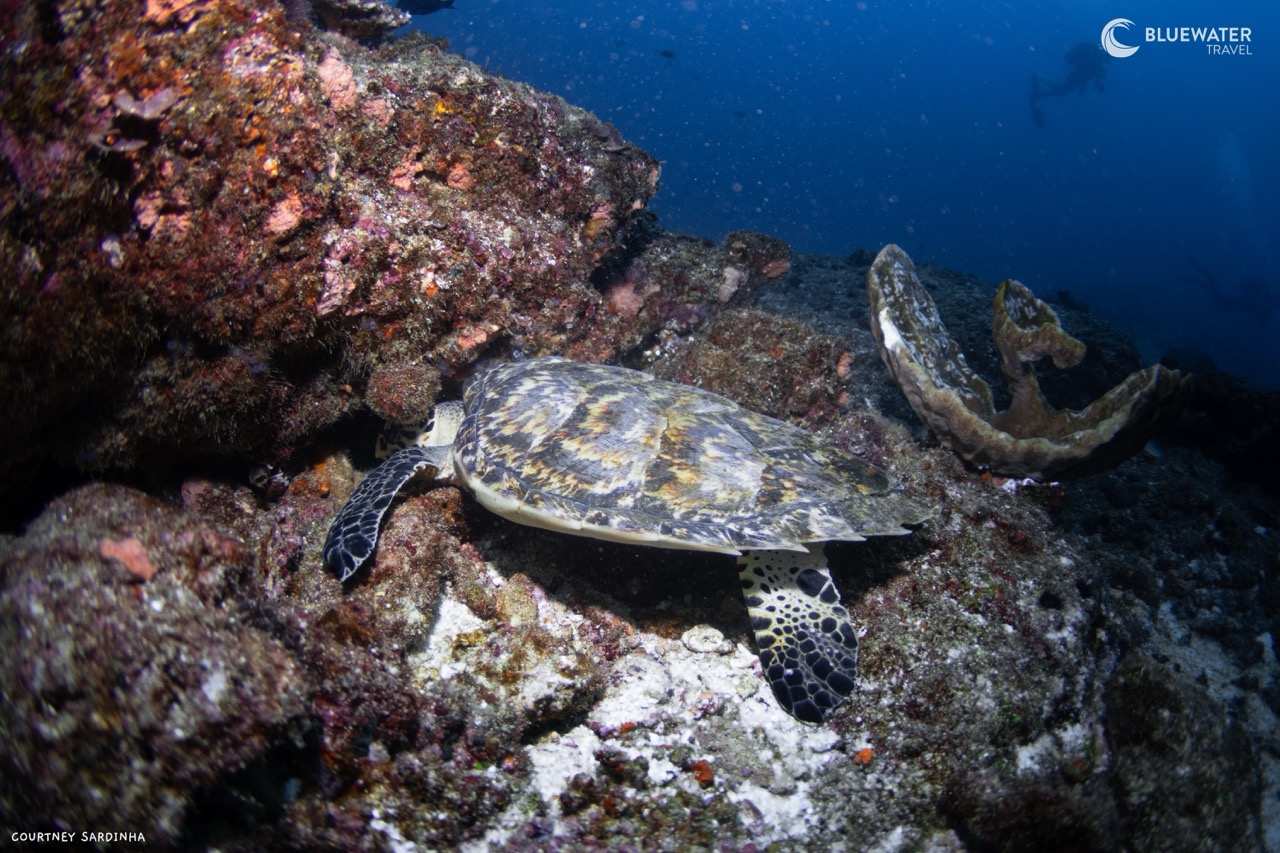
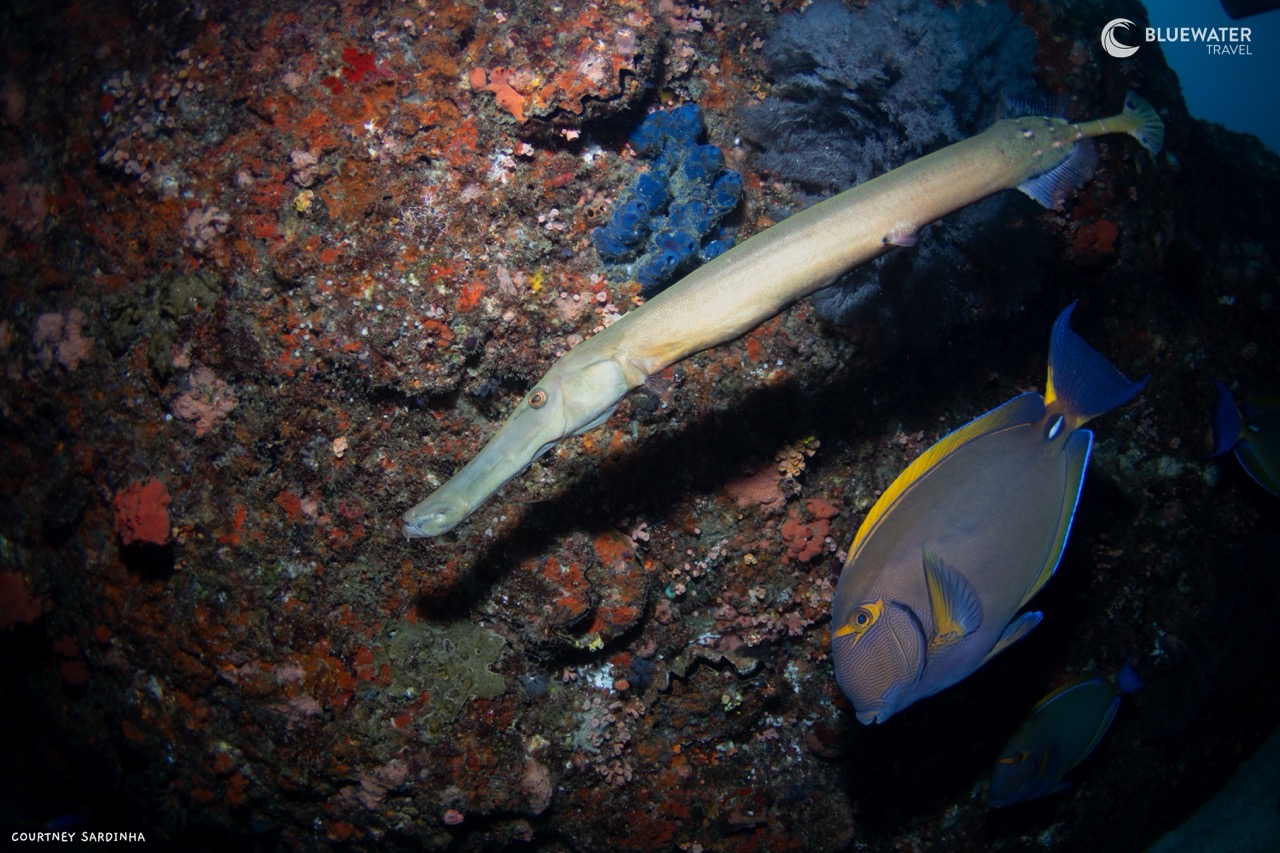
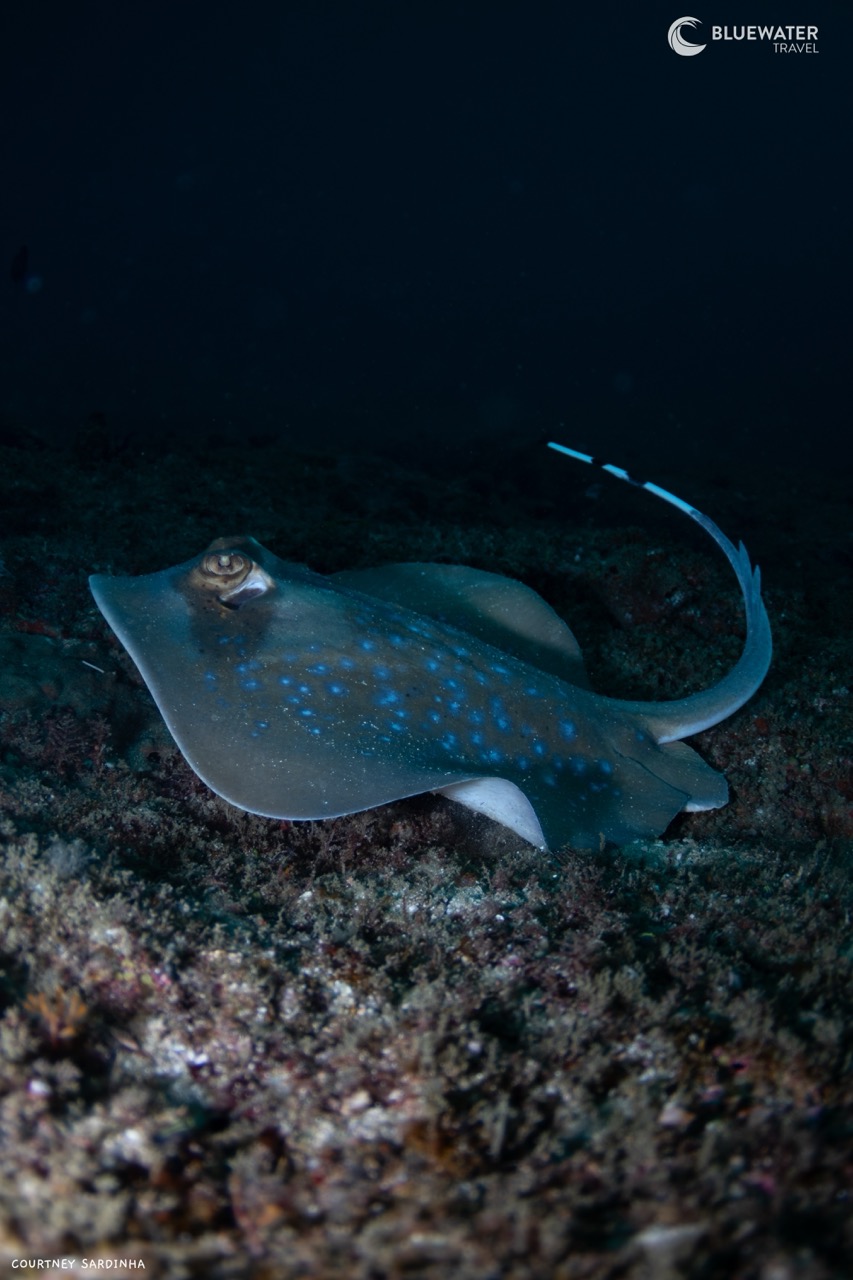
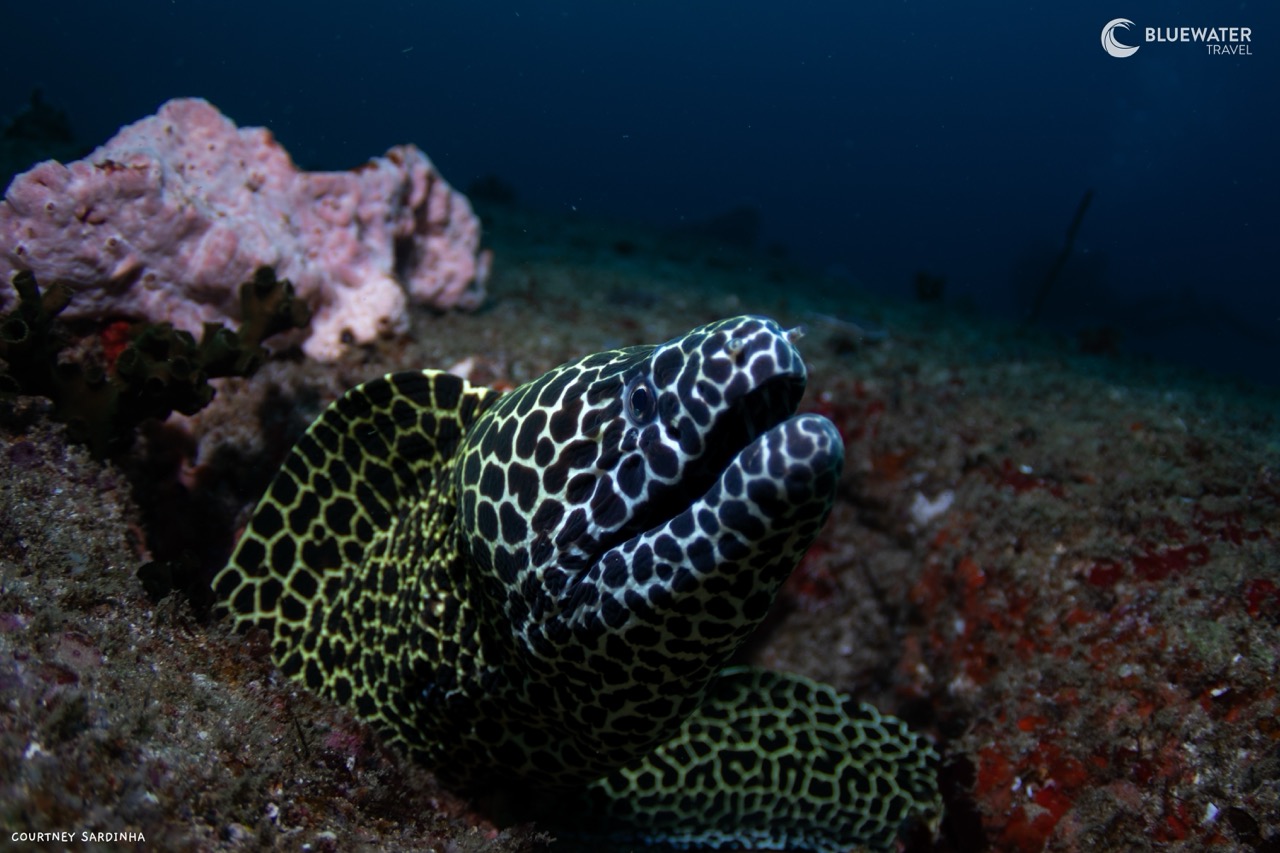
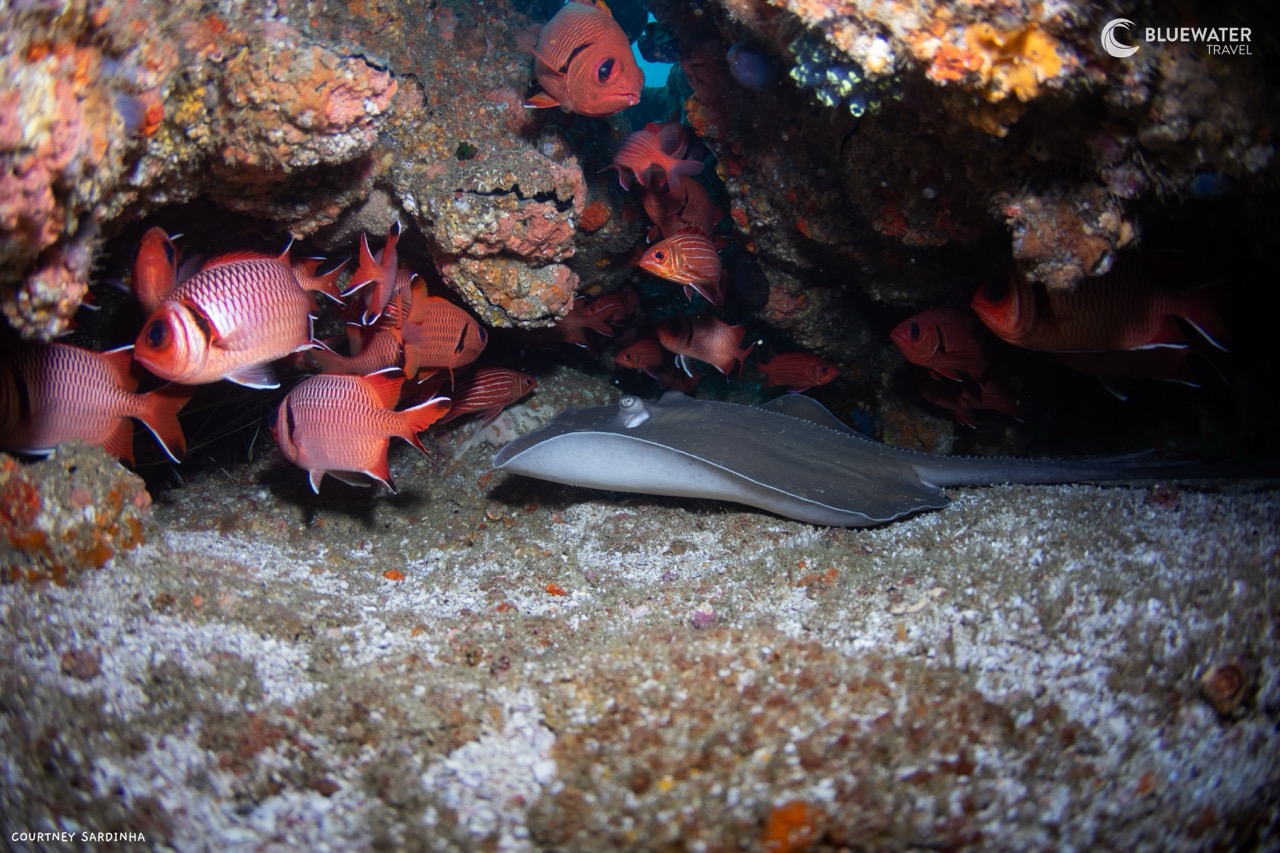
The deeper reefs are what I really associate with Tofo. Sites like Giants Castle, Office and Reggies have multiple cleaning stations and the potential for larger animals including mantas, smalleye stingrays, leopard sharks, whitetip reef sharks, potato bass and all sorts of other rays and schooling fish.
Giants Castle is probably the definition of a Tofo lucky packet. It's a ridge system reaching roughly 30 meters with a string of cleaning stations. You can drop onto it and have a relatively normal dive, or you can have absolute chaos. Years ago, my best friend and I were both freelancing for a dive center. I went to Giants one day and saw something like seven mantas. He went the next day and saw ten. I went again and saw about thirteen. For a while we just kept one-upping each other. Those are the Tofo dives that stick in my brain.
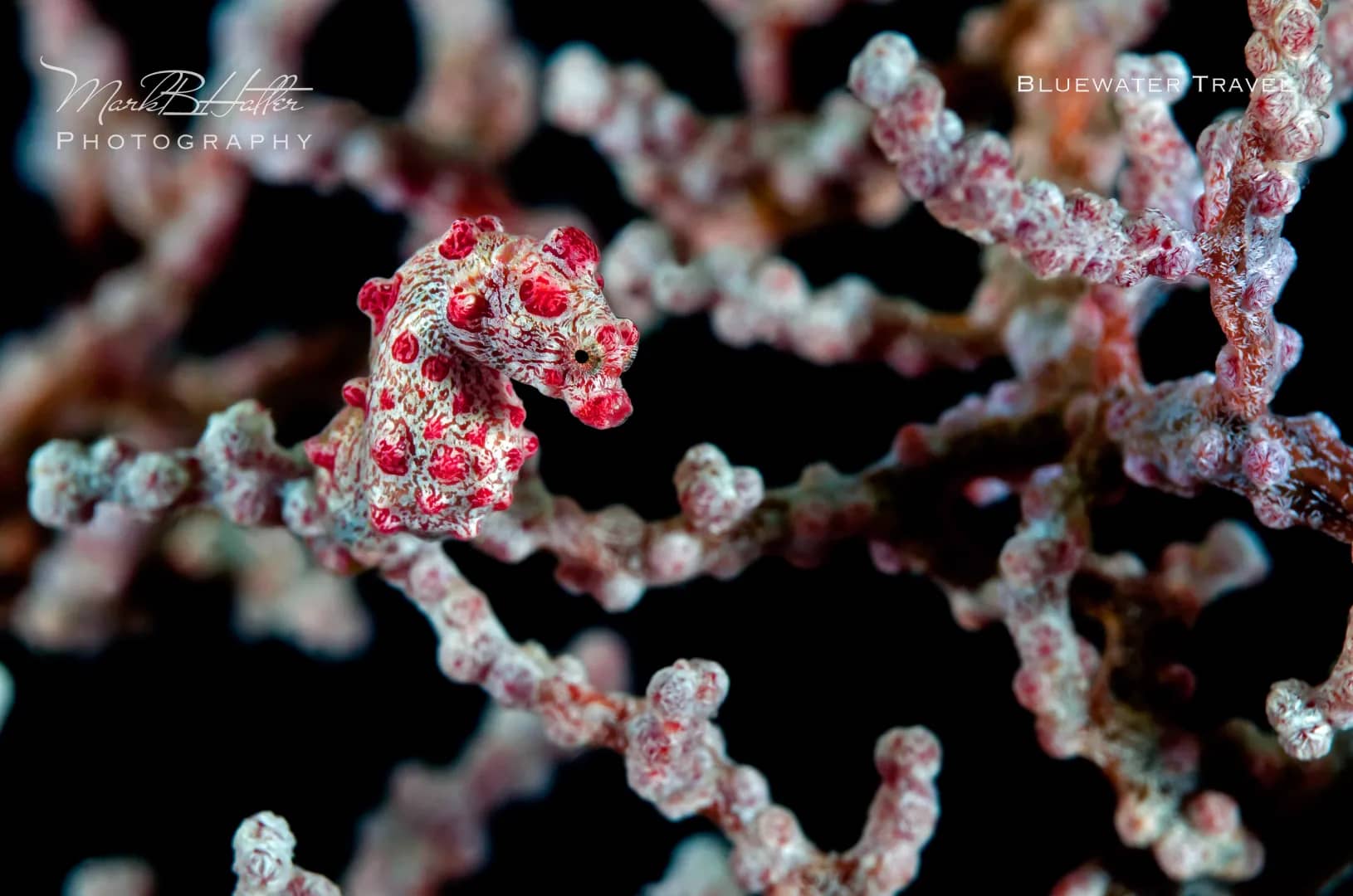
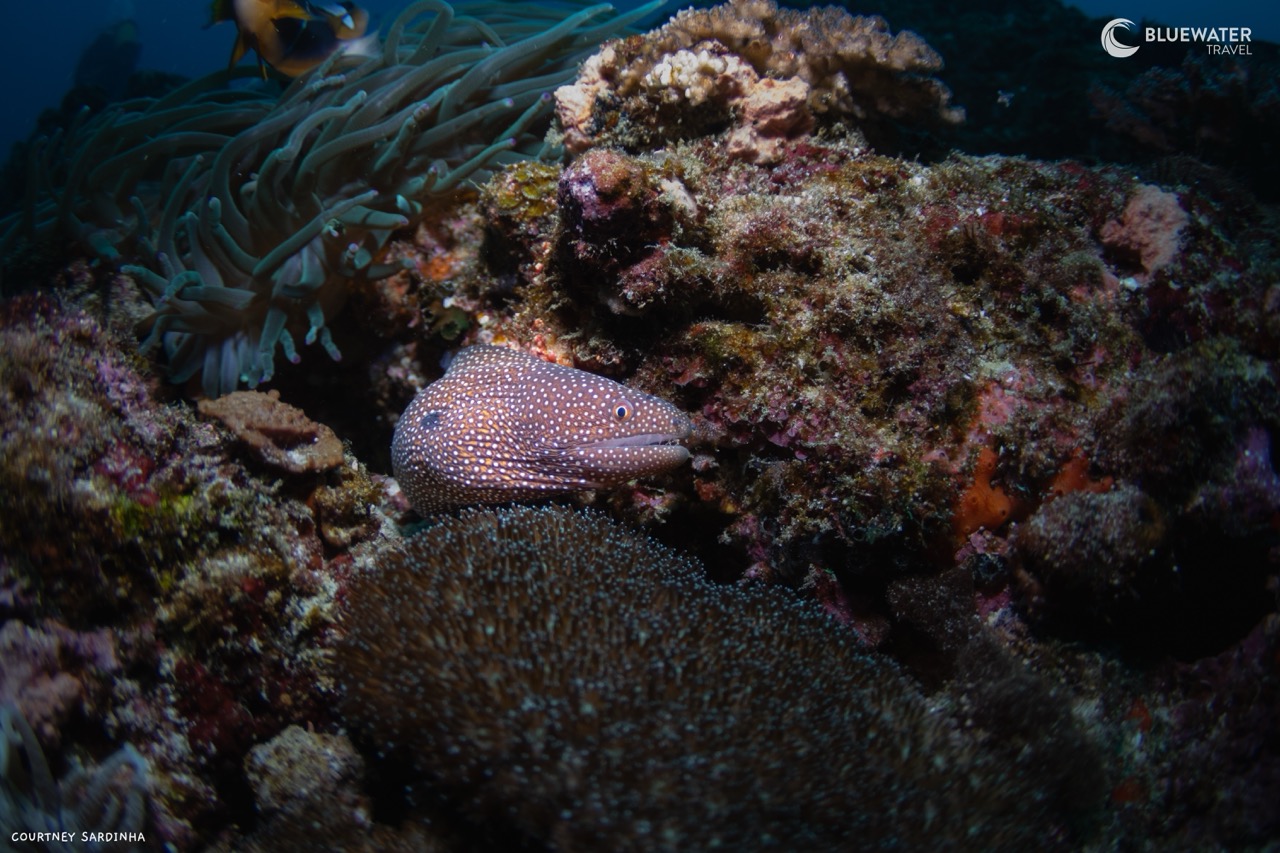
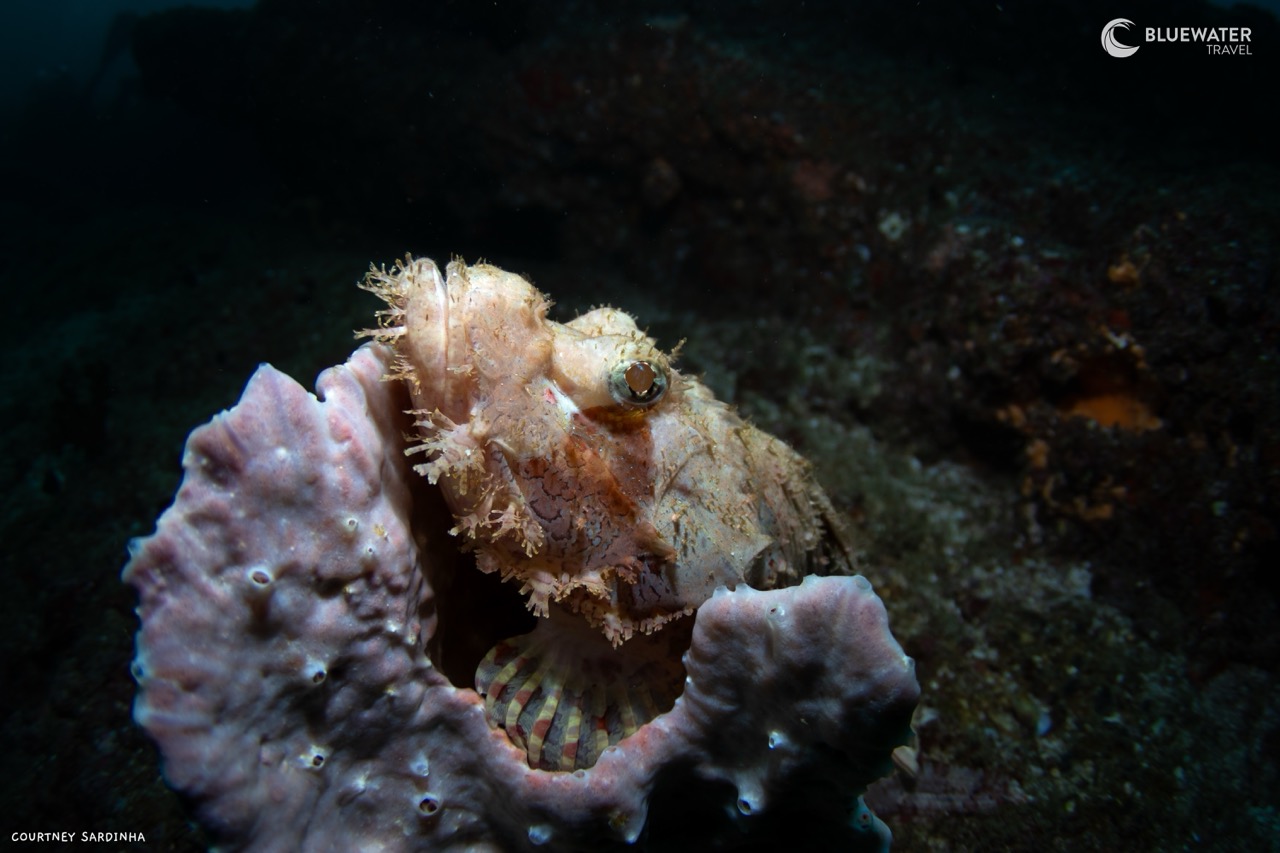
Then on the other end of the spectrum you have Salon, a shallow reef around 11–16 meters with loads of macro life. Frogfish, ghost pipefish, little rays, octopus, turtles and all kinds of things tucked into the reef. That's something that I think people overlook about Tofo. Everyone hears whale sharks and mantas, but I think the macro diving can be so good.
Is Tofo good for beginner divers?
Yes... and no.
People absolutely learn to dive there. Discover Scuba Dives and Open Water courses happen all the time BUT this is not Caribbean diving. Conditions can change quickly. Currents can get strong. There can be surf. Visibility can suddenly drop. Some sites are deep and you'll sometimes be ascending in blue water.
If the ocean is behaving, a beginner can have an amazing time. But I think you'll appreciate Tofo much more once you have a few dives under your belt. I'd also say it's a good place for a beginner diver who is a bit adventurous and isn't too intimidated by changing conditions.
There's also a reason so many people do Divemaster training there - if you spend a few months diving Tofo consistently, you learn a lot, increase your confidence in difficult conditions and you'll become a much more capable diver.
Let's talk about the megafauna
This is probably why you found Tofo in the first place.
Whale sharks. Mantas. Humpbacks. Dolphins. Rays.
But there's something important to understand before booking a trip: none of them are guaranteed - like anything involving the ocean, wildlife and nature.
When I first lived there, we saw whale sharks far more regularly. There were days when we'd encounter several during one surface interval. Manta encounters were also much more common.
That isn't just nostalgia. Long-term research around Tofo has documented substantial declines in sightings of both manta rays and whale sharks over the years, which is a pity, but they're still there. You can still have one of those absurd days when something huge appears out of nowhere, but I would never tell someone, “Go to Tofo and you'll definitely see whale sharks.” That's wildlife.
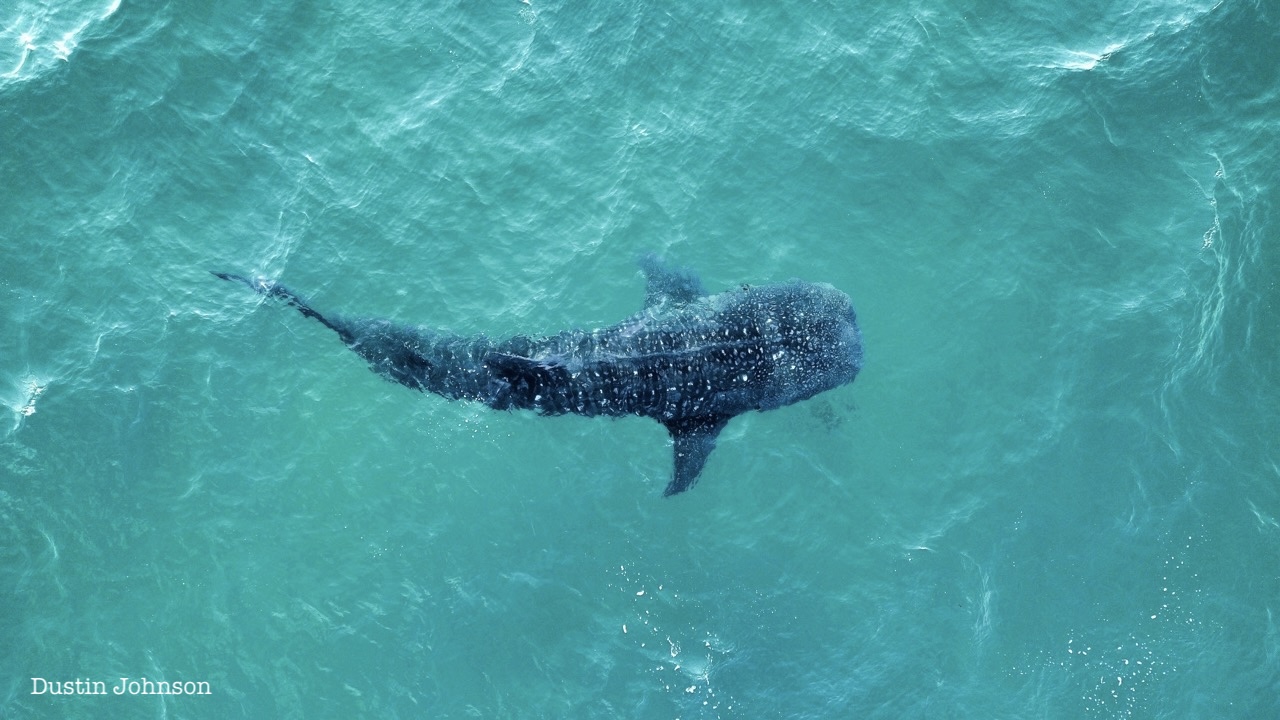
Whale sharks can appear throughout the year and don't have a reliable season. When you do find one, they're usually encountered near the surface and snorkeled with rather than seen during the actual dive.
Mantas are generally encountered around the deeper cleaning stations. Sometimes they come in once and disappear. Sometimes they circle the station again and again.
And then there are the smalleye stingrays, which are one of the coolest animals you can see around Tofo. They're the largest known marine stingray, reaching more than two meters across, and I genuinely don't think people talk about them enough.
What about humpback whales?
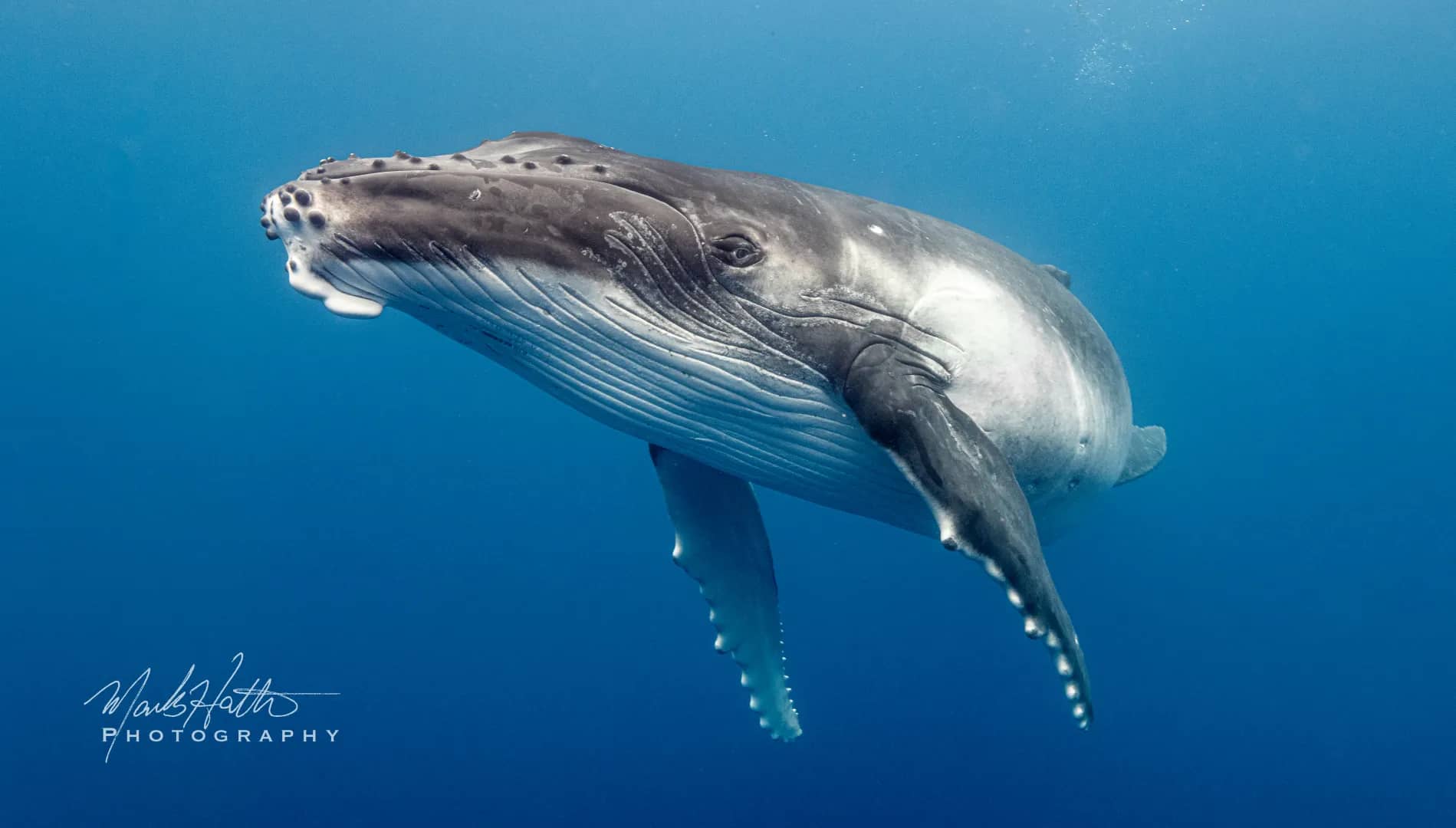
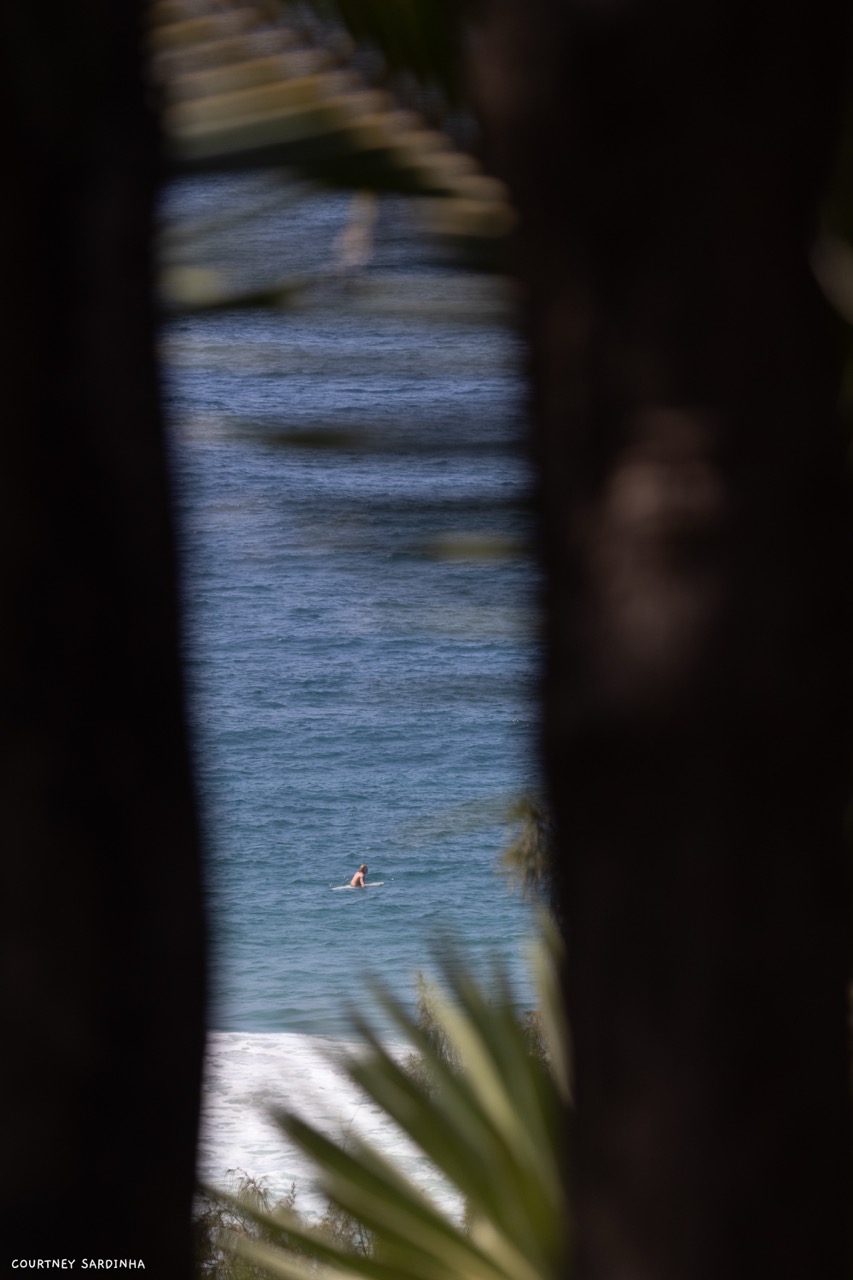
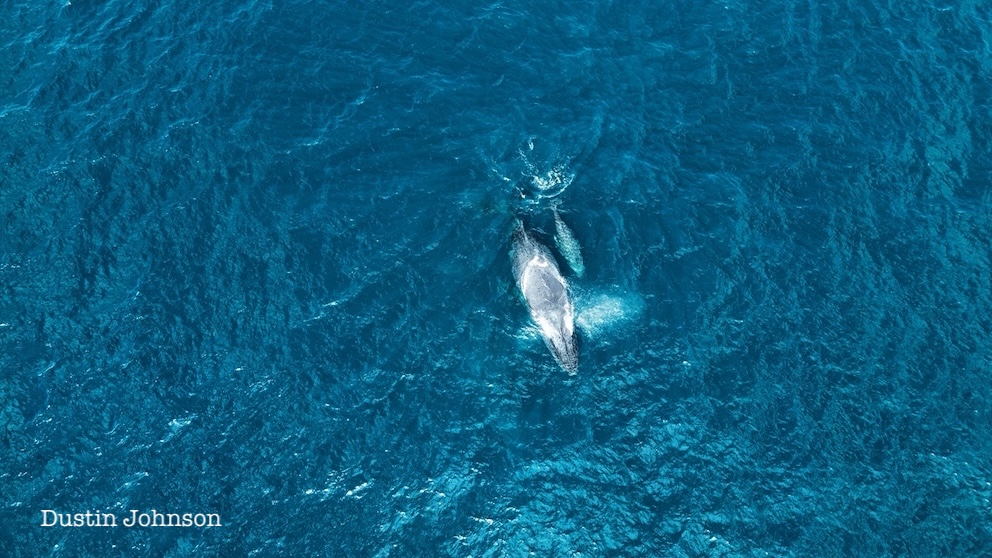
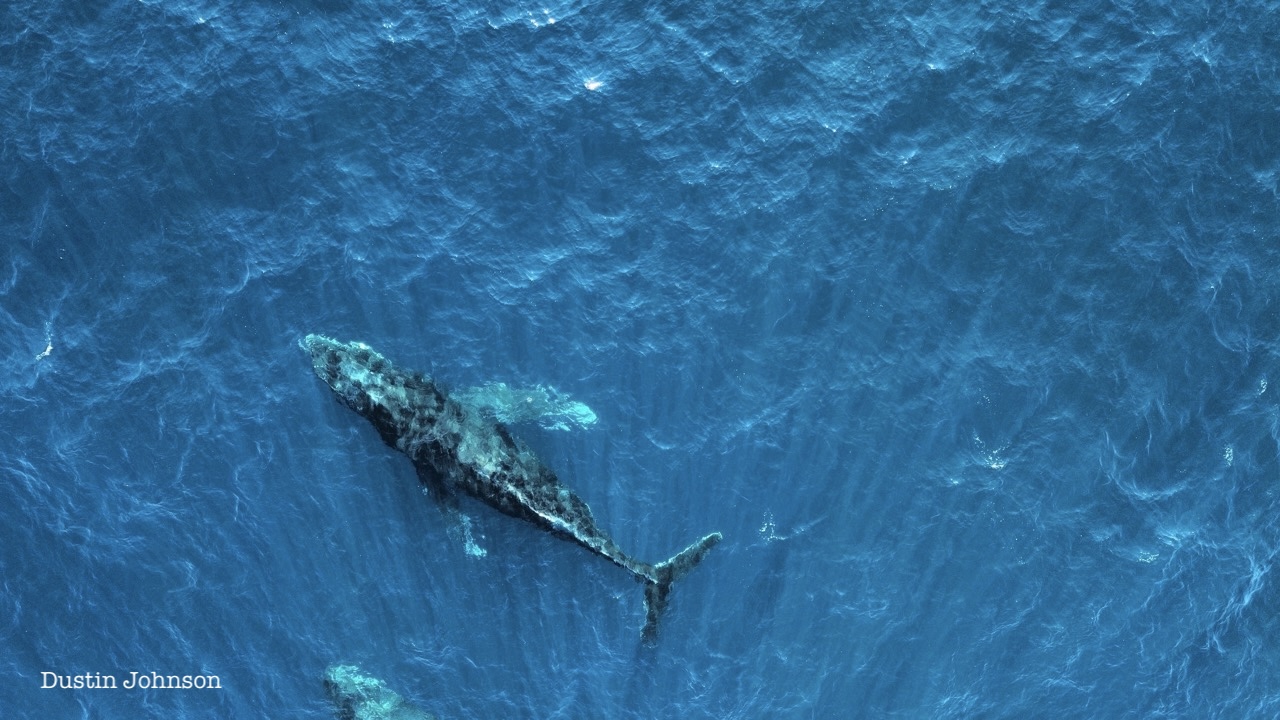
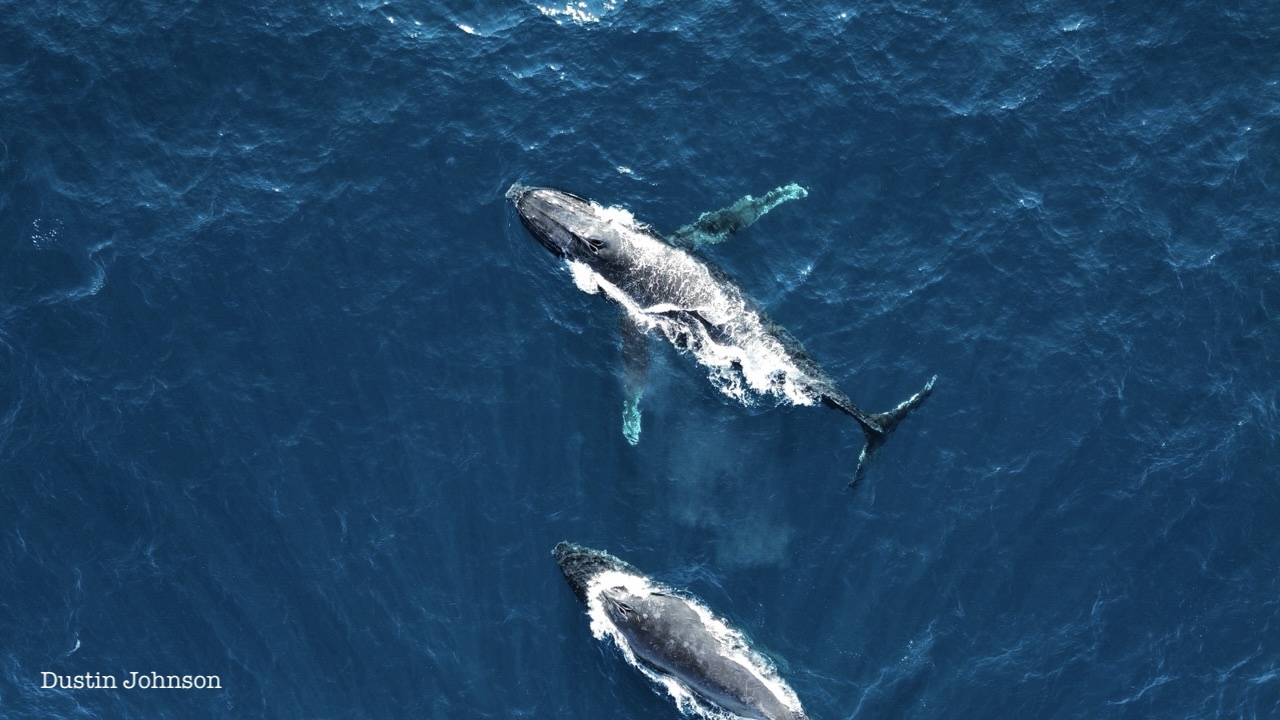
Winter in Tofo is ridiculous! Humpback whales migrate through the area roughly from June into October or November, with August and September often being particularly active months. At the height of the season, they're everywhere. You're driving the boat and seeing blows. You're sitting on the beach and something breaches. You're doing your surface interval and whales are moving past and then you get underwater and hear them singing - that is something I'll never get tired of.
You're 20 or 30 meters down on a reef and can hear whales somewhere out in the blue - it makes the whole ocean feel alive.
Is there a best time to dive Tofo?
I don't think there is one perfect season. I think it depends entirely on what you want.
The warmer months from roughly December through April can see water temperatures reaching around 28°C, while June through October can drop substantially, sometimes toward 18°C, especially with thermoclines.
Winter can bring poorer visibility, although Tofo's visibility is unpredictable and can change very quickly regardless of the season.
Whale sharks don't follow a neat reliable season, mantas can appear throughout the year and the ocean can completely ignore whatever the seasonal averages say anyway.
That's Tofo.
Personally, I'll dive there year-round.
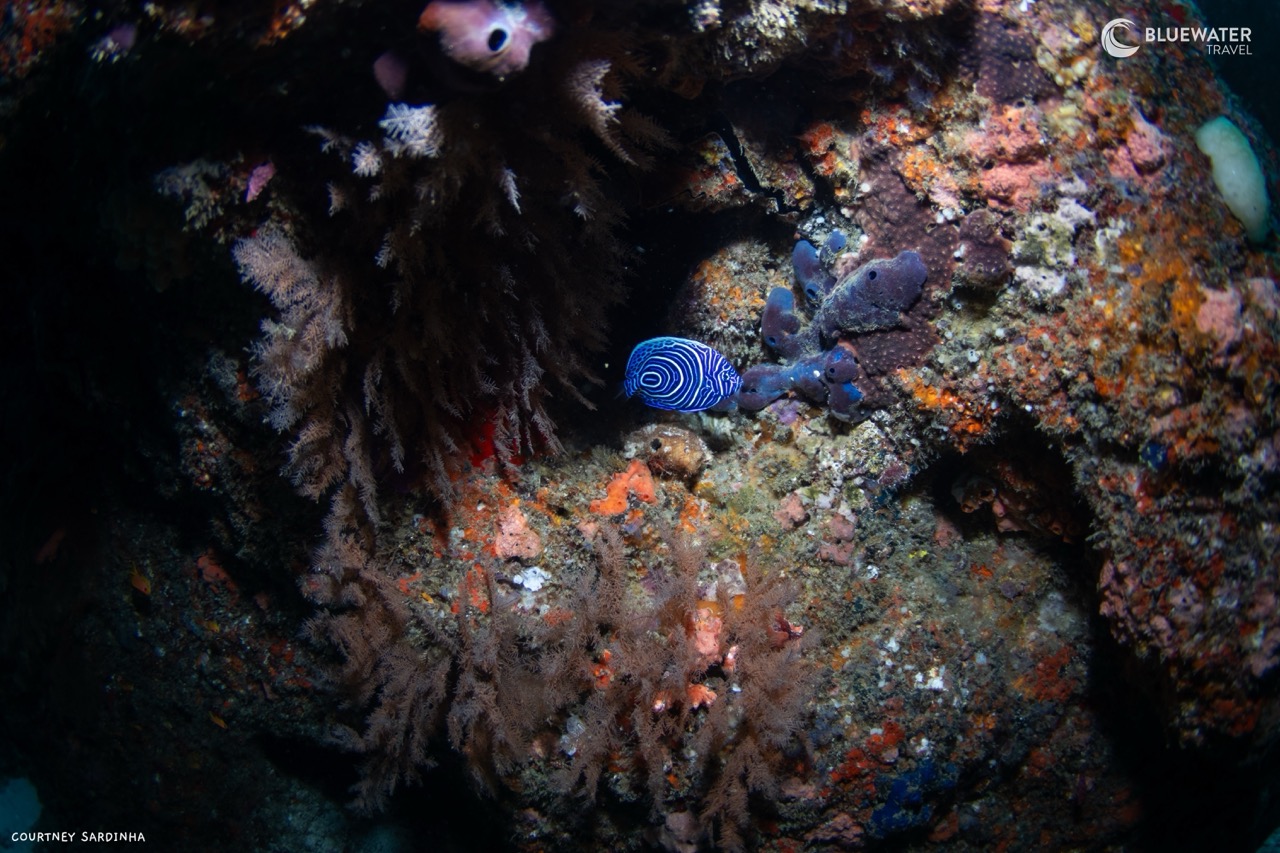
What wetsuit do you need in Tofo?
I'm probably the wrong person to ask if you're naturally warm because I hate being cold underwater.
I normally use a two-piece 5 mm setup, so I effectively have around 10 mm over my torso, and I use a hood and socks.
Most local operators consider a 5 mm full suit suitable year-round, with a hood or additional layer useful during the cooler months.
If you're there in the warmer months and don't get cold easily, you'll probably be fine with a 3 mm, but I know some people who dive in board shorts and a wetsuit top.
Diving in Mozambique vs South Africa
I get asked this quite a lot, especially about Tofo versus Sodwana Bay.
They're actually harder to compare than you might think.
The boat diving feels familiar. Both involve surf launches. Both can have current. Water temperatures are relatively comparable. You'll also see a lot of crossover in Indian Ocean reef species.
But they don't feel like the same destination.
To me, Tofo can feel more unpredictable and more exciting. I've experienced visibility there that changes incredibly quickly, and I've had some genuinely bad-vis dives alongside some amazing ones.
The marine-life mix also feels different. Tofo brings the possibility of whale sharks, mantas, smalleye stingrays, leopard sharks and humpbacks at the surface in season.
Sodwana has its own incredible animals and reefs.
But the biggest difference for me is actually topside.
If you're already in South Africa and your goal is simply to do some excellent reef diving, I'd happily tell you to go to Sodwana.
If you're looking for an entire trip built around diving, beaches, little restaurants, markets, live music, surfing, ocean life and that slightly chaotic Mozambican feeling, I'd choose Tofo.
What else can you do in Tofo?
A lot, which is why I think Tofo works so well even if someone in your group isn't a diver.
You can surf, spend the entire day on the beach, explore rock pools at low tide, go horse riding, take a traditional dhow trip, snorkel for seahorses around the Inhambane/Barra area, explore Inhambane or simply spend a completely unproductive afternoon doing absolutely nothing - just relaxing!
The official tourism board also lists surfing, windsurfing, kitesurfing, diving and boat-based activities among the area's attractions.
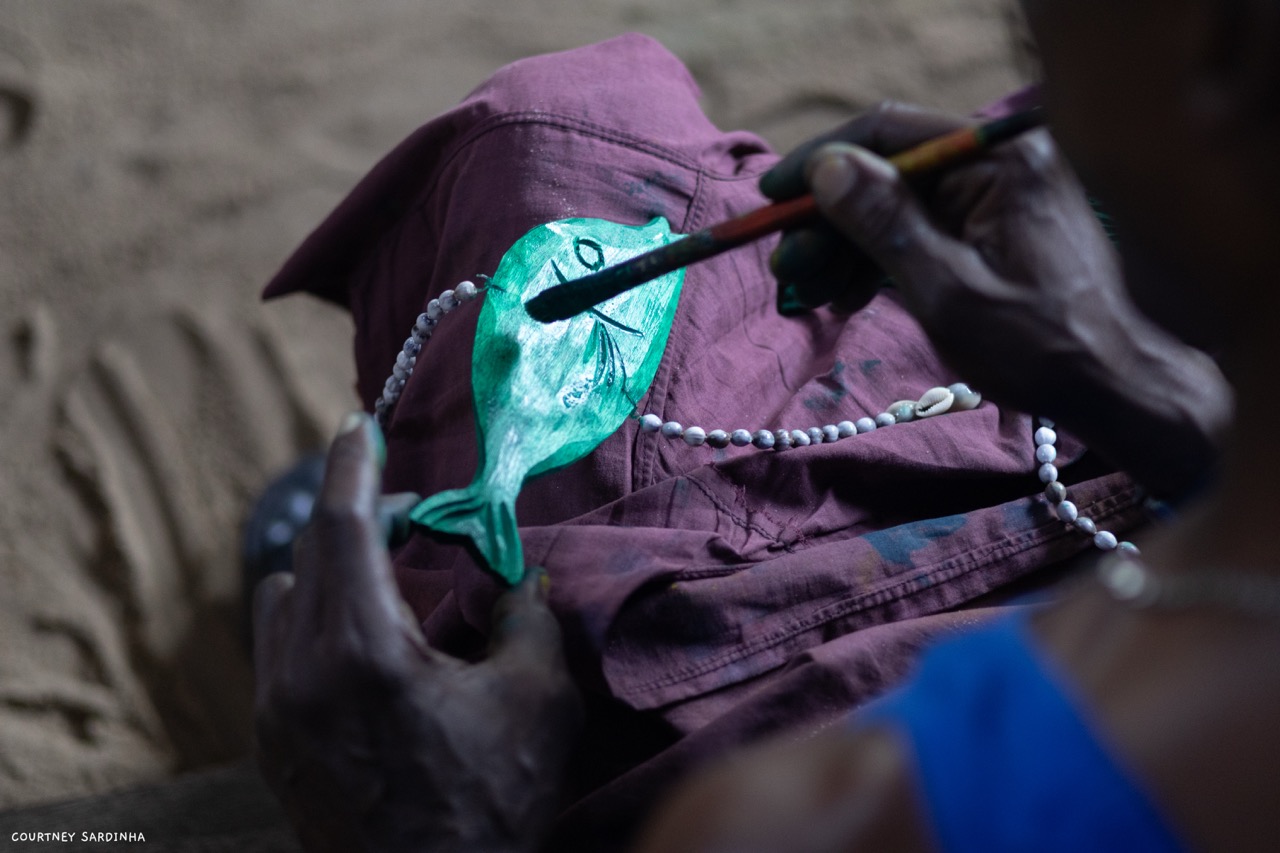
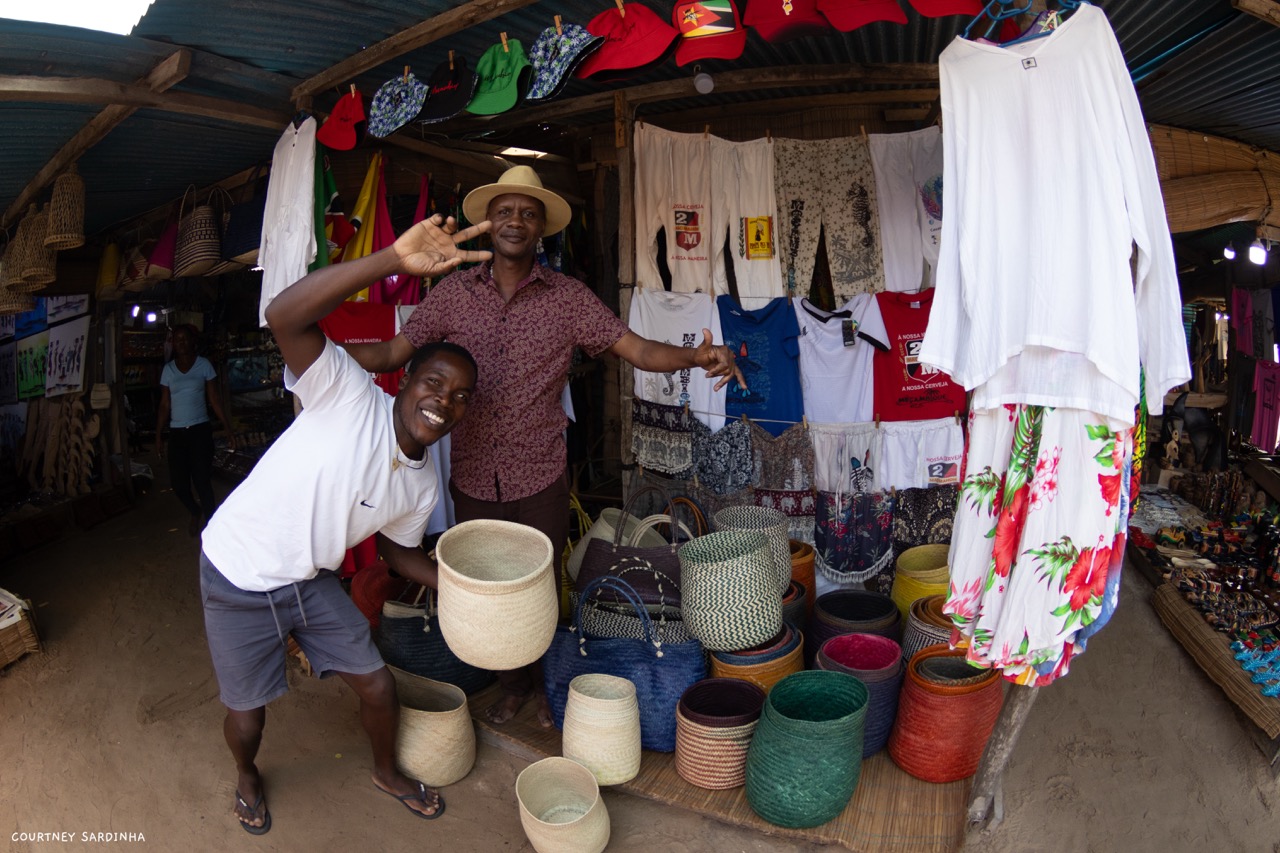
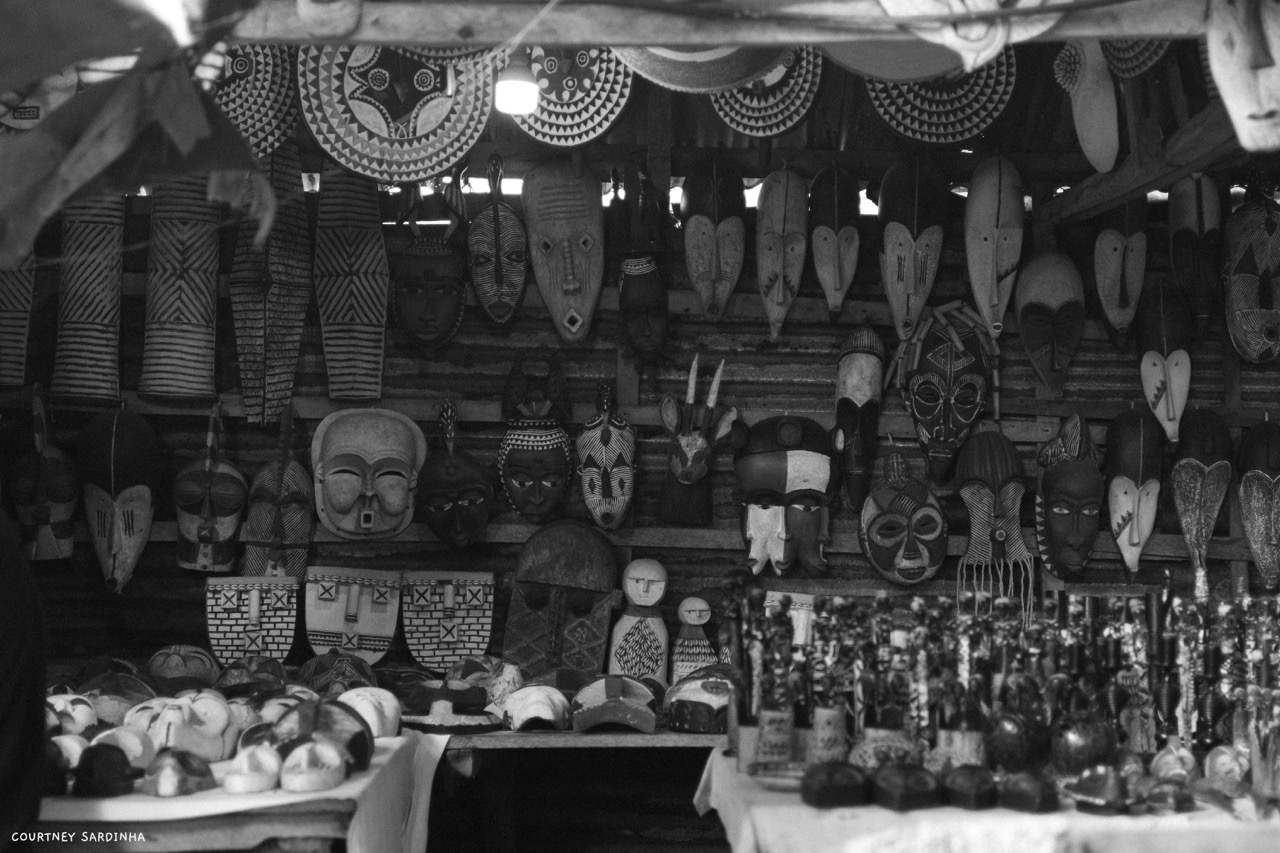
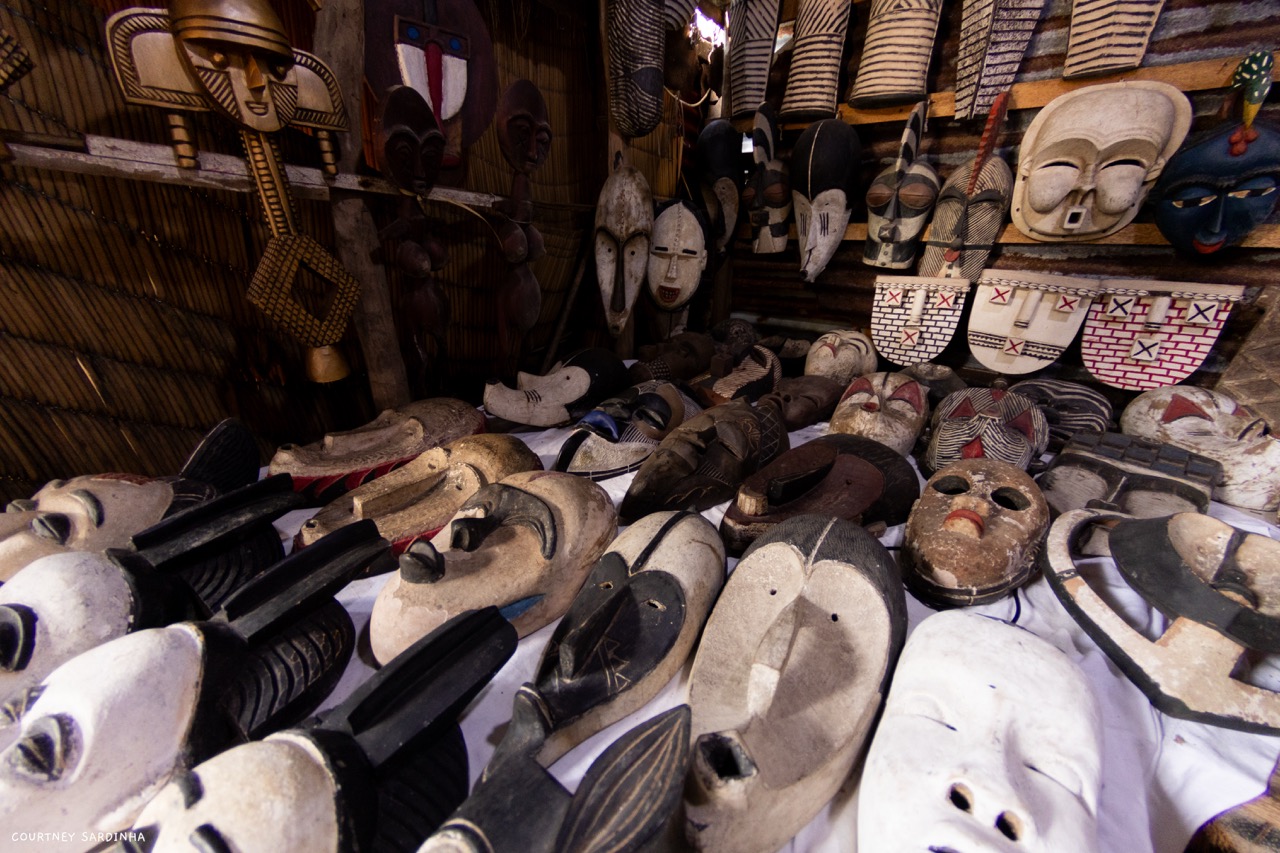
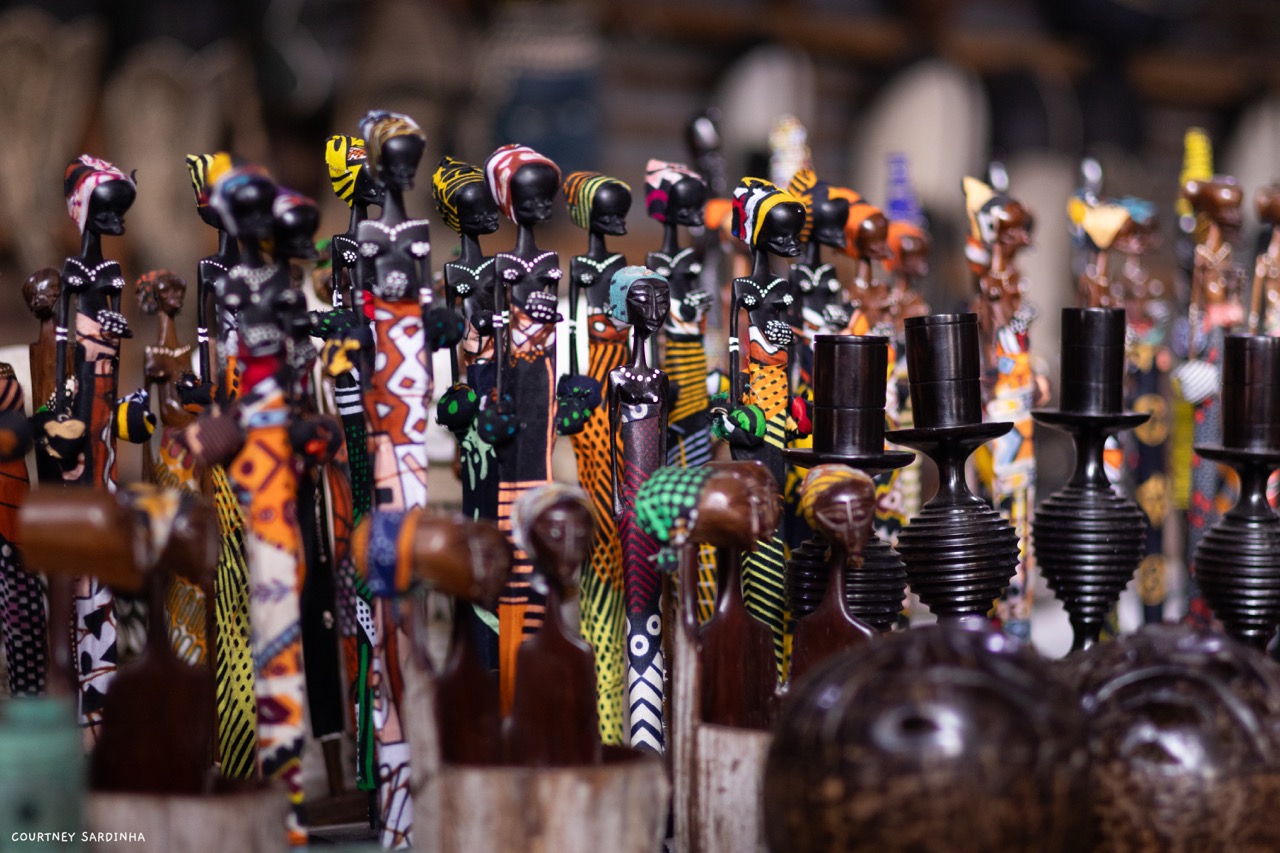
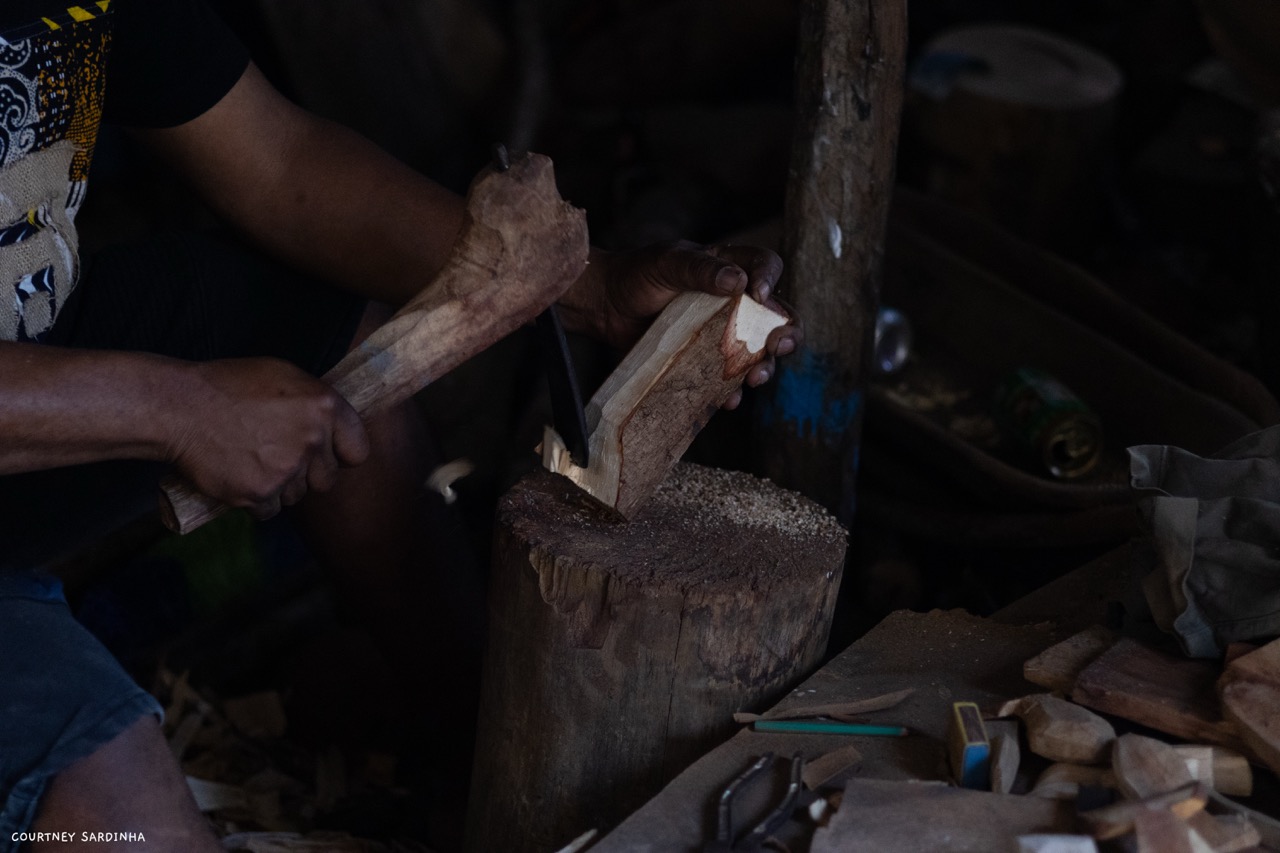
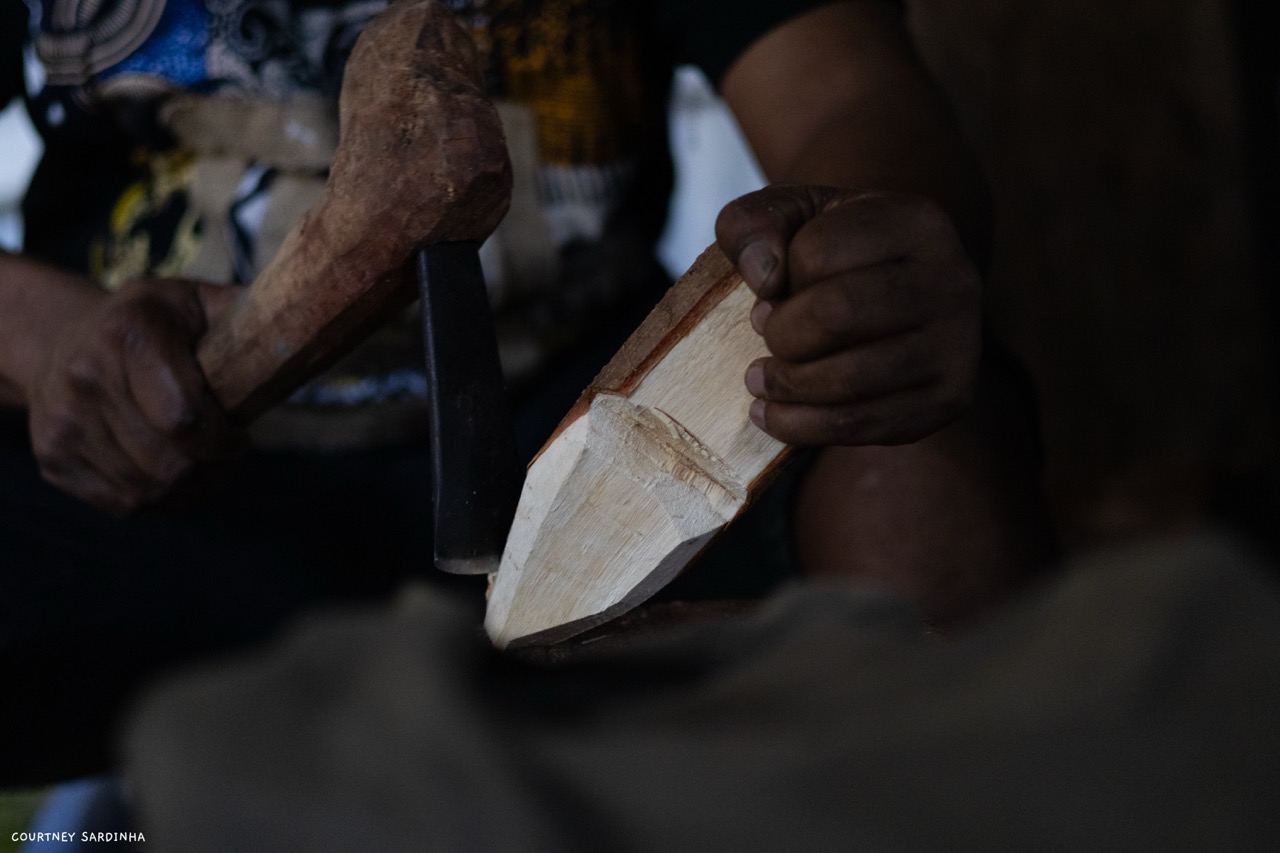
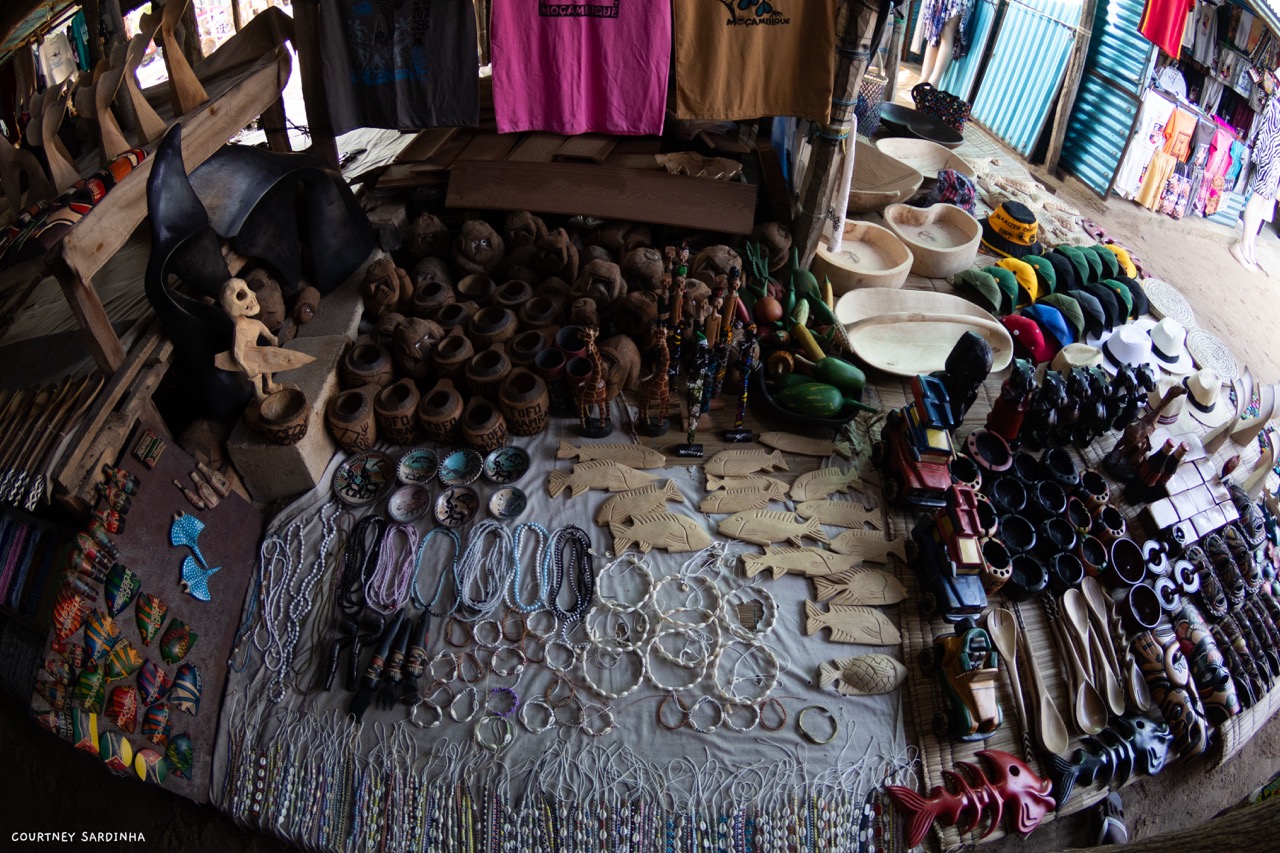
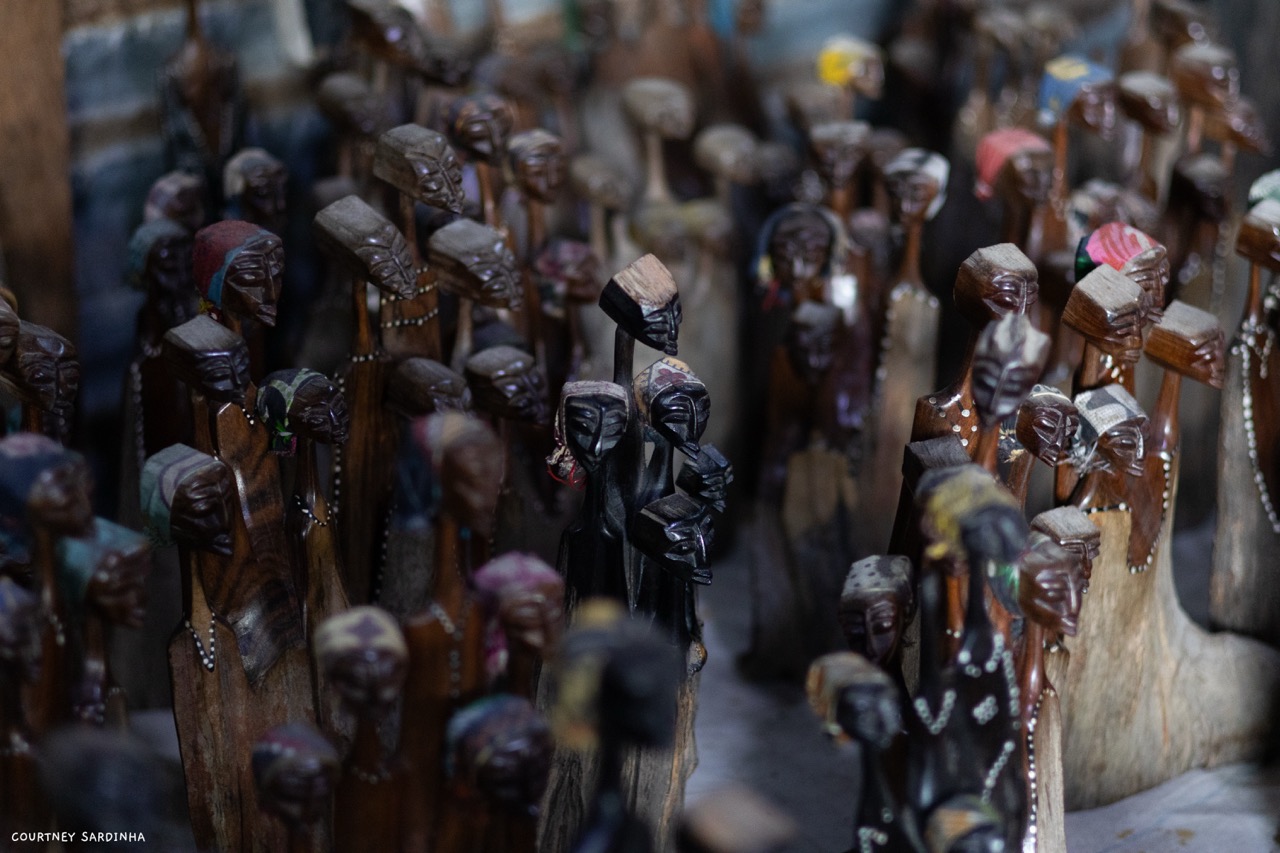
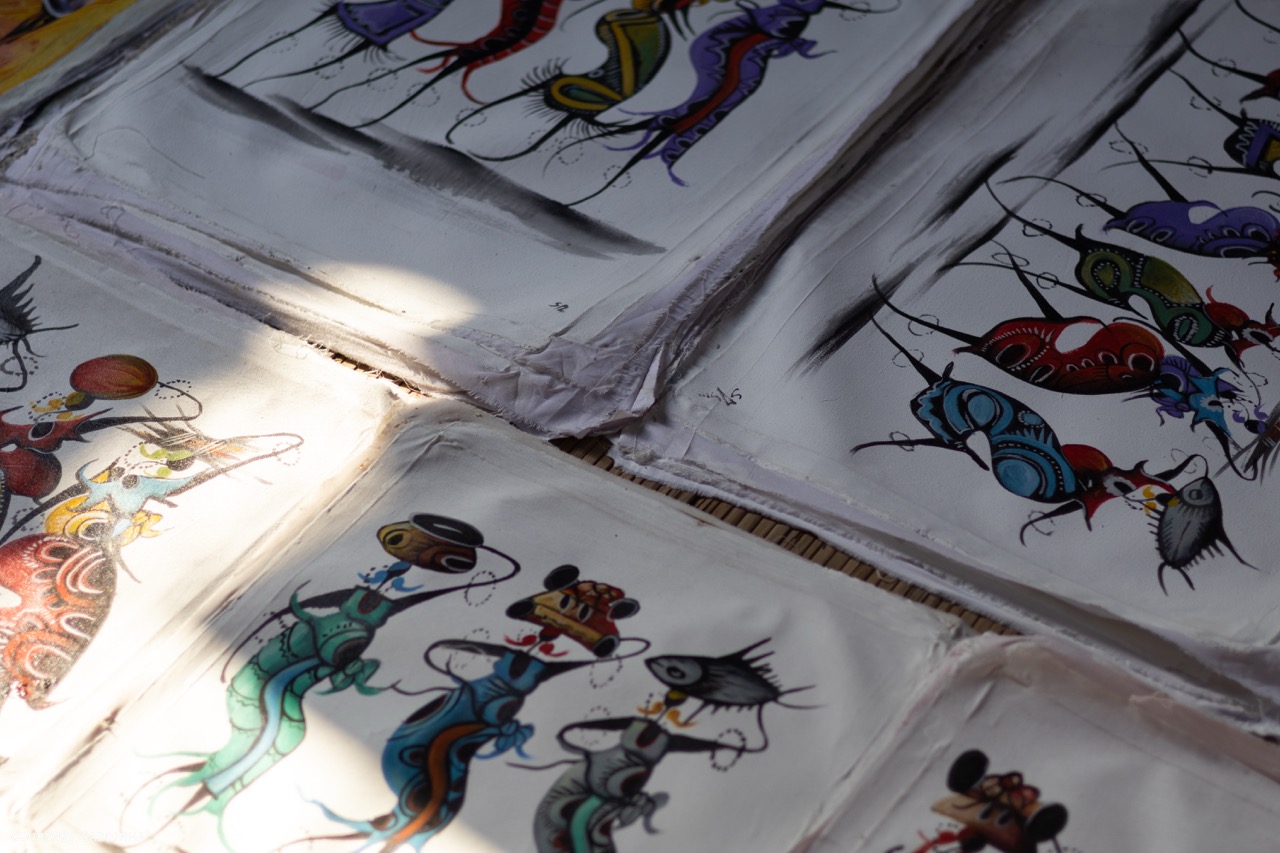
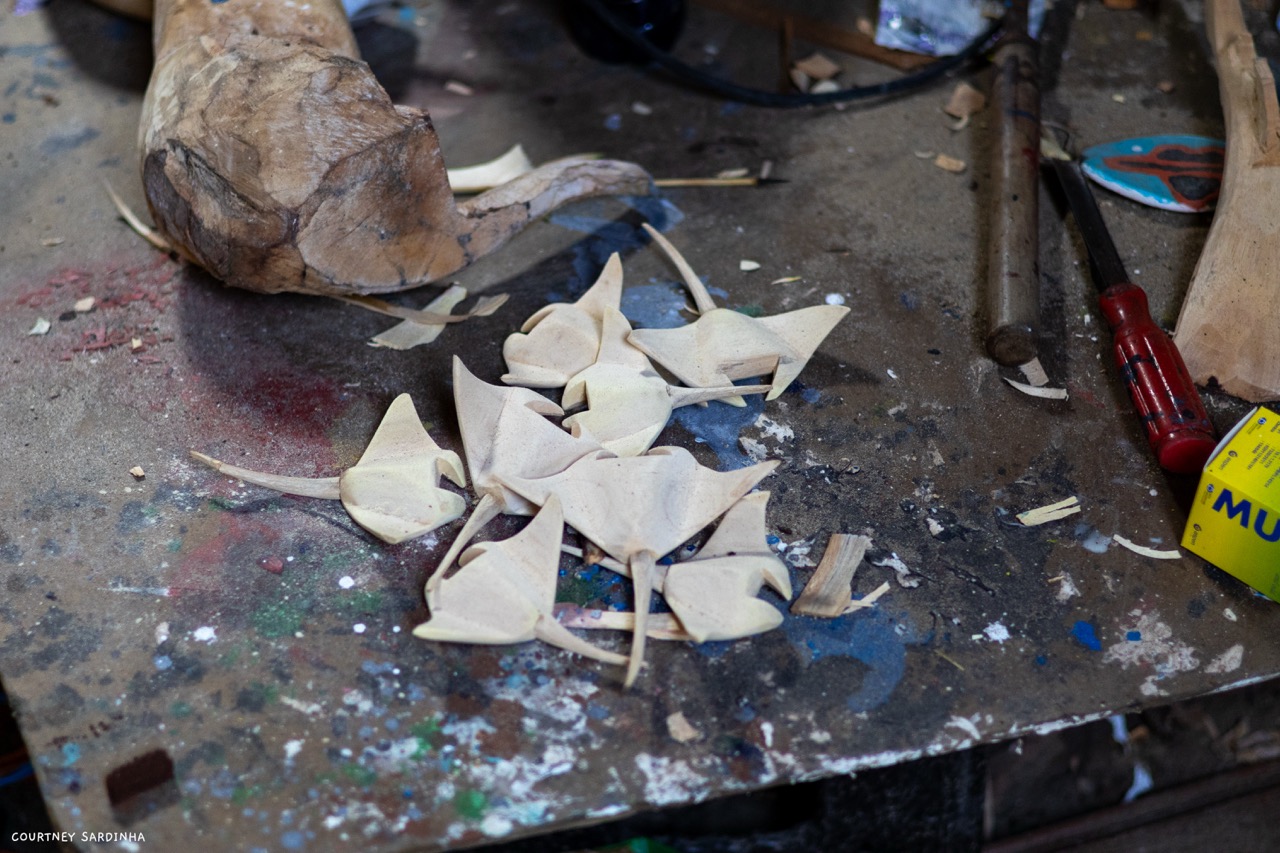
The market is one of my favorite places to wander through. You'll find baskets, clothing, jewelry, masks, carved wooden pieces and, naturally, approximately a million wooden whale sharks and manta rays that I'm always tempted to buy.
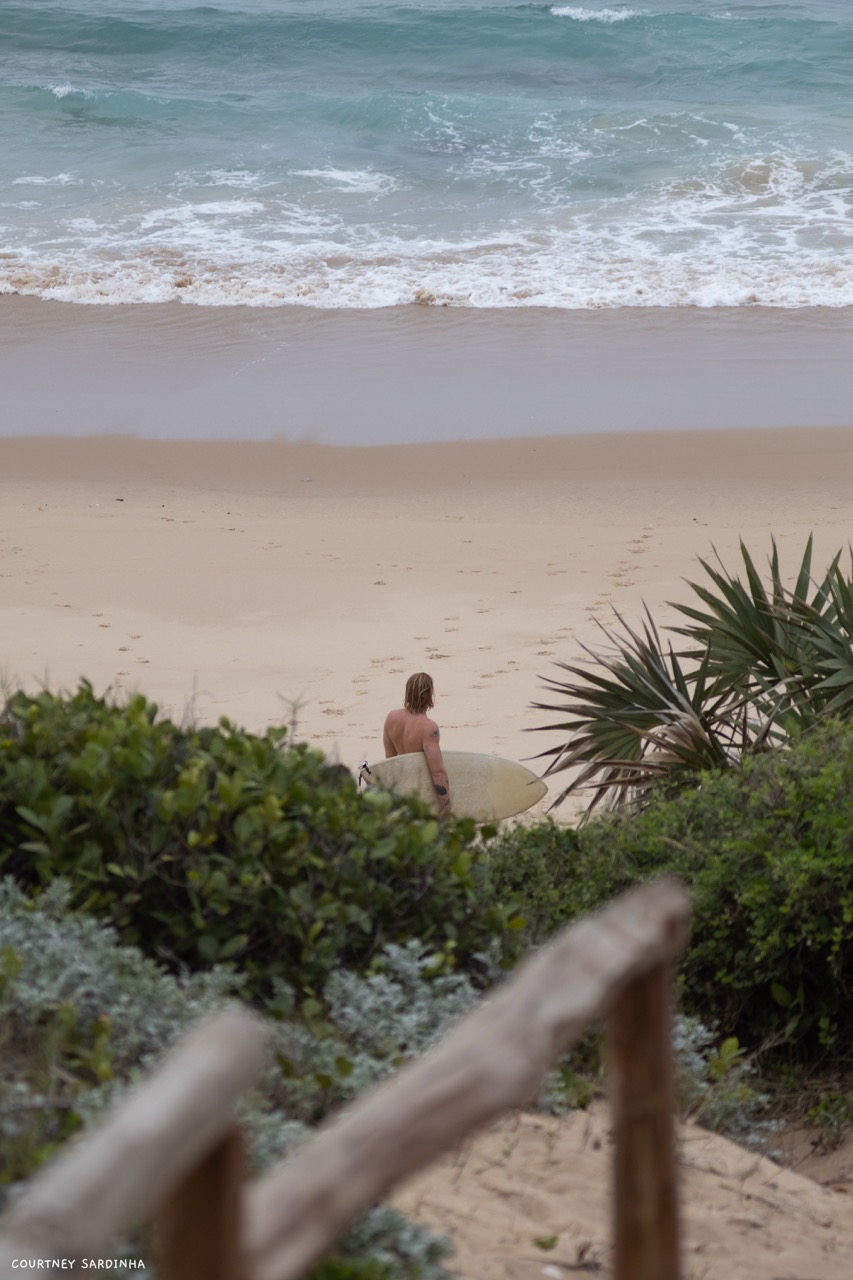
Then there are the beaches. Tofo Beach has more happening and is generally the social center of town, but Tofinho is beautiful. Backdoor Beach is one of my favorites, especially when a really low tide exposes the rock pools, and Praia da Rocha is probably my favorite nearby beach. You'll want a 4x4 to make life easier getting there, but I've been there many times when we've essentially had the whole place to ourselves.
Where should you eat in Tofo?
I can't write anything about Tofo without talking about food.
SUMI is my favorite. Everyone goes back again and again and the food is incredible every time.
Rio's is one of my favorite coffee stops, especially if cinnamon rolls are involved.
And Brunchin' Whale is a cute little place right on Tofo Beach.
Tofo Tofo is also really cool - they regularly have live music and the chicken and chips are amazing!
Jenny's Cafe is a very sentimental place for me - we went there a lot when we lived there. The owner has been there for years and knows so much about Tofo and its people, so that's an interesting place for a quick bite!
One thing you have to do while you're in Tofo is eat in the market! Matapa is a common Mozambican dish and is definitely worth trying. It's made from cassava leaves, usually cooked with ground peanuts and coconut milk. You can get seafood versions, often with shrimp or crab, as well as meat-free versions. I also love the feijoada, which is a rich bean-based stew. You'll be surprised at how inexpensive the food in the market is.
One of my favorite post-dive routines is honestly just getting back around lunchtime, showering, walking into the market for food and then spending the afternoon at the beach.
How long should you stay in Tofo?
I want to say a month but apparently that isn't practical advice so I'd say two weeks if you can.
You could absolutely visit for less, but Tofo's diving is unpredictable enough that I wouldn't personally fly halfway around the world and give myself three dive days. You might arrive during a patch of amazing visibility and whale sharks everywhere or you might arrive when the ocean has decided you're going to see approximately four meters in front of your face.
Staying longer gives you a much better chance to experience the variety that makes the area special - it also gives Tofo time to get under your skin.
Why do I keep going back?
This is the part I struggle to explain but Tofo is the kind of place where you immediately feel at home.
It's the kind of place everyone leaves saying they want to come back to, and when you're away from it you find yourself thinking about it constantly.
For me, it's the coconut trees. It's walking around barefoot. It's the market. It's coming back from a dive exhausted and salty. It's seeing a humpback breach while you're eating breakfast. It's sitting on the beach doing absolutely nothing. It's the feeling that whatever you've been worrying about isn't quite as important anymore.
Something switches off when I'm there and I don't think photos really capture that. You can take a photo of the beach or a manta or a row of palm trees, but actually being in Tofo is a different box of frogs.
Three months somehow became three years for me.
That probably tells you everything you need to know.
And if you're thinking about going?
I'd say: Go. You won't regret it.
Or take me with you!
Author

Courtney Sardinha
Courtney grew up in Salt Rock, a small coastal village situated in the dolphin coast of Kwa-Zulu Natal, South Africa. She studied a BA in Creative Brand Communications specializing in Multimedia Design. While studying, she completed her advanced diving course and fell in-love with diving. After her studies, she went on to do her Dive Masters and Instructors, spending 4 years traveling, diving and teaching in Mozambique, South Africa and a stint in the Caribbean - making sure to take over each dive center's social media accounts. Finally merging her two passions - she now coordinates Bluewater Travel’s Social Media accounts.