May 8, 2026|Author: Scott Gietler|Reading time: 15 mins
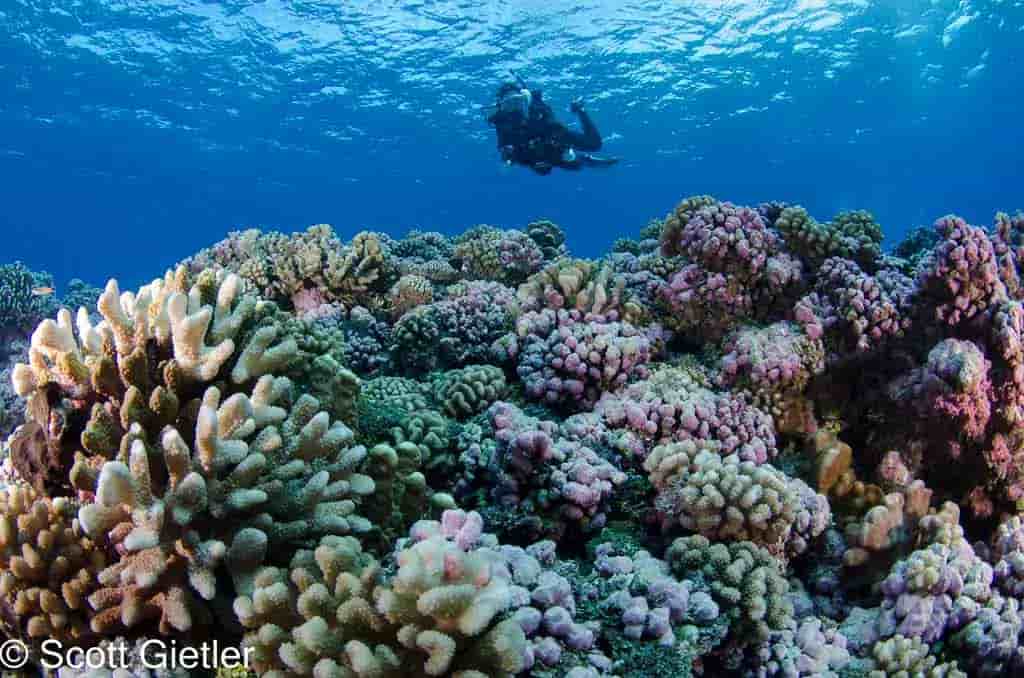
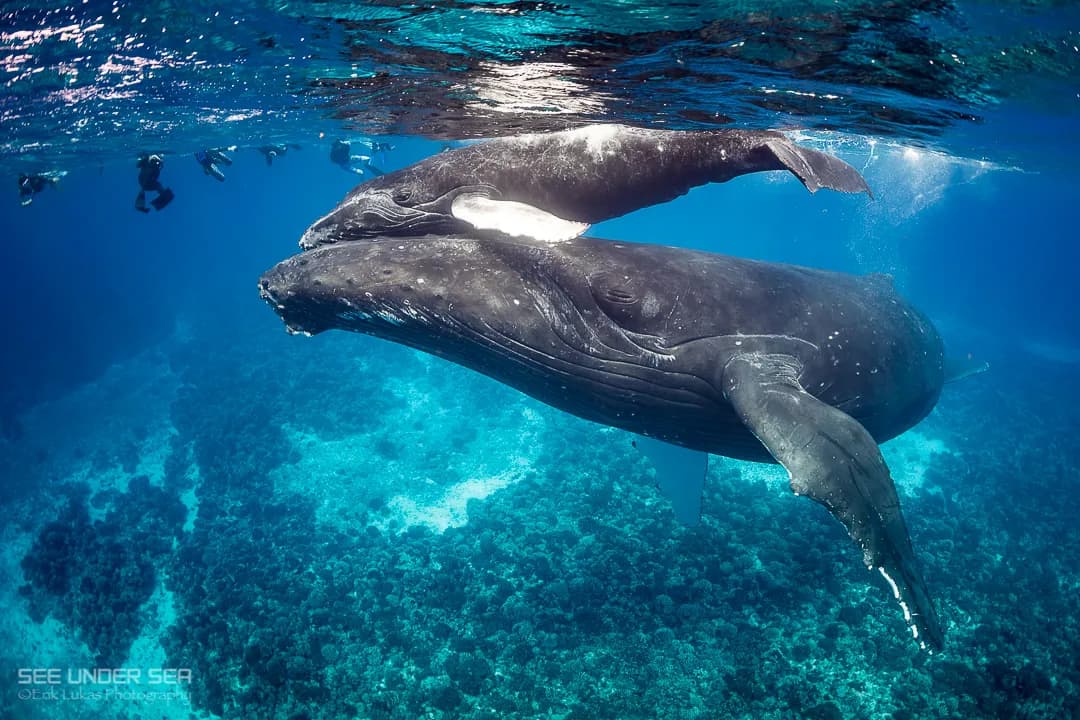
Its stunning underwater diversity makes French Polynesia one of the best diving destinations in the world. French Polynesia is comprised of 118 incredible islands and atolls that host many varied dive sites, boasting colorful and lush reefs, various tropical fish, manta rays, and an array of sharks. One if its island, Mo'orea, is also known to be one of the 3 places on earth where humans can safely swim and snorkel among whales.
Main regions for diving:Tuamotu atolls (Rangiroa, Fakarava), Society Islands (Moorea, Bora Bora, Tahiti) and more remote groups such as the Marquesas and Australs.
Best for: high‑energy channel dives with walls of sharks, dolphins and pelagics, plus calm lagoons and coral gardens for newer divers and snorkellers.
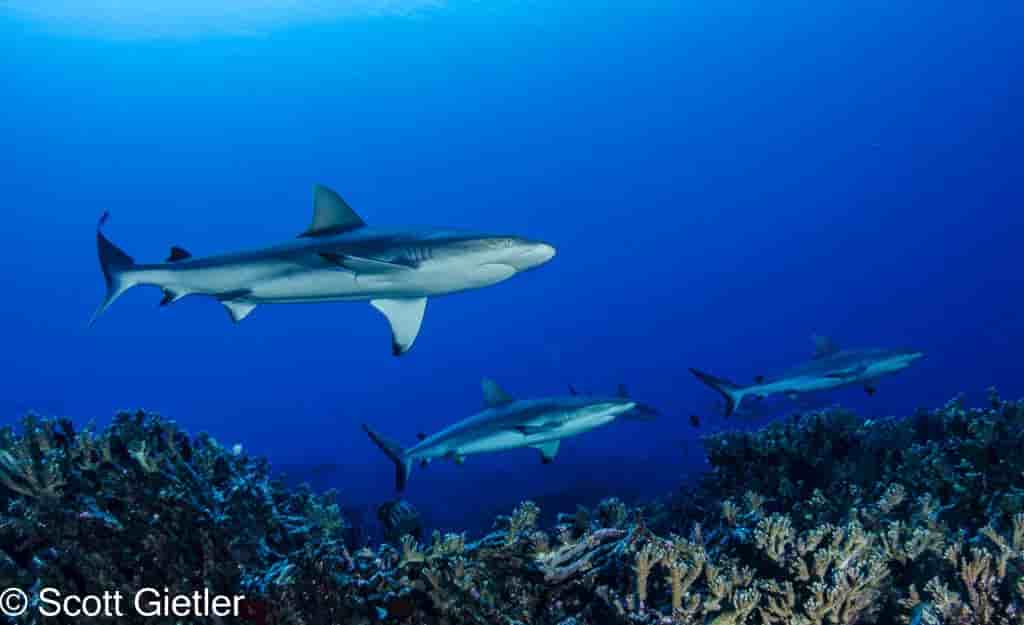
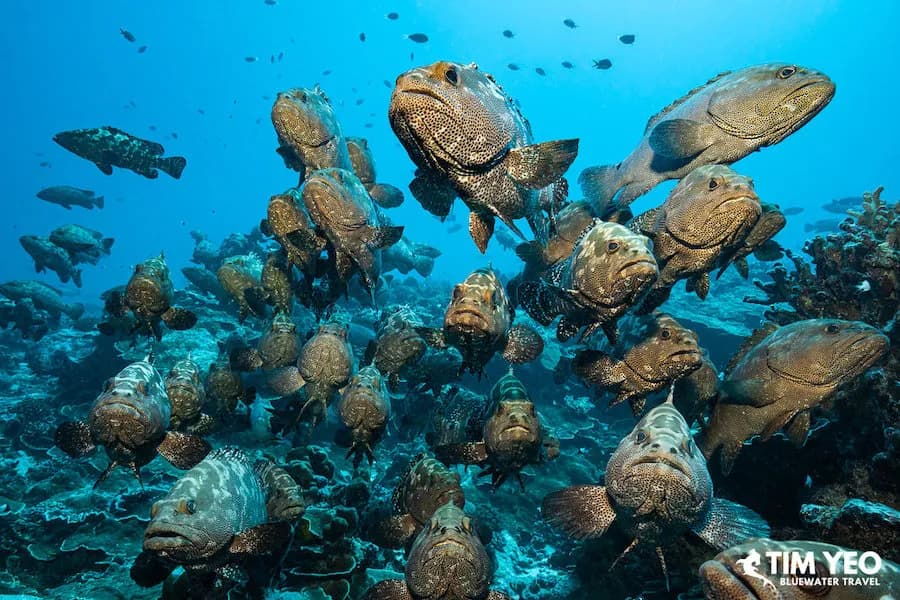
Shark diving: at least 16 shark species recorded; passes like Tiputa and Fakarava South can hold hundreds of grey reef sharks in clear water.
Whales: seasonal humpback whale encounters around Moorea and some outer islands (snorkel only, under strict local rules).
How to dive it: a mix of land‑based resorts on key islands and liveaboards for extended Tuamotu and multi‑atoll itineraries.
Experience level: suitable for all levels – gentle lagoon and reef dives for beginners; strong‑current, deeper channel dives best suited to experienced divers.
Its stunning underwater diversity makes French Polynesia diving some of the best in the world. French Polynesia is comprised of 118 incredible islands and atolls that host many varied dive sites, boasting colourful and lush reefs, various tropical fish, manta rays, and an array of sharks. One of its islands, Mo'orea, is also known to be one of the 3 places on earth where humans can safely swim and snorkel among whales.
In a nutshell, French Polynesia provides adventure for both the most and least experienced scuba divers--and even snorkelers and sightseers--offering a special experience for everyone.
For another great snorkelling destination, check our some of the best diving in Mexico.
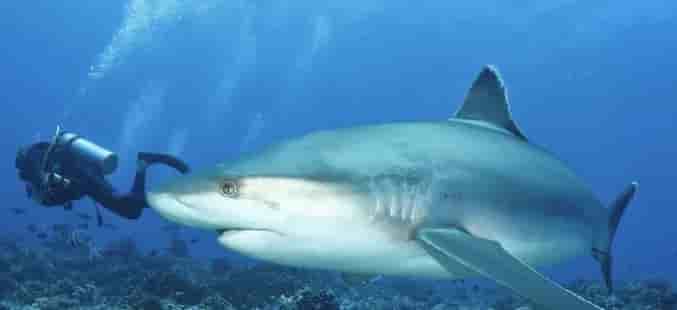
French Polynesia, casually referred to as Tahiti, is one of the world's top dive destinations, and definitely one of the world's best locations for shark diving. Boasting at least 16 species of shark, the shark population is very high--estimated to range into the millions--which means divers have the potential to see hundreds of sharks in the clear French Polynesian waters.
Watch this 40-minute webinar to learn about Fakarava/Rangiroa, the marine life, and some of the great accommodation options, to see if this destination is right for you!
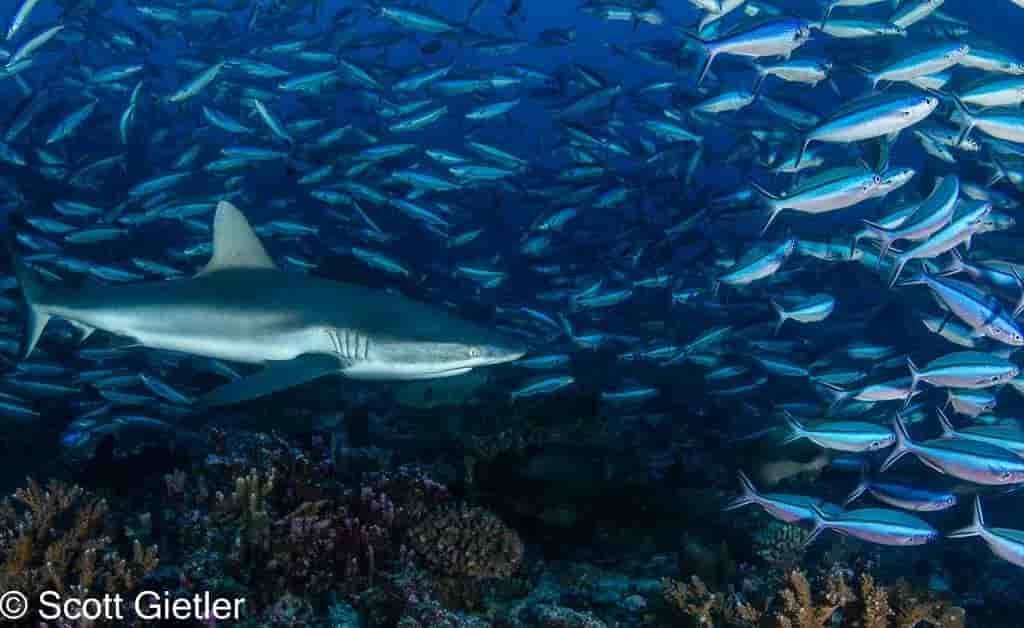
On my first trip to Fakarava South we dropped into the pass at dawn and spent the whole dive hanging almost still in the current, with a solid wall of grey reef sharks stacked up in front of us and schools of snapper weaving behind. It’s one of the few places where you genuinely feel surrounded by sharks in every direction, but the dive is still calm and controlled when you follow the guide’s plan.
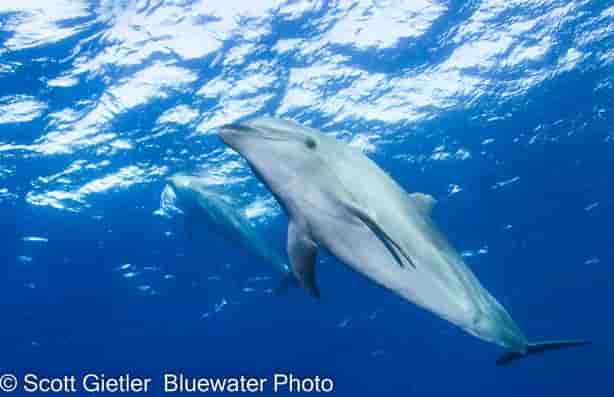
In Rangiroa’s Tiputa Pass I’ve had dolphins come in close, roll on their sides and look straight at us, clearly choosing to interact. Not every dive is like that, and you do get fast, blue‑water drifts where you’re scanning the blue for silhouettes, but those close passes and long shark walls are why French Polynesia keeps drawing me back.
Diving Information
French Polynesia has strict dive‑safety and environmental regulations, especially on deep, current‑swept passes.
Depths are typically limited to around 30 m unless you hold higher‑level qualifications and conditions allow, and shark feeding and whale‑interaction rules are tightly controlled.
Good buoyancy, listening carefully to your local guides, and a no‑touch, no‑chase approach to marine life are essential to keep these sites and animals healthy.
Schedule a free consultation with a travel expert now
Rangiroa scuba diving offers encounters with dolphins, grey reef sharks, and silvertip sharks. They also have schools of jacks and barracuda, eagle rays, turtles whitetip and blacktip sharks. Manta Rays are sighted occasionally. Visibility is excellent. The bigger sharks can be quite deep, 35 - 50 meters deep. Macro life is limited.On our recent group trips we typically see multiple dolphin encounters over a week, plus regular passes with grey reefs in the channels and big schools of jacks and barracuda on the outer reef when the current is running.
In a week stay, you can usually get dolphins to make a few close passes, and they have been known to play with divers.
Fakarava is one of the world's best diving destinations, and definitely boasts some of the world's best shark dives, alongside Rangiroa. There are two notable passes in this UNESCO Biosphere Reserve that feed into the lagoon. The first is the Garuae Pass, located on the north side, which is the widest navigable pass in French Polynesia.
The second is the Tumakohua Pass, located on the south side. This pass is home to a narrow underwater valley known as Shark's Hole, which is heavily populated with lemon, whitecap and hammerhead sharks.
Shark diving in Fakarava is really diverse. Some of the sharks you can see include the grey reef, lemon sharks, blacktip and whitetip sharks. There are also many schools of fish, barracuda, and eagle rays. Visibility is excellent.
On our last Fakarava itineraries we split our time between the north and south passes: long, high‑adrenaline drifts through Garuae, then slower, more theatrical dives at Tumakohua where we could sit and watch the shark wall build and thin with the tide.
Moorea's underwater world has an infinite range of canyons, chasms, and promontories. Fish feeding is common here so divers are often surrounded by schools of small and large marine life. Some of the highlights of Moorea diving include diving with sharks, such as the amazing lemon sharks.
With a lack of strong currents, Moorea is perfect for beginners while the deeper canyons attract the more advanced divers.
Moorea is also an amazing place, if not the best place in the world for swimming with whales, especially the humpback whale. A myriad of humpback whales migrates this area, from July to October/November. During this period of time, you encounter the whale population on the outer reefs of the island, searching for mates or nursing their young.
Diving Bora Bora, the most beautiful lagoon in the world, is on many divers must do list because of the abundance of large marine life. In Bora Bora, known as the "jewel of the south seas," diving is famous for manta rays and sharks, and you will see colourful hard and soft corals, teeming with reef fish everywhere.
The diving season in Bora Bora is year-round. The water temperature is always warm with an average of 84F (29C) in summer and 79F (26C) degrees in winter. The water is very clear, the visibility is over 100 feet (30m).
Travel Information
How To Get There
The easiest way to get to French Polynesia is to fly into Faaa International (PPT), on Tahiti and continue with a ferry or domestic flight to the island of your choice.
December and January are the rainy months. Any other time is excellent for French Polynesia diving, although it can be crowded during French holidays and school holidays. Water temps are 81 degrees Fahrenheit.
Internet/WiFi
The Wi-Fi in many resorts around French Polynesian can be intermittent, especially in the islands of Rangiroa and Fakarava. It is worth checking if your cell provider offers data bolt-on to give you connectivity during your trip.
There are also a surprisingly good number of options to buy local data when you arrive in Tahiti. Tahiti Wi-Fi has a stand in the airport where you can rent a box that connects you to Wi-Fi on most islands (it doesn't work so well in Fakarava and Rangiroa). The box acts as a router and allows you to connect several devices to Wi-Fi at one time. It can be pre-booked for you to pick up at the airport or delivered to your hotel https://www.tahitiwifi.com/. They offer various data packages starting at 5GB for 4,600 XPF ($7).
A cheaper option would be to buy a SIM card for your phone which you can then use to hotspot to other devices. The Tahiti Wi-Fi stand sells Vodafone SIM packages which work well in Tahiti and Moorea, but again aren't so great in the more remote islands. They offer 3 packages starting at 2GB data, 30 minutes of local calls, and unlimited texts for around $4. Once you have your SIM card, you can top it up or buy more data at most supermarkets around the islands.
If you plan to island hop and will be exploring Fakarava or Rangiroa, your best option is to buy a SIM from local provider Vini https://www.vini.pf/mobile/international/vini-travel-card. These can be purchased from Cafe Maeva at the airport. Their packages are a bit more expensive but offer excellent coverage all over French Polynesia. For example, the Vini Travel Card costs 4,000 XPF ($33) and gives you 9GB data as well as some bonus calls and texts. Once you have your SIM card you can top it up at most supermarkets around the islands.
If you arrive out of hours and everything at the airport is closed, there is a gas station within a 5 minute walk of the airport that also sells local SIM cards.
Another excellent option for compatible devices is an international eSIM, which has many benefits including the ability to purchase and set up your plan before you land in French Polynesia so you don't waste any of your precious vacation time. For more information, read this review of Airalo international eSIM, which details how to use it, how it works, and some tips for how to get the most out of the service.
Topside & Non-Diving Activities
Hiking
Sightseeing
Polynesian Dance
Pearl farms
Shopping in markets across the islands
Various tours & excursions
French Polynesia Diving FAQs
Is French Polynesia suitable for beginner divers?
Yes. Calm lagoons and reef sites around Moorea, Bora Bora and parts of Rangiroa offer easy diving for newer divers and mixed‑experience groups.
However, the famous passes in Rangiroa and Fakarava often have strong current and deeper profiles, so they are best for confident, experienced divers.
Do I need a liveaboard, or can I dive from a resort?
You can do both. Land‑based resorts on Rangiroa, Fakarava, Moorea and Bora Bora work well if you want to focus on one area or travel with non‑divers.
Liveaboards are ideal if you want to spend long days diving multiple passes in the Tuamotus or combine several atolls in one trip.
When is the best time to dive French Polynesia?
Diving is possible most of the year. May to October generally brings drier weather and excellent visibility.
The rainy season (roughly November to April) can still offer great diving with warmer water, but more squalls.
For humpback whales around Moorea, aim for about August to late October.
Can I really see “walls of sharks”?
Yes. Passes such as Fakarava South and Garuae, and Tiputa Pass in Rangiroa, regularly hold very large numbers of grey reef sharks and other species when currents and tides line up.
These dives are current‑exposed and often deeper, so they are guided conservatively with strict briefings.
What exposure protection should I bring?
Water temperatures are typically around 26–29 °C / 79–84 °F.
Most divers are comfortable in a 3mm full suit, but if you feel the cold or plan lots of repetitive diving in channels, a 5mm or a hooded vest can be welcome.
Practical Information
Currency: French Pacific Franc
Language: The official language is French but you can expect English to be spoken in some tourist destinations.
Main Airport Code: PPT
Time Zone: UTC-10
Electricity: 220 V 60 Hz
Schedule a free consultation with a travel expert now
Scott is the founder of Bluewater Travel. Scott's areas of expertise include some of our top dive destinations like Indonesia, Mexico, Philippines, Fiji, Galapagos, French Polynesia and the United States.
Scott is also the founder of the Underwater Photography Guide and Bluewater Photo. What started out as a small project has grown to a point where it is starting to interfere with Scott's sleep. When it interferes with his diving, then it will be a problem.
Scott lives in California.If possible he tries to get out diving each week with some of the other members of the staff.
An avid marine naturalist, Scott is the author of the Field Guide to Southern California Marine Life. He was the LAUPS photographer of the year for 2009, and his photos have appeared in magazines, coffee table & marine life books, museums, galleries and aquariums throughout California. He enjoys teaching photography underwater and in workshops.



-optimized.webp&w=828&q=75)
-optimized.webp&w=3840&q=75 "Scott Gietler")