



Special
Expert advice on diving,
seasons, and logistics
Free planning help
when you’re ready to book
Exclusive dive packages
tailored for you
Special

Special
Special
Special
Special

Special

Special

Special

Special

Special

Special
Special
Scuba Dive Level
All Levels
Visibility
33 to 82 feet (10 to 25 meters)
Average Water Temperature
84
Macro Critters
Stunning Reefs & Corals
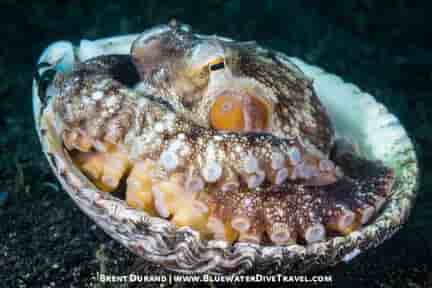
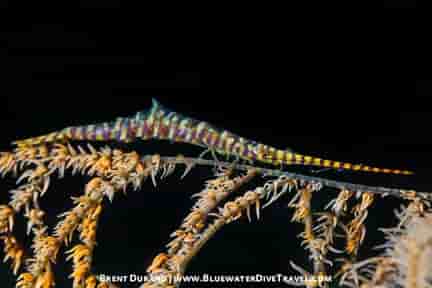
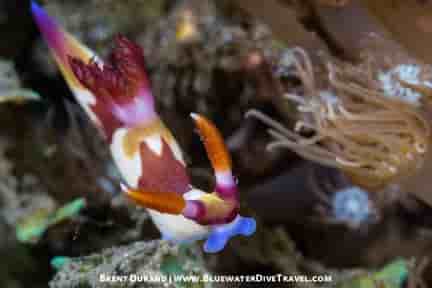
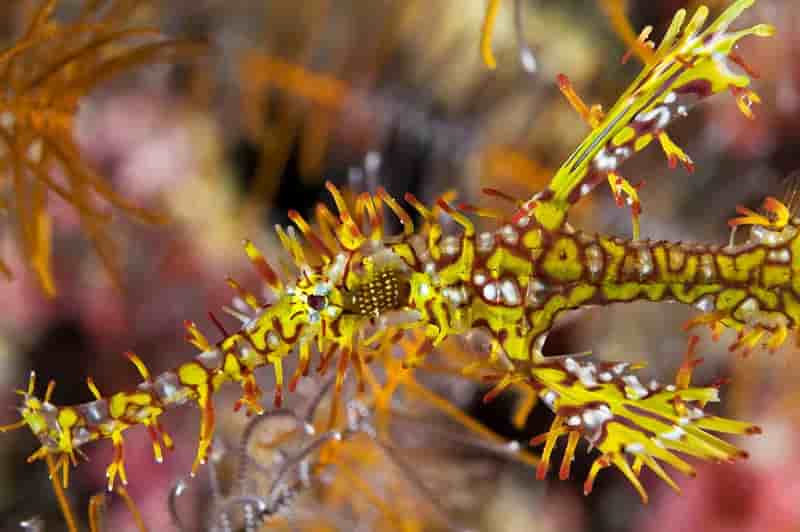
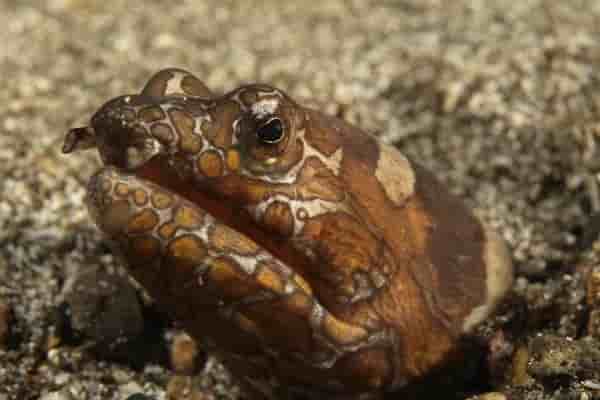
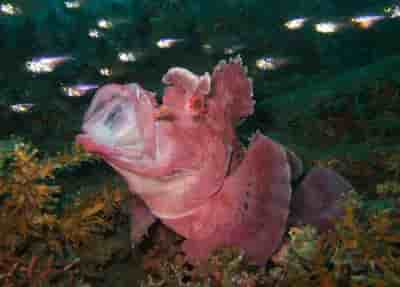
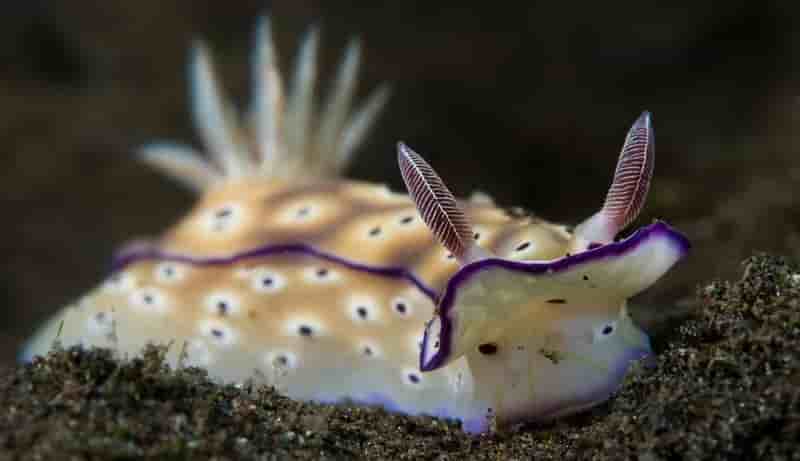
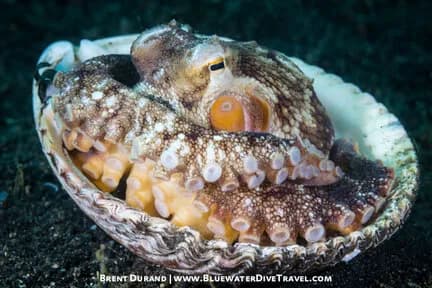
Lembeh Strait has a great assortment of strange fish, macro critters and nudibranchs. You can view photos and a list of all the Lembeh marine life in the muck diving critter guide.
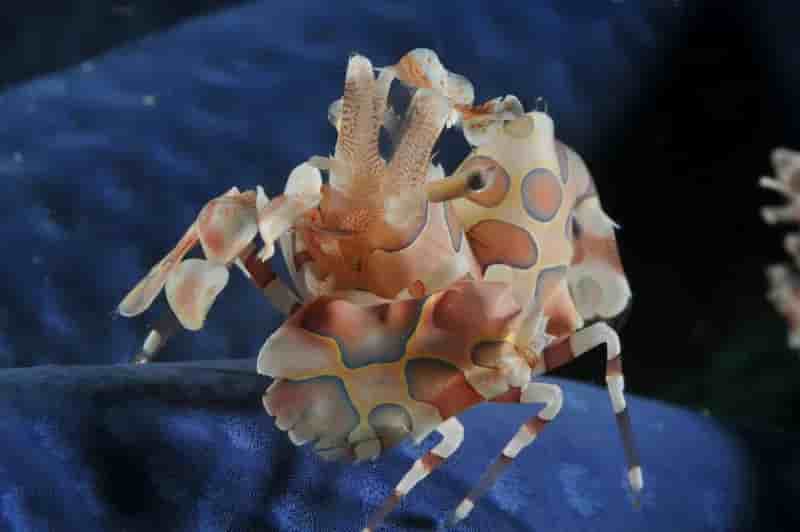
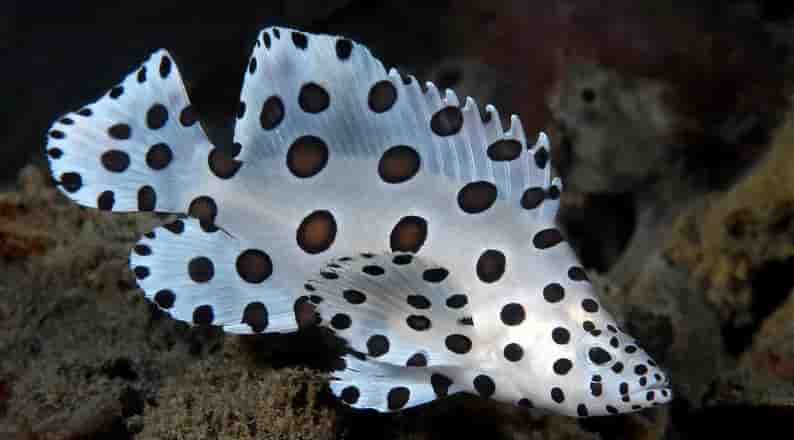
Some of the species that you can see includehairy frogfish, flamboyant cuttlefish, juvenile barramundi cods, juvenile pinnate batfish, rhinopias, harlequin shrimps, mandarin fish, snakeblennies in the open, and large beautiful stinging anemones.
Heres a list of some of the marine life and critters that you can see and photograph while diving Lembeh Strait:
For more information about Lembeh, read all about our trip report from 2024.
Water Temperature: Lembeh gets colder around July and August with water temperatures averaging at 25C (77F). Bundle up! Some people think the most critters are out during the cold months. Water temps get up to 28 C (82F) in Jan-Feb. Wear a full wetsuit year-round to protect against cuts, jellies, and getting cold during long dives.
Visibility: Around 30ft (10m) year-round
Depth Range: 5 - 30m
Your dive boat will usually go out for 1 or 2 dives at a time. Generally, you will be in a small boat with 1 guide and 1-3 other divers. Depending on the dive site, you'll start your dive in 50 - 80ft of water and then start to work your way shallower on a sandy slope.
As you are photographing one amazing subject, your dive guide will be busy finding your next subject. A super-macro lens will often come in handy. Other divers swimming by may silt up your area, causing you to curse underwater. You take so many shots that your memory card fills up, or your battery dies, causing you to curse underwater.
To learn more, read about our latest trip to Lembeh here.
The dive sites in Lembeh are generally sand, rock, muck, or rubble, but there are a couple of sites with nice corals and walls. Marine life is generally prolific from 3-4 meters depth down to 25 meters depth. Police Pier, Nudie Falls, Nudie Retreat and TK3 are definitely target-rich environments that you want to dive early and often. California dreaming and Angel's falls offer good wide-angle opportunities.
Most people fly to Manado (MDC) through Singapore (SIN) on a 3.5-hour flight. Silk Air has regular flights.
You can also get a direct flight from Jakarta (CGK) or Bali (DPS) - see our guide to Indonesia's domestic flights for more information. Resorts will usually pick you up at the Manado airport. Two hours after you get your bags, you should be at the resort.
There are a lot of excellent dive resorts in Lembeh Strait with a wide range of pricing. Lembeh Resort is a popular luxury boutique dive resort, famous for its cliffside villa, beautiful ocean-view cottages and excellent diving and hotel services. NAD Lembeh Resort is also a popular option among underwater photographers, featuring comfortable accommodations, photographer-friendly facilities, and experienced well-rounded dive staff.
Bangka, Siladen, Manado, and Bunakendiving are nearby Lembeh, and we highly recommend you consider doing a "combo" trip, shooting mainly wide-angle in the Bunaken area, and shooting macro in Lembeh. Many divers also combine Lembeh with a trip to Raja Ampat.
The diving season in Lembeh Strait runs year-round. September to October is a popular period of time. "Rainy season" is technically December to February, but visibility is not bad then, and the rain is not as heavy as you would expect in most parts of Indonesia.
A trip to nearby Tangkoko National Park is a must, to see the amazing Tarsier monkey (a very cute small monkey with huge eyes, best seen at dawn or dusk), and Celebes Crested Macaques.
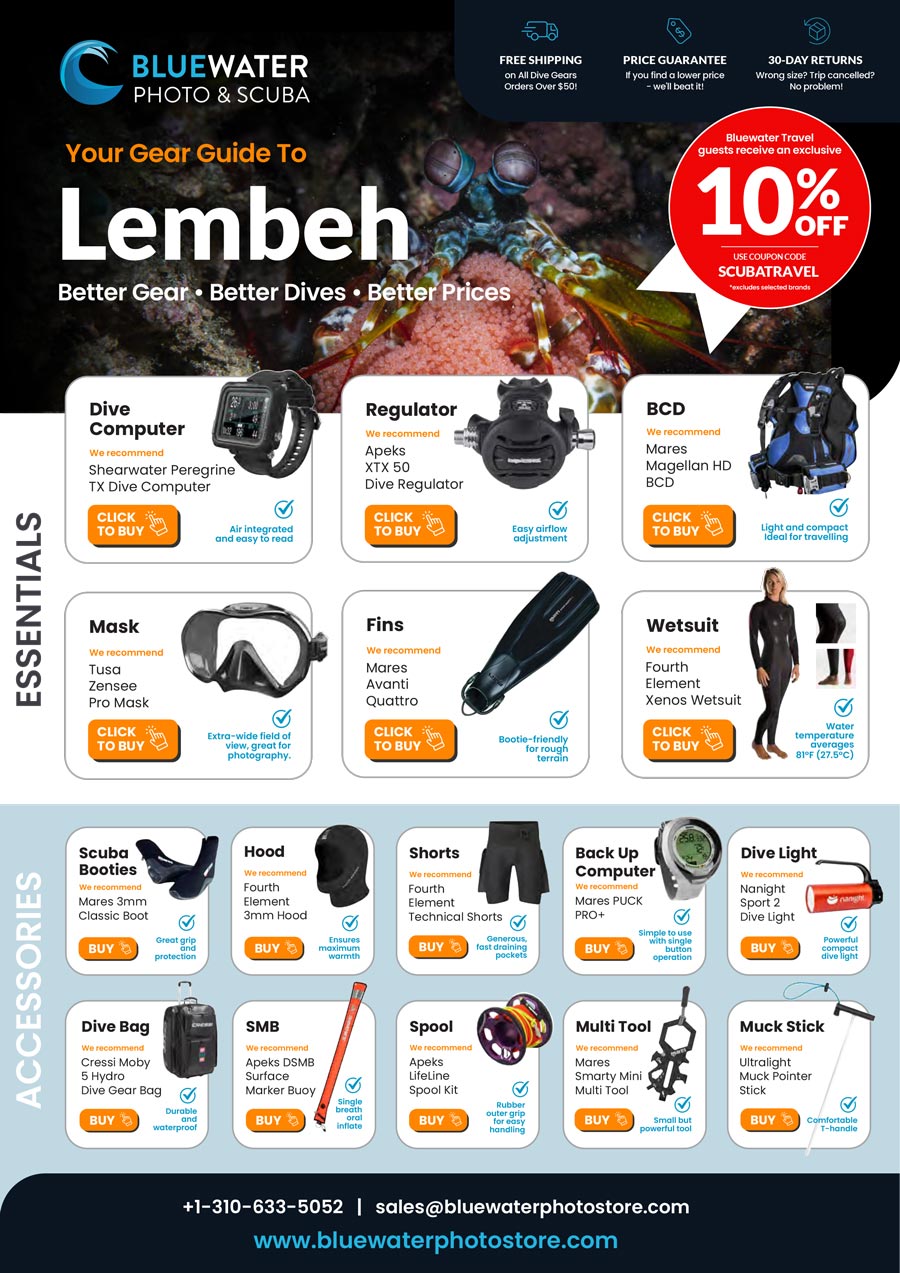
Download our full scuba gear guide to Lembeh, Bluewater Travel guests receive 10% OFF!
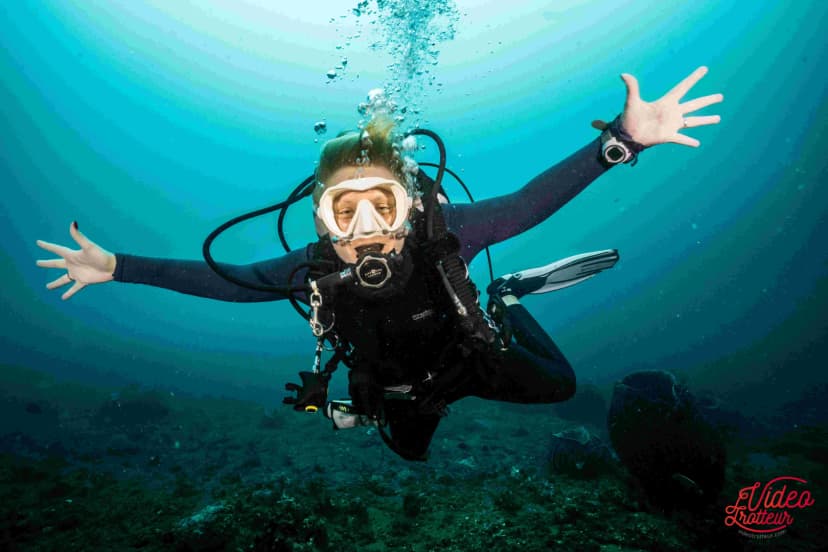
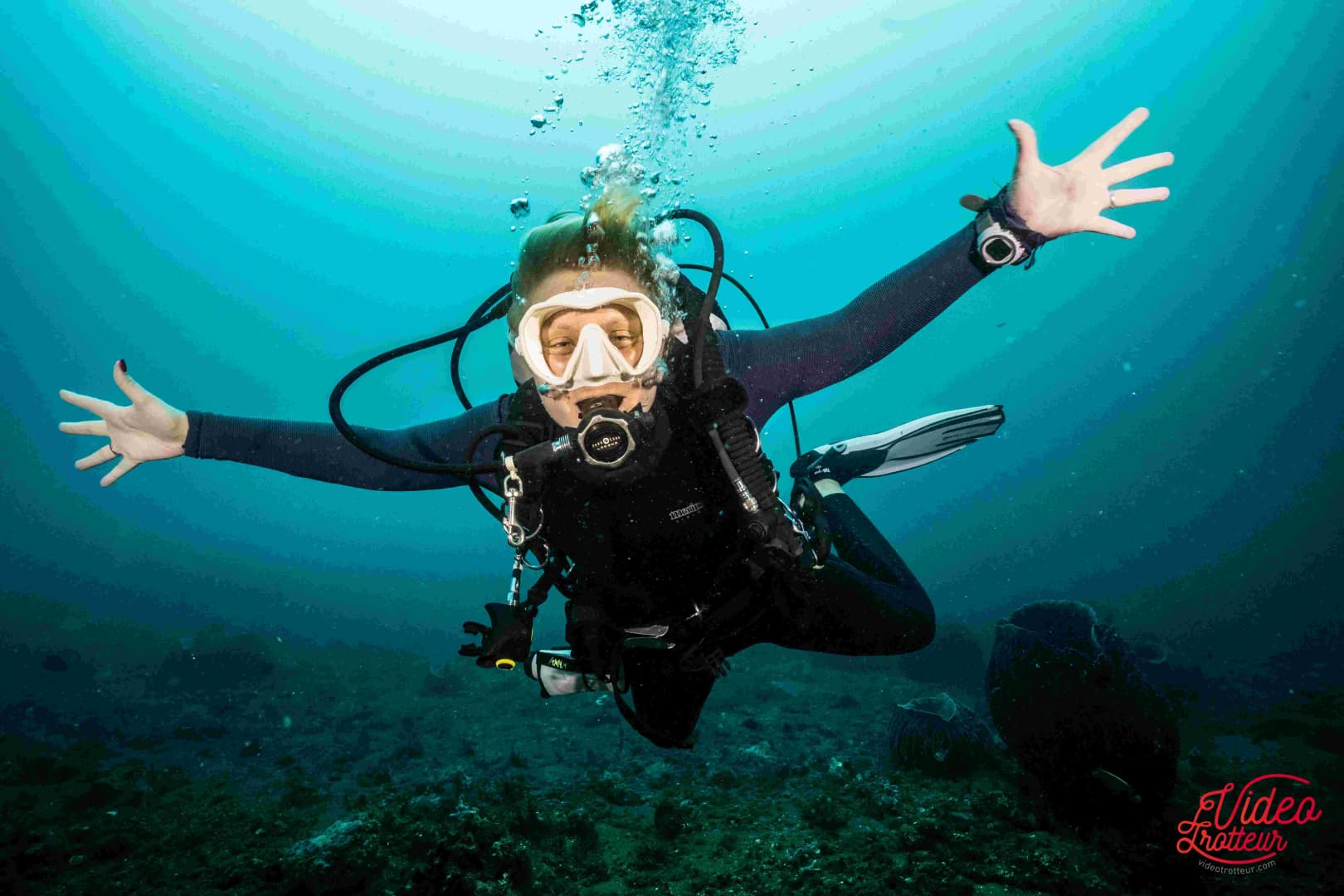
Originally from Belgium, Anne’s love affair with the ocean started early — she took her very first dives at just 12 years old in France. What began as curiosity quickly turned into a lifelong passion that would shape her career, her travels, and her way of life.
Anne became a PADI Instructor in 2015 and went on to work across Southeast Asia, including Koh Phi Phi, the Gili Islands, and Bali, where she also managed a dive resort in Amed. In 2021, she became a PADI Staff Instructor, regularly assisting on instructor-level courses and continuing to deepen her knowledge — because learning, for Anne, never really stops.
Since joining Bluewater Travel in 2022, Anne has combined her hands-on dive experience with her love for travel planning. She has personally explored and dived some of the world’s most iconic destinations, including Ambon, the Banda Sea, Komodo, Raja Ampat, Halmahera, Lembeh, the Maldives, Coron, El Nido, Malapascua, Moalboal, Anilao, Romblon, Tubbataha, and the Red Sea — and she’s far from done. Her goal? To visit every continent and help her clients find trips that truly match their diving style and dreams.
Anne is also a passionate underwater photographer, shooting with a Canon R7 and a carefully curated setup of macro, super-macro, and wide-angle lenses (all proudly sourced from Bluewater Photo). If there’s a tiny critter to be found — or a dramatic reef scene to capture — she’s in her element.
When she’s not underwater or planning dive adventures, Anne is happiest keeping plants alive (a real skill), walking her dogs, rescuing the occasional street animal, and — most of all — meeting her clients whenever possible. For her, travel isn’t just about destinations; it’s about people, connections, and shared stories.
Favorite dive experience? Raja Ampat — especially the biggest oceanic mantas she’s ever seen. Ultimate bucket-list destination? The Galápagos.
After my Komodo liveaboard trip, I headed to Lembeh. It was top of my list forever because I love critters, and seahorses especially—even if they sound common to some divers—I’d never seen one, though I'd dreamed of them since I was a kid. Right away on the house reef, I found so many critters. You could spend hours underwater just watching them and trying for good photos or videos. The dive guides are patient with sharp eyes for spotting special critters you’d never see on your own. Small groups, sometimes even private, made it all the more relaxed in the warm water. The entire diving experience exceeded my expectations. The place feels luxurious and very peaceful, with black sand that looks amazing both in and out of the water—you really feel in complete harmony with the surroundings. Lembeh is a must for every diver.