$148 OFF

Special
Buddy Dive Bonaire Special Packages
4|5
Expert advice on diving,
seasons, and logistics
Free planning help
when you’re ready to book
Exclusive dive packages
tailored for you

Special

Special

Special

Special
Special

Special

Special

Special

Special

Special
Special

Special
Scuba Dive Level
All Levels
Visibility
60 to 100 feet (18 to 30 meters)
Average Water Temperature
80
Stunning Reefs & Corals
Tropical Fish
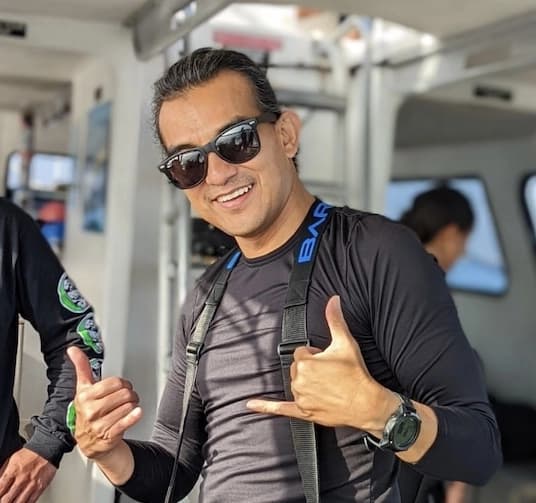
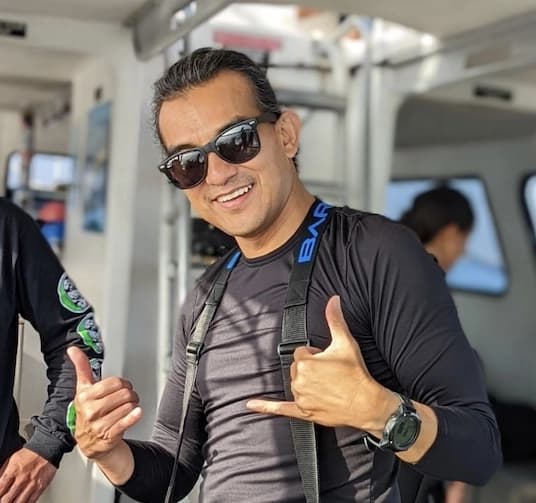
Tim grew up in tiny Singapore, where driving for more than an hour meant you would need a passport. Traveling was always his passion, but Tim became addicted to dive travel soon after he got scuba certified in Malaysia. As his diving addiction grew, Tim eventually became a Staff Instructor with PADI and an Instructor Trainer with SDI. After getting his instructor certification, Tim spent time teaching scuba in Malaysia and Vietnam.
Tim serves as General Manager and COO at Bluewater Travel and is the company's most seasoned trip leader. With a portfolio of leading over 30 group trips, his extensive expertise encompasses a variety of popular dive destinations such as the Galapagos, Raja Ampat, French Polynesia, Fiji, the Red Sea, Palau, Maldives, among others. His travels have taken him across all seven continents and allowed him to dive in all five oceans—the Atlantic, Pacific, Indian, Arctic, and Antarctic.
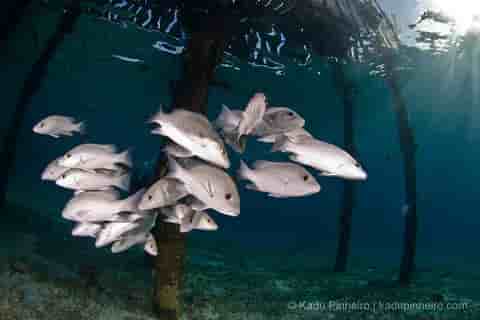
Outstanding outfit, and of course, diving on Bonaire is always a treat. We like staying at a dive resort which has a very nice dock and a great house reef. Of course, just about every resort on Bonaire has a house reef. The dive operator had seven locations around the island, the tanks are always plentiful and the O-rings are in good shape.
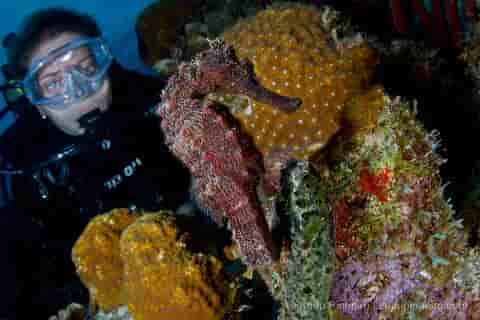
Bonaire is one of the most diverse coral reef habitats within the Caribbean. The weather is usually close to the same year round. There are various resorts to stay and all cater to divers. Bonaire is divers paradise. The dive masters are friendly, safe and great teachers. Bonaire has some of the best drinking water in the world. There are various restaurants offering worldwide and Caribbean cuisine.Bonaire is unique and best appreciated by the simple living diving crowd or people wanted to enjoy a peaceful vacation. There are also multiple excellent restaurants within walking distance from hotel. The shore diving options makes Bonaire a unique gem of the world. Divers may rent vehicles and explore the clearly marked dive sites along the road. The dive site map is easy to follow and dive operations will provide tanks for a full day of scuba diving. Dive at your own pace and avoid people on the dive boat if you choose. Boat diving in Bonaire is another attractive option since you can visit beautiful Klein Bonaire’s reefs (small island off the west of Bonaire) and marine life. Boat diving also offers expert dive master to point out frogfish and seahorses. Bonaire is famous for these hard to find creatures. As for dive sites, they all are excellent with the north providing reefs with cliffs in the backdrop on the nearby land, the south with the colorful pink salt ponds and pristine beaches. Common things to see diving include turtles, seahorses, frogfish, squid, eagle rays, dolphins and all the macro subjects you could ask for in one island. There are great underwter photography and video opportunities however one must respect the coral in the STINAPA Bonaire National Marine Park. Everyone must purchase a marine park tag and complete the educational course prior to diving. Most all resorts offer unlimited shore diving, which is especially great for night diving or beginners. Enjoy the wonderful scuba diving Bonaire has to offer.
The Bluewater Travel overview and the two existing reviews are right on target for this dive destination. I have gone to Bonaire for two weeks in early June for the past 5 years. Compared to all the other Caribbean locations I have dove, Bonaire is by far the most convenient for scuba diving when you want to dive and for ease of tank fills. Every year I discover something new despites frequenting the same dive sites in Bonaire. I just wanted to add a few tips to the previous reviews.MosquitosThough not very aggressive the mosquitos on Bonaire can be thick when the wind blows over Lac Bay and there is the threat of Dengue Fever from them. Buy a Mosquito Zapper Racket at the supermarket and then bring it home as a souvenier rather than a T-shirt or leave it for the next guest.Tanks and TailgatesDon't leave a tank alone standing on the truck's tailgate......I know this from personal experience.Donkeys and LizardsThough tempting don't feed either it just puts them in harms way by making them a nuisance.On the WingCheck out the tops of the cactus for green and yellow native parrots. Look out over the salt ponds for flamingos.Giant Green MoraysOn my last trip we had the pleasure of seeing giant green morays hunting the reef at night which we had not seen in the previous 4 years. Their population was though to have been devasted by a form of dysentery. Some believe Hurricane Omar 2008 elimated the source of the infecfon when it destroyed an over the water bar with a failing septic system. Bonaire has been working on it's infrastructure for better waste management with the support of the local community. I will say over the past 5 years I have seen more red algae on the reef including on Kline Bonaire so I am glad they are being proactive as the tourism on Bonaire grows more and more.Coral SpawningIt is possible to see coral spawning between September and October. STINAPA tries to give their best prediction of when the event will occur. Go towww.tourismbonaire.comto review their past and future predictions.Fluorescence DiveLast year I went on a Fluorescence Night Dive with Buddy dive's photo shop on site. I believe they still offer it one or two nights per week for $50. The dive is from their dock and you get the blue light and yellow barrier filter to place over your mask. It added a whole new dimension to what you can see on a night dive and when I got home I bought the equipment for personal use from Bluewater Photo and Video. With a little additional equipment you can also photograph and video fluorescence.Geo CashingAnother top side activity to do during surface intervals.FoodThough Bonaire offers fine international dining don't skip the food trucks/carts. Be sure to get a burger on kite beach from Cactus Blue. Sometimes the owner Hagen has lionfish burgers available . You too can hunt lionfish but only with a guide designated by STINAPA. In town you will see a few nights per week food carts selling grilled chicken, pork chops, and ribs with french fries. Don't just reach for ketchup but go for the white garlic sause.ReminderDo NOT leave valueables in your rental truck. Every year we have seen broken glass in the parking lot at Karpota indicating someone rolled up their windows and locked the door, a give away something good is inside! Buy a few cheap polarized sunglasses from Walmart before leaving the states and leave them on the dash. If they get stolen not a big loss and consider it a donation to spare a needy islander or visitor cataracts in the Caribean sun.
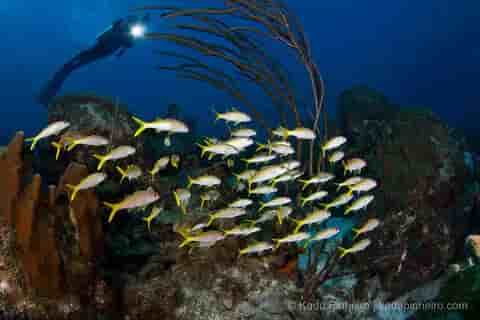
I have traveled to Bonaire twice. Once I stayed in a private villa and did one day of boat diving and 6 days of shore diving. We used a dive operator that has several locations around the island for exchanging tanks. We had a rental pickup truck and drove from one dive site to the next. The dive sites in Bonaire are marked by yellow rocks next to the roadside. It was easy to make 4 dives a day and a night dive.The second time, I stayed at a dive resort and did mostly boat diving, with a couple of shore dives . These dives were at Bonaire and Klein Bonaire. Three dives a day and a couple of night dives in front of the resort. Bonaire is famous for large baitballs and we also saw frogfish, seahorses, and all the usual critters.Many dive operators and dive resorts are available to choose from. There are also plenty of hotels, condos, and private villas for rent. Kralendijk is the main town and capital. This is where you’ll find the majority of shops and restaurants, including our favorite, a Mediterranean one serving delicious food. The town can be very crowded if a cruise ship is in port.On non-diving days, a visit to Washington Slagbaai National Park is an interesting diversion if you have a sturdy vehicle. The windward side of the island also draws windsurfers from all over. The population is mostly locals and Dutch expats. Everyone was super friendly and the island seemed to be really safe. Be sure to pick up some salt produced here. It’s very good and does taste different than ordinary salt. We will be glad to return at any time.
No place is perfect but Bonaire is as close as you can get for diving. The shore diving is so easy and accessible. So many different sites. When you want a little change then take a boat to Klein Bonaire and experience the reefs around the small island. Great food and friendly people make this a go to vacation spot and I can't wait to go back again.
I have been to Bonaire a few times and always liked the scuba diving. I like being on my own schedule and not being lead around in a group. I just rent a truck and drive to where ever I feel like diving that day.The scuba diving in Bonaire is good but don't expect to see lots of big marine life. Tarpon and some turtles are the biggest I've seen there. The bottom from shore out to the drop off is often barren sand and broken coral with occasional clumps of coral and fans. The shore entries and exits can sometimes be difficult with some small surge, especially if you are lugging around camera gear. If there are non divers in your group prepare them for Bonaire. There isn't much to do if you aren't in to water sports. Wind surfing and kite boarding are the other main activities. There is fishing of course but not really a lot of shopping or tourist activities. Once you've seen the Voodoo Museum there isn't much else to see.It is getting better with cruise ships stopping but it has along way to go before it becomes anything more than a dive destination.
Bonaire is perfect for scuba divers who like to run their own timetables. With so much shore diving, when you dive is up to you. Boat dives to Klein Bonaire and also on the East side (which without a boat is difficult) are also fun to throw into the mix, but most of our scuba diving in Bonaire has been from the shore. Navigation is not difficult, and generally there is little current. Shore entries are usually fairly easy and the book Bonaire Shore Diving Made Easy is a must have. Bonaire is suitable for all levels of scuba divers.For the underwater photographer, both macro and wide angle is readily available with the Hilma Hooker and Salt Pier being among the better dives for wide angle. Macro can be found on every dive, unlike the elusive frogfish. Bari reef and nearby dives (Aquarium) is my favorite dive site with over 350 species found there!Most dive packages in Bonaire include a rental truck for getting around and lodging runs the gamut from rental apartments to all inclusive resorts. The restaurants tend to be pricey, but good. Two large grocery stores offer a cheaper alternative which pairs nicely with the many in room kitchenettes that can be found.Bonaire is really a diver's island, with few frills, but there are topside activities such as kayaking the mangroves, visiting the donkey sanctuary or even trying wind surfing! I can't wait to go back.
The Bluewater description on this site is absolutely accurate. Bonaire is just amazing for scuba diving! Our most recent visit in April 2013 found calm seas and 80 plus visibility at all sites. It's the perfect place for beginning divers to gain experience while still entertaining more advanced divers with frogfish, sea horse and eagle rays as well as the usual Caribbean fish and inverts. We saw lots of turtles, barracuda, and one manta that made several shore passes near Buddy Dive and Kallis. The Hilma Hooker will interest wreck enthusiasts and Salt Pier is a fun night dive with lots of fish life around the towering structure. There's lots of wide angle or macro ops for underwater photographers and the topside salt works are a great surface interval. You will see the big white mounds and heavy equipment operation with acres of salt ponds. Not far away are the slave hut sites with the original quarters and colorful markers for more topside photos. I was also enthralled with the pink flamingos that populate the inland water ponds near the airport and at Slagbaai Park.Bonaire has accommodations for everyone's preferences. You can choose an all inclusive dive resort and be pampered a bit; or, you can find delightful cottages a bit cheaper where you have facilities to prepare your own meals. There are lots of good restaurants around town and also markets for shopping. My sister got fresh catch from local fisherman for dinner! Most dive packages include a dive truck making it convenient to shop and shore dive anywhere you want. There's always an accessible site with good conditions. Unlimited fill stations are included at many of the resorts for shore diving.Our favorite sites were Small Wall and Karpata, and anyplace on Klein Bonaire! Karpata is a bit deeper with a great old anchor embedded in the reef and can be reached from shore or boat. Small Wall had free swimming eels that we followed for great video pics. Klein has more variety and a bit more clarity than the main island, but requires a short boat trip. You can arrange any type of diving to fit your budget and interests. That's the best thing about scuba diving in Bonaire!