Special
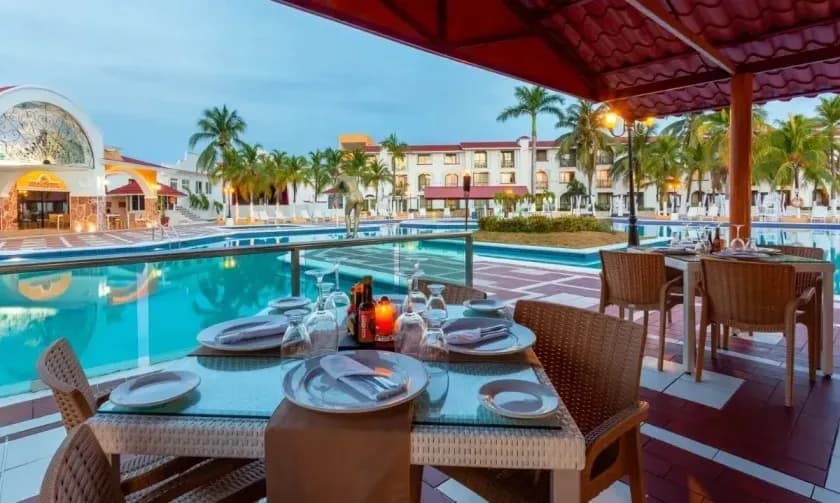
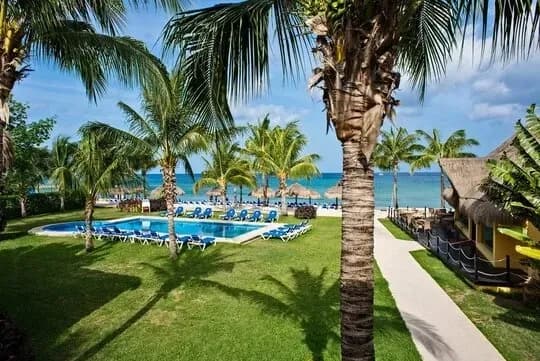
Hotel Cozumel & Resort Special Packages
5|5
Expert advice on diving,
seasons, and logistics
Free planning help
when you’re ready to book
Exclusive dive packages
tailored for you
Special
Special

Special
Special

Group trip

Special
Group trip
Special
Special
Special

Special

Special
Scuba Dive Level
All Levels
Visibility
80 to 100+ feet (24 to 30+ meters)
Average Water Temperature
80
Stunning Reefs & Corals
Wall Diving
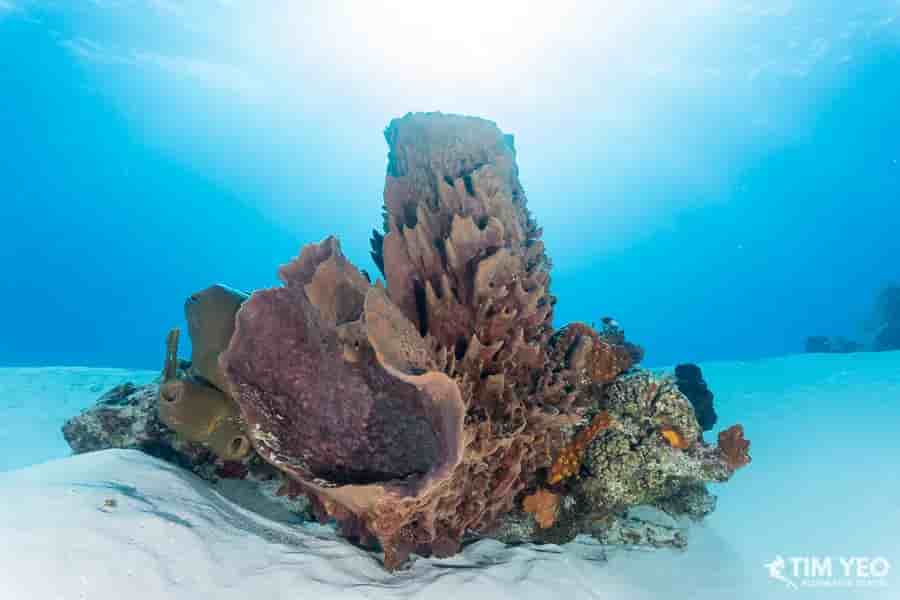
Dive into clear, Caribbean waters and discover vibrant sponges and striking coral reefs in the sea surrounding Cozumel. A relatively small island, just 28 miles long and 9 miles wide, Cozumel sits on the Mesoamerican Barrier Reef - the second-largest barrier reef in the world (second to the Great Barrier Reef in Australia). The Marine Park of Cozumel has protected the southern area of the island for almost two decades, enabling a robust variety of corals, sponges, and fish species. Cozumel's shallow and colorful dive sites will entertain beginner divers, while more advanced divers can seek the thrill of deeper drift dives along huge walls with swim-throughs. Visit the C-53 wreck, which has become a thriving artificial reef and popular dive site. Water temperature is warm year-round. Underwater photographers are smart to bring both wide-angle and macro underwater photo gear to capture the broader underwater landscapes and smaller subjects.
Enjoy the "dive, eat, sleep, repeat" lifestyle without embarking on a liveaboard! Diving in Cozumel is convenient and easy, with the most dive-centric resorts designed with easy access to the boat from your room or the hotel restaurant. With a wide range of accommodations to suit all budgets, Cozumel is an affordable and excellent dive holiday location within easy reach from the USA; it's obvious why it is one of the most popular dive destinations!
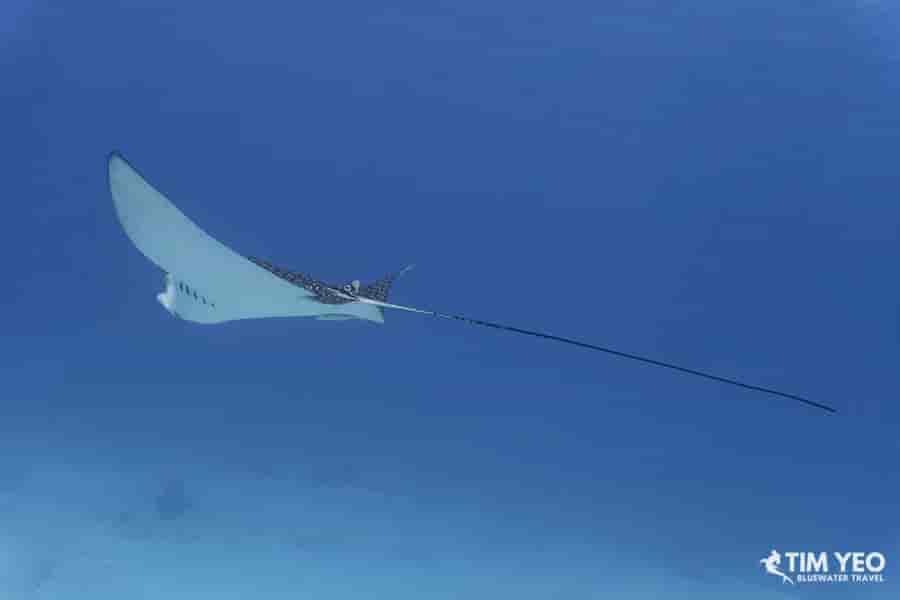
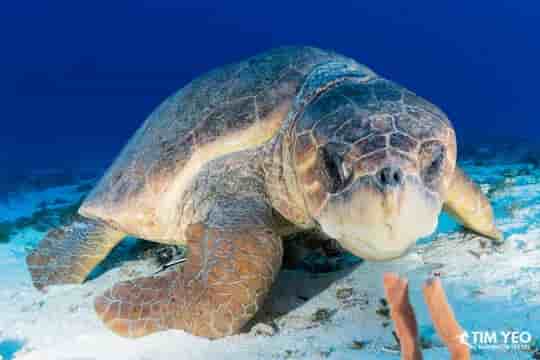
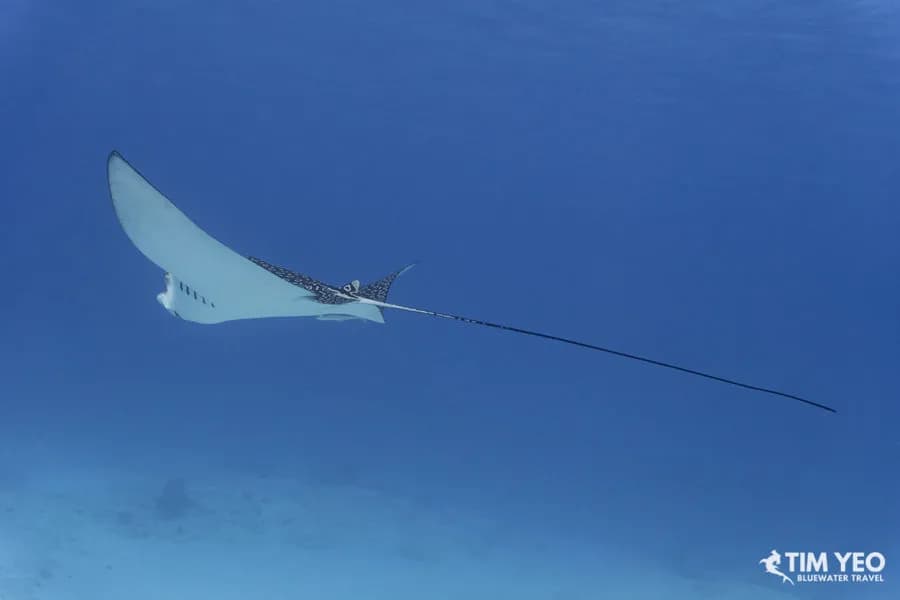
Discover what makes the vibrant and lively Cozumel diving scene world-class. Home to over 500 fish species and a wide variety of corals, scuba divers can see turtles, groupers, green moray eels, nurse sharks, the endemic splendid toadfish, and lots of colorful tropical fish, on a typical Cozumel, Mexico scuba diving trip. Divers will often see eagle rays in the distance during the winter months while the summer brings more blacktip and reef sharks. Don't miss the C-53 wreck, an old minesweeper that makes a great photography subject and has become a popular dive site.
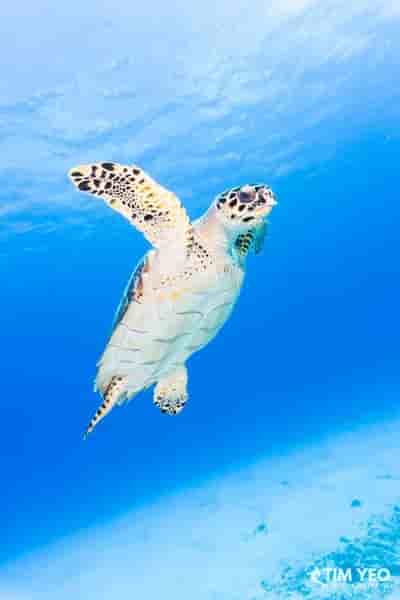
The southernmost deeper reefs feature massive coral heads covered with vase, tube, rope, elephant ear, and many other vibrantly colored species of sponge. The coral heads create a network of fun channels, swim-throughs, and wall drifts above plummeting drop-offs. The depth and rich color make a dive light very useful in viewing the rich colors and for peering into nooks and crannies looking for splendid toadfish or huge lobsters. The shallower reefs further north boast many small fish and invertebrates and divers will often see hawksbill turtles, eagle rays, and small schools of jacks, barracuda, and other open water fish. Look behind the coral heads and you might encounter nurse sharks, moray eels, lobsters, and more. Afternoon and night boat dives are done on these shallower reefs as well.
Enjoy shore diving from certain resorts for a chance macro subjects on artificial reefs and the sandy bottom. The current is minimal at these sites, providing ample opportunity for photographers to shoot anemone shrimp, juvenile drumfish, spotted moray eels, stingrays, trumpetfish, and more. Diving at dusk and into the night will bring out more critters, including some curious squid. And although rare, divers should always be on the lookout for seahorses.
Choose one of the many dive operators in Cozumel such as Dive House Cozumel, some independent and some attached to resorts. Expect to dive from a boat, which can vary from spacious 20-diver vessels to fast twin-outboard pangas for 4-6 divers. Two-tank morning dives are standard and boats pick up divers at resort docks anywhere between 7:30-8:30 am, then returning by 12 or 1 pm - just in time for lunch and an afternoon siesta. Single-tank afternoon dives, night dives, and resort shore dives are also available. Because of the currents (running south-to-north), dive boats typically make live drops and follow divers as they drift along the reef before ascending right next to the boat. Some operations will drop a big group with several guides, while others may space out small groups with one guide each. Guides always deploy an SMB before ascending with the group to the safety stop.
Expect to experience a great variety in Cozumel dive sites if you're diving for several days. Advanced divers will start with deeper (70-80ft) dives along the famous Punta Sur, Colombia, and Palancar Reefs followed by a surface interval and a second dive further north at shallower reefs such as Paso Del Cedral, Tormentos, Chankanaab.The deeper reefs feature massive coral heads with a maze of swim-throughs and walls decorated with colorful sponges of all shapes and sizes. The dives will generally start in shallower water for a quick buoyancy check and then drop over the ledge into deeper water for the majority of the dive. Towards the end, divers will work their way up the slope into the 30-40ft range before rising for a mid-water safety stop. The shallower reefs are colorful with more natural light as divers drift over exotic coral, sponges, and marine life - perfect as a second dive.
The best scuba diving in Cozumel can be found both to the north and the south of the main strip of resorts on its west coast. Here are some of our favorite Cozumel dive sites.
Columbia Deep Dive into the site famous for its huge coral formations and pinnacles. Keep your eyes open for sea turtles, rays, barracudas, jacks, and nurse sharks. You can also find caverns and tunnels that are covered with soft coral.
Palancar reef Expect easy diving at a large structure with many enticing tunnels and swim-throughs. Feast your eyes on numerous different coral species that are great subjects for underwater photography. Look for a variety of Caribbean marine life among the spectacular coral formations.
Chankanaab Reef Explore this dive spot for an amazing night dive featuring an abundance of marine life. Observe crabs, lobsters, moray eels, snappers, stingrays, urchins, groupers and lionfish. Shallow depths and mild currents make it an easy dive suitable for all experience levels.
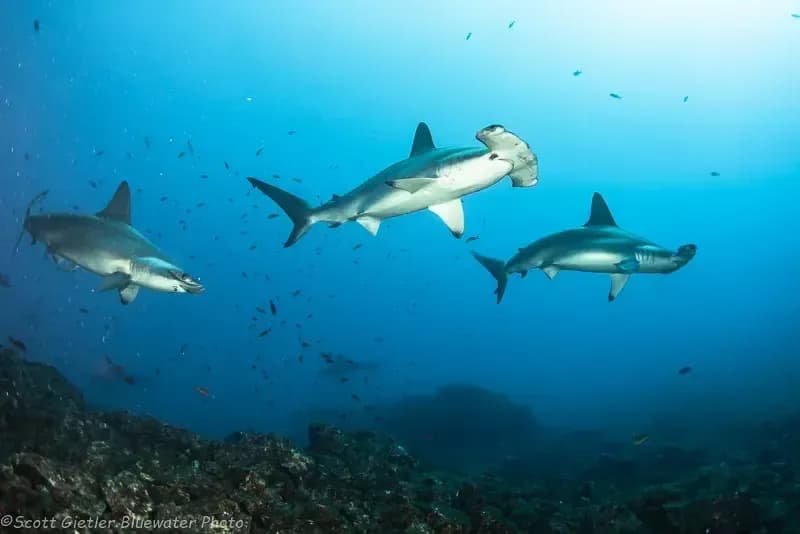
Barracuda Reef Jump into this thrilling reef Northwest of the island and seek pelagic fish amidst the strong currents. Unforgettable animal encounters make Barracuda Reef a favorite dive site for many scuba divers, where aside from the namesake predators, even hammerhead sharks have been sighted among other reef sharks and eagle rays. This dive site is more suitable for advanced divers.
C-53 Discover Cozumel's most popular wreck dive, the old minesweeper, C-53, which now acts as an artificial reef. If you're appropriately trained, you can enter the wreck to see the engine room and old crew equipment. The healthy coral growth has brought with it different marine life and you can see octopus, moray eels, blennies, and many more.
Discover the top dive sites in Cozumel to enhance your diving itinerary."
Cozumel, Mexico is such a popular dive destination that we've answered some of the most common questions posed by travelers considering a dive holiday to the region. If your question isn't answered below, just get in touch and we'll be happy to help!
With an abundance of dive resorts and liveaboard options, dive prices in Cozumel can vary dramatically. It all comes down to the level of comfort you're looking for, the dive package you choose, and whether or not you're traveling with friends or family who don't dive. Our travel experts can put together a no-obligation custom quote for you, so please get in touch for more details.
Choose to dive from either Playa del Carmen or Cozumel based on what you want to experience during your stay. Scuba diving in Cozumel is best for those wanting to maximize their time in the water by staying in dive-focused resorts to "dive-eat-sleep-repeat". If your plan is to dive the incredible cenotes as much as possible, you'll be better off staying in Playa del Carmen. After a mix of both? No problem! You can visit the cenotes on day trips from Cozumel. Even better, divide your time between Cozumel and Playa del Carmen to experience the best of both destinations.
Yes, there is shore diving in certain araes of Cozumel. Many dive resorts in Cozumel offer shore diving in addition to boat diving, however, there is no shore diving permitted in the Marine Park. Shore diving gives divers a chance to explore Cozumel's shallow artificial reefs, which are great for seeing some of the smaller marine life in the area. Diving these shallow reefs is generally more manageable thanks to the minimal current and often sandy bottom.
Cozumel offers a wide range of diving conditions to suit all levels; it is also a great place to start or progress with your training. The high concentration of dive resorts and dive centers on the island to support the thriving scuba diving industry means that dive operators in Cozumel are used to accommodating divers of all levels.
Fly directly to Cozumel with one of several airlines offering direct flights into Cozumel International Airport (CZM). From the airport, it is very efficient and convenient to take a shared shuttle to your resort. Approach the shared shuttle booth and tell the representative the name of your resort, pay for the shuttle, and you will be directed to the appropriate shuttle to board. The shuttle may stop at several other resorts along the way.
Alternatively, fly into Cancun International Airport (CUN) and then take ground transportation and a ferry to reach Cozumel. This option presents the opportunity to visit Playa del Carmen—a great idea for those who would like to cover a bit more ground or dive the Cenotes
Land-based diving is the norm in Cozumel, offering a fantastic balance between non-diving activities and excellent scuba diving. Most resorts work with an in-house dive operation but also allow other dive operations to pick guests up at their docks.
For another great land-based Caribbean destination, check out our guide to diving Aruba.
Enjoy diving Cozumel's exceptional sponge-covered reefs year-round but we consider May - July the best time to dive Cozumel, with fewer crowds, good weather, warm water, and it is outside of hurricane season. The period from December to April is considered the high season, when due to the increasing number of tourists, the prices will be highest and dive sites more crowded. On the other hand, non-diving activities are in full swing! Water temperatures hover around 75-85F (24-29C) and winter winds occasionally create choppy surface conditions. May to September is considered the rainy season but the water begins to warm up. Late summer and fall is the low season (due to occasional hurricanes) but water temperatures are warmest - up to around 85F (29C).
Currents are typically stronger during the transition between seasons, however, this also can bring more sharks and eagle rays. If you want to plan your Mexican dive holiday between July and December, we recommend going to the Pacific coast of Mexico.
Enjoy Cozumel's many activities for non-divers and divers who want to relax after their morning dives. The nightlife is rich with a variety of entertainment to choose from, with restaurants offering nice romantic dining or casual family dinners, late-night clubs, and everything in between. Other activities include shopping, parasailing, fishing, kayaking, snorkeling, and many more. The wide range of resorts allows divers to choose from exceptional spa facilities, hammocks to tuck away in and read a book, tennis courts, and pools with swim-up bars. Those who are more adventurous can ride horses, take a tequila tasting tour, join jungle and lagoon tours, and venture inland to explore ancient Mayan ruins.
You're spoilt for choice when choosing where to stay in Cozumel; there are so many great resorts to suit all budgets. From budget backpacker to luxury traveler, Cozumel is scuba diving heaven. The best way to find the resort that is right for you is to get in touch with our team here at Bluewater Travel - we've partnered with the best dive resorts in Cozumel to offer our guests unforgettable trips!
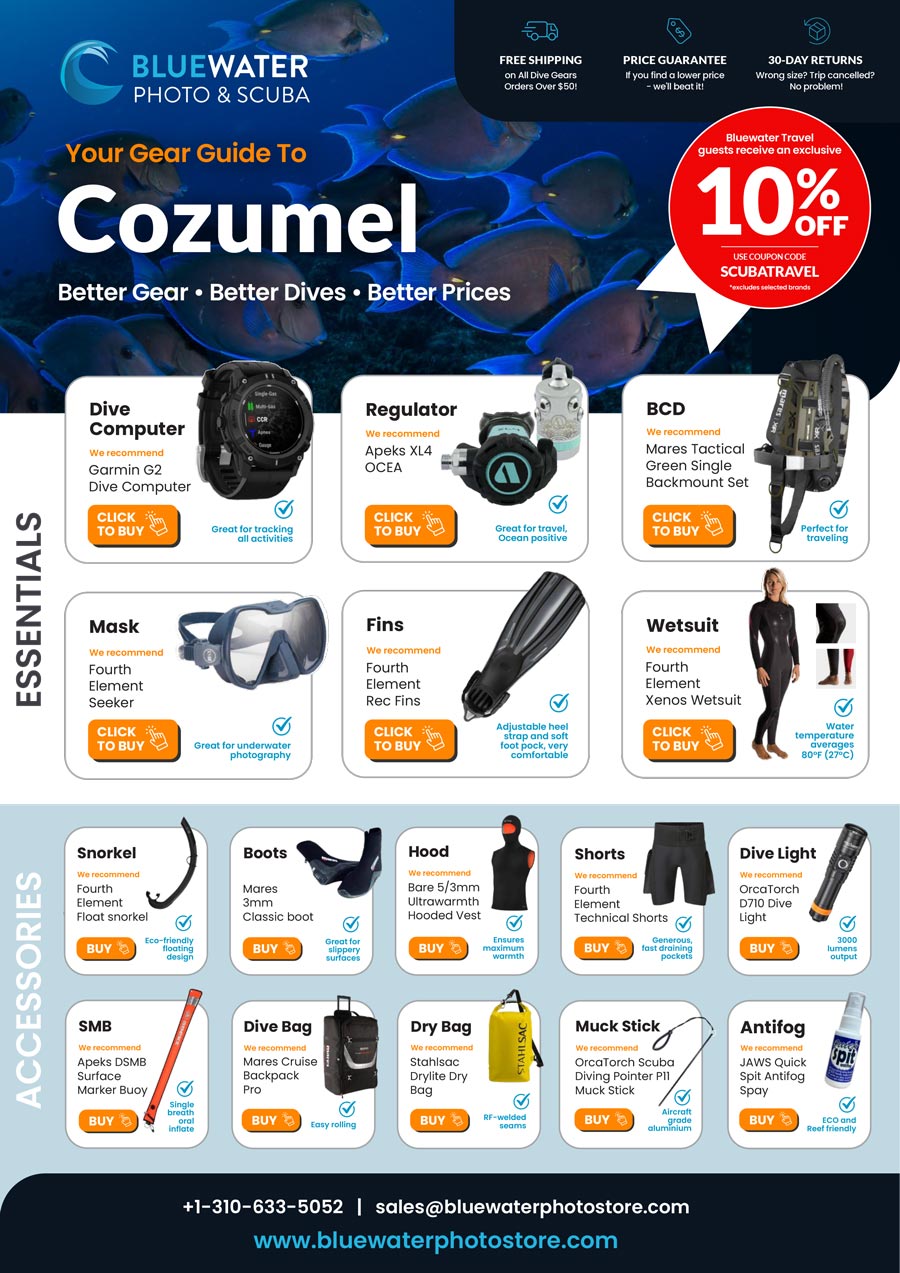
Download our full scuba gear guide to Cozumel, Bluewater Travel guests receive 10% OFF!
For information on the recent Scuba Club Cozumel closure announcement, please read our detailed article.


Mike Chiado has over four decades of experience in the entertainment post production industry. Mike is CTO of Company3 and oversees technology, workflow and image science departments for feature motion pictures, episodic and advertising businesses. Mike become a PADI Master Scuba Diver in 1991 which included the speciality of Underwater Photography (film-based, BTW!), and actively diving and photographing tropical and California waters. View Mike Chiado's underwater photography portfolio.
Being part of the Mesoamerican reef, the 2nd largest reef system in the world, with its vertical drop-offs; immense coral growth; abundant marine life, including sharks & rays, and diveable almost year-round, it’s no wonder that Cozumel is on the top 10 of every diver’s list.The marine life ranges throughout the year, however, resident green turtles, loggerheads, nurse sharks, eagle rays, giant groupers, schools of jacks, and any amount of beautifully colored reef fish; parrot, angel, trigger, squirrel, etc are regularly seen. In the winter months, December to March, a day trip to Playa del Carmen to see the Bull Sharks is a must, or in the summer months to Isla Mujeres to snorkel with any amount of Whale Sharks.Cozumel’s coral growth and its immense colorful walls are awe-inspiring - Santa Rosa Wall and Palancar being among the most popular dive sites with their sheer drop-offs, superb swing throughs & mini-caverns. Also, Paradise, known for TONS of fish & Columbia deep (Advanced divers), a beautiful shelf starting around 60ft/18m with an abundance of marine life and coral growth.Cozumel can be dived almost all year. In the winter months with slightly colder water, a 5mm suit is recommended for continuous daily diving, or in the summer 3mm or a shorty. On the whole, the visibility is great all year round (70ft+), although from August to October it is peak hurricane season which will limit the diving activities and the visibility.
January 2021 in Cozumel! The weather was a bit chilly so you need a light jacket for your surface intervals. Visibility was 100'+ and the dive sites have recovered from some "white death blight" from a year ago. We didn't see a single coral with any blight. Palancar reefs were the group favorite. We were in Cozumel in July 2020 and found the water warmer but mosquitos were very bad. Don't miss renting e-bikes and going down to the southern lighthouse and spend a rest day on that beach having a great lunch! Restaurants are all back up and running so we had wonderful food! Very nice in Cozumel right now without the cruise ship folks and the extreme pressure it puts on all aspects of the island. We have dove all around the Caribbean and just keep coming back to unbeatable Cozumel.
I've traveled to Cozumel at least a dozen times. There are many direct flights from US gateways, making it very easy to get there. I have stayed in hotels, private rental villas, and one dive resort. San Miguel is the main town on the island where all the action takes place. It's filled with restaurants, bars, shops, and dive operations. There are dozens of dive operators to choose from. I stayed at a hotel within walking distance of town and found it very convenient to everything. I've also stayed many times on the southern end of the island. It is much quieter here, but I believe the best diving is in this area and has shorter boat rides than staying close to town. A rental car is recommended if staying here.I also stayed at a dive resort due to a recommendation from friends. Divers usually come here for the drift diving along Cozumel's walls. Some of my favorite sites are Punta Sur, Maracaibo, Devil’s Throat, all three sections of Palancar Reef, and Santa Rosa Wall. Cozumel is still a place where you can frequently see large groupers. This is one of the most visited dive destinations in the Caribbean. Cruise ships also visit here and it can get very crowded if several are in port at the same time. I have come here with my non-diving family and friends, and they enjoyed their time very much. There is great snorkeling here, some Mayan ruins to visit, and great tourist shopping. I suggest that you bring home some Mexican vanilla. It is very good and is reasonably priced.Bottom line: Cozumel has world-class diving, dozens of excellent restaurants and great tourist shopping. Its definitely family-friendly, and easy to get to. If you love drift and/or wall diving, Cozumel is for you.
Cozumel has some of the best diving in the Caribbean. Cozumel has excellent conditions, and abundant marine life. Cozumel has a variety of dive sites, but it is most well known for its stunning wall dives and leisurely drift dives. Marine life you can expect to see on most dives in Cozumel include nurse sharks, eagle rays, giant green morays, turtles, lobsters, and numerous colorful reef fish. There are so many excellent dive sites on the island, but in this review I will just cover a few of my favorites. Santa Rosa wall is a beautiful wall dive that is done as a drift dive. The top of the wall is right around 50 feet and it drops off into the abyss. Keep an eye out for the endemic splendid toad fish that hides in the coral crevices along the wall. Punta Dalila is a great dive site that was loaded with nurse sharks and eagle rays, it is also a shallower site at around 40-60 feet so it makes a great 2nd dive after a deep wall dive. The cathedral was an amazing dive because of it's incredible reef structures. Around these dramatic swim throughs and the cathedral cavern itself you will see lots of lobsters and green morays, as well as large groupers. While diving this site we were also visited by a lone reef shark. Right by the Cathedral is an excellent dive that is only for experienced divers called The Devil's Throat. The devils throat is a cave/tunnel that starts around 90 feet and continues down until it opens up at around 135 feet. Due to the depth and confined space, only very experienced divers should attempt this dive. Columbia shallows is a nice shallow site that is loaded with beautiful colorful reef fish and frequented by turtles. This site is always done as a second dive after a deep wall dive due to the fact it's only about 20-40 feet deep. This site is very popular as a second dive so it can get somewhat crowded at times. My favorite wall dive that I did on the island was Maracaibo. This was a deeper wall dive as the top of the wall is at around 80 feet. The wall itself is stunning and it drops straight down into the abyss. Currents were relatively strong and this dive is always a drift dive. Drifting along this beautiful wall while watching eagle rays glide by and nurse sharks prowl the edge of the wall made for one of the most memorable dives of my trip.Topside Cozumel has amazing beaches, excellent restaurants, and lively bars. The main town of San Miguel can get crowded and busy when a cruise ship is docked there, which is pretty often. Cozumel is great for a cheap dive vacation, as getting there is cheap, hotels are cheap, and diving is cheap. With great diving in a beautiful location at great price, it's obvious why Cozumel is such a popular dive destination.
Cozumel has it all: world class diving, great cuisine, a bustling tourist trade, and may very well be the best bang for your buck going. With cheap airfare from LAX and affordable resorts, you can't beat the total outlay for a week of diving in the warm, clear Caribbean. Drift diving means you don't have to kick much, just enjoy the 100' visibility as you fly slowly over the reef on the Gulf Stream's conveyor belt. Or penetrate the C-53, a scuttled minesweeper sitting perfectly upright in 80 ft off water. Topside, the little town of San Miguel waits to tempt you with its touristy shopping area, great local food, and the largest Wal-Mart-like store I've ever seen in Mexico! You can purchase food, cosmetics, electronics, even a moped! Take the ferry 13 miles to Cancun for the wild night life and more diving, this time in fresh water Cenotes. Here the water is so clear that divers appear to float in air rather than water. By day four or five, you'll already be planning your return trip to this island oasis Ahh, Cozumel...the only downside is going home.
I've dived Cozumel several times, and each time the visibility never ceases to amaze. It may be the best in the world. The dive sites are much-visited, but quite spectacular. Virtually all diving is drift diving, so you have to be comfortable with that. The marine life is quite good for the Caribbean. Up north of town is a wall dive called Cantarel for more advanced divers (85' and strong current) where you can see squadrons of eagle rays up close in Jan/Feb. If you're vigilant, you may get to see a splendid toadfish, which are endemic solely to Cozumel. Go with an operator who has fast boats, so you can get to the best dive sites south of the town before the rest of the boats show up. The town of San Miguel on Cozumel has many good restaurants, virtually all within walking distance of the town square. If you're there on a Sunday night, don't miss the festivities on the square--live band, dancing, all kinds of vendors and artists.
Cozumel is one of my favorite dive locations. When I visited, I did 12 dives- each different from the next. From lush coral to diving caves to high speed drift dives there is a type of site for everyone to enjoy. Night dives bring out a variety of octopus, lobster, giant crab, small jelly fish, eels and the ever-so-beautiful bioluminescence. My experiences with dive masters proved that they are highly skilled at finding and identifying even the smallest marine life-baby lobster and seahorses in particular. My favorite dive site was a more advanced drift dive called Barracuda. The lush marine life and coral is awe-inspiring...Careful if you need to slow down for a moment during your drift dives to only stop and gently stabilize on sponges with the permission of your dive masters, as to ensure that there is no damage done to the reef or other marine life.Top-side activities are fun, though my travel-mates and I spent most of our time in the water, so I do not have too much guidance in this area. Many of the resorts have pools (and pool-side bars), and indoor bars with activities such as pool, billiards and music. In town there are a variety of restaurants, shops and while there we caught a drum circle with dancing and festivities.Overall, if you are an avid diver and would like a destination where you can explore a variety of incredible dive locations and you aren't very particular about your top-side activities, Cozumel is a great destination.
Destination review for Cozumel:• Overall there was great visibility on all sites. The reef was healthy on most sites. Incredible visibility on all sites. like 100+ feet. The current wasn’t too bad either. There was drift diving at many sites. Here is a list of some of my favorite dive sites:o Columbia reef: Saw a ton of turtles, parrot fish, puffer fish, eagle rays, torpedo rays, and wide variety of fish in the beginning. Saw a nurse shark here towards the end of this dive. The coral and reef is amazing and colorful! The reef was huge- almost looked like a mountain underwater.o Palancar reefs, gardens: saw some Morey eels here, ton of turtles, seahorse. Went through some beautiful swim throughs.o Punta Sur: Saw multiple eagle rays as soon as we descended. These are the most beautiful and graceful creatures in the ocean. The coral was good too. But could not compete with the initial sitings of eagle rays :)o Santa Rosa Wall: This was Mostly a drift dive. Again amazingly beautiful coral. We actually saw a group of 7 small sharks towards the end ( dont know what kind). But they were about 3 feet long. Saw a couple of turtles. Also saw a couple of sea horses later on !Night diving: I was not a big fan of night diving here. There was very little life; at least compared to night diving in Catalina (Ca), there was pretty much nothing. But that may have to do with time of the year.What to do when you are not diving or at night:Shows: Downtown Cozumel has a number of street shows that are put up in the evening ( I believe they are sponsored by the government). We saw the one with the fire eater, and were very impressed.Shopping: There are a ton of little shops around here. Feel free to bargain. The shopkeeper are pretty open to haggling, and I got stuff for half the price they had mentioned
Cozumel is a must. Diving is much better than 20 miles away in Cancun, or Play del Carmen; except if you want to do cenote cavern diving; but you can take the ferry to the mainland and do that there, making it a great day trip. Playa del Carmen diving does not compare with the diversity of the Cozumel marine park. The size of the many Queen Angel fish makes them a great photo opportunity. And I even took some of the best shorts of turtles feeding on sponges. The marina park gives sanctuary for crabs and lobsters to grow to their full size. I mean some of the crabs I saw there were huge!!! Wate rwas clean and warm (77) and visibility outstanding 80-100 ft. Plenty of fish from big to small. Saw a few spotted eagle rays, many turtles, lobster and crabs everywhere even in daylight. Cozumel has a wide variety of small hotels and larger all inclusive. Even though most of the all inclusive resorts are a star or so below the ones on Cozumel, they offer nice rooms, plenty of drinks and great staff and pleasant grounds. You will encounter more experienced divers in the hotels there than on the mainland. The people serving you in hotels and restaurants are hard working, friendly and hospitable. the island is laid back and a divers paradise. Some of the hotels are right in the town of San Miguel, where the airport and ferry terminal is located. There are of course many restaurants and bars close by to explore during the day and night. Some of the all inclusive resorts are about a 20 or 30 minute drive further south. There you are self contained at the resort and you will either take a cab or rent a car if you want to go back to San Miguel and do sightseeing and shopping. Other than that the island is mostly undeveloped. Circling the island by rental car is fun and offers you to see the Atlantic coast side, which has some nice wave action. The roads are as usual better than in Los Angeles.