Special
Bluewater Mexico Adventure Packages
4|5
Expert advice on diving,
seasons, and logistics
Free planning help
when you’re ready to book
Exclusive dive packages
tailored for you
Special
Special
Special

Special
Group trip
Special
Special

Special

Special
Group trip

Group trip
Group trip
Scuba Dive Level
All Levels
Visibility
50 to 115 feet (15 to 35 meters)
Average Water Temperature
70
Pelagic Encounters
Whale Shark Encounters
Much of the Sea of Cortez is managed through marine parks and local regulations, particularly around Cabo Pulmo, Los Islotes and the whale shark areas near La Paz. Operators follow strict rules on approach distances, group sizes and how close you can get to animals, and good buoyancy plus a no‑touch, no‑chase approach are essential to keep these encounters sustainable.
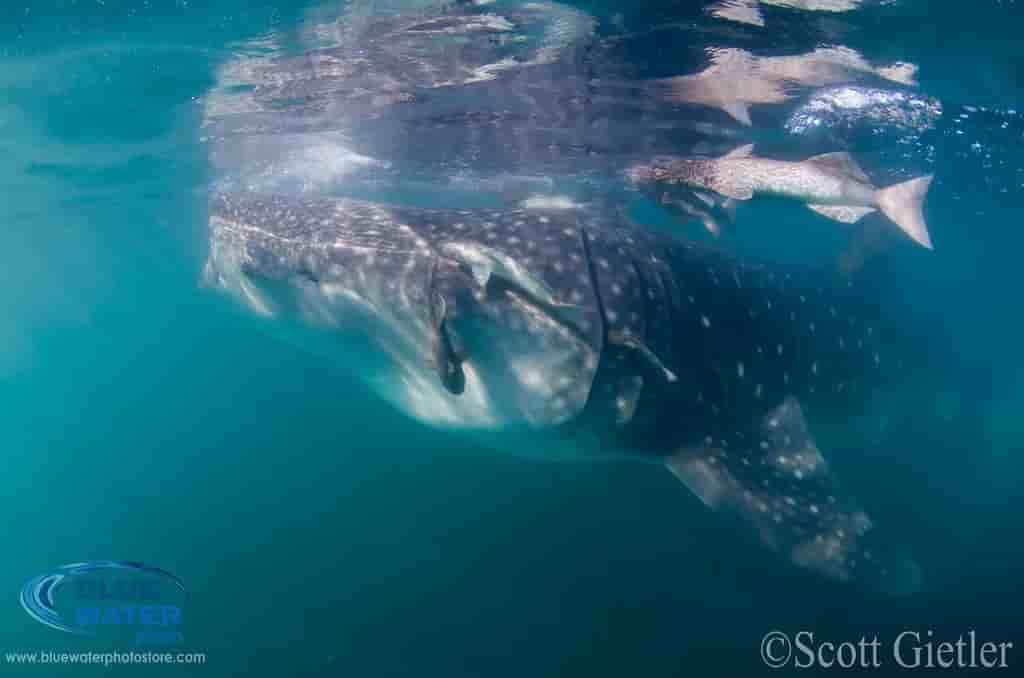
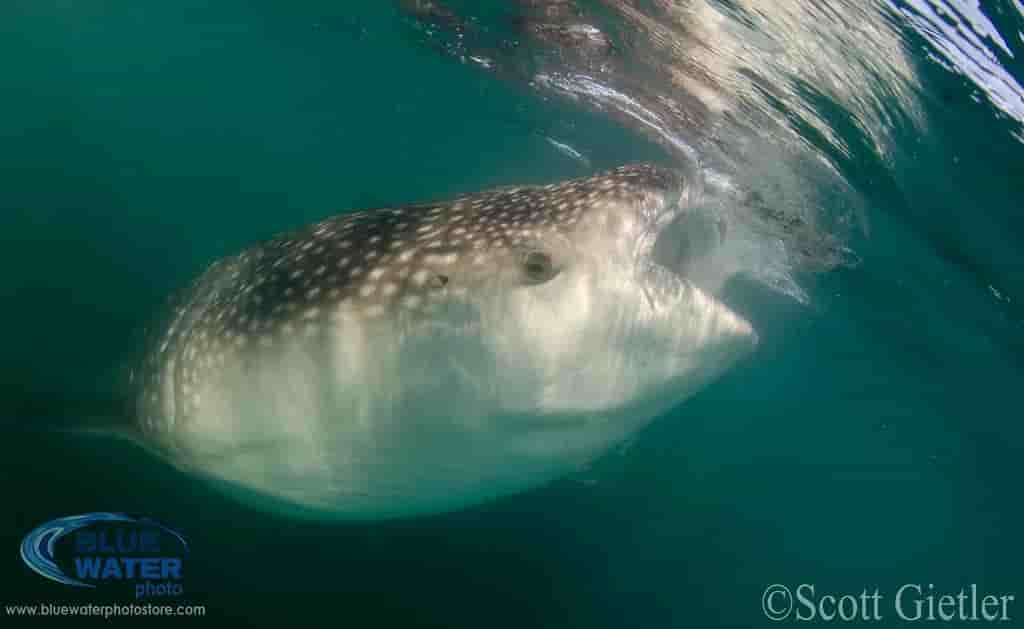
The Sea of Cortez has a reputation for whale sharks. During the summer and fall, divers flock to the Sea of Cortez for a chance to swim with whale sharks. These gentle giants generally move south as the season gets later.
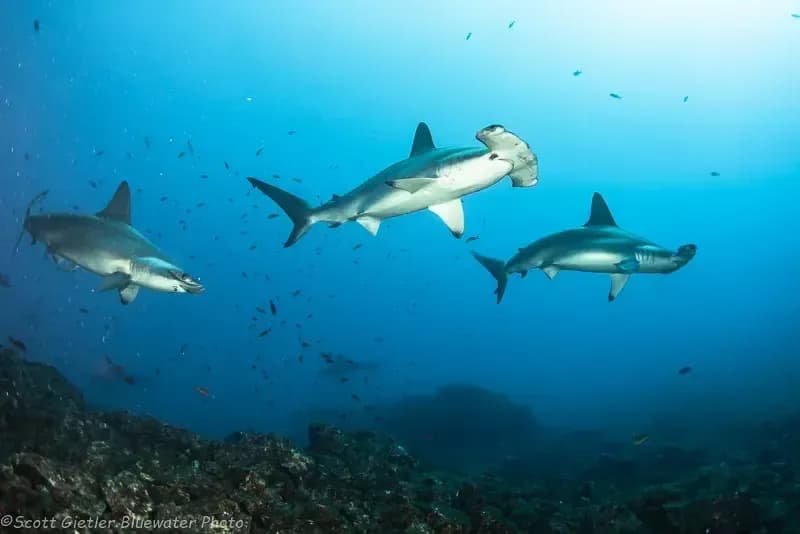
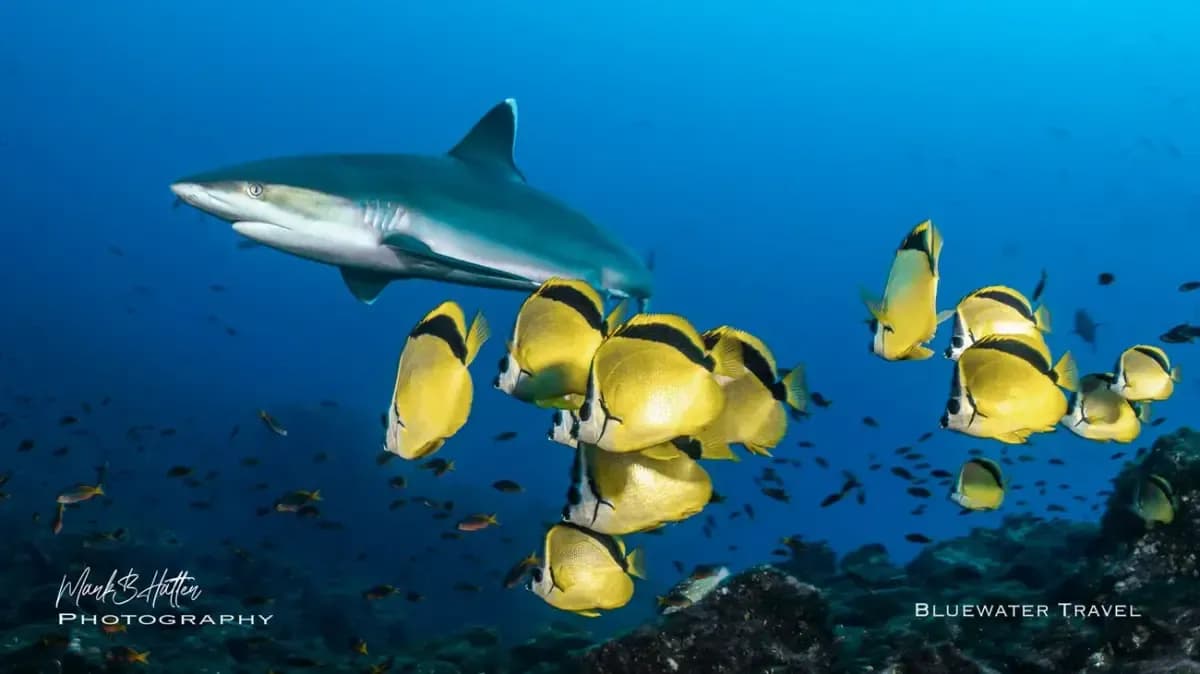
Shark lovers should look for bull sharks in Cabo Pulmo, and can see blues, makos, and silkies on a Cabo marine life safari. Hammerhead sharks can be spotted by lucky divers at El Bajo, Las Animas, and Gordo Banks.
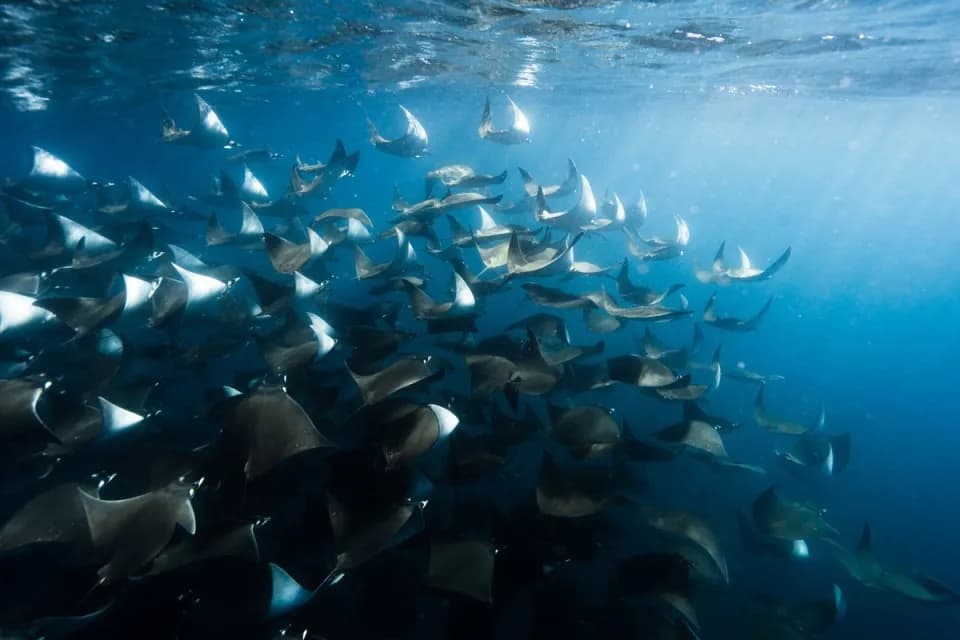
During the winter months, mobula rays are quite commonly seen in the Sea of Cortez, especially on night dives. Latitude Encounters offers wildlife expeditions, exploration trips, and much more, perfect for guests who wish to experience a different part of the planet with adventures.
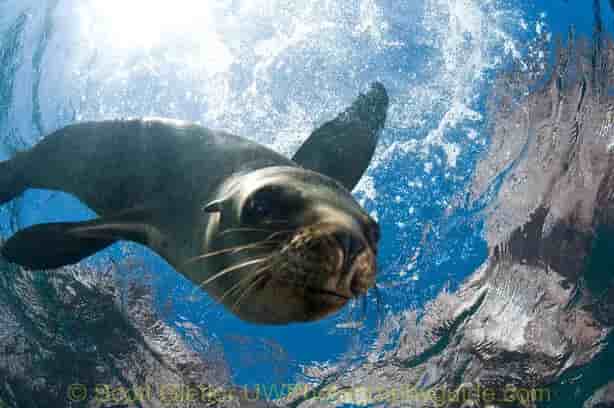
Another main attraction for diving La Paz are the sea lions, which frolic and play with divers, presenting amazing photo opportunities. Sea Lions are found in a number of places in the Sea of Cortez, but none beat the sea lion colony of Los Islotes.
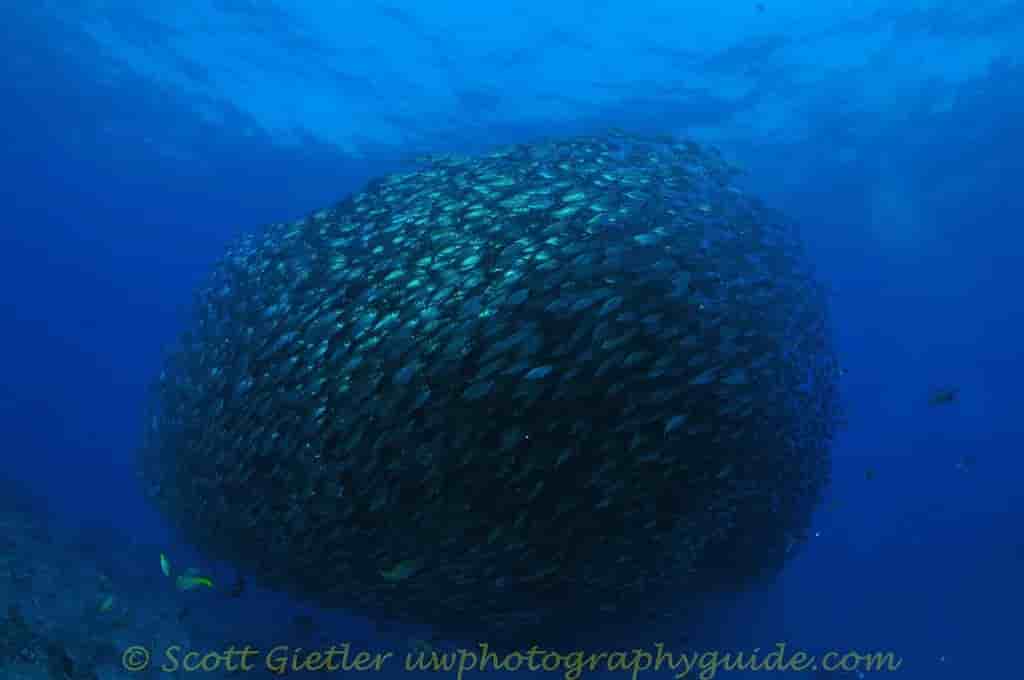
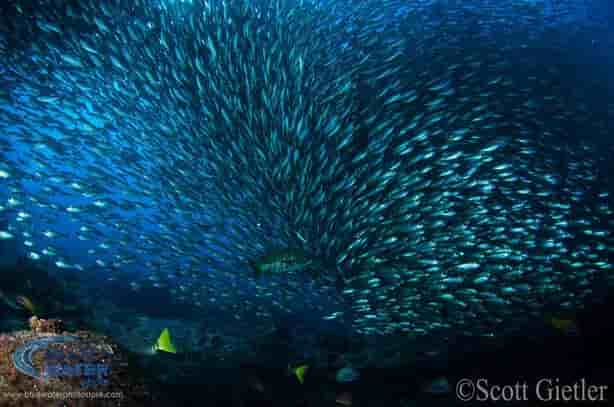
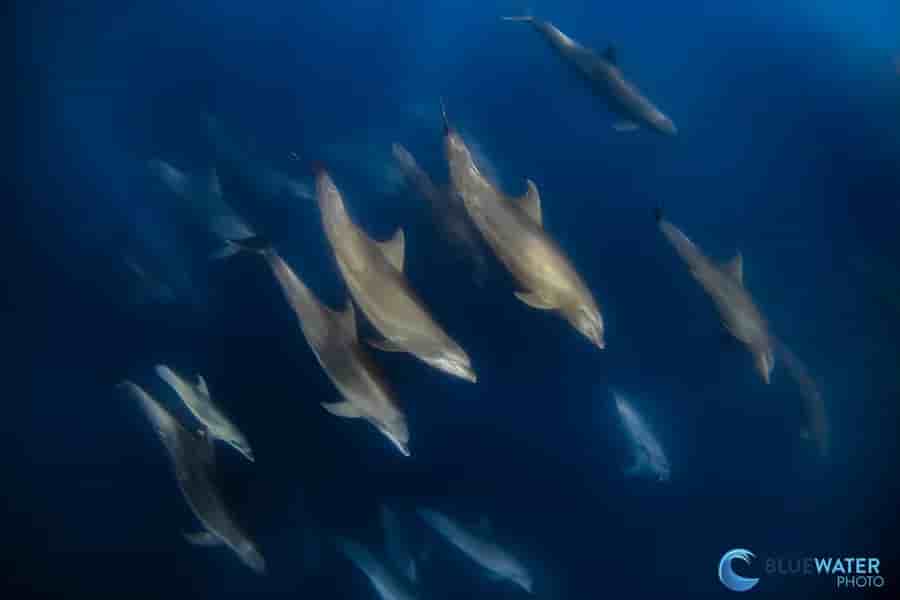
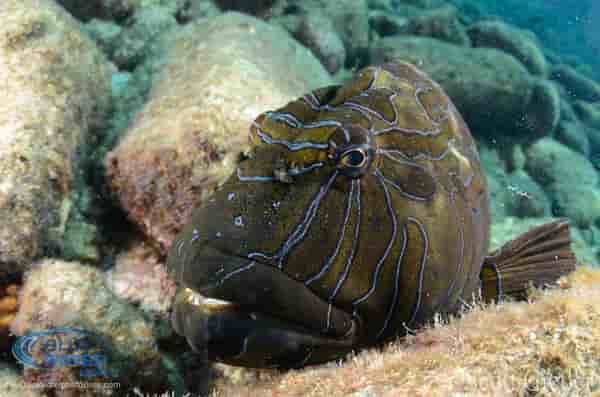
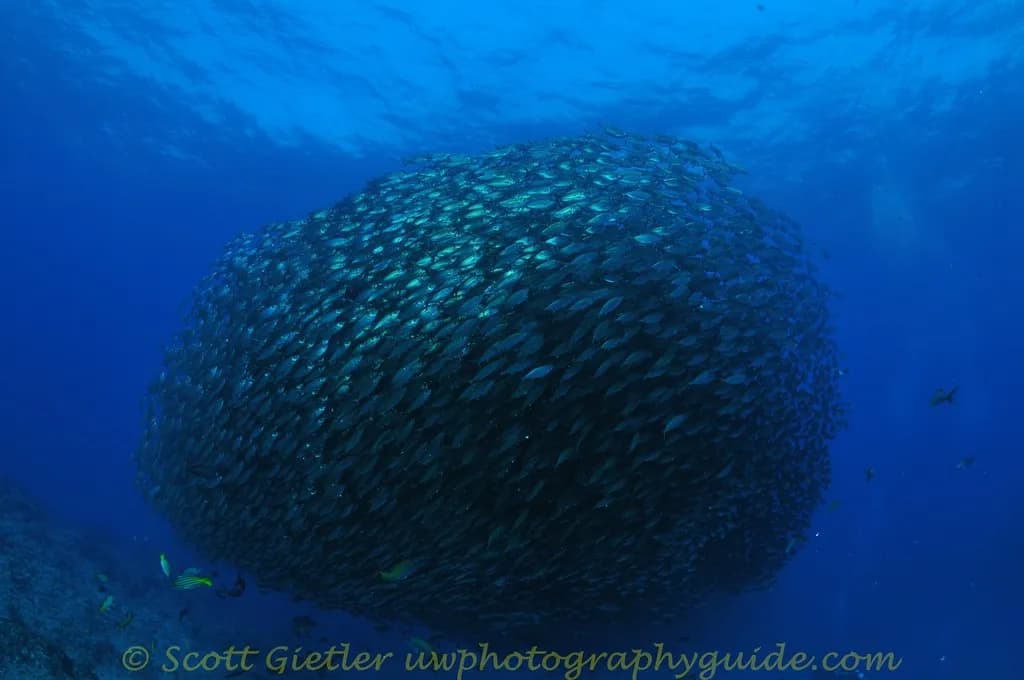
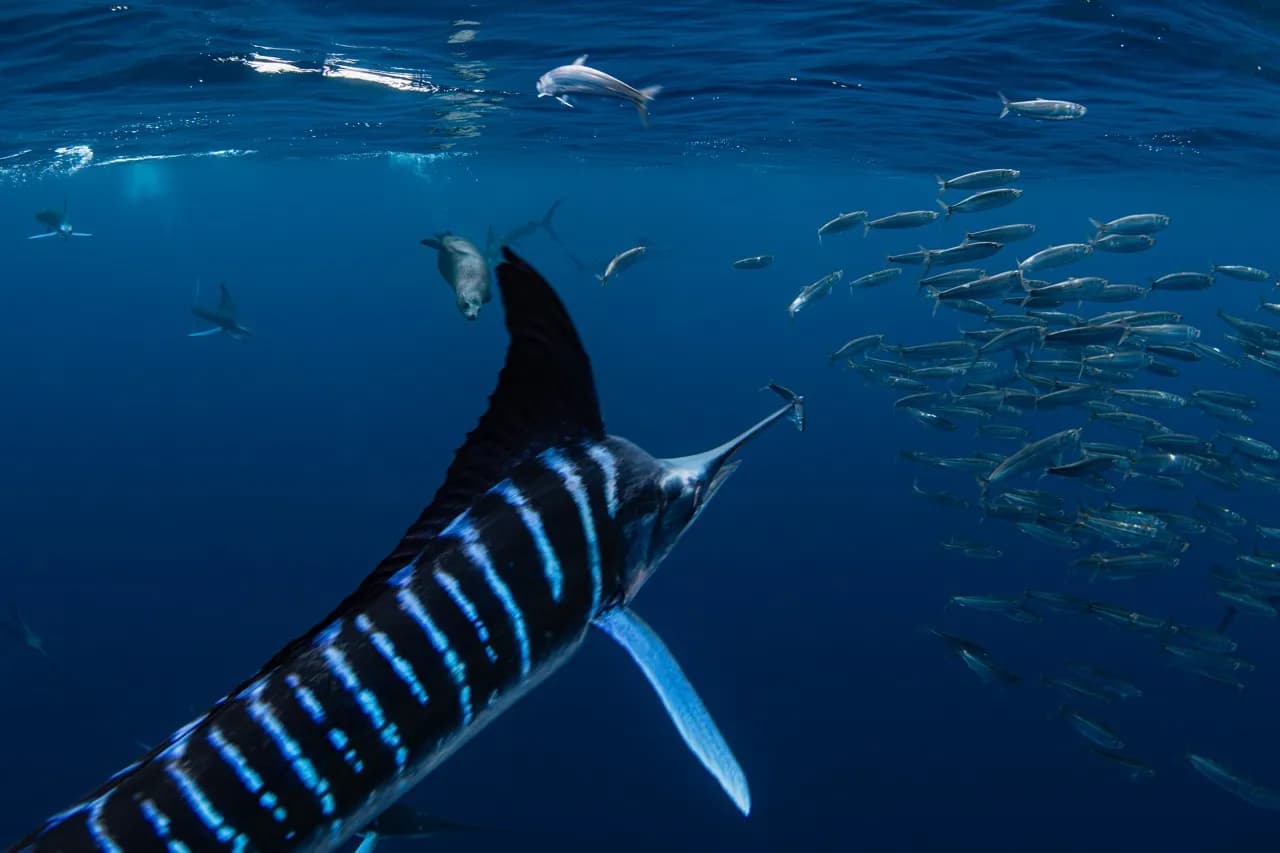
Other Sea of Cortez marine life includes huge schools of jacks and bait balls, as well as tuna, wahoo and lots of other fish, dolphins, eels, jawfish, rays.
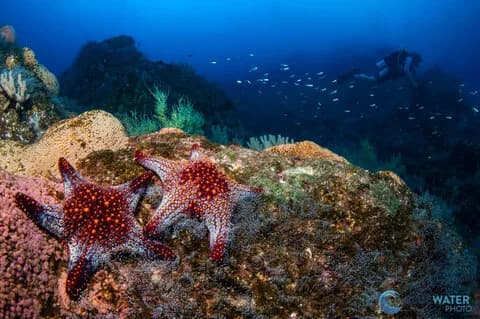
The Sea of Cortez also offers great macro photography opportunities with critters like nudibranchs, snails, jawfish, pikeblennies, signal blennies; and various crabs and shrimps to photograph.
Pangas (classic Mexican wood and fiberglass boats) are the norm for resort diving. Several operators have larger, more "traditional" dive boats. Resort-based diving can often involve long boat rides to dive sites - sometimes exceeding two hours each way.
Liveaboards will dive from their tender boats. Dives in the Sea of Cortez can be a shallow "fishbowls" with fantastic vis or deep dives in stiff current looking for hammerhead sharks, so there are options for everyone.
Learn about Bluewater's Cabo Marine Life Safaris in Cabo and the Sea of Cortez.
La Paz is serviced by Manuel Mrquez de Len Airport (LAP), with most flights arriving from Mexico City or Guadalajara. Once on the ground, it's a quick shuttle ride to the dive resorts. Divers visiting Cabo Pulmo can fly into Los Cabos International Airport (SJD), which is about an hour away. This is also the airport for Cabo San Lucas.
Loreto has an international airport (Loreto International Airport – LTO), however, flights are more limited than in the larger cities. Renting a car is easy, but be aware that insurance requirements in Mexico differ greatly from US requirements and add a significant increase to the overall rental cost.
Sea of Cortez liveaboards depart from Cabo for southern Sea of Cortez itineraries. For northern and central routes, liveaboards depart from Puerto Penasco, which is an easy shuttle ride from Phoenix, Arizona.
Save $500 on selected Sea of Cortez departures with 5-night trips now from $2,390. Limited spaces available.


There are several dive resorts in the Sea of Cortez along with a few liveaboard options. Divers will find most of the dive resorts in La Paz, which is easy to reach. Mexico Travel Adventure offers guided diving and snorkeling trips from La Paz, with access to highlights such as Los Islotes, El Bajo, and seasonal whale shark encounters. Cabo Pulmo offers limited options and is also easily reached. Beyond that, divers can explore options at Loreto.
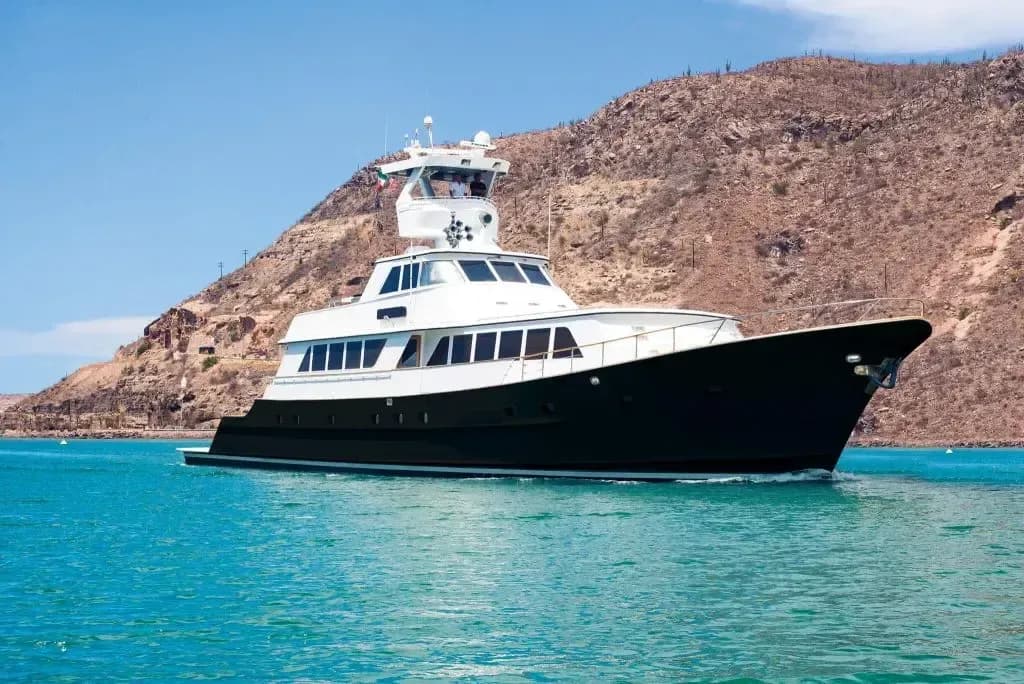
Liveaboards like the Rocio del Mar, the Quino el Guardian, and the Nautilus Gallant Lady provide extended range and offer different itineraries depending on the time of year and marine life seasons - a great way to experience the Sea of Cortez. For those wants to experience Loreto, the small and locally-owned Loreto Sea and Land Tours offers guests some of the best day tours.
The Sea of Cortez can be dived most of the year, but conditions and wildlife change a lot by season. In general, July to November brings the warmest water and best visibility (often up to ~25 m / 80 ft), while winter and early spring are cooler, with slightly reduced vis but excellent chances of whales and mobulas.
For La Paz and the southern Sea of Cortez we particularly like October–November: warm water, good visibility and prime whale shark season. Juvenile whale sharks usually feed in Bahía de La Paz between roughly October and April, and the bay is only opened to snorkellers once a minimum number of sharks have arrived – expect lower visibility there because you’re in plankton‑rich water by design. Whale sharks are also found near Bahía de los Ángeles in July–August, sometimes accessible on liveaboard itineraries.
From roughly December to March you can see humpback whales (surface‑only – you’re not allowed to enter the water with them) and mobula rays, but the water is cooler and visibility is often lower than in late summer and autumn. Sea temperatures range from about 18–19 °C / 65 °F in winter to 30 °C / 86 °F in late summer, and winter can be windy. Topside it gets very hot in summer, but it’s a dry heat and the Sea of Cortez is never far away for a swim. If you’re visiting La Paz for the sea lions at Los Islotes, note that the colony is closed for mating season from 1 June to 31 August each year.
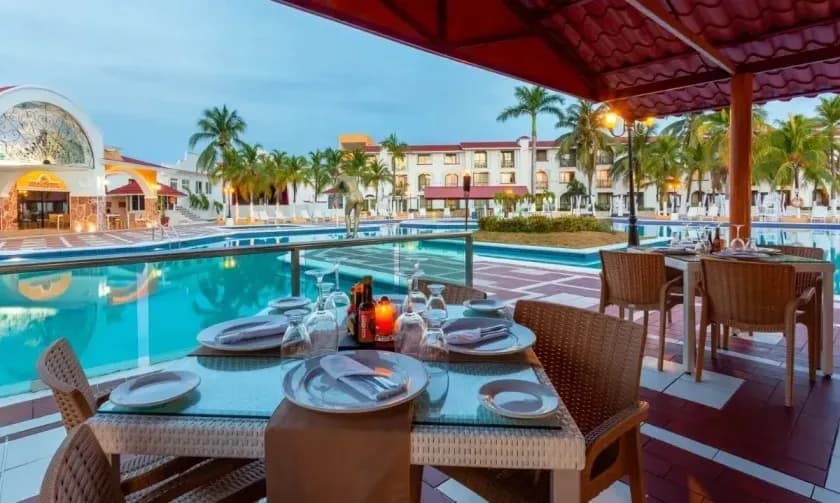
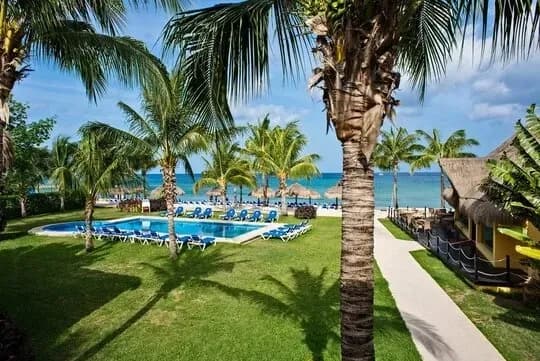
Sea of Cortez dive resorts offer activities like fishing, kayaking, snorkelling, sandy beaches, dining and lounging by the pool. Keep in mind that swimming with whale sharks is limited to snorkels and no tanks, so it's a great opportunity to bring non-divers on an ocean adventure.
Non-diving activities on liveaboards are limited to snorkelling and enjoying the sun decks, plus whale watching!
Yes. Areas such as La Paz and many inshore reefs offer sheltered, shallow sites that work well for newer divers, and sea lion colonies are often dived in easy conditions. Some seamounts and deeper, current‑exposed sites (for example, El Bajo or Las Ánimas) are better suited to intermediate and advanced divers.
You can do both. Resort‑based diving from La Paz, Cabo Pulmo, Cabo San Lucas and Loreto is ideal for shorter trips or a mix of diving and topside time. Liveaboards are best if you want to reach the more remote northern Sea of Cortez, visit multiple regions in one itinerary, or maximise time in the water.
Near La Paz, whale shark encounters in Bahía de La Paz are usually possible once local authorities open the season, often between October and April, with peak months in late autumn. Mobula rays can be seen in different parts of the Sea of Cortez, often in late winter and spring and again later in the year, depending on the route – exact timing varies by operator and year.
Water temperatures range from roughly 20–29 °C / 68–84 °F. In warmer months many divers are comfortable in a 3 mm full suit, but in winter and early spring a 5 mm and possibly a hooded vest are wise for repetitive dives, especially on deeper or windier days.
Yes. Many resorts offer snorkelling (including whale shark trips when in season), kayaking, beaches and whale‑watching at the right time of year. On liveaboards, non‑divers can usually join snorkels with sea lions and whale sharks (where permitted), explore islands when landings are allowed and enjoy the scenery from the sun deck.

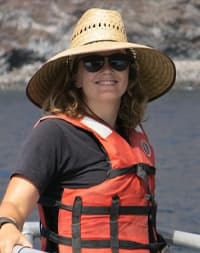
Jessie Hug is a highly experienced professional in the dive industry with over 12 years of experience. She is originally from Switzerland but currently resides in La Paz, Mexico, and is fluent in multiple languages including English, German, French, and Spanish. Jessie has worked and dived in various popular and remote destinations worldwide including Honduras, Mexico, Indonesia, and the Maldives.
As a PADI IDC Staff Instructor and SSI Instructor, she has certified hundreds of student divers.
She possesses exceptional knowledge and skills in the field of scuba diving. After many years diving in resorts, she has worked the last 5 years on liveaboards, where she could truly enjoy her passion for the marine megafauna.
Jessi won Top Sales Agent of 2024 for Bluewater Travel!
We traveled to Baja California Sur to dive in both the Pacific and the Sea of Cortez in the same trip. After diving at lands end, where the two meet, the remainder of our diving was done in the Sea of Cortez. We dove in an area called “the corridor". It consists of shallow reefs with schools of fish, moray eels, invertebrates, etc. We also visited a dive site with a phenomenon called a “sand fall". It’s like a waterfall, but underwater and it’s sand cascading down the reef. After dives in this area, we saw a humpback whale migrating north into the Sea of Cortez, toward the area we were headed to next, Cabo Pulmo. Cabo Pulmo is a strictly enforced marine park where the dive sites seem to be untouched. We saw massive schools of fish, huge groupers, loads of invertebrates, and close encounters with bull sharks. Overall, we found the diving here to be excellent. We can’t wait to return to the Sea of Cortez to dive around the areas of La Paz and Loreto.
The Sea of Cortez is easily accessible, full of amazing diversity and photographic opportunity and Dora's boats are in their element with staff that are ALWAYS doing their best. The Explore Baja trip is a great value and fine adventure.The "expedition" aspect was particularly enjoyable. Watching the scenery and geology change as we traveled, finding sperm whales, whale sharks, and large pods of dolphins in addition to the more predictable dive findings was a very unique experience. Nirupam's guidance and experience exceeded all our expectations and really topped off the trip.
I would say the diversity when diving in the Sea of Cortez is just amazing.The Sea Lions and Whale Sharks were the highlight of the trip. It’s pure joy to watch the Sea Lions with their antics as they try to get divers attention and interact with them. But I can’t leave out the Nudibranchs, Giant Jaw fish (with eggs), Seahorse and Bulls Eye puffer (the puppy dog of the sea) along with beautiful seascapes. So much to see it’s hard to take it all in on one trip.The Sea of Cortez shows off her diversity both underwater and topside on the trip to the Midriff Islands.Besides the diversity of the sea life the added bonus is being on a photography trip with like minded guests who were willing to share their experience and subjects. No hurrying during a dive, take the time you need to photograph a subject or seascape.Overall and amazing and enjoyable trip.
The dive spots were excellent with wonderful interactions with sea lions and viewing for many other types of sea life I’ve had little opportunity to see in the past. The Sea of Cortez is definitely a wonderful place to dive and I will definitely do so again given the opportunity. This was my first live aboard and it was a very enjoyable experience I would welcome again. The whale shark snorkeling was amazing this time. Views and encounters with these creatures in Baja de los Angeles exceeded previous encounters in La Paz, mostly due to much better visibility.This trip was truly enjoyable for me. I only have great memories and experiences and was able to grow a little bit as a budding underwater videographer. There was no shortage of sea life opportunities with which to try and improve my knowledge and skills. Nirupam is an excellent guide and coach. I’ve been on three trips with him now (twice in La Paz and this one) and I would happily go on any dive trip with him.
Diving the Sea of Cortez is magical. I love the blend of macro and wide photo ops. I do wish I would have seen some sharks though.Setting up dream dive destinations with Bluewater Travel is effortless! Great job to all involved. Can't wait for my next adventure with you guys.
After hearing so many wonderful things about the Sea of Cortez, I booked a trip there in August of 2019 with Bluewater Travel. The beauty of this area can't be described, it needs to be seen! What I liked the most is the incredible diversity of sea life. And the divermasters were so knowledgeable in the dive sites that they knew just where to look to find the most amazing sea life. Although this was a Photo Workshop, I only had a Go Pro and there was plenty to photograph!The boat was very comfortable and we had many divers that had specific food requests that always considered at every meal. The entire staff was amazing and very accommodating to every need.I would recommend this trip to a diver that has some experience as there were sometimes very strong currents and sometimes reduced visibility.But I enjoyed this trip so much that I am actually planning on going back again. There is so much to see and experience in the Sea of Cortez!
Cabo itself is a great place to visit. We went over Spring Break, so there was plenty of night life. Had fun and good food at Cabo Wabo. Enjoyed the Giggling Marlin and El Squid Roe for a little night life. Had a great diner at La Central Los Cabos and watched all the boats coming in to dock.We only had time for one day of scuba diving. We went around 7-8 meters for the most of the 3 dives. We aren't used to the cold water diving even in the 7mm suit. The dive was still fun and worth it!Pelican Rock:Interesting rocky, underwater mountain dive site. Good visibility - 15 meters, water temp was cold - 22 degrees celcius. Saw lots of fan corals, star fish, lobster, puffer fish, stone fish, nurse shark, spotted sea snake, eels, and lots of school fish.Land's End:Started off with a sea lion, sandy bottom dive with lots of rays. Also went by an old sunk boat, but the visibility wasn't as good there. Saw flounder and a few nudi branch as we came up a rocky wall. Lots of eels. Small cave at the end.Neptune's Finger:Sandy bottom start with rocky wall at the end. Saw large schools of fish, but visibility wasn't great. Saw lots of rays and eels. Pretty fan corals with lots of color. Nice butterfly ray, electric rays, and guitar rays. Puffer fish and nudi branch on wall.
Probably one of my top dive trips. I dove with dolphins and their babies, schools of mobula's , crazy big whale sharks. massive schooling fish, and the most inquisitive sea lions I've ever met. It was none stop diving and every dive was exciting. I'd love to go again. As a side note I got some great photo advice.
REVIEW OF DIVING LA PAZ, BAJAThe Sea of Cortez is one of my favorite dive destinations to date.The whale shark snorkeling was phenomenal. Whale shark season I've been told is fall to winter. Both of my days snorkeling with them did not disappoint. Everyone is on the lookout on the boat for the whale sharks and when one is spotted, small groups get into the water one at a time to go swim with them. Encounters can be variable. Sometimes the whale shark will be just cruising and can be surprisingly hard to keep up with - being a fast swimmer will certainly behoove you in such cases. However, sometimes you will get lucky and the whale shark will stop to feed, assume a vertical position and suck water like a giant vacuum cleaner. If that happens, be prepared for the most amazing experience ever. We swam with little baby whale sharks only 8 - 10 years old and massive ones (the bigger ones are easier to keep up with!). At one point, I counted at least 5 whale sharks feeding in an area at once. Most encounters are less than 10 min at the time, but at the end with 5 in the water feeding, everyone spent at least 1 hour in the water with them. As if whale sharks aren't exciting enough, there is a high chance you will run into some Bottlenose dolphins and if they are curious, you can get to swim with them as well. The water temperature was ~ 87 degrees F and calm in late September, visibility was ~ 60 feet.Los Islotes, the Sea Lion colony was equally as amazing. This was a 1.5 hr boat ride out, it is a rock outcropping with a huge colony. The topography above water is amazing and there is a famous arch which makes for really nice wide angle photos underwater. The sea lions were so friendly! Maybe a little too friendly!! They love to bite fins and the Styrofoam floats on strobes and maybe even a butt or two! (But they are playful nibbles). We saw tons of pups in late Sept. They are so cute. Aside from sea lions, tons of bait fish underwater, amazing viz, and beautiful sea fans make for wide angle photos that are absolutely stunning. There can be quite a bit of current in the morning, I recommend listening carefully to instructions during the dive briefing. Once you get over to the little cove, current is minimal, it is just getting over there that can require quite a bit of swimming. Surf can also be up sometimes. In the afternoon, conditions tended to calm down. If conditions are good, I highly recommend taking the route around the point as that was probably my most favorite dive of the trip.The reef diving was also very nice, though the viz at times was not the best and there can be some current at many spots. We also did a wreck dive - Fang Ming which was a nice easy wreck dive.This trip was definitely heavy on the wide angle but there is plenty of macro opportunities as well. Lots of little blennies everywhere.I didn't spend too much time in town but La Paz is a very nice city with many nice restaurants. I had a fantastic meal at the Costa Baja resort.I booked this trip rather last minute and I am 100% glad I did.