Call or text us
+1 (310) 915 6677
WhatsApp message
+1 (555) 700 6638
Speak to an expert
Use our online inquiry form
Email Us
info@bluewaterdivetravel.com
Schedule a consultation
Book a time for us to connect
Our travel consultants are available around the clock to help you plan your next trip.
Contact a specific agentScuba Diving in Australia
Expert advice on diving,
seasons, and logistics
Free planning help
when you’re ready to book
Exclusive dive packages
tailored for you

Expert advice on diving,
seasons, and logistics
Free planning help
when you’re ready to book
Exclusive dive packages
tailored for you
Scuba Diving in Australia, the Land Down Under
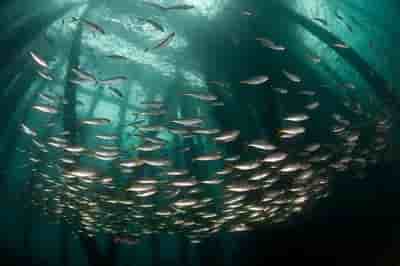
Scuba diving in Australia, especially liveaboard trips to the Great Barrier Reef and the Coral Sea, offers tremendous volume and diversity of marine life, well managed marine parks, professional dive operations and diving suitable for all experience levels. There is great diving at every depth and a variety of marine life including sharks, minke whales, and large potato cod (potato grouper). In South Australia you can experience great white shark cage diving and there is some exceptional diving off jetties, where you can see the leafy sea dragon and giant cuttlefish. Sydney, Melbourne, Brisbane, Perth, and Ningaloo Reef all offer their own unique animals and experience. Australia waters hands-down offer some of the best scuba diving in the world, and is worth many trips back.
Interested in diving in Australia? View the live availability of some of the best liveaboards in Australia and book online at the best price or check out our sidebar for specials and land-based options.
Australia's Best Dive Sites & Diving Destinations
Here are some of the best scuba diving destinations in Australia:
1. The Great Barrier Reef - World's biggest coral reef system
2. Ningaloo Reef - Beautiful coral and best place to swim with whale sharks
3. South Australia - The spot for cage diving with great white sharks
4. New South Wales - Dive sites with unique marine biodiversity
5. Victoria - Unique piers and great wreck dives
6. Western Australia - Lesser visited sites and home to some rare species
7. The Yongala Wreck - One of the best wrecks to dive in the world
8. Port Lincoln & Rapid Bay Jetty- Meet the weedy sea dragons
9. Osprey Reef - Best for diving with sharks
10. Fish Rock Cave - Best cavern and cave diving
1. The Great Barrier Reef
Schedule a free consultation with a travel expert now
Booking with us is free
Trusted by 10,000+ Divers worldwide
World's largest coral reef system
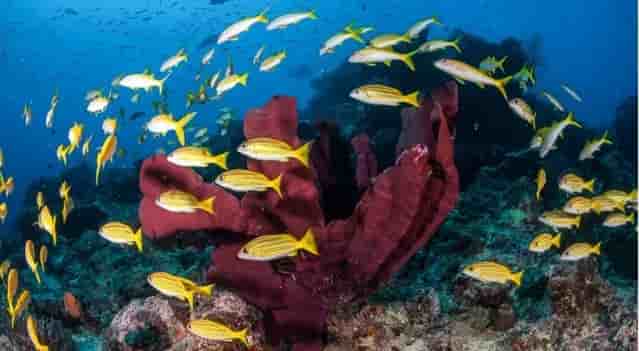
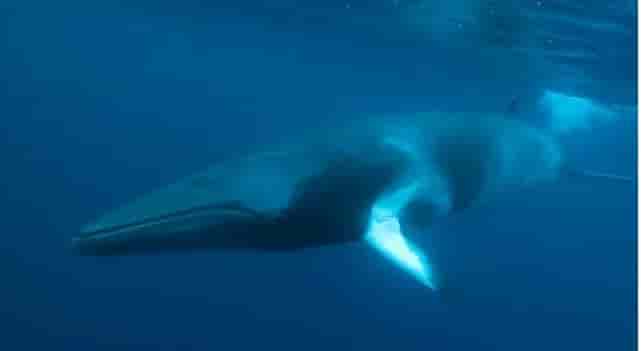
On many scuba divers bucket lists, the world's biggest coral reef system boasts plenty of amazing scuba diving opportunities. With much of the reef protected and rich in marine life, it is not just one of the best scuba diving spots in Australia, but has become one of the top diving destinations in the world. The Great Barrier Reef is home to many shark species, including wobbegong, tiger, and hammerhead sharks. The reef is also a great place to spot whales like dwarf minke whales, humpbacks, and sperm whales. Other marine life encounters include barracudas, giant groupers, manta rays, eagle rays, blue-spotted rays, turtles, parrotfish, sea snakes, coral cod, and whale sharks. Besides big pelagics, the Great Barrier Reef has some beautiful healthy coral and surprising macro critters, including mantis shrimp, leaf scorpion fish, porcelain crabs, and glass shrimps. Great visibility and numerous dive sites for different levels of divers round out this destination. Although it is highly popular among scuba divers and snorkelers, there are some great dive sites that are rarely visited, particularly the Far North, Great Detached Reefs, and the Southern Islands of the Capricorn Bunker Group like Heron Island and Lady Musgrave and Elliot Islands.
Interested in diving with whales? Check out our list of the Best Places to Swim With Whales?
Want to know more about diving the Great Barrier Reef? Read all about it in our Great Barrier Reef Dive Guide.
Practical Information
- Diving Season: Year-round, with summer months having warmer waters and better visibility but winter months are best to see large marine mammals
- Difficulty: Beginner to Advanced.
- Nearest Airport: Cairns International (CNS)
- Topside Activities: Plenty of options like hiking, wildlife parks, water rafting, and more.
For a great liveaboard option, check out diving with Coral Sea Dreaming.
2. Ningaloo Reef
Whale Shark Encounters!
Located on the west side of Australia, the Ningaloo Reef is home to the second-largest coral reef and an area not to be missed. The Ningaloo Marine Park has also been listed as a world heritage site, why it offers good competition for the Great Barrier Reef. This area is not only great for its amazing coral, but it is one of the best places to swim with whale sharks. The highest chance of seeing these creatures is during the months of April and May. During the winter months, you can even see manta rays. Humpback whales, turtles, and dolphins can be seen very often. The Ningaloo Reef is also one of the best spots in Australia for macro as it is home to many beautiful critters.
Check out this article of Exmouth and Ningaloo Reef by Christine Shepard.
Practical Information
- Diving Season: Year-round. Summer months are rainier, spring is best for seeing whale sharks, and the winter season is best for spotting big pelagics like mantas, dolphins, and even dugongs when lucky!
- Difficulty: Beginner to Advanced.
- Nearest Airport: Learmonth Airport (LEA)
- Topside Activities: Explore gorges or its gorgeous beaches.
3. South Australia
Great Wrecks, migration of cuttlefish, and great white sharks!
Diving in South Australia offers true pleasure to all the wreck divers. Throughout the area, there are many shipwrecks to explore. This generally less visited dive area, it is great for escaping the crowds and discovering some true gems. South Australia does not only have some nice boat dives but also some very good shore dives. The marine life is wonderful and you can even see some seals and leafy sea dragons in this dive destination. Besides that, from May to August you are able to witness a spectacular event, the migration of the Australia Giant Cuttlefish.
Moreover, this is the spot where adventure lovers come to scuba dive with the great white shark. South Australia is considered among one of the world's best places to shark cage dive and the only place in Australia where you can meet these majestic creatures. For a thrilling adventure of meeting the ultimate apex predator of the seas, visit the Neptune Islands with Rodney Fox Shark Expeditions, the pioneer of shark cage diving. You can get real close with great white sharks and have the opportunity to surface or floor cage dive. In Neptune Islands you can experience shark diving like never before.
Practical Information
- Diving Season: Year-round. The Australian Giant Cuttlefish can be spotted during the summer months only.
- Difficulty: Beginner to Advanced.
- Nearest Airport: Adelaide International Airport (ADL)
- Topside Activities: Visit national parks or try wine tasting!
4. New South Wales
Rare Coral and Fish Species
Like the above-mentioned areas, New South Wales does not lack options for scuba divers either. One of the most popular holiday destinations, Byron Bay with some of the best beaches, great waves for surfing, and of course great scuba diving, is located there. Another UNESCO heritage site, the Lord Howe Island with rare coral and fish species offers absolutely amazing dives. The most southern coral reef with a mixture of currents of different temperatures has brought scuba divers some unique endemic species that cannot be seen elsewhere. The marine life and flora and fauna is truly wonderful. What is even better, only a limited number of tourists are allowed there, which means you are very likely to have the dive site for yourself! Some of the exciting marine life you can encounter in New South Wales are leopard sharks, cuttlefish, rainbow runners, moray eels, pufferfish, and sea spiders among many.
Practical Information
- Diving Season: Year-round. During the winter season, the water temperatures can get quite low and reach around 50F (10C).
- Difficulty: Beginner to Advanced.
- Nearest Airport: Sydney Airport (SYD)
- Topside Activities: Visit Sydney, beautiful beaches or the Blue Mountains.
5. Victoria
Unique Piers And Great Wrecks
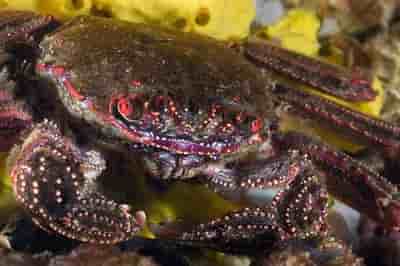
Fantastic variety of marine life brings you octopuses, seals, seahorses, eels, nudibranch, weedy seadragons, and plenty of others. Victoria has also some great dive sites for wreck divers. Some of the piers in Victoria have created some unique dive sites with a mystical atmosphere for marine life seeking shade and shelter. Flinders Pier is also a great dive site to spot stingrays and eagle rays, cuttlefish, crabs, and different sponges. Unlike other piers, Flinders has a grass bottom that attracts plenty of life, including the weedy sea dragon. There are also many islands offshore where the underwater world is very beautiful and you can see plenty of colorful reefs.
Practical Information
- Diving Season: Year-round.
- Difficulty: Beginner to Advanced.
- Nearest Airport: Melbourne Airport (MEB)
- Topside Activities: Visit museums & galleries or go hiking and discover its amazing nature
6. Western Australia
Spot Some Rare Endemic Species
Down from Ningaloo Reef, the rest of Western Australia is rich in marine biodiversity. As a lesser-visited area, many rare and endemic species like to call it their home. Some of the marine life you can see in the area are sharks, cuttlefish, octopus, trevally, mackerel, squids, turtles, dolphins and the list goes on. There are more than a hundred islands there where the underwater world is waiting to be explored. Not only diverse marine life, while diving in Western Australia, scuba divers can also discover some amazing wrecks. Additionally, the marine reserve protects the area from fishing or development, which is why the dive sites are well preserved and truly beautiful. Christmas and Cocos Keeling Islands experience an annual crab migration and spawning, which attracts whale sharks and manta rays.
Practical Information
- Diving Season: Year-round. The water temperatures are the coldest during fall and go under 67F (20C), while early spring is the warmest and the temperatures rise above 74F (23C).
- Difficulty: Beginner to Advanced.
- Nearest Airport: Perth Airport (PER/ YPPH)
- Topside Activities: There are great museums and galleries to visit, beautiful beaches to enjoy and you can go and explore the outback.
7. The Yongala Wreck
Explore One Of The Best Wrecks
One of the best shipwrecks to dive in the world, located near Townsville in Queensland. You can spot giant groupers, eagle rays, manta rays, sea turtles, sea snakes, huge schools of barracudas, giant trevallies, and various species of sharks. Sometimes, during the summer months, some lucky divers have even spotted minke or humpback whales! Excellent hard and soft coral and gorgonian sea fans can also be found here. The bottom of the wreck reaches 108ft (33m) and the dive site has often strong current, which is why it is recommended for experienced divers. The wreck is still in great condition and thus, many scuba divers call it their favorite wreck to dive.
Interested in diving with manta rays? Check out our article about the Best Manta Ray Diving in the World.
Practical Information
- Diving Season: Year-round. The calmest conditions are in September. The best visibility is during the winter months. The summer months are the wet season.
- Difficulty: Advanced.
- Nearest Airport: Townsville International Airport (TSV)
8. Port Lincoln & Rapid Bay Jetty
Meet The Weedy Sea Dragons
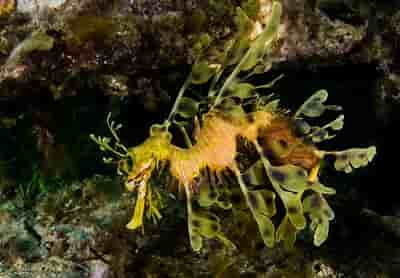
Don't miss these popular shore dives in South Australia for a chance to meet the peculiar weedy sea dragons. These relatives of the seahorse are perfectly camouflaged amongst their kelp habitat. Rapid Bay Jetty may seem like an unassuming site on the surface, but below the waves the pier supports are a playground for schooling fish and home to some fascinating macro.
Practical Information
- Diving Season: Year-round, but is weather dependent.
- Difficulty: Beginner to Advanced
- Nearest Airport: Adelaide Airport (ADL)
- Topside Activities: Visit Melbourne streets to see the fantastic street art, go shopping or see the national parks.
9. Osprey Reef
Best Place To Dive With Sharks
Located in the Coral Sea on a remote atoll called Osprey Reef, there are plenty of dive sites not to be missed. North Horn is one of the most famous and is a proper shark hub. Grey sharks, silvertip, great hammerheads, and even tiger sharks can all be seen at North Horn. Besides diving with sharks, you can also meet other pelagics like barracuda, turtles, rainbow runners, trevallies, tuna, and sometimes even manta rays. Whales and dolphins can be also spotted by scuba divers. The conditions are generally calm, but the occasional mild current offers a great opportunity for a nice drift dive. With its remote location, Osprey Reef is only accessible by Great Barrier Reef dive liveaboards.
Interested in diving with sharks? Check out our list of the Best Shark Diving in the World.
Practical Information
- Diving Season: Year-round. The best visibility is from September to November.
- Difficulty: Beginner to Advanced
- Nearest Airport: Cairns International (CNS)
10. Fish Rock Cave
Excellent Cave Diving
If diving caves and caverns is something that interests you, you must add Fish Rock Cave to your list. The dive site does not only display a cave, but the cave itself is full of marine life. The caves are covered with gorgeous pink coral. Diving through the cave you can meet nurse sharks, wobbegong, morays, octopus, lobsters, and turtles. Scuba divers can always expect to see a lot of marine life, which makes this cave unique. Different sharks are also pretty much guaranteed to see during each dive. The cave has two different entrances, a shallow large entrance with a lot of light coming through and a deep entrance.
Practical Information
- Diving Season: Year-round
- Difficulty: More suitable for advanced divers
- Nearest Airport: Sydney Airport (SYD)
Other Great Dive Sites In Australia
Some of the best dive sites in Australia:
- Navy Pier - Located in Exmouth, close to the Ningaloo Reef. Wobbegong shark, the grey nurse shark, whitetip reef shark, nudibranch, flat worms, frog fishes, scorpion fishes, and stone fishes are often spotted there.
- Shelly Beach - This shore dive will take you through some great big boulders with gorgeous reef, seagrass, and beautiful white sand. You can spot some rays and even wobbegongs.
- Cod Hole - Located on The Great Barrier Reef. Besides the large potato cods and Maori wrasses, you can also spot whitetip reef sharks, emperor angelfishes, and triggerfishes.
- Lonsdale Wall - This great wall dive provides scuba divers with exciting swim-throughs where stunning soft coral, hanging sea fans and sponges have taken over. A variety of fish like to take shelter under the ledges, overhangs or undercuts. You can spot cuttlefish, seastars, nudibranch, blue devilfish among many others.
Australia Liveaboards and Dive Resorts
There are a few options for liveaboard trips in Australia. Most of them include the Great Barrier Reef. Joining a dive liveaboard will give you the ultimate diving holiday in Australia and will also show you some beautiful sites that dive boats are not able to visit. Australia also has a couple of dive resorts on Heron Island and Lady Elliot Island, which are isolated and only accessible by flight or sea ferry. A range of other accommodation options are available, from hostels to vacation rentals, enabling you to dive with local dive operators and also discover some of the great topside activities Australia has to offer.
See our live availability to some of the best liveaboards in Australia.
Australia Travel Information & Tips
About the Country
The largest country in Oceania, but the smallest continent in the world, is located in between the Indian and Pacific ocean. Traveling and backpacking around Australia is extremely popular, not least because of sites like the Great Barrier Reef. Australia is very biodiverse above and underwater and has some absolutely breathtaking places to see. Australia is divided into six states: Queensland, New South Wales, Victoria, Tasmania, Western Australia, and South Australia. All of the areas provide excellent diving opportunities.
View Location on Google Map
Intro to Scuba Diving in Australia
The continent located south of the equator attracts scuba divers all year round and mainly to dive the Great Barrier Reef. Nevertheless, the island itself is huge and offers countless beautiful dive sites beyond the famous reef. The choices for scuba divers are endless—from colorful coral reefs and wrecks to giant kelp forests and big pelagics. You can even dive with great white sharks! Besides enjoyable fun dives, Australia is also a great place to get your dive certification as it has dive sites for all levels. More experienced divers can also upgrade their skills by taking some technical diving courses.
Check out diving the Mesoamerican Barrier Reef from Belize or the Yucatan in Mexico.
Diving Information
Marine Life
Most scuba divers go diving in Australia to see the world heritage area, the Great Barrier Reef, that is home to more than 1500 fish species. Though Australia has a very diverse marine life, the destination is still best for seeing big fish rather than macro life. You can spot lots of different species of sharks like blacktip, whitetip sharks or wobbegongs. Whales are also quite common and you can see some humpback whales and minke whales. The Great Barrier Reef is also home to all six of the world's seven turtle species.
Here are some of the marine life you are likely to see when scuba diving in Australia:
- Sharks
- Turtles
- Whales
- Manta Rays
- Dolphins
- Seals
- Sea Lions
- Giant Clams
- Maori Wrasse
- Clown Fish
- Cuttlefish
- Octopus
- Seahorse
- Goblinfish
- Leafy Seadragon
- Nudibranch
Best Time to Dive Australia
The best time to dive fluctuates for what area of Australia you are diving. Numerous areas are accessible year-round, but the southern parts can have bad weather between May and October.
Weather & Diving Conditions
- Water Temperatures: Can be anywhere between 70 - 87 degrees.
- Visibility: Visibility on day trips will be between 50 and 100 ft., while further sites reached via liveaboard can be up to 150 ft.
- Depth Range: The majority of dive sites will be relatively shallow, 30 - 60 feet.
How To Get There
There are several airlines that fly non-stop between Australia and the US. Australia's largest cities receive international flights: Sydney (SYD), Melbourne (MEL), Brisbane (BNE), and Perth (PER). Brisbane (BNE) has the closest major airport to the Great Barrier Reef, and Cairns (CNS)—the gateway to the Great Barrier Reef—receives some international flights.
Continue your travels with a trip to neighbouring Thailand. Looking for somewhere closer to home? Check out the best diving destinations nearby for Americans.
How To Dive Australia
Dive the Great Barrier Reef, Coral Sea, and Townsville/Yongala from liveaboards offering itineraries during select times of the year. Other locations host land-based dive operators offering shore diving or daily boat trips. Australia is a huge country, so consider what you want to see and where you want to dive when you plan your trip.
Topside & Non-Diving Activities
Besides numerous underwater adventures, the country itself has great topside activities being home to some gorgeous beaches, unique wildlife, mountains, and rainforests. Due to Australia's size, it is near impossible to cover all the things you can do while visiting. But to touch on a few; no trip can be complete without learning of Australia's Aboriginal culture, trying a hike to the sacred site of Uluru to catch the sunrise or sunset, climbing the Sydney Harbor Bridge, or visiting the iconic Sydney Opera House. Or just take a drive along The Great Ocean Road—a scenic drive you won't forget. Australia is an inspiring place to visit, find out all about it.
Other Useful Information
Practical Information
- Currency: Australian Dollar (AUD)
- Electricity: 230V 50Hz
- Language: English
- Time Zones: Australia has 5 standard time zones: Lord Howe Standard Time (LHST) - UTC+10:30; Australian Eastern Standard Time (AEST) - UTC+10; Australian Central Standard Time (ACST) - UTC+9:30; Australian Central Western Standard Time (ACWST) - UTC+8:45; Australian Western Standard Time (AWST) - UTC+8.
- Entry Requirements: You must have a valid passport and a visa to enter Australia. Most U.S. passport holders traveling to Australia for tourism or business purposes for less than 90 days can obtain an Electronic Travel Authority (ETA).
Schedule a free consultation with a travel expert now
Booking with us is free
Trusted by 10,000+ Divers worldwide
Author
-optimized.webp&w=828&q=75)
-optimized.webp&w=3840&q=75 "Scott Gietler")
Scott Gietler
Scott is the founder of Bluewater Travel. Scott's areas of expertise include some of our top dive destinations like Indonesia, Mexico, Philippines, Fiji, Galapagos, French Polynesia and the United States.
Scott is also the founder of the Underwater Photography Guide and Bluewater Photo. What started out as a small project has grown to a point where it is starting to interfere with Scott's sleep. When it interferes with his diving, then it will be a problem.
Scott lives in California.If possible he tries to get out diving each week with some of the other members of the staff.
An avid marine naturalist, Scott is the author of the Field Guide to Southern California Marine Life. He was the LAUPS photographer of the year for 2009, and his photos have appeared in magazines, coffee table & marine life books, museums, galleries and aquariums throughout California. He enjoys teaching photography underwater and in workshops.