
Special
Expert advice on diving,
seasons, and logistics
Free planning help
when you’re ready to book
Exclusive dive packages
tailored for you
Special
-optimized.webp&w=3840&q=75 "Dune Black Manta Special Packages")
Special
Special

Special

Special
Special
Special
Special

Special
Special
Special
Special
Scuba Dive Level
All Levels
Visibility
35 to 100 feet (10 to 30 meters)
Average Water Temperature
82
Manta Ray Encounters
Stunning Reefs & Corals
For many of our team, the Maldives was a “one day” dream destination long before we became dive professionals. Several of us have since spent years living and working on islands like South Ari, guiding guests through channels full of sharks, drifting along soft‑coral covered thilas, and watching whale sharks cruise right past our safety stops. This page brings together that first‑hand experience with practical advice to help you choose the right Maldives trip for your level and interests.
The archipelago is also known for its wide assortment of dive resorts, and you'll find liveaboards in the Maldives for all kinds of budgets, from budget to high‑end.
Interested in scuba diving in the Maldives? View the live availability of some of the best liveaboards in the Maldives and book online at the best price, or check out our sidebar for land‑based options.
“On one training dive in South Ari, I was with two Open Water students at the safety stop when two whale sharks appeared out of the blue and swam straight towards us. We actually had to move aside to avoid contact. It was only their fourth dive ever, and they surfaced completely speechless.”
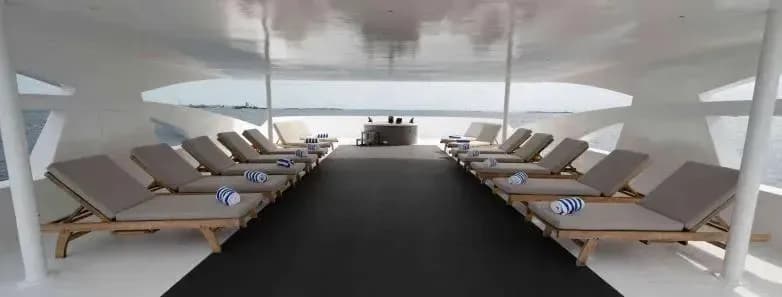
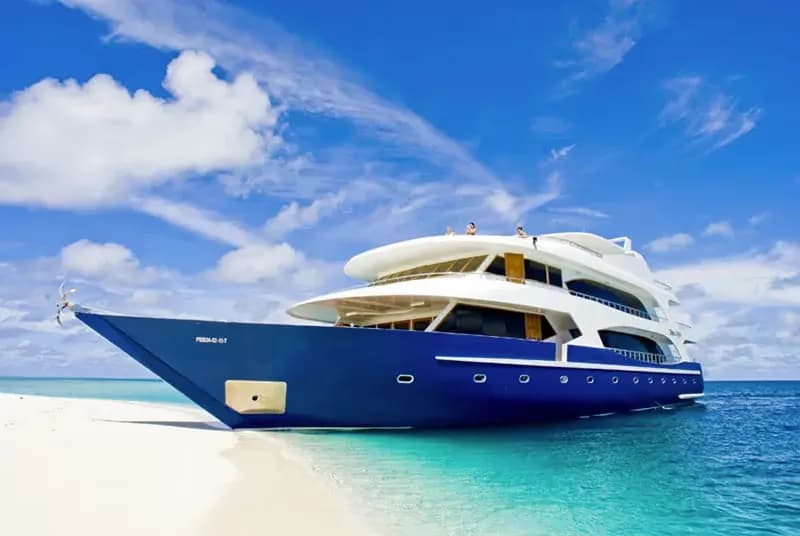
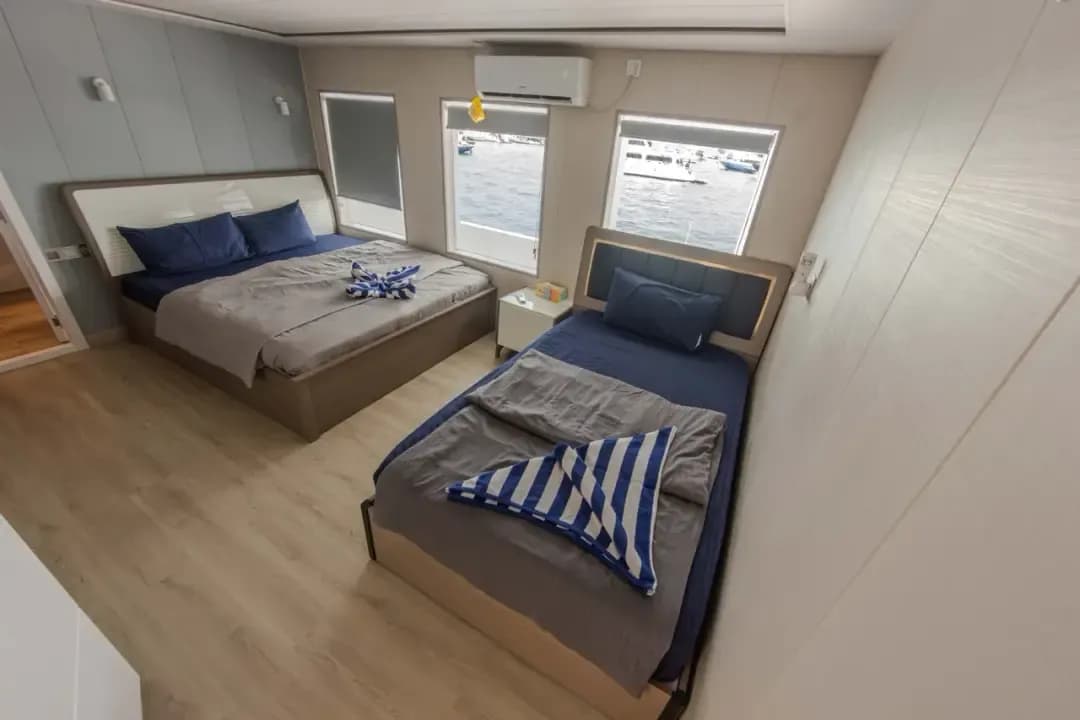
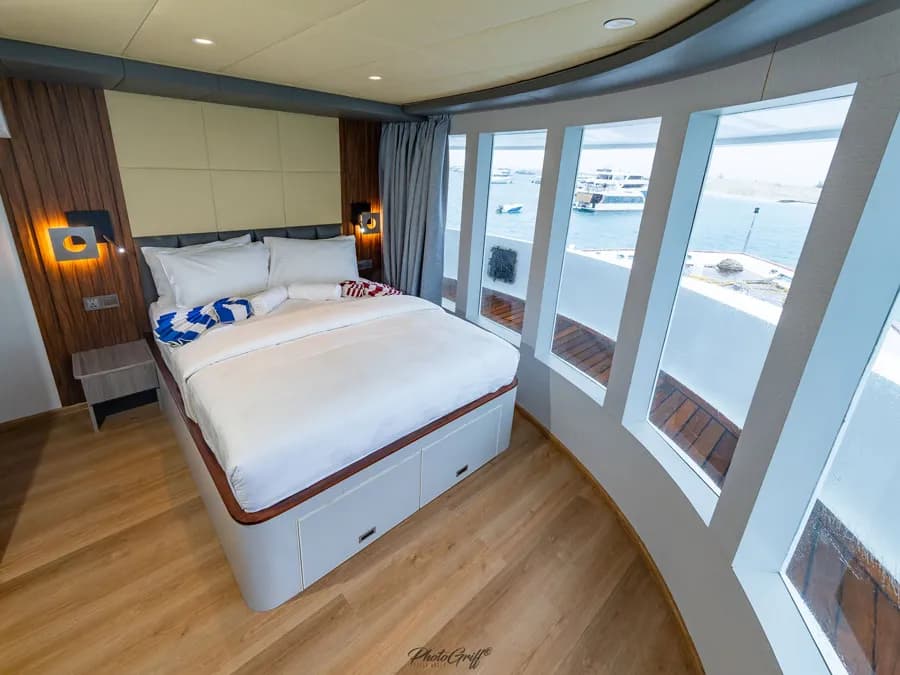
The EcoPro Seascape liveaboard is a modern vessel offering exceptional diving in the Maldives, featuring spacious cabins, expert guides, and incredible encounters with manta rays, whale sharks, and vibrant reefs.


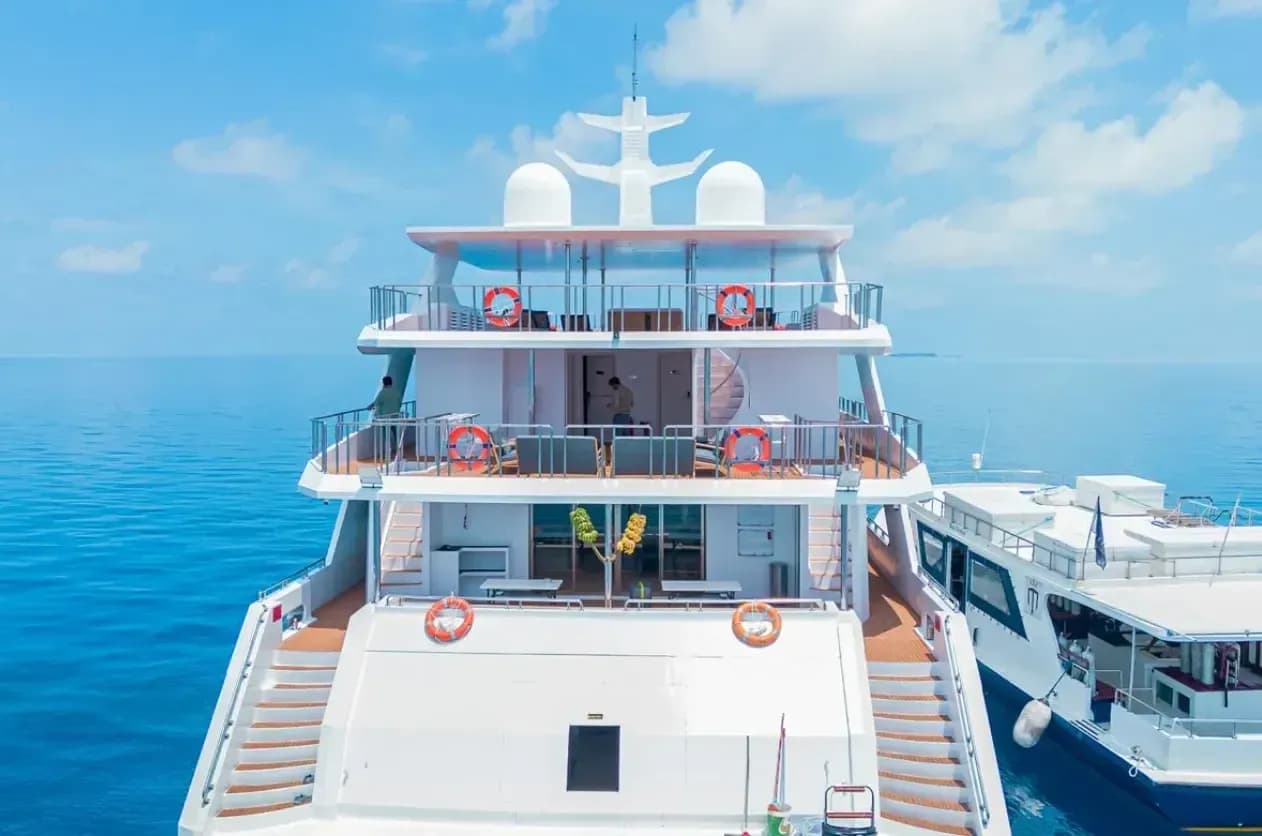
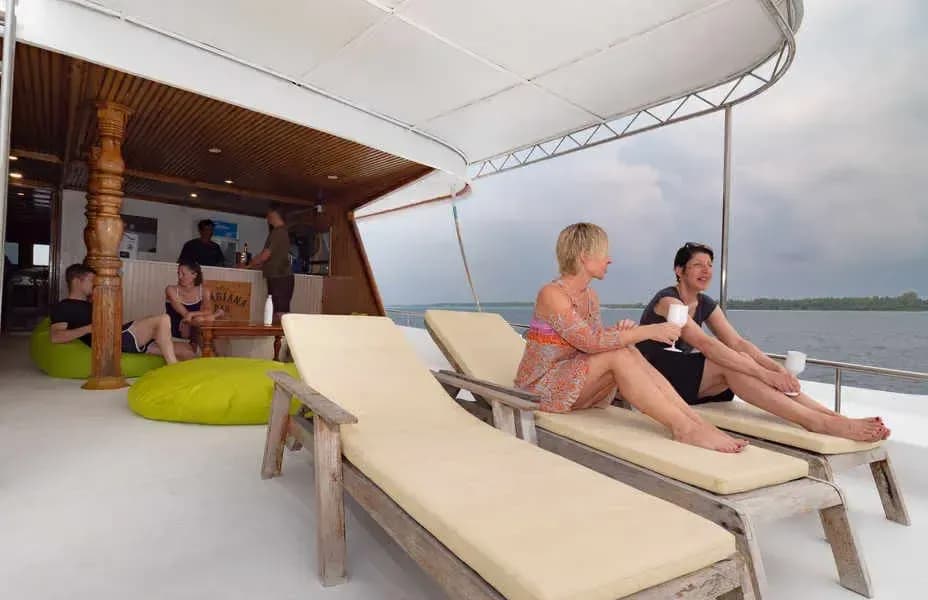
The EcoPro Mariana liveaboard is a modern dive boat in the Maldives, accommodating up to 20 guests, offering eco-friendly diving adventures to explore vibrant coral reefs and marine life.


Lying 400 miles southwest of India, the Maldives is an island nation of 26 natural coral atolls (over 1,000 islands) spread over nearly 35,000 square miles.
Even though it is 26 natural coral atolls, for the purpose of administration the Maldives is divided into 19 atolls (areas) and they are marked as being 19 atolls. So someone looking through a map would find 19 zones.
Topside, the Maldives offer some of the most beautiful scenery you will ever see in your life. More than 95% of Maldives consists of the sea. It is also one of the lowest nations in the world, and is in danger of being submerged one day due to rising sea levels.
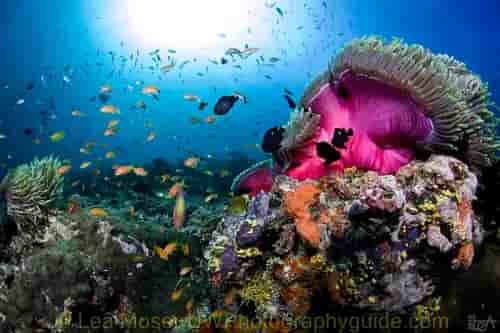
The Maldives boasts some of the most diverse coral reefs in the Indian Ocean. Hard and soft corals create a thriving habitat for:
In South Ari, where one of our instructors spent almost two years guiding at Villa Park (Sun Island), whale sharks are seen year‑round along the outer reef. She recalls a training dive where two whale sharks appeared at the safety stop, swimming so close that the group had to move aside to avoid contact—an unforgettable fourth dive for her Open Water students.
Different atolls have their own specialties:
Overall, the Maldives is mainly a "wide‑angle" destination to see coral, whale sharks, mantas, eagle rays, and schools of fish. There has been some coral bleaching on shallow reefs, but deeper reefs and current‑swept structures still support excellent marine life, especially for photographers and big‑animal lovers.
The Maldives diving offers blue water early in the year – perfect for wide‑angle photography. While there is some macro life here, the Maldives is mainly a "wide‑angle" destination to see coral, whale sharks, mantas, eagle rays, and schools of fish.
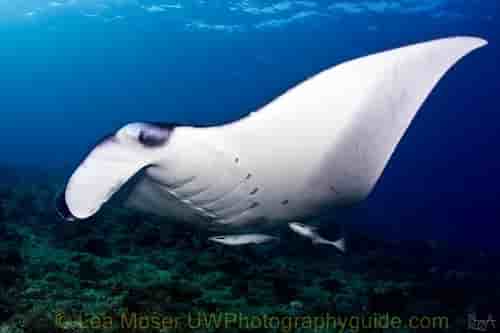
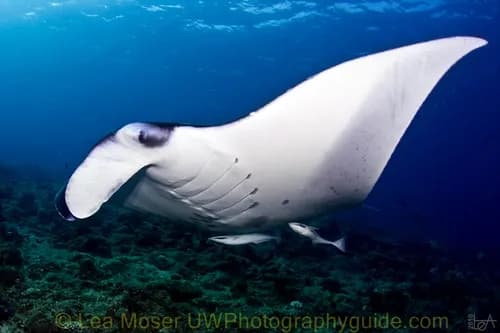
While the reefs and channels provide a great diversity of marine life, Hanifaru Bay, which allows snorkeling only, is the go‑to place for mantas and whale sharks. It's possible to see dozens of mantas, although numbers fluctuate depending on currents, water temperature, and the presence of plankton. You're also likely to encounter whale sharks, opening their huge mouths to feed on plankton. Bring an underwater camera capable of taking videos to properly capture the beauty of the marine life.
Many dive sites in the Maldives have napoleon wrasse, barracuda, reef sharks (including gray reef, whitetip and blacktip), spotted eagle rays, large marbled rays, trevally, and tuna. The current will help bring out more of these larger animals.
Some atolls can also produce hammerhead sharks, although this is only at very specific dive sites.
For sites like Hanifaru Bay, shoot wide angle. Use a fisheye lens like the Tokina 10‑17mm, or a rectilinear lens in the 10‑20mm range. Take video. Even better, take wide video with a fisheye lens. Leave your macro lenses at home.
If you are at a manta cleaning station, never chase or charge the manta rays – it won't work. Wait for them to come to you. Don't rise up to their level.
When you’re diving in the Maldives, you’ll encounter several distinct types of sites. Our guides plan each day around the currents, tides, and your experience level:
Because there is so much variety, there isn’t just one “typical” Maldives dive, but there are some common patterns our guests experience:
Maldives liveaboards require divers to have more experience, whereas resort or land‑based dive operators offer amazing diving for any level and you can even get your diver certification. Many of our guests start with a few easy dives and then, as their comfort grows, join the more adventurous sites later in the week.
Read our Maldives trip recap to learn more about what to expect while diving in the Maldives.
For other land‑based options check out Dive Club Maldives and Fulidhoo Dive.
Want to explore the Maldives? Join Bluewater's Luxury Maldives Dive & Spa Experience in 2028.
Departing from the U.S., there are several airlines that fly one‑stop to Malé – Velana International Airport (MLE), the capital city of the Maldives. Most people stay overnight in Malé and board their dive boat the following day. Visitors receive a 30‑day on‑arrival visa for free.
Scuba diving in the Maldives is excellent from both liveaboards and land‑based options. Liveaboards are a popular option and run a variety of itineraries to explore different atolls. The Maldives also offers a range of land‑based diving options, from exclusive high‑end resorts on private islands to budget guesthouses on local islands. Almost all local islands have dive centers running day trips out to the best sites in their proximity.
January – April (northeast monsoon) are the ideal months to go scuba diving in the Maldives, with it getting less windy as you approach April. Visibility is very good, and it is the driest and warmest period. You may experience sudden rain showers, but they don't last long.
May – July is considered the rainy season and can bring unstable weather, especially June / July.
August – November is the time to go for the best chance to see the "big animals". December can bring a fair amount of wind and rain. "Feeding season" at Hanifaru Bay (and everywhere else) for the whale sharks and manta rays is considered to be from May to November, peaking from late July to early October.
It’s no secret that divers and honeymooners make up the majority of visitors to the Maldives – though those two groups are not mutually exclusive. If you’re land‑based and need a break from the water, consider taking an excursion to a nearby uninhabited island or board a fishing boat and try your luck at catching your dinner.
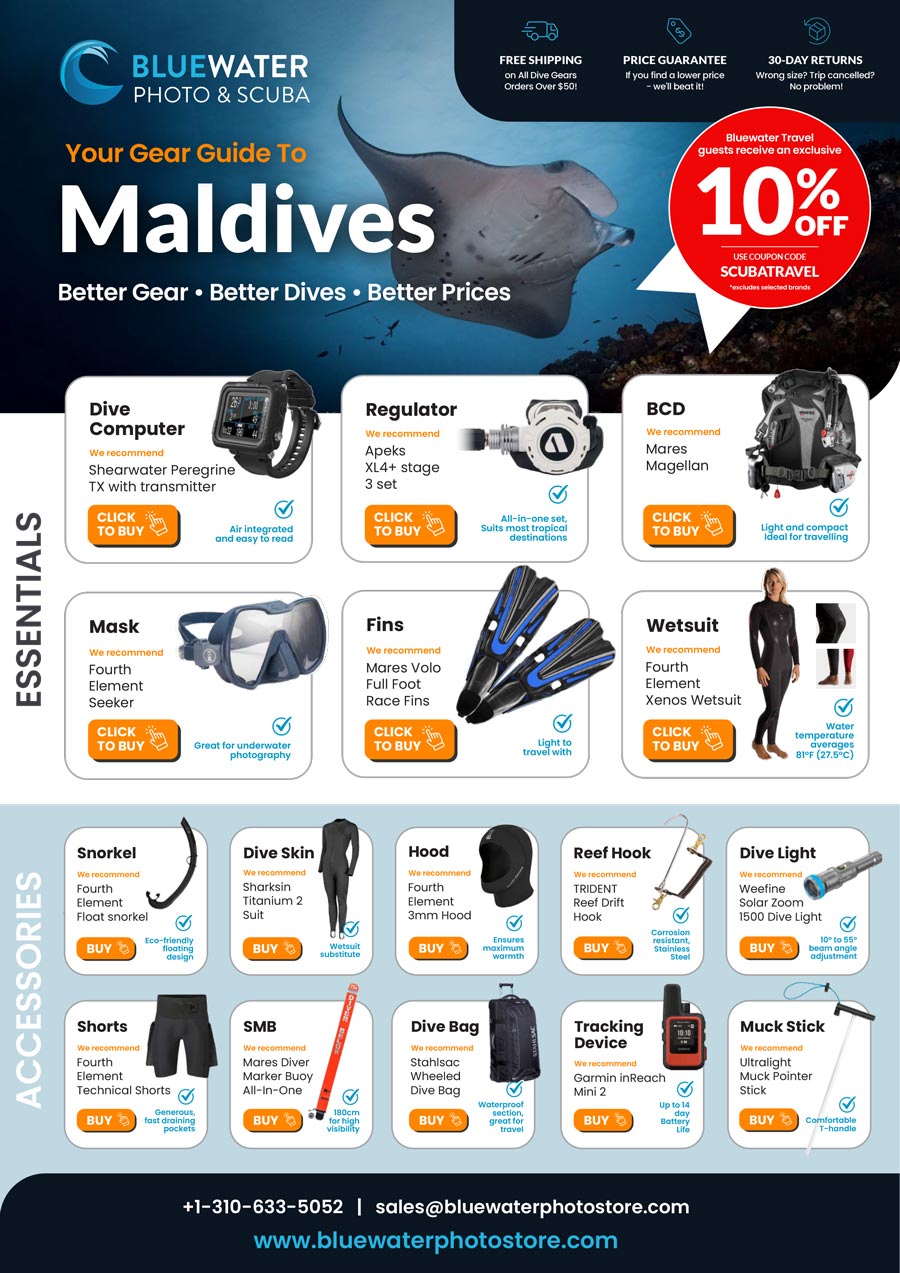
Download our full scuba gear guide to Maldives , Bluewater Travel guests receive 10% OFF!

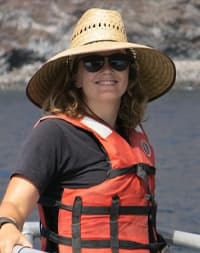
Jessie Hug is a highly experienced professional in the dive industry with over 12 years of experience. She is originally from Switzerland but currently resides in La Paz, Mexico, and is fluent in multiple languages including English, German, French, and Spanish. Jessie has worked and dived in various popular and remote destinations worldwide including Honduras, Mexico, Indonesia, and the Maldives.
As a PADI IDC Staff Instructor and SSI Instructor, she has certified hundreds of student divers.
She possesses exceptional knowledge and skills in the field of scuba diving. After many years diving in resorts, she has worked the last 5 years on liveaboards, where she could truly enjoy her passion for the marine megafauna.
Jessi won Top Sales Agent of 2024 for Bluewater Travel!
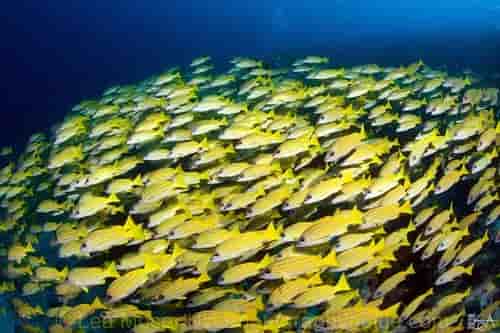
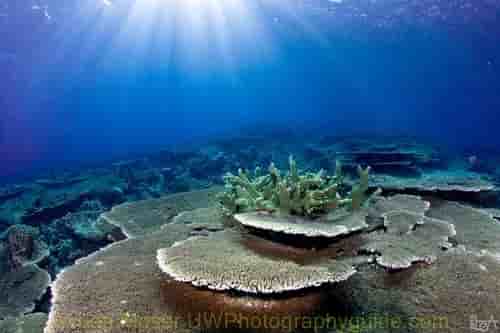
This is my 2nd trip to the Maldives doing the central atolls itinerary and the diving blew my mind this time (I just did Raja 2 months before this trip). The soft coral gardens were so colorful with reds, oranges, yellows and blue colors. There were also dives with table coral gardens stretching as far as the eye can see.For marine life, we saw lots of sharks (blacktip, whitetip, grey reef, guitarfish, nurse, tiger), mantas, whaleshark, massive rays, dogtooth tuna, big schools of blue-striped snappers, bannerfish and red toothed triggerfish. There were lots of batfish, sweetlips, soldierfish, giant travellys, morays, and anemonefish.The water was a very comfortable 82-85F and no one complained about feeling cold.The Maldives covers a big area and you can cover a larger area with more varied dives from a liveaboard versus resort based. Liveaboard diving here is also very affordable and most of them are very nice. If you have not done a liveaboard before, the Maldives is the perfect place to do your first.
Absolutely breathtaking experience! My recent scuba diving holiday in the Maldives exceeded all expectations. From the moment I descended into the clear waters, I was mesmerized by the coral reefs and an incredible array of marine life.The Maldives truly offers some of the most pristine diving spots in the world. Each dive was a new adventure, as I encountered majestic manta rays, eagle rays, stingrays, napoleon fish, different types of sharks, octopus, turtles, nudibranchs, colourful schools of tropical fish and many more.The Maldives provided the perfect backdrop for relaxation and tranquility. The picture-perfect beaches, islands and warm hospitality made this trip truly unforgettable.I cannot recommend a scuba diving holiday in the Maldives enough. Whether you're a seasoned diver or just starting out, this paradise destination will leave you in awe of the beauty and diversity of the underwater world. It's an experience that will stay with me forever, and I can't wait to return for more underwater adventures in this magical destination.
The scuba diving was great. Lots of colorful fishes and coral. Lots of sharks.While I was there there was current so we did mostly drift dives. The Ellaidhoo resort was very nice. The island was small and the resort covered the entire island. Easy access to house reef and it was as good as many of the boat dives.
I visited the Maldives in May of 2012 and was on the sane trip as reviewer cdub. I will try not to be repetitive.The water temps are in the 79-81 range and the air temp is in the 80-85 range but there is usually a nice breeze most of the day. Currents varied from spot to spot and there was generally a medium current, with some spots with very strong currents. We had divers with a variety of experience and nobody had any issues. Our locations were mostly in the North Ari Atoll which is one of the largest areas for diving. One of my favorite spots was Hukrueli Faru which has Manta cleaning stations. The depths there varied from 25-100 feet. Kudarah Thila made me feel like I was in an aquarium. The density and variety of life was amazing. Giant schools of Oriental Sweetlips with some Groupers mixed in. The biggest highlight for me was diving with manta's and seeing a napolean wrasse the size of a volkswagon beetle. We went chasing for whale sharks which we finally did see but there was such a crowd of tourists on the surface that it became claustrophobic so beware.Topside there was not much opportunity since the biggest island is the capital which is 3 miles square. It was interesting to see the capital and and feel like you saw almost all of it in an hour. Seeing the planes landing on runway was surreal since it looks like the plane is going to land on the water. We did spend one night on the main island as we landed late the night before we got on the liveaboard, but I would have been happy staying on the very nice resort on the airport island that I was not aware of until the end of the trip. There was the comedy factor of seeing the rather absurdities(to us westerners at least) of the hotel set up and the insane amount of scooters roaming the "streets". I did skip a night dive and visited a very tiny island with some of the crew and a couple others from our group. The island was Rashdoo and we walk the perimeter in about 25 minutes. The people were very polite and hearing the mosques call to prayers was very beautiful.Overall the Maldives will probably the greatest tropical location I will ever go to. I saw pretty much everything I hoped to see which made it worth the almost 20 hours of flying. This is definitively one of those once in a lifetime trip that you take if the opportunity comes.
Fuvahmulah Dive Center I traveled to Fuvahmulah on my own after a liveaboard in the central atolls, at a time when tourism there was just beginning, with only one dive center and one guesthouse open. The island felt like a real frontier—very local, authentic, and exciting for a diver looking for something different. Most people go to Fuvahmulah for one main reason: tiger sharks. Tiger Zoo is an unforgettable experience, just a few minutes by boat from the harbor, so you’re in the water quickly. You dive in shallow water with beautiful natural light, perfect for video and photography, and the sharks come in close, bold and curious, so the adrenaline is definitely there while still feeling under control. But Fuvahmulah is not only Tiger Zoo. The island is quite big for the Maldives and offers a variety of dive sites and conditions around it. There are easier, more sheltered dives that suit relatively new divers, and more demanding sites with stronger current and drop‑offs that really reward experienced divers. I was very lucky to see a thresher shark and found the reef quite healthy, which really gave the feeling of a new, lightly visited destination. Topside, I loved the island itself: lush vegetation, beautiful long beaches where you can sometimes be completely alone, or just sit and watch local kids playing in the waves. The atmosphere felt very relaxed and genuinely local. My guesthouse stay was excellent. The room was comfortable, the place well looked after, and the staff were warm, attentive and very flexible with my schedule. The food was tasty and exactly what I needed between dive days. As a demanding dive instructor when I travel and dive for myself, I really appreciated how flexible and accommodating both the guesthouse and Fuvahmulah Dive were with dive plans, logistics and my personal preferences.
The magic starts as soon as your plane reaches the outermost atolls to glimpse the almost alien planet like spots all around the ocean. Then once you step outside the airport you are immediately overwhelmed by the crystal clear turquoise waterfront and the boat waiting to take you to your liveaboard or to one of the thousands of islands of the Republic of the Maldives. I dived around South Male and the Southern Ari atolls area on a liveaboard in May. Marine life consists of everything from macro to the "big stuff" (many eagle rays, many manta rays, stingrays, many white-tips, grey reef sharks, whale sharks).Dive Conditions: Visibility was good ranging from 30ft to 120ft while averaging around 80ft. Besides drift dives I would say roughly 20% of the sites we dove had moderate current (some kicking effort needed to stay on route), and a few sites with strong currents. Minimum level recommended is advanced open water certification.Top Sites: Rasdhoo Madivaru (grey reef sharks, eagle rays, bumphead , Maaya Thila (white tip, gray reef sharks and eagle ray up close), Fish Head (guitar shark, stingrays, lots of gray reef sharks, swim throughs), Hafusha Thila, Maamigili Beru. Night diving and snorkeling with the mantas is one of the highlights.How to get there: All international flights arrive in Male. Then you have the option to either take boats/liveaboard, or water aircraft to your next destination.Where to stay and top-side activities: Maldives has a lot of upscale resorts. Generally the further you venture out from Male the more secluded the resorts will be. Each habitable atoll has it's own beaches and whatever water sport and/or activity you can think of.Overall impression: The Maldives is simply paradise if you enjoy the beach life and especially diving. The highlights of diving are the frequent manta rays, eagle rays, gray reef sharks, and occasional whale sharks in some particular areas. There are wrecks around but nothing to write home about. White sand beaches everywhere. Only drawback is the lack of alcoholic beverages around the Republic.
The Live Aboard offered three route options - Northern, Central and Southern trips.I chose the more remote less traveled Southern route that explores the warm crystal clear waters of Laamu Atoll that is only offered select times of the year when wind and weather allows.The boat was beautifully constructed out of iron wood with Teak finishes throughout.The dive deck is spread out giving each diver ample space to setup there gear as well as small storage locker at each dive station for stowing extra gear. In the middle of the dive stations was a large padded covered area with pillows to lounge and enjoy the breeze yet stay out of the sun. For those wishing to work on their tans, a large sun deck with chairs was above the main salon. Both Dining and dive briefing were on the rear deck. The main salon has a large screen for watching movies and internet was available periodically. The overall feel is very spacious and comfortable and never did it feel crowded with 14 guests and 10 crew members.The rooms are comfortable with single, double, and triple bed suits and have the same beautiful stained Iron wood and Teak finishes as the rest of the boat. Each room has AC, Shower, sink, toilet and a safe.The boat had a large camera table with a large bank of 110 and 220 outlets with universal plugs. Below the Camera table storage bins were available for each diver to store extra gear.The sites basically consisted of two types Kandu - a channel between islands and Thila - pinnacles.Kandu dives were Exhilarating dives with negative entry due to very strong currents that were excellent for dropping down hooking in at the edge of the drop off and watch large schools of big pelagic fish, sharks, and rays. When gas or time was up, we would unhook, and enjoy a drift dive through the channels that were covered in soft coral gardens into the calm waters of the atolls. Every dive had Grey Reef sharks, Eagle rays, sting rays, Tuna, Jacks and and large schools of Barracuda.Thila dives were much more mellow and allowed time to photograph macro subjects as well as wide angle photography of the pristine coral reefs with large schools of fish, turtles and resting sharks.The food was combination of European/Western and local dishes consisting of fresh fish, chicken, beef and vegetarian options. Juice, espresso, cappuccino, beer, sodas were free of charge and cocktails and wine are available for purchase.The dive staff were all European and spoke perfect English, were friendly and courteous and attended to any needs guests came up with. The boat crew were all locals as spoke enough English to help with most needs.The boat offered free nitrox fills, the crew set up / broke down and washed gear daily. The dive operation was a well oiled machine where both guest comfort and safety was a priority. The boat was equipped with safety gear including Nautilus Lifeline radios for guests, carried large amounts Oxygen due to the remote location.We dove off of two large zodiac boats that offered comfort and space for large camera gear.During our ten day trip we explored many remote unpopulated islands where we strolled along white sand beaches and snorkeled in the sheltered coral lagoons.The boat staff would collect fresh coconuts, bananas, mangoes that where used in our snacks and meals.Near the end of the trip, a beach BBQ was set up by the crew and the guests and crew dined together before heading back to port.Diving is well suited for photographers, experienced divers, and intermediate divers that are comfortable with strong currents.Getting there. Two basic options, via Singapore or Dubai to Male. Inbound required an overnight stay in Male before the flight to Kadhdhoo. Not much of anything to really see in Male and after several long flights, all I wanted was a quite place to rest up. Outbound was a half day layover spent at the hotel pool for a small day use fee, that is a short shuttle ride from the Male airport - Highly recommended.
This is an amazing dive location. The marine life is abundant and we were able to see mantas as well as Whale Sharks (multiple encounters). Other marine life encountered on the trip included black tip sharks, moray eels, eagle rays, green turtles and multiple fish species including clown and angel fish. Much of this marine life was a short snorkel away form one of the small islands that dot the area. Ocean conditions were good at the time with visibility extending beyond 60ft. Topside attractions are limited but you won't be doing anything but diving here. Liveaboard is the only way to go here due to the high cost of resorts and transportation. We had a great experience on MV Carpe Diem. The boat was clean and well maintained and the staff were very helpful. Food aboard the boat was excellent and our accommodations were well worth the price paid.
I visited the Maldives on a liveaboard in May 2012, an though it is a pricier trip, it was well worth it to dive the Maldives. Air temps were in the 90s and sunny almost the entire time, and water temps ranged from 80-83.Topside, it's gorgeous. We were greeted with the brightest blue sunny skies and aquamarine waters, that it was almost surreal. The islands all looked lush and dense with greenery, with beautiful sandy beaches. Since we were on a liveaboard, we only had a few opportunities to visit any of the islands, and on one occasion, the liveaboard had arranged to bring us to an island to see the sunset and they had setup a full BBQ cookout. It was a lovely way to spend the evening exploring the beaches and lagoons amidst all of our diving.Since it was a 7 day trip, we covered South Ari and the North and South Male Atolls. We regularly had 100 ft viz, though it was as little less on a few of the manta ray snorkels as we ran into pockets of plankton.I had my favorite night dive of all time here at Mayaa Thila. We saw so much life and behavior on this dive! Starting with a large sting ray, free swimming eels, eels hunting and going from crevice to crevice in the reef looking for sleeping fish, juvenile white tip reef sharks competing for food.The Kuda Girl wreck was also a beautiful site. Home to amazing schools of fish, abundant invertebrate growth, and we also encountered a frog fish and two stonefish on this wreck.Some of the the other marine life highlights included a large nurse shark, turtles, titan triggerfish, and schools of triggerfish, and snorkeling with mantas and a whale shark.Though you could shoot macro on some of the dives, I probably spent about 80% of the time shooting wide angle as my preference based on the marine life.