Group trip
Call or text us
+1 (310) 915 6677
WhatsApp message
+1 (555) 700 6638
Speak to an expert
Use our online inquiry form
Email Us
info@bluewaterdivetravel.com
Schedule a consultation
Book a time for us to connect
Our travel consultants are available around the clock to help you plan your next trip.
Contact a specific agentAn exciting and increasingly popular destination, diving Borneo offers huge variety, unique experiences, and some of the best marine life anywhere on the planet.
Expert advice on diving,
seasons, and logistics
Free planning help
when you’re ready to book
Exclusive dive packages
tailored for you

Expert advice on diving,
seasons, and logistics
Free planning help
when you’re ready to book
Exclusive dive packages
tailored for you
Group trip
Group trip
Visibility
50 to 100 feet (15 to 30 meters)
Average Water Temperature
28
Wall Diving
Stunning Reefs & Corals
Macro Critters
An exciting and increasingly popular destination, diving Borneo offers huge variety, unique experiences, and some of the best marine life anywhere on the planet. Borneo may be difficult to get to, but its unique cultural history, flora, and fauna make a scuba diving trip there completely worth it.
The majority of diving is land-based from exclusive island resorts.
Located on the western edge of the Coral Triangle, the exotic island of Borneo is divided between the Malaysian states of Sabah and Sarawak to the north, the Kalimantan provinces of Indonesia in the south, and the Sultanate of Brunei on the north coast. The famous Derawan Islands sit just off the coast of East Kalimantan, however, diving there is covered in our separate Derawan destination guide. Also part of Borneo, the islands of Sipadan, Mabul, and Kapalai are covered in our Sipadan destination guide. As such, the rest of this page focuses on diving Borneo outside of Derawan, Sipadan, Mabul, and Kapalai.
The diving season across Borneo is year-round, with April to November offering the calmest surface conditions.
Here are some of Borneos best dive locations:
Almost 190 miles (300km) northwest of Kota Kinabalu on Borneos northern coastline, the tiny island of Layang Layang sits unobtrusively in the South China Sea. Rising 6,500ft (2,000m) from the deep ocean floor, this remote coral atoll boasts pristine reefs, a vibrant marine ecosystem, and an enviable range of sea creatures from macro residents through to pelagic visitors and several species of shark.
Over 280 miles (460km) to the east, the equally small island of Lankayan nestles just off Borneos northeast coast in what is known as the Sea Turtle Corridor . Green and hawksbill turtles abound, feeding and nesting around the islands shallow lagoons and white sandy beaches. Located within a protected marine park , Lankayan also boasts some excellent and colorful macro diving , with a good number of rare critters to be found.On the southern side of the Tambisan Peninsula, the island of Mataking is perfectly placed for exploring the crystal clear waters of the numerous dive sites around local reefs and those of its neighboring east coast islands. Steep slopes and walls encourage large numbers of pelagic species close to shore, while healthy corals provide a home to a plethora of reef fish. Billed as an excellent alternative to Sipadan, diving here is exciting and the top-side resorts are luxuriously relaxing.
Each of these three minuscule tropical retreats hosts a single exclusive resort that manages all local diving, protecting the reef and ensuring dive sites remain uncrowded.
Only 70 miles (112km) from Kota Kinabalu, close to the border with Brunei, the island of Labuan offers some exciting wreck diving and is a great stopping-off point when traveling between the northern provinces of Sabah and Sarawak. Four major wrecks lie between 98 and 115ft (30 and 35m), including theUSS Salute and the Dutch SS De Klerk, which were sunk during WWII.
Interested in wreck diving? Check out our list of the Best Places to Wreck Dive.
Although officially part of the Derawan Archipelago, the island of Sangalaki is a fantastic destination in its own right, its natural beauty and rich biodiversity preserved by the island managements strict eco policies. Surrounded by shallow lagoons and reefs that stretch a good distance out from shore, Sangalaki is a hotspot for large schools of manta rays that gather to feed on the nutrient-rich waters during the full moon. The island is also a breeding ground for green turtles, and as such is designated an Indonesian Marine Park.
A relatively new addition on the global dive scene, Bruneis first dive operator opened only 10 years ago, and diving here is still new, exciting, and extremely uncrowded. The countrys intriguing wrecks and frontier reefs hide a wealth of marine species ripe for discovery, with warm tropical waters and shallow reefs supporting a vibrant inshore ecosystem. While Bruneis coastline only has two oceanic islands, both are marine sanctuaries, and several inshore areas such as Pulau Berembang Nature Reserve, as also protected. Around 9 miles (15km) from shore, a number of oil platforms create an unusual dive amongst huge metal supports that create a temporary refuge for many reef species.
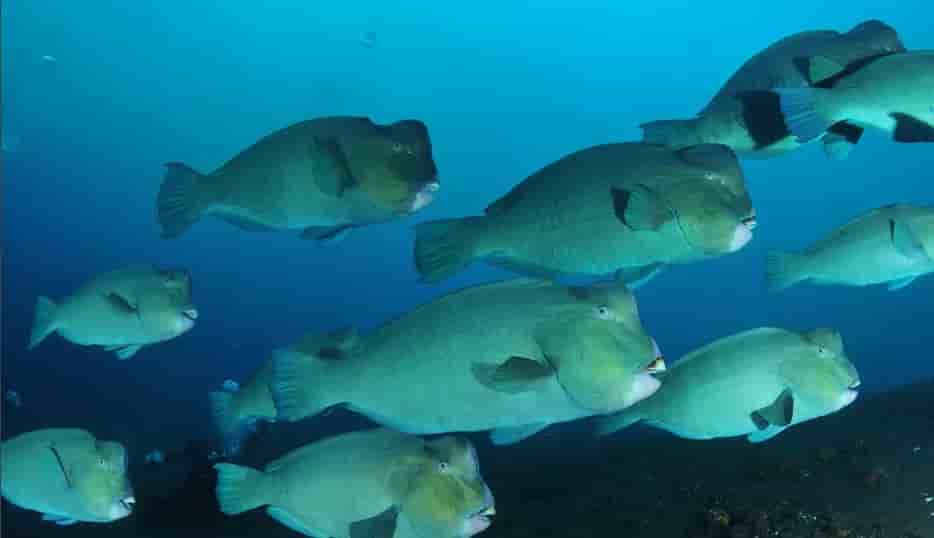
Less explored and with a good number of exclusive and well-managed dive areas, the marine life around Borneos best sites is exceptional, undisturbed by the potentially harmful effects of heavy tourism. Close in around fringing island reefs, divers can expect to spot large schools of hump head parrotfish trundling through clusters of cardinalfish, anemonefish, and sweetlips, while large rays glide just off the sandy bottom. The corals here are pristine, with huge and impressive specimens of lettuce and staghorn coral covering many sites. These, in turn, provide a secure anchor for an array of colorful soft corals, sponges, huge delicate gorgonians, and feather stars.
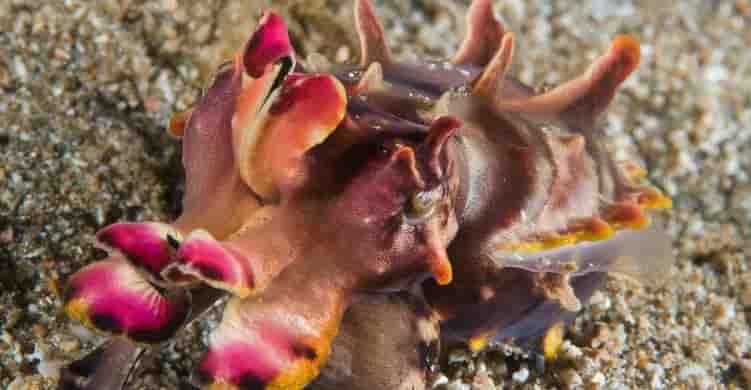
Hiding amongst all this exciting substrate, a miniature world of macro species is thriving. Numerous varieties of elaborate nudibranchs, coral shrimps, decorator, porcelain, and spider crabs, as well as the rarer orangutan crab creep across the reef, while gobies, mandarin fish, ornate ghost pipefish, and jawfish can be spotted by the most patient divers. Giant frogfish and giant clams sit motionless amongst the coral heads, while pygmy seahorses blend seamlessly with their chosen sea fan.
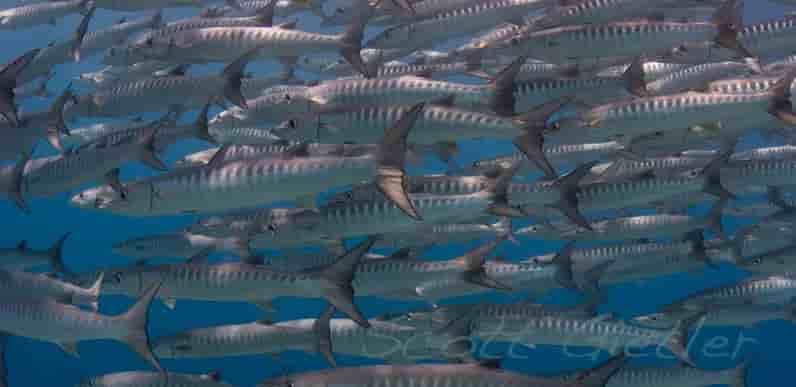
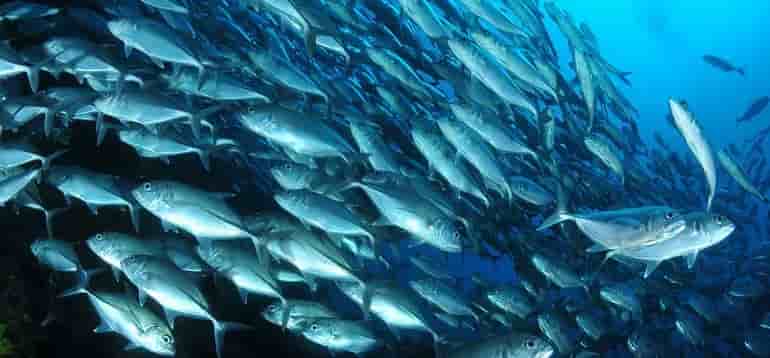
For those keen to dive with larger pelagic species, the options are limitless where outer reef walls attract huge schools of barracuda, scads, jacks, snapper, and trevally to the edge of the blue. Hammerhead sharks and manta rays occasionally make an appearance beyond these swirling schools of gamefish, and countless turtles meander between the reef and the open ocean.
For the richest marine diversity in the world, check out our guide toRaja Ampat scuba diving.
Malaysian Borneo
The main gateway into Malaysian Borneo for most visitors is through Kota Kinabalu International Airport (BKI) in the far north of the island. There are numerous cheap flights daily from the Malaysian capitals Kuala Lumpur International Airport (KUL) to Kota Kinabalu. Direct flights are available from the UK and Europe to Kuala Lumpur, however, most US travelers will need to transit through Europe or the Middle East. Once in country, the dive resort will arrange private transport to their island.
Indonesian Borneo
The primary airport in the south of the island is Sultan Aji Muhammad Sulaiman Sepinggan International Airport (BPN) near Balikpapan. Direct flights are available from Kuala Lumpur (KUL) and Singapore (SIN), and travelers from the US or Europe will need to transit through Europe or the Middle East. Other regional airports include Tarakan (TRK) for northern dive areas. Private transport to the dive resort is arranged locally.
Brunei
The country’s main airport, Brunei International Airport (BWN), receives direct flights from Kuala Lumpur (KUL), Singapore (SIN), and London Heathrow (LHR). Travelers from the US typically transfer in London, the Middle East, or Asia.
Diving in Borneo is fantastic all year round, although conditions do vary throughout the season. From April to October waters are normally calm and glassy, comfortably warm, and with visibility up to 100ft (30m). The rainy season runs from November to March, and windy periods in January, February, and August can increase surface chop and reduce visibility. Although this brings cooler water and air temperatures, amazing marine encounters and great diving are still the norm. Air temperatures remain around 80oF (27oC) year-round.
Layang Layang Island Resort is only open between March and October.
Interested in Borneo? Check out diving in Romblon.
It is fairly simple and safe to travel through all regions of Borneo as long as official border points are used, however, dont expect to get anywhere quickly. Major cities are connected by regular bus and taxi services, but away from the main routes road travel is often tedious and boat transport is still heavily utilized. Much of the interior is connected via express river boats which are far quicker than traveling through the jungle by road, while ferries and speed boats service many of the coastal towns.
Air travel is often the only practical way to access the most remote locations, in particular nature reserves. The Malaysian states of Sabah and Sarawak are separated by Brunei, therefore its easiest to fly between local airports.
Diving is organized from island-based resorts, many with exclusive access to the local dive sites. Small speed boats will transport divers to and from the reef several times a day.
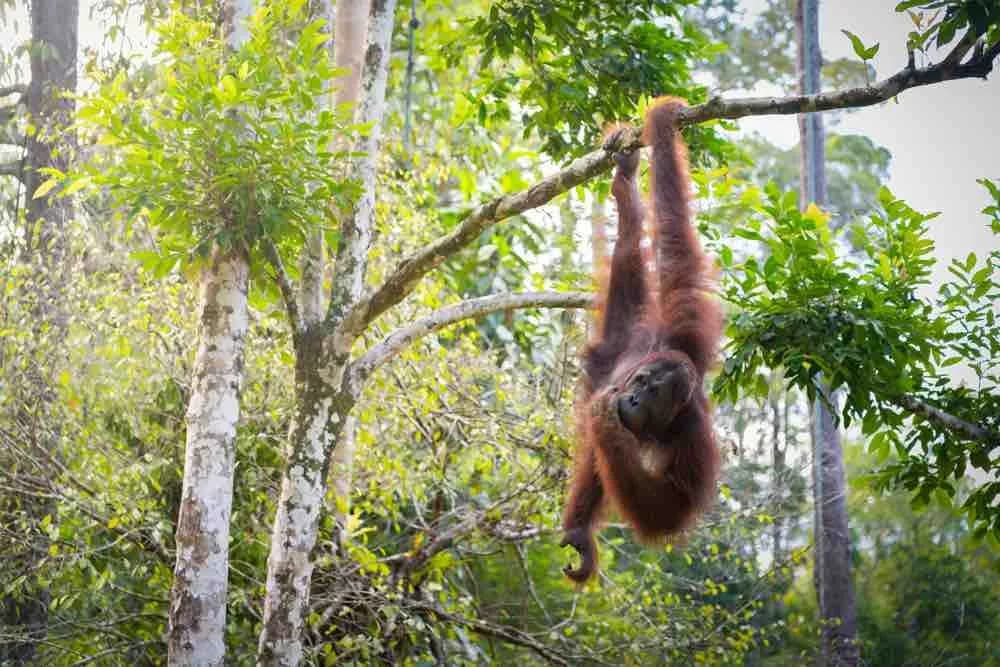
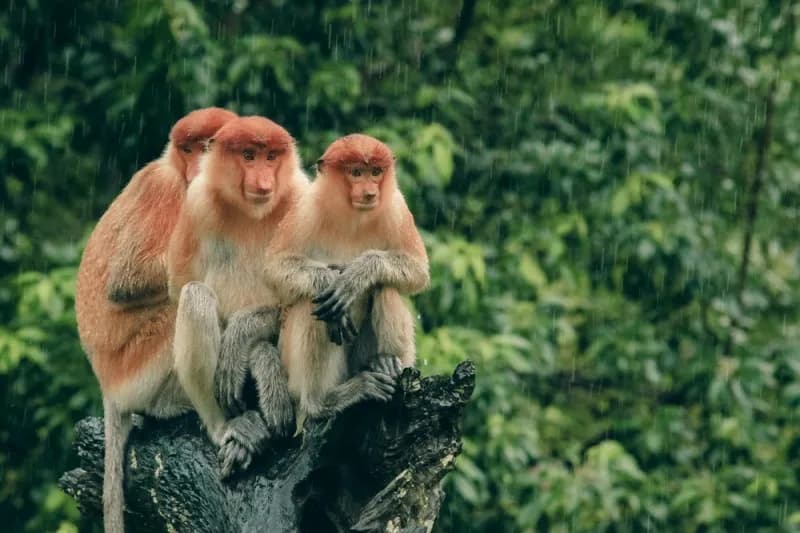
Borneo is a nature lovers paradise, with several protected National Parks and Conservation Areas boasting the worlds oldest rainforest and some rare endemic species. Animals such as the Borneo elephant, Bornean clouded leopard, and of course, the Bornean orangutan attract scientists and wildlife enthusiasts from across the globe to observe these endangered species in their natural habitat. Sadly, deforestation and forest fires have destroyed as much as fifty percent of the lowland rainforest, so visiting a reserve is the best way to explore Borneos wildlife.
For another great wildlife destination, check out our guide to diving Costa Rica, Komodo, or Zanzibar, Tanzania & Kenya.
More adventurous visitors can trek to the summit of Malaysias highest mountain, Mount Kinabalu, and to experience the best of indigenous Bornean culture, a visit to the longhouses of Sarawak is a must.
Mark Hatter is an international award-winning photojournalist who has had over one hundred feature articles with many hundreds of images published in more than three dozen diving publications and fly fishing publications over the last three decades. His most recent destination features have appeared in Ocean Geographic and Asian Diver (UK) magazines.
Mark has traveled the world in pursuit of new underwater photography challenges, including cold-water destinations such as British Columbia and even Antarctica.
“Of course, I love shooting in tropical locations but I think cold water diving is a great forcing function to hone one’s photography skills as the environment and equipment are much more demanding of a diver. Good image capture in cold water is particularly rewarding.” Mark tells us.
Mark has been shooting underwater since the early 1980s and has worked in both film and digital mediums in his photojournalism pursuits. In 35 years of diving, Mark has logged over 2,500 hours, much of it doing underwater photography. Currently, he teaches underwater photography classes locally at Seminole Scuba in Lake Mary, Florida and works for Aggressor Adventures as a commercial photographer and writer.
Learn more about Mark with this amazing video!