Group trip
Call or text us
+1 (310) 915 6677
WhatsApp message
+1 (555) 700 6638
Speak to an expert
Use our online inquiry form
Email Us
info@bluewaterdivetravel.com
Schedule a consultation
Book a time for us to connect
Our travel consultants are available around the clock to help you plan your next trip.
Contact a specific agentMalaysia is a land of contradictions, from soaring skyscrapers to lush jungle, vibrant markets, and pristine beaches. And the marine environment is no different. The east coast of Peninsular Malaysia offers tantalizingly relaxed tropical sites while Malaysian Borneo promises exciting and dramatic diving with some big ocean experiences to boot.
Expert advice on diving,
seasons, and logistics
Free planning help
when you’re ready to book
Exclusive dive packages
tailored for you
Expert advice on diving,
seasons, and logistics
Free planning help
when you’re ready to book
Exclusive dive packages
tailored for you
Group trip
Group trip
From beginner dive sites, to the world-class destination of Sipadan, Malaysia offers a vast array of indo-pacific dive sites and resort to meet all budgets.
Malaysia is a land of contradictions, from soaring skyscrapers to lush jungle, vibrant markets, and pristine beaches. And the marine environment is no different. The east coast of Peninsular Malaysia offers tantalizingly relaxed tropical sites while Malaysian Borneo, aka Sipadan, promises exciting and dramatic diving with some big ocean experiences to boot.
For more specific information on Borneo or Sipadan, or to book a dive resort, visit our guides to diving Borneo and diving Sipadan.
Peninsular Malaysia has a good number of dive operators spread along its east coast, and many offer day trips to the local dive sites. Accommodation varies from high-end luxury resorts through to budget and backpacker style lodges and huts.
Liveaboard operators tend to service the Derawan Islands and Sipadan off the east coast of Borneo.
Diving in Malaysia can be split into two main regions, Peninsular Malaysia and Malaysian Borneo. Our Borneo and Sipadan destination guides provide a comprehensive overview of diving in these areas, so this page will concentrate on diving in Peninsular Malaysia.
With calm, clear waters and protected reefs, diving Malaysias east coast is a pleasure. Many sites are ideal for novices or less confident divers, and healthy reefs, pinnacles, and shipwrecks will keep more advanced divers interested. Reefs boast a wide range of tropical species including reef and whale sharks, several species of turtle, and some notable macro.
These are the main dive areas in Malaysia:
Booking with us is free
Trusted by 10,000+ Divers worldwide
Malaysia is best dived from March through to September.
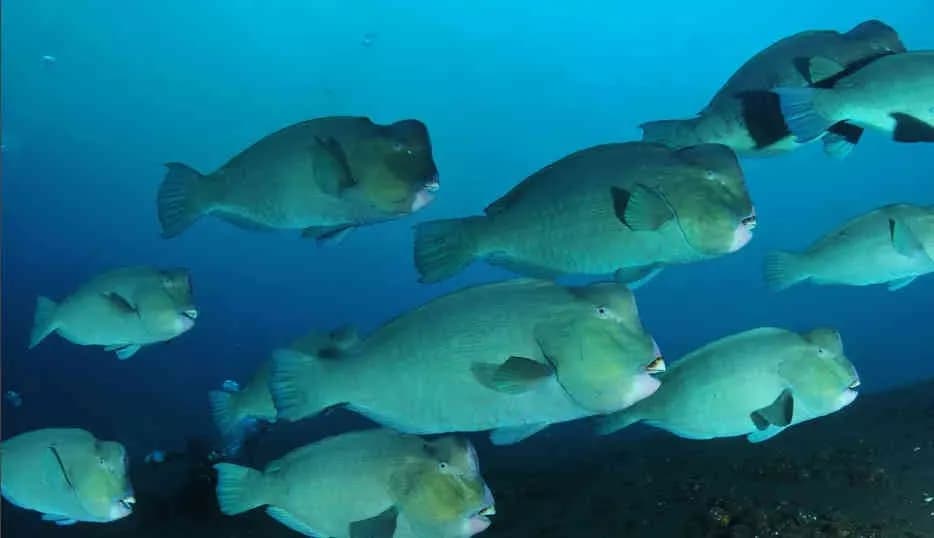
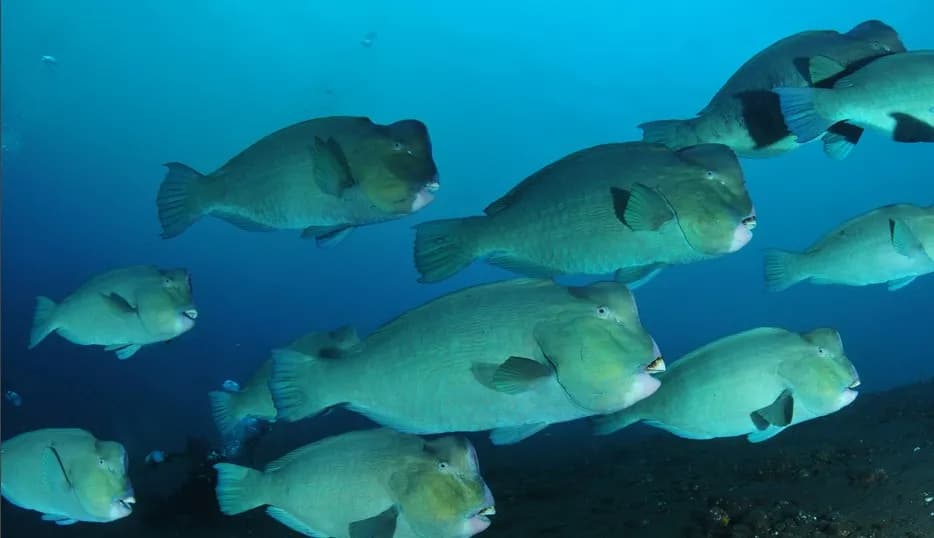
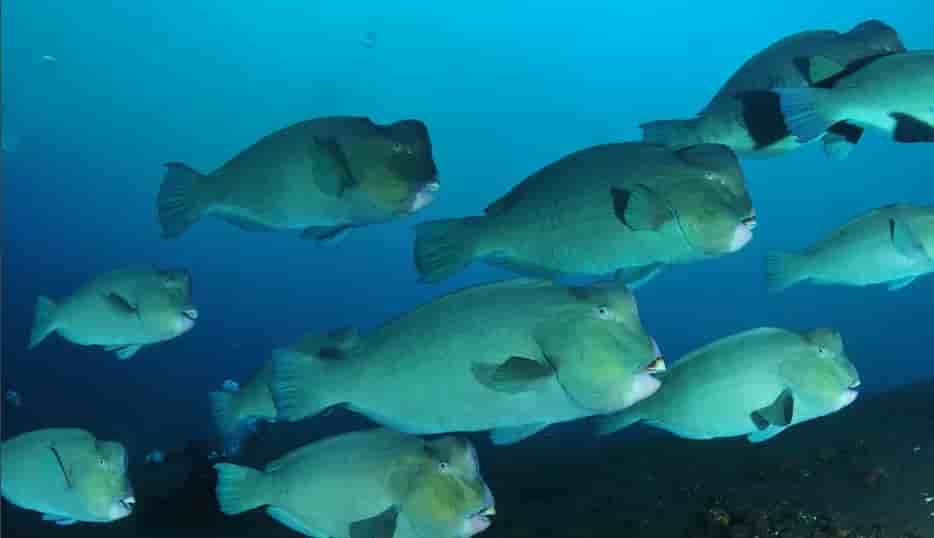
There is a rewarding list of marine species to be found when scuba diving Malaysias healthy reefs. Green, hawksbill, and leatherback turtles all frequent the inshore islands, while blacktip and leopard sharks can be spotted patrolling just above the coral heads. Whale sharks also make an appearance between July and September around Tenggol Island.
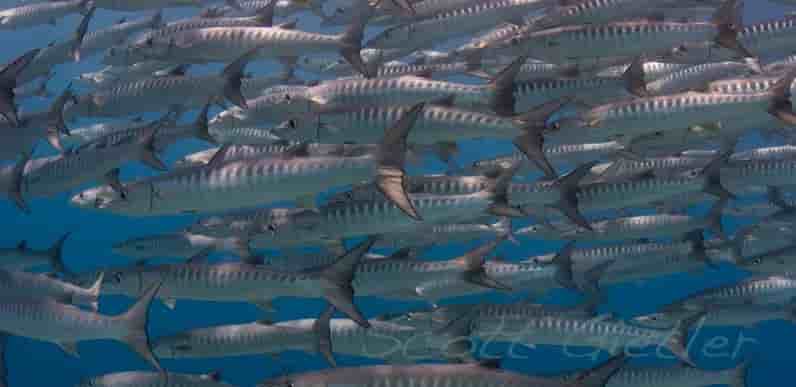
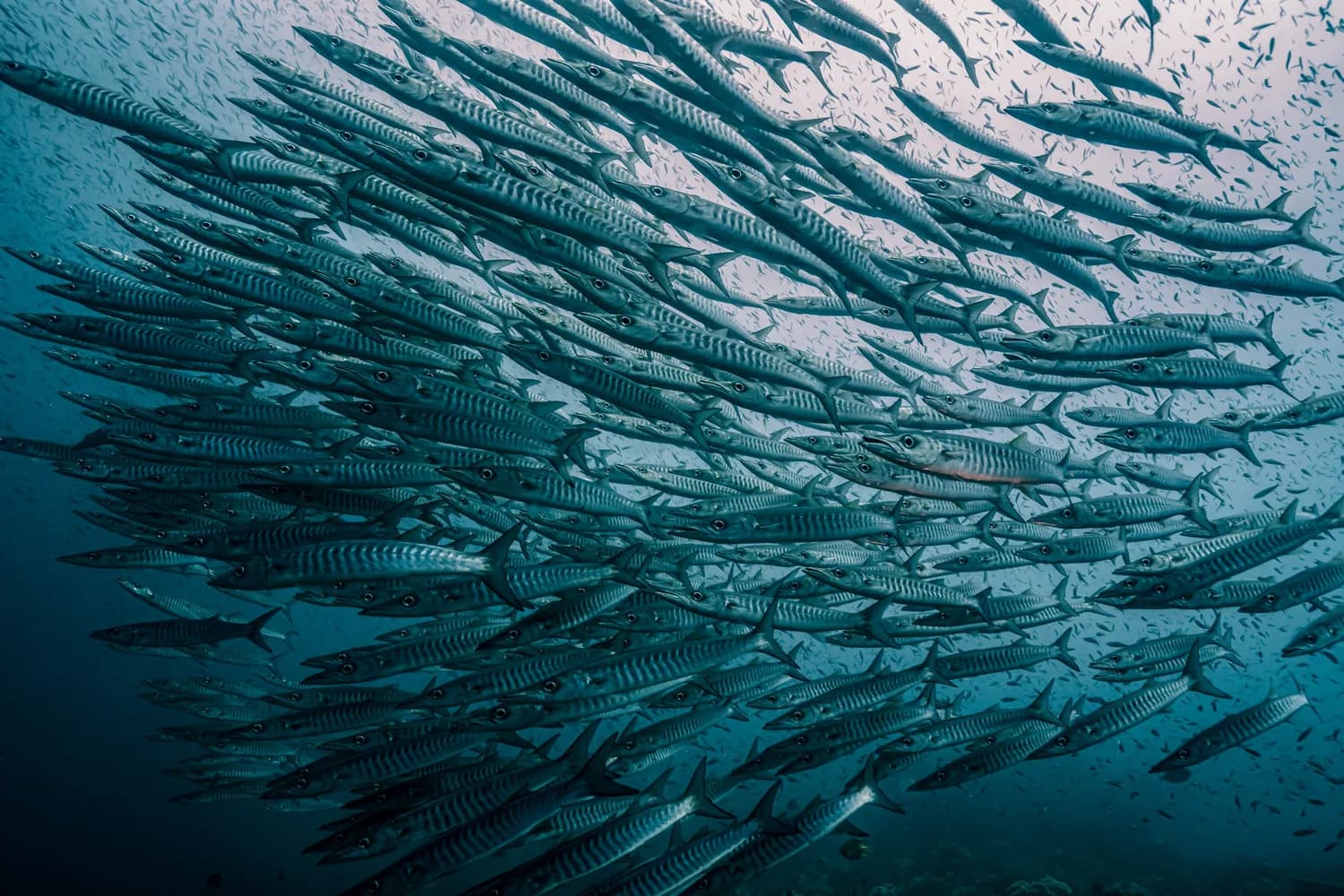
Aside from this, a wide assortment of colorful reef fish adorn every site and large schools of snapper and barracuda add excitement and drama out in the blue. Malaysia also has a healthy macro scene, with pipefish, nudibranchs, octopus, and scorpionfish frequently spotted by those who know where to look.
For another great macro, check out Macro Heaven, Anilao.
Stunning hard coral formations, colorful soft corals, and sponges hide a plethora of small creatures such as Christmas tree worms, minute decorator crabs, and a collection of nudibranch species. As the name suggests, hundreds of gobies hide in and amongst the rocks and coral heads.
An adrenaline-filled drift dive along deep walls and drop-offs, best suited to experienced divers. The brisk current sweeps divers along above a beautiful scenery of large staghorn and table corals, while pelagic fish dart in to hunt the plentiful reef fish below.
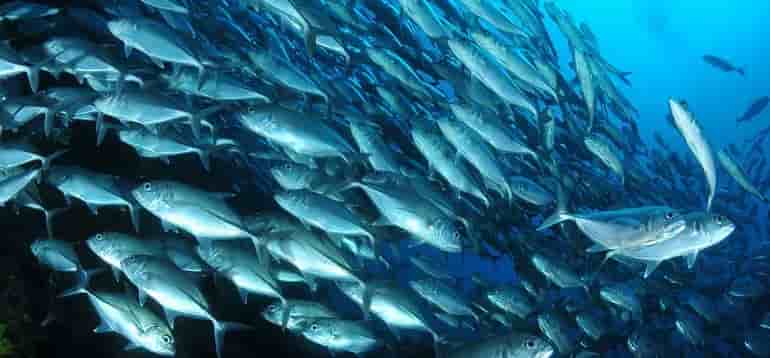
Located in the channel between two small islands, this submerged pinnacle takes the form of a crouching tiger. Brisk currents sweep nutrient-rich water through the channel encouraging prolific coral and tube sponge growth, as well as a plethora of other sessile filter feeders. Abundant pelagics such as jacks, mackerel, and barracuda keep pace in the channel while millions of juvenile reef fish decorate the coral heads.
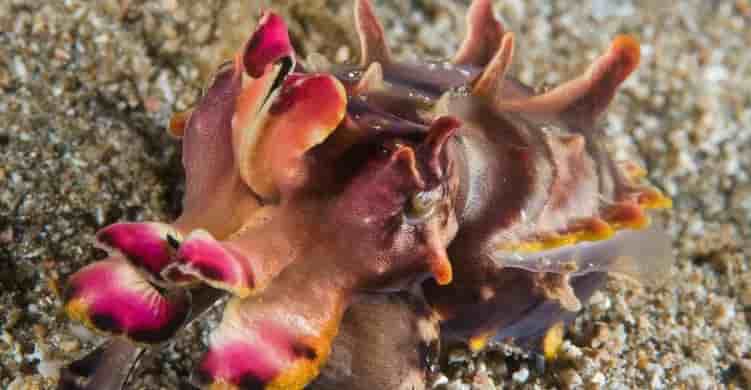
This is a fantastic muck diving site with countless critters to discover around the jettys broken pillars. Night dives are particularly rewarding when the site comes alive with thousands of shrimps, cuttlefish, crabs, pipe worms, and nudibranchs to name but a few. A huge school of anchovies seeks shelter around the columns, as well as shoaling oxeye scad.
For another great muck diving destination, check out diving in Ambon.
Lying in only 60ft (18m) of water, this 295ft (90m) cargo ship offers some interesting penetration into the engine room, cabins, and wheelhouse for experienced divers. Since sinking 20 years ago, the outside of the wreck is starting to show signs of coral and sponge growth, while many small fish have made their home in and around the superstructure. It's a great place for fish photography.
Arguably the best site in the archipelago, and certainly the most popular, this collection of pinnacles and large boulders hides all manner of marine life. The healthy corals are home to several species of anemonefish, and boxfish and pufferfish provide constant entertainment. There is also some great pelagic life here including large schools of fusiliers and snapper swirling to avoid hunting tuna and barracuda.
Located within Redang marine park, the two sites that make up Palau Lima North and South encompass every marine environment found throughout the rest of the park. Big Mount is one of the best sites, and at a maximum depth of 115ft (35m) provides encounters with a variety of pelagic species such as tuna, barracuda, grouper, and blacktip reef sharks.
A unique site consisting of several small wrecks intentionally scuttled between 33 and 82ft (10 and 25m) to create an artificial reef. The boats are covered in corals and attract a wide variety of fish life and critters such as octopus, crabs, lobsters, shrimp, and several decorative varieties of nudibranch.
On Palau Payars southwestern tip this popular site showcases the best of the Andaman Seas flourishing corals, with over 50 varieties of hard and soft coral carpeting large boulders. The site ranges in depth from 16 to 50ft (5 to 15m) so is a perfect beginner and snorkeler site. Countless small fish school around the coral heads while trevally prowl above.
Malaysia enjoys a tropical climate with air temperatures ranging from 70 to 90oF (21 to 31oC). From November through to March, the monsoon closes sites on the east coast, however, the west coast is less affected by rains and is open year-round.
April to October is the peak tourist season on the east while November to mid-April sees the most tourists on the west
Malaysia is on our list of the Best Diving in Asia. Check out the full list here.
Almost all diving is resort-based, with a good number of operators based along the mainland coast or on the larger islands. Small speed boats transport divers to the nearest reefs within 30 to 40 minutes, and many resorts and operators will offer diving in several areas.
Peninsular Malaysia is all about the tropical beaches, paradisiacal islands, and warm, clear waters. But if diving, snorkeling, and relaxing arent quite enough there are a good number of museums and cultural centers detailing the Malaysian peoples history and heritage. It is also worth visiting a kampung village, or a local temple or mosque.
Booking with us is free
Trusted by 10,000+ Divers worldwide
Tim grew up in tiny Singapore, where driving for more than an hour meant you would need a passport. Traveling was always his passion, but Tim became addicted to dive travel soon after he got scuba certified in Malaysia. As his diving addiction grew, Tim eventually became a Staff Instructor with PADI and an Instructor Trainer with SDI. After getting his instructor certification, Tim spent time teaching scuba in Malaysia and Vietnam.
Tim serves as General Manager and COO at Bluewater Travel and is the company's most seasoned trip leader. With a portfolio of leading over 30 group trips, his extensive expertise encompasses a variety of popular dive destinations such as the Galapagos, Raja Ampat, French Polynesia, Fiji, the Red Sea, Palau, Maldives, among others. His travels have taken him across all seven continents and allowed him to dive in all five oceans—the Atlantic, Pacific, Indian, Arctic, and Antarctic.