April 29, 2026|Author: Dan Bishop|Reading time: 5 mins
Boasting strong diving infrastructure, diverse types of diving, incredible walls and wrecks, and great visibility, the Cayman Islands--Grand Cayman, Little Cayman, and Cayman Brac--have been attracting scuba divers for decades, including beginners!
Though scuba diving in the Cayman Islands is mostly known for close encounters with stingrays, it has much more to offer. Boasting strong diving infrastructure, diverse types of diving, incredible walls and wrecks, and great visibility. The Cayman Islands-- Grand Cayman, Little Cayman, and Cayman Brac--have been attracting scuba divers for decades, including beginners! The amazing diversity and dive sites for all levels are just one of the reasons why the Cayman Islands is also one of the top dive destinations in the Carribean.
Intro To The Caymans And Overview Of Areas
GRAND CAYMAN - Grand Cayman is a sophisticated Caribbean island with great nightlife, great resort options, and the wonderful attraction of stingray city, and very good wall diving. Grand Cayman is the most commercial island, with cruise ships visiting, but it has some wrecks and the wall dives are close boat rides. One of the best wrecks in the Caribbean can be found on Grand Cayman's shores, the USS Kittiwake.Grand Cayman scuba diving is also more popular than on the other islands due to the stingray population there. Stingray City is in only 12ft (4m) of water and is a huge draw for divers and underwater photographers.
CAYMAN BRAC - Great shore and boat diving at a tiny, secluded island. It is less traveled with marvelous wall diving. It also has a famous must-dive Russian destroyer wreck. The wreck was formerly called the Destroyer 356, but has been renamed the MV Capt. Keith Tibbetts. There are some very friendly groupers in Cayman Brac. Cayman Brac is just 5 miles from Little Cayman.
LITTLE CAYMAN - The least developed of the 3 islands, Little Cayman is 80 miles east of Grand Cayman, and boasts over 50 dives sites. Dive sites can plunge down to over 6,000ft (1800m) deep, with Bloody Bay being the most famous wall dive on the island. Its lack of topside development attracts people looking to get away. Little Cayman also has some friendly groupers, and Cayman Brac is about a 40-minute boat ride away. Eating out here can get expensive, so try to get a meal package if possible. Diving Little Cayman is definitely one of the highlights of the Caribbean!
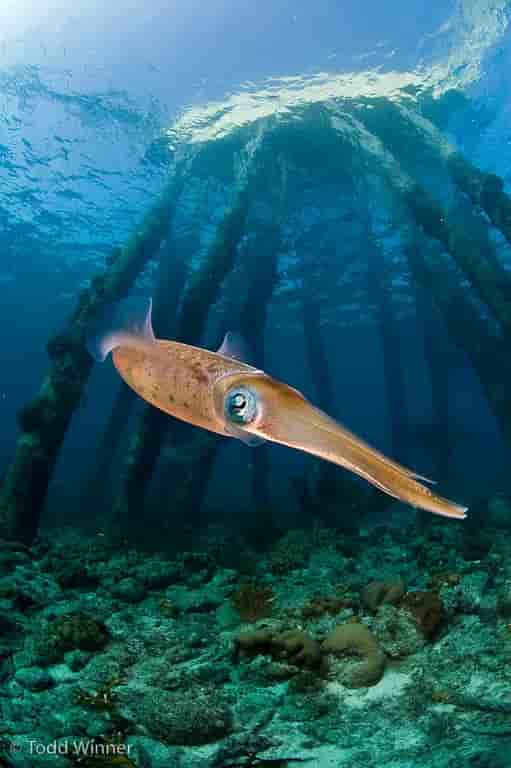
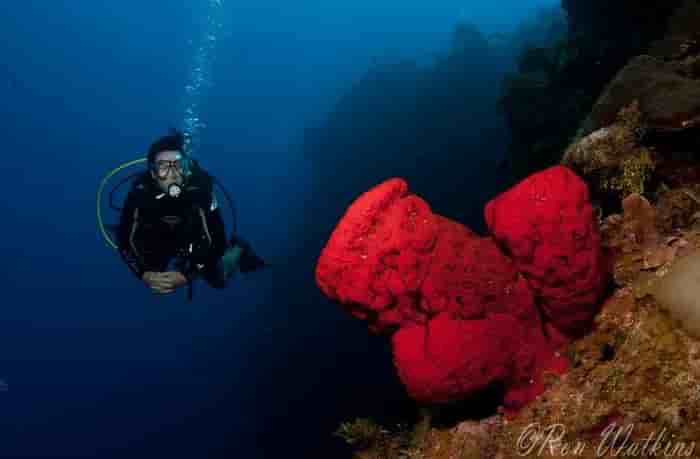
When diving the Cayman Islands you can see a lot of large sponges, some good macro, and some tiny fish. For big animals - you can find a good number of turtles and groupers, tarpon, nurse sharks, great barracuda, and stingrays. Stingray City has very large, friendly stingrays. For macro subjects, you can see angelfish, morays, lettuce slug nudibranchs and many more.
Here is a list of some of the marine animals you can likely spot when diving the Cayman Islands:
Nurse Shark
Catshark
Jawfish
Angelfish
Morays
Gobies
Pufferfish
Lettuce Slug Nudibranchs
Lionfish
Spanish Hogfish
Squirrelfish
Coral Shrimps
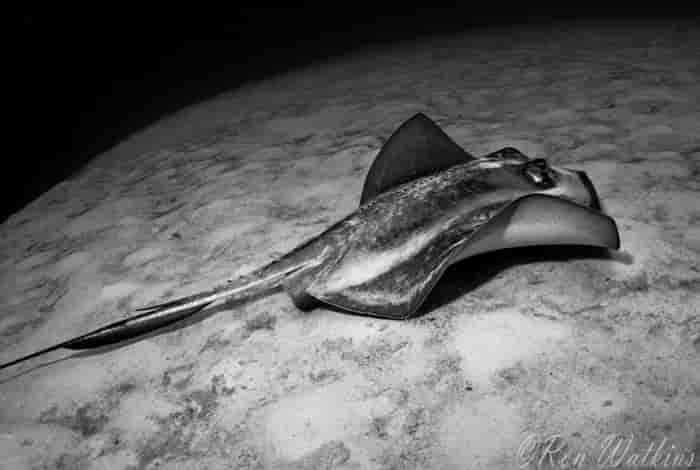
Southern Stingray
Yellow Stingray
Electric Ray
Diving Conditions
Water Temperatures: Between 78-82F (26-28C)
Visibility: Between 60 and 100 feet (18-30 meters)
Depth Range: 20 - 699 ft (6 - 213 m)
Dive Sites
There are over 300 dive sites in the Cayman Islands. Most of them are located around the Grand Cayman but a little over sixty sites stay around Cayman Brac and the Little Cayman. Thus, you can keep going back and still discover new sites. After exploring the area, here are some of the best dive sites in the Cayman Islands:
1. MV Capt. Keith Tibbets- This Soviet-built Frigate that was owned by the Cuban navy was given to the Cayman Islands to purposefully sink it. Now it has become a beautiful artificial reef and home for colorful sponges, groupers, barracudas and other marine life. Divers can observe the bow guns and go along the rails to make some great photos.
2. Bloody Bay Wall- Most scuba divers will say this is their favorite dive site in the Cayman Islands. The protected Bloody Bay Marine Park lies in Little Cayman and offers magnificent marine life, great visibility, and spectacular bioluminescent corals. The wall drop is not for the light-hearted as it can reach over 6500ft (2000 m), but along the drop, you can see yellow tube sponges, black and wire corals and waving sea fans. Plus, along the wall, you can meet triggerfish, eagle rays, turtles, lobsters and many more!
3. Stingray City- You can thank the local fishermen for this dive site as they used to clean their catch here that attracted the rays to the site. Now large groups of southern stingrays are lurking around daily. The dives are shallow and you can closely observe them swimming around or above you.
4. Babylon- Grand Cayman Island is surrounded by a wall, but what makes the Babylon site special is the pinnacle with a canyon cutting the north wall. All levels of divers can enjoy the site as there is plenty to see at shallow depths or at deeper parts. Along the wall you'll spot black coral bushes, barrel sponges and sea fans where barracudas, turtles, eagle rays and parrotfish like to show up.
5. Devil's Grotto- Suitable for both beginners and advanced, it's a great shallow shore dive that features massive swim-throughs, chimneys and coral formations. Often you can see massive tarpons, barracudas, and schools of silversides.
6. Kittiwake- Though this wreck has been sunken rather recently and has not developed much coral yet, it is still a fantastic dive site for all levels. It lays at 60 ft (20 m) and scuba divers are able to explore all five levels of this 250 ft (75 m) vessel. In 2017, Tropical Storm Nate shifted the Kittiwake from her original position.
7. Jackson's Bight- Located also in the Bloody Bay Marine Park, it does not fail to provide scuba divers with an amazing dive. It is rich with tunnels, chutes, cervices, and beautiful reefs. And when it comes to marine life, there is lots to see! You can spot eagle rays, reef sharks, sailfin blennies, tilefish, peacock flounders, garden eels, or yellow-headed jawfish.
A direct flight from Miami (MIA) to Grand Cayman – Owen Roberts International Airport (GCM) takes only 70 minutes. From Grand Cayman, you can transfer to Little Cayman – Edward Bodden Airfield (LYB) or Cayman Brac – Charles Kirkconnell International Airport (CYB). There are also usually direct flights from Boston (BOS), Chicago (ORD), and New York (JFK).
How To Dive Cayman Islands
There are plenty of great dive resorts available, but liveaboard is the best option if you want to dive around all three islands.
The Cayman Islands are one of the Best Liveaboard Destinations in the World. Click here to learn more.
Cayman Island Dive Resorts
Some of the nicest dive resorts in the Caribbean are in the Cayman Islands, and many of them have great shore diving and boat diving. The dive resorts are more expensive than places like Roatan or Belize, but given the reputation of the islands and the quality and ease of the diving, we find the prices reasonable. A few great choices are the Sunset House Hotel in Grand Cayman, Cayman Brac Beach Resort and the Little Cayman Beach Resort.
Best Time To Dive Cayman Islands
Diving is available year-round. "High Season" at the hotels is mid-December to mid-April, so rates will be higher then. September can bring rougher waters if there is a tropical storm, and that is also the month with a higher chance of a hurricane, although hurricanes are not common. June to October brings higher topside temperatures (up to 33C, 91F). There is slightly more rain during the summer months.
Topside & Non-Diving Activities
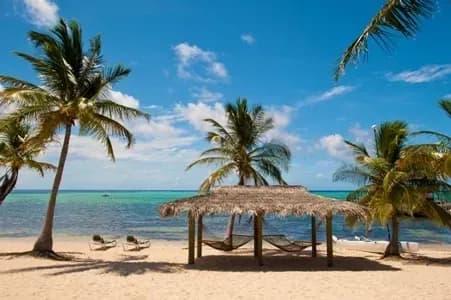
Besides scuba diving, there are plenty of other things to do on the Cayman Islands. For water sports lovers, there are great spots for snorkeling including night snorkeling with bioluminescence, options to go sailing or on a catamaran cruise. There are lots of beautiful beaches to visit and to relax. If you love nature, you can go hiking or explore some caverns and caves. It also does not lack of options to go visit some museums, art galleries, go on walking eco-tours or historical tours, do some shopping and even have a blast at some amazing festivals.
Dan is an accomplished underwater photographer based in northern Virginia. He did his first dive at age 14 and has been an avid photographer for more than 30 years. Initially a skydiving photographer and videographer, Dan transitioned his focus to the underwater world, driven by a desire to capture the ocean's stunning beauty. Dan is skilled in both wide-angle and macro photography and has a passion for sharing his knowledge with others, particularly in a structured workshop environment.