April 13, 2026|Author: Scott Gietler|Reading time: 8 mins
Malapascua Island is a beautiful Philippine Island, where thresher sharks can be seen consistently throughout the year at Kimud Shoal. The critter diving is no less great with incredible macro biodiversity at Gato Island and various other sites.
Malapascua Island is diveable both from shore-based resorts and by liveaboard. The islands white sandy beaches are home to some high-end luxury resorts for divers looking to relax and unwind in between dives.
The island is a regular highlight on liveaboard itineraries touring the Visayas, in combination with Dauin, Moalboal, and Apo Island. Alternatively, Malapascua appears on the routes of several Tubbataha liveaboard "transition" trips, scheduled at either end of the Tubbataha season between March and June.
Malapascua Island is located on the northernmost tip of Cebu Island in the Philippines Visayan Sea. At only one-and-a-half miles long by just over half-a-mile wide, the island is a tiny tropical oasis with some big diving on offer. Discovered as a dive destination in the early 1990s, the island is well known for its long white sand beaches ringing a tropical interior of lush palms and a small number of hamlets.
Divers visiting Malapascua will be impressed by lush coral gardens, vibrant walls, some fascinating macro, and impressive encounters with bigger species such as sharks and manta rays. There is some reasonable wreck diving to be had here too, all within easy reach of the islands coastline.
When To Go
The diving season in Malapascua is year-round. However, during the typhoon season from July to October inclement weather can cause rough surface conditions and reduced visibility.
Malapascua Diving Information
Marine Life & Photography Subjects
The world-famous thresher sharks of Malapascua are typically seen at sunrise, enjoying their morning clean at stations along Kimud Shoal. Their daily routine is so predictable that divers descend to the 80ft (25m) sandy bottom and simply wait for the sharks to turn up.
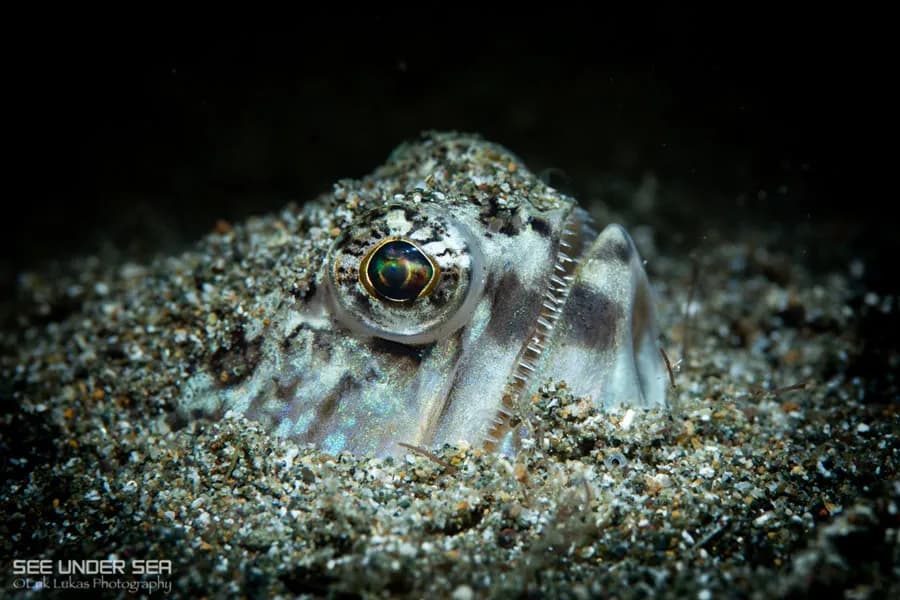
However, there is far more to this tiny island than the threshers. The Malapascua dive scene is well known for its amazing macro life, with critters such as pygmy seahorses, ghost pipefish, blue-ringed octopus, seamoths, and frogfish amongst the tiny species that can be spotted on a dive here. Dusk dives will also turn up the beautiful mandarin fish, and other highlights include reef sharks, mantas, and devil rays.
Practice your ambient low light photography, as none of the dive operators allow the use of strobes while shooting thresher sharks, manta rays and devil rays at Kimud Shoal.
Diving Conditions
Water Temperatures: 78F (25C) in January, rising to 85F (29C) in May.
Visibility: 60-80ft (15-25m).
Depth Range: 16-131ft (5-40m).
Diving Difficulty: Suitable for all levels.
Best Dive Sites
KIMUD SHOAL -The most famous dive site at Malapascua Island, boats set-off just before the break of dawn for the plateau of Kimud Shoal. Thresher Sharks hunt deep in the ocean most of the day but come up to the shallow top of Kimud Shoal at 90 feet to have parasites removed by cleaning wrasse every morning. Manta rays and devil rays are also regularly spotted, and sometimes hammerheads can be seen between January to April.
LIGHTHOUSE -Aptly named as it is close to the lighthouse, this is a great site to visit at sunset in anticipation of the mandarin fish mating dance. Seahorses, squid, and pipefish are also often seen here.
GATO ISLAND -A little further offshore is Gato Island, where pristine reef within a protected marine reserve offers a good chance of spotting pygmy seahorses. Whitetip reef sharks and blue ring octopus are also often seen here, as well as sea snakes protected by the islands sea snake sanctuary.
CHOCOLATE ISLAND - This site is a must for critter hunters, with all manner of microscopic invertebrates and crustaceans waiting to be photographed. Regular sightings include flamboyant cuttlefish, pegasus seamoths, nudibranch, flatworms, cowries, octopus and a whole host of shrimp species.
Best Time to Dive Malapascua
Diving in Malapascua Island is good all year round. The rainy season is mild and runs from July to December.
How to Get to Malapascua
Fly internationally to Manila – Ninoy Aquino International Airport (MNL), with direct flights from U.S. cities such as New York, San Francisco, and Los Angeles. Other flights from the U.S. and mainland Europe typically layover at major Asian hubs. Once in Manila, a one-hour domestic flight gets you to Mactan-Cebu International Airport (CEB), followed by a road transfer of about two and a half hours north to Maya, and then a 30-minute boat transfer out to Malapascua Island.
Liveaboards that include Malapascua on their itineraries tend to depart from Cebu (CEB), Puerto Princesa (PPS), or Dumaguete (DGT), all approximately a one-hour flight from Manila.
How To Dive Malapascua Island
There are some great dive resorts available in Malapascua, and many of the dive sites are within 30 minutes of the coast allowing for relaxed and flexible dive schedules. Many of the best dive sites are also visited by liveaboards, with boats combining either Tubbataha Reef, or a Visayas tour, with a day or two at Malapascua. It is even possible to dive with thresher sharks and whale sharks on the same trip, when boats include Malapascua and Cebu Islands on their itinerary.
Read about our trip to Malapascua and the Visayas last Feb 2019 here...
Other Things to Do in Malapascua
Malapascua Island is relatively limited in terms of non-diving activities. There are restaurants and bars along the waterfront areas, and plenty of long sandy beaches. There are lots of great places to stay in Cebu, especially in and around Malapascua, with many of the resorts offering spa treatments and yoga classes, this is the ultimate place to relax and unwind.
Scott Gietler is the founder and CEO of Bluewater Travel and Bluewater Photo. He also founded the Underwater Photography Guide, Bluewater University, and the internationally recognized Ocean Art underwater photography competition. Since 2009, he has built a group of businesses dedicated to helping people explore the world's oceans, experience extraordinary destinations, and become better photographers and divers. Under his leadership, Bluewater has grown into one of the most recognized names worldwide in underwater photography, dive travel, and education.
An award-winning underwater and wildlife photographer, Scott was named the Los Angeles Underwater Photographic Society's Photographer of the Year. His photographs have appeared in leading dive magazines, books, museums, galleries, and aquariums. He is also the author of Field Guide to Southern California Marine Life and has taught underwater photography through workshops and dive trips around the world.
Scott has traveled to 41 countries, developing firsthand knowledge of some of the world's most remarkable diving and wildlife destinations, including Indonesia, the Philippines, Fiji, Mexico, the Galápagos Islands, and French Polynesia.
Before founding his Bluewater companies, Scott worked in quantitative trading and financial technology on Wall Street. He holds a master's degree in computer science from the University of Virginia and a bachelor's degree in computer engineering from Case Western Reserve University. His lifelong interest in science and education also led him to co-found ChemTalk, a STEM education non-profit.
Based in California, Scott continues to enjoy exploring new destinations, discovering marine life, and sharing his passion for photography, science, and the natural world with others. Outside of work, Scott enjoys hiking, staying active, and exploring new cities on foot, especially when there's great local food to discover.