
Special
El Galleon Dive Resort Specials & Packages
5|5
Expert advice on diving,
seasons, and logistics
Free planning help
when you’re ready to book
Exclusive dive packages
tailored for you

Special

Special

Special
Special

Special

Special
Group trip
Special
Special
Special
Special
Group trip
Scuba Dive Level
All Levels
Visibility
50 to 100 feet (15 to 30 meters)
Average Water Temperature
84
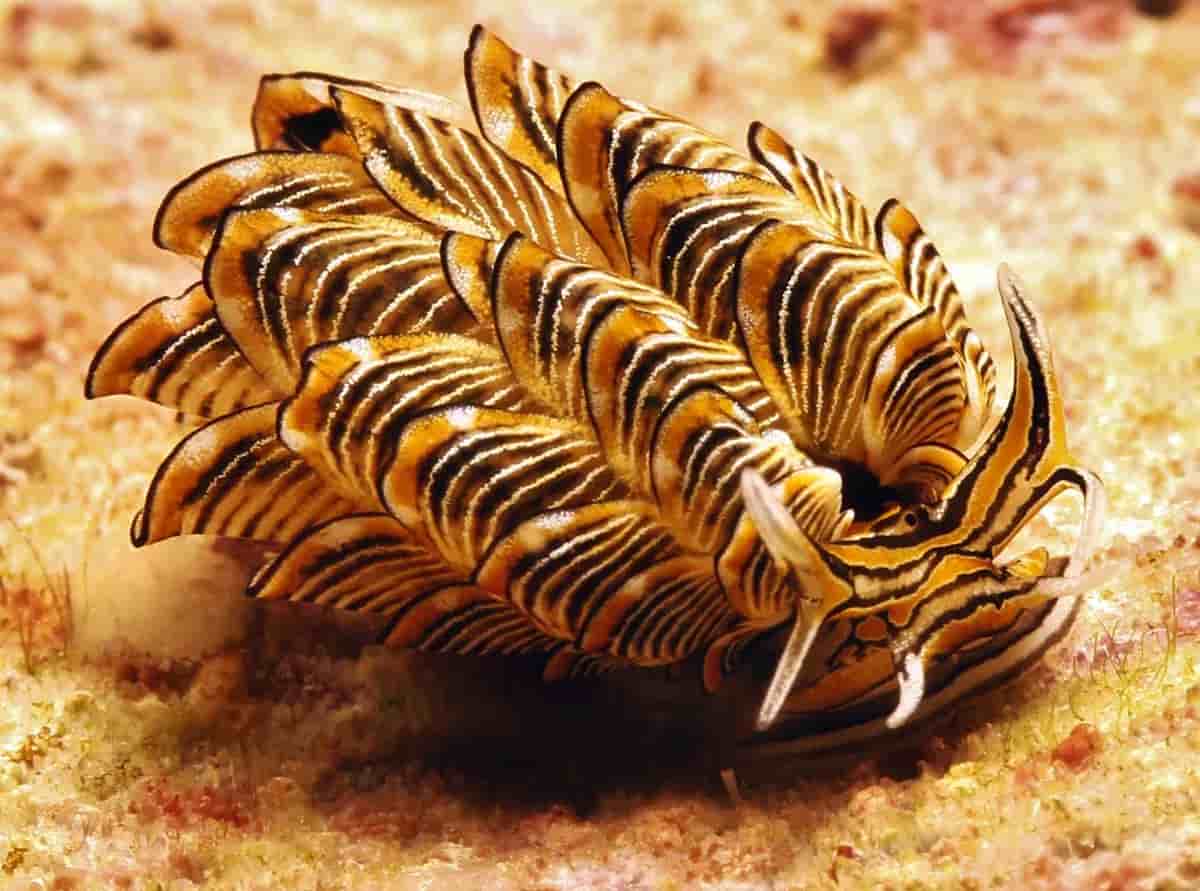
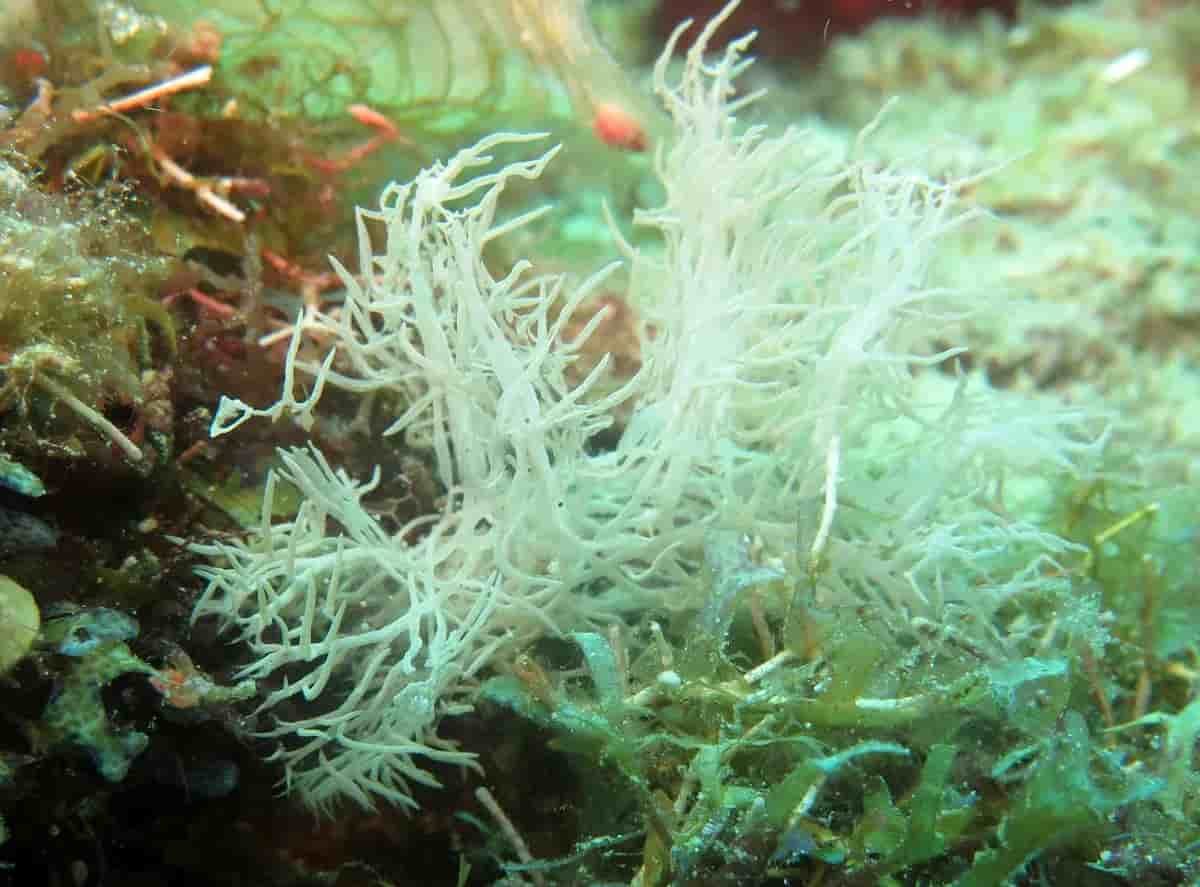
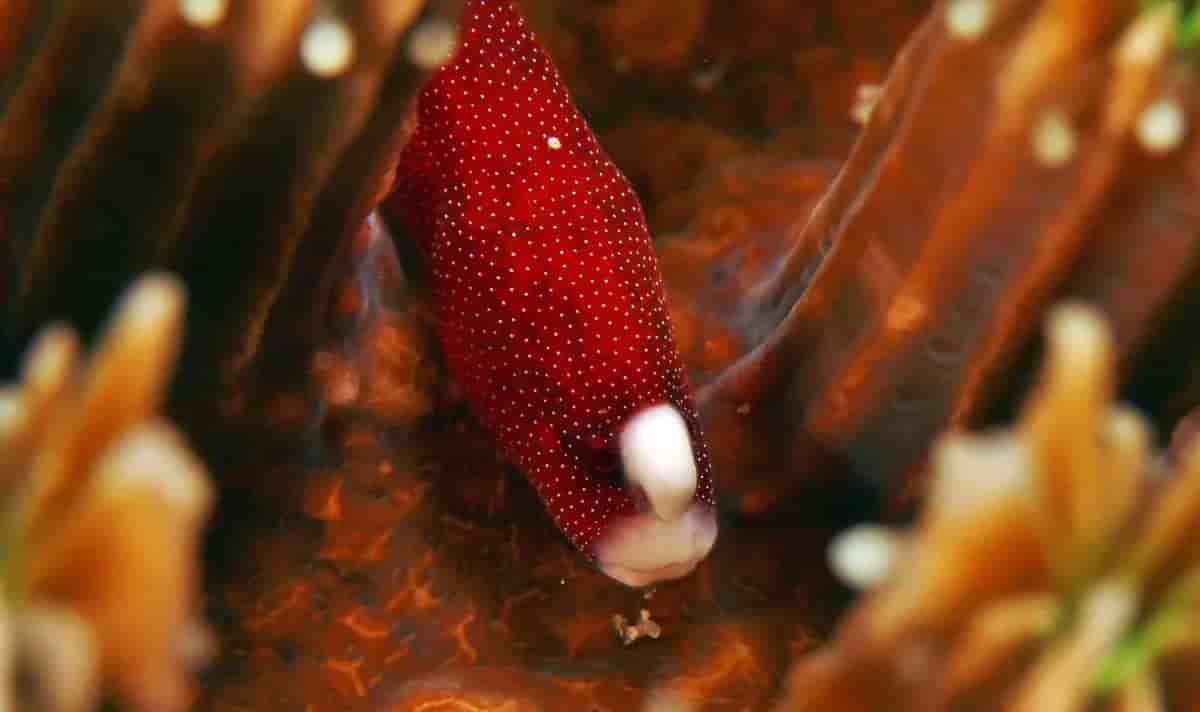
Macro Critters
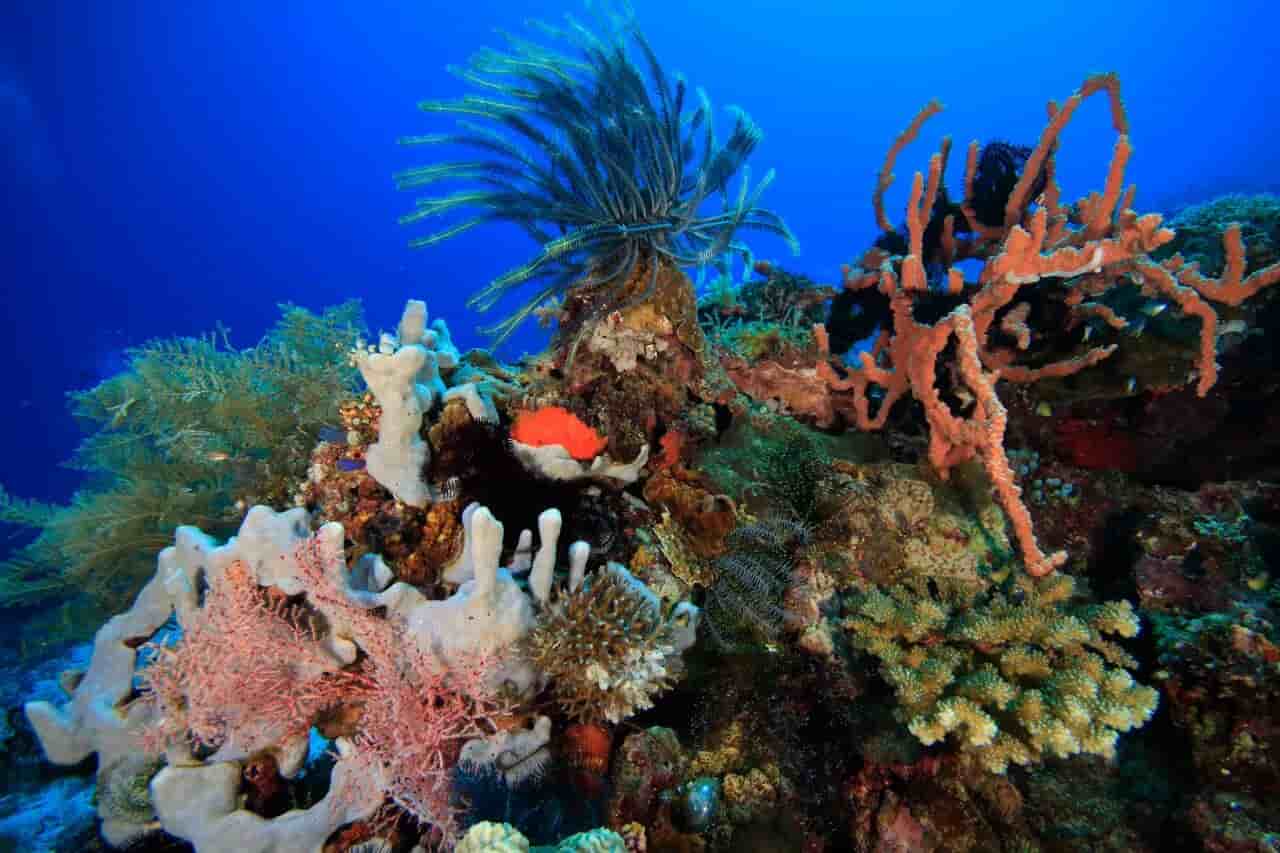
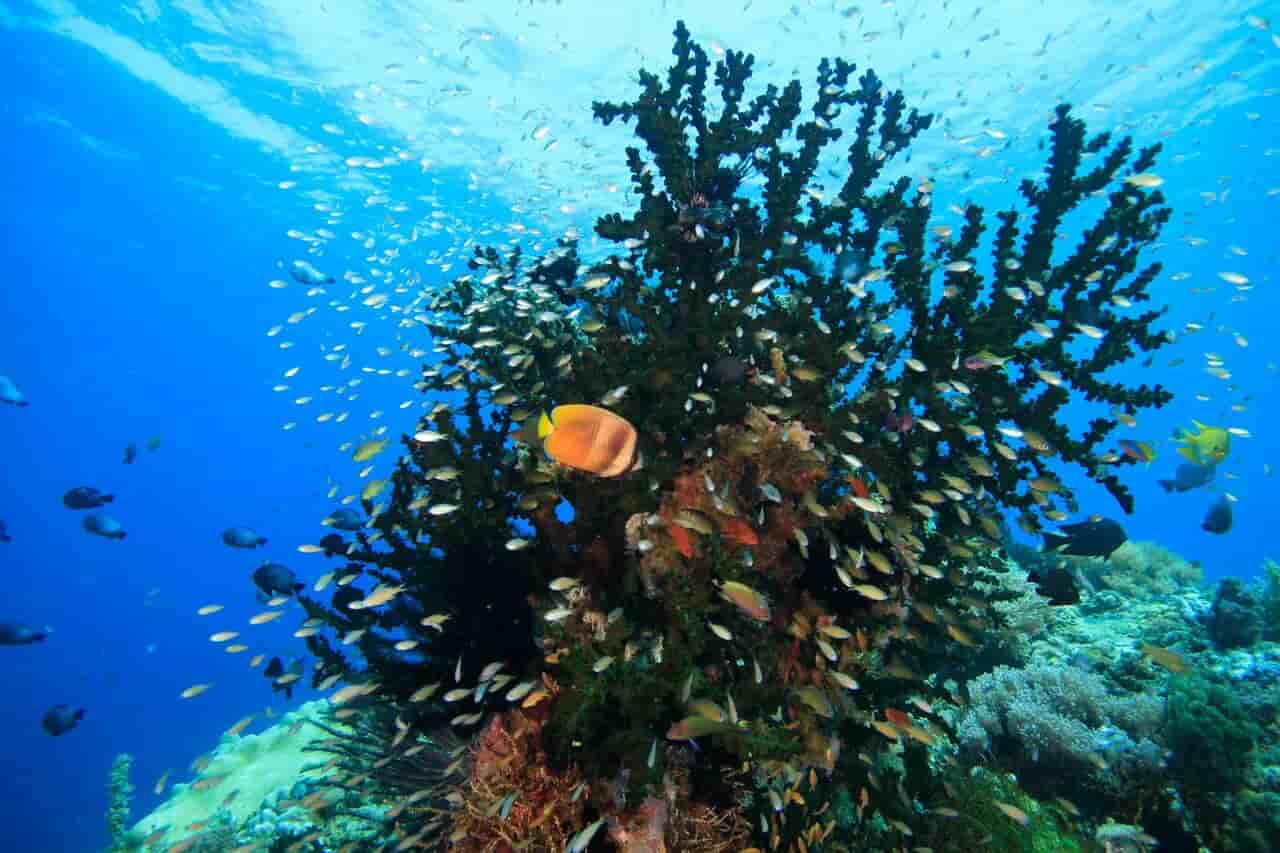
Stunning Reefs & Corals
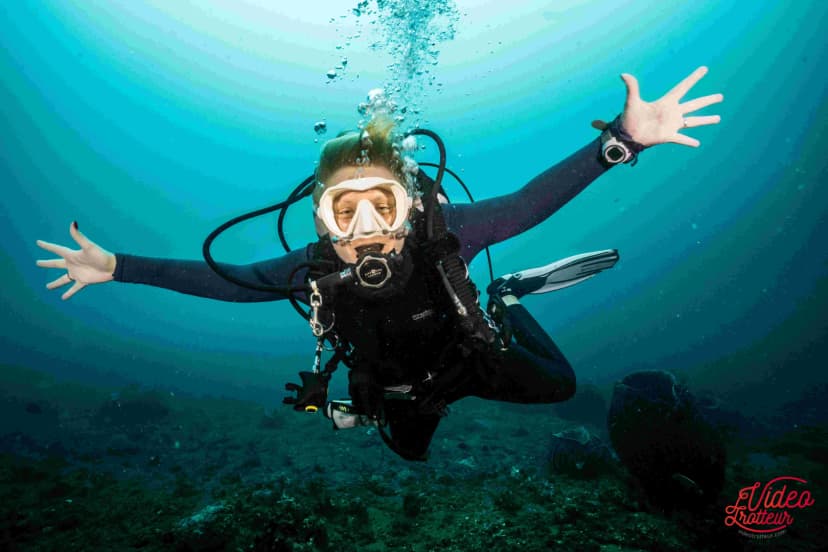
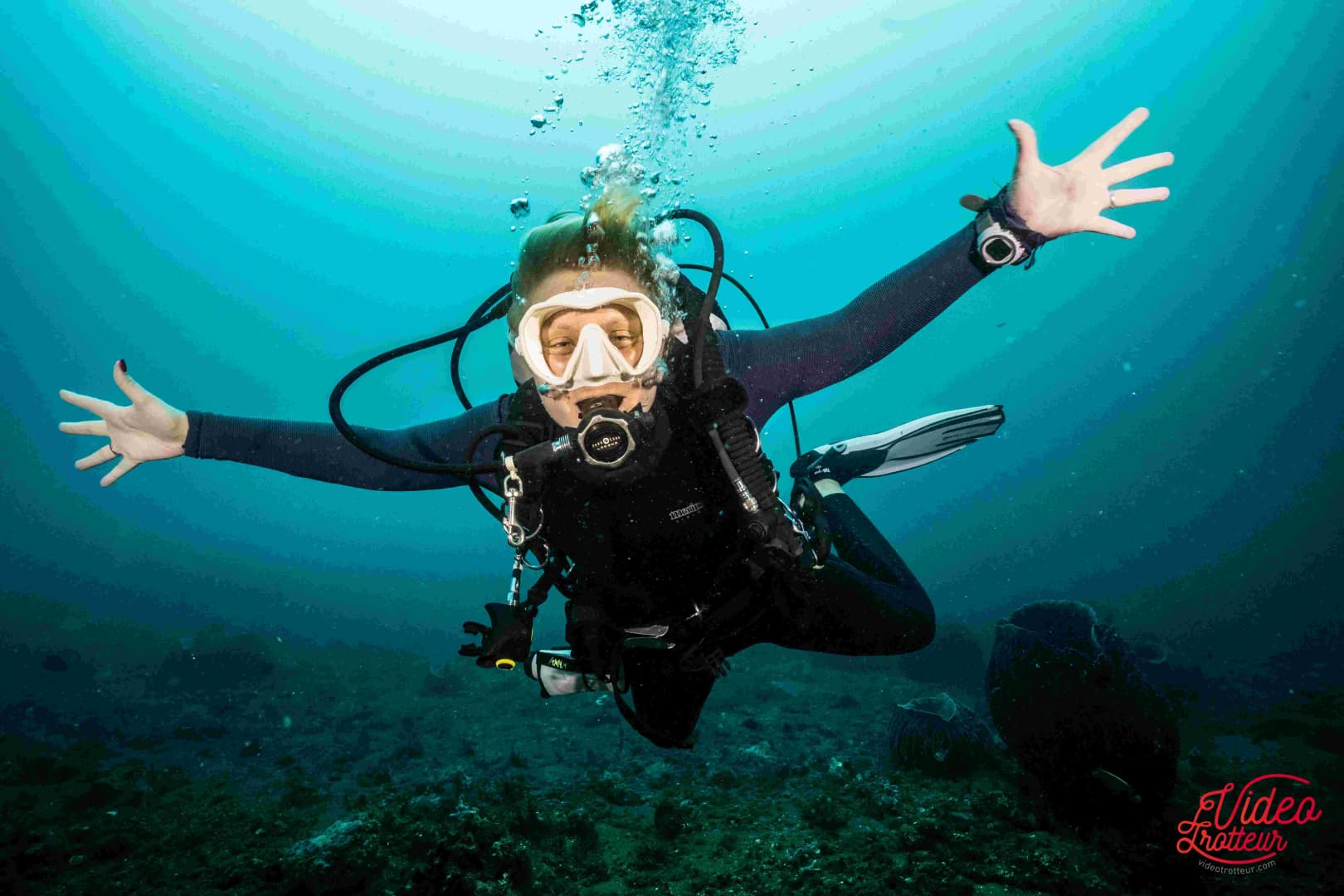
Originally from Belgium, Anne’s love affair with the ocean started early — she took her very first dives at just 12 years old in France. What began as curiosity quickly turned into a lifelong passion that would shape her career, her travels, and her way of life.
Anne became a PADI Instructor in 2015 and went on to work across Southeast Asia, including Koh Phi Phi, the Gili Islands, and Bali, where she also managed a dive resort in Amed. In 2021, she became a PADI Staff Instructor, regularly assisting on instructor-level courses and continuing to deepen her knowledge — because learning, for Anne, never really stops.
Since joining Bluewater Travel in 2022, Anne has combined her hands-on dive experience with her love for travel planning. She has personally explored and dived some of the world’s most iconic destinations, including Ambon, the Banda Sea, Komodo, Raja Ampat, Halmahera, Lembeh, the Maldives, Coron, El Nido, Malapascua, Moalboal, Anilao, Romblon, Tubbataha, and the Red Sea — and she’s far from done. Her goal? To visit every continent and help her clients find trips that truly match their diving style and dreams.
Anne is also a passionate underwater photographer, shooting with a Canon R7 and a carefully curated setup of macro, super-macro, and wide-angle lenses (all proudly sourced from Bluewater Photo). If there’s a tiny critter to be found — or a dramatic reef scene to capture — she’s in her element.
When she’s not underwater or planning dive adventures, Anne is happiest keeping plants alive (a real skill), walking her dogs, rescuing the occasional street animal, and — most of all — meeting her clients whenever possible. For her, travel isn’t just about destinations; it’s about people, connections, and shared stories.
Favorite dive experience? Raja Ampat — especially the biggest oceanic mantas she’s ever seen. Ultimate bucket-list destination? The Galápagos.
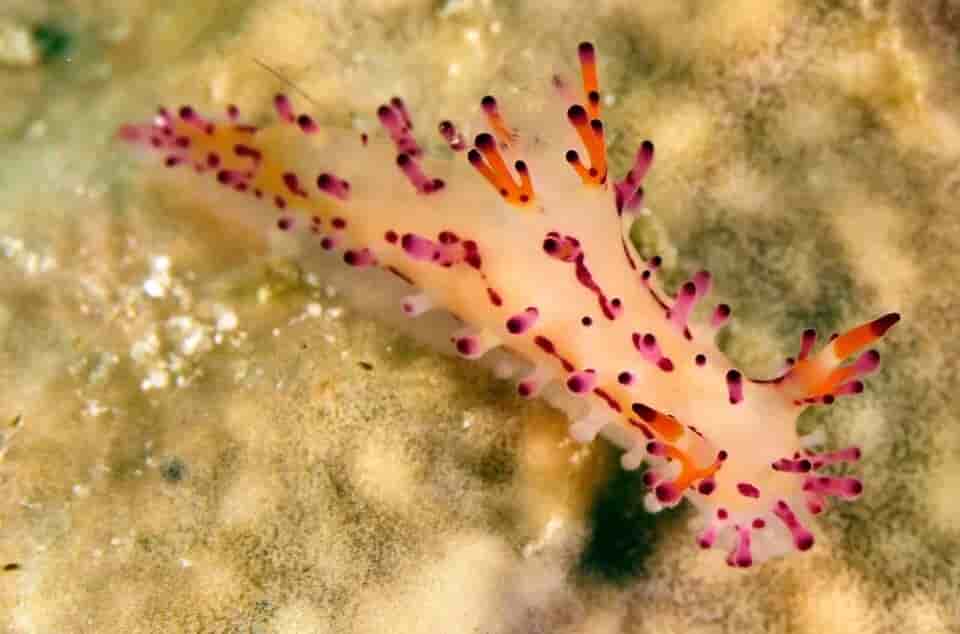
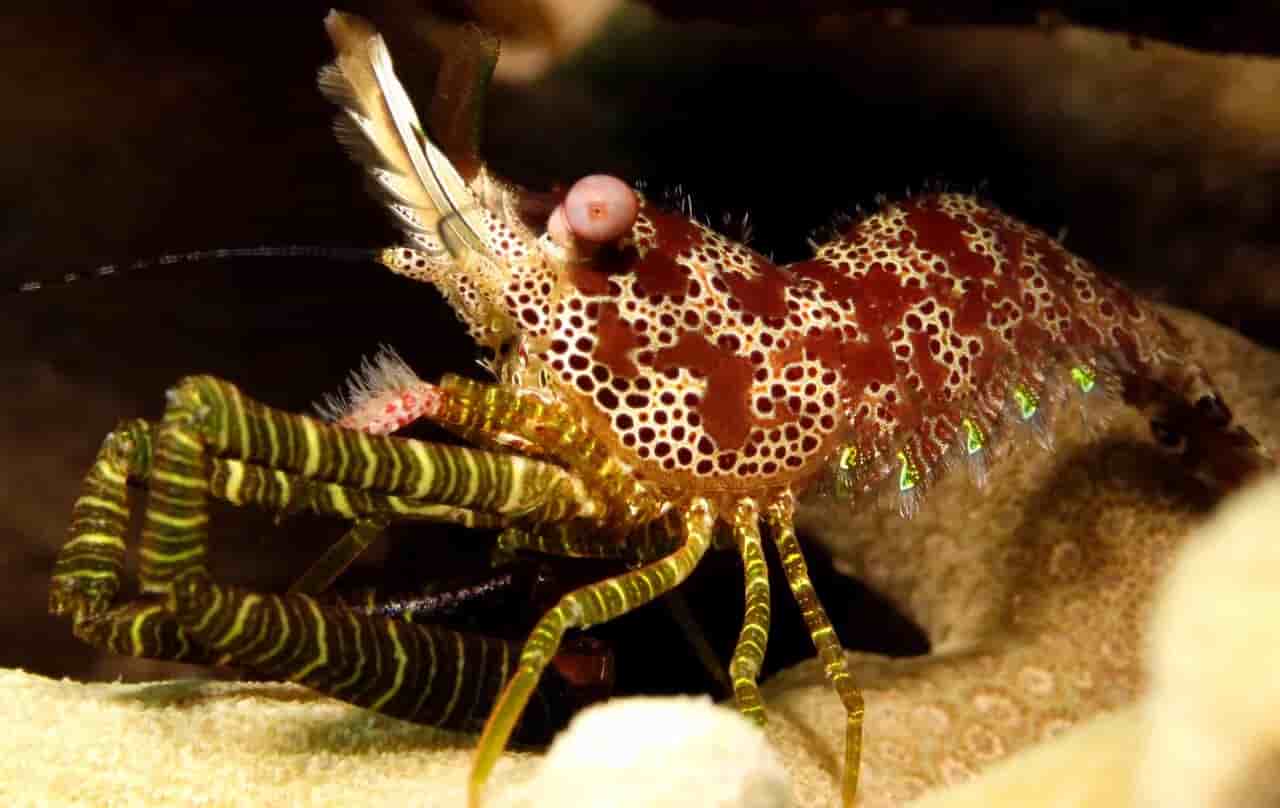
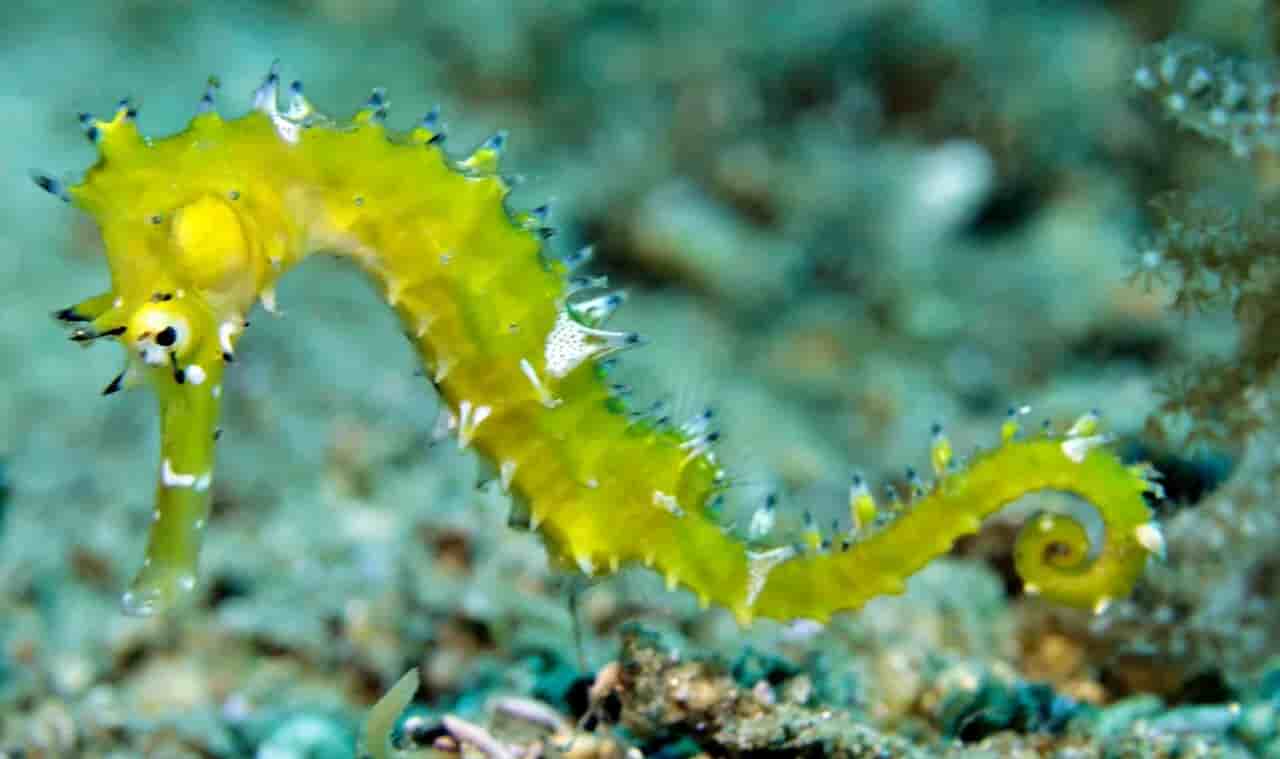
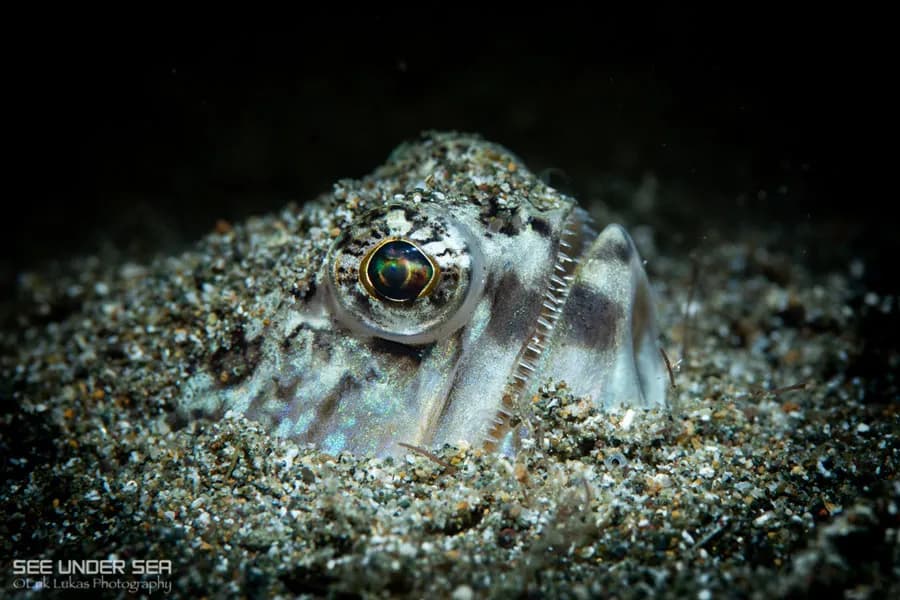
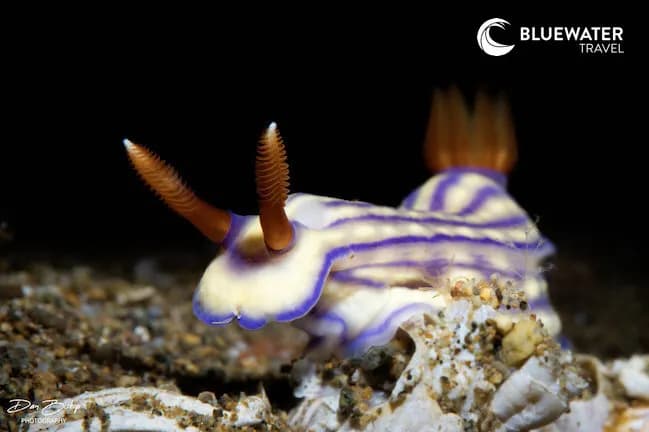
As an underwater photographer, I can confidently say that Romblon is a true paradise for macro photography in the Philippines. With only three dive resorts operating in the area, dive sites are rarely crowded, allowing for exclusive and unhurried dives. The dive guides are highly experienced with photographers, so most dives are private (1:1 or 2:1 ratio) and long, ensuring plenty of time to capture the perfect shot. Romblon boasts an incredible variety of macro critters, including the elusive Melibe colemani, which is rarely found elsewhere but appears in abundance here. Other rare species include the Sashimi shrimp, Circe negra, and many more, making every dive a thrilling hunt for unique subjects. However, if you're looking for coral dives, Romblon may not be the best choice. While a few sites feature corals, they don't compare to other Philippine dive destinations. Most divers who come here are on a dedicated photography mission, so coral-focused dives may not be part of the usual itinerary, especially if paired with other macro enthusiasts. Getting to Romblon can be challenging, which helps maintain its niche appeal among serious underwater photographers. There are two main options: Fly to Manila, then travel to Batangas for an overnight ferry to Romblon. If taking this route, booking the VIP cabin is highly recommended for added comfort, including a private shower. Fly into Manila and drive to Clark Airport, stay overnight, and then take a morning flight to Romblon. Beyond diving, Romblon is a quiet town with limited activities, but it does offer beautiful beaches, a few historical landmarks, and a unique café on a hill, where the owner feeds birds and provides a breathtaking sunset view over the island. For macro photography enthusiasts, Romblon is an exceptional destination, offering rare critters, private dive experiences, and a peaceful atmosphere, making the journey well worth it