April 20, 2026|Author: Anne Rucquoi|Reading time: 7 mins
Manado and Bunaken offer exceptional biodiversity, crystal-clear waters, and vibrant coral reefs. With diverse marine life, dramatic walls, and rich underwater ecosystems, they provide some of Southeast Asia’s best diving experiences.
The diving in Manado is spread between several dive regions, including mainland Manado, Bunaken National Park, and Bangka Island. Each has distinctly different diving, keeping divers dreaming of getting back in the water no matter how long their trip.
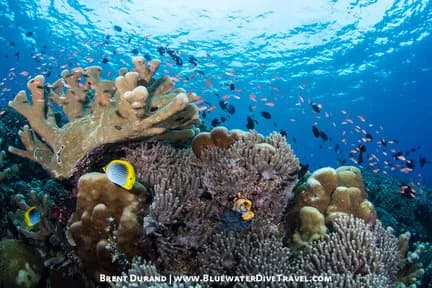
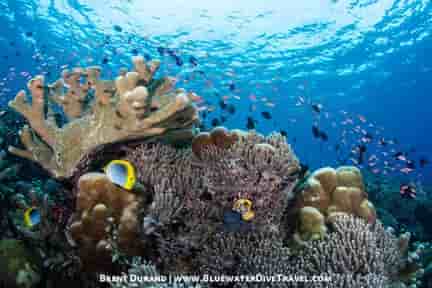
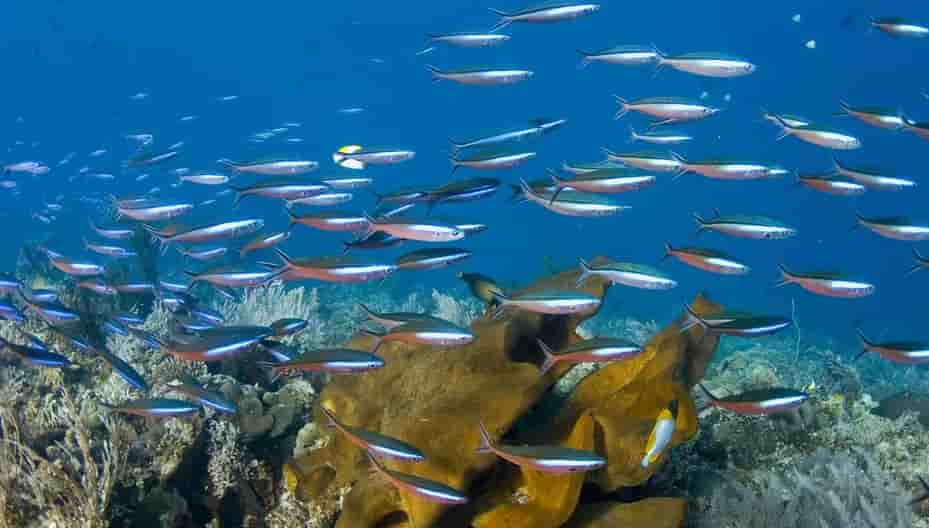
The islands around Bunaken offer some of the best coral reef diving in Southeast Asia, with large numbers of schooling fish racing by on most dives. Some of the best critter diving in the world is nearby in Lembeh Strait.
Where Is Manado?
Manado is the capital city in North Sulawesi, where the area's domestic and international airport is located (MDC). Whether you plan on diving around Manado, Bunaken, or Lembeh, you'll have to fly into Manado.
Bunaken is primarily wall diving. Some walls have a visible bottom below recreational dive limits while others have no visible bottom. There are almost always currents, creating anything from a very mild drift dive to undiveable and dangerous conditions. Because of this, there are dives to suit divers of all skill levels. Manado also offers some great diving, although visibility is less than out at Bunaken and photographers will tend towards macro. Bangka Island is close and offers incredible pinnacle dives full of soft coral. Again, these dives are very dependent on currents.
The Ultimate North Sualwesi Package: Passport to Paradise
Three iconic dive destinations. One seamless adventure.
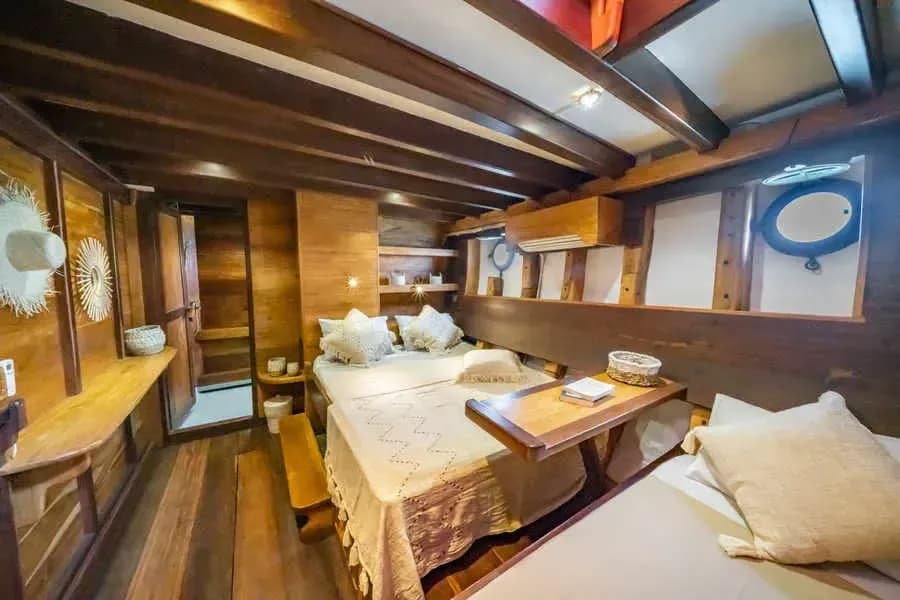
Passport to Paradise is a unique dive package that lets you experience three of North Sulawesi's most celebrated diving regions in a single, fully customizable trip. Instead of spending valuable vacation time on flights and road transfers, you'll travel between resorts by dive boat, enjoying a dive en route to your next resort, so every transfer becomes part of the adventure.
With seamless boat transfers, there's no need to pack and unpack your dive gear or lose days to travel. Simply relax, enjoy the journey, and spend more time doing what you came for—diving.
Over the course of your trip, you'll have access to more than 150 dive sites across three world-class destinations:
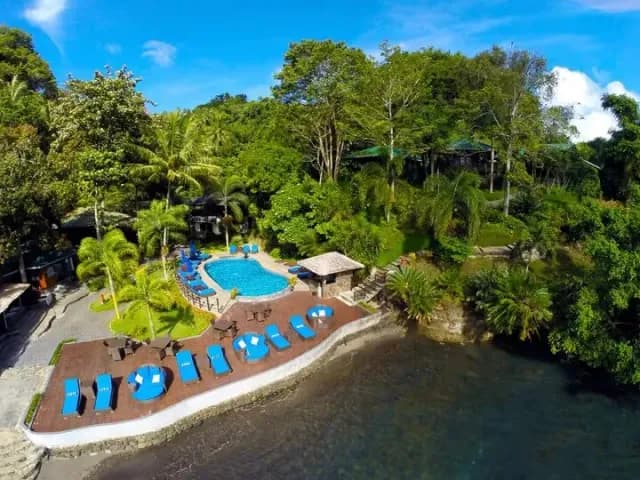
Bunaken Marine Park (Murex Manado Resort) – Spectacular wall diving, dramatic drop-offs, and thriving marine life.
Bangka Island (Murex Bangka Resort)– Vibrant reefs bursting with color, soft corals, and an incredible diversity of marine species.
Lembeh Strait (Lembeh Resort) – The undisputed capital of muck diving, home to an astonishing array of rare and unusual critters.
Your Passport to Paradise itinerary is completely customizable. Choose how many days you'd like to stay, how many dives you want to do, and we'll curate the perfect trip across three exceptional resorts.
Limited-time offer: Book your Passport to Paradise package with us and receive a spending voucher worth 10% of your booking value to spend during your trip
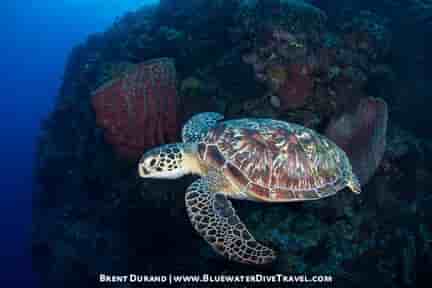
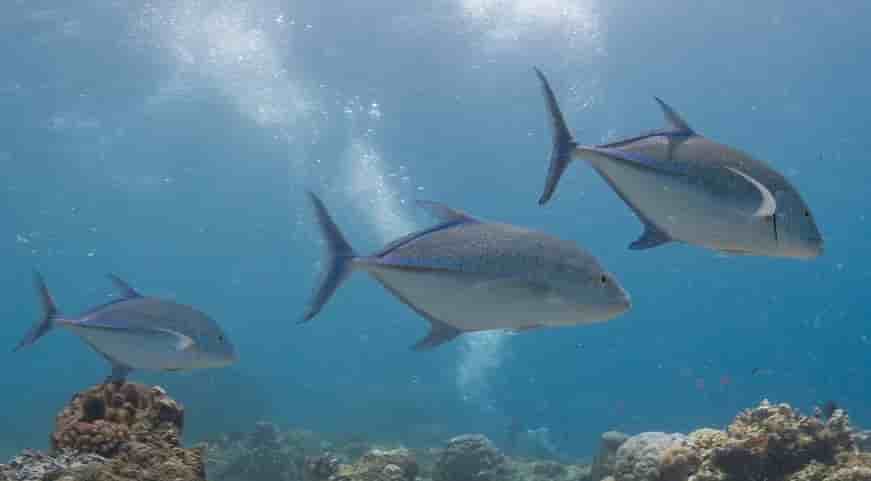
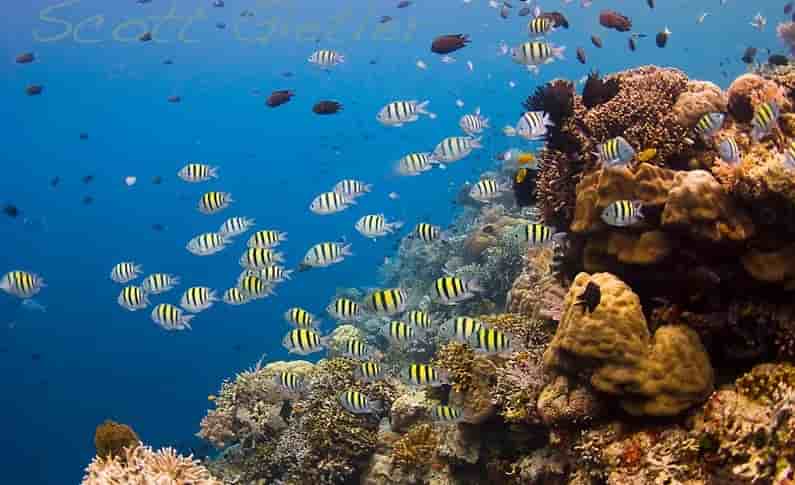
Bunaken - Lots of butterflyfish, triggerfish and the most fun, turtles. The shallows are filled with small fish rising in and out of the coral that will make you want more than a 3-minute safety stop. Bangka is also very fishy and every reef can be dived wide-angle or macro depending on your interests.
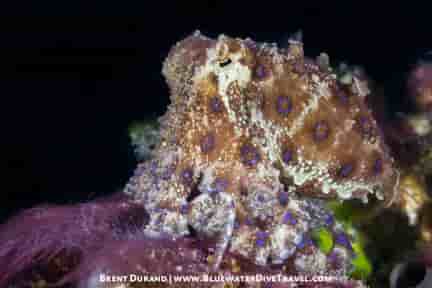
Manado - A focus on reefs and macro for shrimps, crabs, cephalopods, nudibranchs and other abundant critters in the reefs and sand.
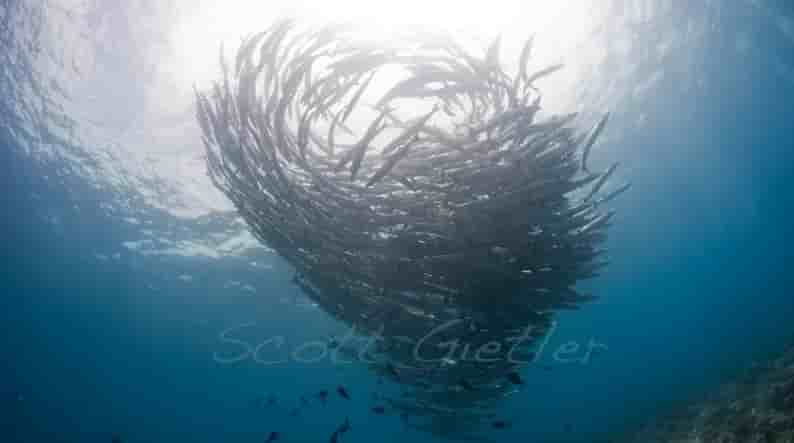
Bunaken's best dive sites for fish are Manado Dua, Barracuda Point, Sachiko, Mandolin, and Likuan I.
Travel Information
How To Get There
Most people fly to Manado through Singapore on a 3.5-hour flight, with Scoot operating direct flights on Monday, Wednesday, Friday, and Saturday. You can also get a direct flight from Jakarta on Garuda, Batik, or Citilink. Note that flights from Bali transit Jakarta. Resorts will usually pick you up at the Manado airport. Two hours after you get your bags, you should be at the resort.
How To Dive Manado & Bunaken
There are a lot of great dive resorts in Manado (Sam Ratulangi International Airport – MDC) & Bunaken. For diving, we recommend visiting more than one area on your trip. If you’re diving Manado and Bunaken, save a few days to explore the famous Lembeh Strait. Along the way, if you have time, consider stopping at Bangka Island or Gangga Island to round out the underwater offerings of the area. Many people say the combination of these dive spots is unparalleled, and visitors often return frequently.
Diving is good all year round, but the best diving season is from March to October during the dry season.
Topside & Non-Diving Activities
Manado and North Sulawesi are filled with topside activities for the adventurous diver looking for some culture. The Minahasa and local island people are genuinely friendly, making interactions with locals an opportunity to learn, share and enjoy new experiences. Touring the Minahasa highlands and beautiful countryside is a nice day trip. The area has a history of clove and flower growing with beautiful villages and scenery. Farmers create terraces up the sides of Mahawu Volcano, which offers breathtaking views of Manado, the Bunaken National Park and a volcanic crater that is still steaming. Make sure to tour the Tomohon Market, but we forewarned that there is food of all sorts on display. Lunch at Gardenia restaurant (also a mountain resort) offers a sampling of many local Minahasan dishes. Other activities include touring Tangkoko National Park, White Water Rafting and more.
If you have the time, stop by the Tangkoko Nature Reserve - a conservation area for endangered species (about 70 kilometers from Manado). Bring your binoculars and watch tarsiers, black macaque monkeys, maleo birds, and cuscus in their natural habitat.
Practical Information
Currency: Indonesian Rupiah (IDR)
Main Airport Code: MDC
Electricity: generally is 220 volts, with 2 round pin plugs (European Standard)
Vaccines: None are essential for US visitors. It is recommended that you are up to date with Typhoid, Tetanus/Diphtheria, Hepatitis and Polio for any trip to the tropics.
Visa: Visitors from most countries can purchase a 30-day visa upon arrival to Indonesia.Make sure your passport has a blank page, and is valid for 6 months.
Language: Bahasa Indonesia is the language of Indonesia. It is very easy to learn, and we suggest you learn hello, thank you, how are you, and what is your name before your trip.
Originally from Belgium, Anne’s love affair with the ocean started early — she took her very first dives at just 12 years old in France. What began as curiosity quickly turned into a lifelong passion that would shape her career, her travels, and her way of life.
Anne became a PADI Instructor in 2015 and went on to work across Southeast Asia, including Koh Phi Phi, the Gili Islands, and Bali, where she also managed a dive resort in Amed. In 2021, she became a PADI Staff Instructor, regularly assisting on instructor-level courses and continuing to deepen her knowledge — because learning, for Anne, never really stops.
Since joining Bluewater Travel in 2022, Anne has combined her hands-on dive experience with her love for travel planning. She has personally explored and dived some of the world’s most iconic destinations, including Ambon, the Banda Sea, Komodo, Raja Ampat, Halmahera, Lembeh, the Maldives, Coron, El Nido, Malapascua, Moalboal, Anilao, Romblon, Tubbataha, and the Red Sea — and she’s far from done. Her goal? To visit every continent and help her clients find trips that truly match their diving style and dreams.
Anne is also a passionate underwater photographer, shooting with a Canon R7 and a carefully curated setup of macro, super-macro, and wide-angle lenses (all proudly sourced from Bluewater Photo). If there’s a tiny critter to be found — or a dramatic reef scene to capture — she’s in her element.
When she’s not underwater or planning dive adventures, Anne is happiest keeping plants alive (a real skill), walking her dogs, rescuing the occasional street animal, and — most of all — meeting her clients whenever possible. For her, travel isn’t just about destinations; it’s about people, connections, and shared stories.
Favorite dive experience? Raja Ampat — especially the biggest oceanic mantas she’s ever seen.
Ultimate bucket-list destination? The Galápagos.
Manado is a great diving place to dive. The area has healthy reefs of both hard and soft corals and a great diversity of marine life. It is typical on most dives to see reef fish such as clownfish, lionfish, parrtofish, wrasses, butterflyfish, angelfish, etc. and schools of snapper, grunts, barracuda, jacks, etc. It is also quite common to see some of the stranger critters such as candy crabs, squat lobster, frogfish, ghost pipefish, whip coral gobies and shrimps, octopi and cuttlefish, etc. Life is very abundant and you'll be constantly moving from attraction to attraction. Large animal and pelagic sightings are possible but rare. For some of the best muck diving in the world, head over to the nearby Lembeh Strait. Do both Manado and Lembeh on the same trip if you have the time and want to experience two great but very different types of diving.Most dives follow similar profiles: start deep (usually 20-30m) and gradually head shallower, ending the dive on top of the reef in 5-6m of water. This usually means that dives can be quite long, limited only by your gas reserves. Conditions are generally very favorable with sunny skies, calm waters, and little current or surge. Diving in Manado is nice and easy.There are both wide angle and macro photo ops in Manado, so you can't go wrong either way.You will be spoiled for choice with respect to accommodations as there are numerous resorts catering to all price points, ranging from luxury to budget. In general, the level of service in Manado is high, with guides being well trained and staff carrying your gear and changing your tanks for you.
With more than 30 dive sites, Manado and Bunaken attracts thousands of divers year round. A 4-hour direct flight from Singapore, lots of accommodation choices with many reliable dive operators, makes Manado and Bunaken a real divers' haven.Dive sites around Manado are mainly reef and muck diving. Most reefs are covered with various species of corals, sponges and crinoids. At these reefs, you will find your usual tropical reef fishes, octopus, shrimps and crabs.In the shallow muck sites, frogfish, mimic octopus, seahorses, gobies, dragonets, flounders are some of the usual suspects you will find. My favorite dive sites are Underwater parking area and Buluh.A short boat ride away, you have the islands of Bunaken, Siladen, Manado Tua, Montehage and Nain. The wall dives here are breathtaking. Walls are covered with various species of corals, large sponges, gorgonian fans and teeming with fishes. Many of the walls are more than 100m deep and visibility here are generally 15 – 30 m. Some of the marine life you could see here are turtles, giant Napoleon wrasse, large humphead parrotfish, occasional sharks, triggerfishes, butterfly fishes, coral groupers, nudibranchs, longfin banner fishes, coral groupers, crinoid shrimps, sweetlips, orang utan crabs, wire coral gobies and shrimps, boxer crabs if you know where to look, giant clams, pygmy seahorses and I have been lucky enough to see eagle rays as well. Some of the more popular sites are Muka Kampung, Sachiko, Lekuan and Fukui.The possibilities in Manado and Bunaken are endless. I have had dolphin encounters traveling between Manado and Bunaken, dive with dugongs in Manado and have during sunset and night dives seen many weird planktons, mating mandarin fishes, cuttlefish, squids, all sorts of shells, stargazers and a variety of marine life that I can't even begin to ID.This is where you want to dive if you trying out underwater photography. There are many subjects to choose from and many of the dive guides here are great with photographers. Bunaken is great for snokeling too.Manadonese food are generally very spicy. Some of my favorites here are seafood, satay, mee bakso, roast pork, BBQ fish with sambal and nasi kuning.Water temp: 28 - 30CRecommended for: All divers including young diversDive conditions: None to mild currents