Rangiroa Diving Highlights
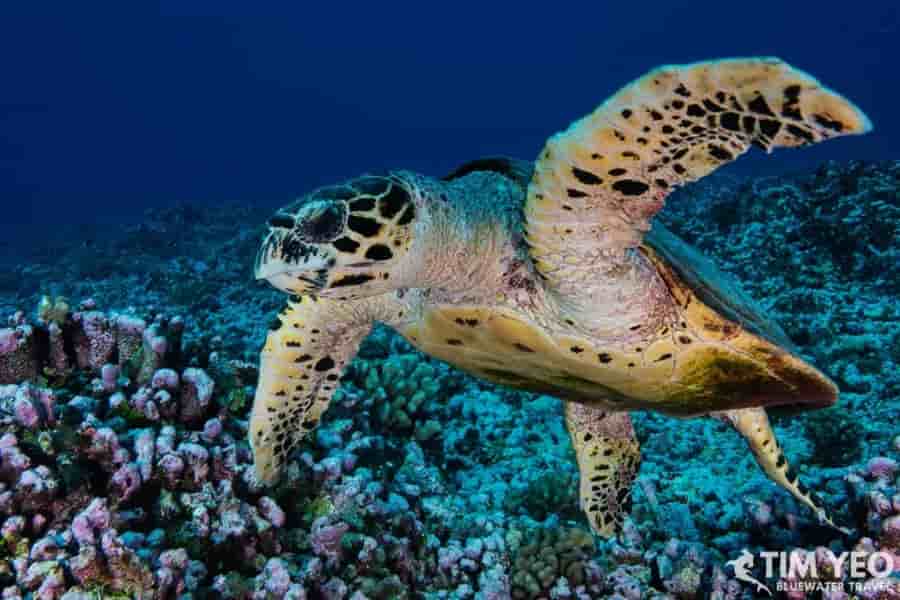
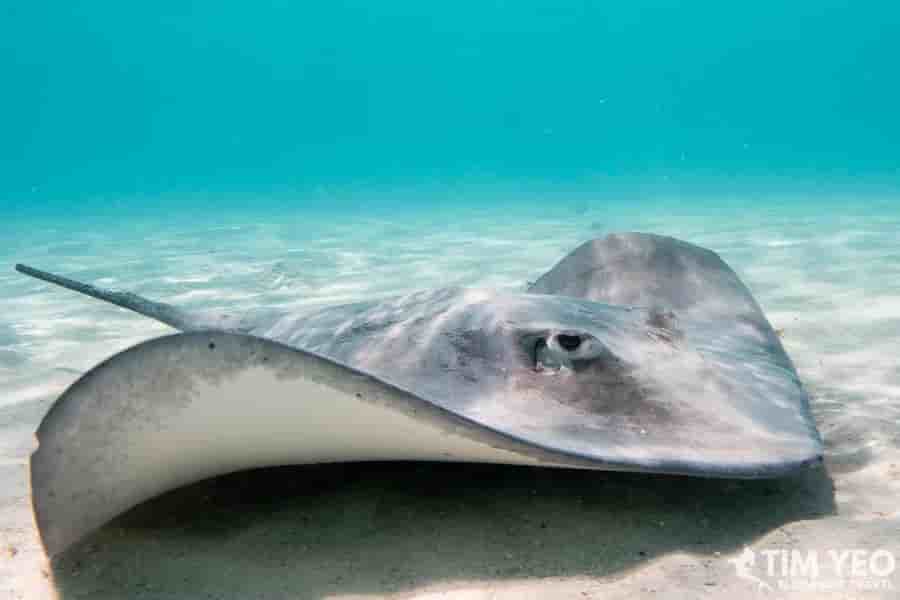
Located in one of the best French Polynesia, one of the top dive destinations in the world, it is no surprise that Rangiroa is a popular dive destination. The largest atoll in the Tuamotus, Rangiroa diving offers breathtaking pelagic encounters with dolphins, gray reef sharks, and silvertip sharks. They also have schools of jacks and barracuda, eagle rays, turtles, whitetip and blacktip sharks. It is also one of the best places to dive with sharks. Manta rays may be sighted occasionally.
Intro to Rangiroa
The largest atoll in French Polynesia and the second largest in the whole world, Rangiroa has been ranked by Jacques Cousteau as the most beautiful and richest dive site in the world. Known for its exceptionally clear waters and hugely diverse marine life, Rangiroa consists of around 415 islets and sandbars, with over 100 narrow passageways in between. With both an accessible yet secluded appeal, Rangiroa has also been called the world's biggest natural aquarium. The multiple dive sites vary in difficulty, offering experiences for both beginners and experienced divers alike. Snorkeling is also available.
Rangiroa Marine Life & Photography Subjects
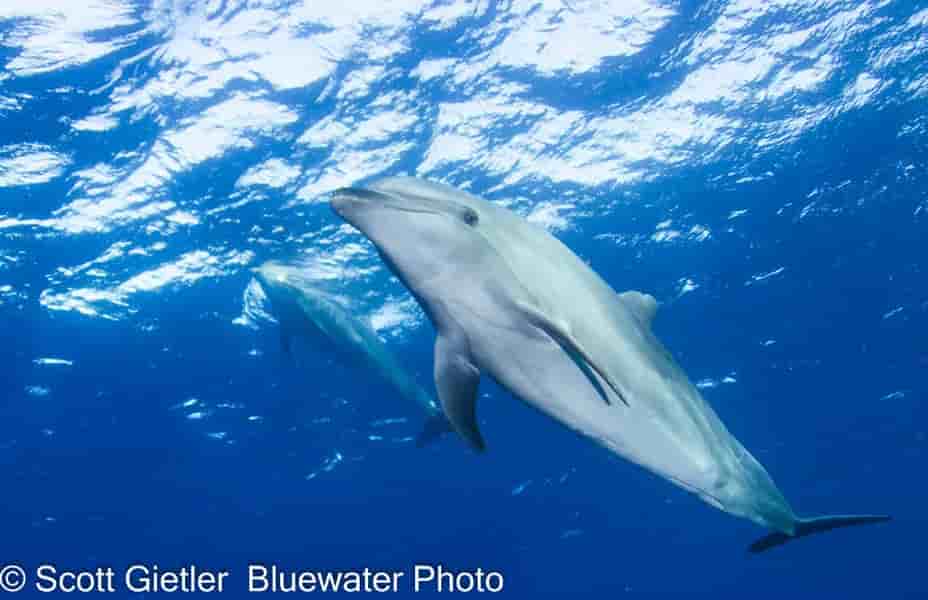
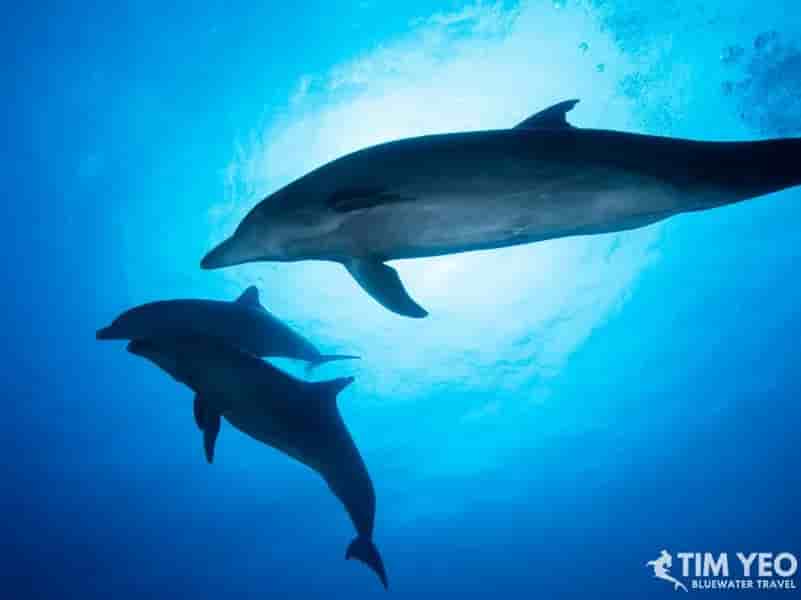
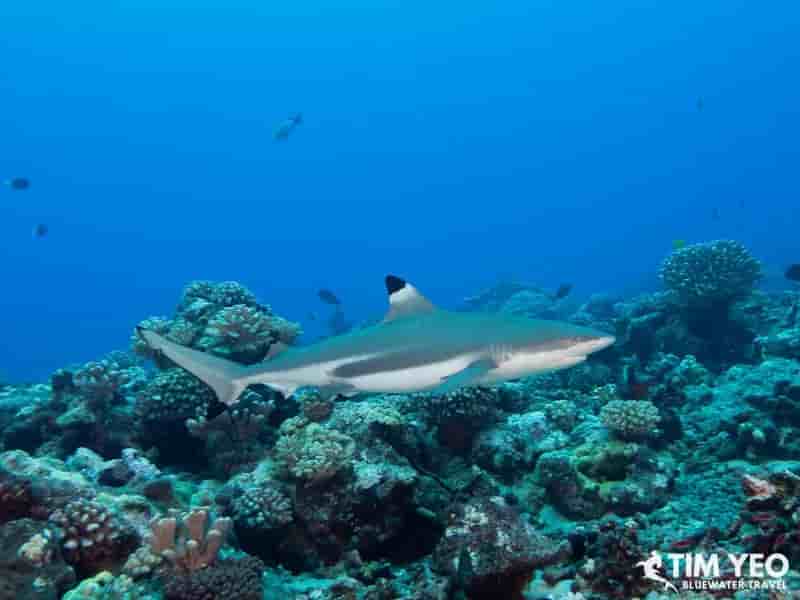
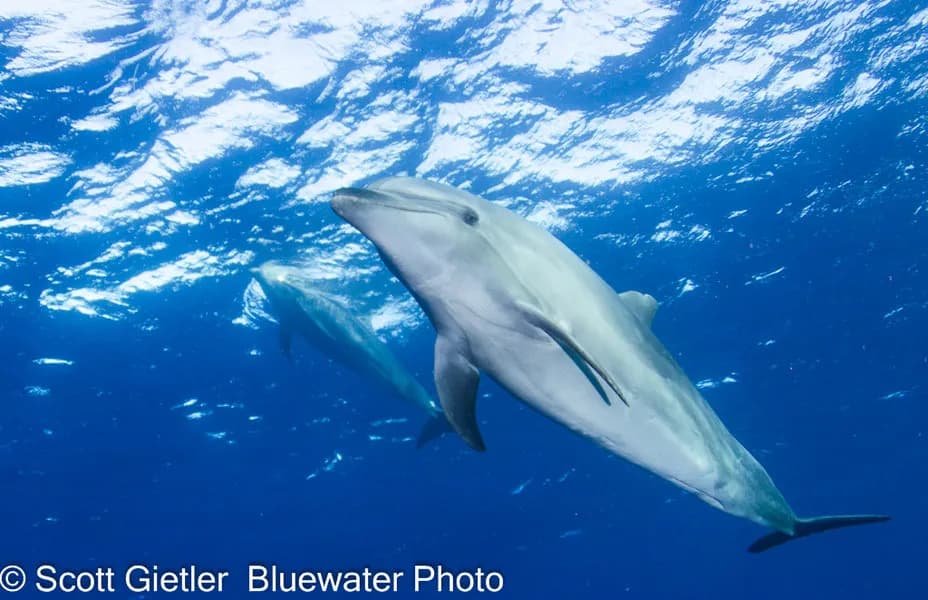
Rangiroa's waters contain hugely diverse marine life. However, Rangiroa is well-known for its pelagic encounters, especially sharks. In Rangiroa, there are hundreds of resident gray reef sharks. You can also expect to scuba dive with other sharks including silky, lemon, silvertip, great hammerhead, and tiger sharks.The bigger sharks can be quite deep, 35 - 50 meters deep. In a week's stay, you can usually get dolphins to make a few close passes, and they have been known to play with divers. Sometimes it is the luck of the draw, as some dives can be quiet, while others will bring you an expected sighting.
- Grey Reef Sharks
- Silky Sharks
- Lemon Sharks
- Silvertip Sharks
- Whitetip Sharks
- Blacktip Sharks
- Hammerhead Sharks
- Tiger Sharks
- Dolphins
- Jacks
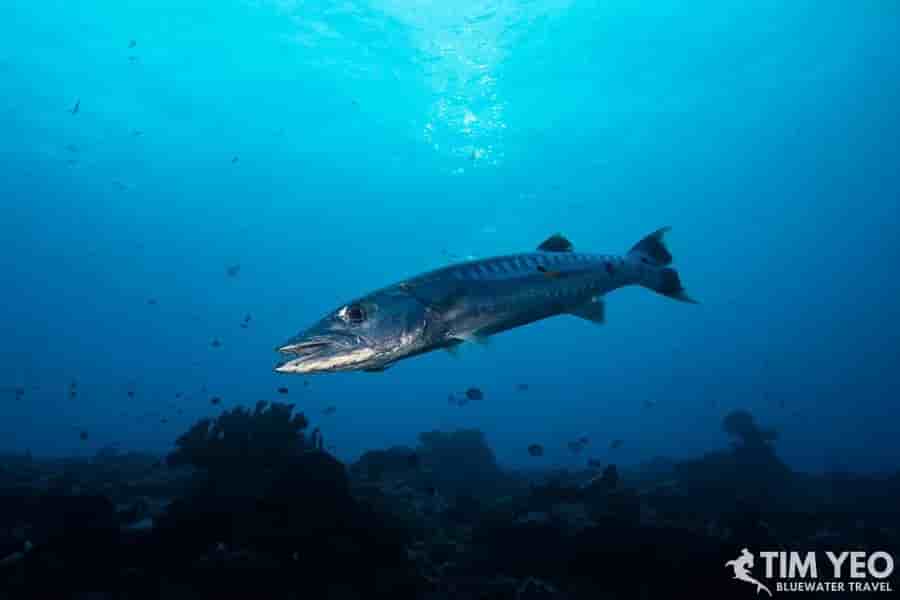
- Barracuda
- Eagle Rays
- Manta Rays
Best Dive Areas
The biggest atoll in French Polynesia, Rangiroa's dive sites do not disappoint. The currents here make drift dives an underwater safari with unforgettable pelagic encounters.
Avatoru Pass - Situated on a coral plateau with an area of roughly 50-65 feet, divers can find the reef teeming with life. It is at this site that divers usually encounter the majestic "tapete" or Silvertip shark as well as other numerous marine life such as schools of fish such asBigeye and African Pompano jackfish. There are at least 5 different dive spots in this area.
Tiputa Pass - After exiting the pass and at a depth of roughly 50 feet, scuba divers would see the majestic coral plateau which drops off abruptly at 65 feet with a direct view of the open ocean. With an abundant display of marine life available, the pass offers a magnificent view of the coral garden coupled with encounters with whitetip and grey sharks wandering the reef among the schools of barracuda and blue jackfish. Fortunate divers could even encounter leopard and manta rays in the area.
Tiputa Canyons - Located on the inside of the Tiputa pass, divers enter the dive site through the incoming current on a drift dive. The canyons seen during the dive are actually faults through the pass. Divers can catch a glimpse of the diverse marine life passing through the faults such as schools of surgeonfish, sharks and napoleon wrasses.
Diving Conditions
- Water temperature: On average, the water temperature in Rangiroa ranges from 29C/84F in the summer and 26C/79F in the winter.
- Visibility: Visibility is excellent, typically ranging between 50ft/15m to 130ft/40m.
- Diving Difficulty: The difficulty of dive sites may vary, offering experiences for everyone from beginners to experienced divers.
Best Time to Dive Rangiroa
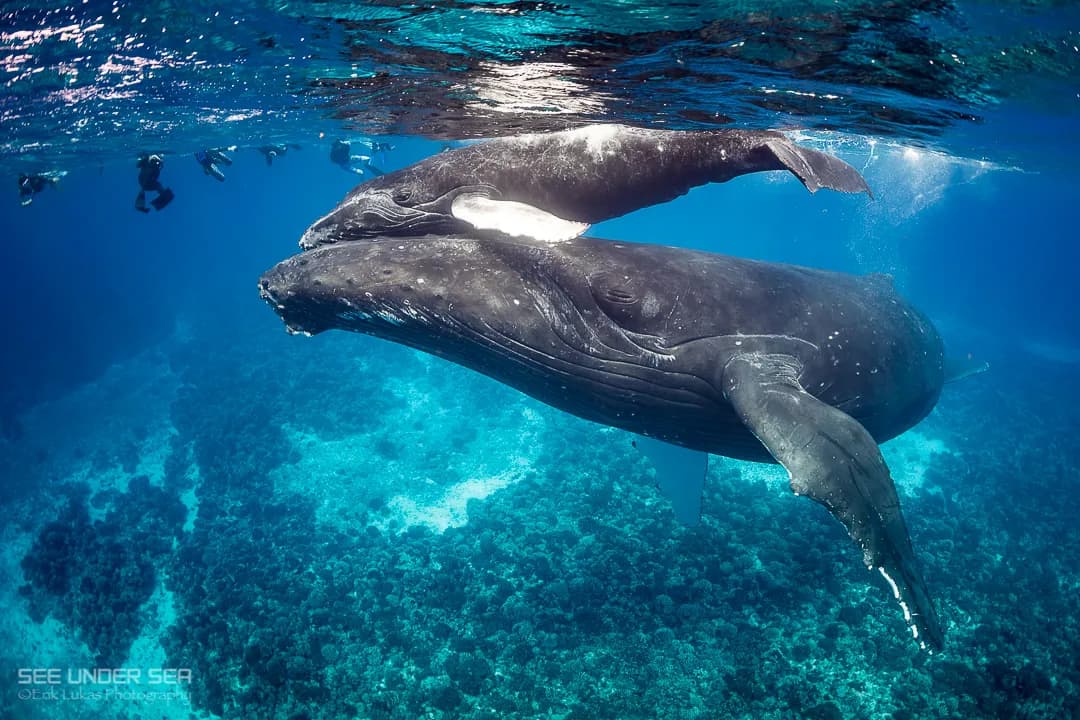
Scuba diving is available year-round in Rangiroa. However, the ideal time to visit would be from late August to mid-October when divers can catch a glimpse of the manta rays and humpback whales. If you are more interested in hammerhead sharks and squadrons of eagle rays, you may want to visit around January to March, when they are more prolific. The rainy season is from November to April, and the dry season is from May to October. "Maramu," the southeastern wind, can bring some rain and rougher seas. It typically occurs between June and August.
The easiest way to reach Rangiroa is by flying into Rangiroa Airport (RGI). You can fly directly from Tahiti – Faa’a International Airport (PPT), which takes about 55 minutes, or from Bora Bora – Motu Mute Airport (BOB), which takes about 70 minutes.
How To Dive Rangiroa
There are a lot of dive resorts and tour operators in Rangiroa, such as Hotel Maitai Rangiroa and TOPDIVE French Polynesia just to name a few. Liveaboards are also available. The French Polynesian islands are also great for island hopping and you can visit the other islands like Moorea, Fakarava, and Bora Bora for great diving.
Topside & Non-Diving Activities
- Blue Lagoon Excursion
- Reef Island Tour
- Green Lagoon Tour
- Beach Picnic
- Boat Tours
- Water Sports
- Sightseeing
- Pearl farms
- Shopping in markets across the islands
- Various tours & excursions
- Currency: French Pacific Franc
- Language: The official language is French but you can expect English to be spoken in some tourist destinations.
- Main Airport Code: PPT
- Time Zone: UTC-10
- Electricity: 220 V 60 Hz


-optimized.webp&w=828&q=75)
-optimized.webp&w=3840&q=75 "Scott Gietler")