-(2)-optimized-optimized.webp&w=3840&q=75 "Sunshine Azure Beach Hotel Specials & Packages")
Special
Expert advice on diving,
seasons, and logistics
Free planning help
when you’re ready to book
Exclusive dive packages
tailored for you
Special
-optimized.webp&w=3840&q=75 "Sunshine Bay Zanzibar Specials & Packages")
Special

Special

Special

Special
Group trip
-optimized.webp&w=3840&q=75 "Baited Shark Dive Packages (2027 - Low Season)")
Special
Group trip
Scuba Dive Level
All Levels
Visibility
33 to 164 feet (5 to 40 meters)
Average Water Temperature
80
Whale Shark Encounters
Stunning Reefs & Corals
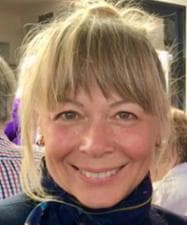
Laura grew up in Chicago, and now lives in Brisbane, Australia. She met her Australian dive instructor husband in the Bahamas, where she learned to dive. Together they worked for Club Med Eleuthera, Hurgada, and Cancun before moving to Australia. Laura has an MBA and had an executive career in hospitality.
Laura's dive experience includes extensive dive travel in South Pacific (where she achieved dive master certification), and work as a Dive Master in South Africa, PNG and Australia. She has experience in both liveaboard and resort management.
Laura's Most Memorable Dives: PNG, Galapagos and The Yongola
Laura's bucket list destinations: Palau, Cocos Islands and Misool.
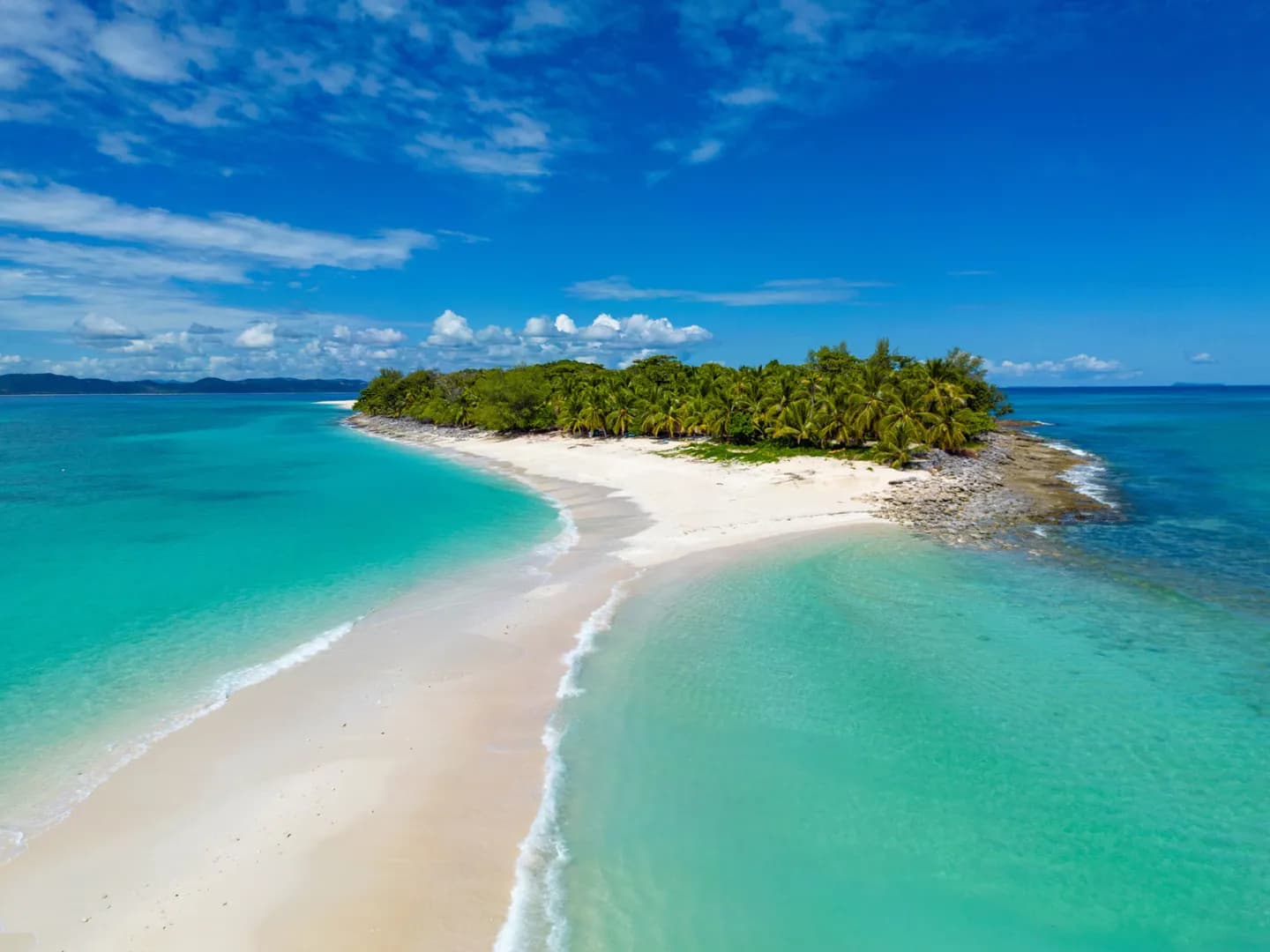
Nosy Be, Madagascar, is the best surprise I had during a diving trip. It started with a warm welcome by the very friendly Malagasy people and the nice warm temperatures. From my first dive, I discovered very healthy corals and a huge diversity of life underwater.I spent 3 weeks there teaching Open Water classes and leading scientific dives.I was first very impressed by the beauty of the underwater sceneries. Colorful agencement of hard corals and soft corals that are home to a huge number of marine species, including mammals and green turtles. I discovered many nudibranchs during my explorations, mind blowing. A bit outside the bay of Ambrondona, we can find deeper dive sites with the classic reef sharks, leopard rays, barracudas ... The lucky ones may meet humpback whales during the summer months from July to September. Whale Sharks and Hammerhead Sharks can be seen as well from September (or earlier).Above water, Madagascar deserves to spend some time. Next to Nosy Be or in the national parcs in the main island, the beautiful nature is home to the endemic lemurs. Fly in Antanarivo, visit the land and national parcs driving your way up to Nosy Be where you will have an incredible experience diving uncrowded and beautiful healthy reefs. Nosy Be has an international airport.