May 6, 2026|Author: Anne Rucquoi|Reading time: 15 mins
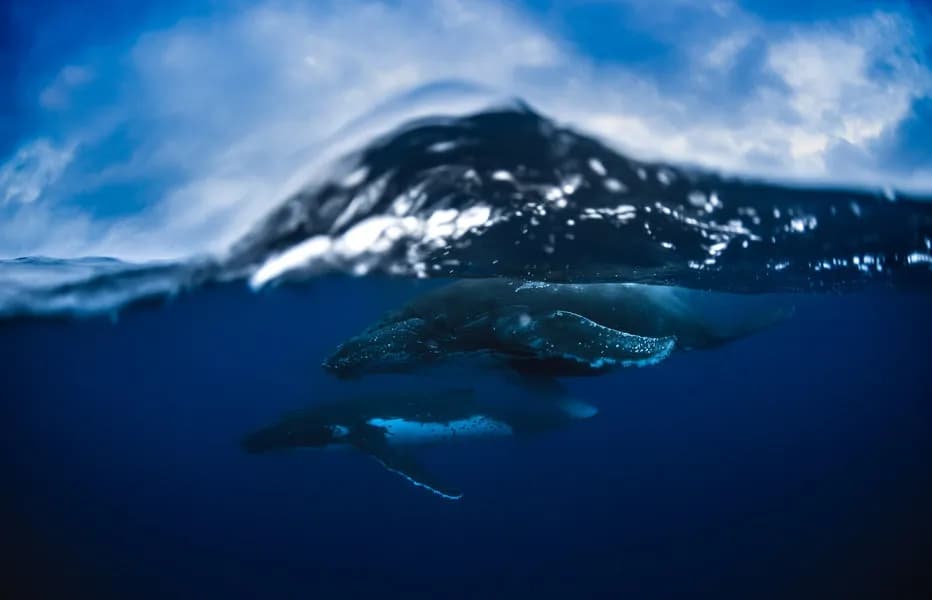
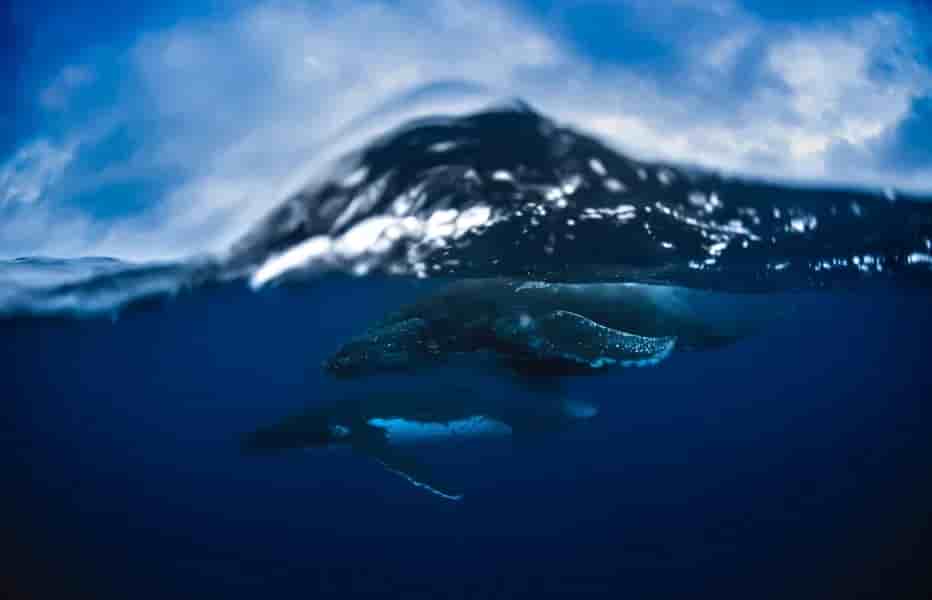
Tonga is one of the few places where divers can see humpback whales when they pass through the islands to mate and give birth. Aside from humpbacks, divers can also encounter manta and eagle rays, as well as magnificent dive sites with caves and canyons.
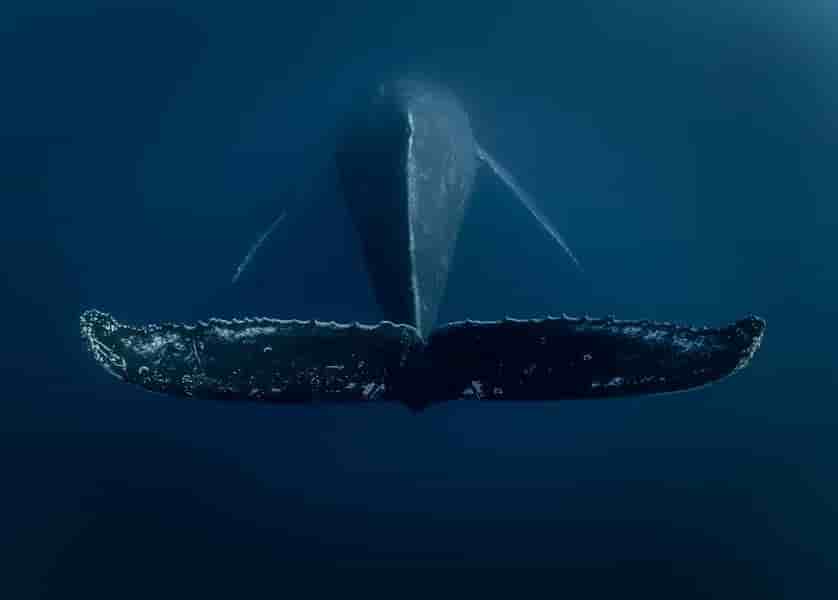
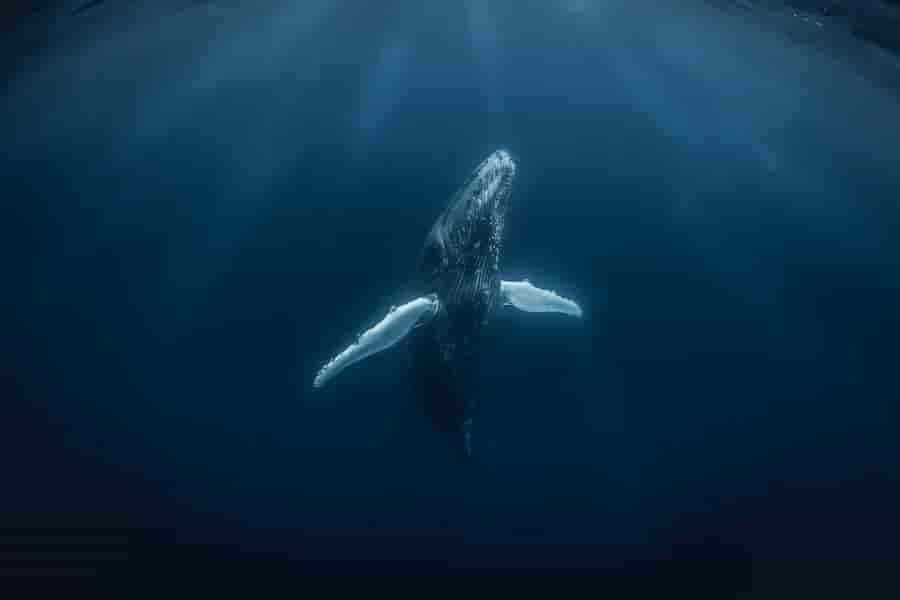
Tonga is known as one of the few places in the world where you can swim with humpback whales in the water. These magnificent beasts pass through the islands between the months of July and October in order to mate and give birth. They then leave for their Arctic feeding grounds.Experience intimate whale encounters while staying at the Matafonua Lodge, known for its eco-friendly approach and beachfront location.
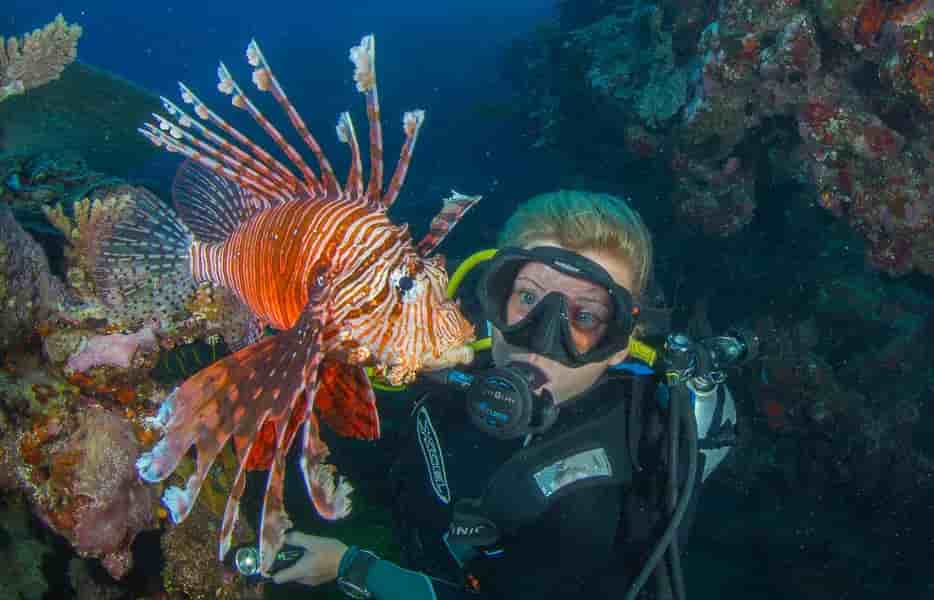
In addition to humpback whales, divers can encounter manta rays, eagle rays, many shark species, and other diverse marine life in the area. The underwater geography is just as diverse as its marine life; with dive sites containing everything from coral gardens to caverns and vertical walls, Tonga truly has something for everyone.
Tonga is comprised of 169 islands located in the Southern Pacific Ocean. Stretching over 800 kilometers and with a total surface area of 750 km, only 96 of these islands are inhabited. Tonga lies South of Samoa, another stunning destination with lots of great thing to do, about a third of the way between New Zealand and Hawaii. Tongatapu is the country's main island and where most of the inhabitants live. Tonga is also called the Friendly Islands because of its friendly reception toward Captain Cook during his first visit in 1773.
Tonga is home to a wide array of marine life, ranging from the enormous humpback whales to sea turtles and manta rays. Manta rays, eagle rays, tuna, marlin, and a variety of sharks can also be encountered during dives.
Humpback whales can be found in Tonga from July to October. They pass through these islands to mate and give birth before they leave for their Arctic feeding grounds. Tonga is one the few places on earth where in-water encounters with humback whales can happen.
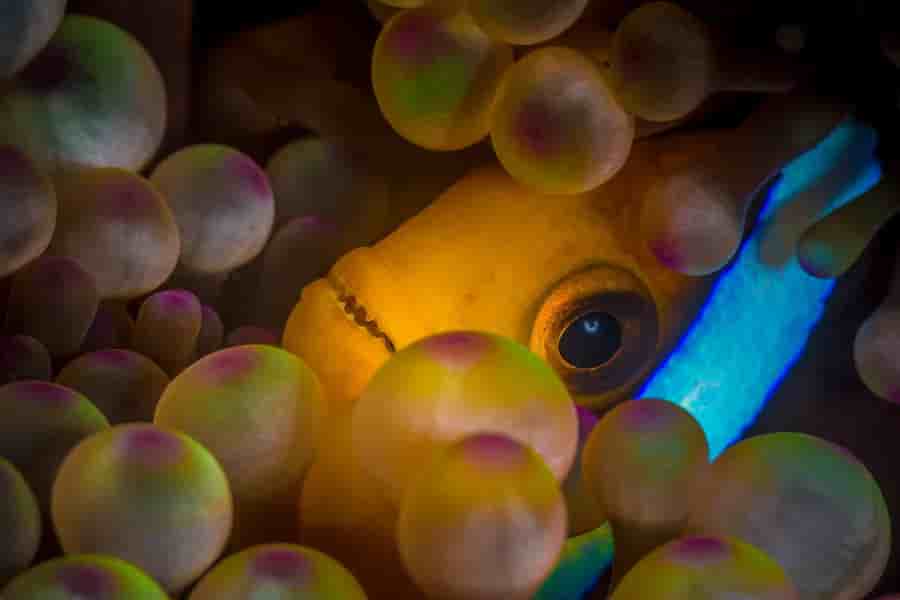
The reefs of Tonga include thousands of fish species such as barracuda, butterflyfish, clownfish, and tuna. They also contain varieties of shellfish such as crabs and shrimp.
Tonga's warm waters and breath-taking reefs are filled with incredible tropical fish that make the location a diver's paradise. The main draw for tourism on these islands is swimming with the humpback whales. Tonga is one of the only places in the world where divers can interact with and observe these magnificent creatures in the water. The best place to encounter humpback whales is at Hunga Magic, Vava'u.
On top of the chance to observe humpback whales in the water, visitors can also expect to see an abundance of other marine life year-round. While theirreefs include thousands of fish species such as barracuda, butterflyfish, clownfish, and tuna, varieties of shellfish such as crabs and shrimp can also be spotted.Manta rays, eagle rays, tuna, marlin, and a variety of sharks can also be encountered during dives.
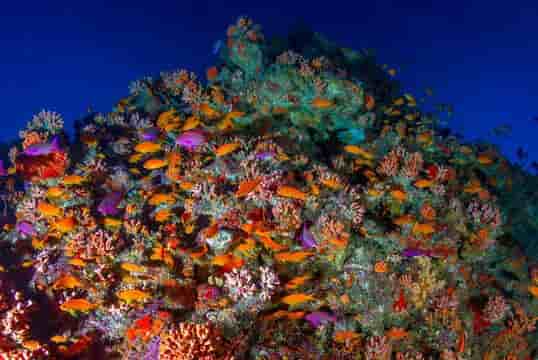
Tonga's reefs are some of the most unique and extensive coral environments that can be found in the central South Pacific area. With over 1,500 square kilometers of reef area containing both hard and soft corals, Tonga reefs ensure a beautiful and colorful dive. As 75% of Tonga's islands are uninhabited, many of their reefs are left almost untouched by human activity.
When looking to encounter humpback whales, visitors can go via open boats or private charters. The majority of the day is spent on the lookout for the whales; and when they are spotted, the experienced captain and guides will tell you when to get into the water with them to time the interaction as best as possible. It is important to be calm and quiet when entering the water because whales tend to swim away when they hear a lot of noise from the surface. Photographers can get excellent shots from these encounters if they are properly executed.
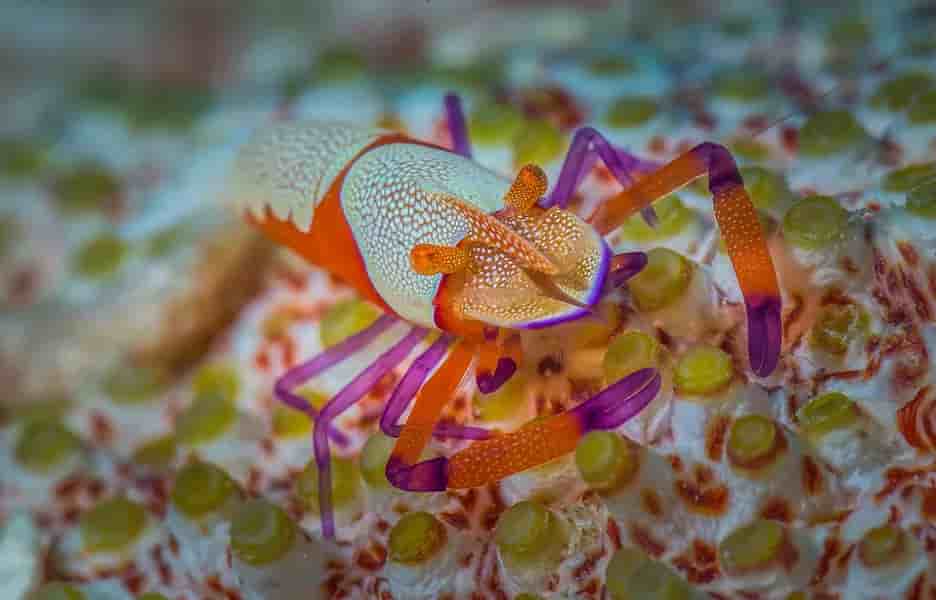
Vava'u offers divers some exciting drift dives along walls and drop-offs. Here, divers can see the occasional white tip, blacktip, and Grey reef sharks. Macro life is also abundant here withnudibranchs, crabs, shrimps, and small fish.
Most dive sites are a 20-minute boat ride away from the harbor and feature gorgonian fans as well as soft and hard coral gardens. The reefs are healthy, and visibility often exceeds 100 feet.
Here are the top scuba diving spots that you shouldn't miss while diving Tonga:
1. Hot Spring Cavern, Haapai
Divers can enter the Hot Spring Cavern at a depth of 25 meters and explore the impressive cavern. Inside, divers will find the hydrothermal vent which supplies the spacious cavern with warm water. This is the perfect dive site for the adventurous diver.
2. Arch of Ofalanga, Haapai
Diving at the Arch of Ofalanga is highly-recommended when diving Tonga. The arch is over 20 meters wide and 15 meters tall. It truly is an incredible site for divers to enjoy.
3. Hunga Magic, Vavau
Hunga Magic is one of the best sites for divers to encounter humpback whales. The humpback whales pass through the islands to breed from the months of July to October. However, divers will need to arrange this through a licensed tour operator. Any pre-meditated encounters with whales are snorkel-only.
4. Clan MacWilliam Wreck, Vavau
The Clan MacWilliam Wreck is a well-intact freighter, 140 meters long and was built in 1918. Located 20 - 40 meters below the surface, the wreck sits upright in the sheltered waters of the harbor. The upper deck, handrails, and superstructure are covered with a variety of corals and fish. With tons of macro life living on the wreck, it is highly recommended that divers bring a torch to be able to see into some of the larger compartments. The wreck also makes for an exciting night dive.
Fiji is commonly combined with a trip to Tonga because of its rich soft coral ecosystems and amazing pelagic and shark dives. Known as "The Soft Coral Capital of the World," it is easy to see why Fiji is called a world-class dive destination, and it's proximity to Tonga allows for an awesome combo trip with exciting humpback whale swimming and mind-blowing soft coral diving all in one trip!
Most flights come from Fiji or New Zealand and land at Fua'amotu Airport (TBU) on Tongatapu, a 30-minute drive from Nuku'alofa. However, there are some international flights that go to Vava'u Airport (VAV). Travel from the airport to Nuku'alofa is via hotel minibusses or taxi. A typical bus into town costs T$10, while a one-way taxi usually costs T$30 (this pricing is subject to change over the years). Guests also have the option of taking a domestic flight or ferry to the surrounding islands.
When departing, tourists must pay a departure tax of T$25 or approximately USD13. This tax is charged to all passengers leaving on international flights and is paid at Fua'amotu Airport (TBU).
If encountering humpback whales is the main goal of your journey, the best time to visit Tonga is from the months of July to October. During these months, the humpback whales visit these waters to breed before moving on to their Arctic hunting grounds.
However, diving and snorkeling are available year-round with Tonga's tropical climate. Water temperatures can range from 24C/75F to 28C/82F, while visibility often exceeds 100 feet.
In addition to the amazing water activities, Tonga also offers many tourist attractions. You could easily spend a day or two exploring the main island of Tongatapu. The most visited site is Haamonga a Maui, a stone trilithon also known as the Stonehenge of the Pacific.
Guests can also visit the neighboring islands to explore (a short boat ride away). At the islands, they can go snorkeling, kayaking, or lounge at the beach, then have a relaxing lunch overlooking the ocean.
There are some resorts on Tongatapu that offer cultural shows full of traditional dancing and storytelling. This fun and interactive way to learn about the local culture is also paired with the opportunity to try some of their local cuisine.
Originally from Belgium, Anne’s love affair with the ocean started early — she took her very first dives at just 12 years old in France. What began as curiosity quickly turned into a lifelong passion that would shape her career, her travels, and her way of life.
Anne became a PADI Instructor in 2015 and went on to work across Southeast Asia, including Koh Phi Phi, the Gili Islands, and Bali, where she also managed a dive resort in Amed. In 2021, she became a PADI Staff Instructor, regularly assisting on instructor-level courses and continuing to deepen her knowledge — because learning, for Anne, never really stops.
Since joining Bluewater Travel in 2022, Anne has combined her hands-on dive experience with her love for travel planning. She has personally explored and dived some of the world’s most iconic destinations, including Ambon, the Banda Sea, Komodo, Raja Ampat, Halmahera, Lembeh, the Maldives, Coron, El Nido, Malapascua, Moalboal, Anilao, Romblon, Tubbataha, and the Red Sea — and she’s far from done. Her goal? To visit every continent and help her clients find trips that truly match their diving style and dreams.
Anne is also a passionate underwater photographer, shooting with a Canon R7 and a carefully curated setup of macro, super-macro, and wide-angle lenses (all proudly sourced from Bluewater Photo). If there’s a tiny critter to be found — or a dramatic reef scene to capture — she’s in her element.
When she’s not underwater or planning dive adventures, Anne is happiest keeping plants alive (a real skill), walking her dogs, rescuing the occasional street animal, and — most of all — meeting her clients whenever possible. For her, travel isn’t just about destinations; it’s about people, connections, and shared stories.
Favorite dive experience? Raja Ampat — especially the biggest oceanic mantas she’s ever seen.
Ultimate bucket-list destination? The Galápagos.
We dived here only a few times as we came for the Whales and you are not allowed to scuba with them. The sites we dived were from Ha'apai Island and they were ok, I couldn't say that I would dive here again to be honest, but we didn't do enough diving to be able to comment too much on it.But, as for the snorkelling with the whales, wow, wow, WOW! I have never had such interactions with any sea creature before and it is absolutely incredible! I still have no words for what we experienced here. We got to be in the water during a heat run with about 15 males chasing one female, all of them showing of their best bubble shows or breaches or sounds. We got to play with a mum and baby all day, the baby was so curious and you could see his eye checkin us out as he swam by, with mum sitting comfortably deeper letting us play. We had a pretty close call with a cranky male who tried to drown the poor baby so he could mate with mum again. We also got up close to a singer, he was about 20m below and my whole body was vibrating, enough to make me feel like I needed to quickly use the bathroom! You could even feel it coming up through the boat! This island is much quieter than well-known Vava'u, which meant we were often the only boat in the bay, so we had all the whales to ourselves.I noticed that you don't really need to be able to swim to do this as the guides will help you through the water, but it did affect the rest of the group as we all had to move as one through the water towards the whales, meaning we missed out on seeing a few as they had swam away by then.There was nothing else to do on the island other than water activities, but it suited us as we did the whale swim and relax and thats all.I would highly recommend Tonga for whale swimming and I will definitely be returning one day.