

$404 OFF
-optimized.webp&w=3840&q=75 "Dune Black Manta Special Packages")
Special
Expert advice on diving,
seasons, and logistics
Free planning help
when you’re ready to book
Exclusive dive packages
tailored for you
Special

Special
Special

Special
Special
Special

Special
Special

Special
Special
Special
Special
Scuba Dive Level
All Levels
Visibility
50 to 100 feet (15 to 30 meters)
Average Water Temperature
80
Stunning Reefs & Corals
Shark Encounters
Erik Lukas is an active diver and photographer based in Los Angeles, CA. He is a volunteer scuba diver at the Aquarium of the Pacific in Long Beach, CA. You can expect to find Erik diving many of the amazing Pacific Ocean sites of Southern California, camera in hand, at any chance he can get.
See more of Erik’s photography at www.seeundersea.com or on Instagram @seeundersea.
"I am passionate about underwater photography in general and have a special love for macro subjects. For me the things that are hardest to spot hold the most interest. Documenting the commensal and symbiotic relationships is for me the most interesting…the smaller and more bizarre the better. I also have a passion for sharing my knowledge with others. My goal with all of my workshops is to ensure each guest leaves with a group of images that they are proud to share."
Erik shoots with a Canon 5D Mark III in a Sea & Sea housing using Zen 100mm and 230mm dome ports. The lenses he uses are the Canon 8-15mm f/4L, Canon 16-35mm f/4L, and Canon 100mm f/2.8L.
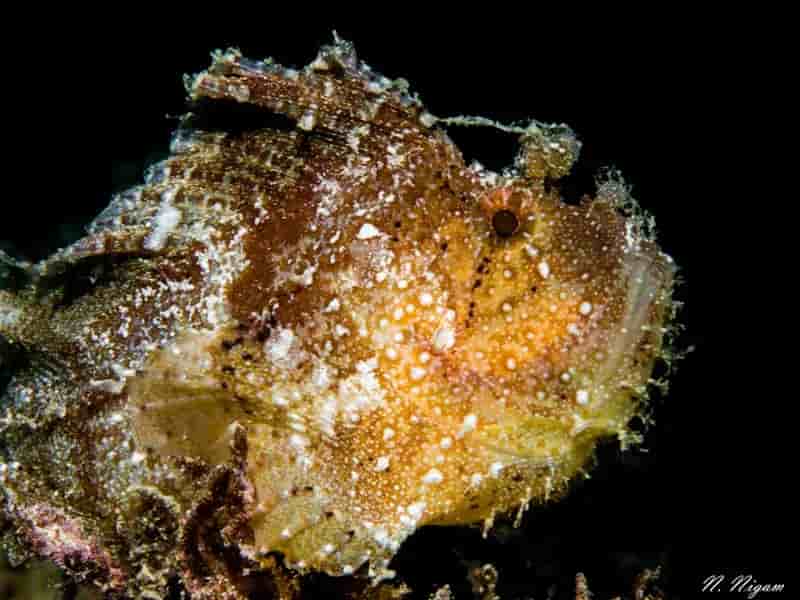
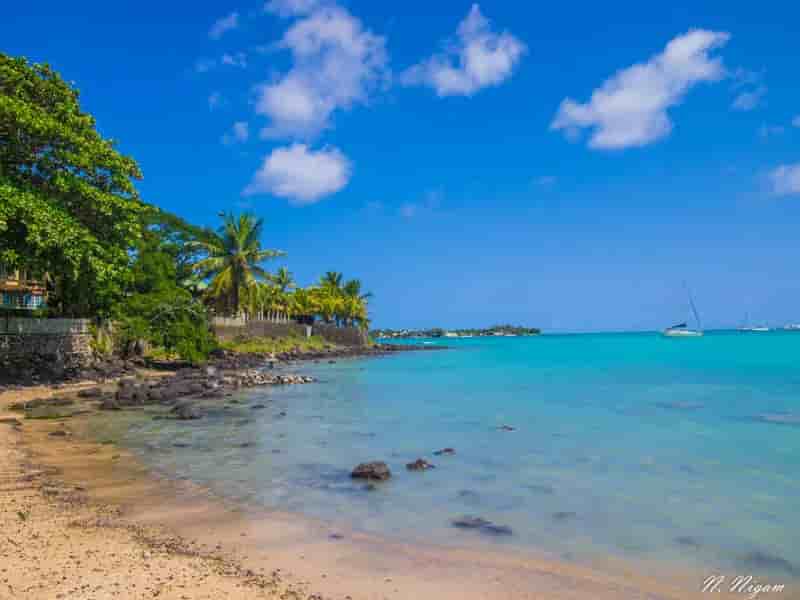
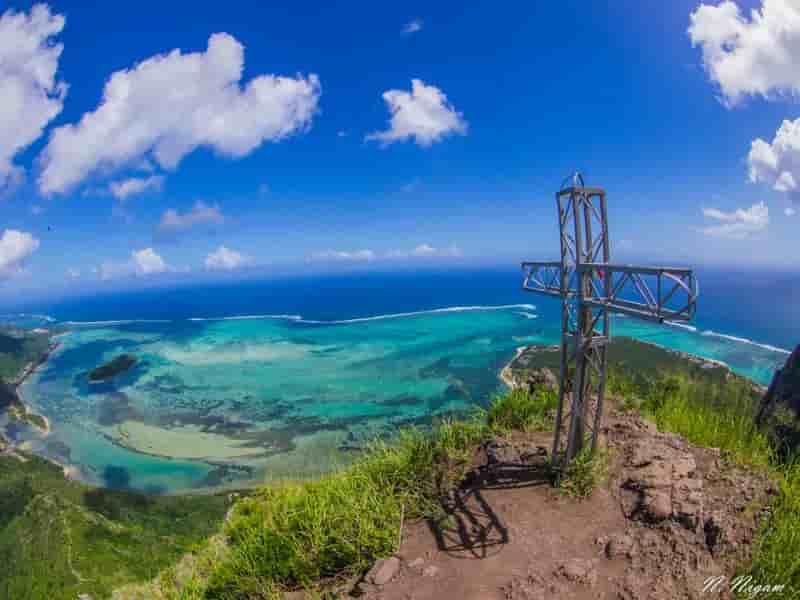
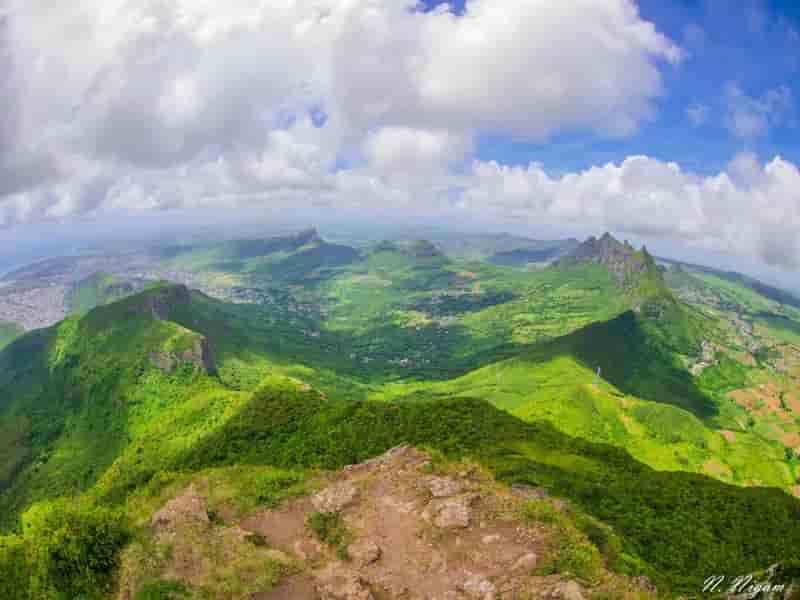
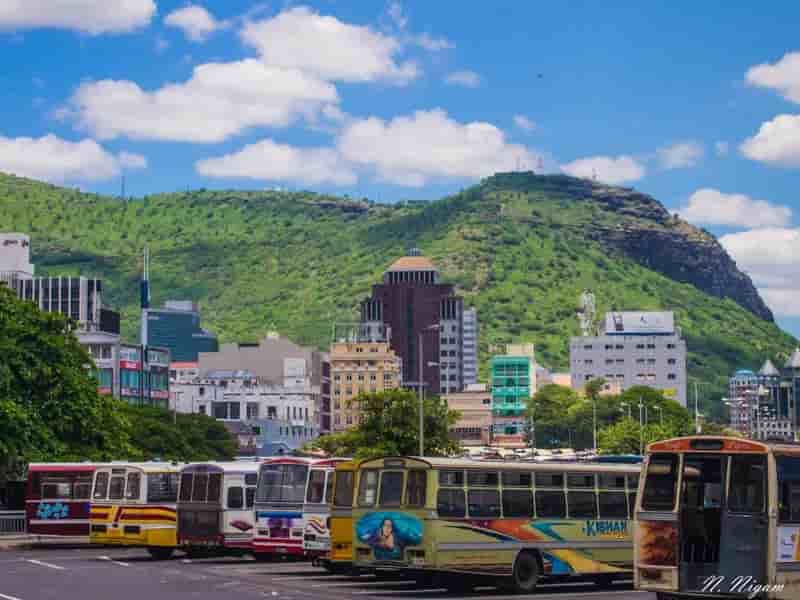
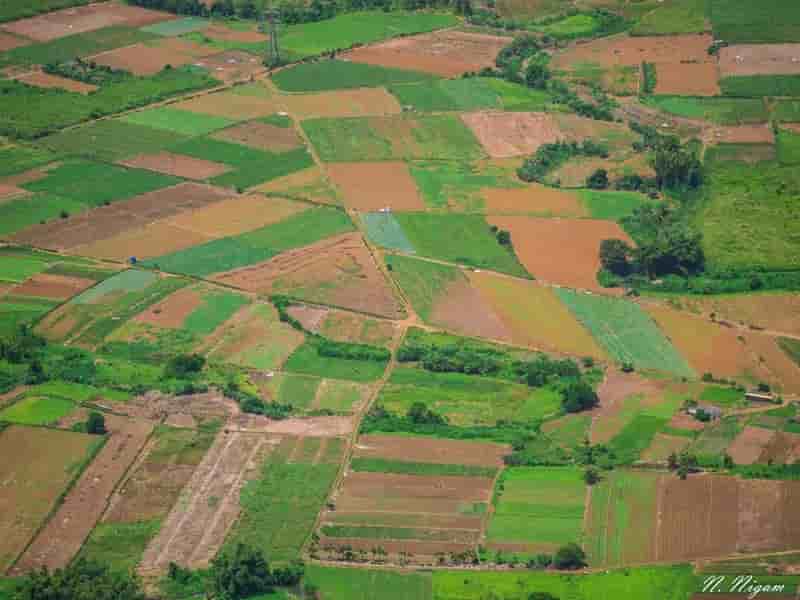
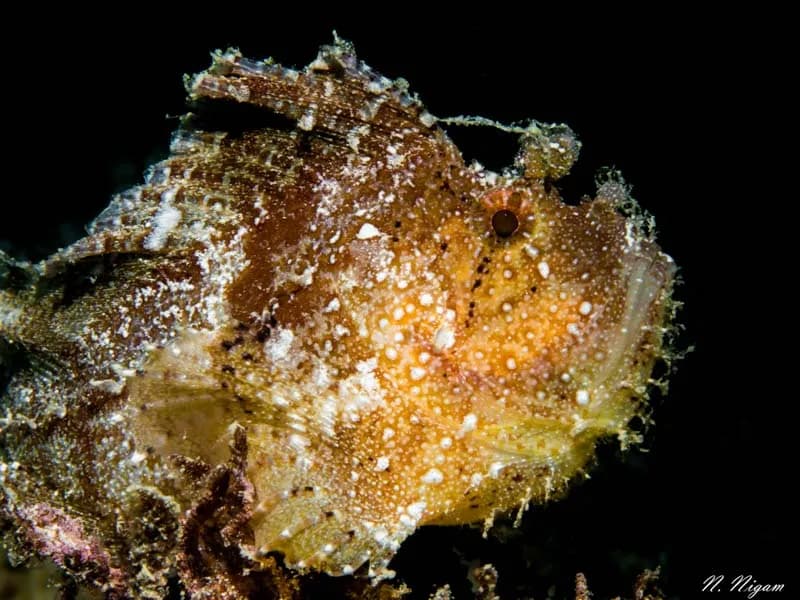
Reunion Island (Île de la Réunion) is a small French island in the south Indian Ocean, very close to Mauritius and not so far from Madagascar.It is mostly reknown for the beauty of its landscapes and ease for hiking. There is such a great number of well maintained hiking routes, going through very different landscapes. As a comparison, it is pretty similar to Hawaii, but all in one island !The island (roughly 50x70 km) can be divided in two parts, with the old volcano (3000 m) in the west covered with a lush green primary forest, and the active shield volcano (2500 m) in the east with lunar landscapes.Diving activities are mostly present on the west coast (and a little in the south). Conditions are overall good and easy for diving (not much current, temperature between 24 and 27°C, only high swell sometimes makes life a little harder). Life here is not as abudant as in Mayotte and other hotter waters of the Indian Ocean. You will encounter mainly coastal species not too far from the shore as depth increases very quickly. Most of the time I am looking for small critter : sea slugs, leaf scorpion fish, many beautiful crustaceans there, ghost pipefish if lucky... many different species of morays as well.Occasionally you will encounter humpback whales during migration (August until end of October). Whale sharks and hammer heads have been spotted on very few occasions as well. In recent years, there have been a number of Bull shark attacks but these animals have almost never been observed during diving...If you are looking specifically for a diving destination, clearly this is not the place. But if you are looking for a great trip overall on a paradisiac island with some easy diving, I would recommend without any second thought. Plus food is great !