St. Lucia Diving Highlights
St. Lucia is a small island country that has everything divers could possibly want, from shipwrecks and natural wonders to tour operators, all in a compact space. Before you book your Caribbean dive trip with one of our amazing dive travel agents, here is everything you need to know about St. Lucia scuba diving.
If you only have time for a quick trip to St. Lucia (or a quick scan of this article), here are the highlights of scuba diving in this Caribbean nation.
The reason why St. Lucia is such a popular scuba diving destination is the abundance of
coral reefs
around the island that make for gorgeous diving scenery and easy trips for divers of all levels. Two of the best sites are Fairyland and Coral Gardens.
St. Lucia is also a great place to get started with scuba diving if you are a beginner. The island has many shallow beach dives such as Anse Cochon and Anse Chastanet.
St. Lucia is distinct from many other Caribbean islands because it has mountains, the Pitons. The uniqueness of the landscape extends underwater and experienced divers can explore wall dives and underwater formations such as Keyhole Pinnacles.
No matter which dive site you choose, dont forget to bring your underwater camera setup because St. Lucia is also one of the best destinations in the world for underwater photography.
St. Lucia is also a great place to get started with scuba diving if you are a beginner. The island has many shallow beach dives such as Anse Cochon and Anse Chastanet.
St. Lucia is distinct from many other Caribbean islands because it has mountains, the Pitons. The uniqueness of the landscape extends underwater and experienced divers can explore wall dives and underwater formations such as Keyhole Pinnacles.
No matter which dive site you choose, dont forget to bring your underwater camera setup because St. Lucia is also one of the best destinations in the world for underwater photography.
Introduction To Scuba Diving In St. Lucia
One of the first things you should know about diving in St. Lucia is that it is a great destination for those looking to get into the sport. The island is surrounded by shallow coral reefs that make relatively easy excursions and there are several beach dives (to reach the best dive sites you have to take a boat though).
St. Lucia is unique because the government of the island prioritizes sustainability and conservation. It does not have as big a problem with overcrowding or too much tourism as other Caribbean destinations, and smart management has ensured that sites stay pristine.
St. Lucia also has great infrastructure to help divers. The island has topped lists of the best scuba diving destinations for years, and locals responded to meet that demand with plenty of dive shops, and some excellent dive masters and instructors. You can get open water certified, take your dive education to the next level, or get more excursions under your belt during your visit.
As always, do your research before you go and make sure that you book with a reputable operator if you are going on an organized tour. Many resorts and hotels have in-house dive shops or can direct you to reputable operators.
When To Go Scuba Diving In St. Lucia
St. Lucia is blessed with a nearly year-round scuba season. Temperatures are cooler in the winter, from November to April, but the temperature of the water is still in the 70s and perfectly comfortable with a 3mm shorty wetsuit.
People that prefer warm water diving can go in the summer, as long as they are prepared to handle some rain (summer is the islands rainy season).
As with other Caribbean destinations, you need to be mindful of hurricane season when planning your visit to St. Lucia. While St. Lucia is in the hurricane belt, it rarely gets hit directly by hurricanes and there have been fewer than 20 since 1850. However, from August to early October, during hurricane season, you can expect more rain which will affect your diving opportunities.
St. Lucia Information
Before you go to St. Lucia, here is some basic information you should know.
St. Lucia is an island country located in the Windward Lesser Antilles, an island chain in the Caribbean Sea. It used to be a British colony (although you will notice plenty of French influence in the patois spoken on the island and the culture) and gained independence in 1979.
St. Lucia is unique because it is a volcanic island. The volcano created many stunning geographic formations, such as the Piton mountains and sulfur springs, as well as underwater rock formations. The entire island is only 27 miles long and 14 miles wide, but there is plenty to see and do.
Popular Dive Sites
When you go diving in St. Lucia, you must check out the reefs. One of the most popular reef diving sites is Fairyland, a wall of coral reef with stunning sponges and reef formations. Another popular reef diving site for more advanced scuba divers is Coral Gardens.
St. Lucia is very popular for those who prefer shore diving or more accessible shallow dives. One of the best shallow dive sites is Anse Cochon, which has a North and South Reef. The sites are shallow but rich in coral and reef wildlife.
Although St. Lucia has many sites that are rewarding for beginners, that doesnt mean there isnt anything to challenge more experienced divers. For example, those willing to make the trek out to Keyhole Pinnacle can see underwater volcanic rock formations and rare fish.
Besides natural wonders, St. Lucia is home to some stunning shipwrecks that make for great scuba diving. The most famous is the Lesleen M, near Anse Cochon, which was sunk on purpose to create an artificial reef that is now home to a stunning array of marine life.
Marine Life
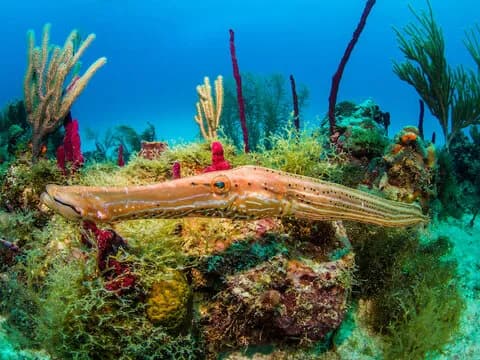
One of the biggest reasons to go diving in St. Lucia is the stunning array of marine life around the coral reefs. You can spot tropical fish such as parrotfish, pufferfish, and more. The reefs are also home to smaller fish such as delicate seahorses.
St. Lucia is also a great place to spot larger marine wildlife. Some of the reefs are home to manta rays, while others play host to gentle turtles. If you time your visit right (we can advise you on this, so dont hesitate to get in touch) you can even see barracudas and sharks.
St. Lucia is even home to some mysterious marine life. The Thing is rumored to appear in Anse Chastanet during night dives. Whether you believe in it or not, trying to spot it is a fun excursion!
Diving Conditions
St. Lucia scuba diving is blessed by great conditions all year round. The water temperature is warm no matter the time of year, ranging from 75-85 degrees Fahrenheit. The water is cooler from November to April.
Visibility is also great all year round, with some sites boasting visibility that goes as far as 200ft.
St. Lucia also offers dives of varying difficulty levels, from gentle beach dives to challenging wall dives. Dive sites range widely in depth, from 20 feet to 140 feet.
Finally, diving conditions in St. Lucia are pristine and clean because as mentioned above, the island is dedicated to conservation. Most of the south and west of the island belongs to a marine preserve, so the water is pristine and kept free of pollution.
Best Time To Go Scuba Diving In St. Lucia
The best time to go scuba diving in St. Lucia is from November to May, to avoid the rain and potential storms.
St. Lucia has two international airports: Hewanorra International Airport (UVF) in the south and George F. L. Charles Airport (SLU) near Castries. Both have flights to and from the United States, Canada, neighboring islands, and some European countries. If you are island-hopping in the Caribbean, you can sometimes take a ferry from nearby islands such as Dominica but flying is faster.
How To Dive St. Lucia
The easiest way to dive St. Lucia is to get in touch with our expert dive travel agents who will be able to advise you on which resorts and hotels are best suited to your needs. You can get in touch via email at info@bluewaterdivetravel.com. The island has many reputable operators that handle the logistics of scuba diving for you and we have direct partnerships with some of the best!
Alternatively, you might want to consider booking a liveaboard trip with one of the many boats that operate in the Caribbean. No matter what kind of dive trip you are looking for, we can help, so get in touch!
Other Things To Do In St. Lucia
As you relax in between dives, there is plenty to do on land in St. Lucia.
Nature lovers will love the scenery on the island. Take time to hike the Pitons, the volcanic peaks on the island, or go on the Tet Paul Nature Trail.
Culture on the island is very relaxed and welcoming. Soak in some history in the colorful island capital of Castries with its famous market or take a break in the picturesque fishing village of Soufrierethe birthplace of Napoleon Bonapartes first wife.
How Safe Is Diving In St. Lucia?
In general, St. Lucia is a very beginner-friendly scuba diving destination that is safe for divers of all levels. The usual precautions apply, such as not going on dives that are too advanced for your skillset and booking with reputable operators only.
St. Lucia with its shallow waters, colorful reefs, and excellent diving infrastructure, is one of the best destinations for scuba divers in the Caribbean.
- Currency: Southern California East Caribbean Dollar (XCD)
- Electricity: 230 volts, with Type D and G plugs.
- Language: English is the official language of Dominica
- Time Zone: UTC-4