Scuba Diving in Sudan

Author: Tim Yeo

Expert advice on diving, seasons, and logistics

Free planning help when you’re ready to book

Exclusive dive packages tailored for you

Scuba Diving in Sudan - image

Destination Highlights

Scuba Dive Level

Advanced Diver

Visibility

33 to 115 feet (10 to 35 meters)

Average Water Temperature

80

Shark Encounters

Stunning Reefs & Corals
Scuba Diving In Sudan

Sudan Diving Highlights

Colorful, pristine reefs, uncrowded dive sites, unforgettable wrecks, healthy shark populations, and big schools of fish can be seen in this area. Sudan usually attracts more experienced divers and those who might have dived the Red Sea before.

Intro to Sudan

Sudan or the Republic of the Sudan is a country in Northern Africa. It is the largest country in Africa and tenth largest country in the world by area. While Sudan may not be a popular tourist destination, their scuba diving tourism is currently on the rise.

Diving Information

Sudan Marine Life

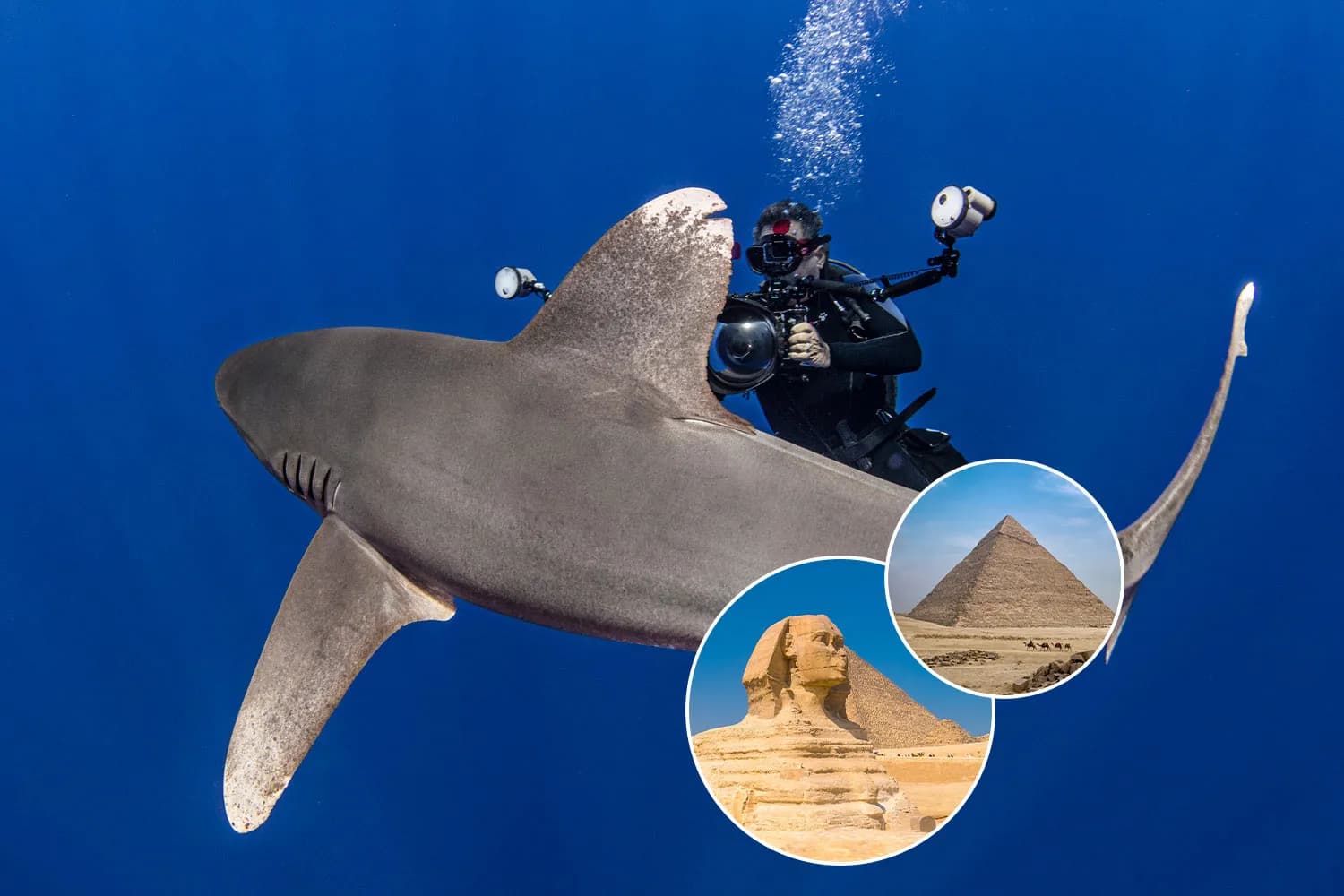
You can expect to see delightful coral gardens and schools of fish, a variety of sharks (including hammerhead sharks), barracuda, manta rays, dolphins (bottlenose dolphin, the common dolphin and the spinner dolphin), humpback whales, pilot whales, green turtles and hawksbill turtles.

Diving Conditions

  • Water Temperature: 26C/79F (Winter) & 29C/84F (Summer)
  • Visibility: 10 - 35m (33 - 115 ft)
  • Depth Range: 5 - 40m (16 - 131 ft)

Dive Sites

Here are some of the best diving spots in Sudan:

  • Angarosh - Experienced divers enjoy the deep diving opportunity that Angarosh presents, approximately 12 km east of Mukawwar Island. Hammerheads, tiger sharks, silvertips and grey reef sharks are commonly seen here. You can also expect to see schools of barracuda, bluefin tuna and yellowfin, as well as beautiful soft corals and innumerable reef fish.
  • Cousteau's Conshelf (Sha'ab Rumi Reef) - This is one of Sudan's best-known dive sites. This was the place for Jacques Cousteau's Conshelf II experiment in 1963. The rest of the dome is still at 9 m deep just south after the west passage of the reef. Only experienced wreck divers should explore the confined spaces of the structure. The surroundings are a pretty coral garden with plenty of soft corals and reef fish. Shark species include grey reef sharks, silky sharks and silvertips. During November to April, this is one of the best places to see hammerhead sharks.
  • Sanganeb Reef - Great reef, including a lot of different sharks (Hammerhead sharks, Grey reef sharks, Whitetip reef sharks). The occasional Napoleon wrasse and humphead parrotfish might also cruise by.
  • The Toyota Wreck (Blue Belt Wreck) - This cargo ship sank in 1977 with its load of cars, trucks, tractors and spare parts, which explains the automotive moniker. This is an excellent wreck dive mainly due to the cargo. The Blue Belt now lies upside down on a slope of about 30 and you can enter it through a large opening in the hull at 36m and work you up through the inside to come out near the bow.
  • The Umbria Wreck - The "Umbria" is one of the most famous sunken ships in the world. It is one of the jewels in the crown of Sudanese diving. At a maximum depth of 36m, the Umbria is shallow by most wreck divers' standards. Snorkelers will be able to explore much of the wreck's upper area while scuba divers will benefit from the extended bottom time possible on the ship's shallower sections. Marine life that you can see there includes cleaner shrimps, a large school of snappers, spiny fish, butterflyfish and barracudas.

How To Get There

Khartoum International Airport (KRT) is the main gateway into Sudan by air. Some international flights also use Port Sudan Airport (PZU). The airport is served by local yellow taxis, which may overcharge. Alternatively, you can book taxis through LimoTrip, which uses metered taxis with better vehicles and rates.

How To Dive Sudan

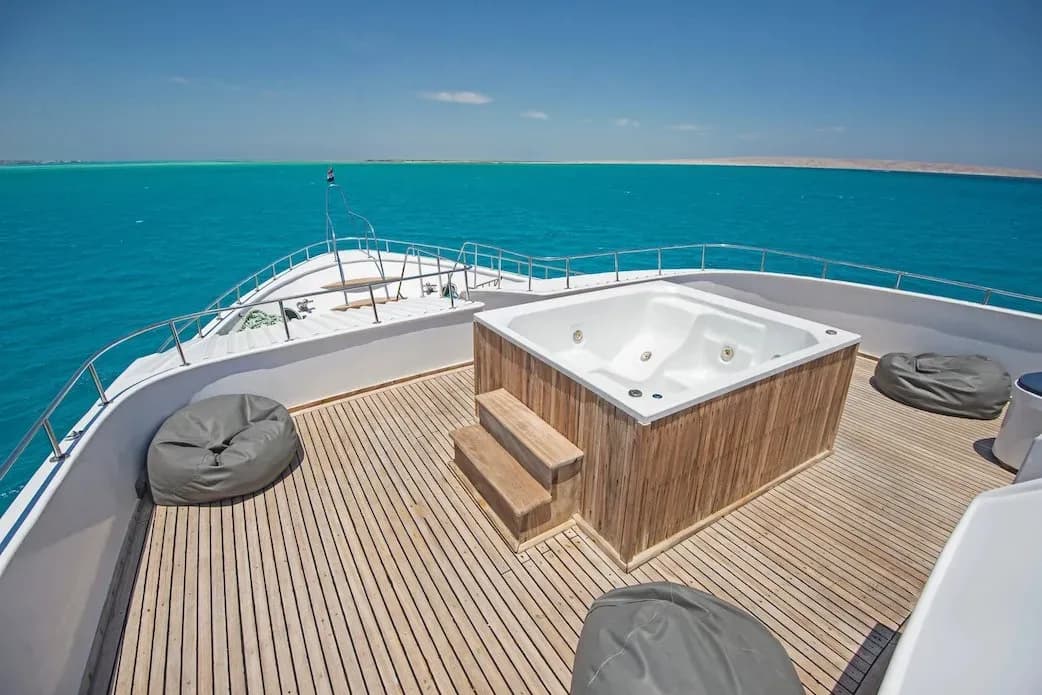
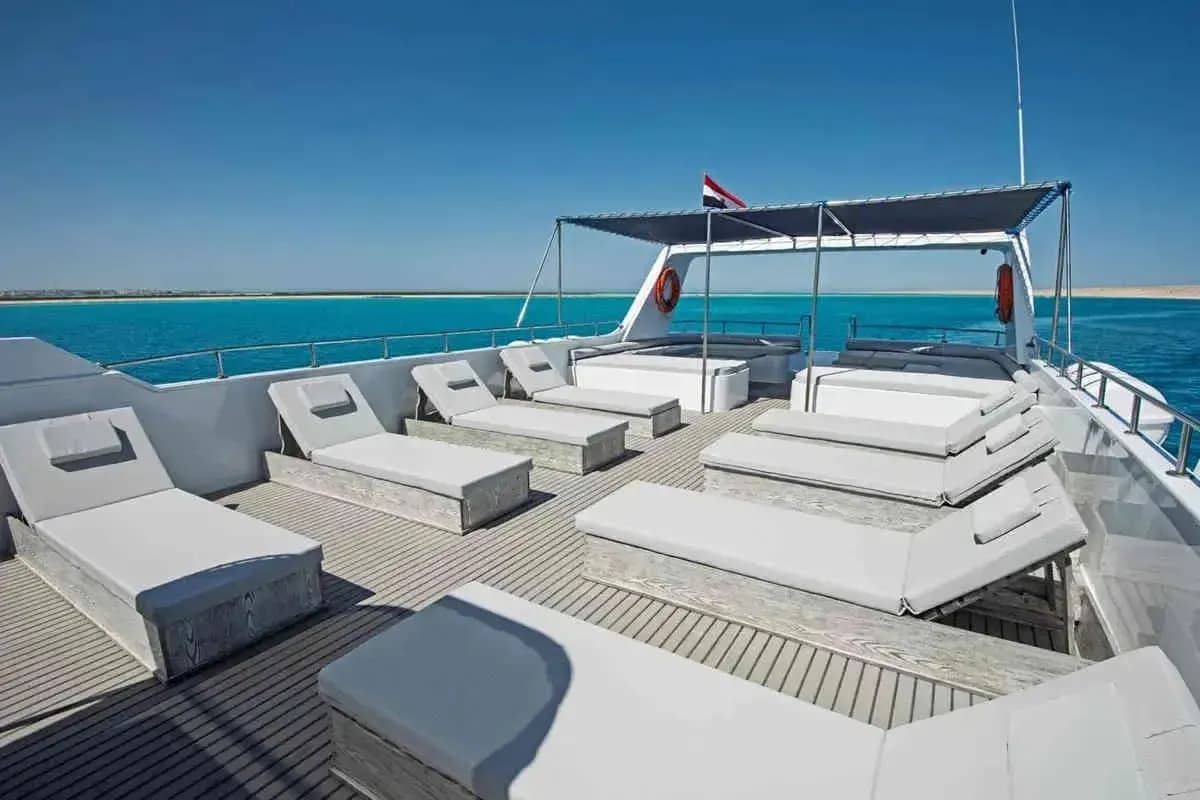
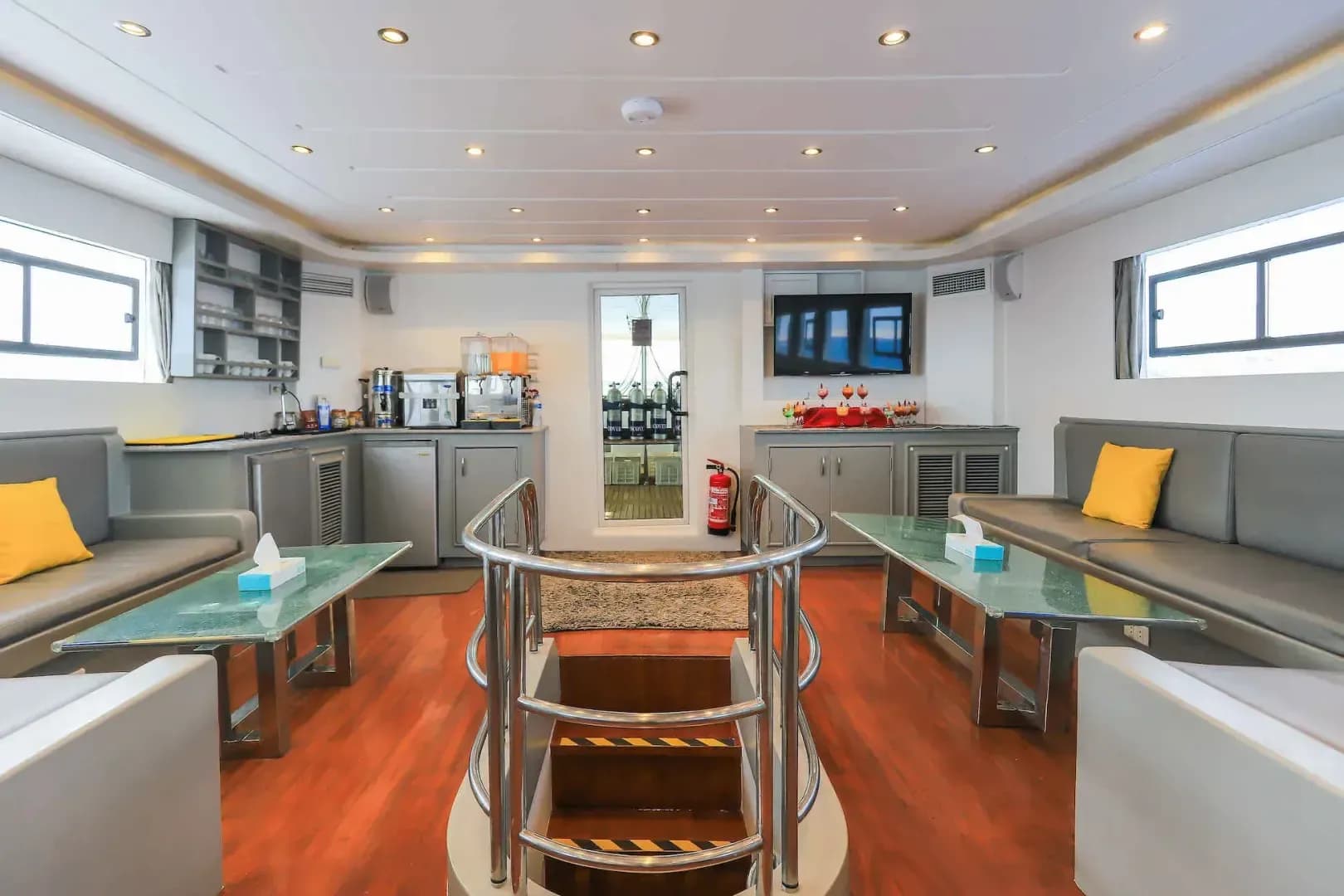
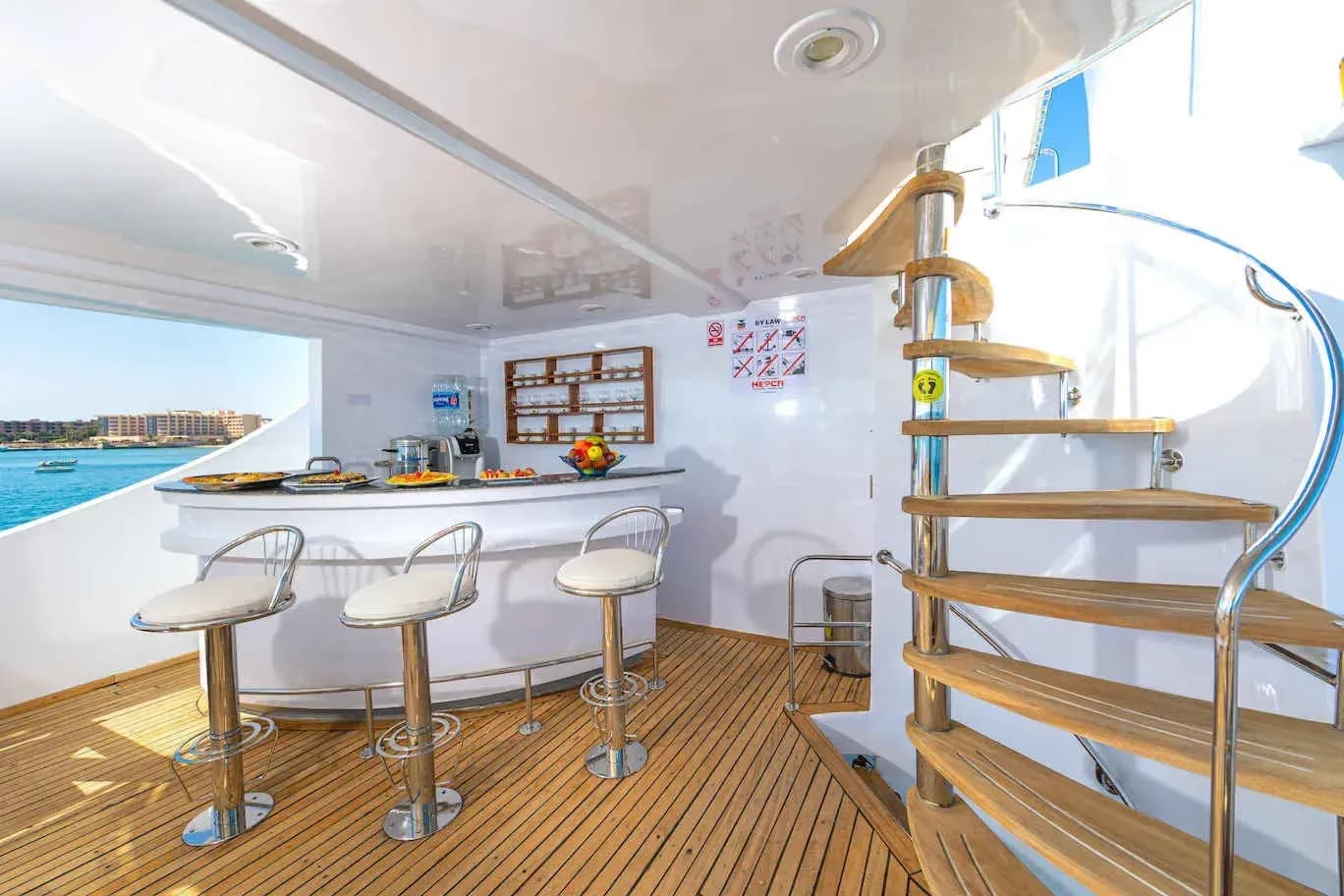
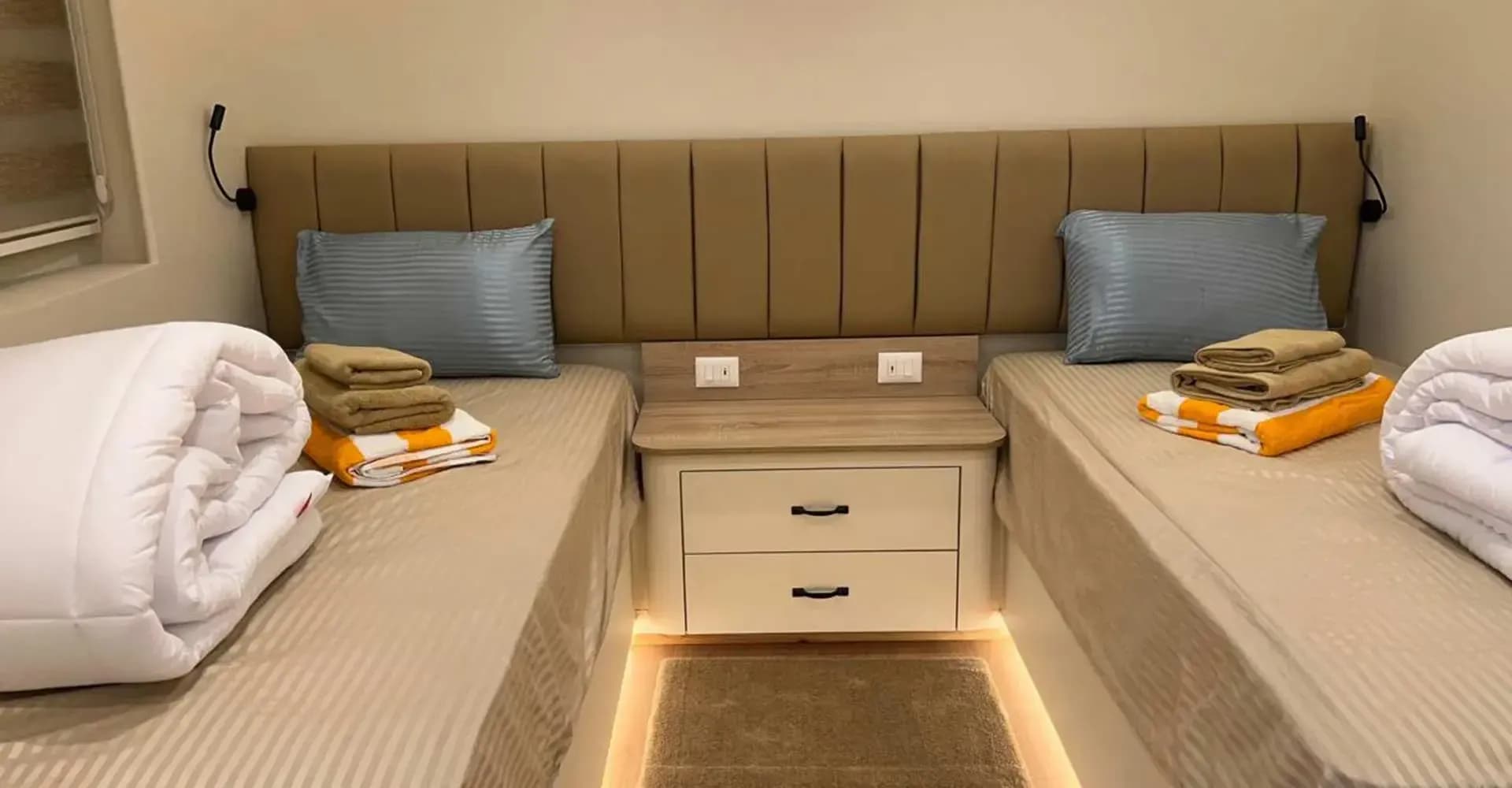
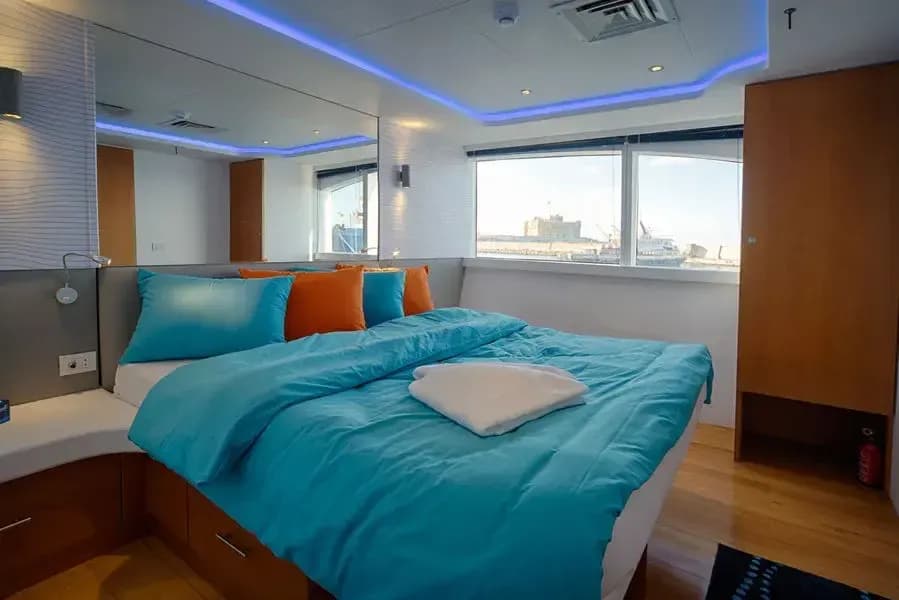
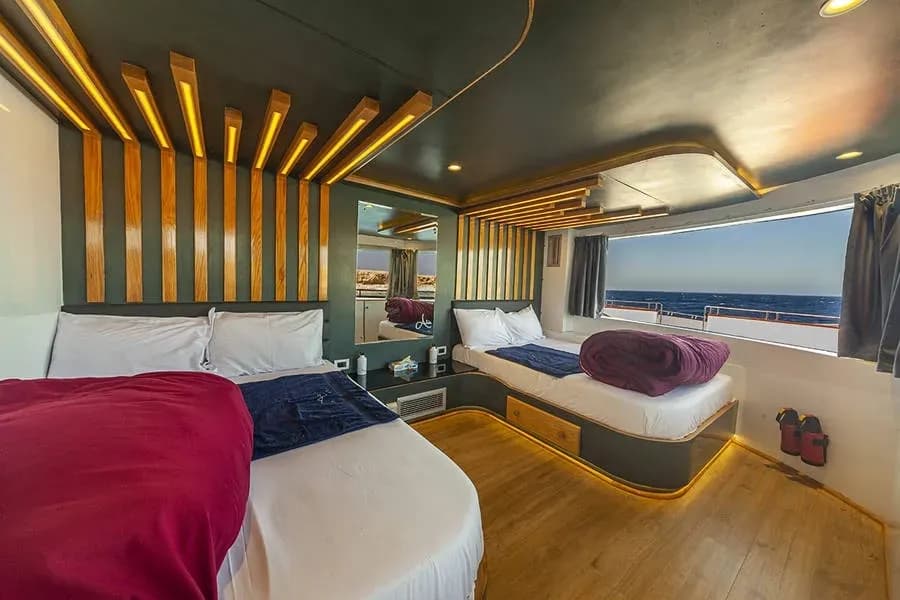
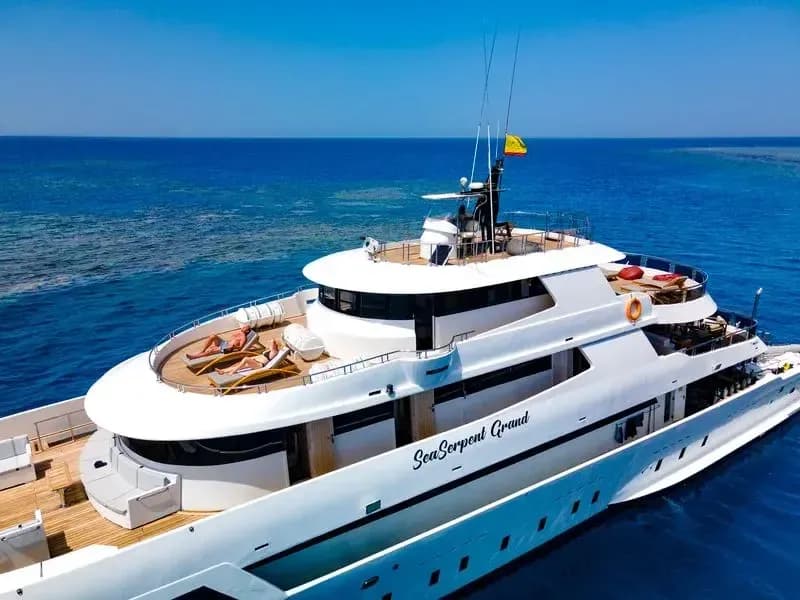
Sudan is mostly a liveaboard destination. Trips either depart from Port Sudan or from Port Ghaleb in Egypt. Some boats also travel to some of the dive sites in Egypt.

Discover Red Sea liveaboards in Sudan and Egypt.

Best Time To Dive

Liveaboards operate all year round in Sudan, but the conditions might vary throughout the year. Hammerhead season is from January to April, while August to October might be the best time for you who want to see mantas. The dry season (November to June) usually has better visibility than the rainy season (May to October).

Topside & Non-Diving Activities

  • Visiting Meroe Pyramids.
  • Visiting Naqa and Musawarat
  • Sufi ritual of drumming and trance dancing
  • Excellent Sudanese cuisine with various influences, including Egyptian, Ethiopian and Turkish cuisines.

Find out about scuba diving the Red Sea from Egypt.

Practical Information

  • Currency: Sudanese Pound (SDG)
  • Language: The official languages in Sudan are Arabic and English
  • Main Airport Code: KRT
  • Time Zone: UTC+3
  • Electricity: 230 volts, 50Hz

Author

Tim Yeo

Tim grew up in tiny Singapore, where driving for more than an hour meant you would need a passport. Traveling was always his passion, but Tim became addicted to dive travel soon after he got scuba certified in Malaysia. As his diving addiction grew, Tim eventually became a Staff Instructor with PADI and an Instructor Trainer with SDI. After getting his instructor certification, Tim spent time teaching scuba in Malaysia and Vietnam.

Tim serves as General Manager and COO at Bluewater Travel and is the company's most seasoned trip leader. With a portfolio of leading over 30 group trips, his extensive expertise encompasses a variety of popular dive destinations such as the Galapagos, Raja Ampat, French Polynesia, Fiji, the Red Sea, Palau, Maldives, among others. His travels have taken him across all seven continents and allowed him to dive in all five oceans—the Atlantic, Pacific, Indian, Arctic, and Antarctic.


Read more about Tim Yeo