



Dumaguete Trip Report 2025
A Bluewater Travel Underwater Photography Workshop, Led By Trip Leader Mark Strickland
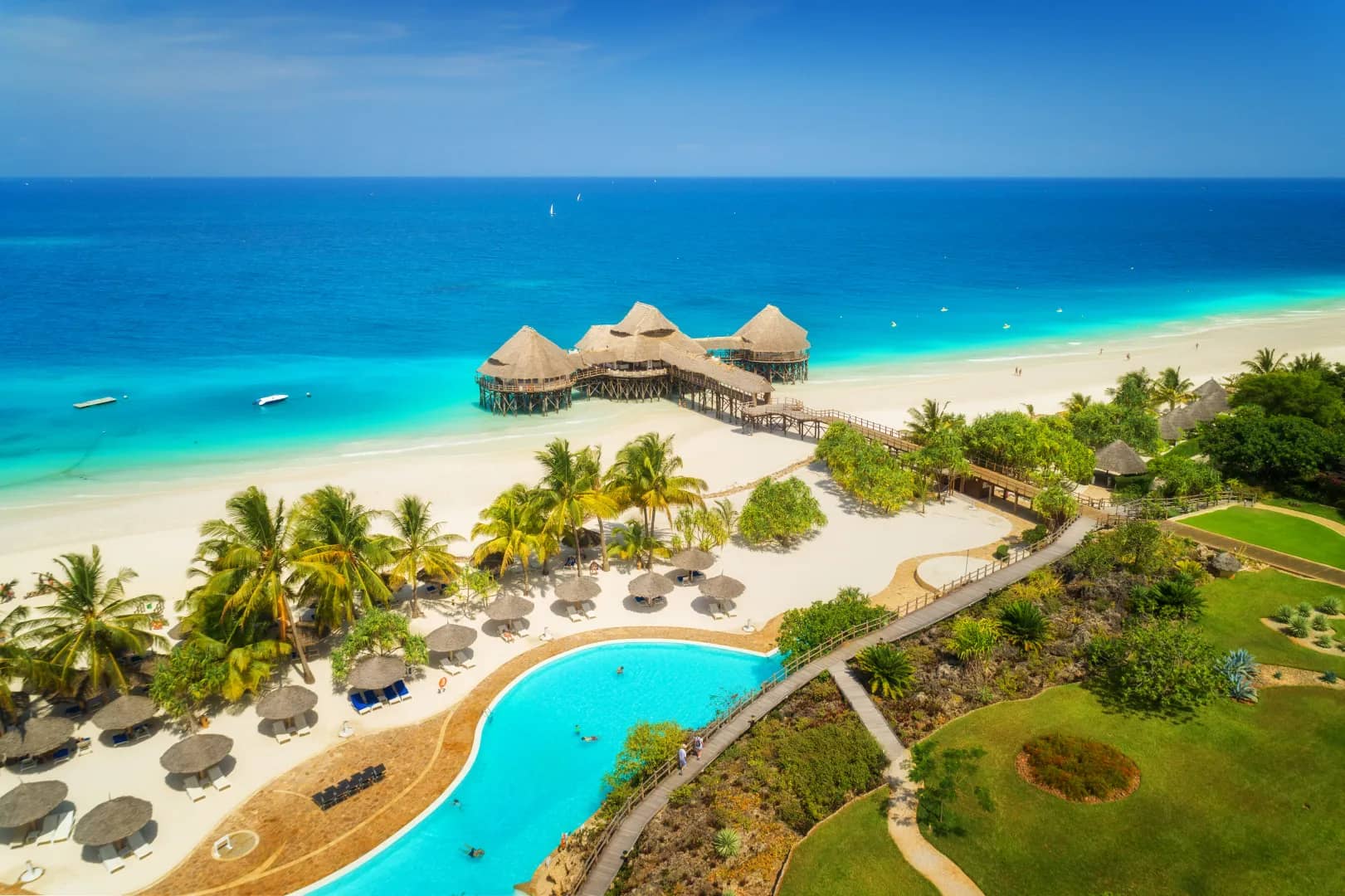
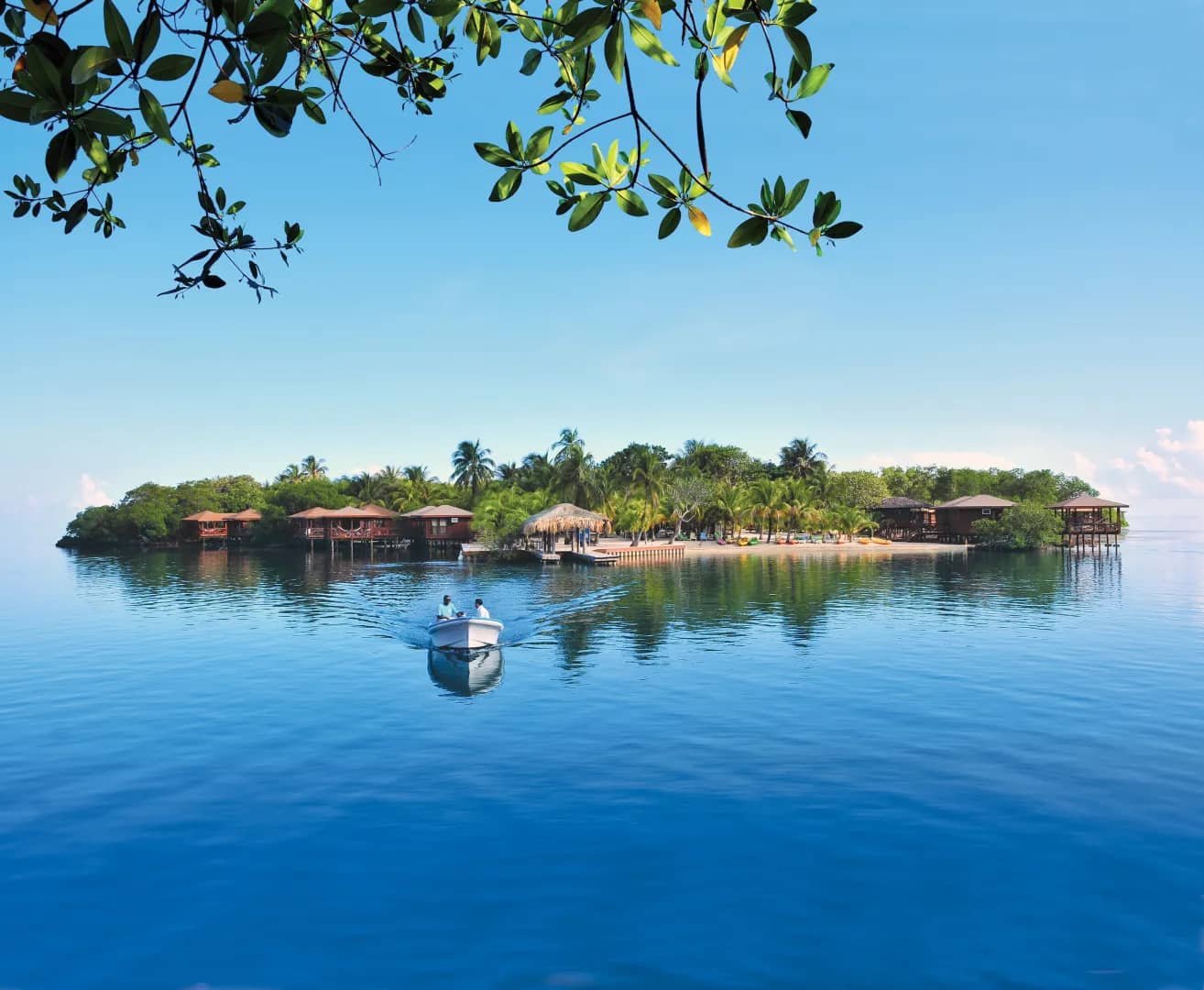
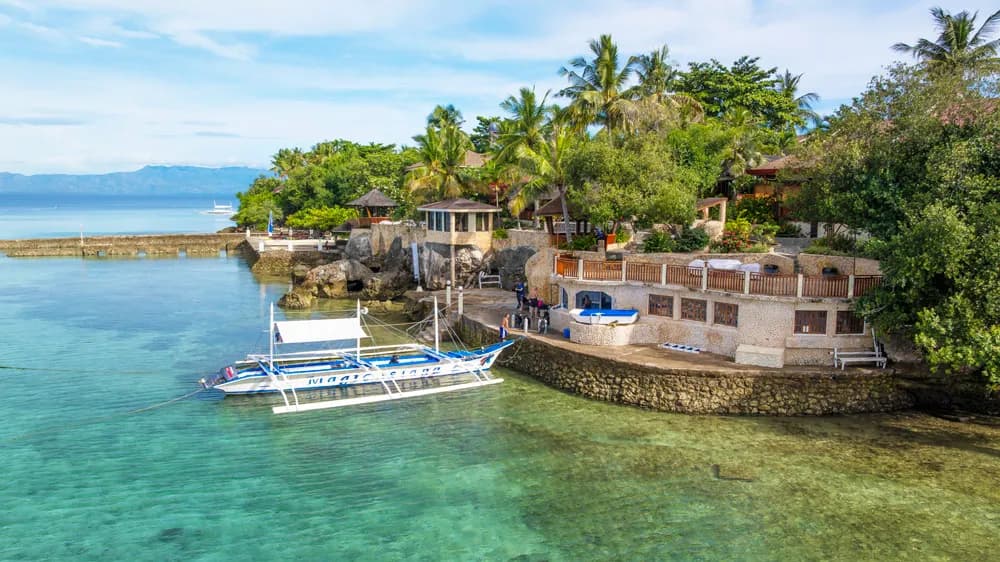
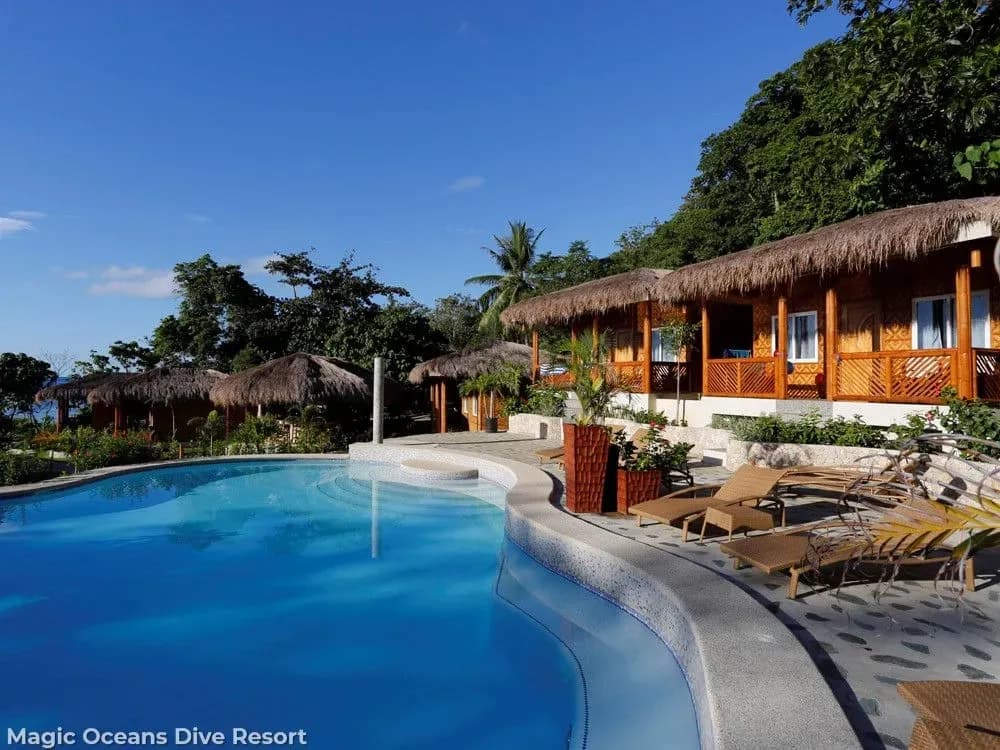
Snuggled away in the central Philippines, Dumaguete is blessed with some of the world’s best critter diving as well as beautiful hard coral reefs at nearby Apo Island. Considering the dozens of nearby dive sites, warm, comfortable water, and stellar accommodations at the beautiful Atmosphere Resort, it was a natural choice for Bluewater Travel’s weeklong photo workshop.
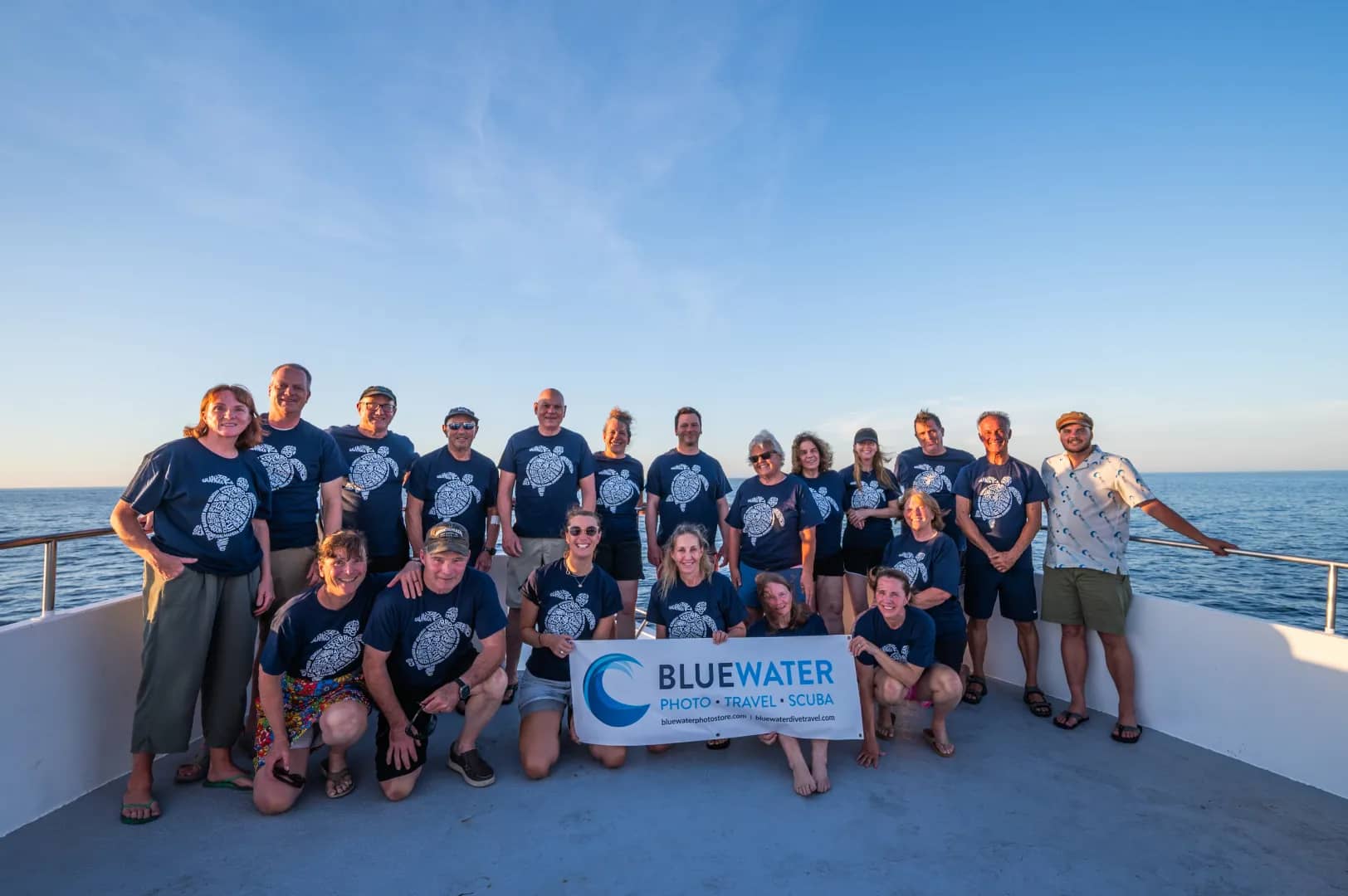
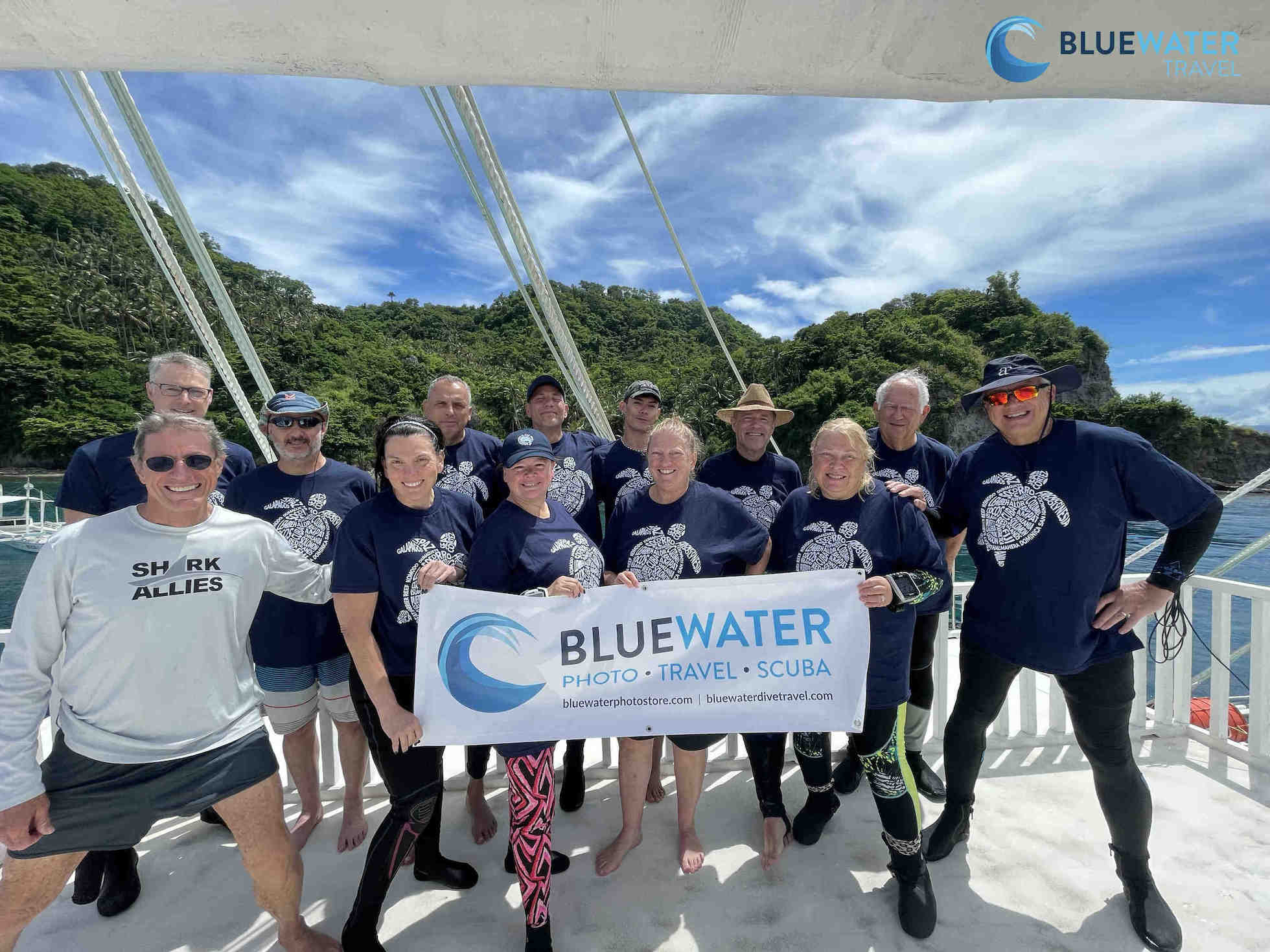
Our group of 13 came from all corners of North America, including some who arrived early to get a head start on their diving. The rest of us spent our arrival day getting settled in and assembling photo gear in the well-appointed camera room, where each photographer had their own dedicated workspace, complete with multiple power outlets, good lighting, and pressurized air for drying equipment.
.jpg)
Getting Started
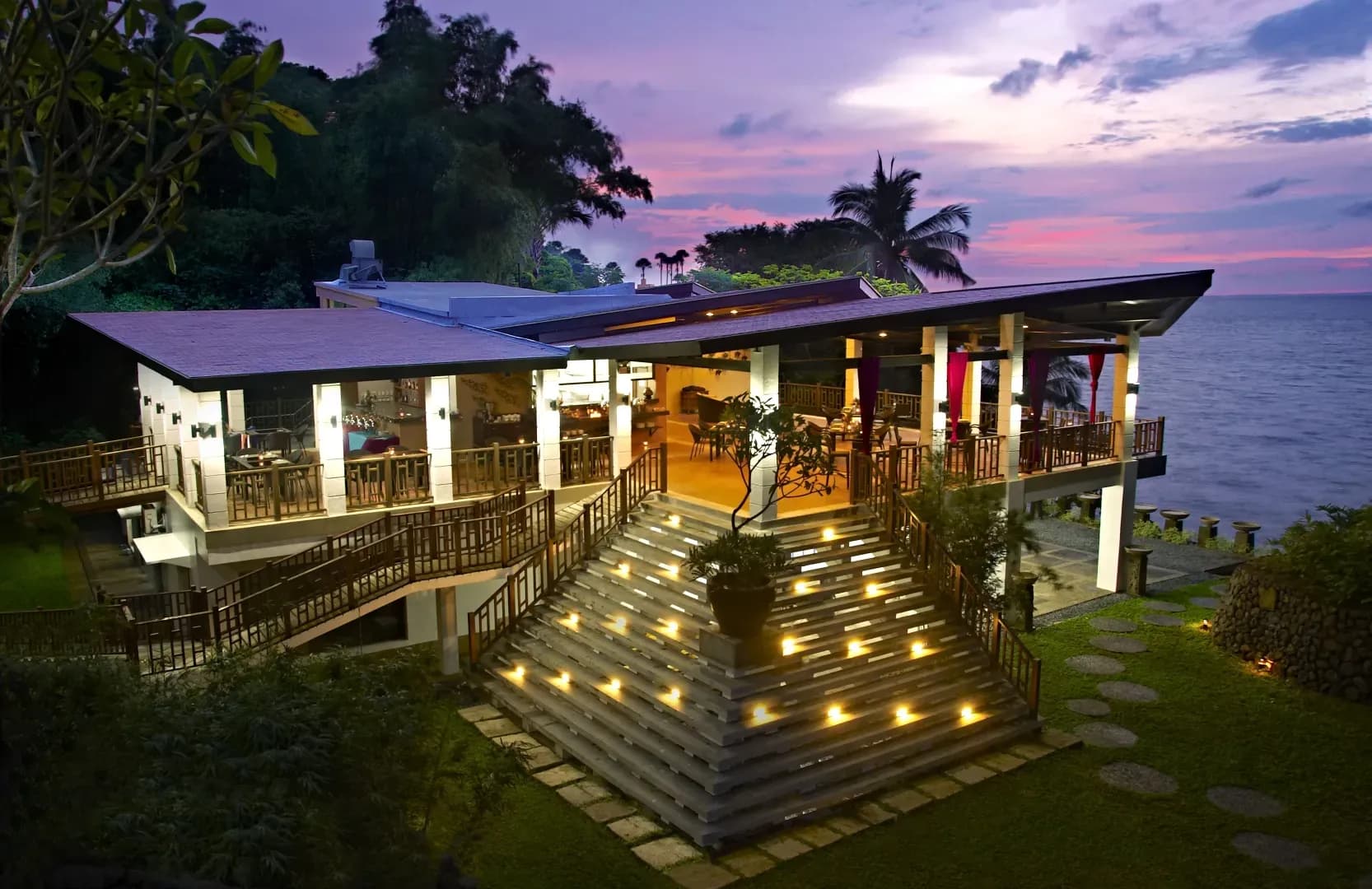
After a series of delicious meals at Atmosphere's open-air Breeze restaurant and a good night’s sleep, we all met the next morning to prepare for the upcoming week of underwater exploration and photography. Once equipment was organized and Nitrox fills were analyzed, we all settled in at the dive center's comfortable lounge for a briefing about the two morning dives, both of which were a mixture of sloping reef, seagrass beds, and dark-sand substrate.
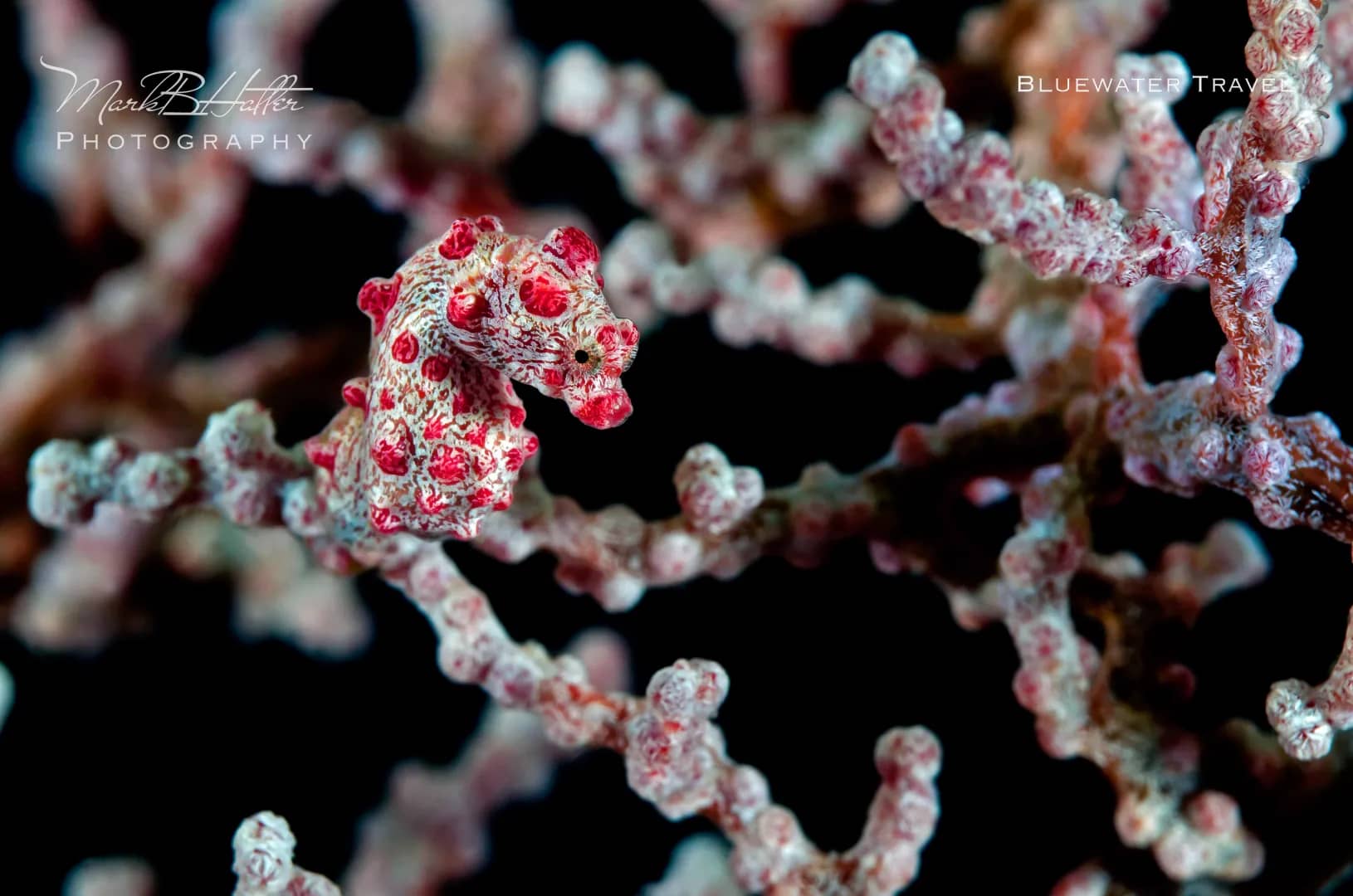
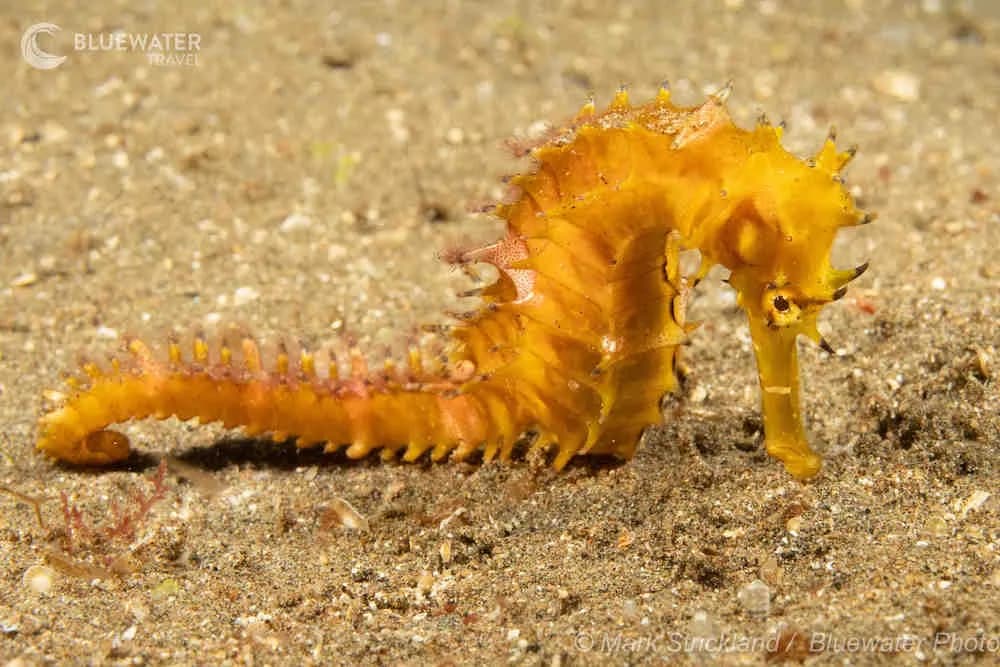
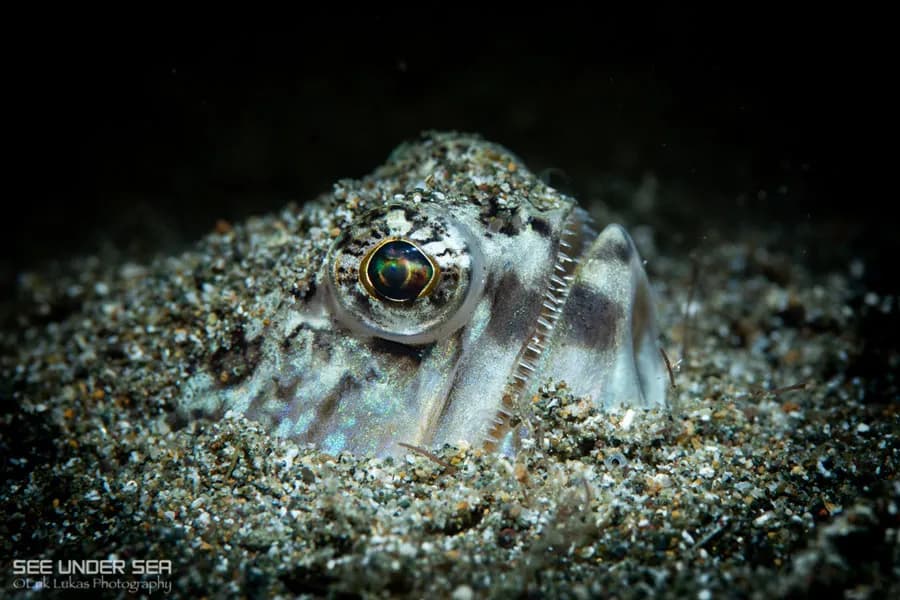
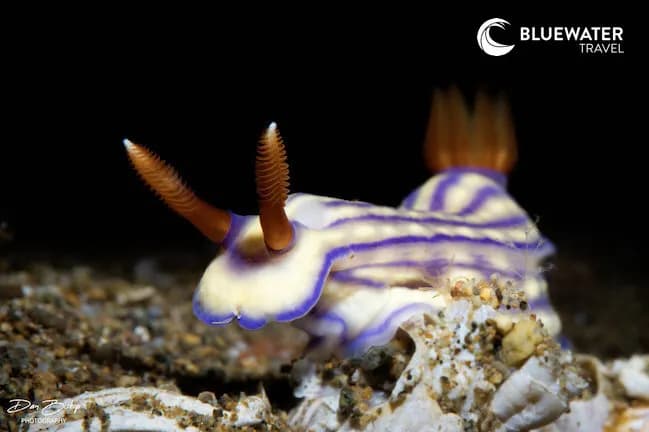
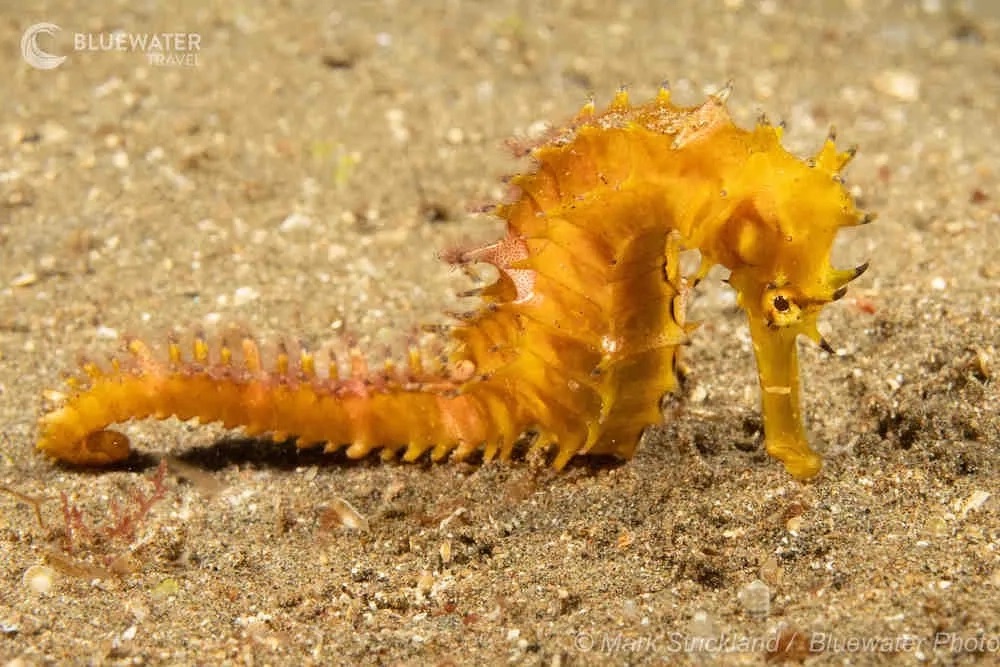
We then boarded the resort's large, exceptionally well-appointed "super banca" dive boat, which easily accommodated our group of 13. After a roughly 15-minute boat ride, we arrived at our first site and entered the water via giant stride off the boat's bow. The guide-to-guest ratio was great, with one guide for every 2–3 divers. Almost from the moment we entered the water, our guides were showing us great critters, including decorator crabs, ornate ghost pipefish, thorny seahorses, schooling catfish and shrimpfish, juvenile sweetlips, and many species of nudibranchs, including tiny "Shawn the Sheep" and "Swedish" sap-sucking slugs.
.jpg)
.jpg)
.jpg)
.jpg)
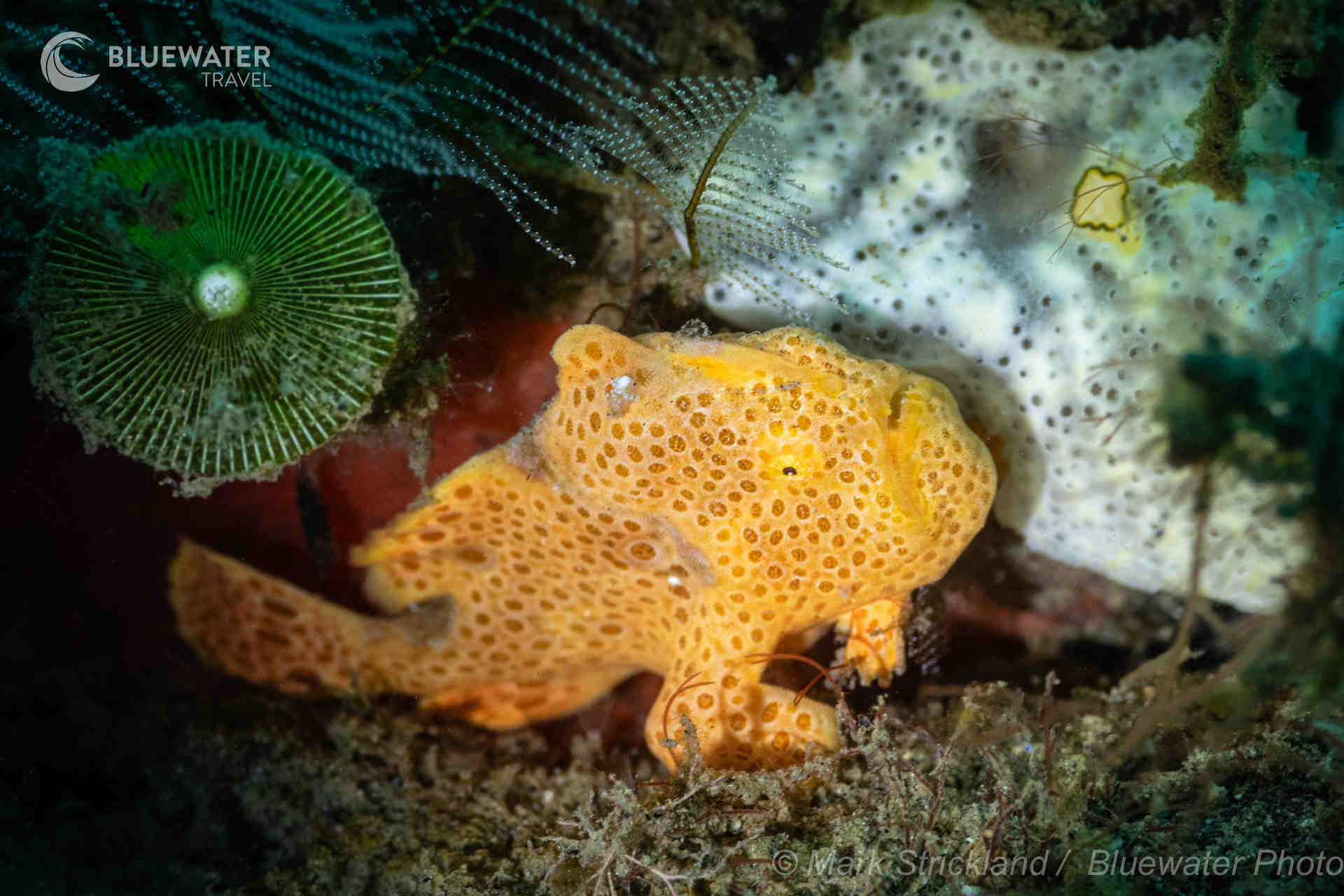
Our guides worked hard to find us interesting photo subjects, and there were very few times when we didn't have something interesting to photograph. As we off-gassed between dives, the crew served us coffee, tea, or hot chocolate, and also put out a sampling of perfectly ripe fresh pineapple, watermelon, and mango slices, while changing our tanks in preparation for the next dive. The second site was very similar to the first, featuring an equally outstanding assortment of marine life, with the addition of several small frogfish.
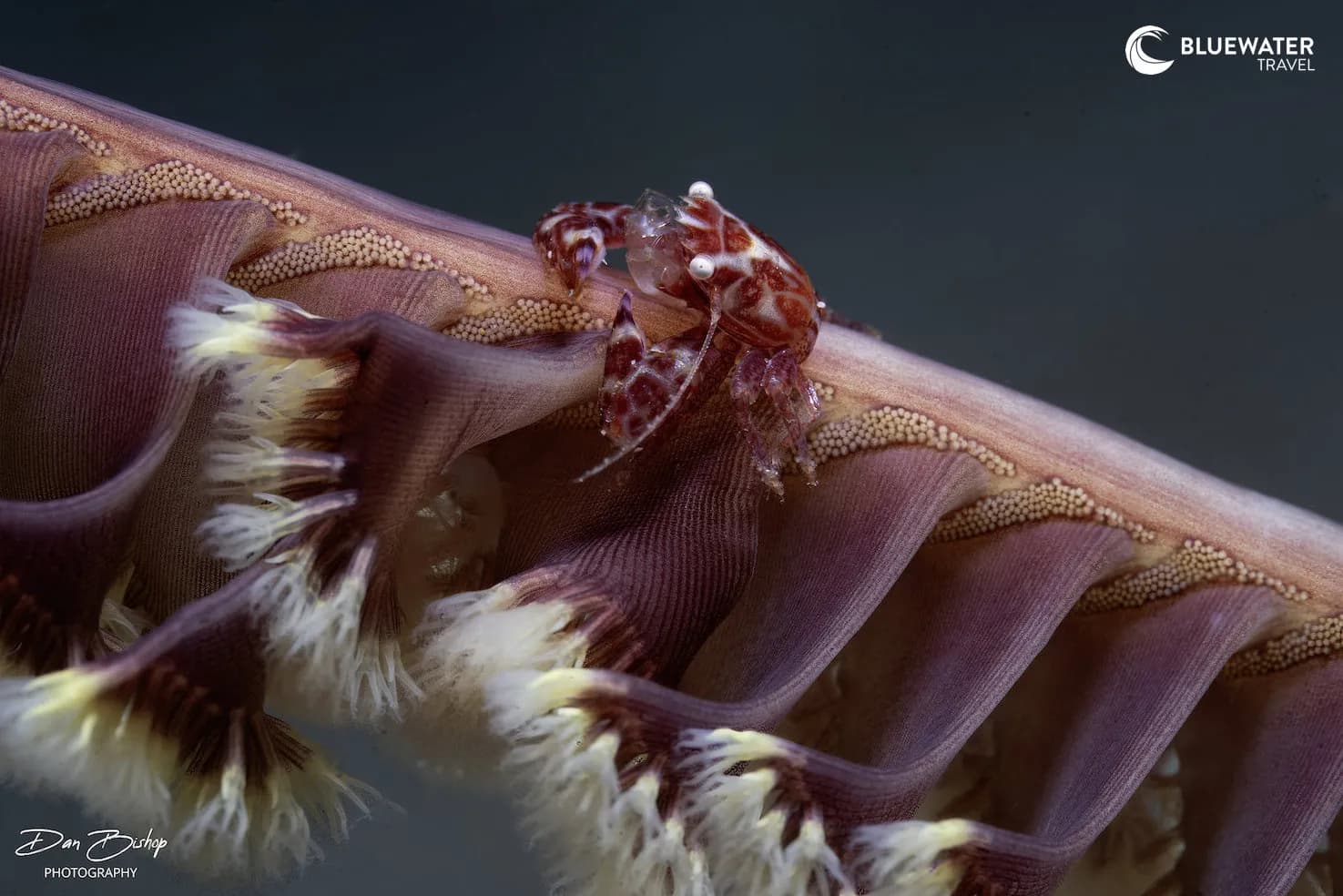
We did experience a brief downpour during our surface interval, but the enclosed lounge area and provided towels allowed us to stay dry and comfortable. After returning to the resort for our choice of mouth-watering lunch items, we gathered again in the dive lounge for the afternoon dive briefing, then once again boarded the super banca and got underway to another nearby site, also a combination of sloping volcanic sand, seagrass, and healthy hard coral. Highlights there included at least six species of nudibranchs, commensal shrimp, several more seahorses, mantis shrimp, porcelain crabs, and countless other critters, most of which were cooperative photo subjects.
.jpg)
.jpg)
.jpg)

Underwater Photography & Learning
As with most photo workshops, there was barely a minute to spare, so almost immediately after returning to Atmosphere, we all quickly changed and headed to the classroom, where we spent the next couple of hours covering the basics of underwater photography. Then it was on to dinner, followed by downloading the day's images and preparing cameras for the next day's diving.
Despite being the “rainy season,” we enjoyed great conditions throughout the week, with mostly calm seas, sunny skies, and warm water temperatures, never dropping below 85 degrees Fahrenheit. Visibility was good to great, averaging 40–60 feet at most sites.

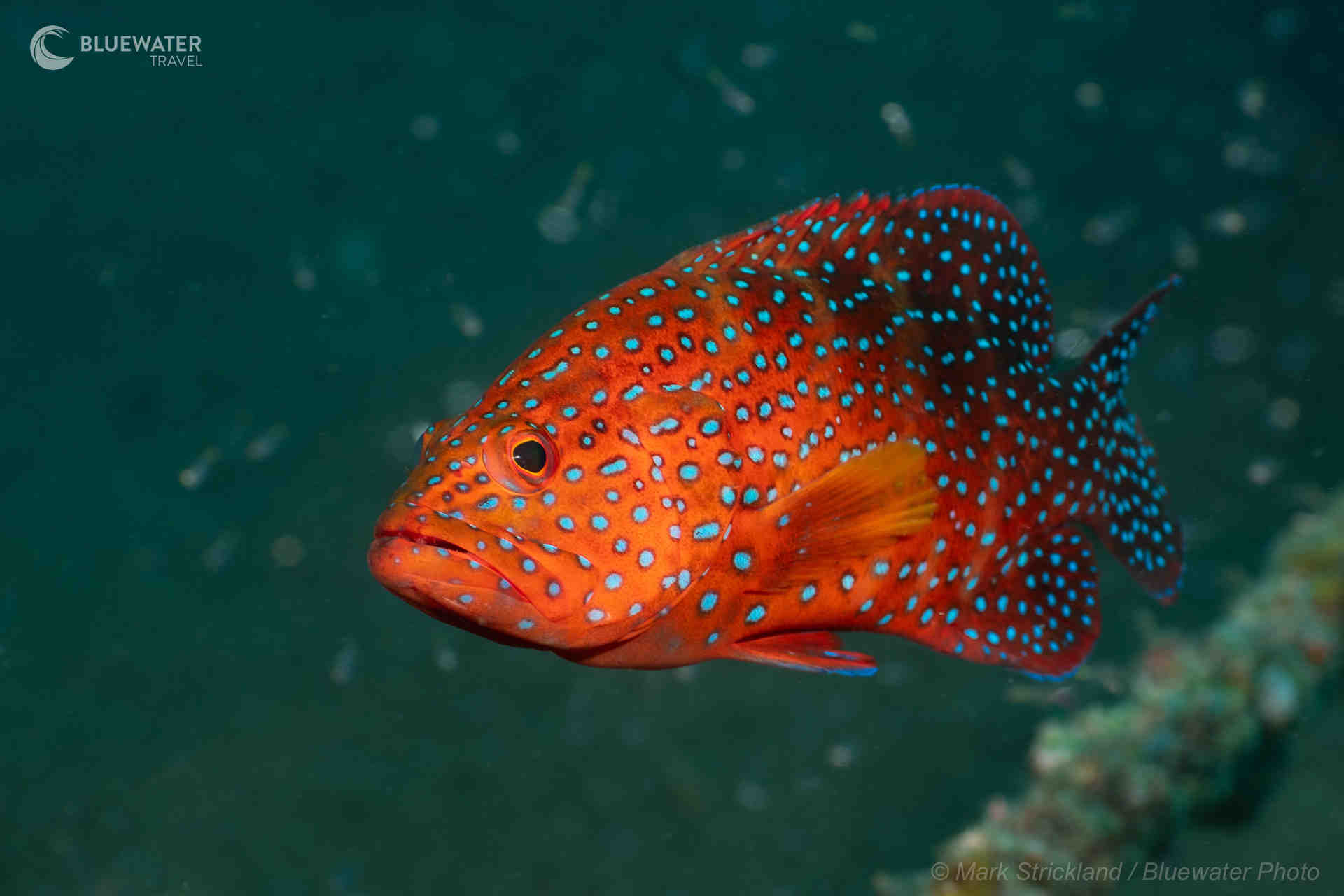
Diving on subsequent days was very similar to the first day, with short boat rides to the north or south of the resort to other sloping reefs with mostly mucky substrate, scattered hard corals, sections of artificial reef, and healthy seagrass beds in the shallows. While many of the same critters were found at multiple locations, some of the most compelling subjects were especially prevalent at certain sites, such as frogfish, ranging from soccer-ball-sized giants to tiny juveniles the size of a corn kernel.
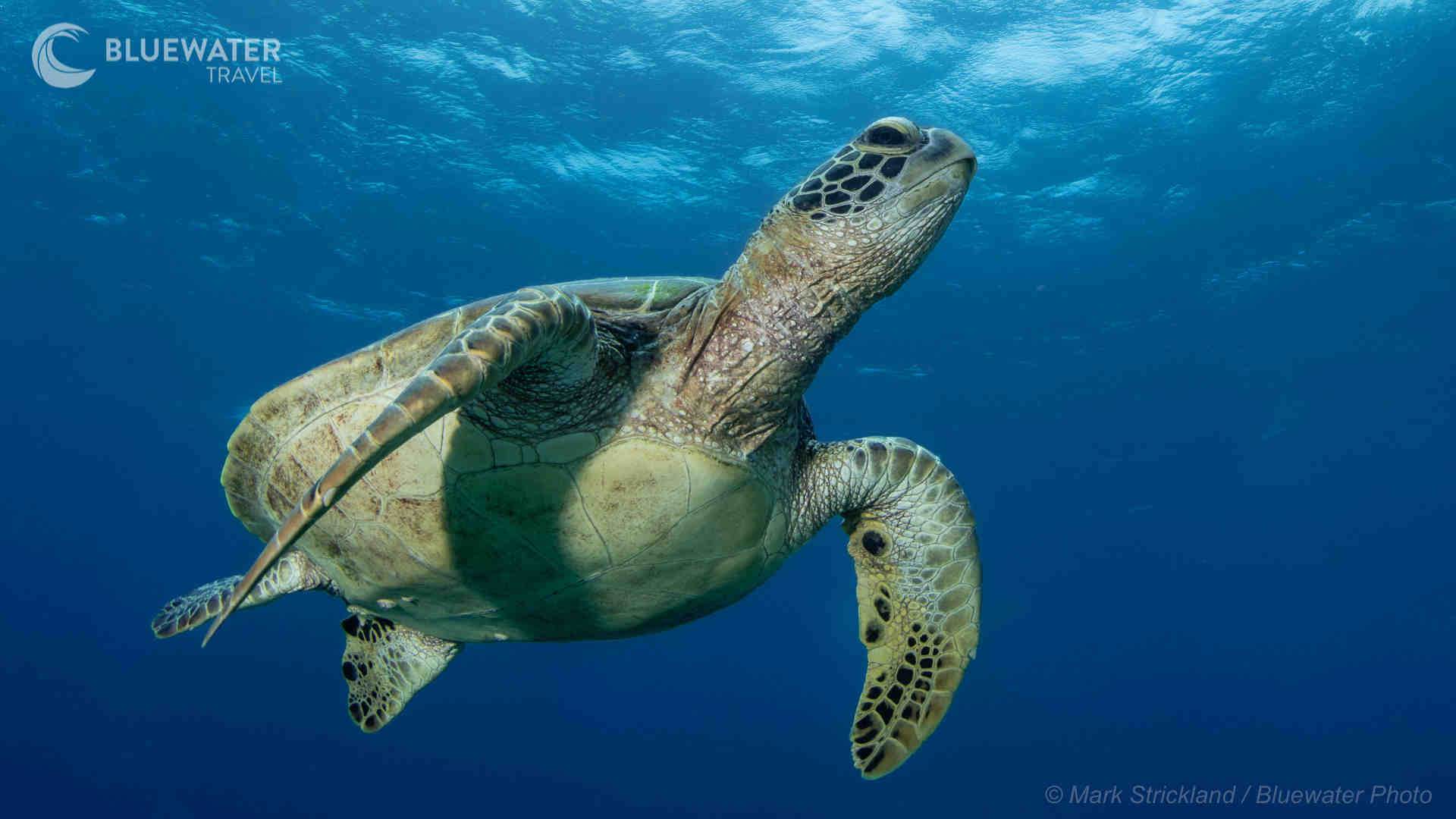
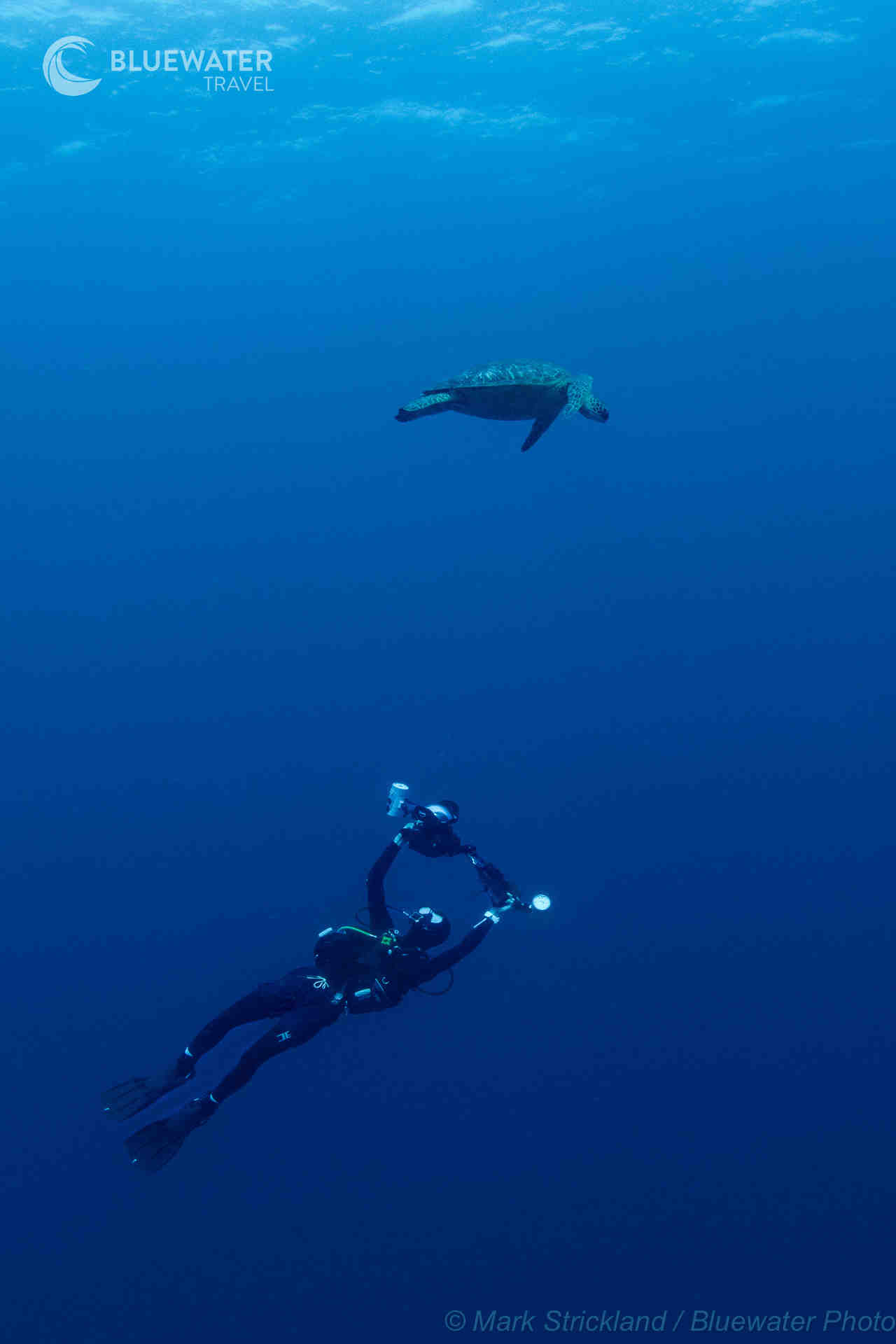
Other highlights included mesmerizing flamboyant cuttlefish, mimic octopus, reef squid, broadclub cuttlefish, odd-looking sea moths, a wide range of nudibranchs, fields of garden eels, and countless species of colorful reef fish. While most of our time was spent focusing on small creatures, we also had frequent encounters with huge green sea turtles, which were typically very approachable. On one dive, we even had a close pass by a curious manta ray!
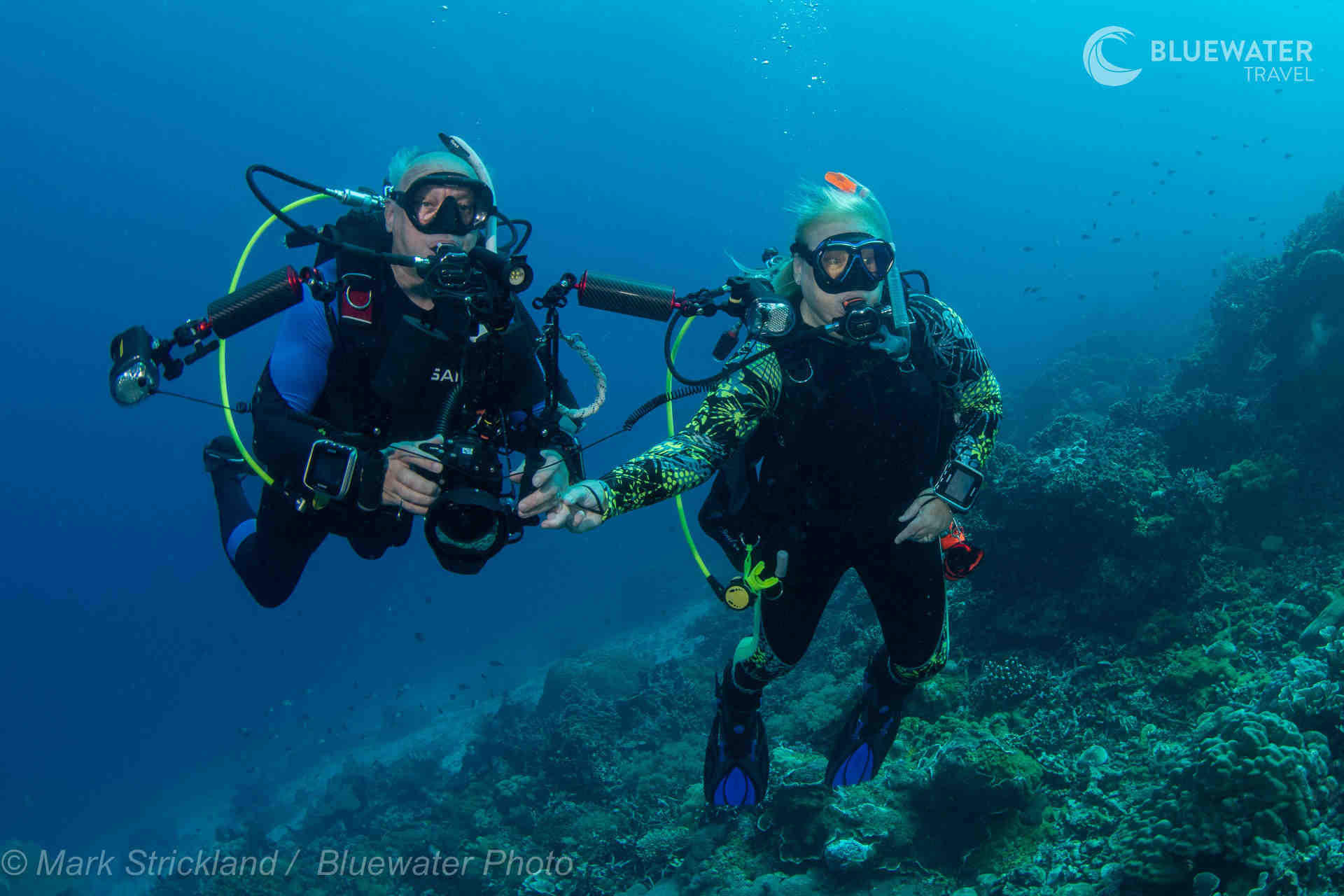
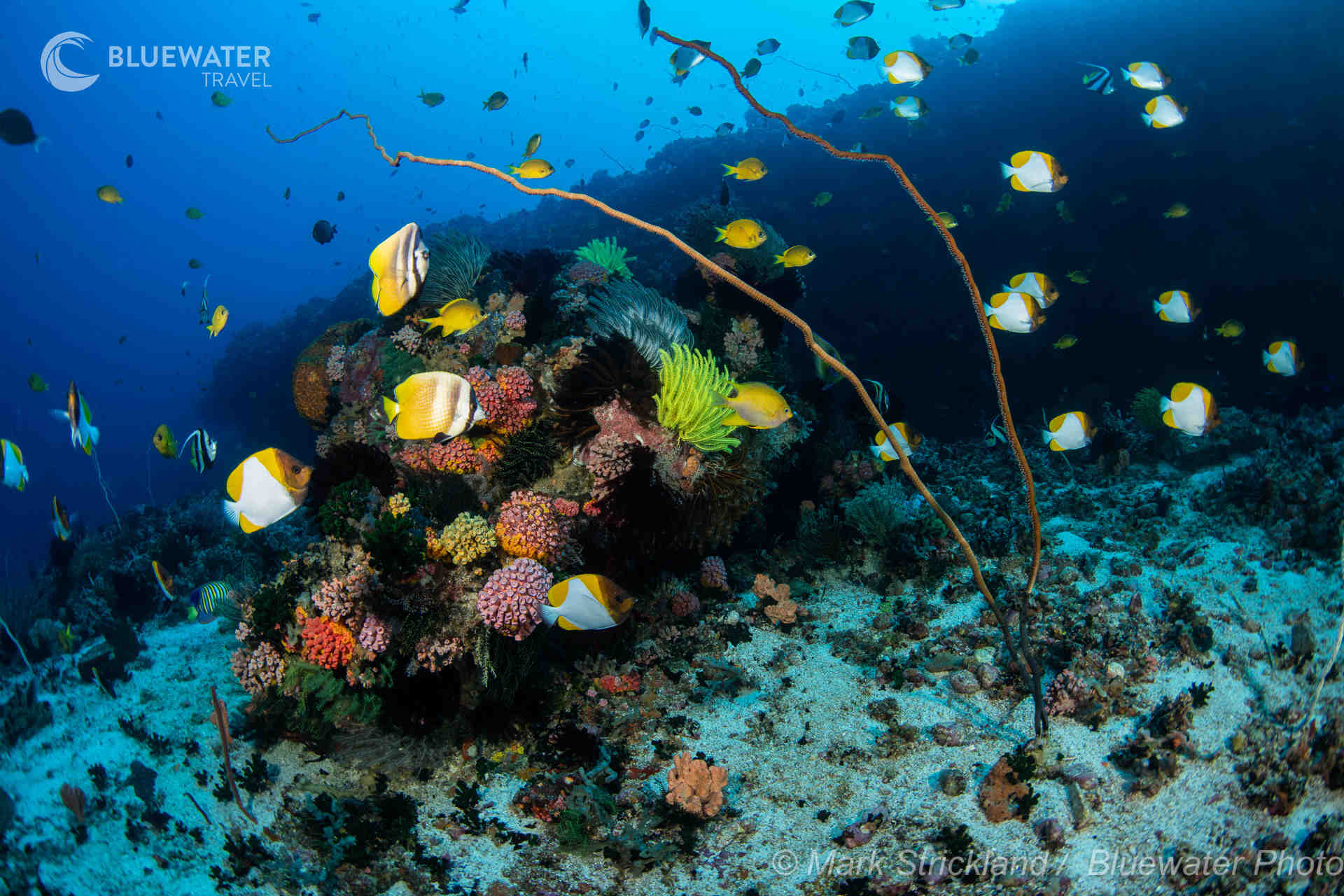
Unique Dives & Highlights
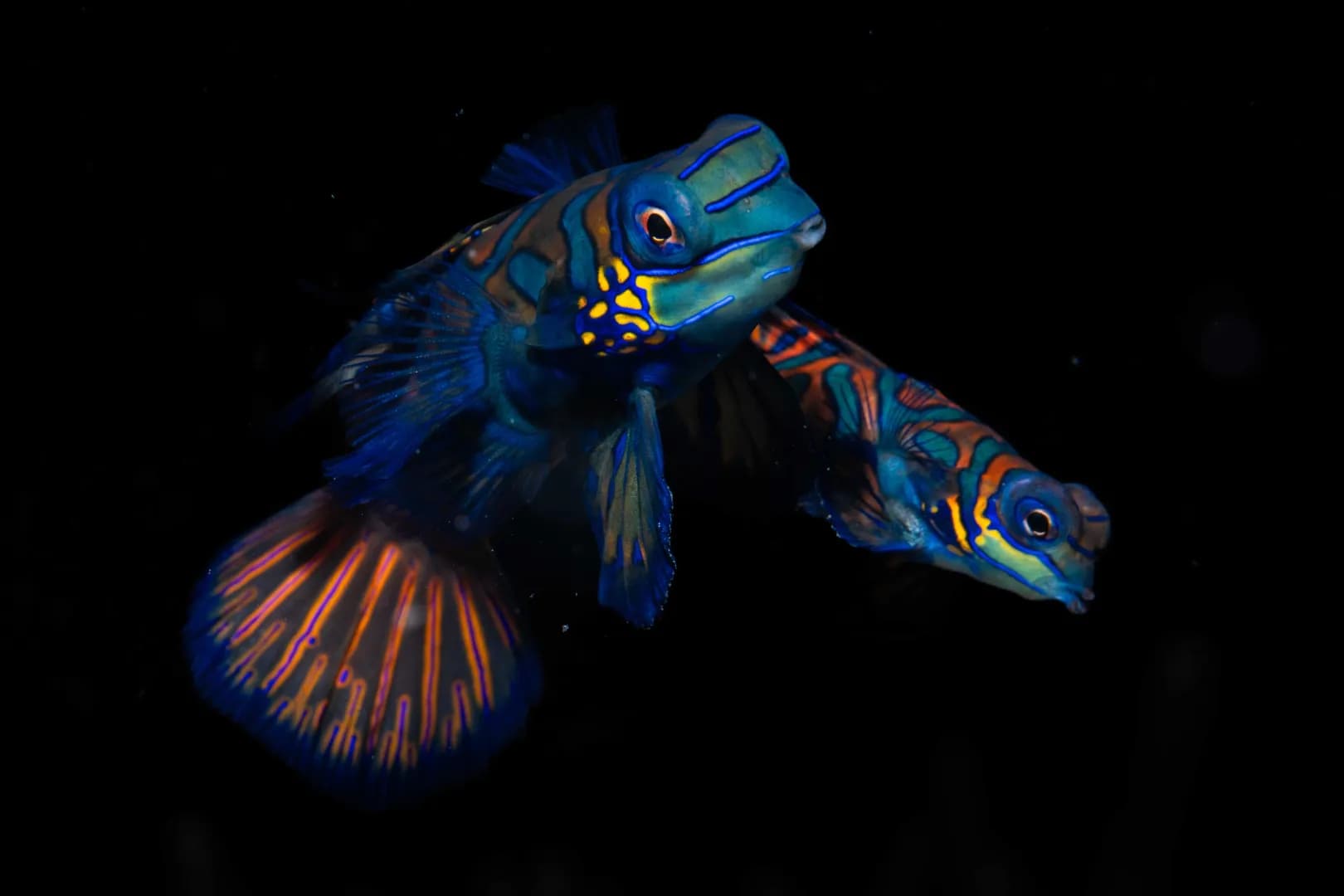
On the second day, several of our group opted to skip the mid-afternoon dive in favor of an early evening excursion to a site known for Mandarinfish, where we were treated to a captivating display of romantic pursuits by these little beauties, as well as appearances by several robust ghost pipefish and a rarely-seen fish known as a comet. Others went night diving on the excellent house reef, where they also reported a great variety of engaging subjects.
As the days flew by, we easily fell into a routine of breakfast by the waterfront, followed by two morning dives, then a return to the resort for lunch and a brief rest before gathering for an afternoon dive. Then, in the late afternoon, we gathered for a daily presentation in the classroom, where each day focused on a different photographic specialty, including macro, wide angle, lighting, and composition, as well as equipment considerations and diver etiquette.
Another popular facet of the workshop was the image review, which offered a great chance to see what everyone else was shooting, comment on techniques and photo strategies, and gain inspiration for the next day's shooting.
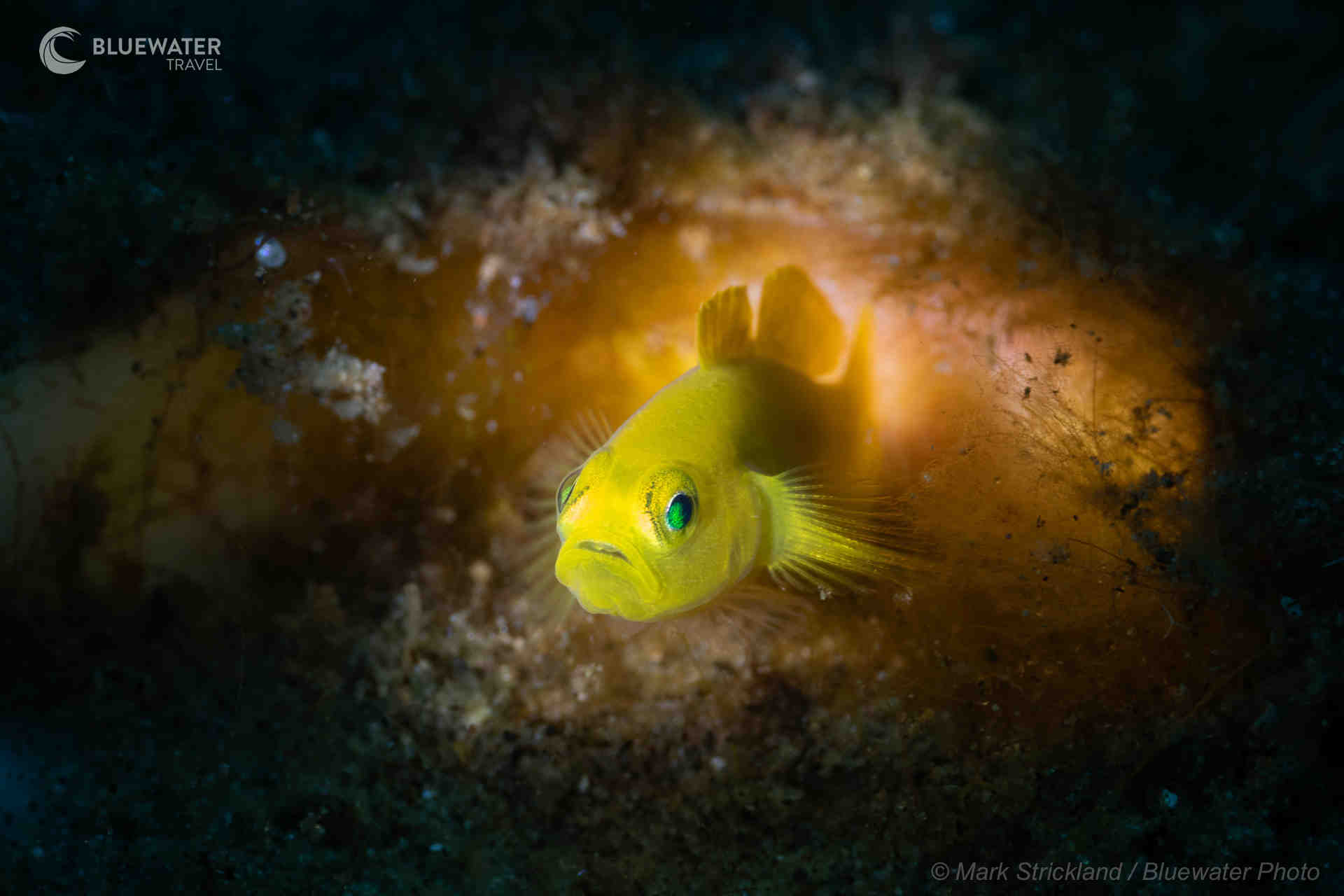
Every day, thanks to our eagle-eyed dive guides, the list of exotic critters we encountered continued to grow, including tiny lemon gobies, decorator crabs adorned with Halimeda algae, crinoid shrimp, algae shrimp, emperor shrimp, rarely-seen tiger shrimp, leaf scorpionfish, fluorescent purple hairy squat lobsters, bubble coral shrimp, several species of “rabbit ear” nudibranchs, and a juvenile circular spadefish.
Even if their only job was to find us photo subjects, our crew of expert dive guides would have easily earned their pay. But they also contributed in so many other ways to the enjoyment of our experience, including dive planning, navigation, and assisting with lighting, as well as carrying all our gear to and from the boat and helping each of us on and off the boat.
The hotel staff were equally helpful in each of their respective roles, always smiling and going out of their way to be helpful at every opportunity. Many of our group also indulged in one or more massages at Atmosphere's award-winning spa, which was a wonderful way to relax after the day's other activities.


Apo Island Day Trip
Our last diving day was quite a contrast to the previous ones, as we headed out to spend a full day at Apo Island, about a 45-minute boat ride away. This small island is a great example of eco-tourism, as the small population understands the importance of marine conservation and self-enforces no-take zones at roughly a dozen outstanding dive sites.
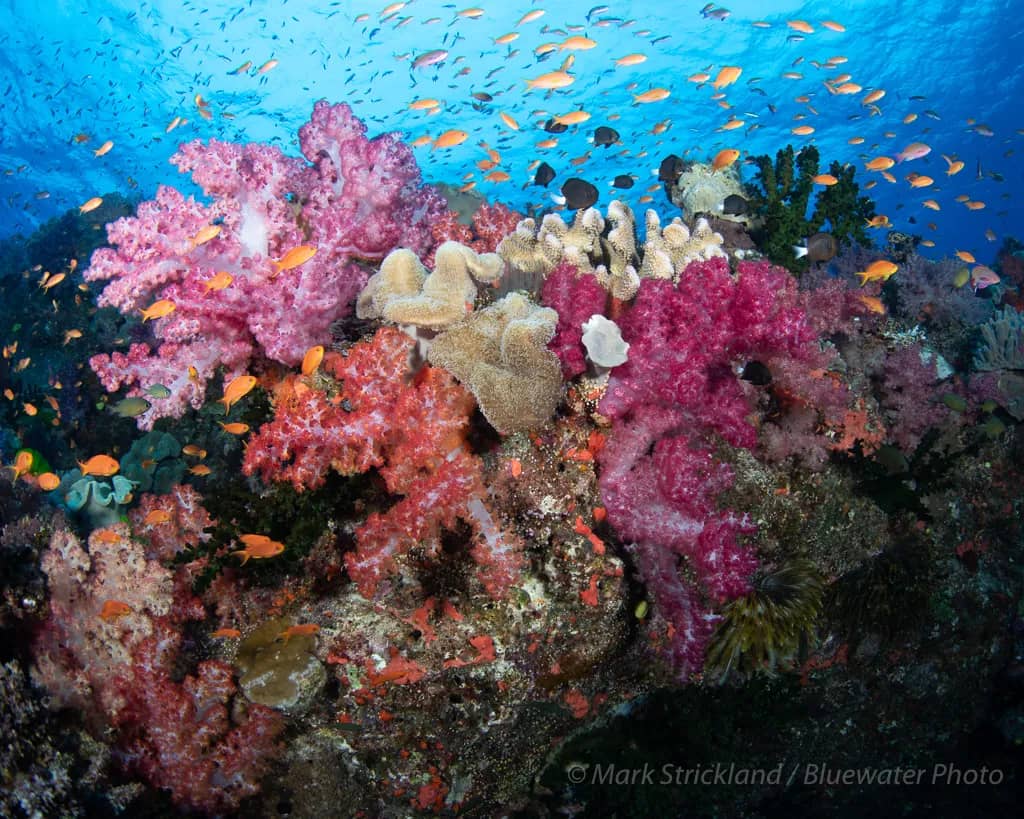
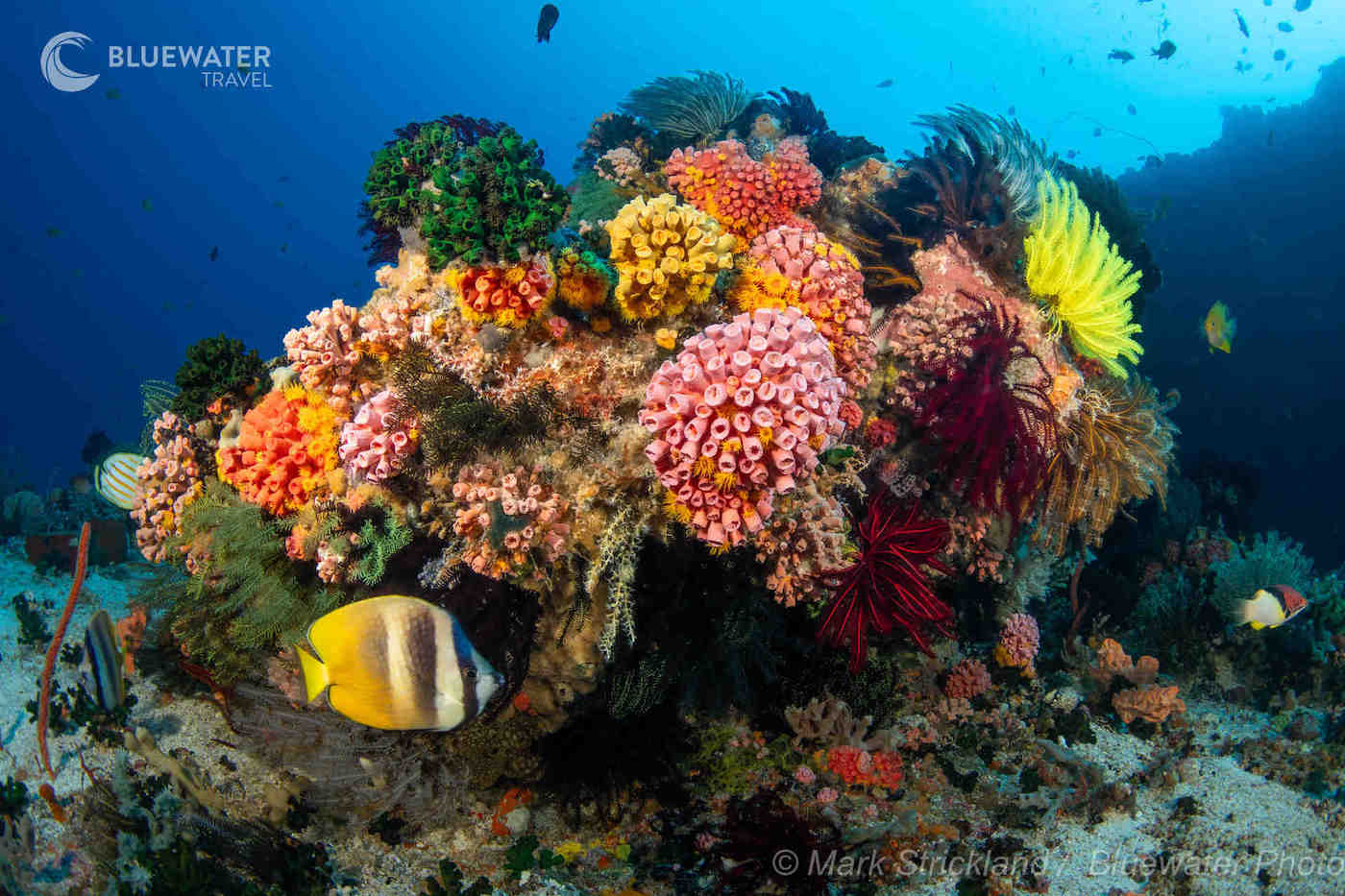
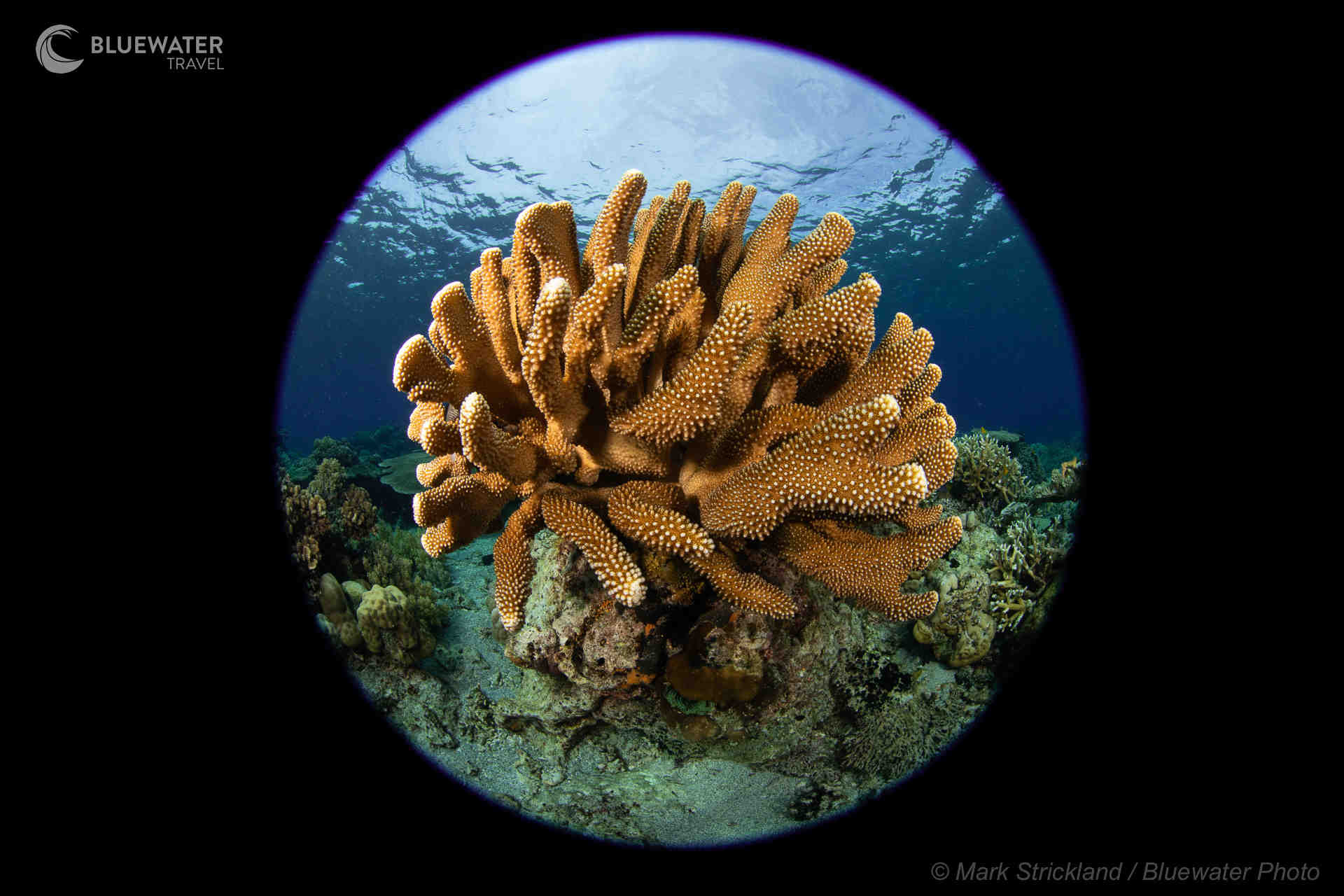
Underwater scenery here is quite different from the sites at Dumaguete, with extensive hard coral gardens, abundant crinoids, and orange cup coral dominating the reefscape. There's also a great variety of small- to medium-sized reef fish, as well as schooling bigeye jacks, lots of friendly green and hawksbill turtles, and banded sea snakes.
In between dives, we were visited by several local ladies who paddled out in their dugout canoes to offer a selection of t-shirts and handicrafts, the sale of which is an important supplement to their limited income. These items made for great souvenirs, and most of our group picked up a few.
After the first two dives, we enjoyed a delicious buffet lunch before moving the boat to our third dive site—an especially colorful site called Cogan—where the reef dropped steeply to a series of deep, current-swept ledges covered with a living carpet of colorful crinoids, sponges, and orange cup corals.
As is typical for current-prone sites, the fish life was especially lively here, with schools of red-tooth triggerfish, bannerfish, and white pyramid butterflyfish dashing about in mid-water, while clouds of anthias hovered closer to the reef. Our time at depth passed all too quickly, but many were rewarded on their ascent by being surrounded by a large school of bigeye jacks. Even safety stops here were rewarding, as we soaked in one last view of the healthy coral gardens before climbing back aboard for the ride back to the resort.


Farewell & Final Showcase
Our last full day was spent off-gassing and packing, as well as a review of digital image editing for those who were interested. Several of our group also opted for a day trip to neighboring Cebu Island for a chance to snorkel with the whale sharks that gather there to feed on tiny shrimp dispensed by locals, providing a great opportunity to get within touching distance of these huge, gentle animals.
And just like that, our week of diving was behind us. Fortunately, we all had some great images to supplement our fond memories of Dumaguete's underwater world. On our last night, after a delicious BBQ dinner on the beach, we all enjoyed a final slideshow featuring each photographer's favorite images from the week, as well as a photo contest with some cool prizes provided by Bluewater and Atmosphere. It was a wonderful way to top off a superb week of diving and underwater photography in idyllic tropical surroundings—something I hope to do again sometime soon!
Read about more of our trip extensions
to discover additional destinations, experiences, and ways to extend your diving adventure.

Want to explore Dumaguete? Join Bluewater's Luxury Philippines Escape To Dumaguete in 2027!
-optimized.webp&w=640&q=75 "Moorea Trip Recap August 2026")


-optimized-optimized.webp&w=640&q=75 "Solomon Islands Trip Recap 2026")