$497 OFF

Special
Expert advice on diving,
seasons, and logistics
Free planning help
when you’re ready to book
Exclusive dive packages
tailored for you
Special

Special

Special

Special

Special
Special

Special

Special
Special

Special

Special

Special
Scuba Dive Level
All Levels
Visibility
33 to 131 feet (10 to 40 meters)
Average Water Temperature
80
Whale Shark Encounters
Stunning Reefs & Corals
Roatán sits on the Mesoamerican Barrier Reef and offers warm, clear water, short boat rides, healthy coral and a relaxed island atmosphere. It’s an ideal place to log lots of easy, enjoyable dives while still having access to walls, canyons and a substantial wreck.
Roatán lies around 30 miles (50 km) off the Caribbean coast of Honduras and is the best-known of the Bay Islands. The fringing reef runs close to shore, so boat rides are short, conditions are generally calm, and you can often shore dive straight from your resort’s jetty or house reef.
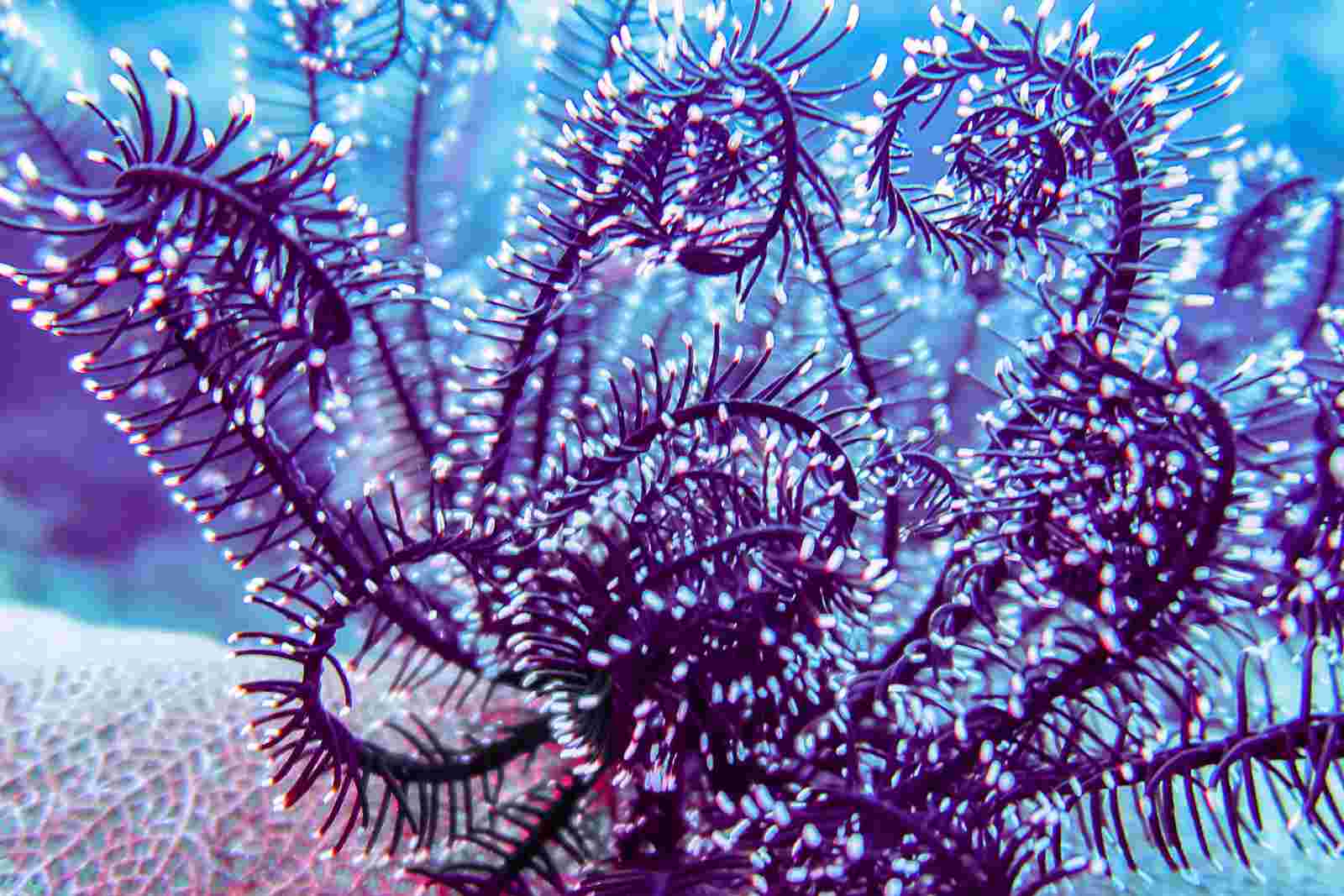
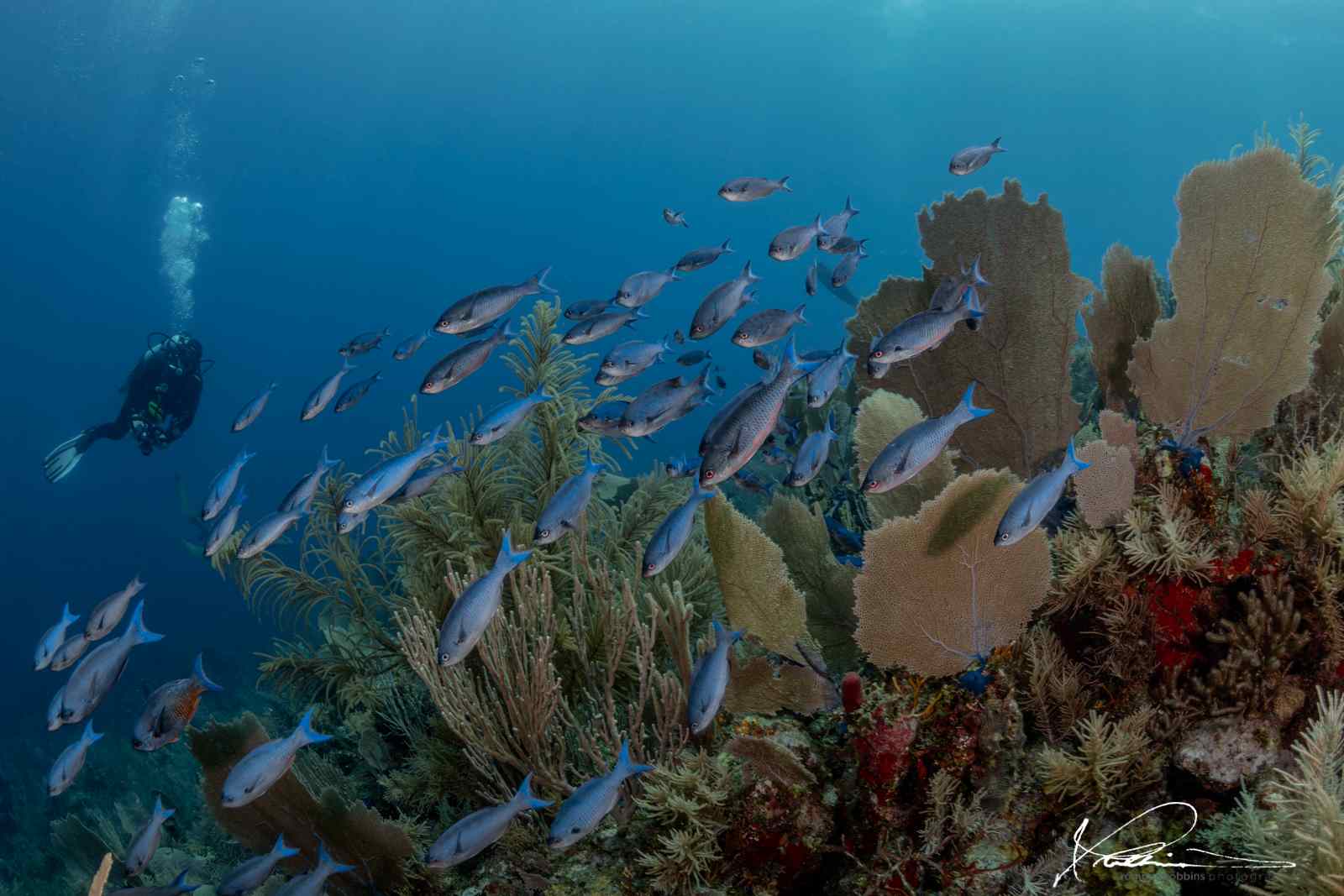
The island’s dive sites sit along the Mesoamerican Barrier Reef System, with steep walls, coral gardens, canyons and caverns dropping into deep blue water. You’ll find a healthy mix of Caribbean reef fish, turtles and rays, plus excellent macro if you slow down and look closely. Roatán’s warm water, gentle currents and easy logistics make it ideal for:
English is widely spoken thanks to Roatán’s British and Creole heritage, so it’s an easy destination for English-speaking travellers to get around.
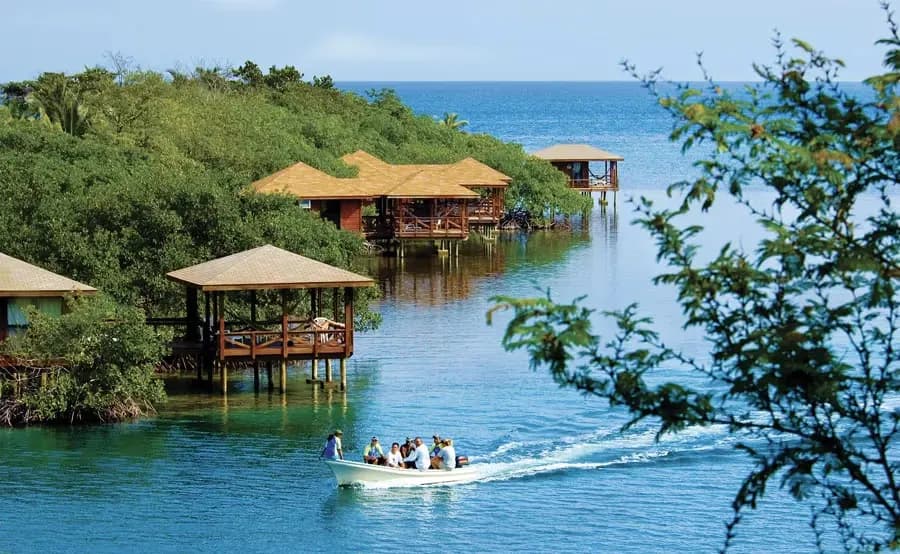
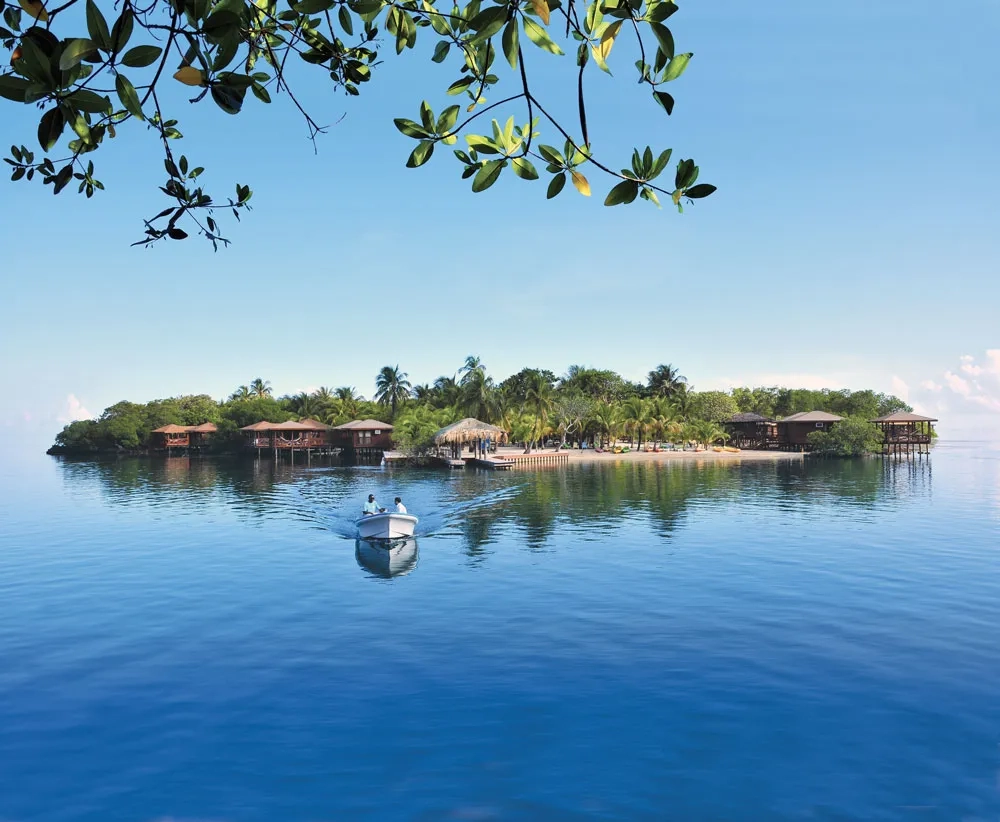
Set on a pair of private cayes just off Roatán’s north shore, Anthony’s Key Resort is one of the Caribbean’s most established dive-focused properties. With direct access to the Mesoamerican Barrier Reef, boat rides to the sites are short, and the diving is organised around relaxed multi-dive days on vibrant walls, swim-throughs and healthy reefs.
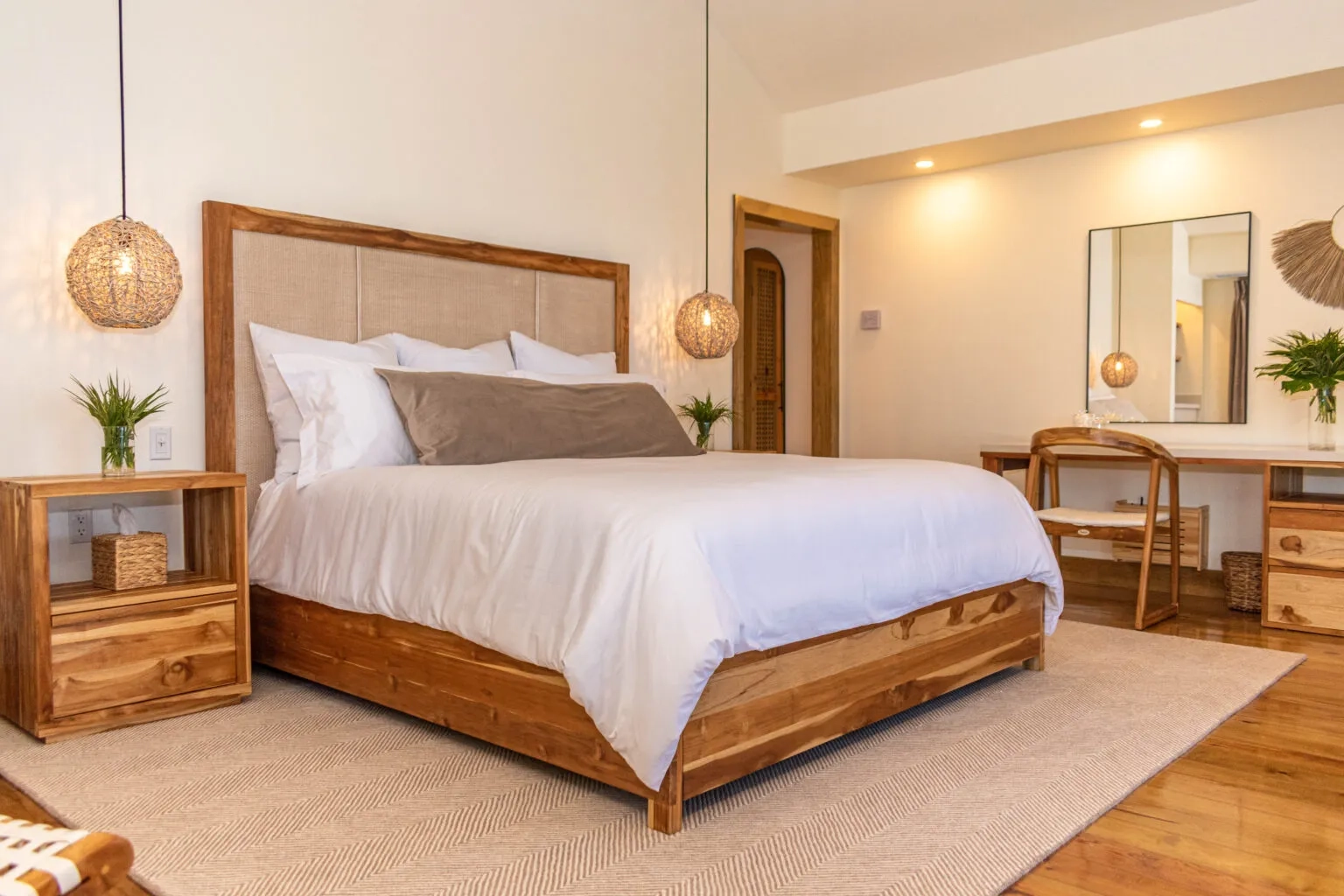
The dive operation is well regarded for its experienced staff, smooth logistics and strong emphasis on safety and comfort. Accommodation ranges from over-water bungalows to beachfront rooms, with a laid-back island feel and sociable communal spaces between dives.
For divers who value consistent conditions, efficient dive operations and a resort that truly understands divers’ priorities, Anthony’s Key Resort is a standout choice in Roatán.
Book Anthony’s Key Resort today – ask us about currentspecials and package deals.
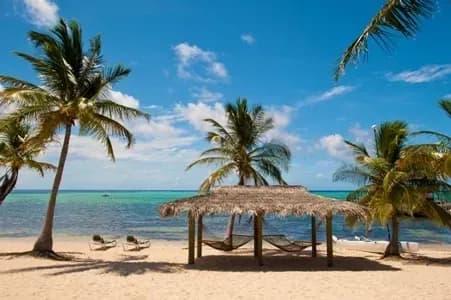
West Bay Beach is Roatán’s most famous stretch of sand and one of the island’s best-known diving and snorkelling areas. The reef lies just offshore, protected from the prevailing wind, with shallow coral gardens leading to walls and slopes. It’s a fantastic area for:
You’ll find a good choice of resorts, restaurants and beach bars here, all within easy reach of the dive boats.
Just along the coast, West End has a more village-style feel, with a strip of small hotels, dive shops, bars and cafés. It’s a great base if you want everything within walking distance and a slightly livelier atmosphere in the evenings.
Multiple dive centres operate from West End, with very short boat rides to some of Roatán’s best-known sites, including walls, swim-throughs and the El Aguila wreck. Even if you’re staying in West Bay, it’s worth heading over to West End for a dive day and a wander – it’s only a short taxi or a pleasant walk along the beach and coastal path.
Further along the north shore, around Sandy Bay and beyond, you’ll find quieter stretches of coastline with easy access to classic Roatán reefs and walls. Many of the island’s signature dive sites lie off this coast, with steep drop-offs, canyons and healthy coral cover.
Several dive-focused resorts in this area offer house-reef and shore diving in addition to boat dives, making it easy to log a lot of bottom time without feeling rushed.
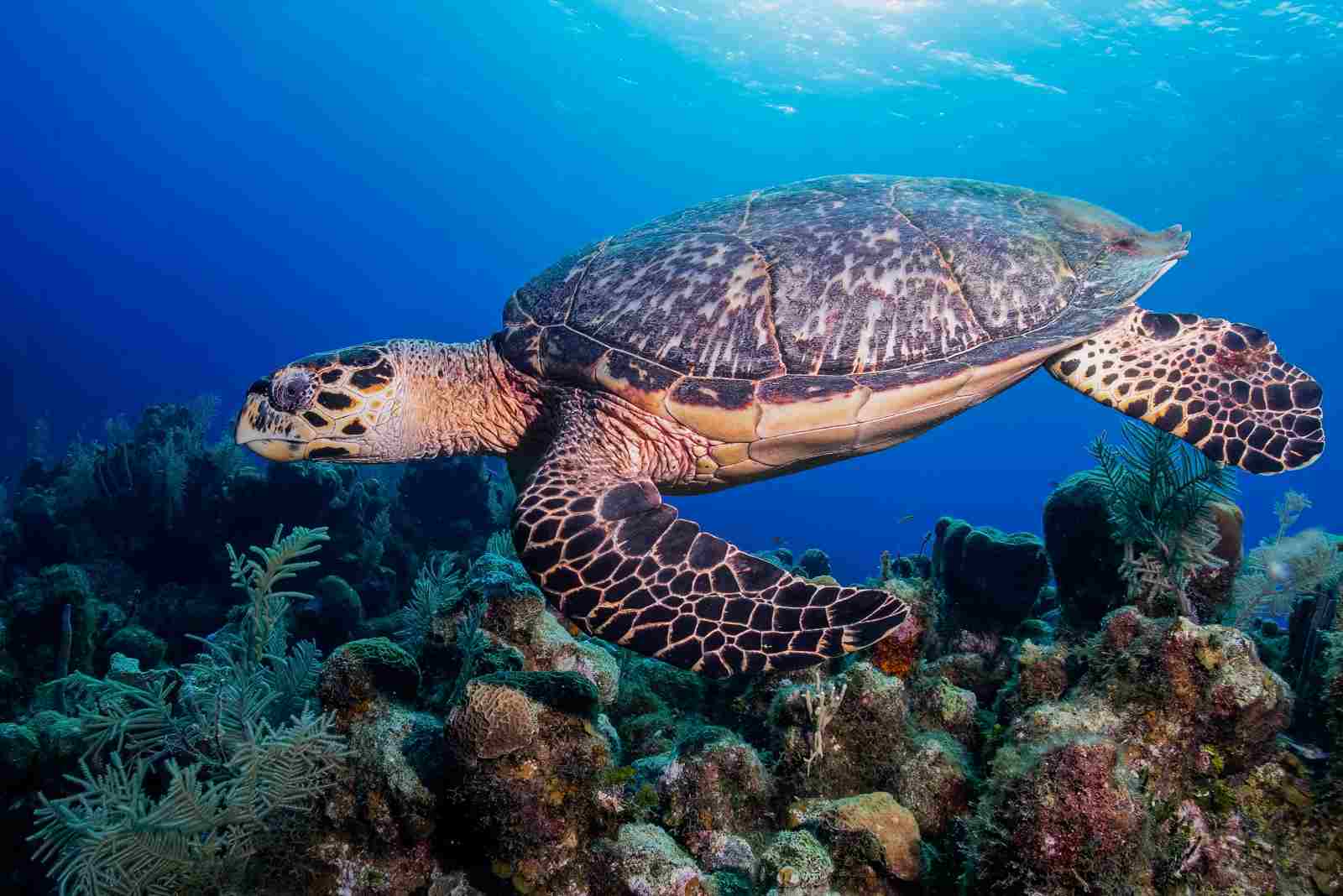
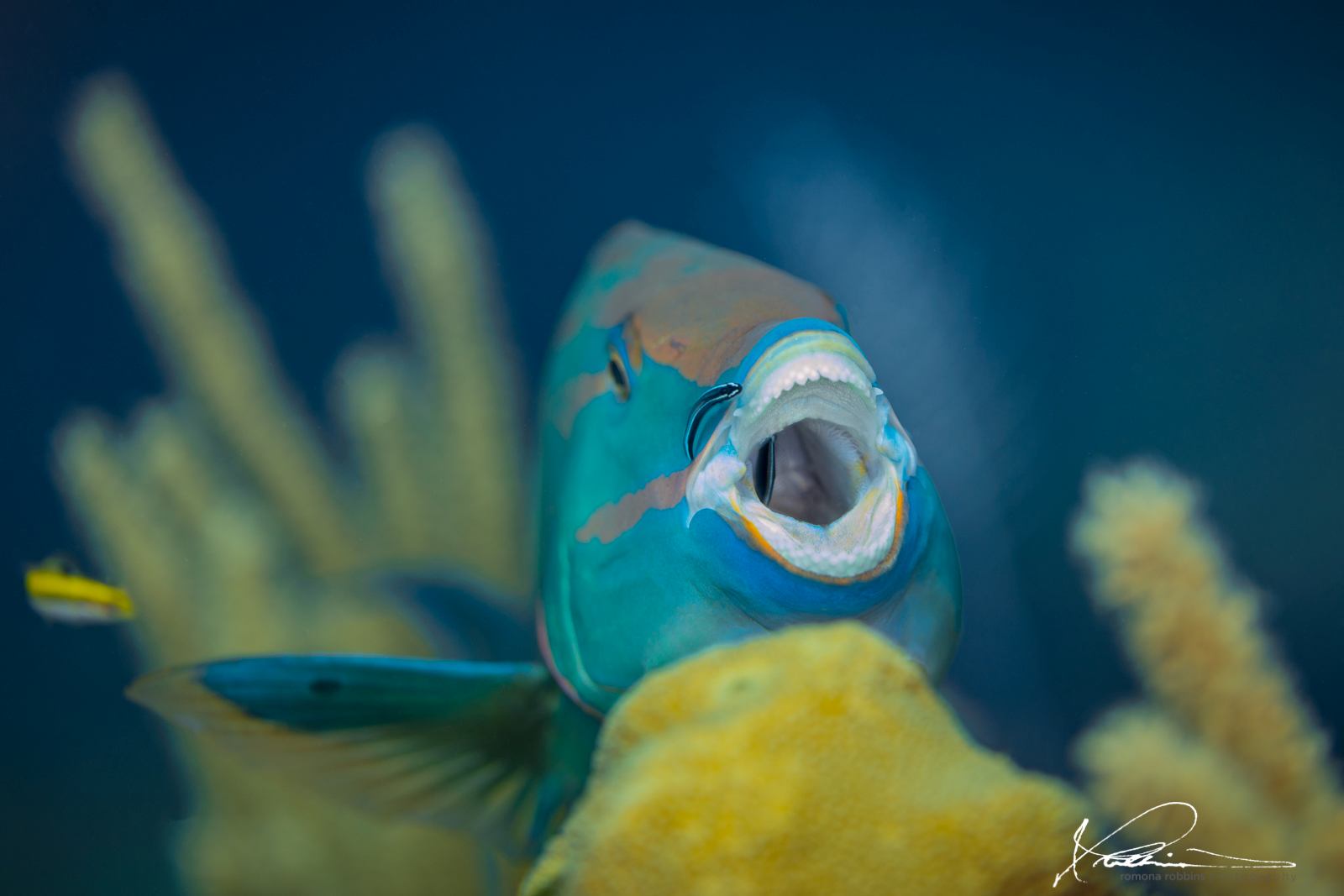
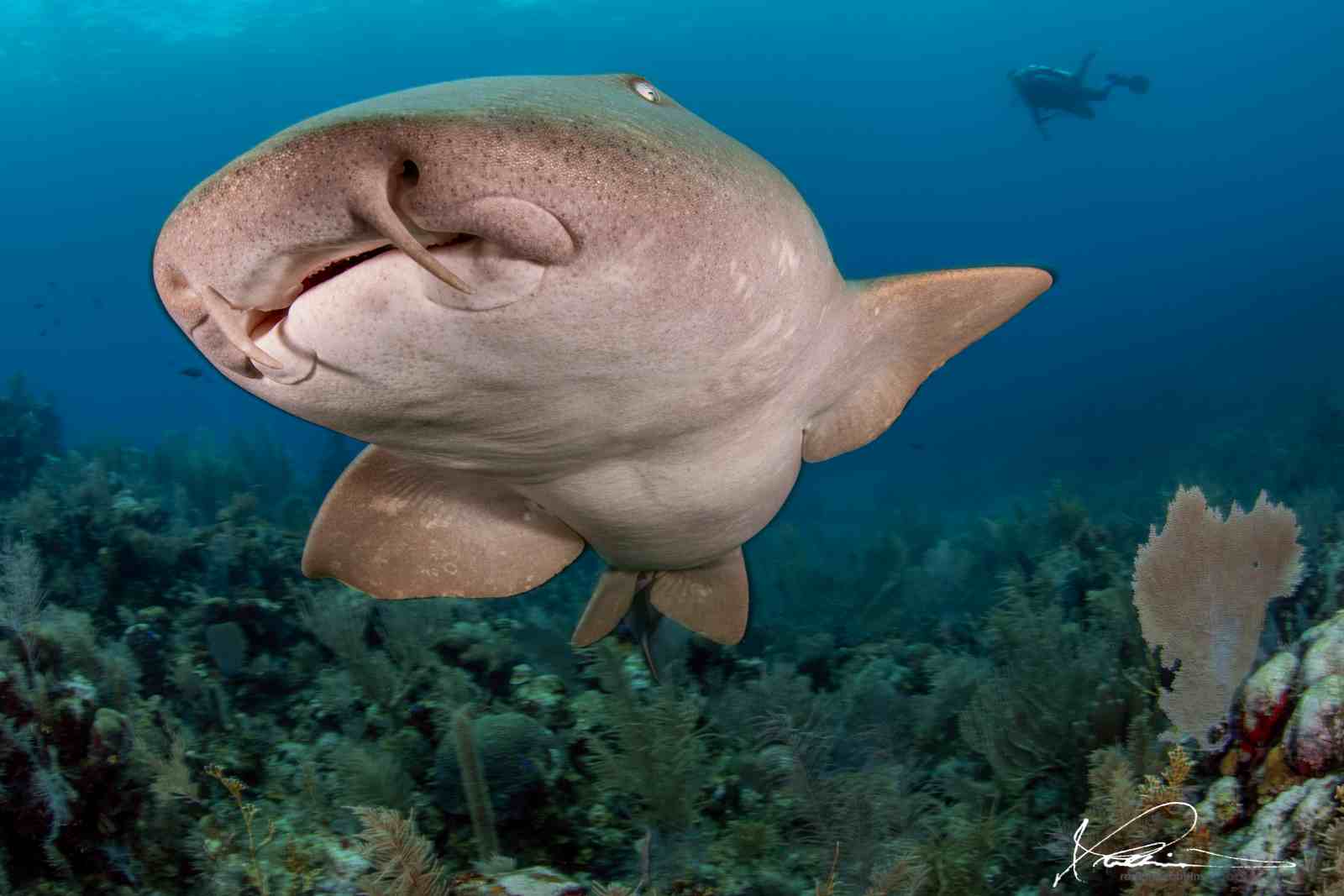
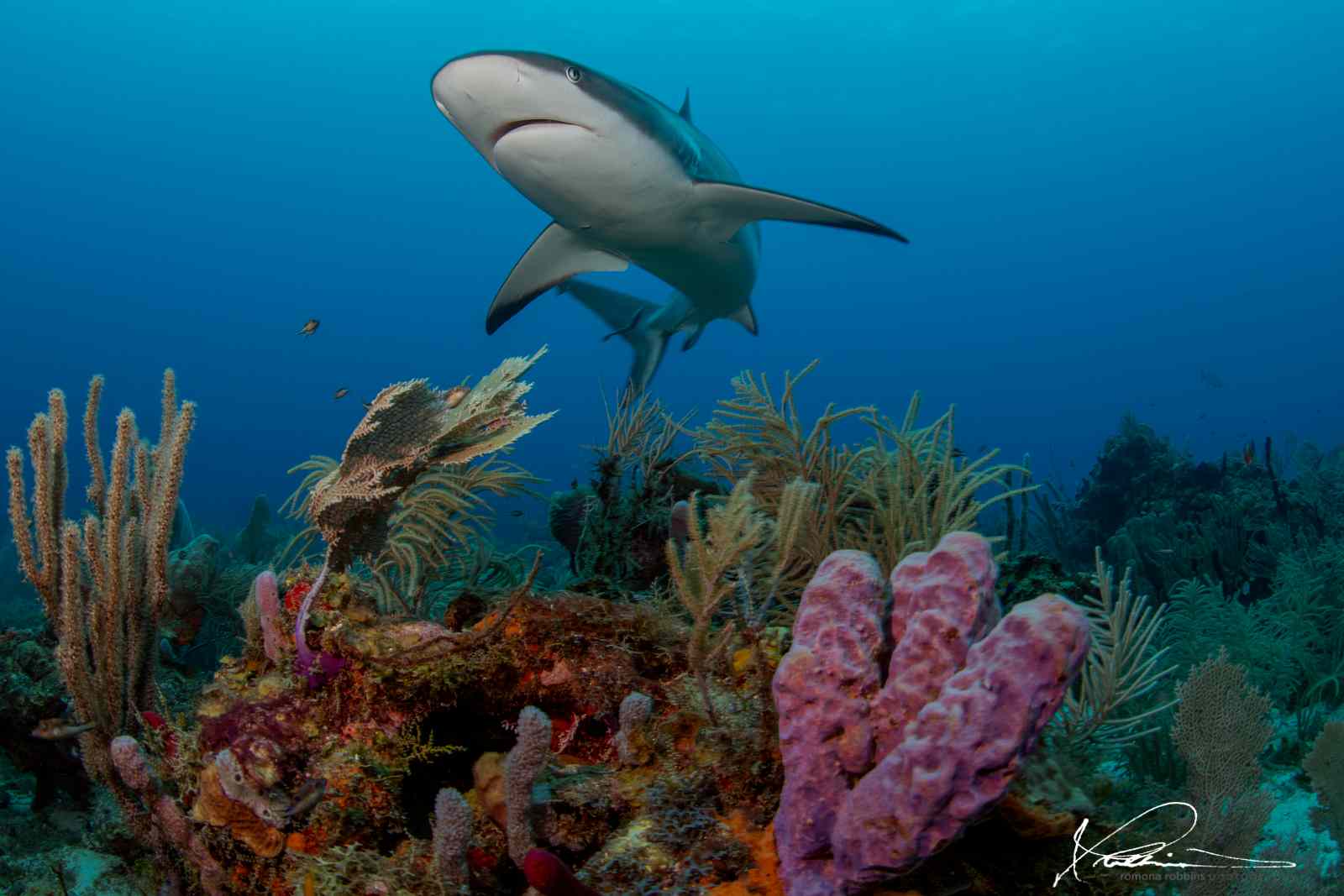
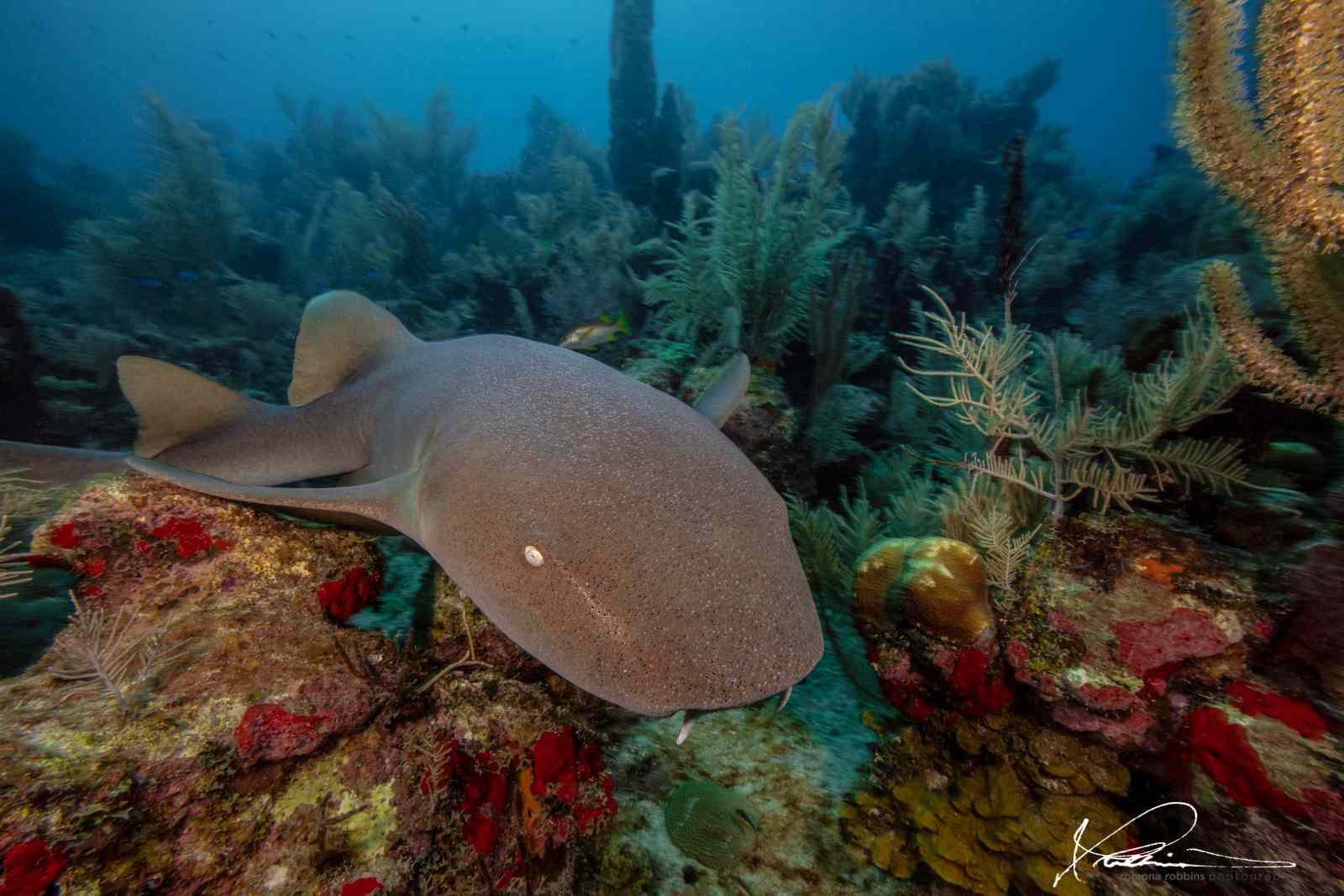
Roatán’s reefs are in good condition, with a mix of hard and soft corals, sea fans, sponges and sponge-encrusted walls. Expect to see:
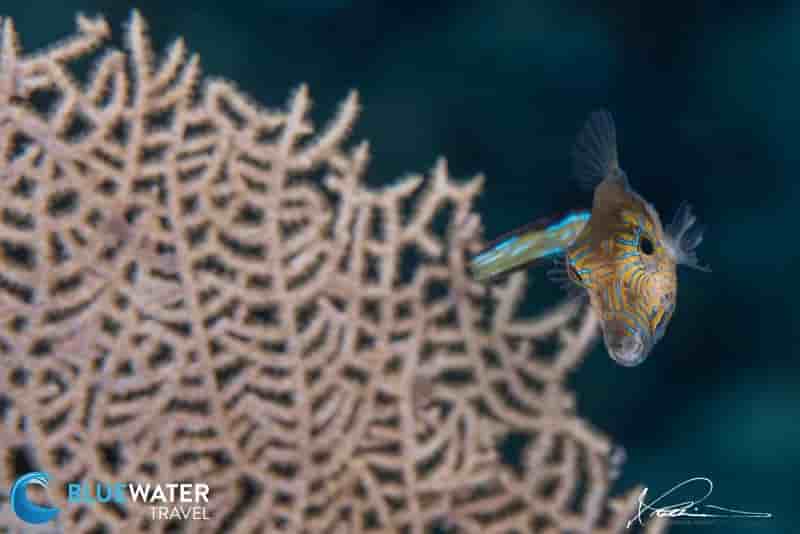
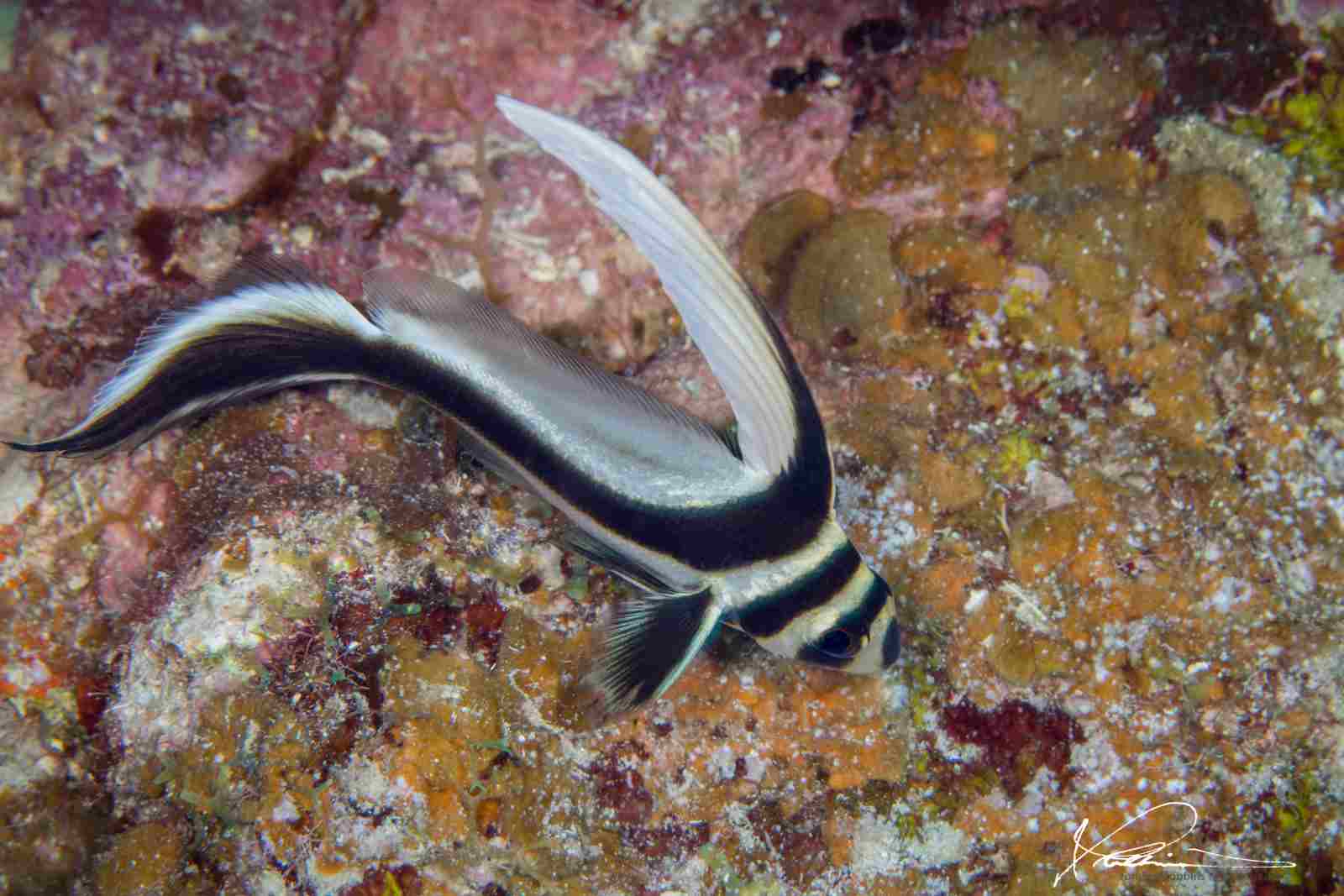
For macro fans, Roatán rewards a patient eye:
Photographers can comfortably dive with both wide-angle and macro on the same trip. Walls, wrecks and reef scenes suit wide-angle; sheltered house reefs and shallower sites are perfect for hunting out small subjects.
Roatán has dozens of named dive sites; below are some of the most popular and representative.
A short swim from Coco View Resort, this dramatic wall is coated in sponges, soft corals and sea fans. You’ll find overhangs and crevices full of crustaceans and small reef fish, and a sandy area around 25 m (82 ft) where garden eels and sand divers peep from the bottom. It’s a classic Roatán wall dive and often used as a house-reef style site for multiple dives.
Arguably Roatán’s signature dive, Mary’s Place is famous for its deep fissures, canyons and towering coral-covered walls. Divers weave through a series of narrow cuts and overhangs decorated with gorgonians, sea rods and sea plumes. There’s plenty of macro life if you slow down, and the light filtering into the canyons makes this a favourite with photographers. It can get busy at peak times, but it’s still a must-do.
On the north side of Roatán, Dolphin’s Den offers a maze of tunnels, caverns and swim-throughs, with a similar feel to Mary’s Place but generally fewer boats. The site’s honeycomb of passages is home to shrimps and other crustaceans, along with schooling fish and the occasional moray. The remains of a dolphin’s skull deep within one of the caves give the site its name.
Situated within an 8-mile (13 km) protected marine park on the west of the island, Fish Den is a shallow site ideal for photographers and extended bottom times. Expect clouds of grunts and jacks, angelfish, wrasse and frequent turtle sightings. The gentle slope and modest depth make it a great second or third dive of the day.
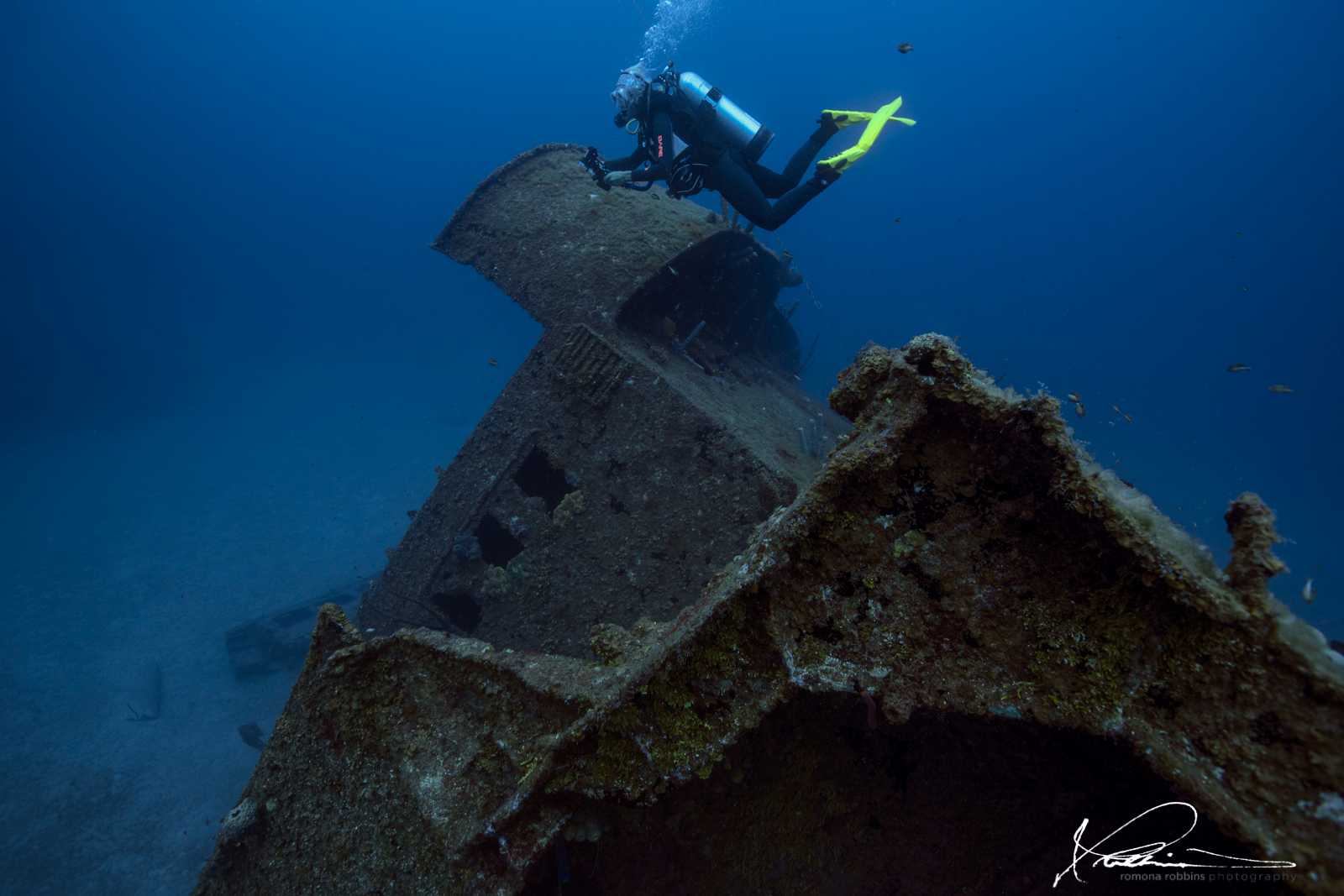
The wreck of El Aguila (“The Eagle”) lies around 33 m (108 ft) on a sloping bottom next to a wall. Originally sunk as an artificial reef, she has since broken into sections but remains an impressive dive, especially for those comfortable at deeper recreational depths. Large black and goliath groupers, big barracuda and hefty moray eels are often seen around the wreck and nearby wall, offering excellent wide-angle opportunities.
Because so many sites have both shallow reef tops and deeper walls, it’s very easy to adjust dive profiles to suit the experience and comfort level of your group.
Roatán is a genuine year-round dive destination:
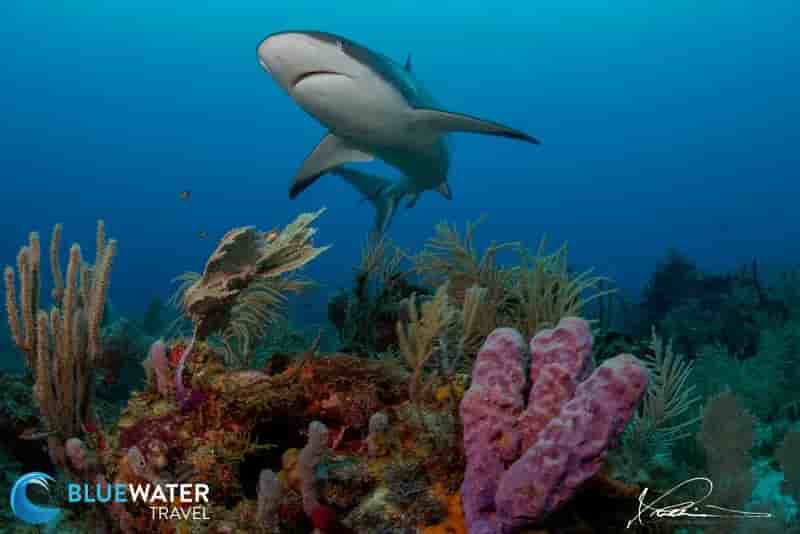
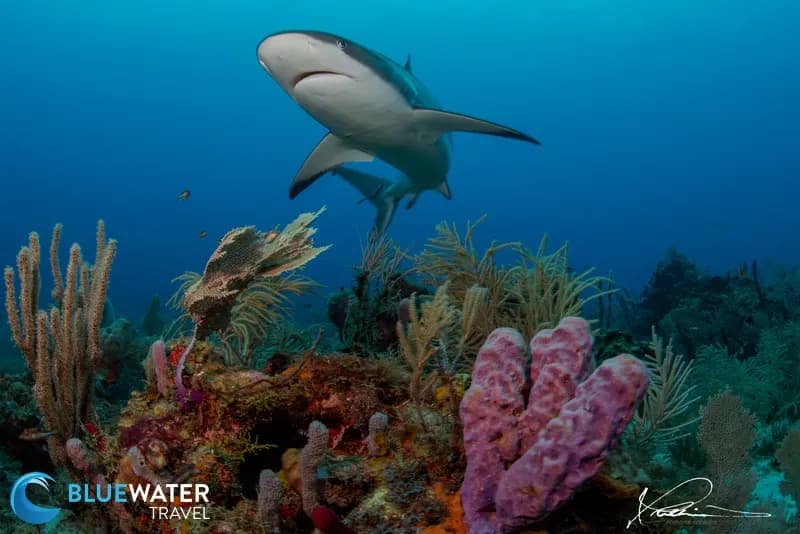
Many Roatán resorts and dive operators offer dedicated shark dives, typically attracting Caribbean reef sharks with bait. On a good day you may see a dozen or more sharks circling in clear water, providing excellent opportunities for photography and close observation under controlled conditions.
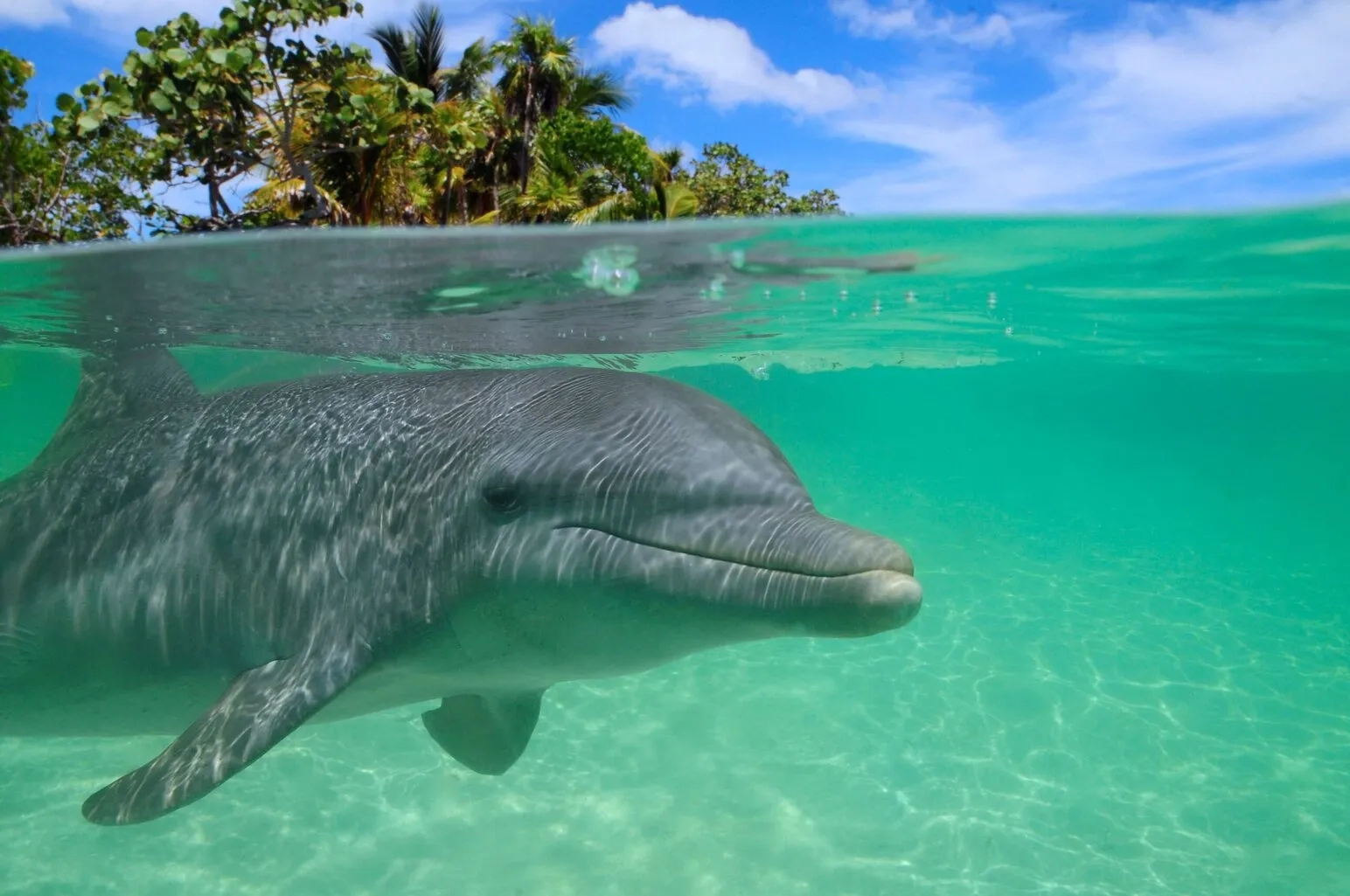
Some operations also run dolphin dives with semi-wild dolphins that are accustomed to interacting with divers in open ocean. These dives allow you to see the animals behaving more naturally than in a lagoon, with plenty of chances for close interaction and unexpected moments.
Roatán is relatively easy to reach compared with many Caribbean dive destinations.
Once on the island, transfers to West End, West Bay and other resort areas are straightforward and usually arranged through your accommodation.
Most divers choose to stay at a dedicated dive resort with an on-site dive centre. Typical packages include:
This format is ideal if you like a relaxed base with everything centred around diving – eat, sleep, dive, repeat.
Several Roatán resorts offer excellent shore diving from their own jetty or house reef. This is perfect if you enjoy:
The surrounding coral reef means you’ll often have a range of depths on a single site, from a few metres to deep walls.
If you’d like to combine Roatán with other parts of the Bay Islands, a liveaboard is a great choice. The Roatán Aggressor typically embarks from Roatán and offers 7- and 10-night itineraries that include:
Many divers choose to stay at a Roatán dive resort before or after their liveaboard trip to maximise bottom time and see more of the island.
Roatán has a wide range of options, from simple dive lodges to comfortable mid-range resorts and more upmarket properties. For a dive-centred trip, we generally recommend specialist dive resorts that are set up around divers’ needs, with:
We partner with a hand-picked selection of Roatán dive resorts across different budgets. Our team are all divers, and we’ve visited and dived many of these properties ourselves, so we can match you with something that fits your experience level, travel style and budget.
While this page focuses on Roatán, some divers also look at the other Bay Islands when planning a trip.
If you’re unsure whether to base yourself in Roatán or look at a multi-island itinerary, our team can talk you through the pros and cons and help you decide what best fits your priorities.
Check our guide for other great destinations near the United States.
Roatán works very well for mixed groups with non-divers and snorkellers. Away from the dive boat you can:
Our team at Bluewater Travel are all divers, and many of us have dived Roatán and the wider Bay Islands first-hand. We can help you:
Tell us your dates, budget and experience level, and we’ll put together tailored Roatán scuba diving options for you. You’ll never pay more than booking direct, and you’ll gain a dedicated dive travel expert to help plan and book your trip.
Costs vary with season, resort standard and how much diving you plan to do. As a rough guide, a week in a Roatán dive resort with 2–4 boat dives per day typically starts from around US$1,200–US$1,500 per diver for budget and lower mid‑range options, and can run to US$2,500+ per diver for higher‑end or all‑inclusive stays. International flights are usually additional. Liveaboard trips such as the Roatán Aggressor are generally priced higher but include more intensive diving.
Roatán’s main tourist areas – West Bay, West End and the established resort zones – are well used to welcoming international visitors, including many divers. As with any destination, it’s sensible to follow normal travel precautions: use reputable operators, keep valuables secure and follow local advice. Dive operations on the island are experienced and accustomed to working with all levels of diver.
Open Water (or equivalent) is enough to enjoy the majority of Roatán’s reef and wall dives. Discover Scuba programmes are widely available for complete beginners. Some deeper profiles, including the El Aguila wreck at around 33 m (108 ft), are better suited to Advanced Open Water or equivalent and recent experience at those depths. Your chosen dive centre will advise which sites best match your level.
Entry requirements for Honduras depend on your nationality. Many travellers from North America and Europe can enter visa‑free for short stays, provided their passport is valid for the required period and they meet standard immigration conditions. Because rules change, always check the latest guidance from your government’s foreign office and confirm with your airline before you travel.
You can book directly with individual resorts and operators, or work with a specialist dive travel company. At Bluewater Travel, we package together accommodation, diving, transfers and, if needed, flights, and match you with dive resorts and itineraries that fit your experience level and budget. You pay the same as booking direct, but gain the support of a team of divers who know Roatán and the Bay Islands well.
Roatán offers good diving all year. The rainy season runs roughly from mid‑October to late February, with more showers between November and January, but water temperatures remain warm and diving continues. From May to September it is typically drier and hotter. If you prefer quieter boats and fewer holiday crowds, consider travelling outside the main festive and school holiday periods.


Katie is the most experienced travel advisor at Bluewater Travel, having been with the company since its inception. Her interest in scuba diving started many years ago while on vacation in the British Virgin Islands. Though not yet certified, she was mesmerized by the marine life below the surface. As soon as she returned to Los Angeles, she swapped her mask and snorkel for a regulator and BCD (and a mountain of other dive equipment) and hasn't looked back since!
Katie is no stranger to the Southern California waters, but prefers to travel around the world and experience new cultures, food, and marine environments. She has visited and led trips to many of the top liveaboard destinations. Her most memorable dive moment was swimming 20 feet from humpback whales off the coast of Moorea. At the top of the list for her next dive vacation: Alor.
When she's not in the office, you're likely to find Katie attending a concert in LA, snowboarding at Mammoth, attending to Sadie, or cheering on her alma mater, The Michigan Wolverines. Go Blue!
Olympus OM-D EM-1 Mark II with Nauticam housing. Olympus M.Zuiko ED 9-18mm lens with Nauticam 4" wide-angle port. Panasonic Lumix 8mm fisheye lens with Zen 170mm dome port. Olympus M.Zuiko 60mm lens with Nauticam macro port 65, with Bluewater +7 macro lens. Dual Sea&Sea YS-D2 strobes. Light & Motion Sola 800 photo light.