Trinidad & Tobago Marine Life
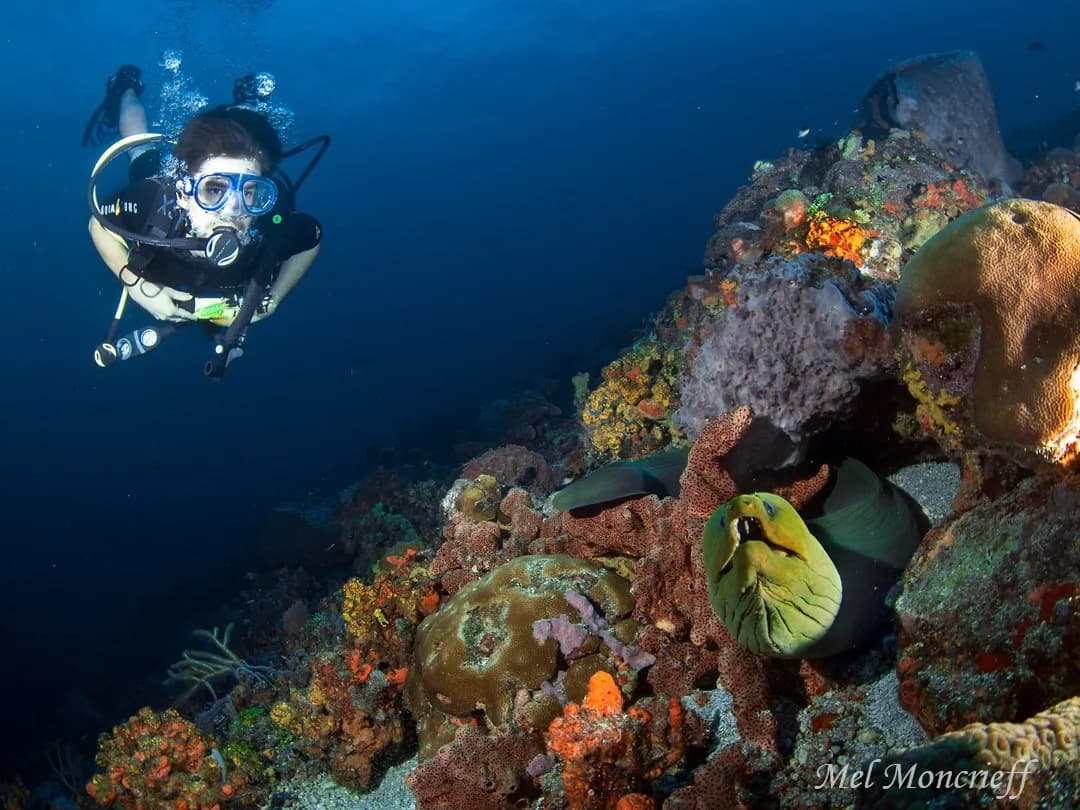
You can see turtles and West Indian manatees in the Trinidad waters. Around Tobago, expect to meet with huge manta rays, porcupine fish, French angelfish, black tip reef sharks, nurse sharks, southern stingrays, Atlantic guitarfish, lobster, eels, snappers, rainbow runners, torpedo rays, bicolor damselfish, porkfish, Bermudan chub, big eye and glass eye snapper. Other creatures you can expect to find include green morays, cubera snappers, blue wrasse, large black groups, spiny lobsters, sennet fish, the African Pompano, blue chromis, damselfish, schools of jacks and spotted morays.
Diving Conditions
- Water Temperature: Averages 25C/78F and 28C/84F in summer
- Visibility: 5 - 30m (16 - 98 ft)
- Depth Range: 3 - 31m (10 - 102 ft)
- Weather: Trinidad & Tobago is warm and sunny year-round, with an average daily temperature of 28 C/ 85F, dipping to 22C/75F in the evenings.
Dive Sites
Here are some of the best diving spots in Trinidad & Tobago:
1. MV Maverick This 107-metre/350-foot ex-Trinidad-Tobago car ferry is one of the most famous wrecks found in the Caribbean. It has a rich growth of corals and its prolific marine life can include turtles, eagle rays and cobia, and barracuda.
2. Keleston Drain You can find one of the Caribbeans largest brain corals here. Youll see moray eels, big schools of Creole wrasse and jacks. You may even get the chance to spot manta rays, barracuda and reef sharks.
3. The Sisters This is a rock formation with five pinnacles rising from more than 40m under the surface. Youll likely to spot hammerhead sharks, nurse sharks, stingrays, and even whales if youre really lucky.
4. Flying Reef This popular reef is relatively shallow only 15 metres/50 feet. It is full of soft corals and enormous sponges and you can see a variety of different reef fish swimming about the reef. You might also see stingrays burying themselves in the sand around the reef.
5. Mt. Irvine Wall and Extension The wall has beautiful canyons, cracks and ledges. It is home to large groups of schooling fish and seahorse. You'll see a massive coral reef that offers shelter to a variety of creatures at the extension. tarpon, cobia, and eagle rays might be seen off the reef.
Daily flights from several US gateways are available to Piarco International Airport (POS) in Trinidad, located about 27 km (15 miles) from the capital, Port of Spain. ANR Robinson International Airport (TAB) in Tobago is 13 km (8 miles) from the capital, Scarborough.
Traveling between Trinidad and Tobago is easy. Scheduled flights between POS and TAB take approximately 25 minutes. Alternatively, a high-speed ferry connects the two capitals in roughly 30 minutes.
How To Dive Trinidad & Tobago
There are dive resorts and dive operators available in Trinidad and Tobago. If you want to rent diving equipment you must be a certified diver. You can simply take instructional courses at local dive centers if you are not certified yet.
Best Time To Dive
You can dive all year in Trinidad & Tobago but visibility might be lower during the rainy season (July to December).
Topside & Non-Diving Activities
- Bird watching
- Hiking
- Mountainbiking
- Shopping
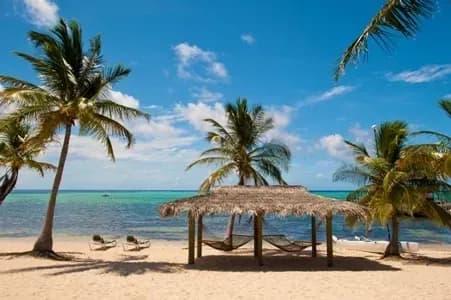
- Great beaches
- Main Ridge Rain Forest
- Adventure Farm and Nature Reserve
- Pigeon Point Heritage Park
- Currency: Local currency is Trinidad and Tobago dollar. US dollars are widely accepted.
- Language: The official language of Trinidad and Tobago is English
- Main Airport Code: POS
- Time Zone: UTC-5 in the summer & UTC-4 in the winter
- Electricity: 110/220 volts
- Health: Special vaccinations are not required for visitors from North America or Europe, however, it is recommended that you check with your doctor to ensure that your vaccinations and boosters are up to date.