



Introduction: Why Liveaboard Diving Is the Ultimate Scuba Experience
For many divers, liveaboard diving represents the pinnacle of scuba travel. Living aboard a dive vessel allows access to remote reefs, uncrowded sites, and intensive dive schedules that are rarely possible from land‑based resorts.
What Is a Liveaboard Dive Trip?
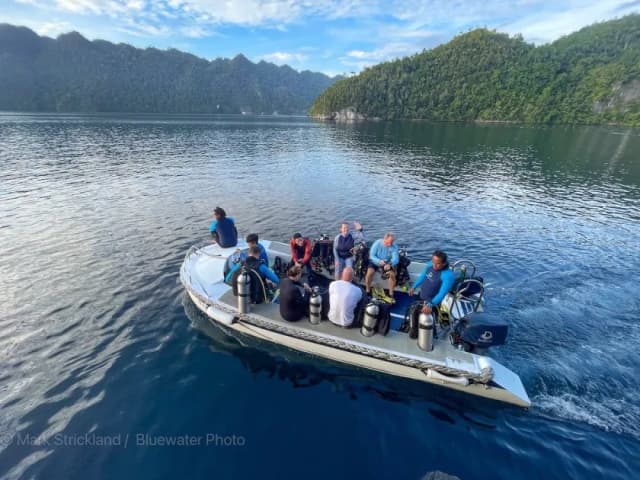
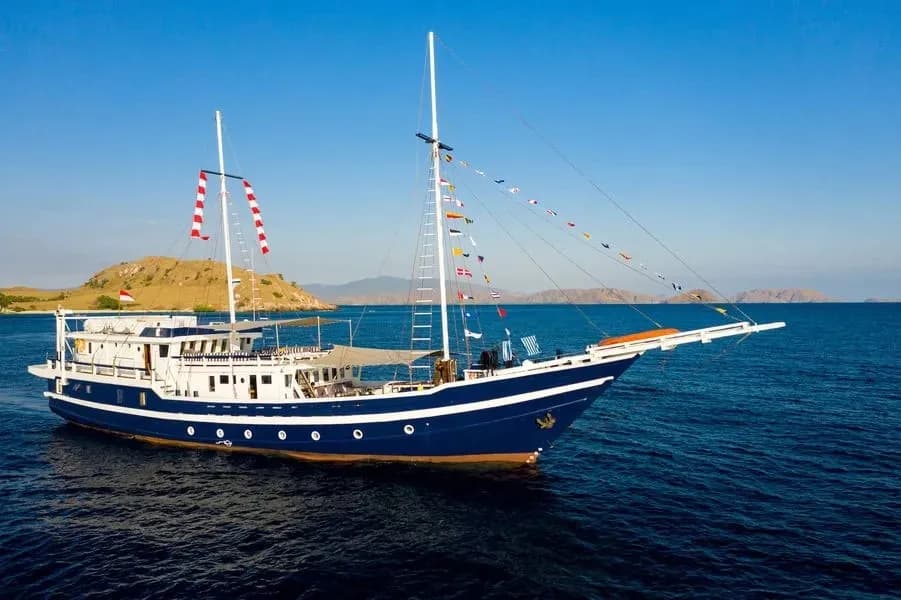
A liveaboard is a dive vessel where guests eat, sleep, and dive from the same platform. Trips typically last between 7 and 14 nights and include up to four or five dives per day.
Liveaboards are especially common in destinations with remote dive sites, such as Indonesia, the Maldives, the Red Sea, Galapagos, and Cocos Island.
Choosing the Right Liveaboard for You
Selecting the right liveaboard depends on several factors.
Experience Level
Some itineraries involve strong currents, deeper dives, or advanced conditions and are best suited to experienced divers.
Comfort & Amenities
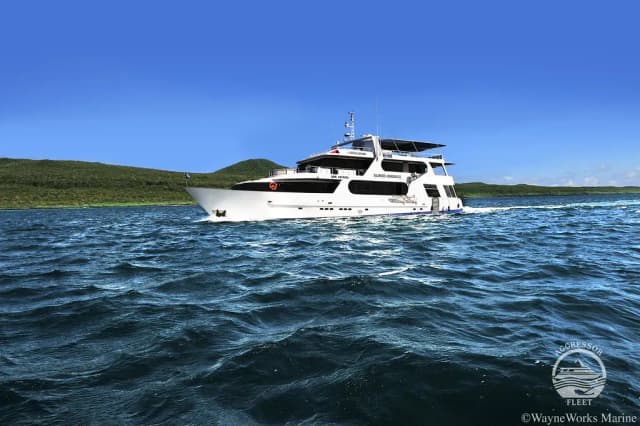
Liveaboards range from expedition‑style vessels to luxury yachts with private cabins, camera rooms, and high‑end dining.
Dive Focus
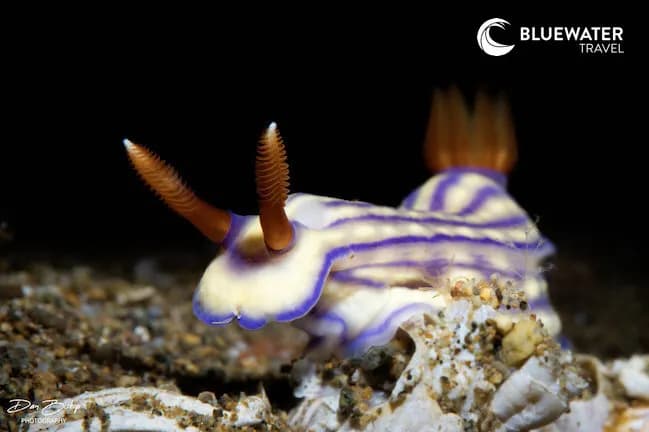
Some trips specialise in big animals, macro photography, wreck diving, or underwater photography workshops.
Preparing for a Liveaboard Trip
Proper preparation makes a huge difference.
Training & Certifications
Advanced Open Water and Nitrox certification are commonly recommended to maximise safety and bottom time.
Packing Essentials
- Dive gear and spares
- Reef‑safe sunscreen
- Motion sickness medication
- Soft‑sided luggage
Dive Insurance
Dive‑specific insurance covering medical evacuation is essential for liveaboard travel.
What to Expect Onboard
A typical day includes an early morning dive, breakfast, two or three additional dives, and often a night dive. Between dives, guests relax, log dives, and review photos.
Dive briefings ensure all guests understand conditions, safety procedures, and marine life considerations.
Safety & Best Practices
Reputable liveaboards maintain strict safety standards, including emergency oxygen, first aid equipment, and detailed dive planning.
Divers are expected to respect depth limits, buddy procedures, and surface intervals.
Best Liveaboard Destinations for 2026
Indonesia
From Raja Ampat to Komodo and Alor, Indonesia offers unmatched biodiversity and varied dive conditions.
Maldives
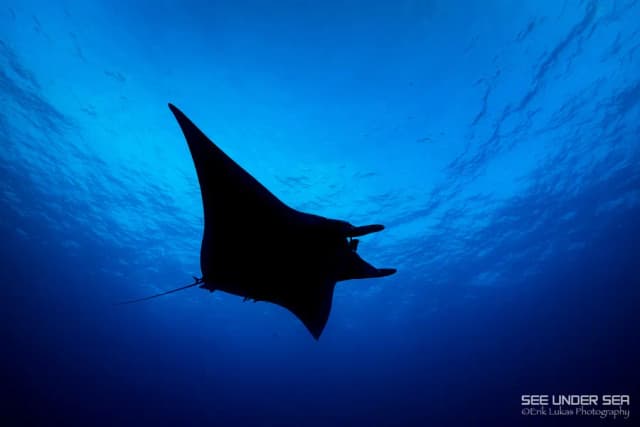
Channel dives, manta cleaning stations, and whale shark encounters make the Maldives a perennial favourite.
Red Sea
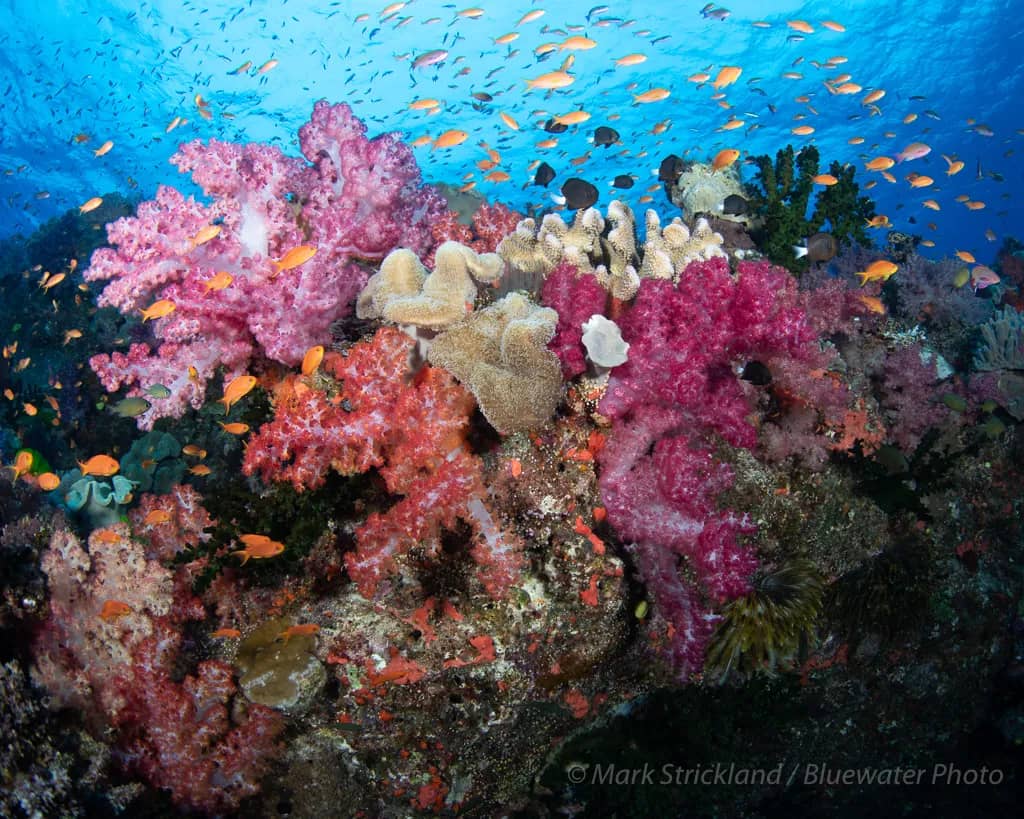
The Red Sea is famous for pristine reefs, historic wrecks, and excellent visibility.
Insider Tips for First‑Time Liveaboard Divers
- Arrive rested and hydrated
- Label all dive gear clearly
- Bring spare O‑rings and batteries
- Pace yourself—skipping a dive is better than burning out
After the Trip: What Comes Next
Liveaboard trips often become benchmark experiences, inspiring divers to pursue advanced training or plan their next big adventure.
Many guests continue with specialised trips, new destinations, or underwater photography workshops.
Conclusion:
Is Liveaboard Diving Right for You? If you’re looking for maximum bottom time, remote dive sites, and a strong sense of community, liveaboard diving may be the perfect choice.
Bluewater Travel offers expert advice and access to the world’s best liveaboards, helping divers choose the right vessel and itinerary for unforgettable underwater experiences.
Ready to plan a liveaboard adventure? Contact Bluewater Travel to compare itineraries and find the perfect liveaboard for your diving goals.
Author


Chris Haysey
I’m Bluewater’s SEO and Content Manager, focused on growing our organic traffic and turning divers’ online research into real trip enquiries. I develop and execute our SEO strategy, manage our content calendar and freelance writers, and make sure our destination guides, blogs and trip pages perform well in search while staying accurate and genuinely useful for divers.
Originally from the UK, I’ve spent much of my adult life living and working overseas, including Greece, Türkiye, Egypt, and across the Caribbean in Antigua, Margarita in Venezuela, Bonaire, Aruba, Curaçao, St Lucia and now Barbados. In my twenties and thirties I travelled as a professional watersports instructor and centre manager, running windsurfing, kitesurfing and sailing operations for hotels and specialist resorts before setting up and managing my own award‑winning watersports businesses in St Lucia and later in the UK.
Alongside this hands‑on watersports career I’ve held senior marketing roles for a variety of companies, from motorsport teams to outdoor activity centres and travel training providers. At Bluewater, I draw on this mix of practical experience and digital marketing know‑how to develop content that reflects real destinations, real dive conditions and real guest expectations. When I’m not working on the website, you’ll usually find me windsurfing, kitesurfing, diving or exploring new coastlines on a paddleboard or mountain bike.