




Introduction: Why Eco‑Conscious Dive Travel Matters More Than Ever
Eco‑conscious dive travel goes beyond choosing a destination with healthy reefs. It considers how you travel, who you dive with, and how your presence affects marine ecosystems and local communities. With coral bleaching events increasing in frequency and iconic species under pressure, responsible dive tourism is no longer optional—it is essential.
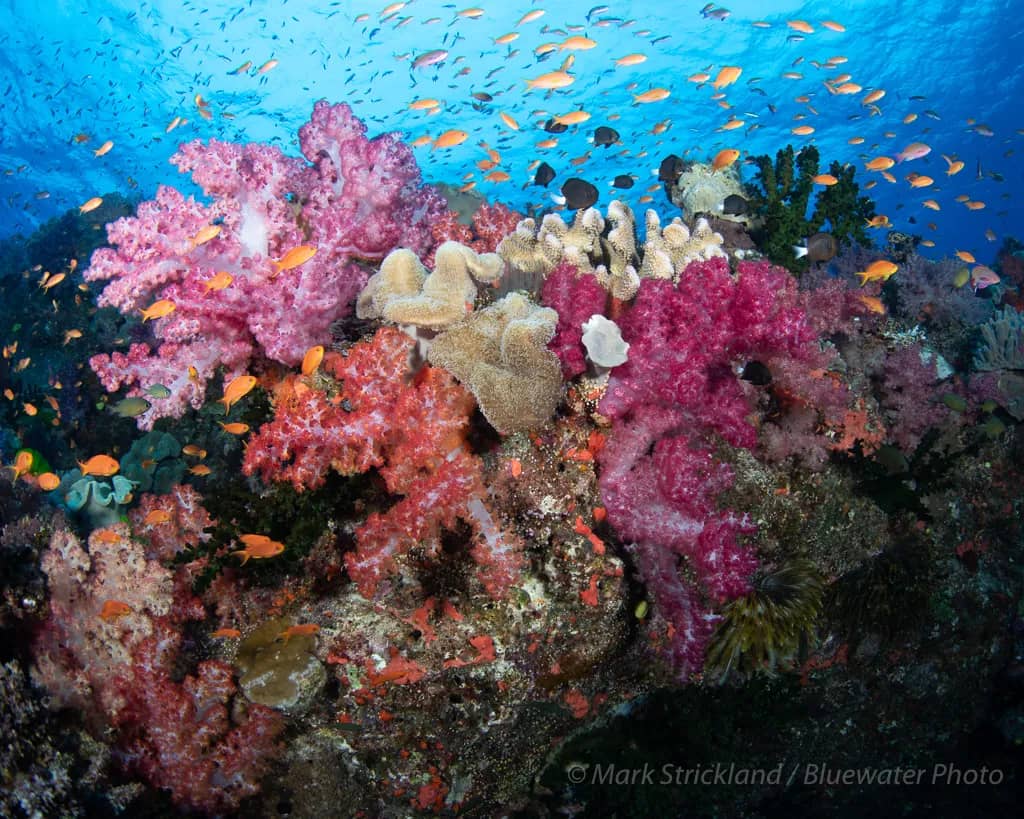
The upside for divers is clear: destinations that prioritise sustainability often deliver better diving. Healthier reefs, stronger marine protections, and responsible operators usually mean more marine life, fewer crowds, and more meaningful experiences. Many of the destinations and operators featured by Bluewater Dive Travel actively support conservation, making it easier to travel responsibly without compromising on dive quality.
What Is Sustainable and Responsible Diving?
Sustainable diving refers to practices that minimise negative impacts on marine environments while supporting long‑term conservation and local livelihoods. Responsible divers aim to leave dive sites exactly as they found them—or better.

Core principles include:
- Excellent buoyancy control to avoid damaging reefs
- Never touching, chasing, or feeding marine life
- Using reef‑safe sunscreen and reducing single‑use plastics
- Supporting operators that employ local staff and contribute to conservation
How to Choose an Eco‑Conscious Dive Trip
Not all dive trips are equally sustainable. When planning an eco‑focused dive holiday, consider the following factors.
Dive Operator Practices
Look for dive centres and liveaboards that:
- Limit group sizes
- Enforce strict no‑touch and no‑glove policies
- Use permanent moorings instead of anchoring
- Brief divers clearly on marine life interactions
Eco‑Focused Accommodation
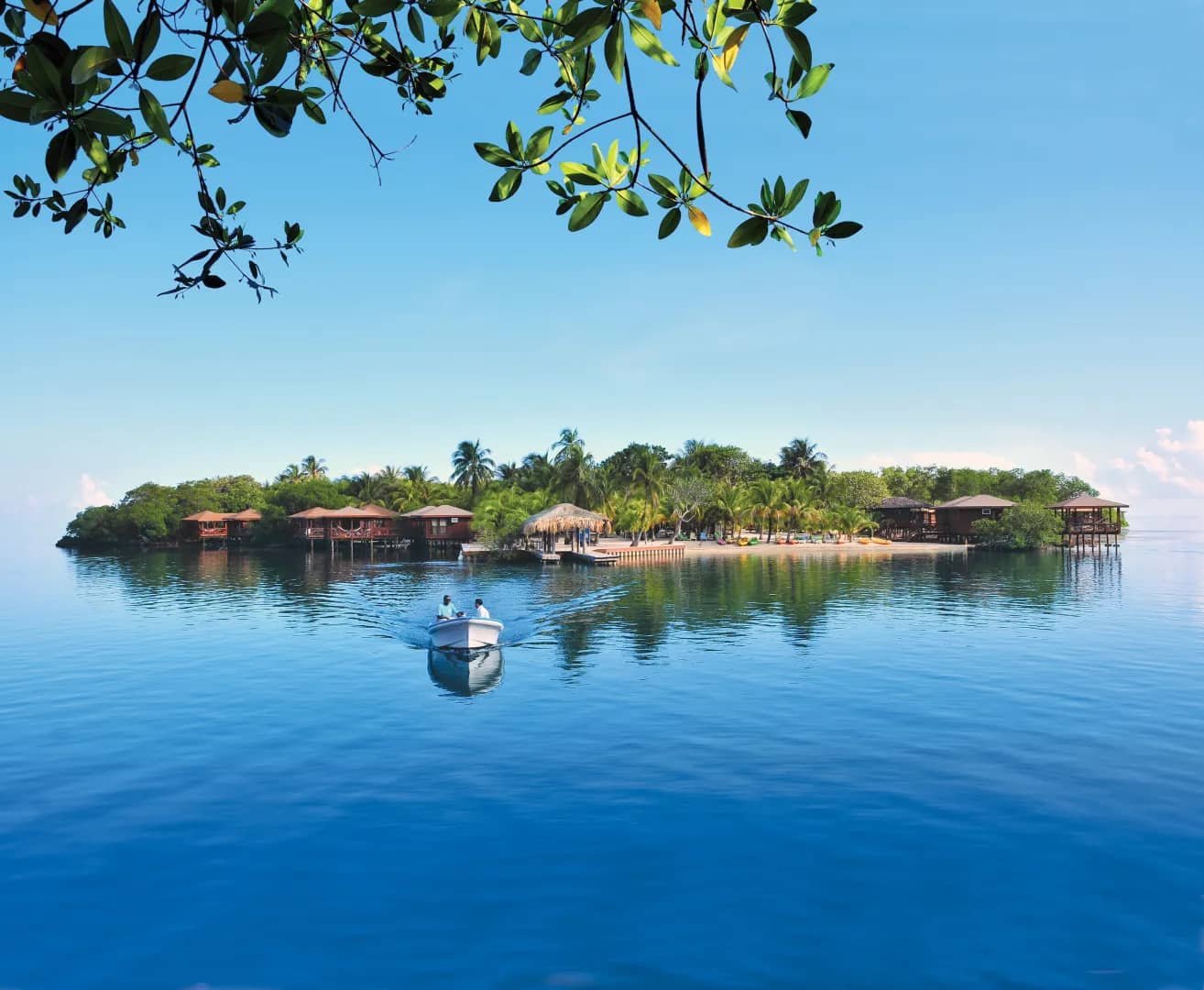
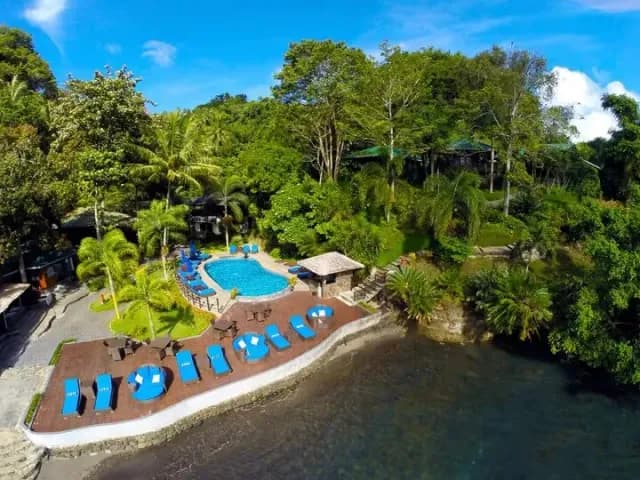
Eco‑resorts often use solar power, water recycling, and waste‑reduction systems. Remote eco lodges frequently provide access to pristine dive sites while maintaining a smaller footprint.
Reducing Your Travel Footprint
While long‑haul flights are sometimes unavoidable, divers can minimise impact by staying longer in one destination, travelling slowly, and choosing liveaboard diving where appropriate. Liveaboards reduce daily boat traffic and allow access to remote sites without repeated fuel‑intensive transfers.
Citizen Science, Coral Restoration & Volunteering
One of the fastest‑growing trends in eco‑conscious dive travel is active participation in marine conservation.
Coral Restoration Diving
Many destinations now offer coral nursery programs where certified divers help plant coral fragments onto damaged reefs. These programs support reef recovery while educating divers about reef ecology and climate resilience.
Marine Monitoring & Data Collection
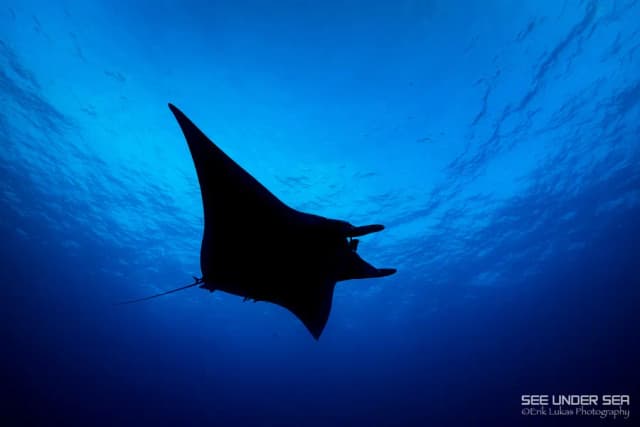
Divers can also contribute to manta ray identification projects, fish counts, and reef health surveys. Submitting photos and sightings helps scientists track population trends and environmental changes.
These experiences add depth and purpose to dive trips, transforming divers from observers into active ocean advocates.
Ethical Encounters With Sharks, Rays & Iconic Marine Life
Sharks, rays, turtles, and large pelagics are often the highlight of a dive trip—and also among the most vulnerable species.
Ethical wildlife encounters are central to eco‑conscious dive travel. Responsible operators enforce distance rules, prohibit harmful baiting practices, and educate divers on animal behaviour.
Destinations such as the Maldives, Galapagos, and Palau have introduced marine protection laws that safeguard sharks and rays, resulting in healthier ecosystems and more reliable encounters.
Top Eco‑Focused Dive Destinations
Certain destinations consistently stand out for their conservation leadership.
Raja Ampat, Indonesia
Home to the highest marine biodiversity on Earth, Raja Ampat funds reef protection through mandatory marine park fees that directly support conservation patrols and local communities.
Palau
Palau’s National Marine Sanctuary protects 80% of its waters, making it one of the world’s most ambitious marine conservation initiatives.
Micronesia
From Yap’s manta ray protections to Chuuk Lagoon’s historic wreck preservation, Micronesia balances marine stewardship with cultural heritage.

Sustainable Gear, Packing & Dive Skills
Eco‑conscious dive travel starts with preparation:
- Choose durable gear over disposable alternatives
- Bring reusable bottles and mesh bags
- Select reef‑safe sunscreen
- Maintain excellent buoyancy control
The Future of Eco‑Conscious Dive Travel
As diver awareness grows, sustainability is becoming a defining factor in destination choice. Marine protected areas, community‑led tourism, and conservation‑driven dive operations are shaping the future of dive travel.
Choosing eco‑conscious dive trips helps ensure that reefs, wrecks, and marine life remain healthy for future generations.

Conclusion: Dive With Purpose
Eco‑conscious dive travel allows you to explore the underwater world while making a positive difference. By choosing responsible operators and destinations, divers help protect the oceans they love.

Bluewater Travel works closely with resorts and liveaboards that prioritise sustainability, helping divers plan trips that deliver unforgettable diving with lasting impact.
Thinking about your next dive trip? Speak with a Bluewater Travel specialist to plan an eco‑conscious itinerary tailored to your experience level and interests.