





What Kind of Diving Can You Expect in Statia?
The volcanic terrain gives you:
- Ridges and ledges that drop into blue water.
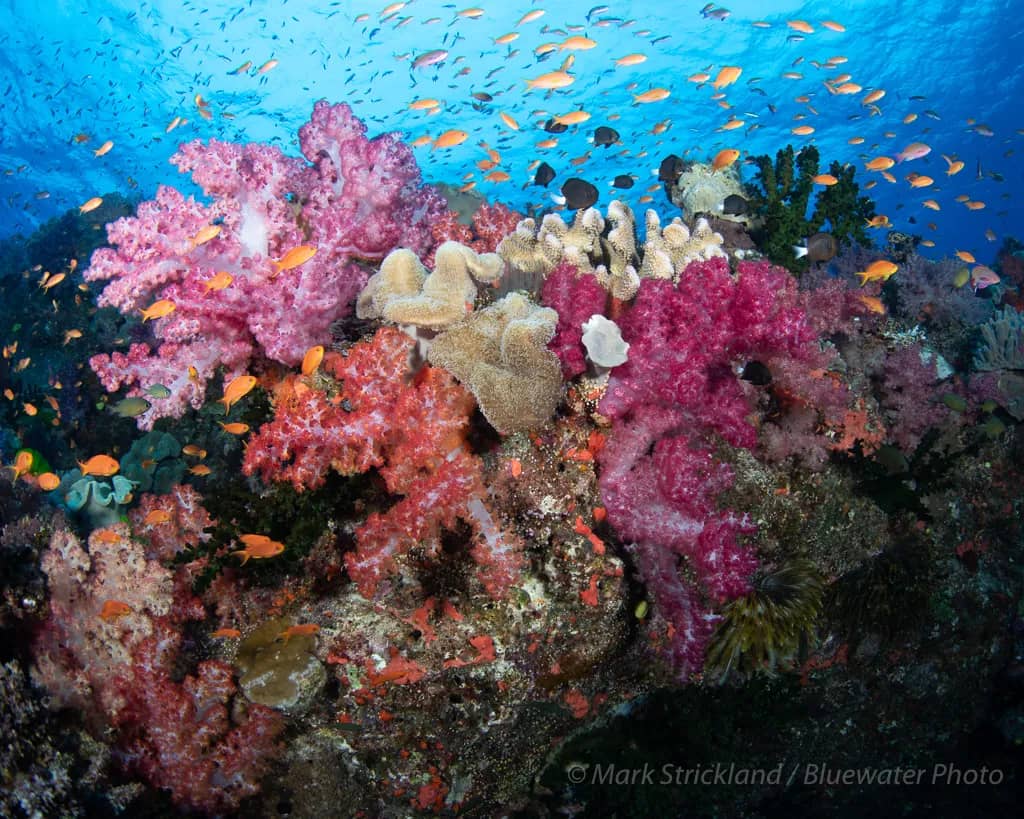
- Boulders and broken slopes covered in sponges and corals.
- Overhangs, small walls and gullies that are fun to explore slowly.
Because the waters are protected and visitor numbers are low, you can expect:
- Reefs that still look thick with life.
- Wrecks and historical debris that have been left in place rather than stripped.
- Very few other divers on the sites you visit.
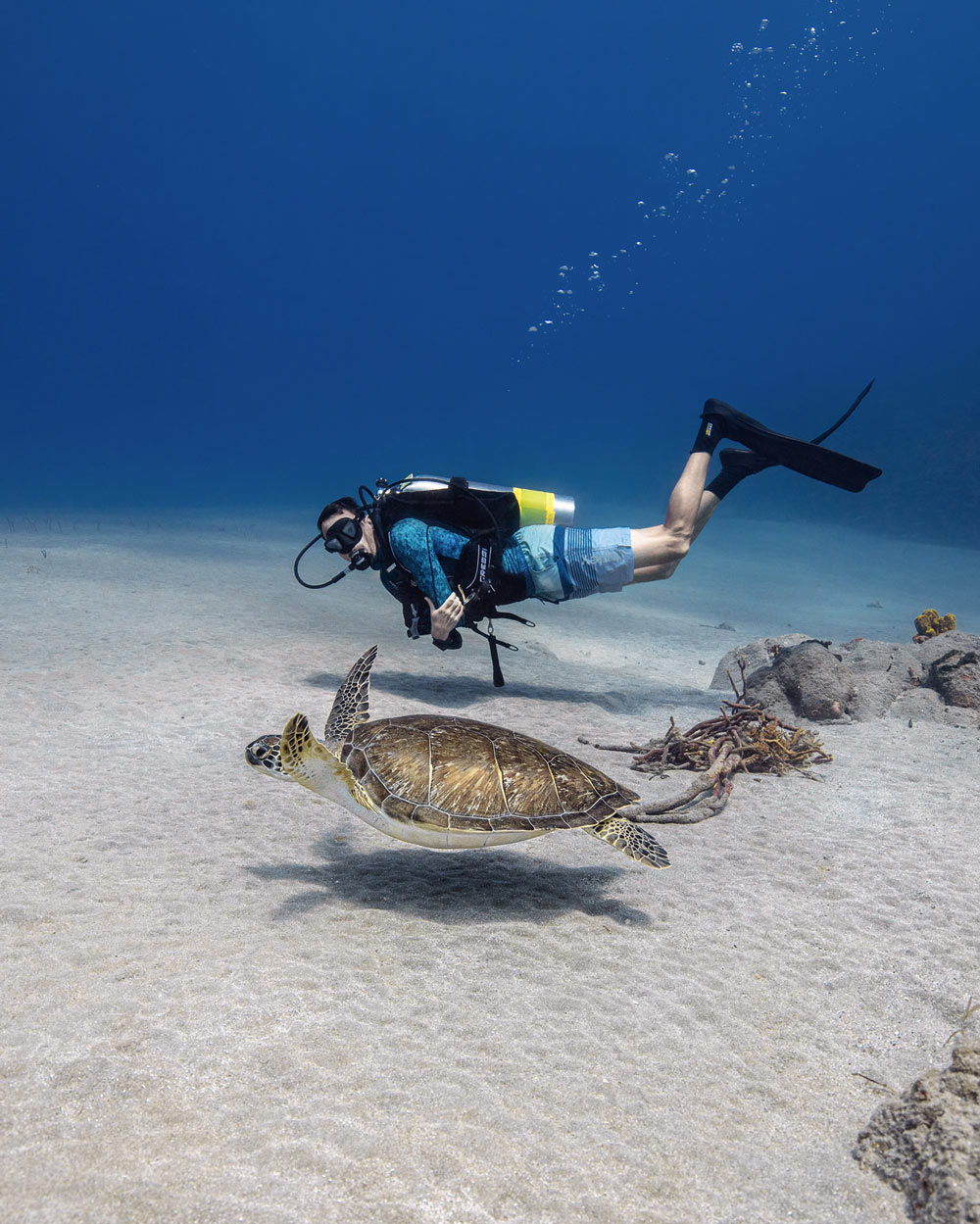
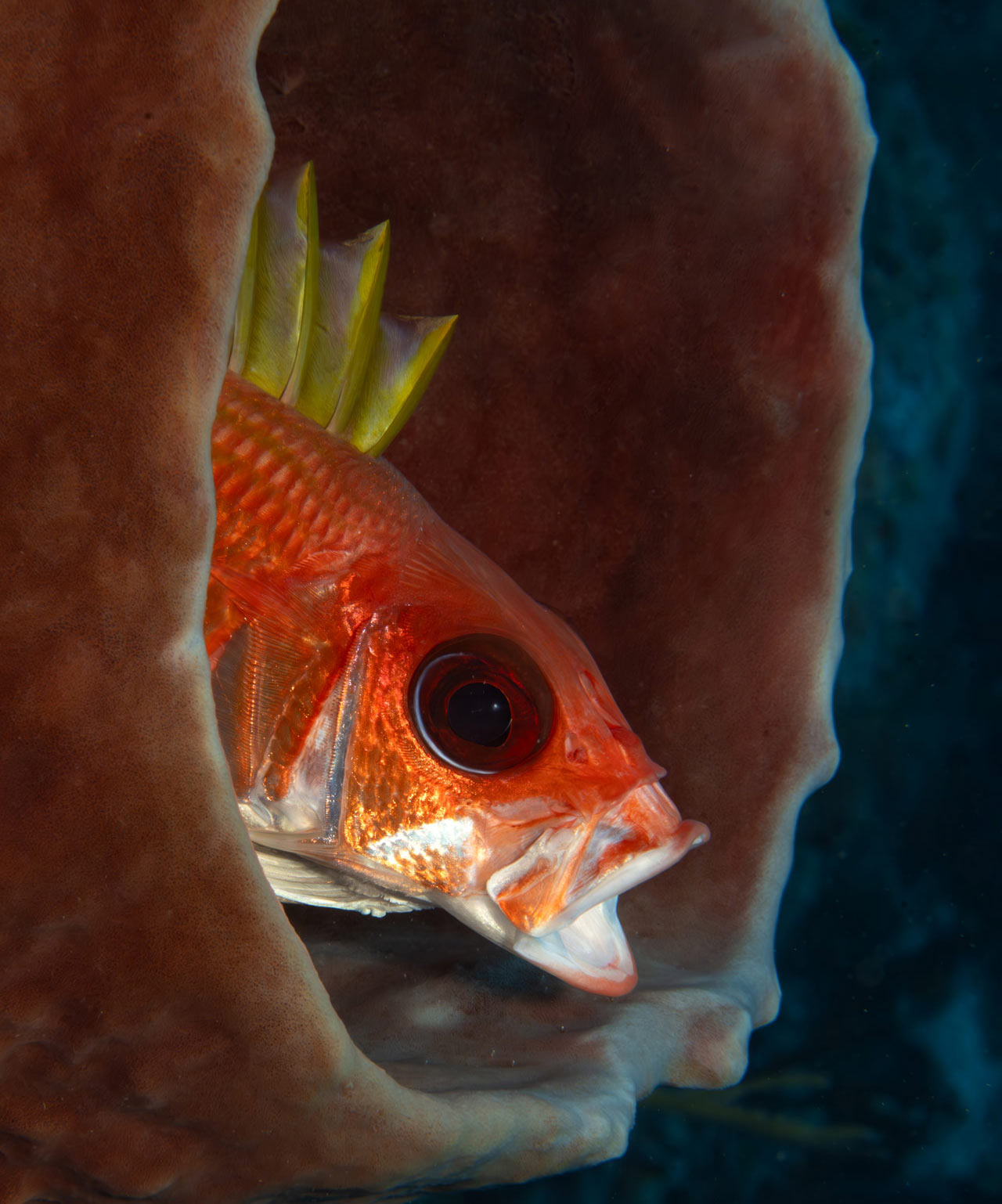
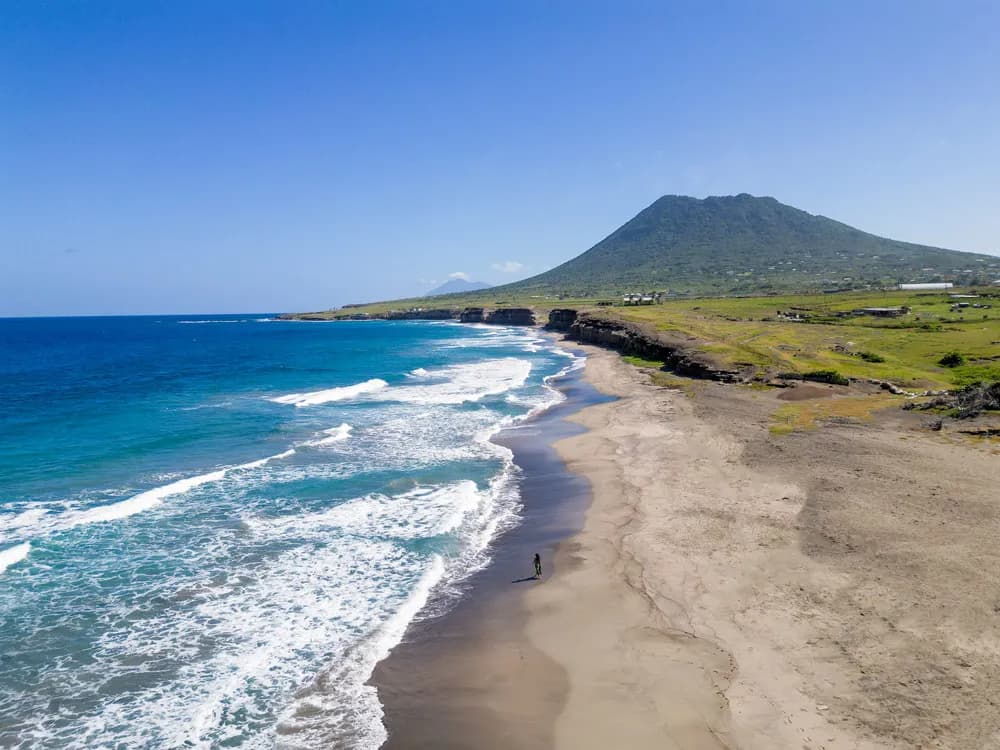
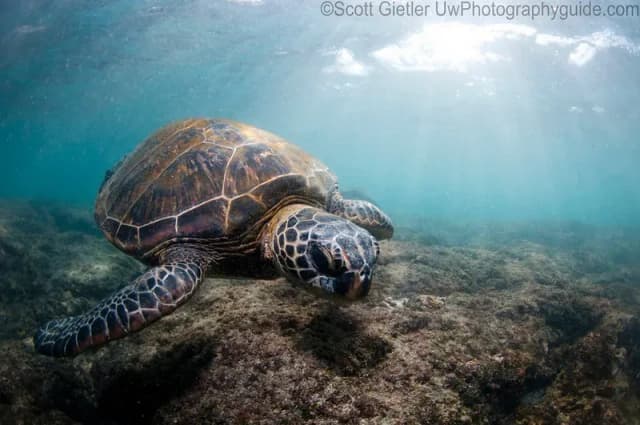
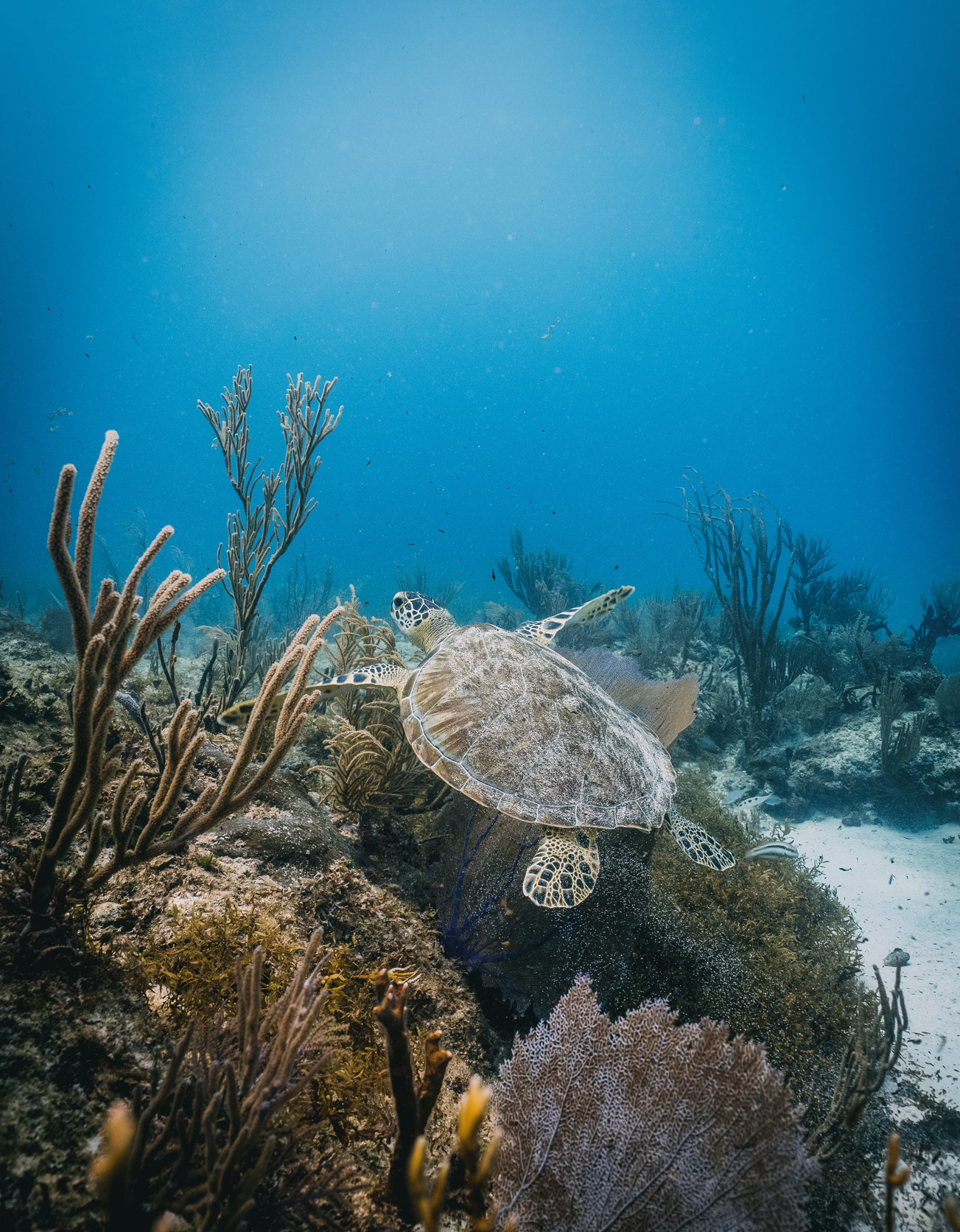
(Left) Turtle image by WIlliam Drum
Wrecks, Cannons and Blue Beads
One of the things that sets Statia apart from many other Caribbean islands is how much history is still lying on the seabed. The island was once a major trading hub, and more than 400 wreck sites have been recorded around the coast.
In practice you will not be ticking off 400 wrecks in a week, but you will see:
- Historic cannons and anchors scattered across the bottom, now coated in coral and sponge.
- Old ballast piles with pottery shards still visible.
- Two excellent modern wrecks that have become dive staples:
• The Chien Tong, a former fishing boat at around 17 metres – a favourite for night dives, with turtles often using it as a sleeping spot.
• The Charles L. Brown, a long communications ship now turned into a classic wreck dive with plenty of area to explore along the deck and superstructure.
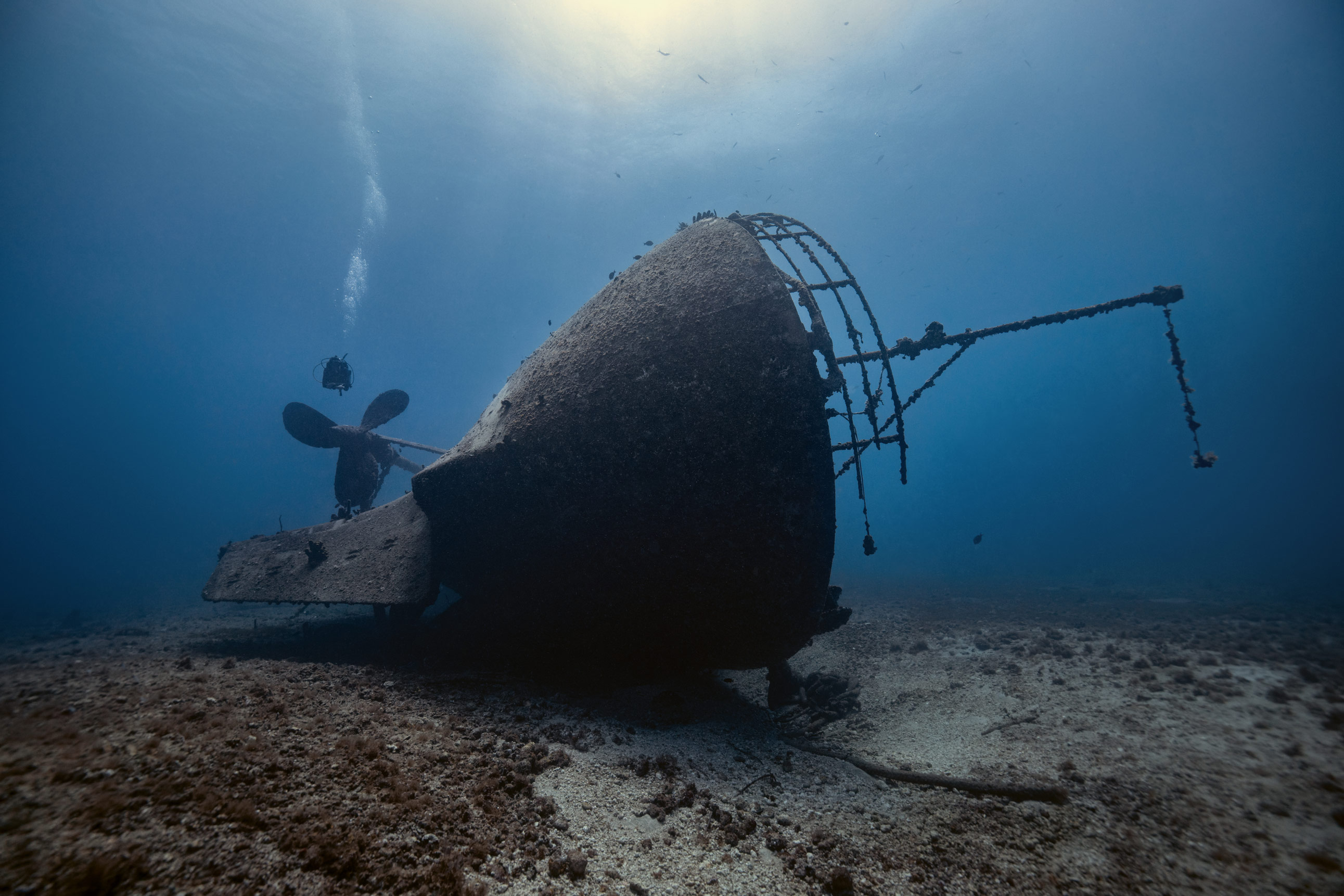
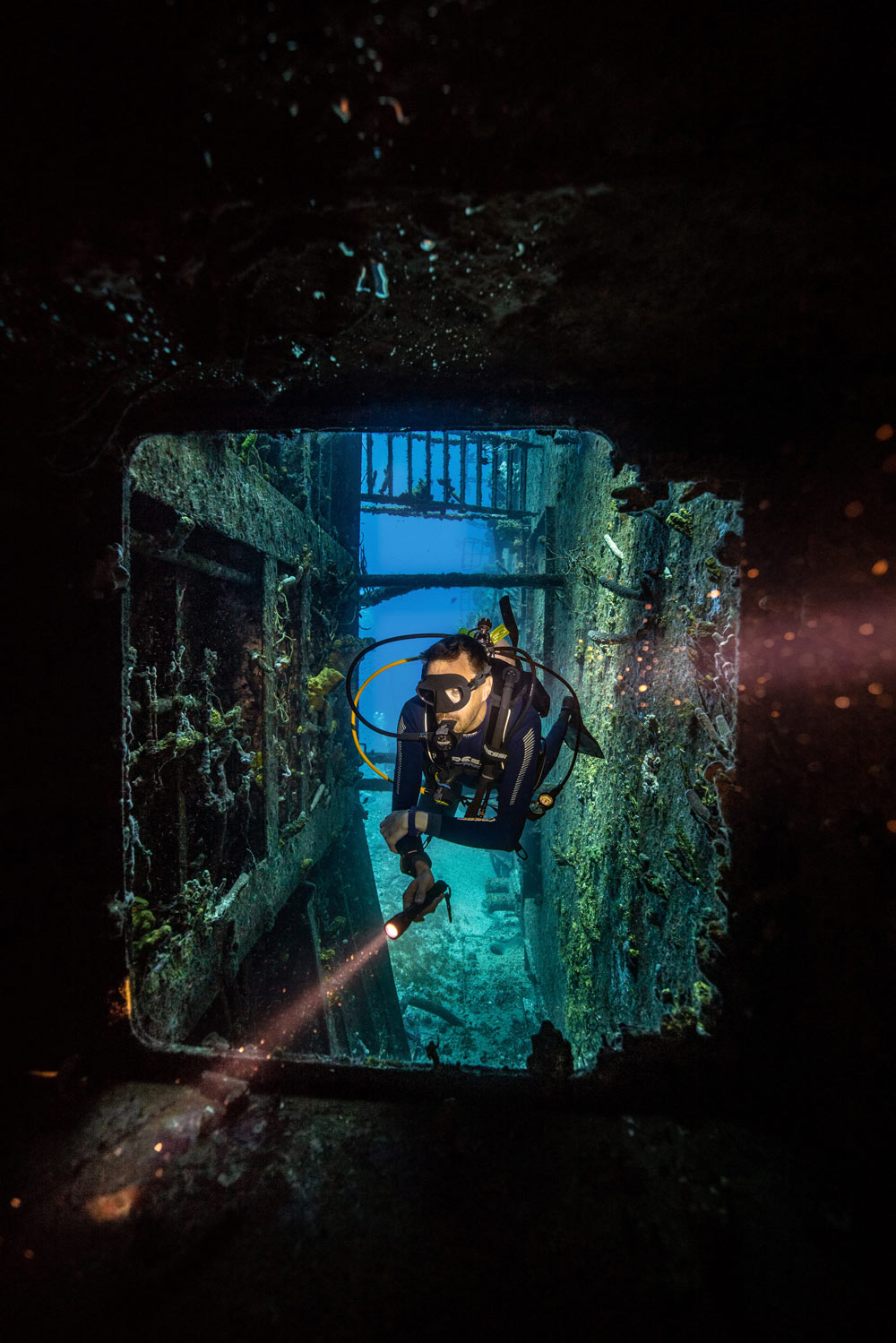
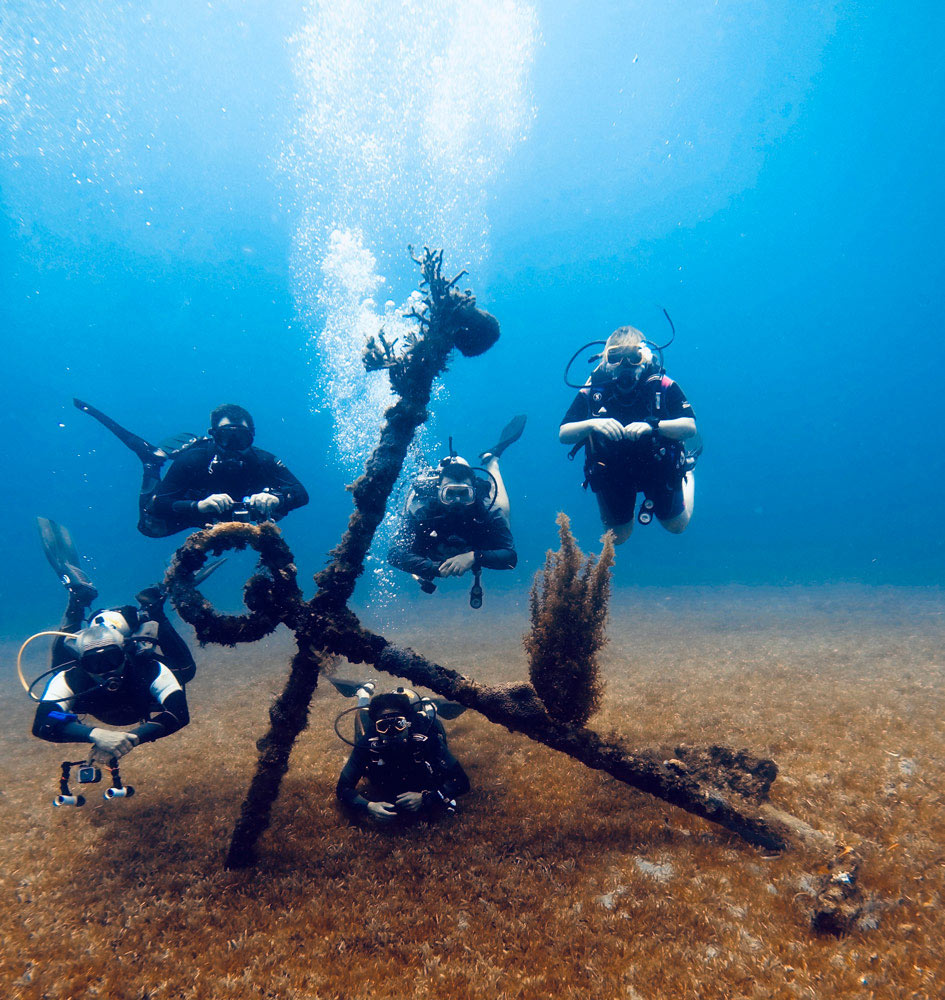
Images by WIlliam Drum
Marine Life: Sharks, Turtles and Macro
Statia is not a “one animal” destination. You do not come here only for sharks or only for macro. Instead, you get a well‑balanced mix. On the bigger end of the scale:
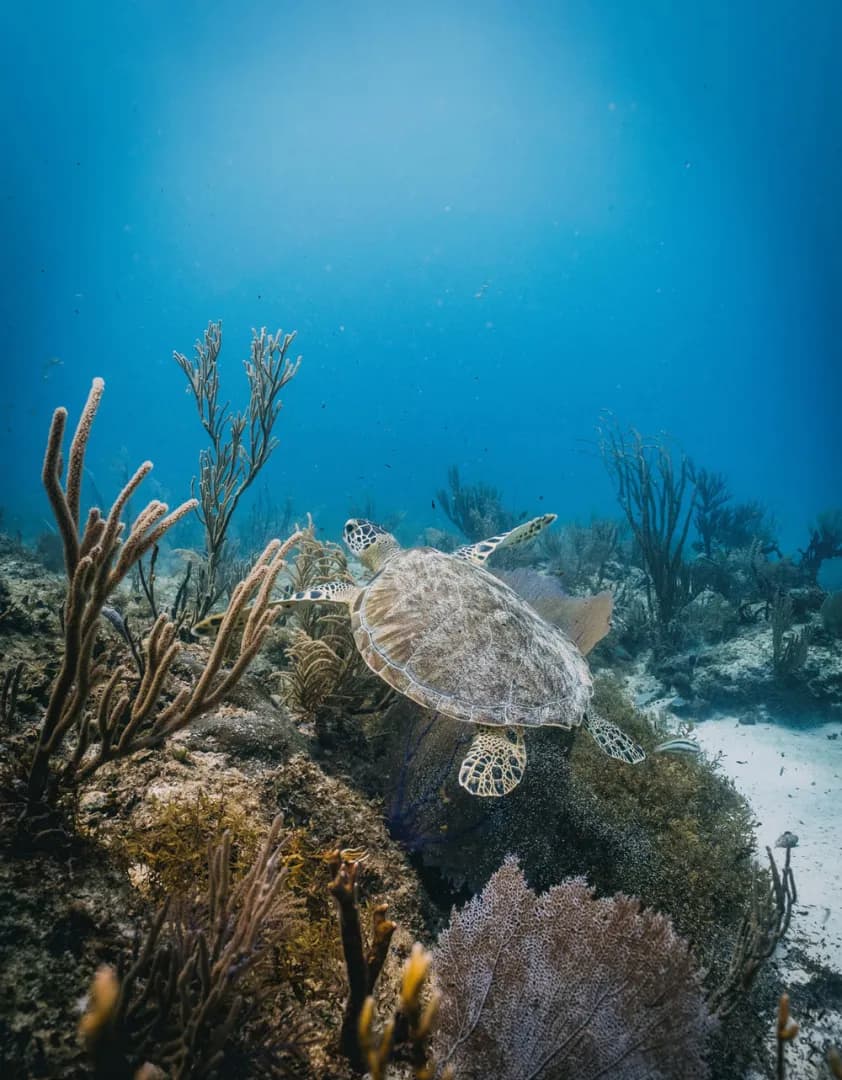
- Turtles are seen often on both reefs and wrecks. The island is recognised as one of the world’s top turtle nesting sites, and that carries through to the diving.
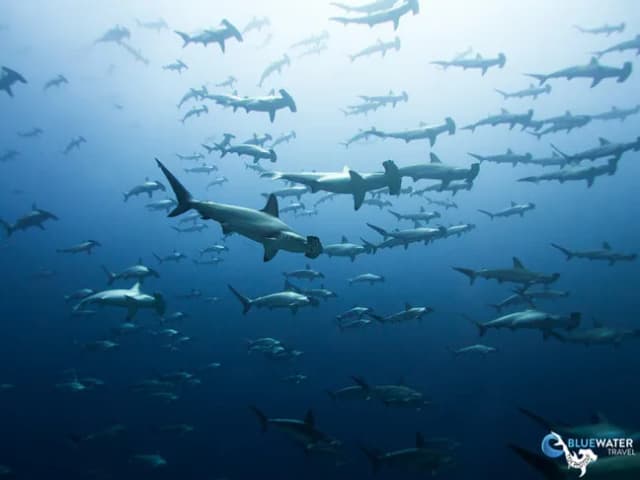
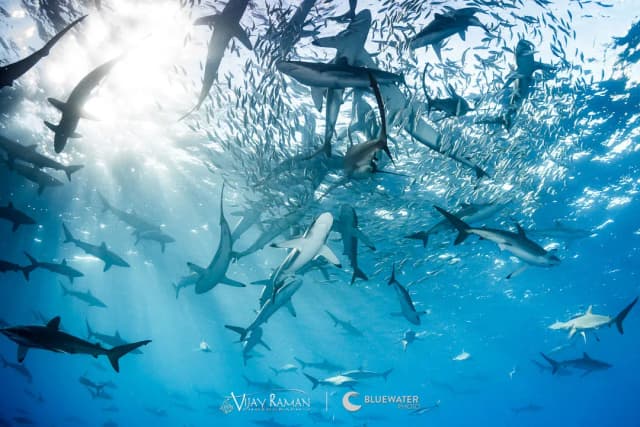
- Nurse sharks appear regularly on many sites. Caribbean reef sharks cruise the outer areas, with the occasional tiger shark putting in an appearance.
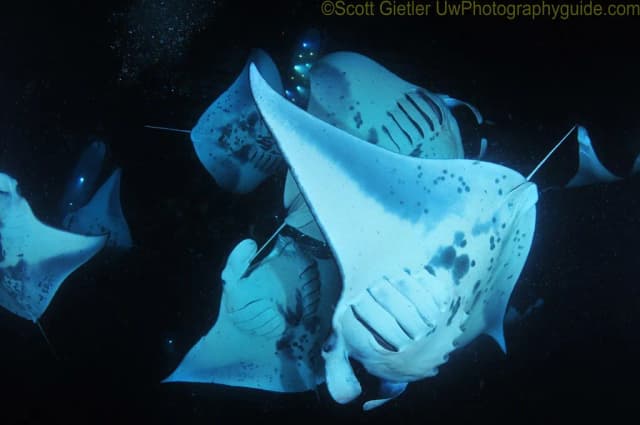
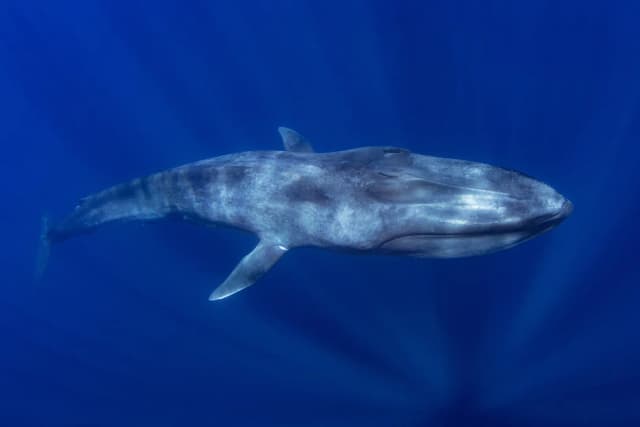
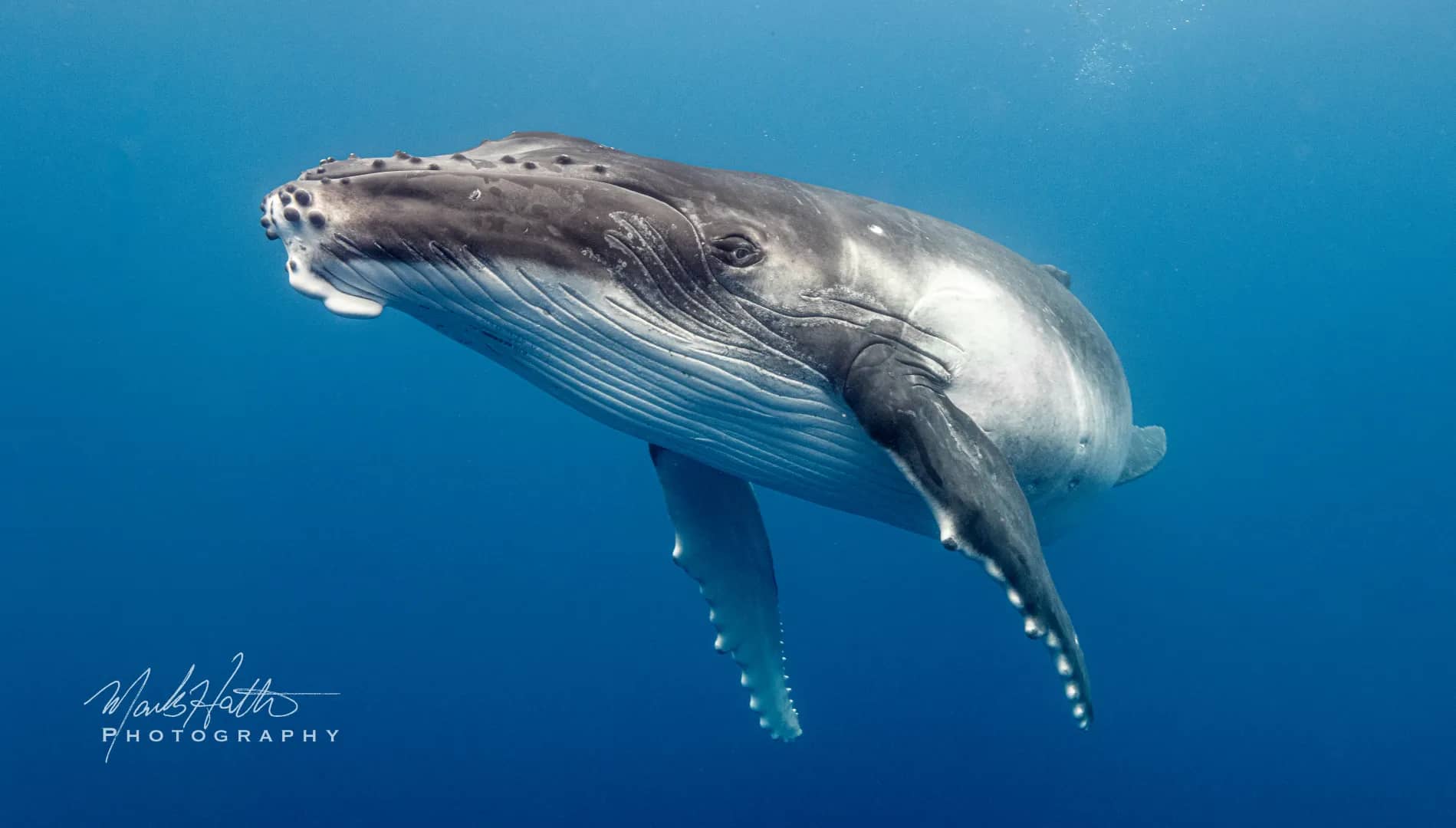
- Eagle rays pass through, and on some sites you can hear or even glimpse humpback whales passing in season (roughly late autumn to early spring).
On the smaller end:
- Nudibranchs in a range of colours.
- Shrimps and crabs tucked into sponges and corals.
- Gobies, blennies and other small fish on rubble and rocks.
It is not a dedicated macro hotspot like some parts of the Pacific, but photographers and keen spotters will not be bored. The main impression most divers report after a week is that the reefs feel alive and unhurried, rather than stripped or crowded.
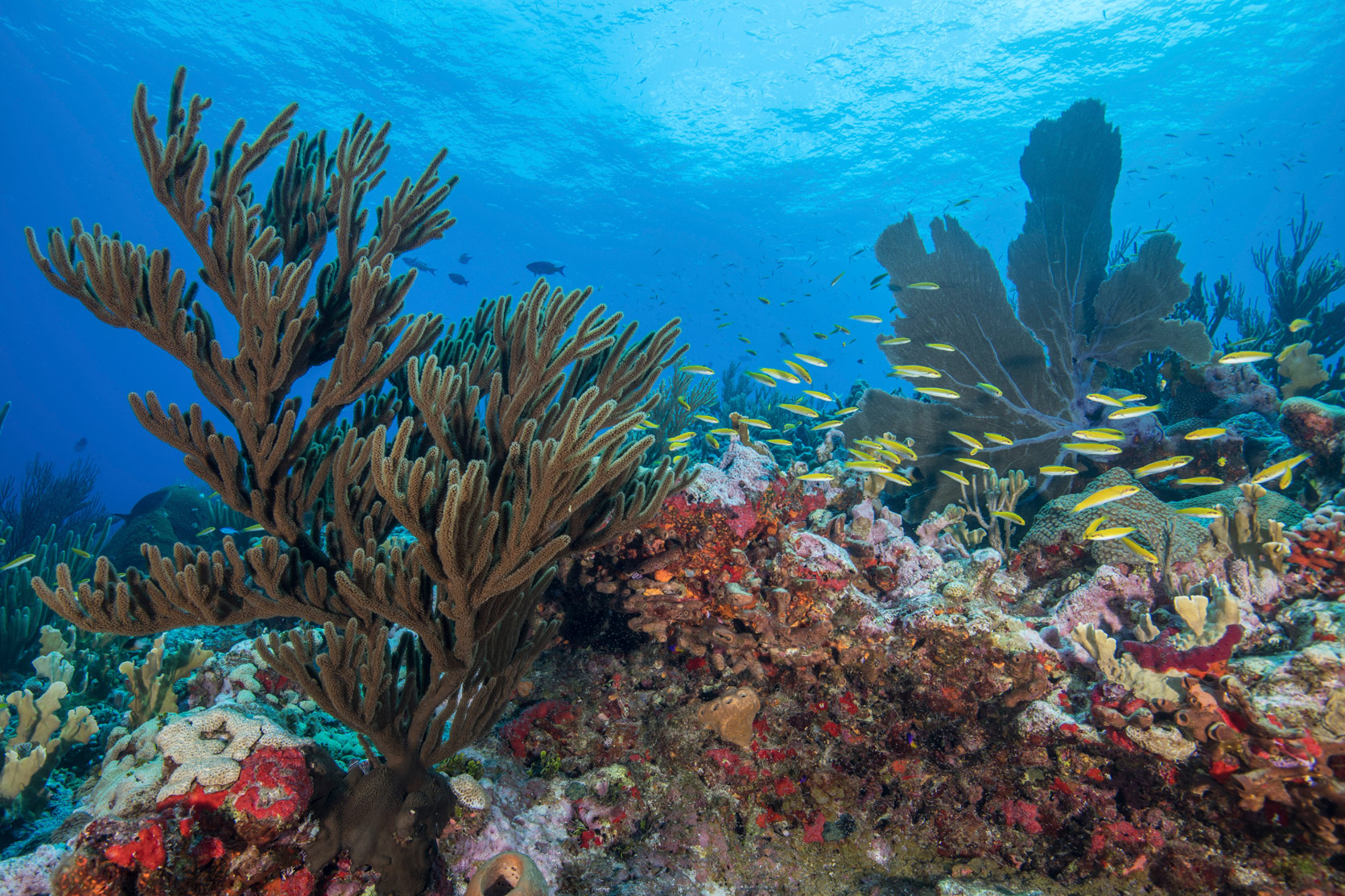
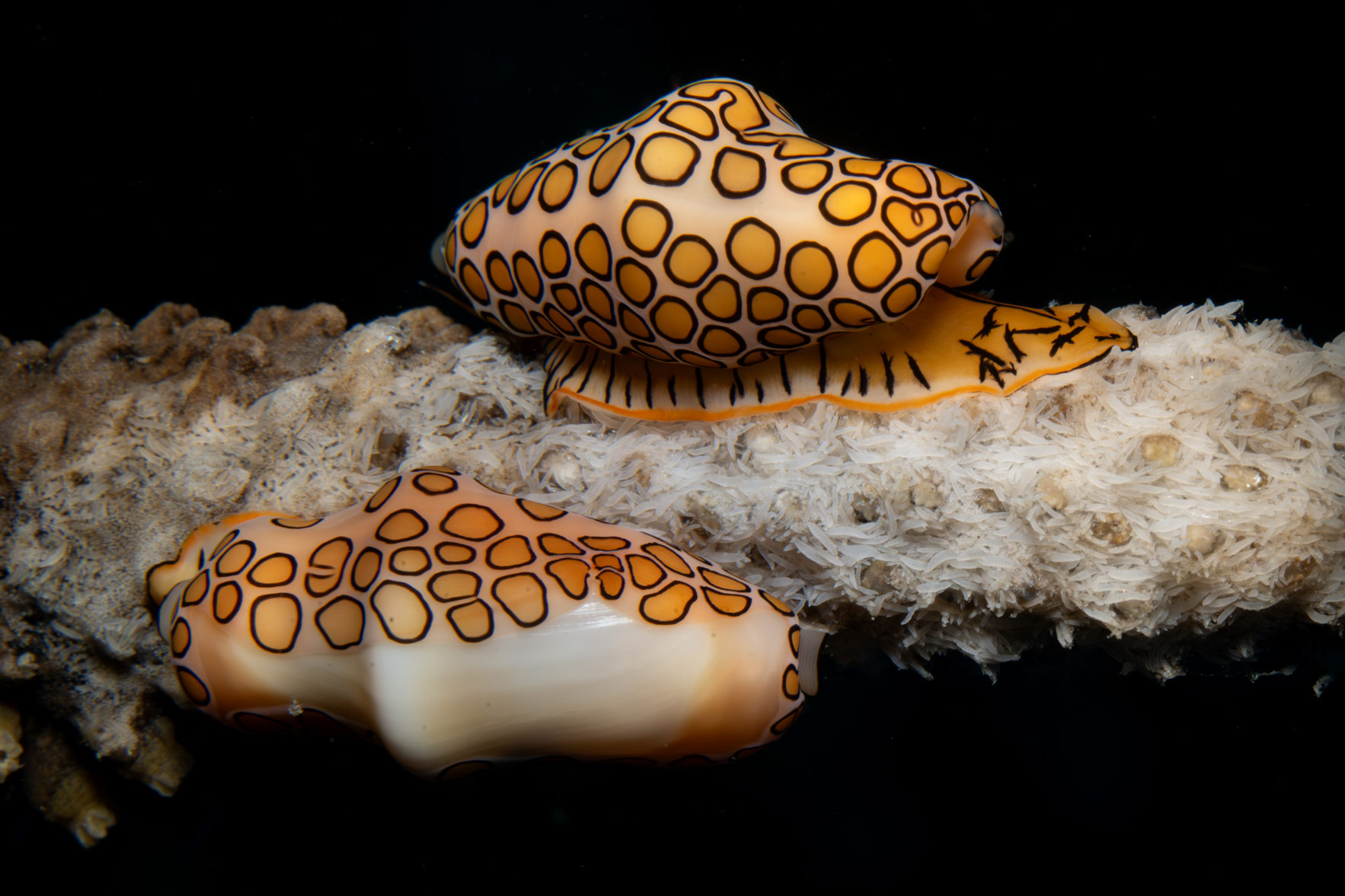
How Busy Are the Dive Sites?
The short answer is: they are not. The marine park limits the type of activity allowed, and there are no cruise‑ship excursions or shore‑dive cattle herds here. Only two operators share the park, and they coordinate loosely to avoid putting groups on top of each other. On recent Bluewater‑arranged trips, divers have repeatedly commented on how unusual it is to:
- Do several days of diving without seeing another group underwater.
- Have entire wrecks or reef sections effectively to themselves.
If you are used to queuing on moorings or following a string of bubbles along a wall in busier Caribbean islands, that change of pace alone can make Statia worth the effort.
Basing Yourself at Golden Rock
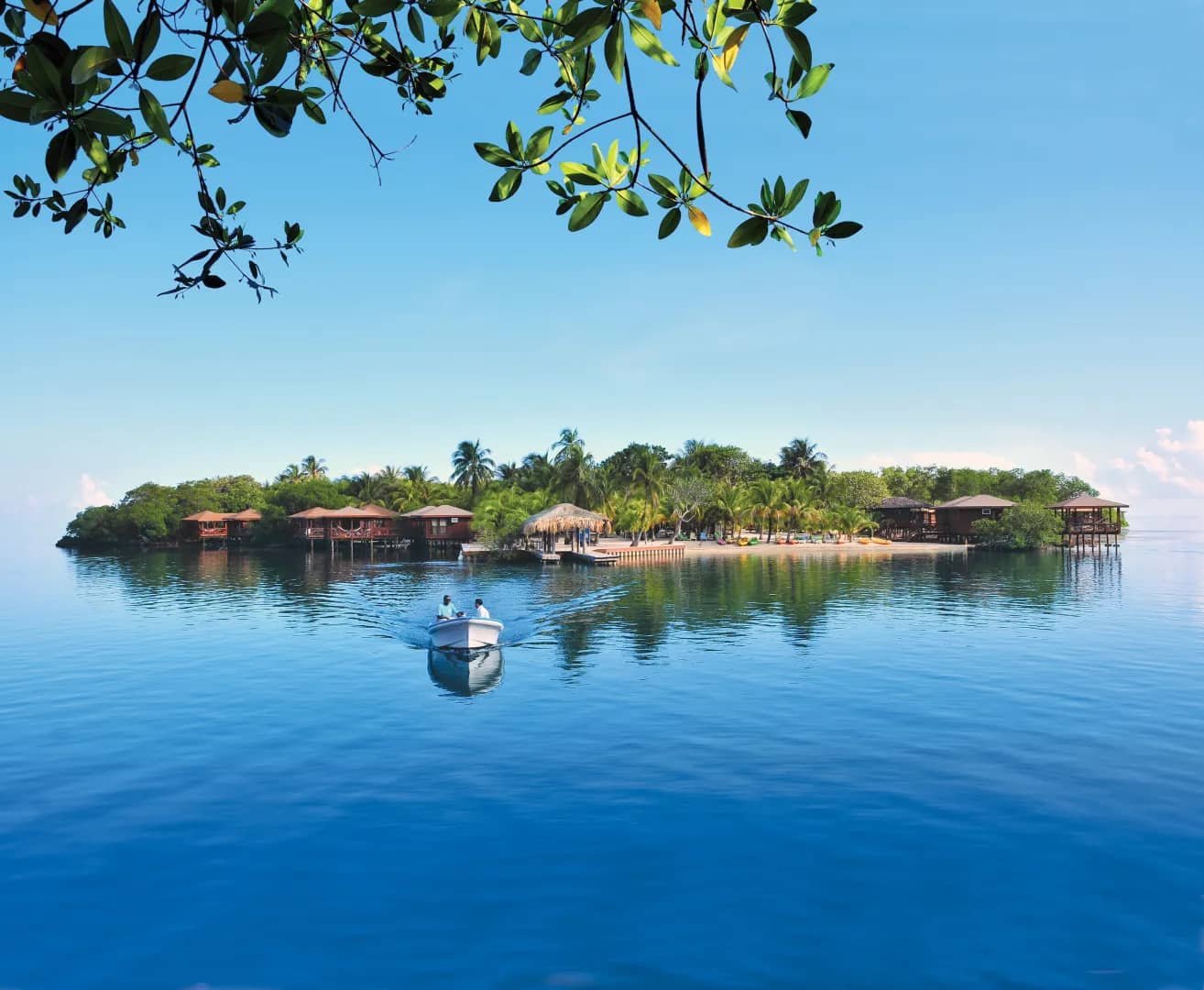
From a diving point of view, Golden Rock Dive & Nature Resort has a few clear advantages:
- It is a proper, modern resort with good food, comfortable rooms and serious dive facilities.
- The on‑site dive operation is set up for photographers and experienced divers as well as newer guests.
- Transfers from the resort down to the boats and back are handled for you, including camera gear if you want help.
The resort has become the natural hub for most dive trips to Statia, for the simple reason that it makes the days feel easy: breakfast with a view, transport to the boats, two or three dives, and then back up the hill for the pool, spa or bar.
If you want to dive hard, you can. If you are travelling with someone who does not dive at all, they can still have a proper Caribbean holiday while you are underwater.
Golden Rock Resort details and photos
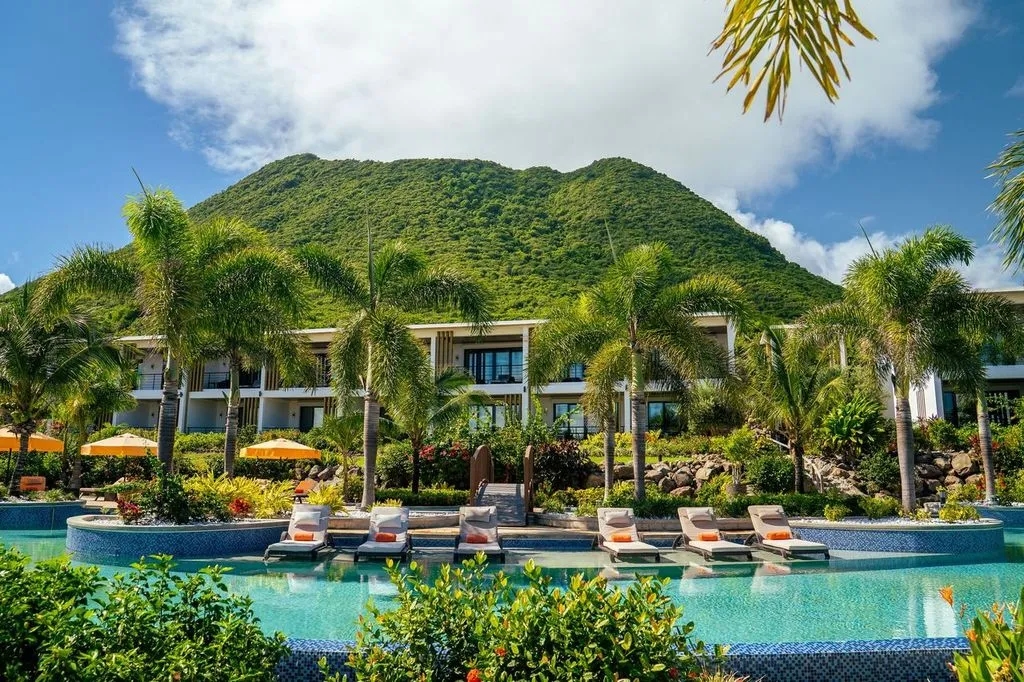
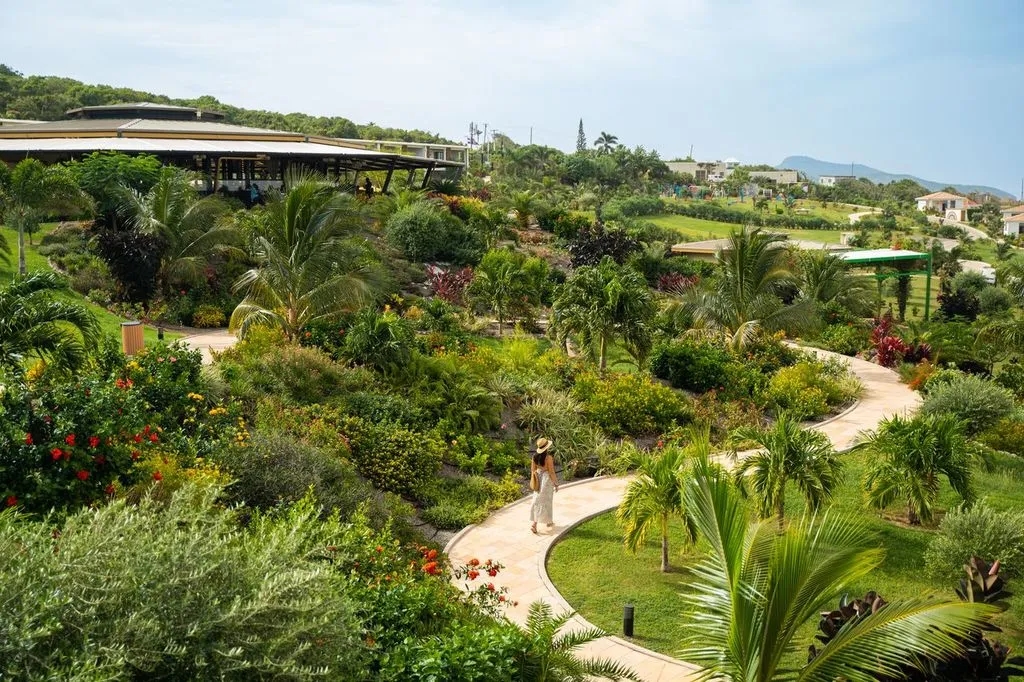
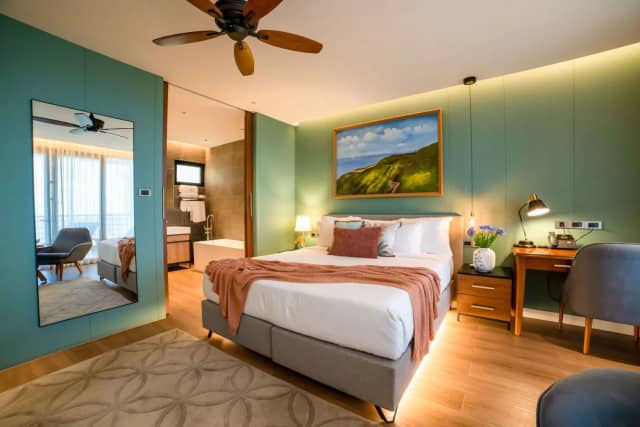
Surface Intervals: Quill Hikes and Island History
Statia is only about eight square miles, but there is surprisingly good variety in what you can do topside on a no‑dive day. Two things stand out:
- The Quill volcano – the cone behind the resort. A guided hike takes you up to the rim and, for those who want to push on, down inside the crater. The interior feels like a different world, with dense vegetation and a cooler, shaded atmosphere. It is a solid piece of exercise and fits nicely as a last‑day‑before‑flying activity.
- Historical walks – through the old town, past forts, warehouses and the remains of the island’s trading heyday. Statia was once wealthy enough to earn the nickname “the Golden Rock” and played a notable role in early American history.
Add in some quiet beaches, the resort’s pools and spa, and a few low‑key bars, and you have enough to keep non‑divers busy without ever feeling as though the island is trying to be something it is not.
Travel, Logistics and Value
Most divers reach Statia by routing through:
- St Maarten (SXM), then a short regional flight or ferry, or
- St Kitts (SKB), followed by a quick boat transfer.
Golden Rock and Bluewater Travel can help you choose the cleaner routing based on your home airport, as well as advise on luggage practicalities for camera and dive gear.
From a value perspective, Statia often comes as a pleasant surprise. When you factor in:
- The standard of the resort.
- The quality and quietness of the diving.
- The lack of cruise‑ship or party‑island feel.
…Golden Rock packages arranged through Bluewater typically look very competitive against better‑known Caribbean destinations at the same comfort level.
Who Should Consider St Eustatius?
Statia and Golden Rock are a good match if you:
- Have already done the classic Caribbean choices and want somewhere quieter.
- Care about reef health, space underwater and a mix of wrecks, reefs and history.
- Travel as a couple or small group, and want a comfortable base without crowds.
- Like the idea of a resort that feels five‑star in service, but is not hemmed in by mass tourism.
If your priority is nightlife, shopping and big‑name beach clubs, Statia is not the right island. If you would rather spend your days diving good sites in peace and your evenings watching the light go off over the channel with a drink in hand, it may be exactly what you are looking for.
Planning Your Statia Dive Trip
Diving in St Eustatius is not complicated, but it does benefit from doing the homework: getting flights in the right order, choosing realistic dates, and matching your expectations to what the island actually offers.
That is where we come in. Tell us when you can travel, how much diving you want to do, and what sort of room you prefer, and a Bluewater Travel specialist will help you turn “quiet Caribbean, big diving” into a concrete plan with Golden Rock at the centre.
Looking for another operator in St Eustatius? Check out Scubaqua Dive Center.
Author


Chris Haysey
I’m Bluewater’s SEO and Content Manager, focused on growing our organic traffic and turning divers’ online research into real trip enquiries. I develop and execute our SEO strategy, manage our content calendar and freelance writers, and make sure our destination guides, blogs and trip pages perform well in search while staying accurate and genuinely useful for divers.
Originally from the UK, I’ve spent much of my adult life living and working overseas, including Greece, Türkiye, Egypt, and across the Caribbean in Antigua, Margarita in Venezuela, Bonaire, Aruba, Curaçao, St Lucia and now Barbados. In my twenties and thirties I travelled as a professional watersports instructor and centre manager, running windsurfing, kitesurfing and sailing operations for hotels and specialist resorts before setting up and managing my own award‑winning watersports businesses in St Lucia and later in the UK.
Alongside this hands‑on watersports career I’ve held senior marketing roles for a variety of companies, from motorsport teams to outdoor activity centres and travel training providers. At Bluewater, I draw on this mix of practical experience and digital marketing know‑how to develop content that reflects real destinations, real dive conditions and real guest expectations. When I’m not working on the website, you’ll usually find me windsurfing, kitesurfing, diving or exploring new coastlines on a paddleboard or mountain bike.