Liveaboards in Egypt (Red Sea): Ultimate Guide
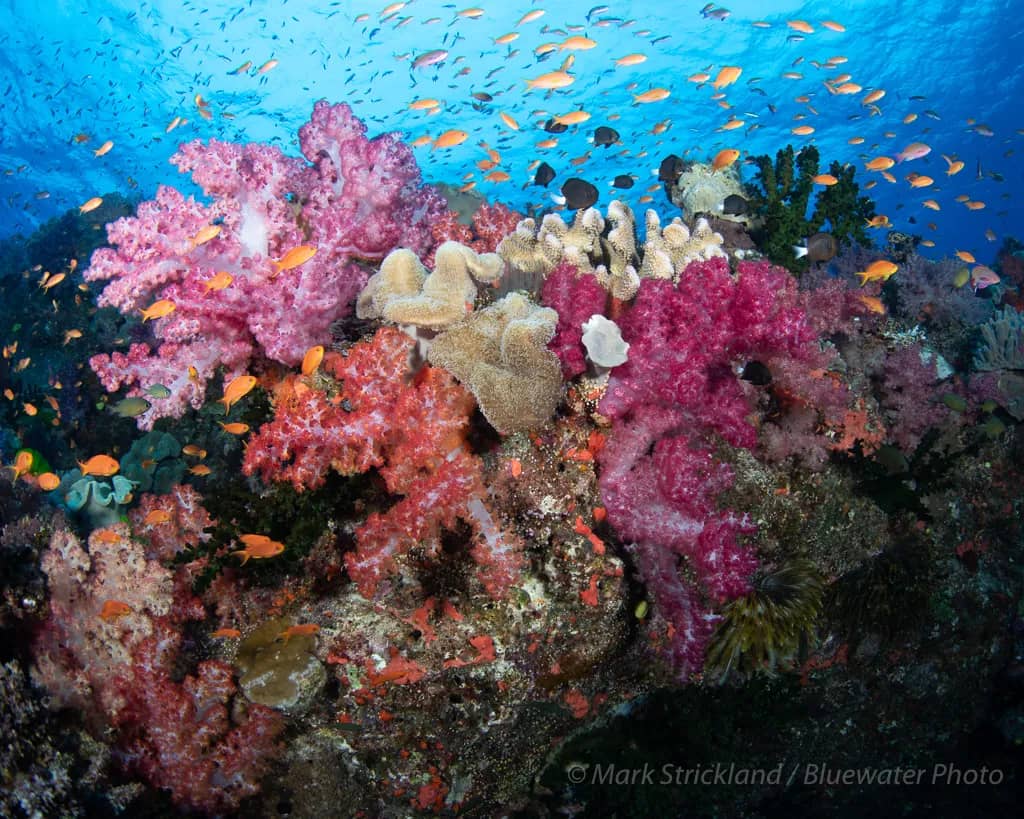
The Egyptian Red Sea is a classic liveaboard destination, famous for clear, warm water, pristine reefs, and historic wrecks. Its diving is accessible and diverse: vibrant coral gardens, hundreds of fish species, and year‑round mild conditions. In fact, the Red Sea “boasts prolific marine life, with over a thousand fish species, one‑fifth of which are exclusive” to it. Warm water (around 21–29 °C) and up to 60 m visibility make it easy diving for all levels. What’s more, liveaboard trips from Egypt are extremely affordable—Bluewater notes “almost all liveaboards in the Red Sea cost around $150/night or less,” yet many boats rival Caribbean or Pacific trips in quality. Below is an overview of what you can expect on a Red Sea liveaboard, plus practical tips.
Dive Regions & Itineraries
Northern Wrecks & Reefs (Sinai Peninsula)
Starting from ports like Hurghada or Sharm, liveaboards often cruise the Straits of Tiran and nearby reefs. This zone is famous for excellent wreck diving—wonders like the Dunraven, Giannis D, and the legendary SS Thistlegorm wreck even show up on the same itinerary page. The coral here is healthy and currents generally mild, making it ideal for novice divers.
Ras Mohammed Marine Park
At the tip of Sinai, Ras Mohammed National Park features on most liveaboard schedules—Shark Reef and Yolanda Reef are beloved sites for dramatic drop‑offs and abundant reef life.
The Brothers, Daedalus & Elphinstone
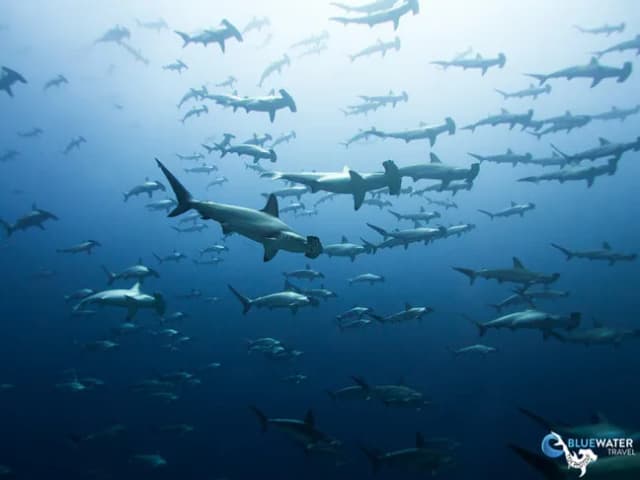
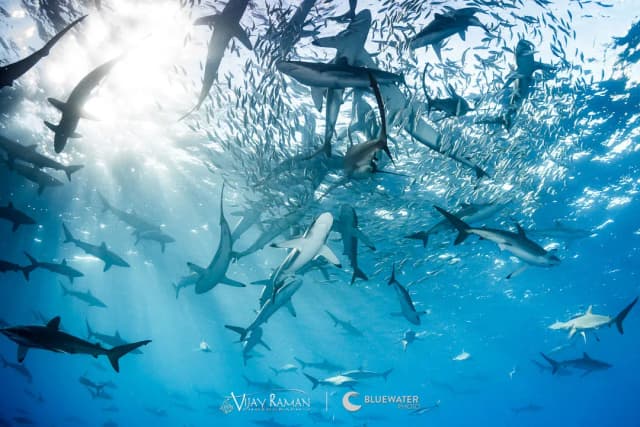
Further south are remote pinnacles like The Brothers Islands, Daedalus, and Elphinstone reefs. These offshore spots attract sharks—oceanic whitetips, gray reef, and even hammerheads. Daedalus is famous for its shark aggregations; Elphinstone delights with gorgonian fans and drop‑offs. All feature prominently in the Red Sea liveaboards itinerary listings.
Fury Shoals, St. John’s & Rocky (Southern Reefs)
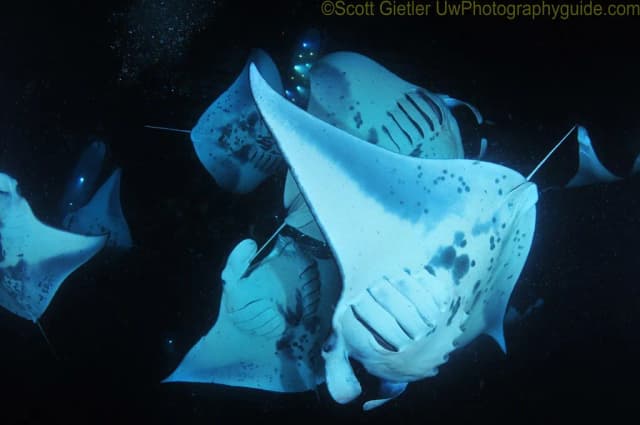
South of Hurghada, itineraries include Fury Shoals, St. John’s Reef (Zabargad), and Rocky Island. These gentle coral plateaus are teeming with turtles, nudibranchs, frogfish, and even mantas—again confirmed on the same liveaboard itinerary page.
Sudan (Suakin) – Deep South (Optional)
Some extended cruises travel to Port Sudan and Suakin Island—ventures into wild, pristine frontier diving. This appears under the Sudan segment on the same Red Sea liveaboards page, offering multi-week adventure cruises.
Marine Life & Dive Conditions
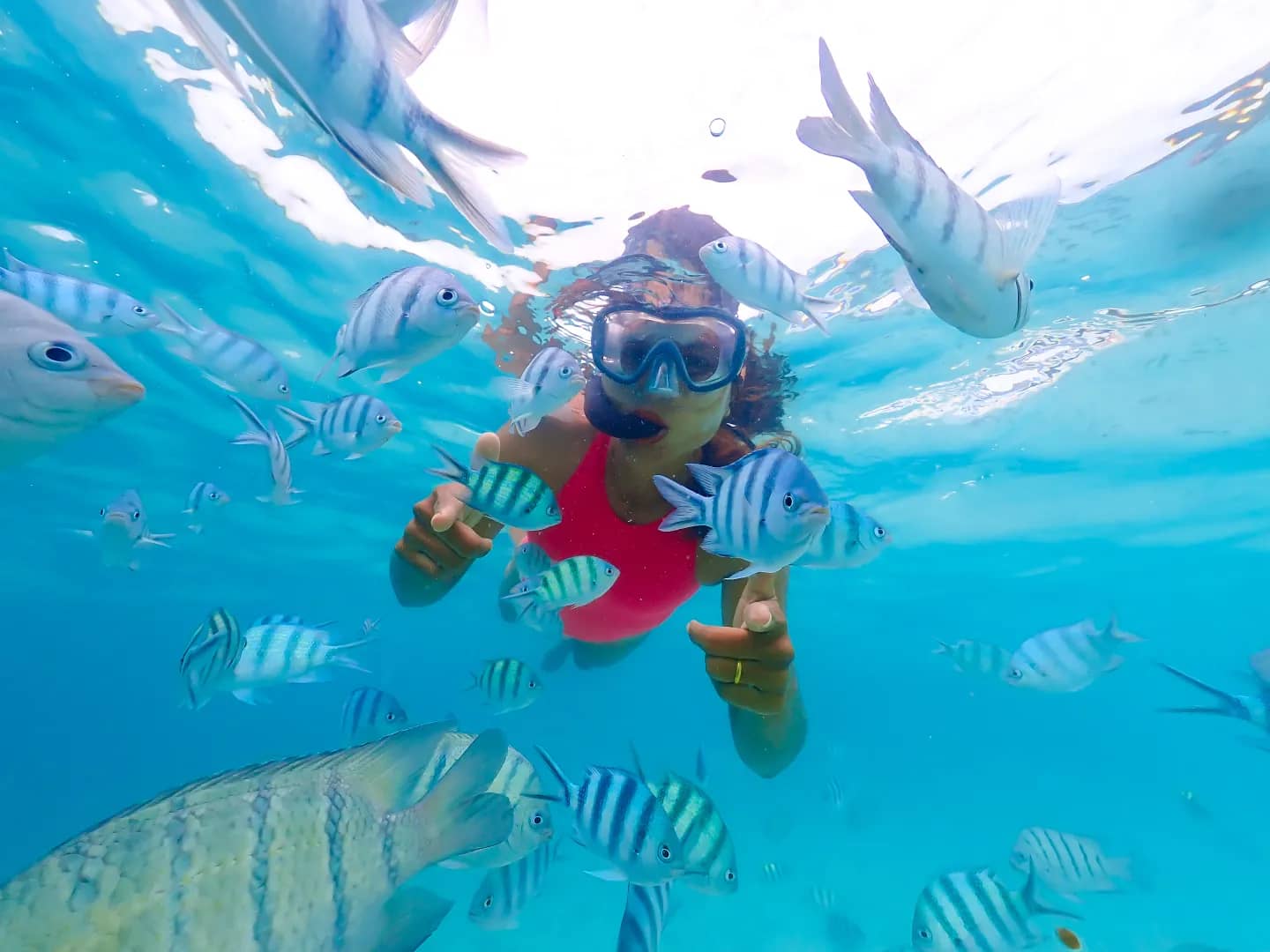
Biodiversity is eye‑opening: 1,000+ fish species, about 20% endemic. Expect bannerfish, fusiliers, snappers, anthias, lionfish, jacks—and at offshore pinnacles, schooling pelagics, dolphins, manta rays, and seasonal hammerheads. Historic wrecks like SS Thistlegorm are overgrown with black coral and bustling with life. Night dives reveal moray eels, octopus, and more.
Visibility typically ranges from 30–60 m. Temperatures warm to ~29 °C in summer and dip to ~21 °C in winter, so pack a 3–5 mm wetsuit—or a 5–7 mm during colder months. Drift diving is common, so SMBs and reef hooks are highly recommended.
When to Go & Planning
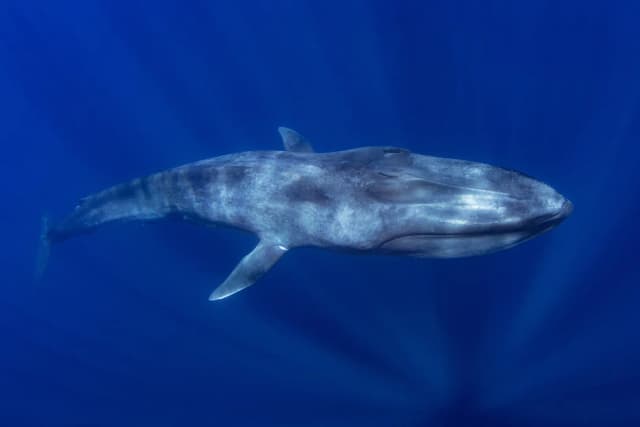
Diving is year-round, with peak seasons in Mar–May and Sept–Nov. Whale sharks appear Mar–May; hammerheads are spotted Jun–Aug. Winter (jan) sees most boats pause operations. Airports to consider: SSH (Sharm el‑Sheikh) for northern routes, HRG/Marsa Alam for central and southern circuits.
Costs & Boats
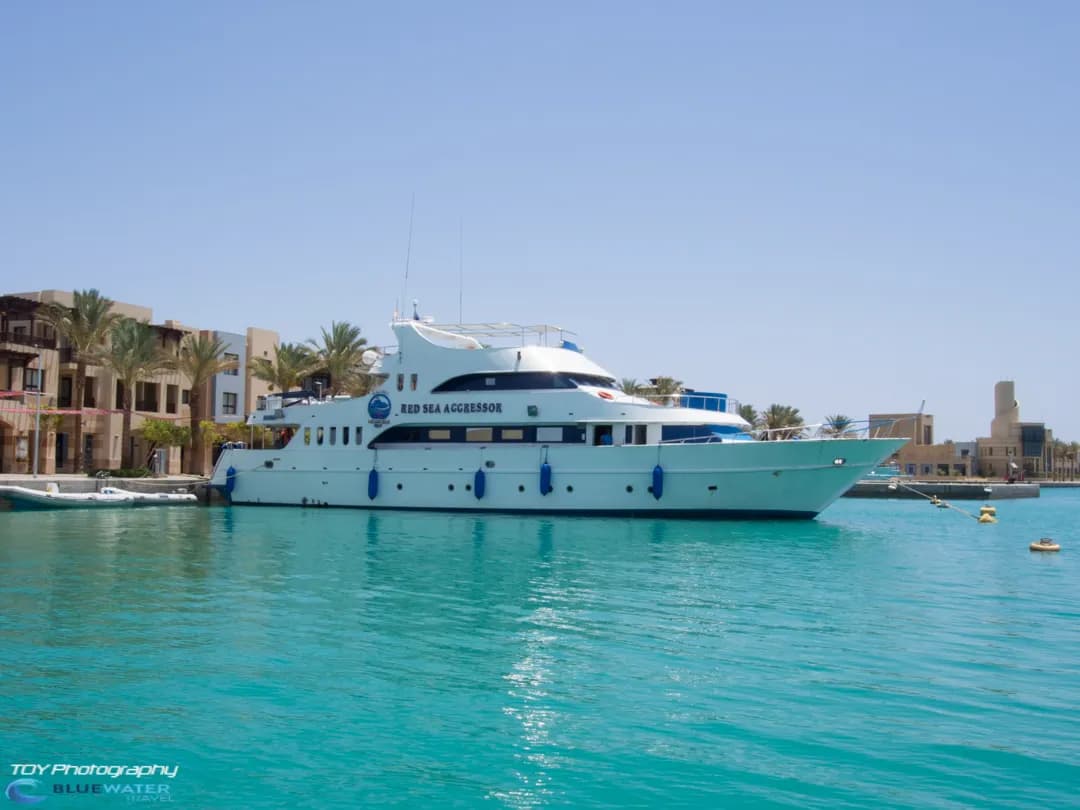
Red Sea liveaboards range from budget to luxury. Bluewater highlights boats like the **M/V Mistral**, **Red Sea Aggressor II**, **Blue Horizon**, **Red Sea One**, **All Star Red Sea**, and **Royal Evolution**—all offering cabins from $150/night, plus dive crew, meals, gratuities, and park fees. Travelers researching previous Red Sea fleets may also come across M/Y Sea Story, a former Red Sea liveaboard that is no longer in operation.
Key Takeaways & Tips
- Liveaboard Experience: Expect 3–5 dives per day, night dives, buffet meals, and calm surface intervals over reefs.
- Drift Diving & Safety: SMBs and hooks are essential; crews are well-versed in drift techniques.
- Packing Essentials: Reef hook, SMB, 3–7 mm wetsuit based on season, dry bag, sun protection.
- Above Water: Optional land extensions in Hurghada, Sharm, or Cairo; pyramids and local reefs offer easy extras.
- Booking Advice: Reserve 3–6 months ahead for spring/fall; Bluewater often lists deals on select boats.
In summary, a Red Sea liveaboard trip is easy, affordable, and spectacular. You’ll dive clear reefs and wrecks, spot turtles, reef sharks, dolphins—and maybe giants like mantas or hammerheads. From beginner-friendly wrecks to advanced drift sites, the Red Sea has it all. Pack your camera and prepare for vibrant marine life and legendary adventures.
-optimized.webp&w=640&q=75 "Moorea Trip Recap August 2026")