Weird & Wonderful World of Macro
You’ve probably swum past dozens of weird and wonderful creatures whilst diving, not because they were necessarily hiding but simply because you might not have even known they were there. Most divers plan their whole trip around the hope of encountering a shark or a manta. But if you ask any dive guide who's spent years diving every day what actually gets them excited, the answer is rarely the big stuff. It's the two-centimeter critter nobody else noticed. Some of the ocean's strangest and most alien-looking creatures are in fact smaller than a fingernail, and it takes a certain style of diving to uncover this extraordinary world.
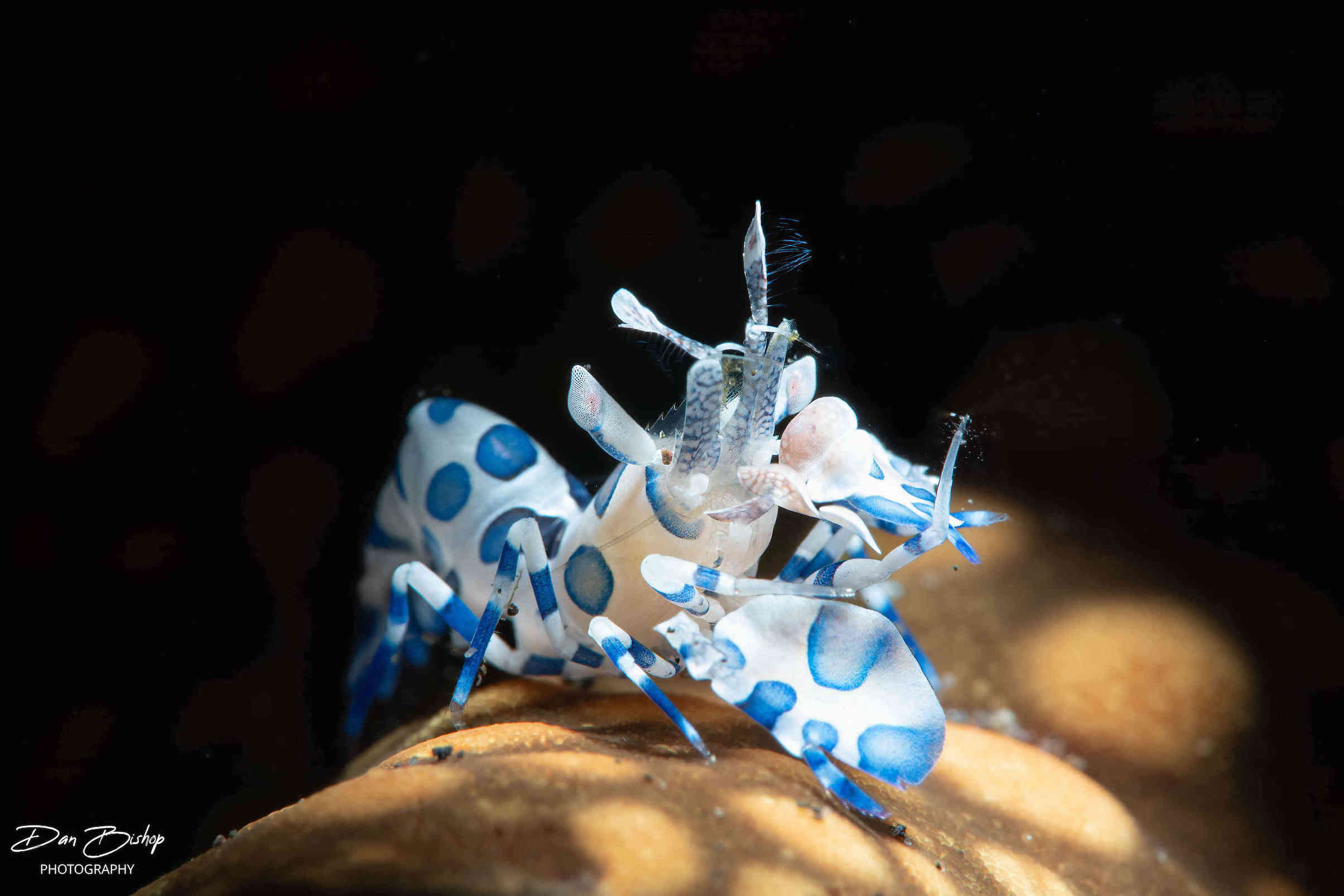
Why Macro is a Different Kind of Diving
When it comes to diving for macro critters, a certain mindshift has to happen with the way you think of the dive. Instead of hoping to be in the right place at the right time, patiently waiting for something to appear out of the blue, macro diving asks for something almost the opposite. Instead of covering distance, you're covering centimeters. Instead of scanning the blue for movement, you're staring at a single patch of reef waiting for it to reveal its hidden wonders. It's a shift from seeking to noticing, and this changes the entire rhythm of a dive.
One aspect of macro diving that surprises most divers is the variety of life that can be found in such a small area of a dive site. A simple patch of reef that may appear to have no life, like a mound of rubble or a sandy slope, can in fact house dozens of different species once you slow down enough to notice them. Nothing needs to be added to the scene for it to become extraordinary, it's already there, you just need to know how, and where to look.
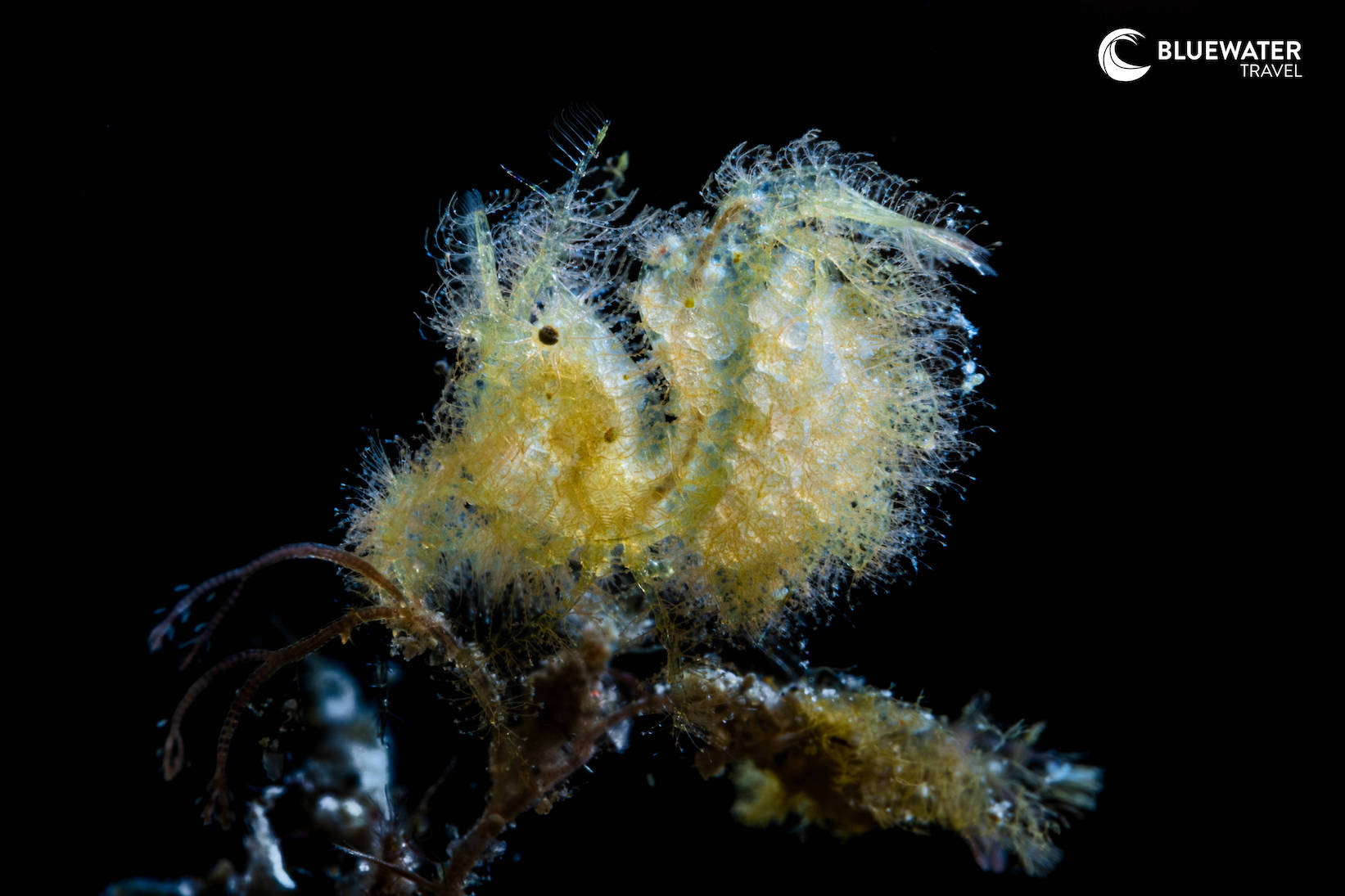
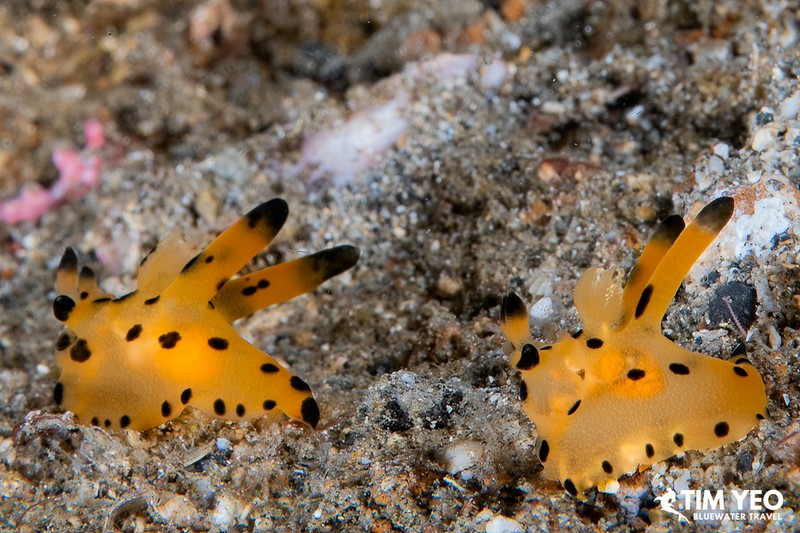
We know this may sound like a daunting undertaking and you may feel as if you don't have “the eyes” for macro but we assure you that most divers start out like this. Macro diving requires patience, not only for slowing down but also for learning. It takes time for your eyes to adjust to spotting critters but once you start to notice them you won’t be able to stop. Some good advice is spending time with someone who has acquired these skills. Once they show you a nudibranch, a frogfish, or a seahorse, take the time to observe how they move, where they are on the reef and any other key behaviours they have. Once you have this idea in your mind it will be easier to find them on your next dive.
Macro diving also requires a masterclass in buoyancy. Noticing the small creatures often requires perfect neutral buoyancy to hover over the reef. This shouldn’t be a skill that deters divers from macro but instead a way of practicing techniques to refine them to become flawless. Divers who get good at macro often find it sharpens their control everywhere else too; their trim, breathing and awareness of where every part of their body is within the water.
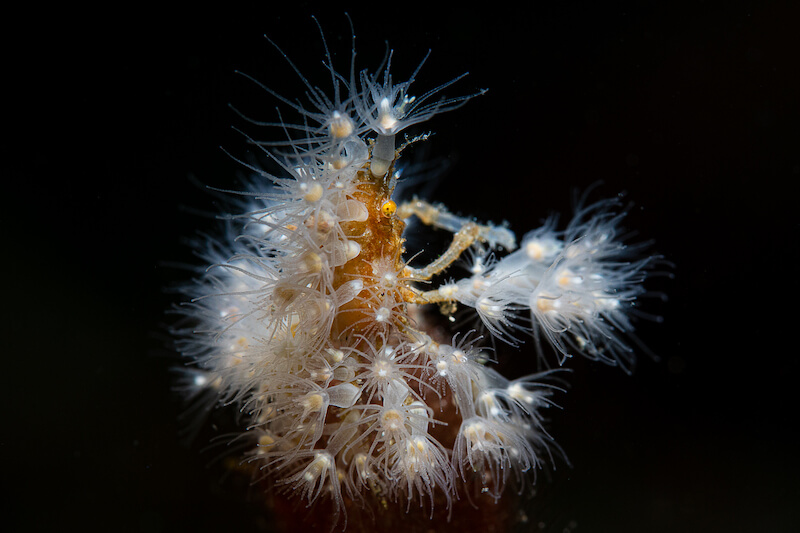
The Weird
Once you start to look closer, the ocean rewards that attention with some of the strangest biology on Earth. These aren't always rare curiosities, they're everyday residents of reefs divers swim past constantly. However, once you know what to look for, the weirdness never stops.
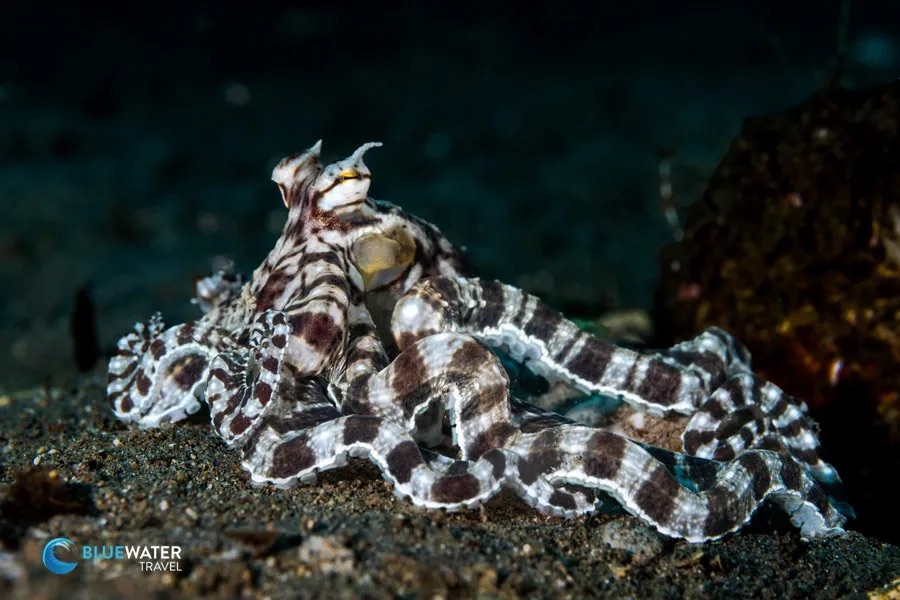
1. Mimic octopus- This master impersonator takes on a rather bizarre approach to predator avoidance. Unlike other species that utilise camouflage to evade becoming a meal, Thaumoctopus mimicus contorts its body to take on the appearance and behaviour of several other animals that would not be on the menu. Its impressive repertoire includes: sea snakes, flounders, stingrays, jawfish, snake eels, and even lionfish.
- Where to spot them: Indo-Pacific region.
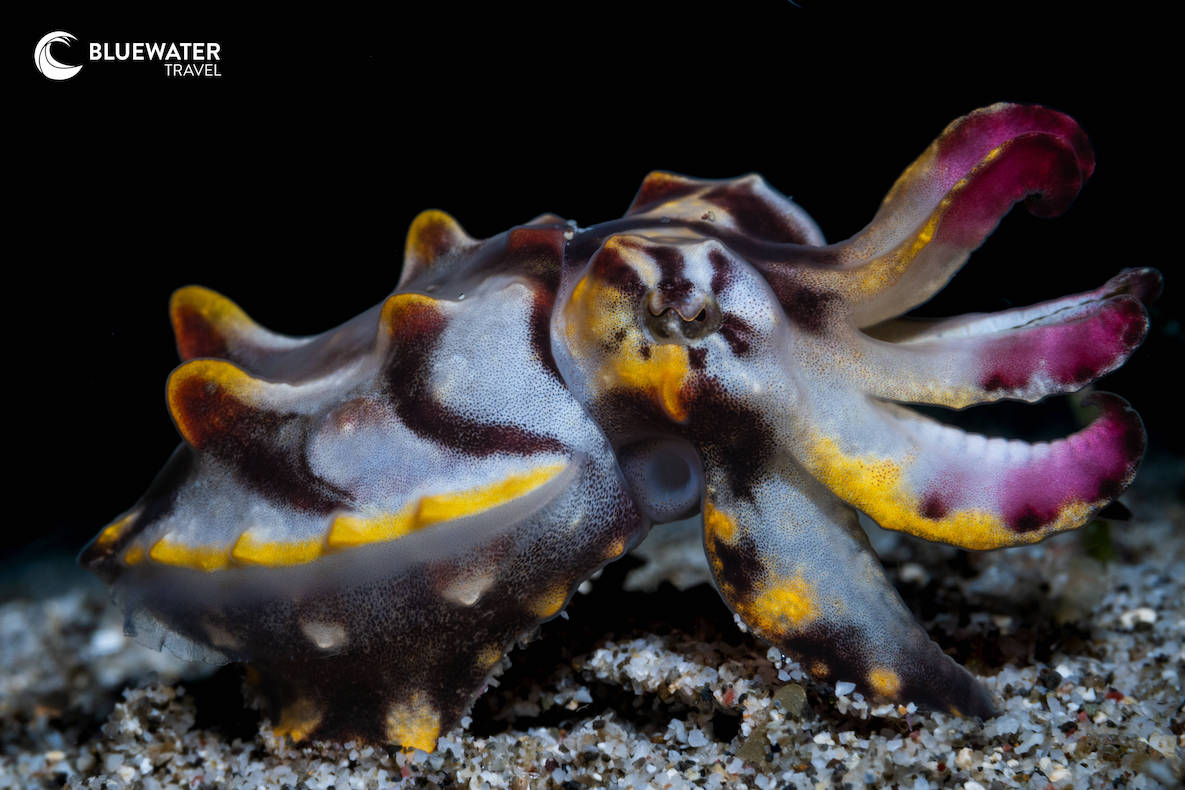
2. Flamboyant cuttlefish
- Unlike its closest relatives, Metasepia pfefferi does not swim but rather walks on the seafloor. This tiny species does not have a large enough cuttlebone to control its buoyancy, which makes it a terrible swimmer. Instead it has evolved to rely on another more unconventional way of getting around. When disturbed this tiny cuttlefish puts on an extraordinary display, flashing hypnotic, rippling waves of dark brown, white, yellow, and red.
- Where to spot them: Malaysia, Indonesia, the Philippines through Papua New Guinea, and northern Australia
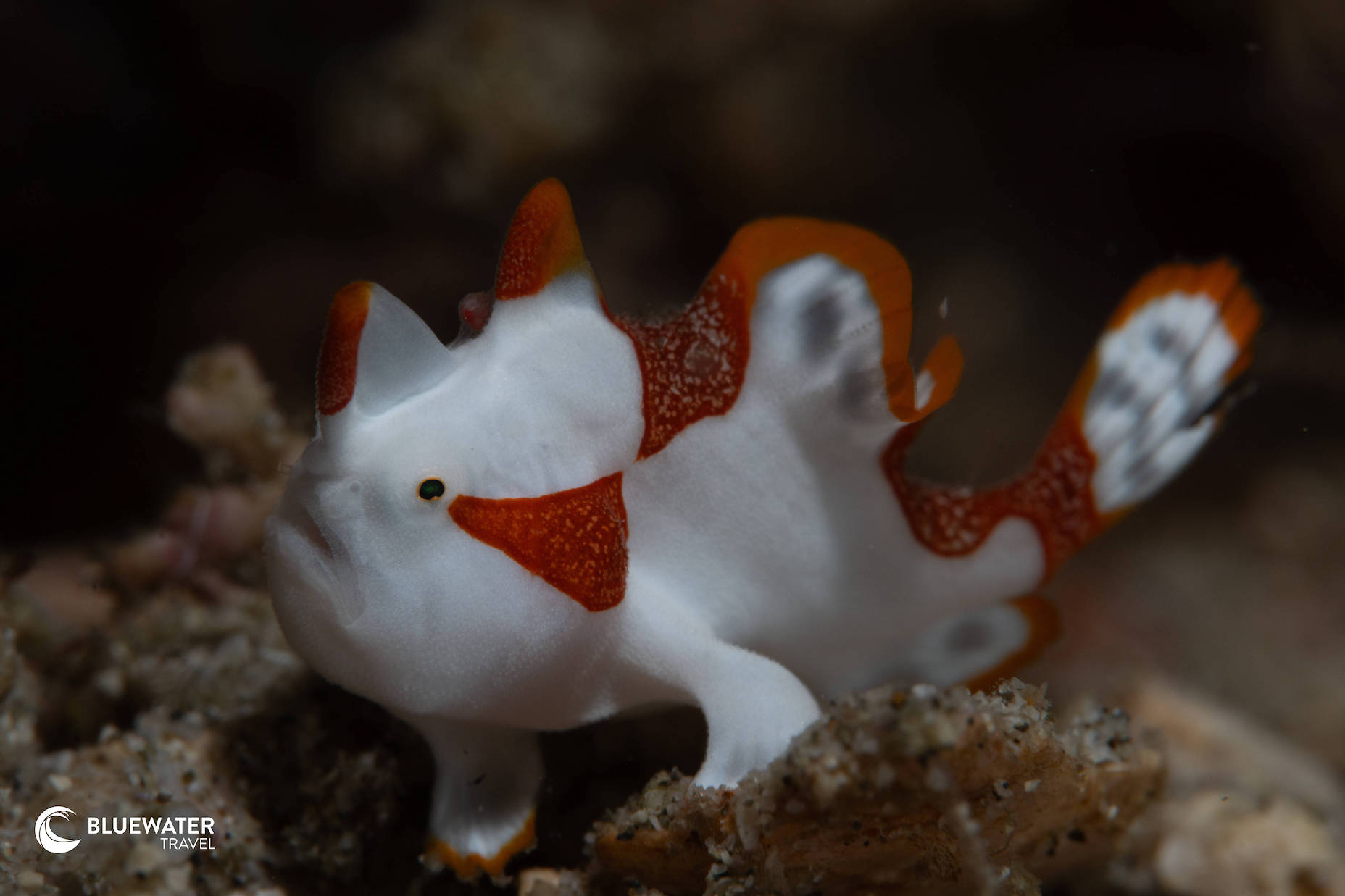
- Here’s another example of a fish that rarely swims; instead, it bends its fins backward to crawl or "walk" across the sea floor. Coming in all shapes, sizes and colors, frogfish all have one unusual adaptation in common, a built-in fishing rod. This unique appendage protruding from their heads enables them to dangle a “lure” to attract unsuspecting prey. Keeping incredibly still the frogfish lies in wait for its next meal which it swallows whole in a fraction of a second.
- Where to spot them: Indo-Pacific, Atlantic Ocean, Red Sea, and Hawaii
The Wonderful
Although the critters mentioned above were undoubtedly peculiar, they were definitely wonderful in their own way, too. That’s exactly what macro diving does; it opens up an entirely new world to divers filled with unexpected, remarkable life. Once you dip your toe into this side of diving, the wonders you’ll start to experience will be endless.
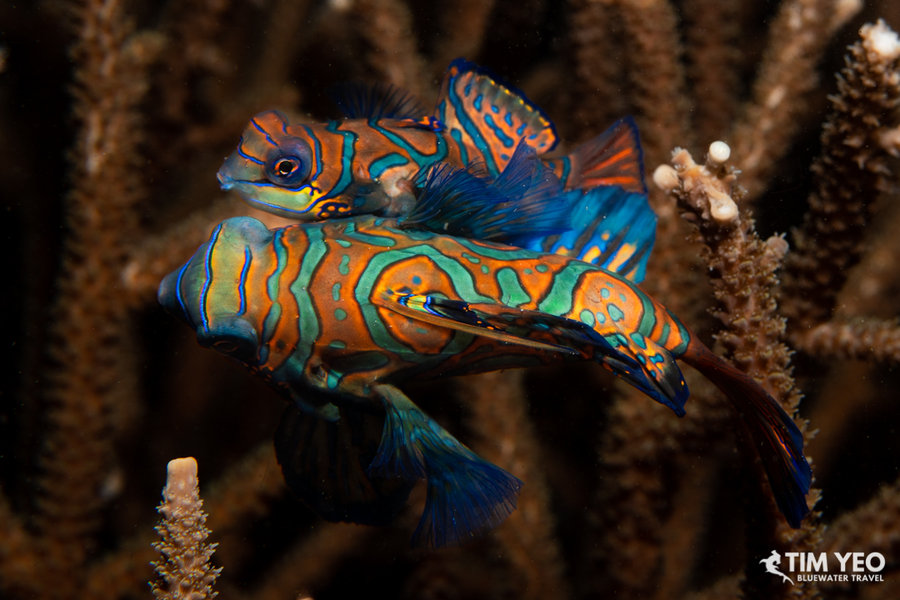
1. Mandarinfish- Not only are these fish magnificent because of their striking, colorful appearance but also due to their spectacular courtship that attracts divers from around the world. Just before sunset a male will attract a female who will then attach herself to the male's fin. They will then begin to ascend together towards the surface in an incredible mating display.
- Where to spot them: Ryukyu Islands in Japan down to Australia, including the
Philippines, Indonesia, and New Guinea.
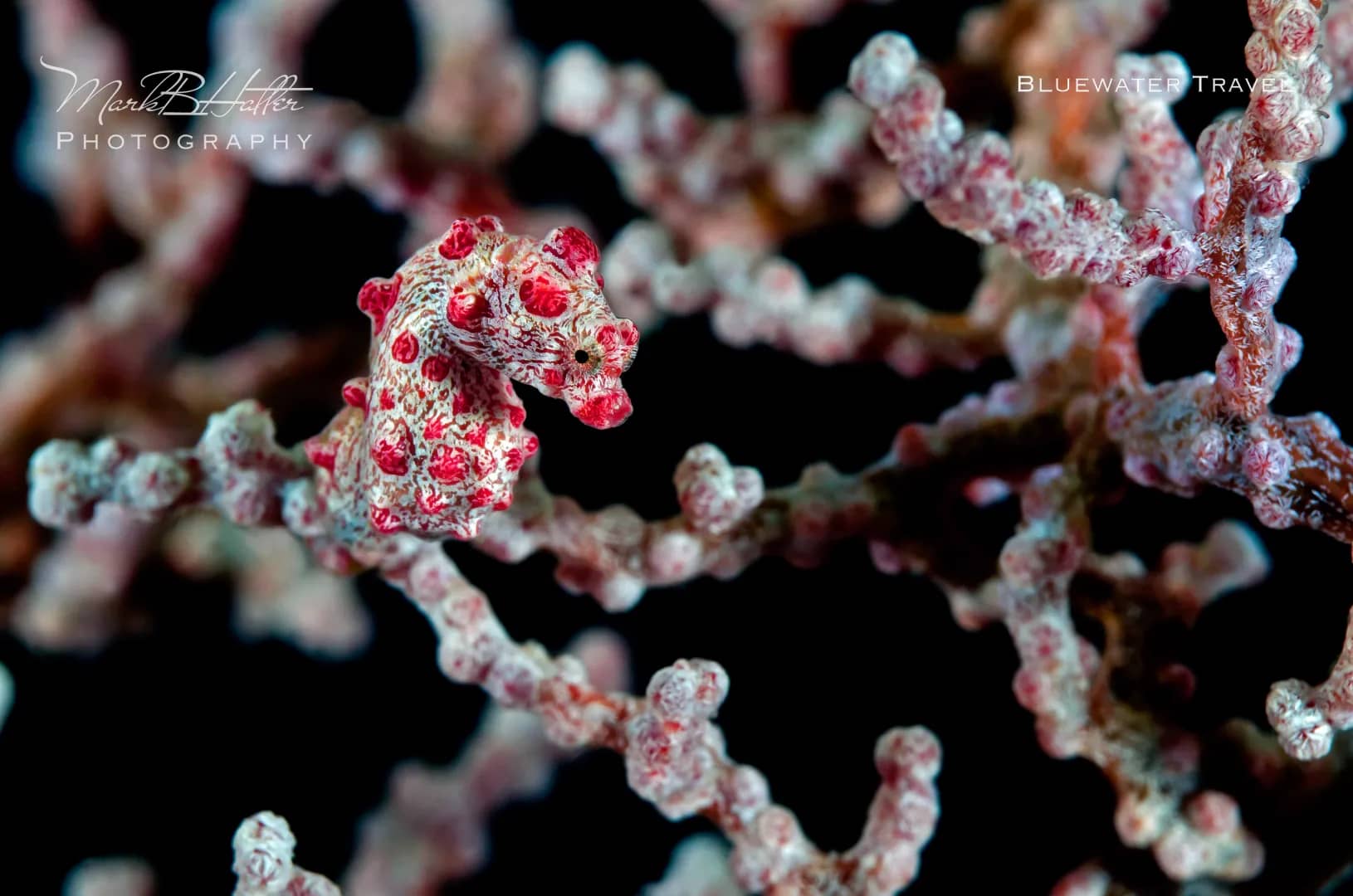
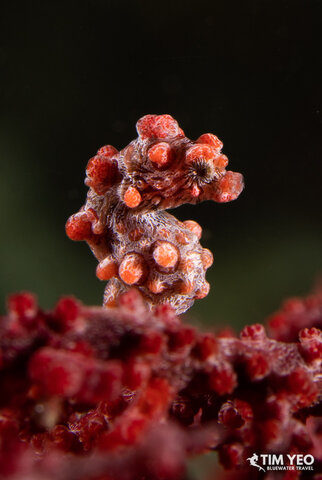
- There are currently nine known species of pygmy seahorse, each as mesmerising as the next. Measuring under 2 centimeters in length, these tiny fish aren’t just difficult to find due to their size but also because of their incredible camouflage. It is truly spectacular how species will often mimic their habitat so precisely, taking on both its appearance and texture. Seahorses are also monogamous, so if you find one, be sure to look for its partner nearby.
- Where to spot them: Indonesia, the Philippines, Malaysia, Japan, Australia, and South Africa.
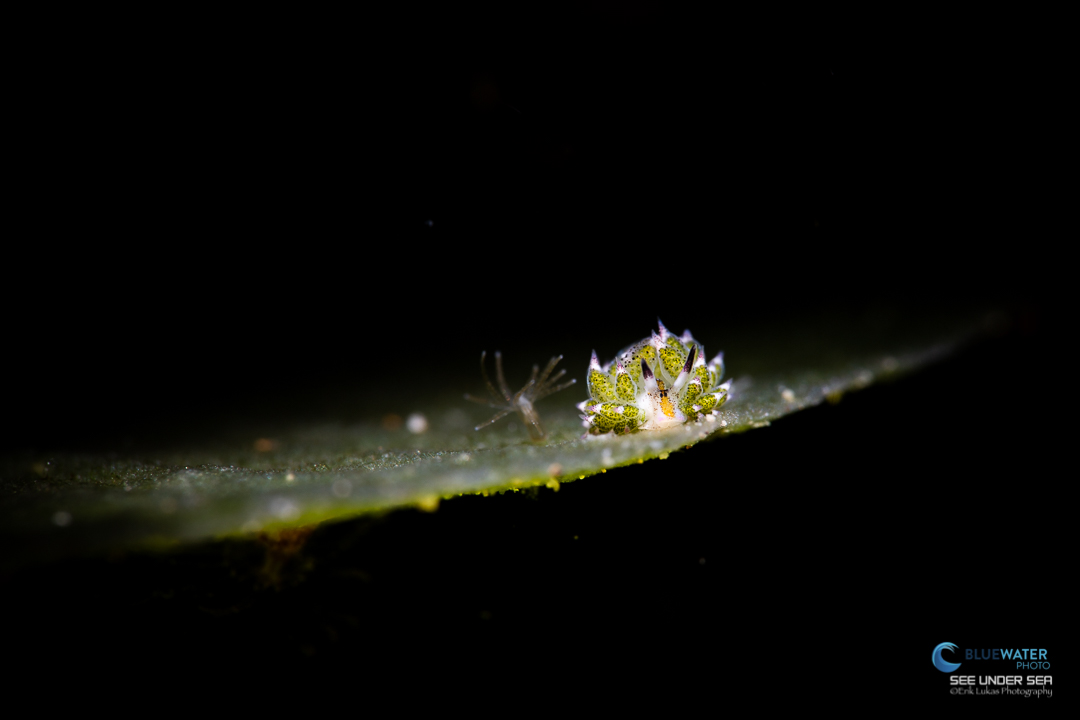
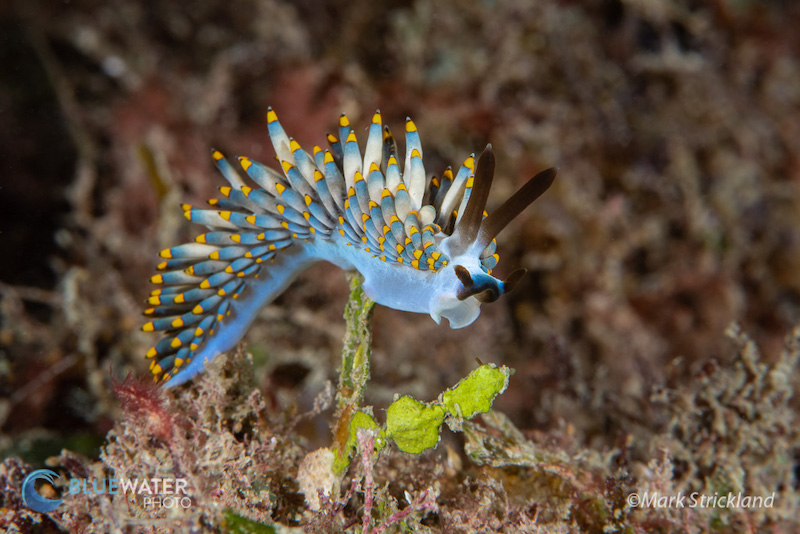
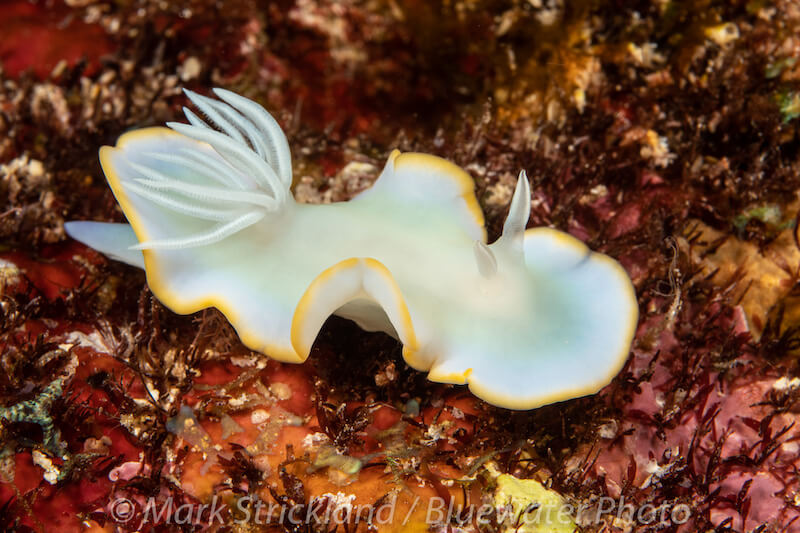
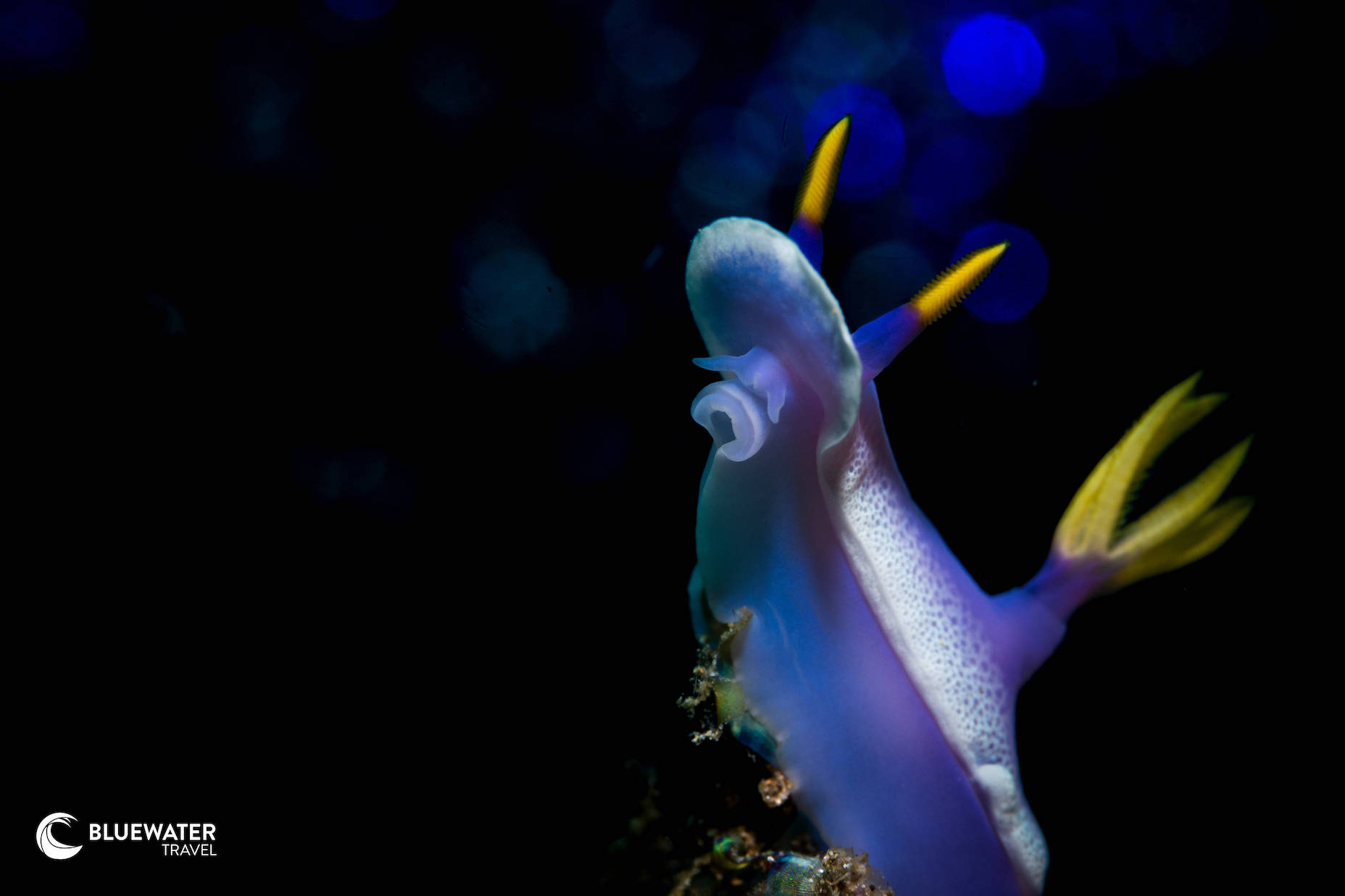
- Nudibranchs are definitely the avant-garde fashion models of the sea. Their remarkable diversity in body shapes, colors, and patterns puts these wonderful sea slugs at the top of many macro enthusiasts’ wish lists. Although we can appreciate their bold colours and intricate patterns as works of art, these displays are meant to warn predators that nudibranchs are actually highly toxic and unpalatable. A warning system that is absolutely eye-catching!
- Where to spot them: oceans all around the world.
Explore our Macro Group Trips and find your next macro diving adventure.
Lembeh Macro Critter Workshop 2026
Anilao Philippines Ultimate Photo Workshop April 2027
Anilao Philippines Ultimate Photo Workshop May 2027
Lembeh & Bangka Macro & Blackwater Workshop August 2027
Anilao Philippines Ultimate Photo Workshop December 2027
Looking for more? Browse all Group Trips.
To us the absolute best part of macro diving is the excitement of exploration. Searching for the smaller creatures has the ability to transform any dive into a thrilling treasure hunt for nature's most weird and wonderful. You just need a sharp eye, a bit of patience, and the willingness to stop and look closely at what's right in front of you.
Author


Lisa Garner
Lisa is a Marketing Associate and Video Specialist at Bluewater Travel, where she combines her passion for the ocean with her love of design and content creation. Her journey into the marine world began with a degree in Zoology, but it was after completing a Discover Scuba Diving experience that she truly fell in love with the underwater world. What started as a single DSD soon led her to complete her Divemaster training, and she has now been diving for seven years. Lisa went on to combine her academic background and passion for diving by specialising her postgraduate research in marine life. She has also worked in the Maldives, where she gained hands-on experience in coral restoration and marine conservation.
Alongside her love for marine life, Lisa has always had a passion for design, photography, and content creation. At Bluewater, she brings these two worlds together, combining her understanding of the underwater world with creative storytelling to help inspire others to explore it.


-optimized-optimized.webp&w=640&q=75 "Solomon Islands Trip Recap 2026")