-optimized-optimized.webp&w=3840&q=75 "Solomon Islands Trip Recap 2026 - image")

Solomon Islands Trip Recap
August 2026
Trip Leader: Tim Yeo
Underwater Camera Equipment Used: Sony a6700, Sony a6700 Ikelite Housing, Sony 10-18mm and Sony 50mm macro lens, dual Kraken KS-160 strobes
Diving the Solomon Islands Aboard Bilikiki
I recently returned from ten days of diving the Solomon Islands aboard the Bilikiki, and what
impressed me most was the incredible variety of diving packed into a single trip.
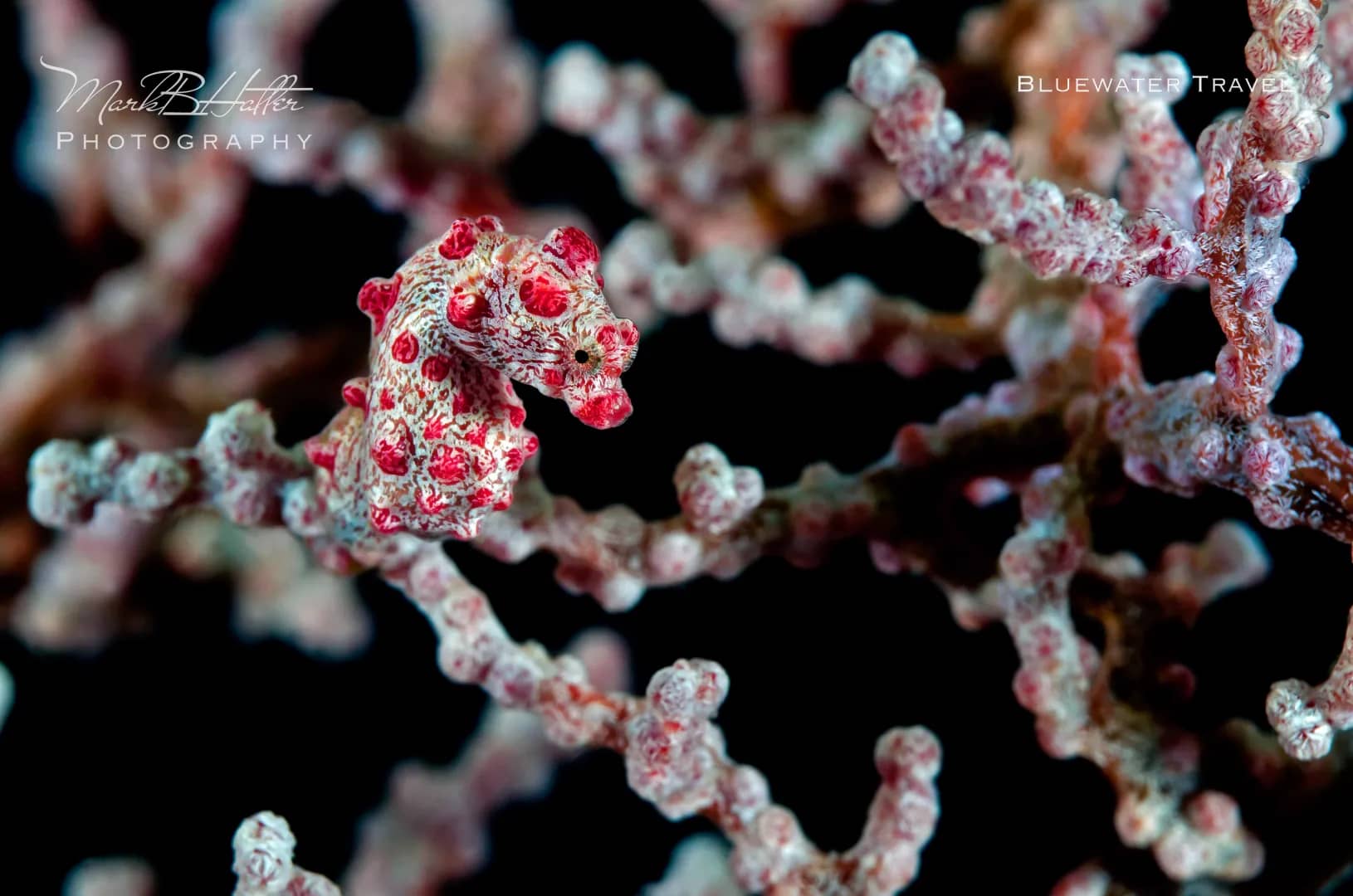
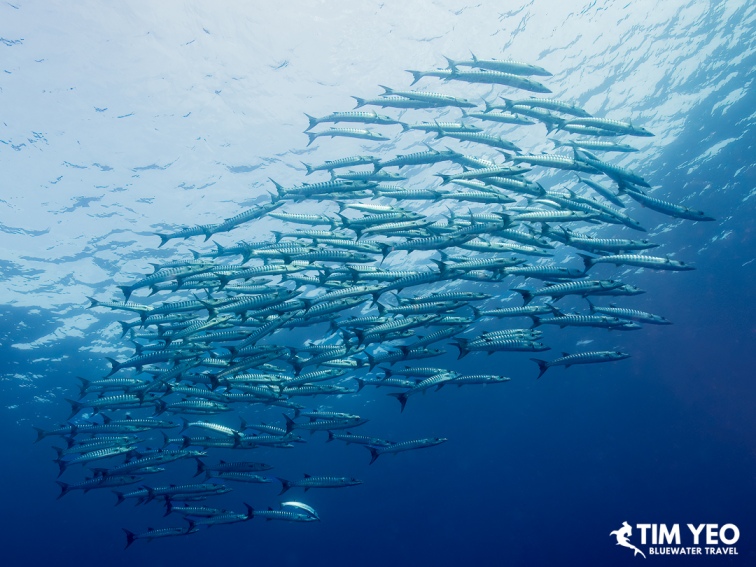
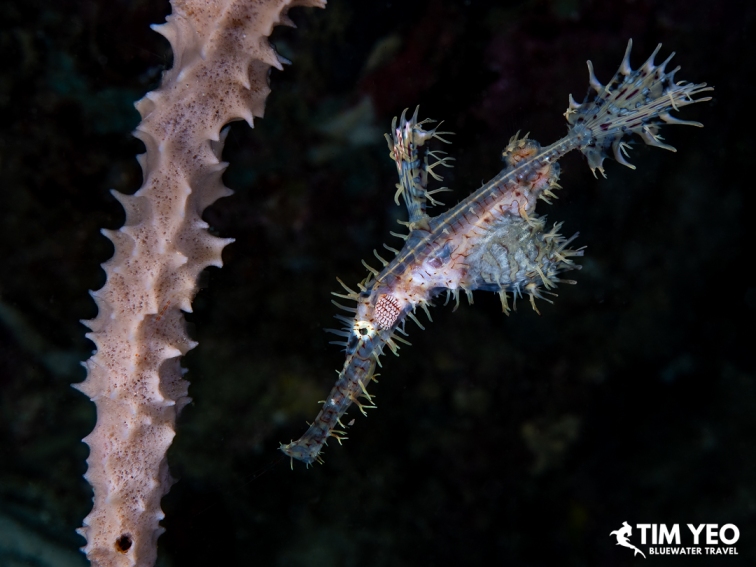
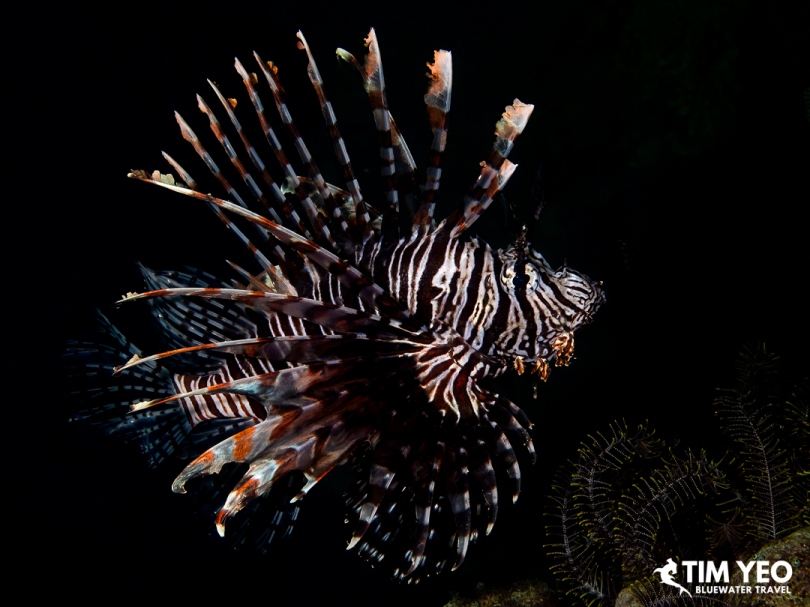
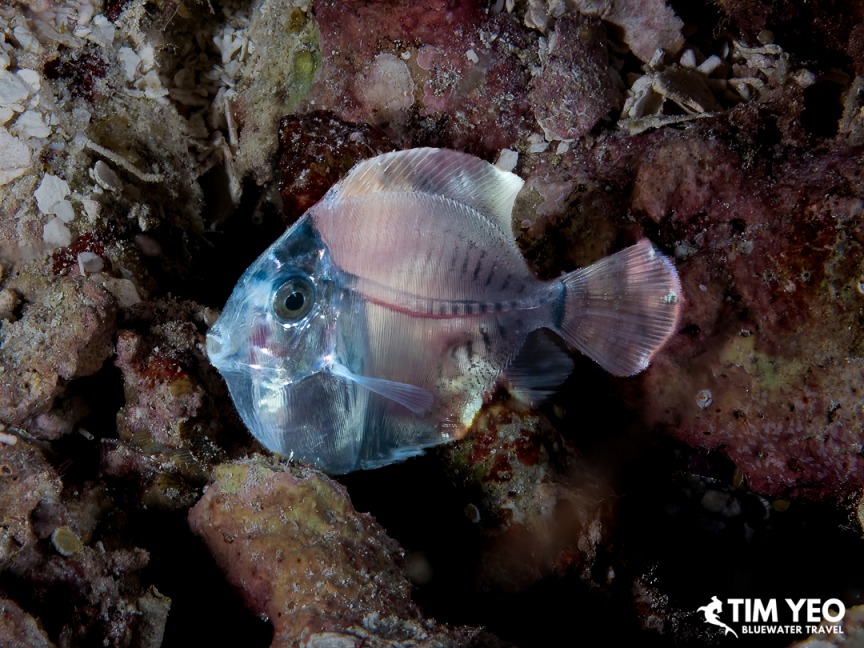
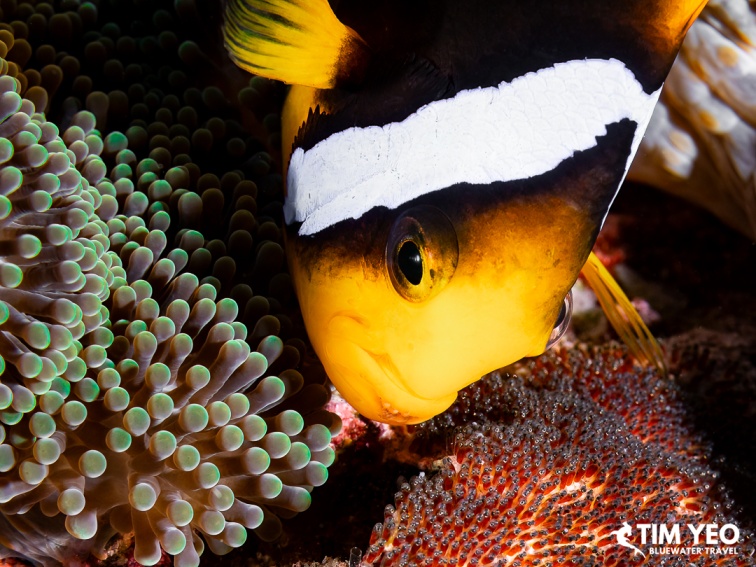
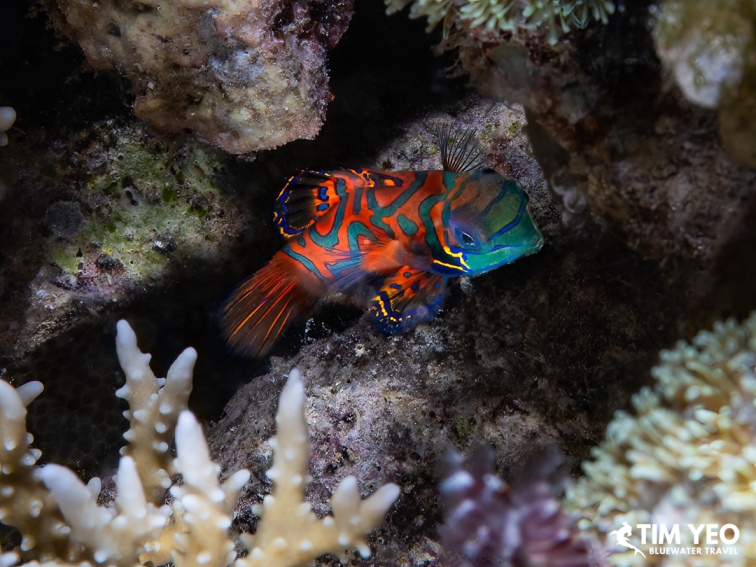
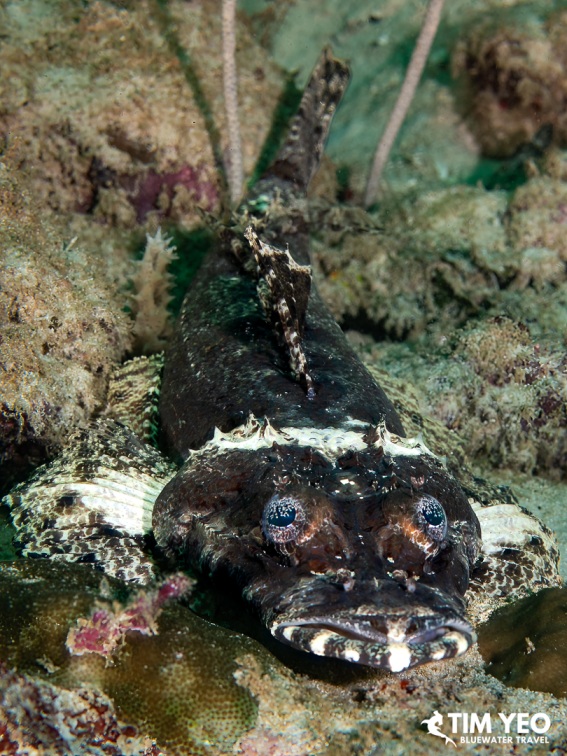
We dived healthy coral reefs, dramatic walls, caves, current swept pinnacles, World War II shipwrecks, a Japanese seaplane and some excellent macro sites. We encountered sharks, eagle rays, turtles and large schools of barracuda, jacks, snappers and fusiliers, but also spent dives searching for pygmy seahorses, ornate ghost pipefish, mandarinfish, nudibranchs and other small critters.
The Solomon Islands are also still wonderfully remote. Once we left Honiara aboard the Bilikiki,
we spent our days moving between islands, reefs and small villages, with very little sign of the
outside world. The combination of excellent diving, World War II history and genuine
interactions with local communities made this a very different experience from many of the
other liveaboard destinations I have visited.
The trip delivered an excellent mix of healthy reefs, schooling fish, sharks, turtles, macro life, artificial structures, wreck diving, and night diving.
An Incredible Variety of Diving
One of the things I enjoyed most about the Solomon Islands was never knowing exactly what
the next dive would look like.
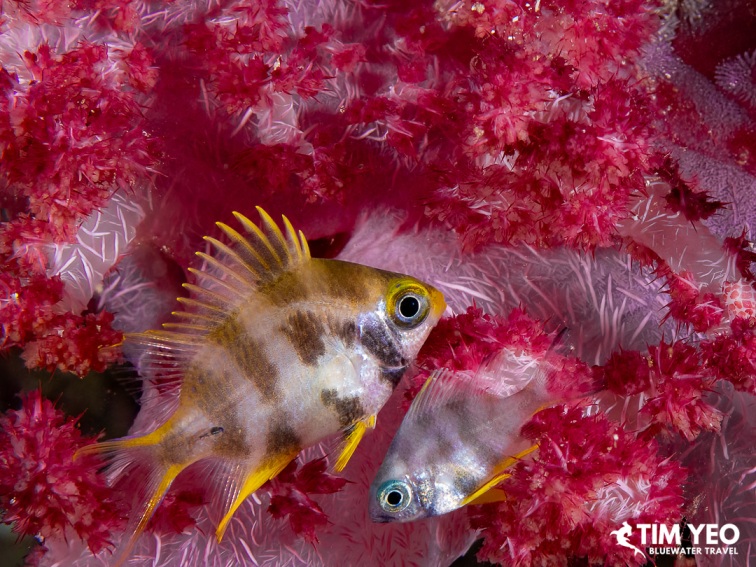
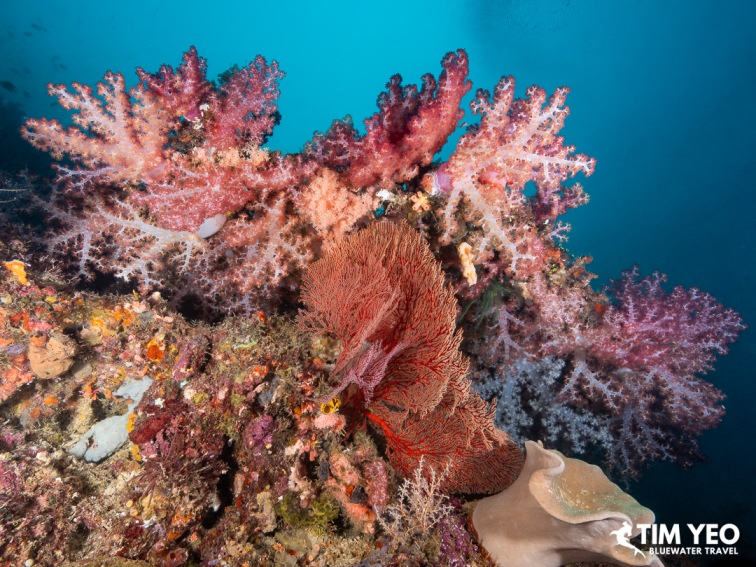
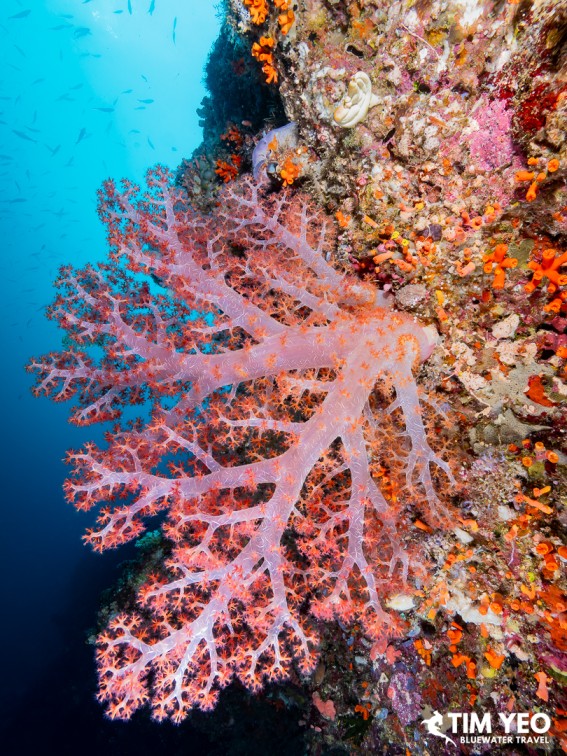
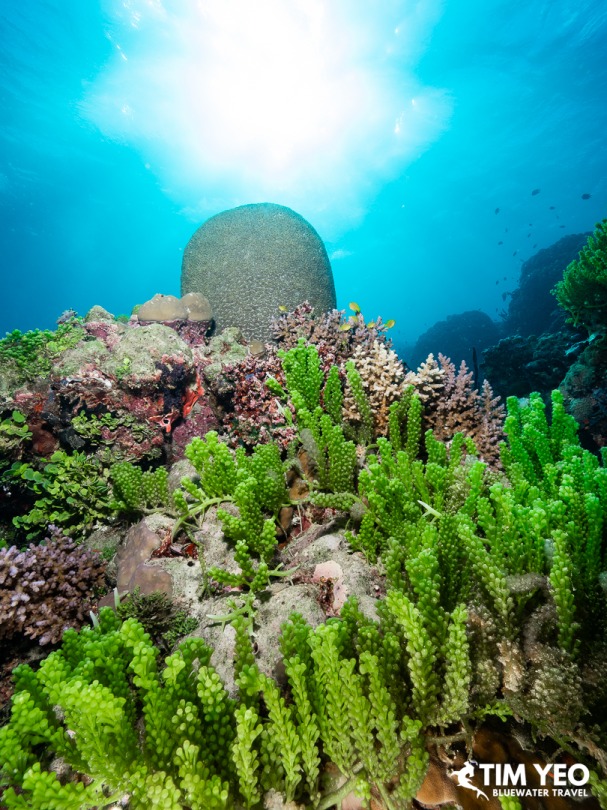
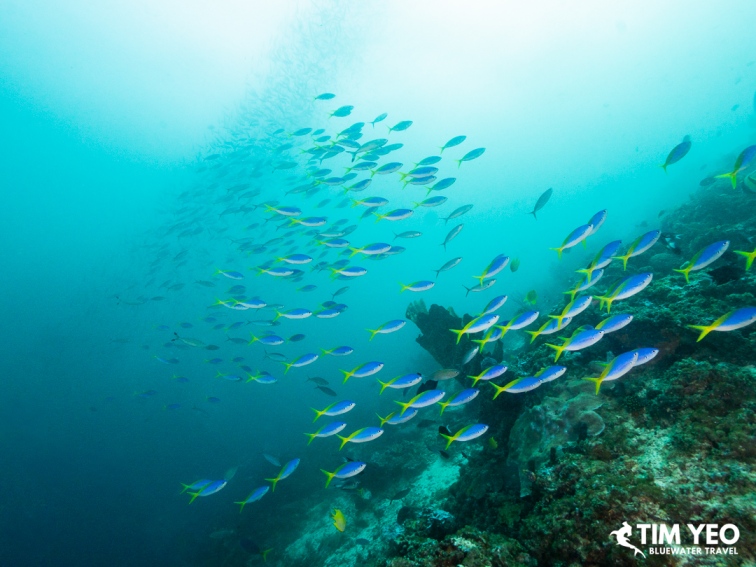
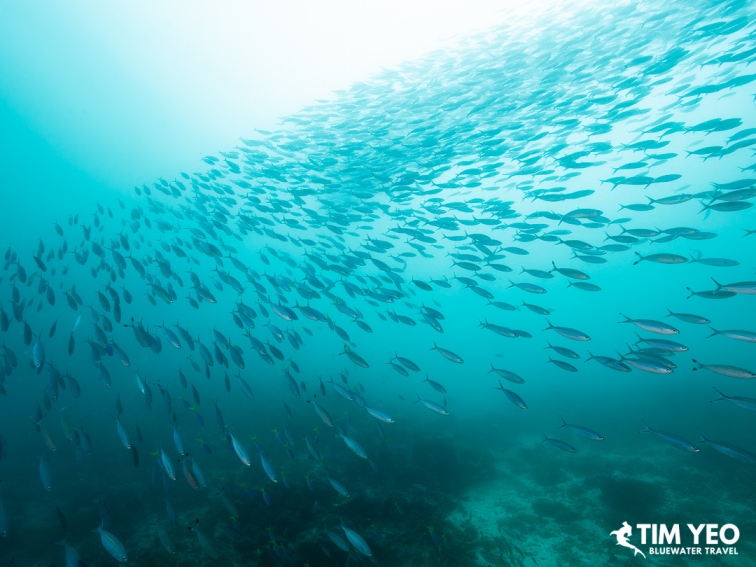
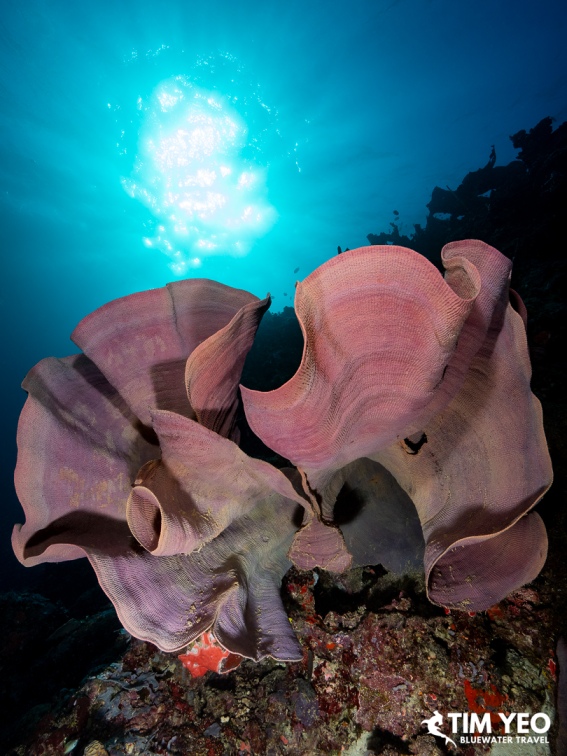
Some sites were classic wide angle dives with walls covered in sponges, gorgonian fans and soft corals. Others had beautiful hard coral gardens filled with anthias and damselfish. At the more current exposed sites we encountered schools of jacks, barracuda and fusiliers along with reef sharks and turtles.
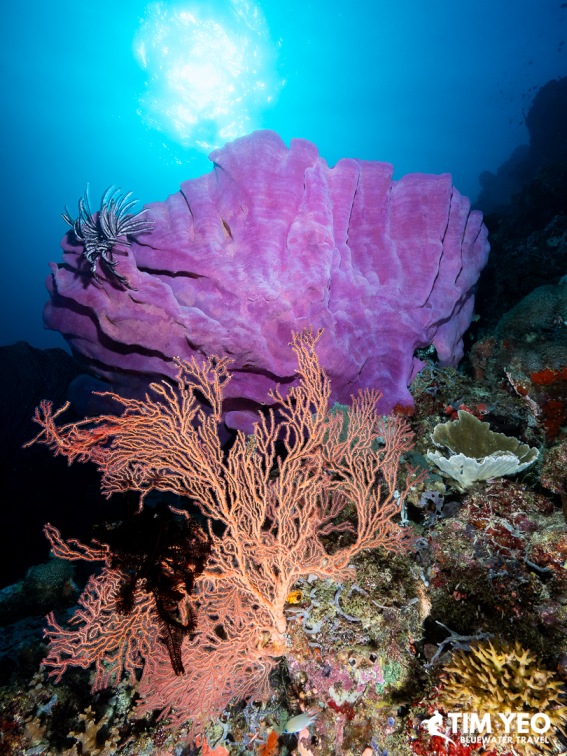
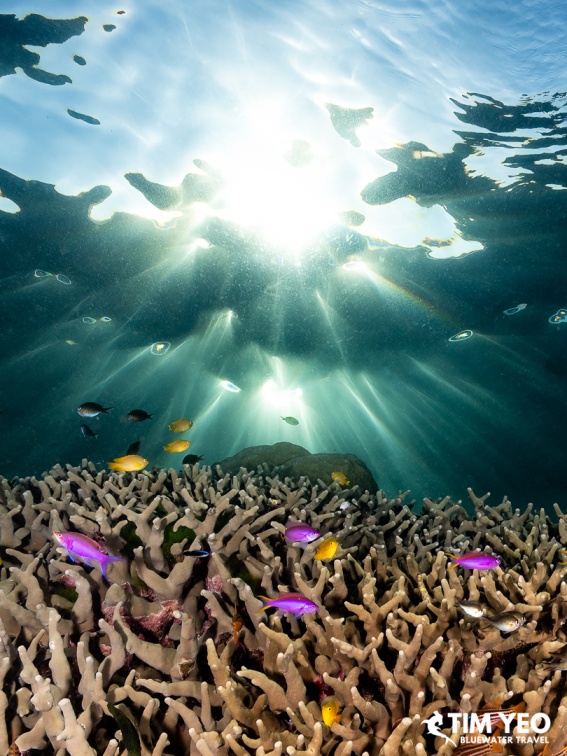
Kicha was one of my favorite reef areas of the trip. Visibility opened up to more than 80 feet
and we encountered turtles, sharks and large schools of fish over healthy coral reefs.
Kormurum was another pleasant surprise. We originally planned to dive Rainbow Reef, but
strong current and poor visibility forced us to change sites. Kormurum ended up being one of
the prettiest reef dives of the entire trip, with excellent visibility, beautiful coral and a school of
barracuda cruising over the reef.
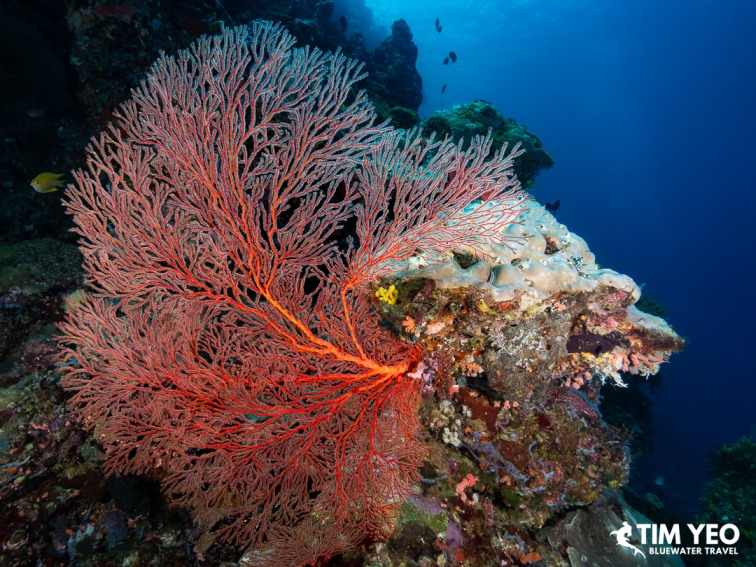
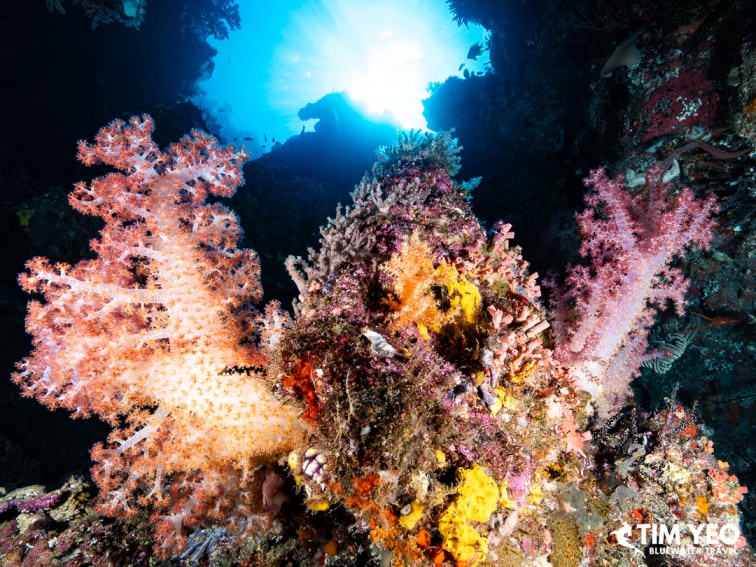
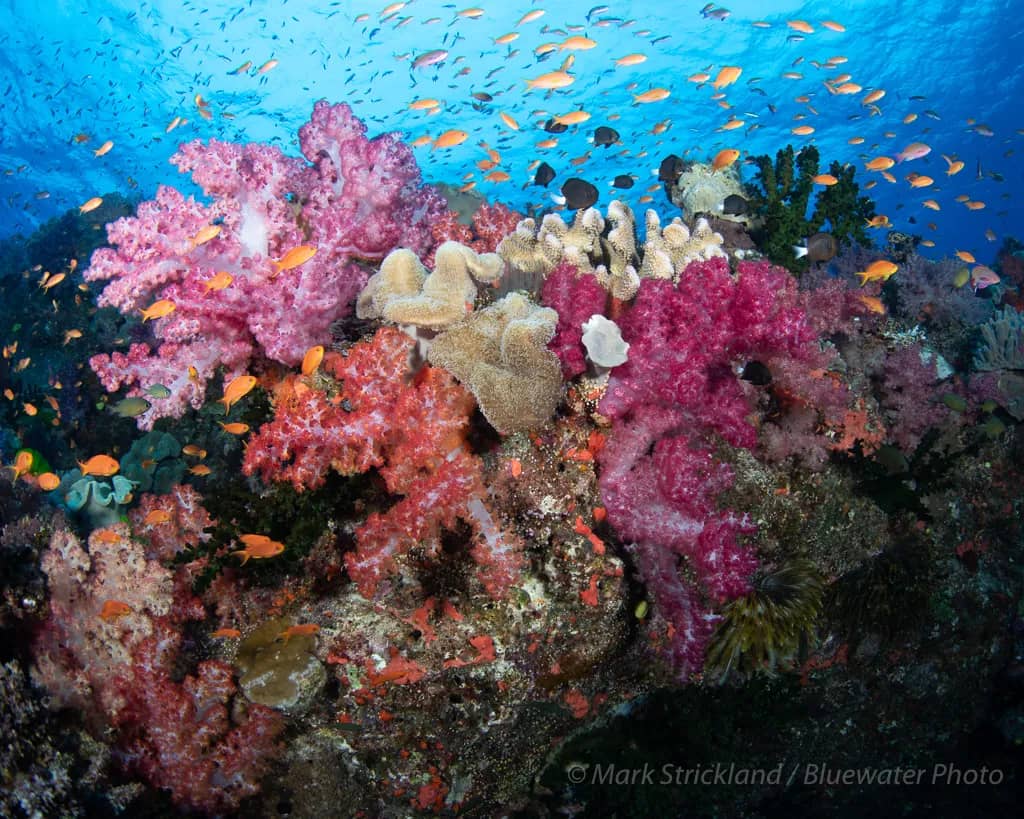
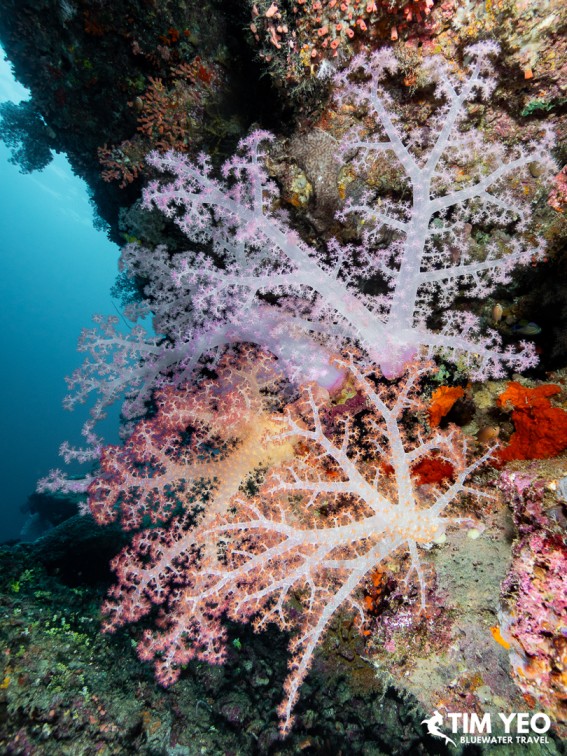
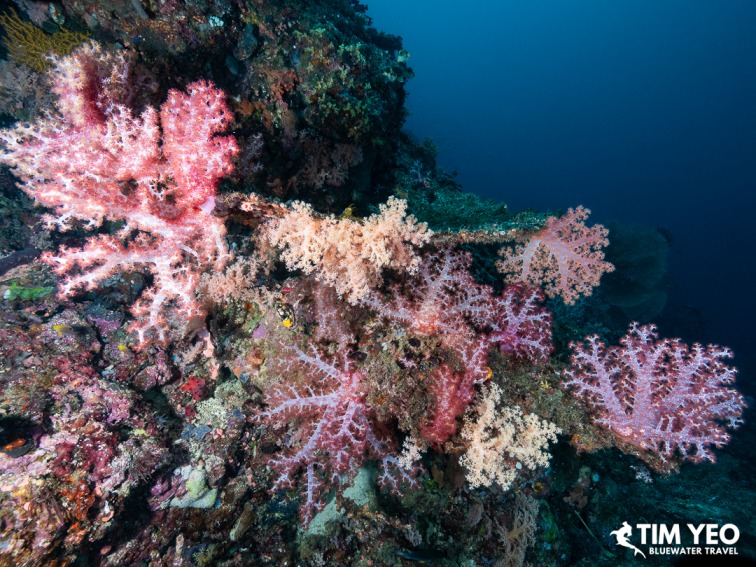
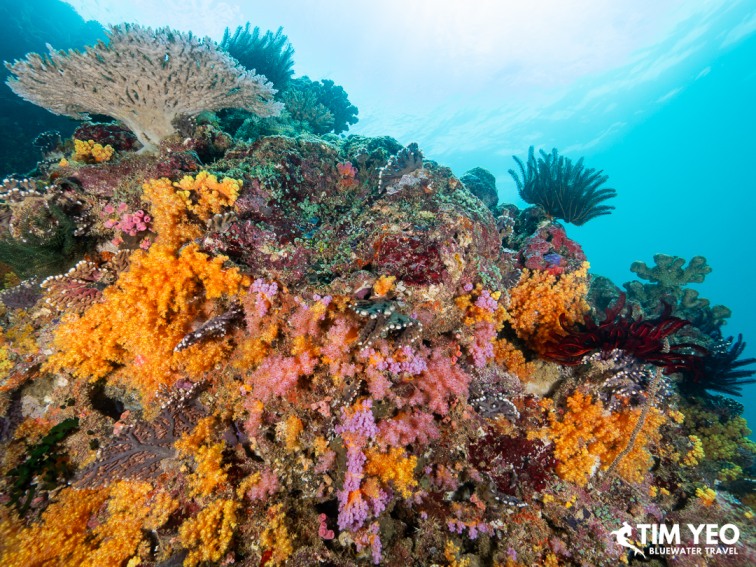
Some of the soft coral sites were spectacular. On one dive we visited a reef where hard corals
had previously been damaged by crown of thorns starfish. Soft corals had since taken over
much of the reef and wall, creating an explosion of color. It was one of those dives where
almost every section of reef seemed worthy of a photograph.
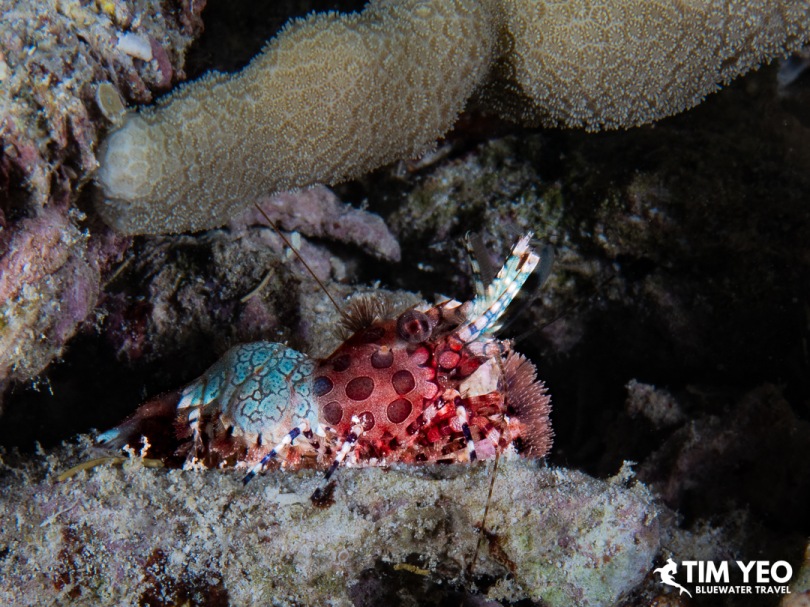
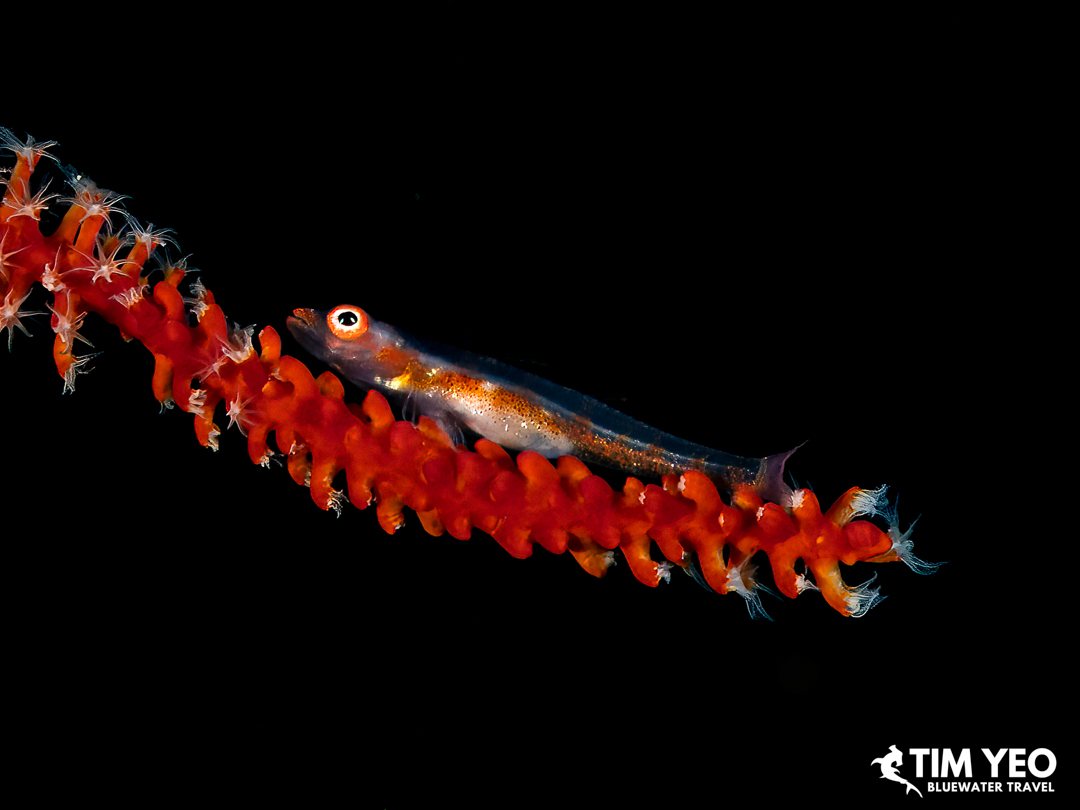
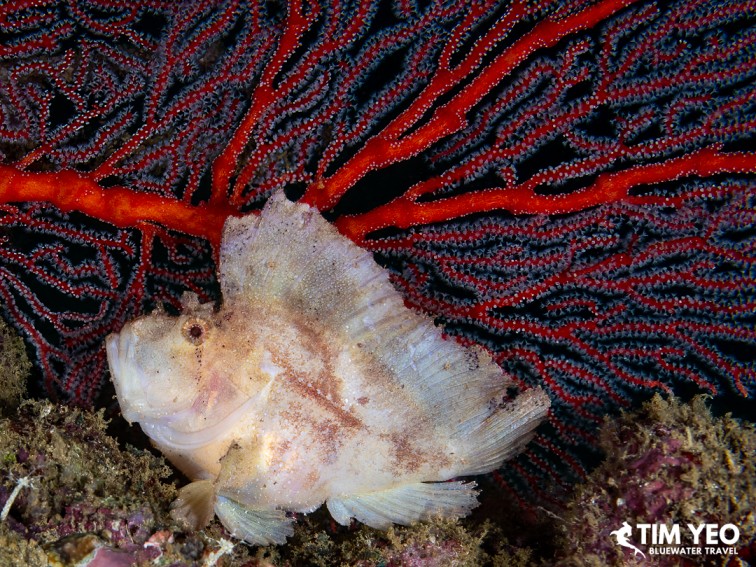
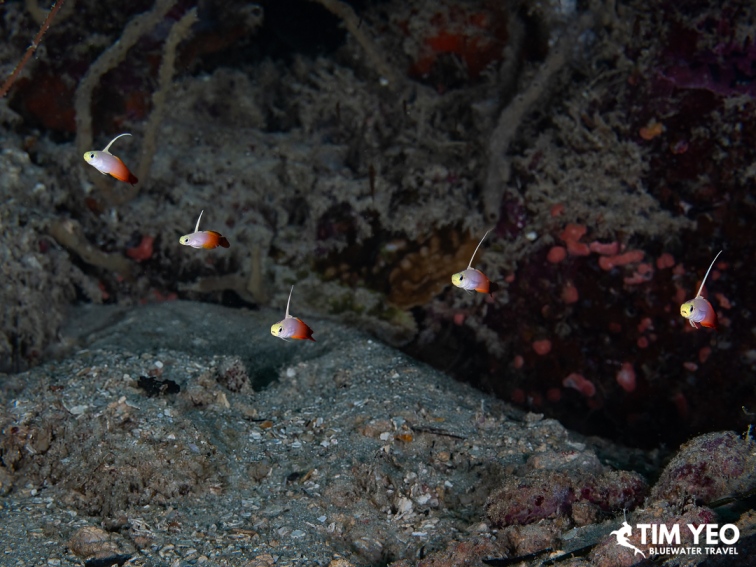
The trip was not just about the larger marine life either. On macro dives we found pygmy
seahorses, ornate ghost pipefish, mandarinfish, mantis shrimp and nudibranchs. Night dives
revealed another completely different collection of animals as the daytime reef inhabitants
disappeared and nocturnal critters emerged.
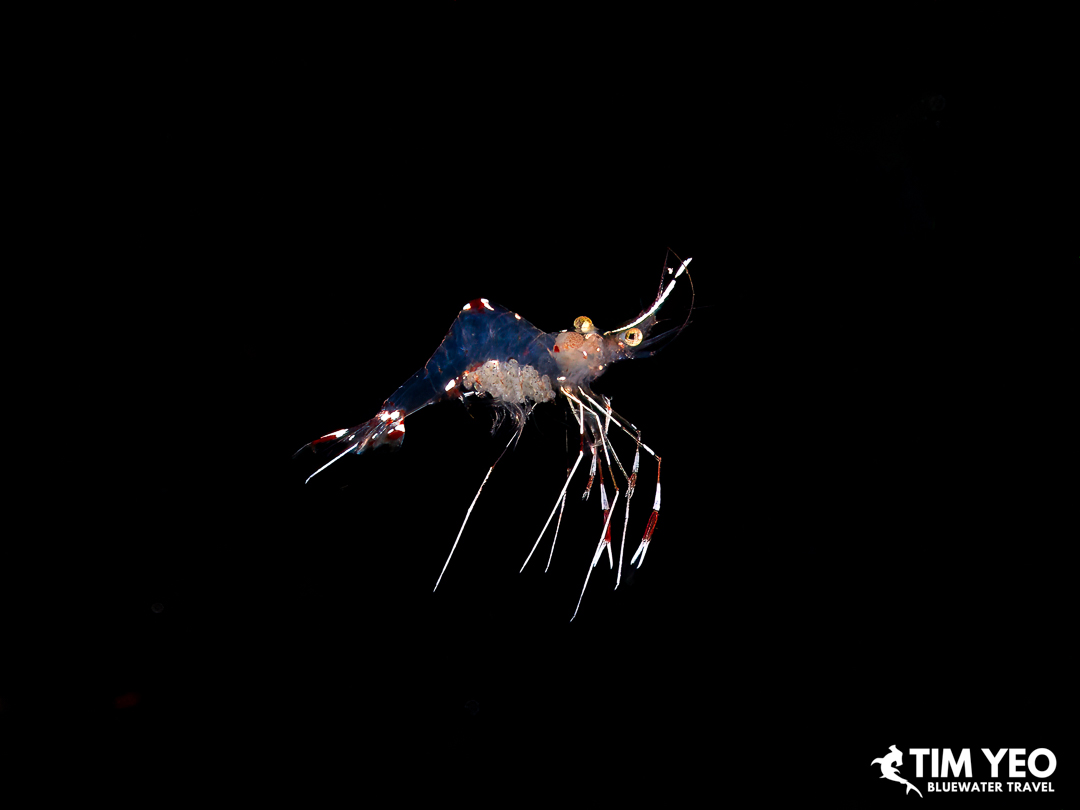
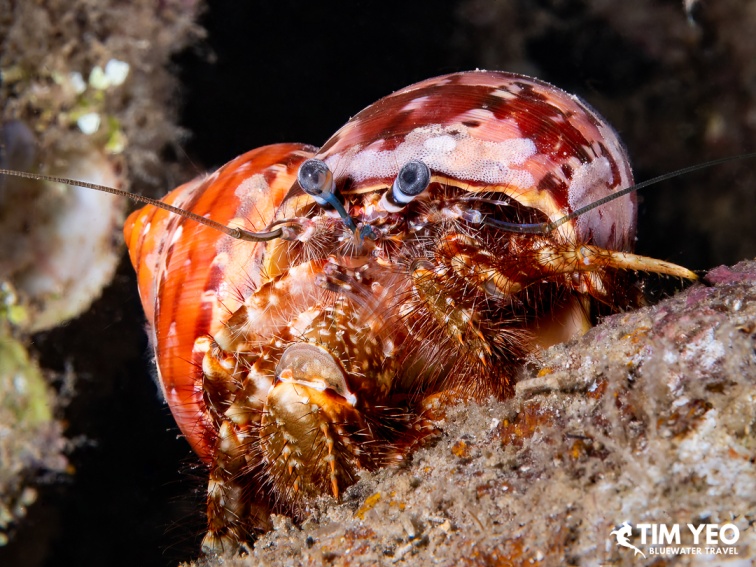
We were able to do four or five dives on many days, so there was plenty of time underwater to
experience all these different environments.
Leru Cut and Mbulo Caves
Leru Cut is probably one of the most recognizable dives in the Solomon Islands and was one of
the sites our group was most excited about.
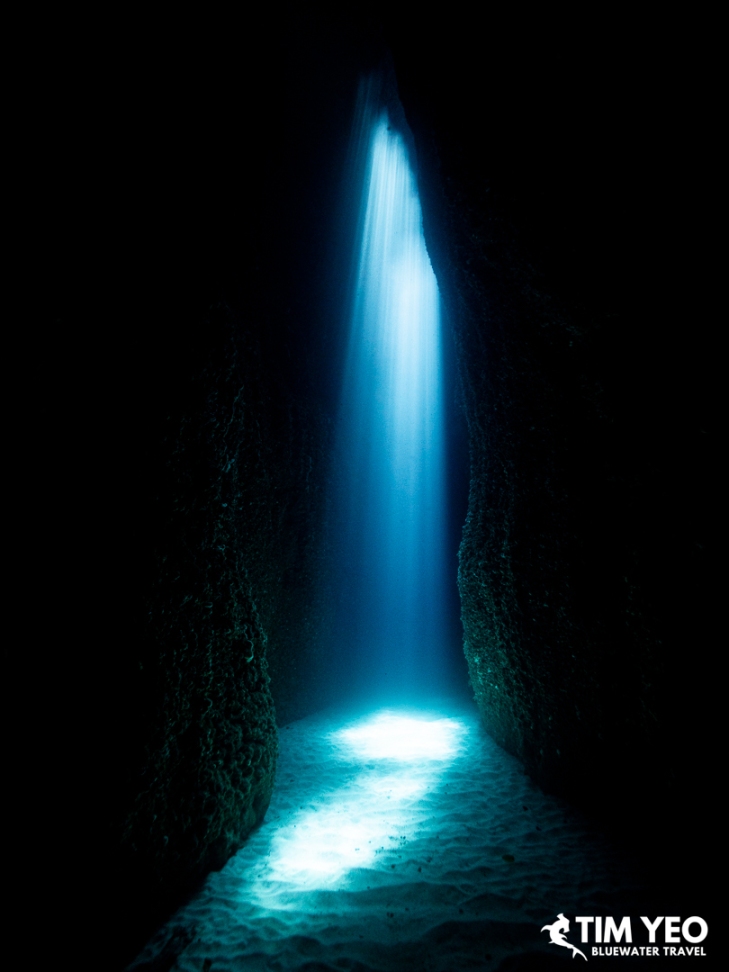
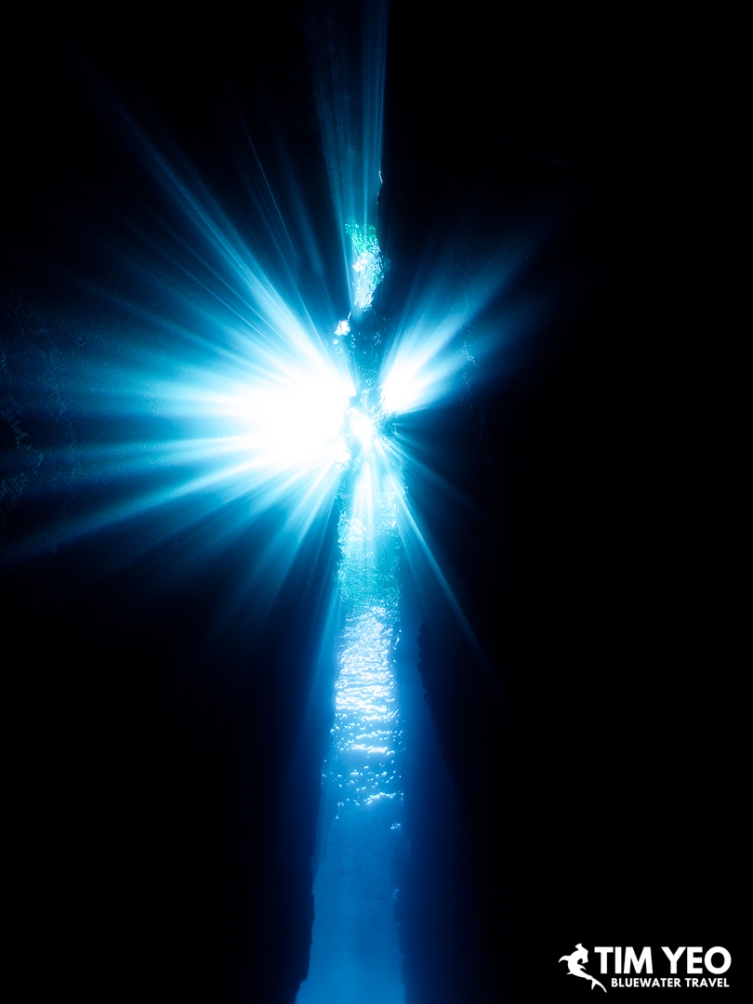
The dive begins outside the island before entering a narrow cut that extends deep into the rock. When the sun is in the right position, shafts of sunlight stream down through the opening above and illuminate the divers swimming through the passage.
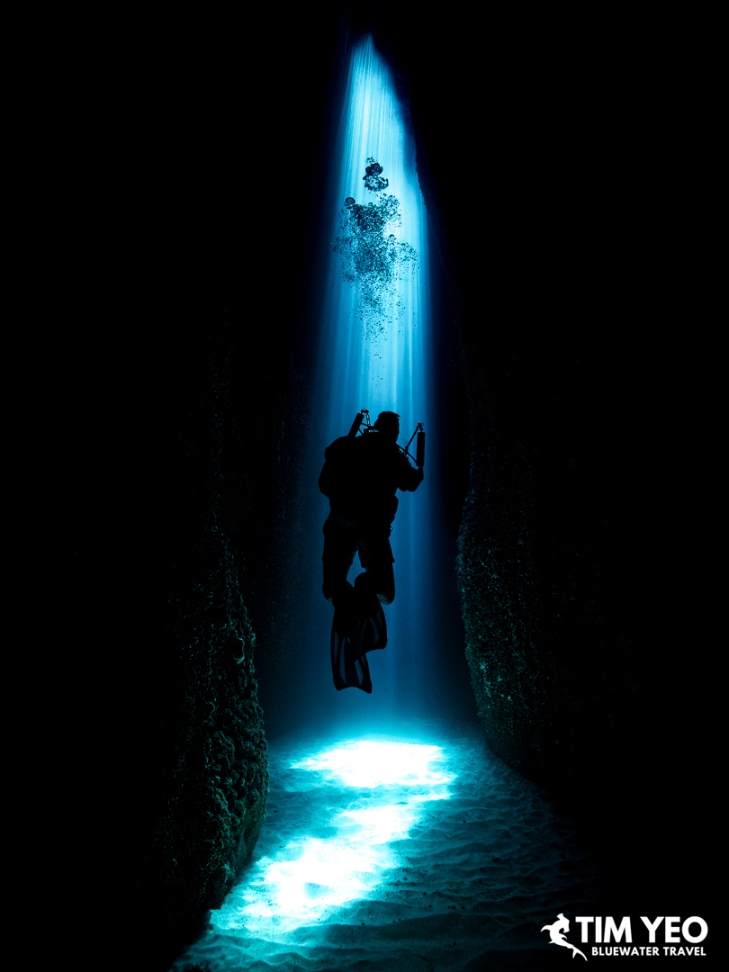
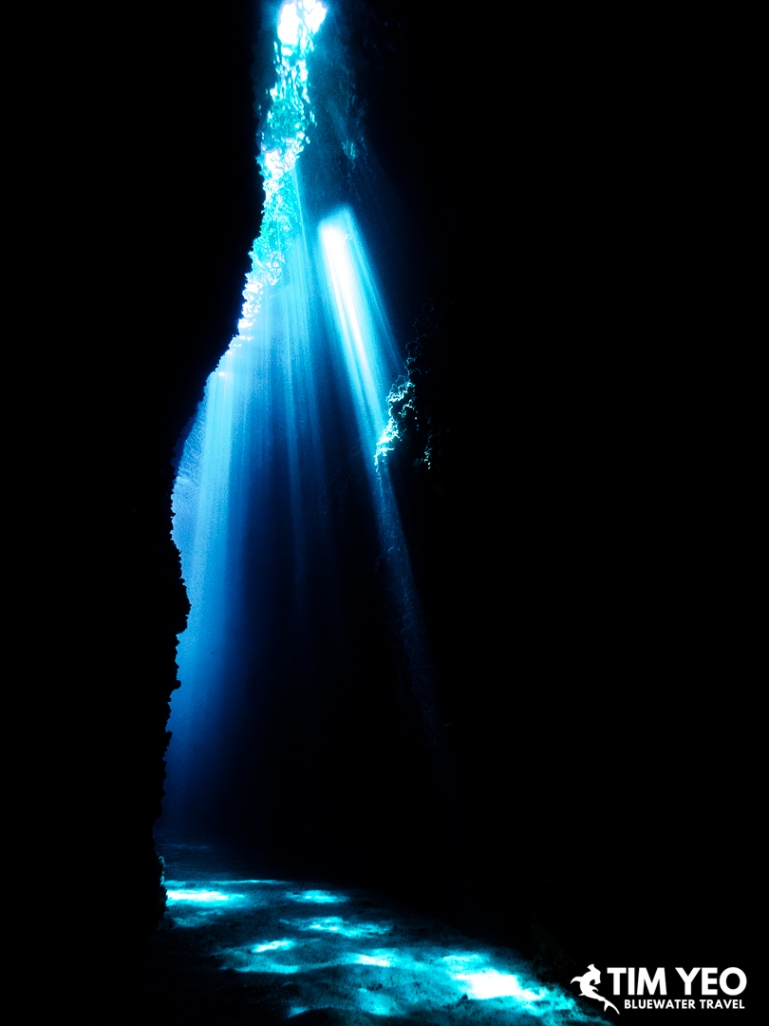
We were lucky with the conditions. During our surface interval, the photographers in our group
planned how we could organize the dive so everyone could enjoy the cut while still giving the
photographers the opportunity to capture the classic sun ray shots.
A couple of us entered early to check the site and camera settings. When the rest of the group
eventually swam through, the sunlight was shining beautifully into the cut. We swam deep into
the narrow passage and eventually surfaced inside, surrounded by rock walls and looking up at
the forest canopy above us.
It was one of the most unique dives of the trip and certainly one of my favorite photography
dives.
Mbulo Caves provided a completely different experience. Rather than one long passage, we
explored a series of interconnected chambers and swim throughs. It was simply a fun dive, and
another example of how varied the diving in the Solomon Islands can be.
Diving Through World War II History
The Solomon Islands were the site of intense fighting during World War II, and reminders of
that history remain scattered above and below the water.
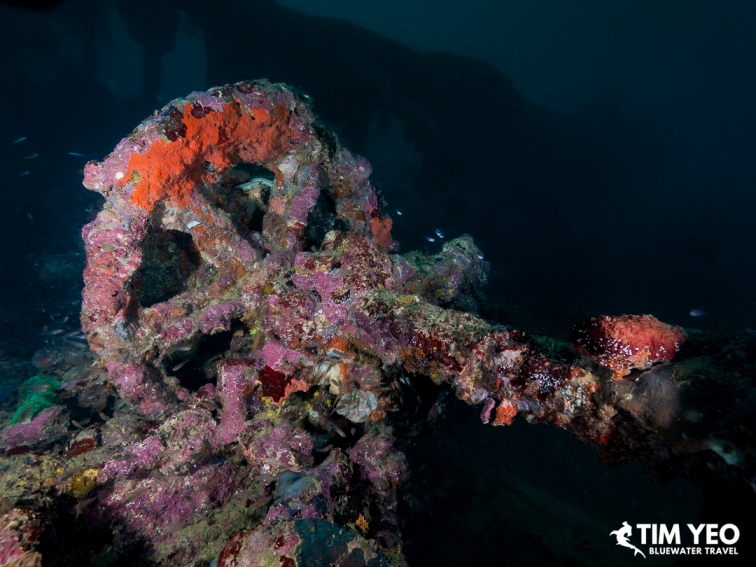
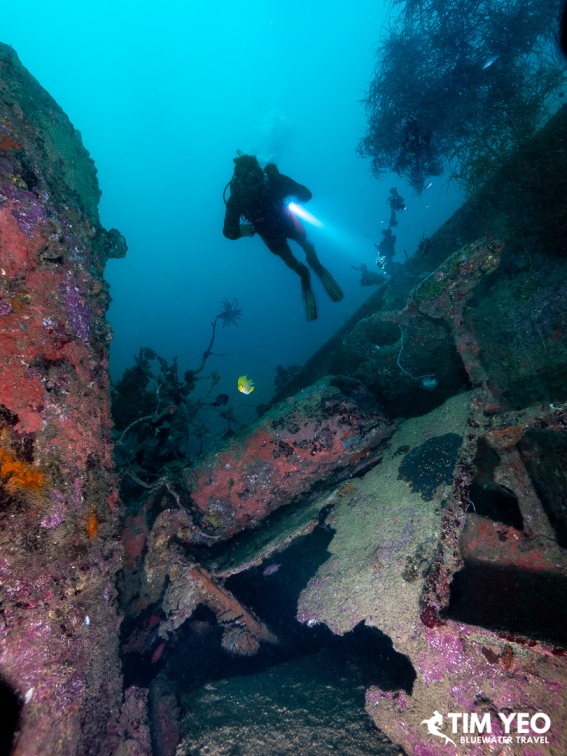
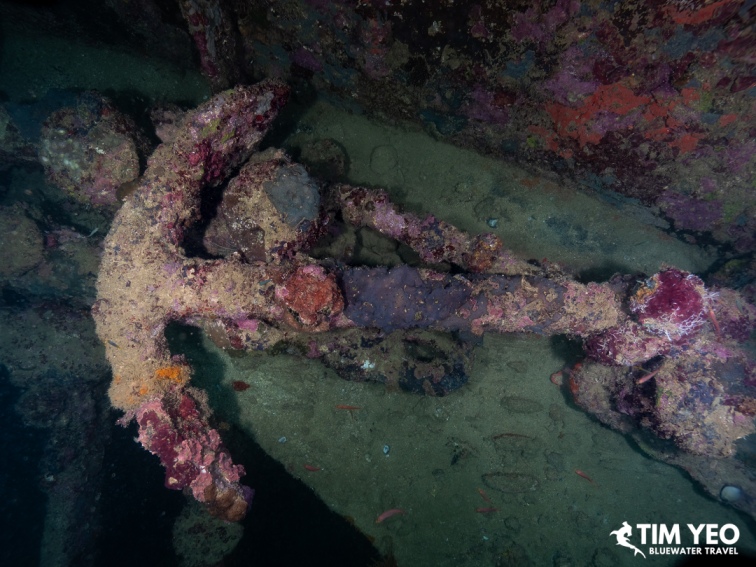
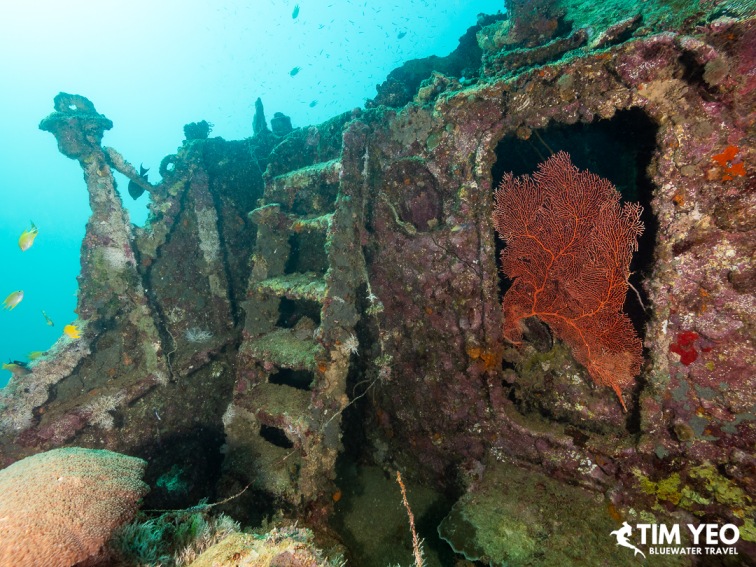
We explored several wreck sites during the trip, including the Iwami Maru, a Japanese transport
ship that was torpedoed and eventually sank in approximately 80 feet of water. We could still
see the damage caused by the torpedo along with the large propeller at the stern. At the bow,
an anchor remains on one side and a gun on the other.
Another wreck, the Ann, sits remarkably intact on a slope between approximately 50 and 100
feet.
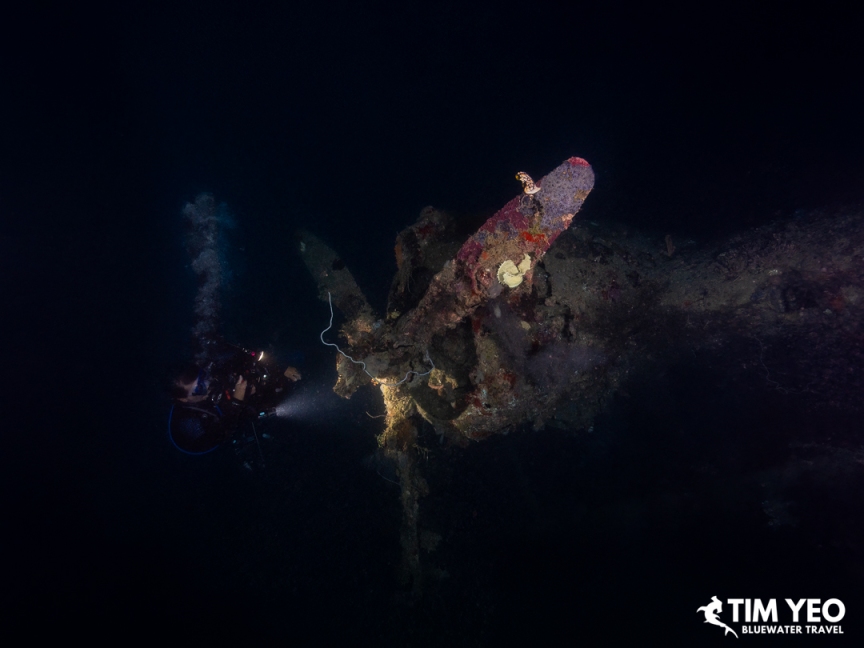
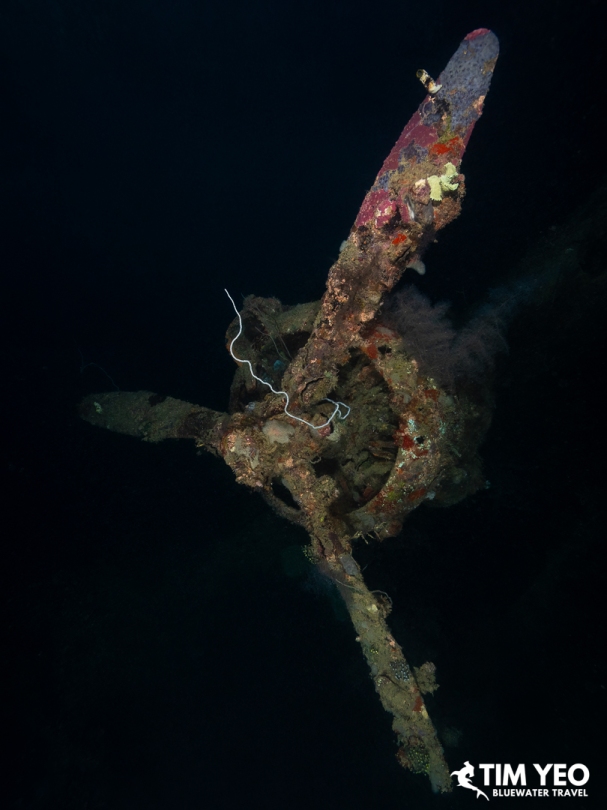
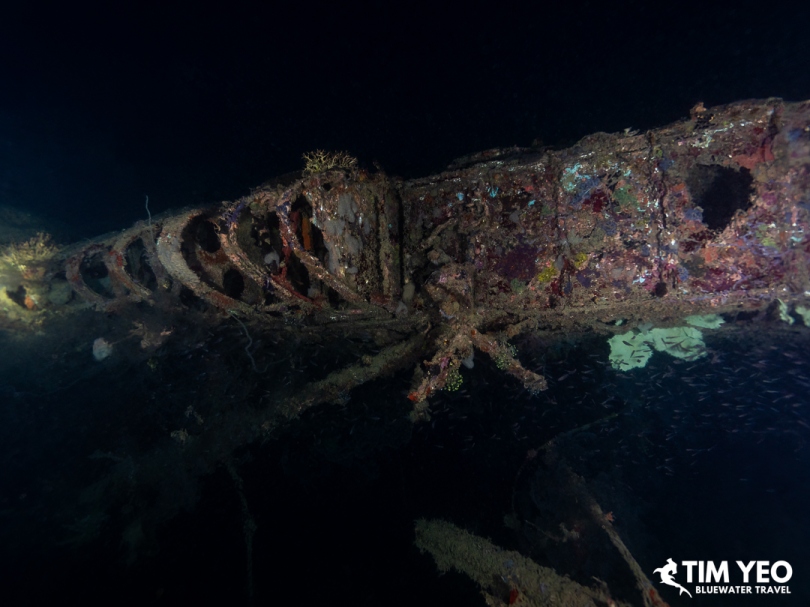
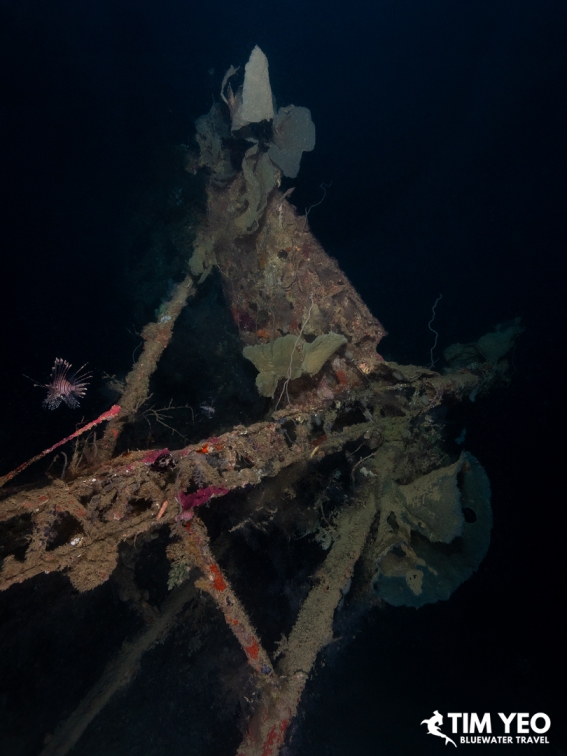
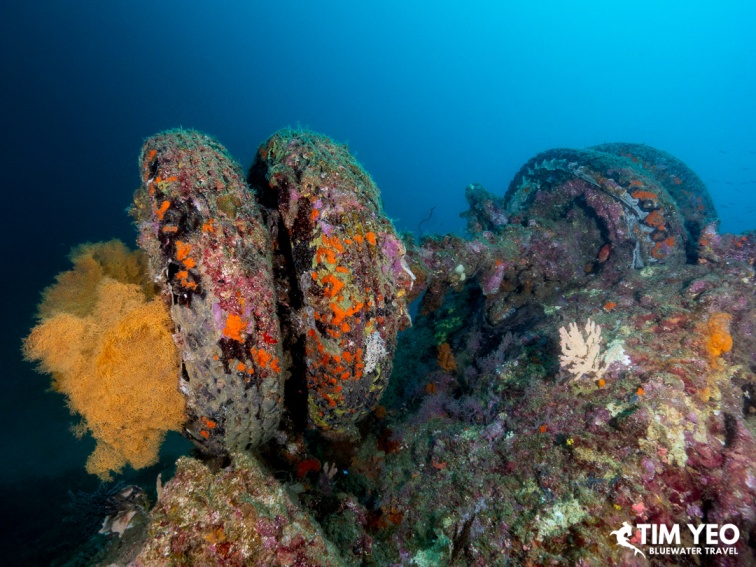
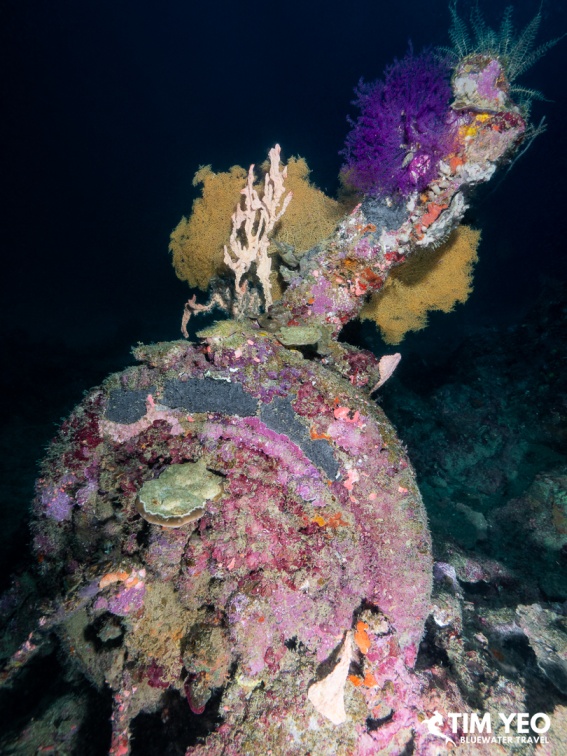
One of my favorite historical dives was a Japanese seaplane that sank in 1942. We woke that
morning to dark skies and pouring rain and were worried conditions might prevent us from
diving it. Fortunately, we headed out anyway.
One wing of the aircraft was destroyed when it sank, but much of the plane remains
recognizable and two massive propellers are still attached to the intact wing. Even with the
gloomy conditions above the surface, it made a fantastic underwater photography subject.
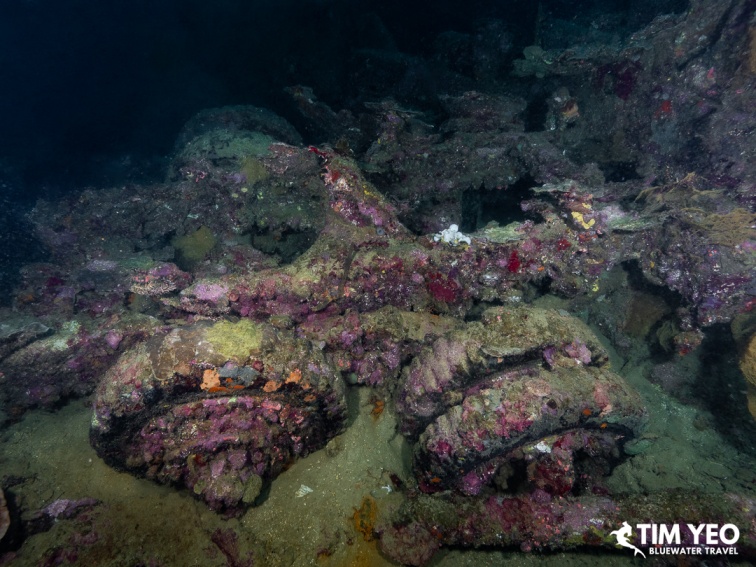
White Beach was perhaps the most unusual historical dive of the trip.
After World War II, American military equipment was dumped into the water here. Today
trucks, forklifts, barges and other machinery are scattered across the site and have slowly
become part of the reef. Hard corals grow over much of the equipment and fish swim through
what remains.
Diving White Beach felt like an underwater treasure hunt. Among the wreckage we searched
for old ammunition, soda bottles, champagne bottles and other remnants left behind after the
war. At the same time, we were looking for marine life including archerfish, mandarinfish and
ornate ghost pipefish.
I have done plenty of wreck diving around the world, but combining this much wartime history
with tropical reef diving gave the Solomon Islands a very distinctive character.
Open Boat and Night Diving
Another feature I really enjoyed aboard the Bilikiki was the opportunity for open boat diving.
On a couple of days the boat anchored in a protected bay and remained there for much of the
day. Instead of following a strict schedule for every dive, we were given a long window where
we could enter the water when we wanted.
On one of these days, the open boat period lasted around ten hours and continued through the
night dive. We ended up completing four additional dives after our morning dive, seeing large
schools of jacks, barracuda and fusiliers and even watching brown tang spawning.
It was a very relaxed way to dive. Photographers could take their time setting up cameras,
divers could extend their surface intervals if they wanted, and those of us who wanted to
maximize our underwater time could keep diving.
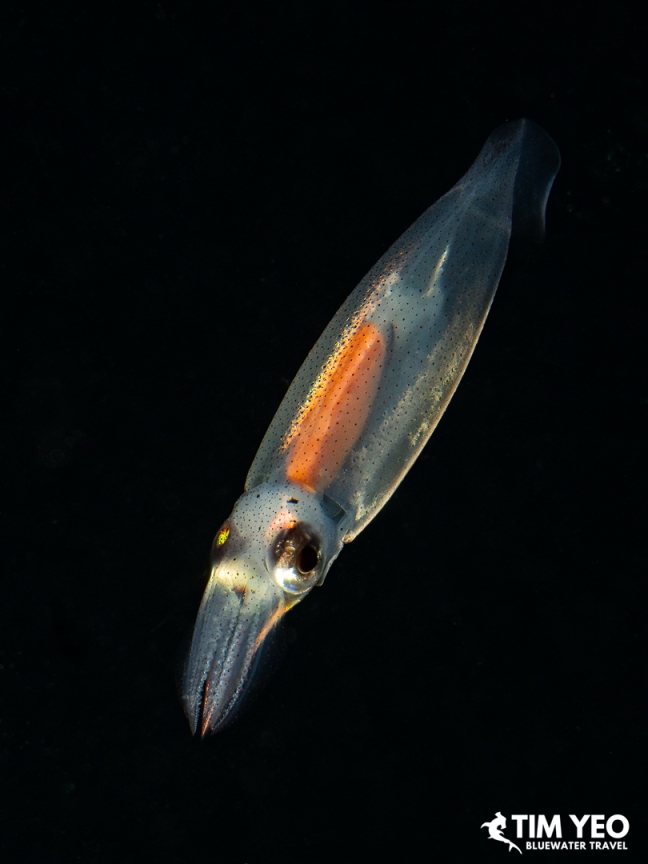
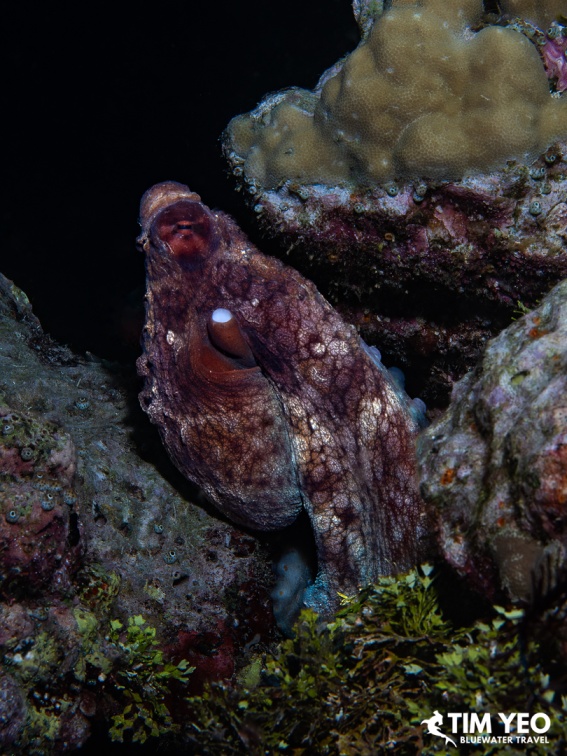
The night dives were also well worth doing. It was interesting returning to reefs we had already
seen during the day and watching them completely change after dark. Different animals
emerged from hiding and familiar sections of reef suddenly became hunting grounds for
nocturnal predators.
More Than Just Diving
Some of my favorite memories from the trip actually happened above the water.
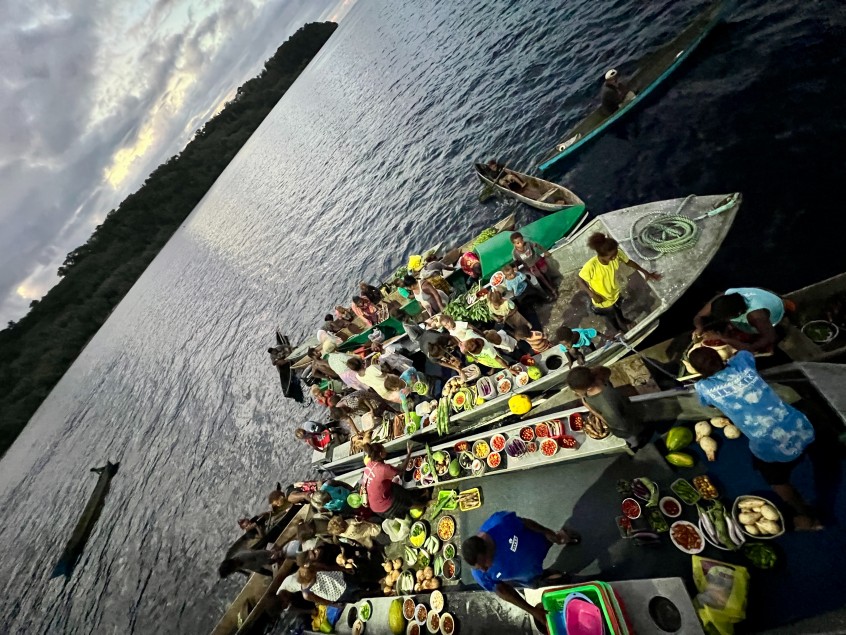
One afternoon, villagers paddled out to the Bilikiki in dugout canoes and created a floating
farmers market alongside the boat. Their canoes were loaded with locally grown spinach,
eggplant, coconuts, papaya, nuts, ginger and other produce.
The Bilikiki chefs purchased fresh ingredients while we talked with the men, women and
children floating beside us.
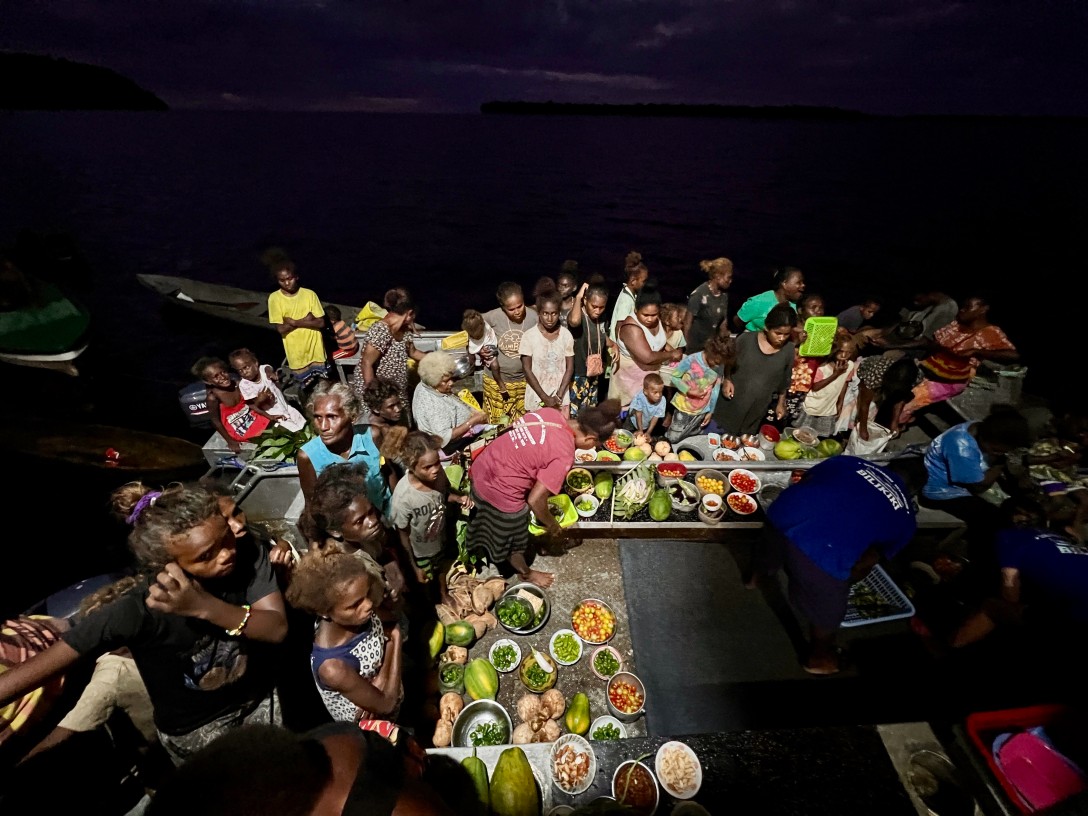
I particularly enjoyed this experience because it felt like a very natural interaction. Rather than
simply arriving in a village as tourists, local families came out to trade produce that the boat
genuinely needed. It gave us an opportunity to meet people while also supporting the
surrounding communities.
At another village, local artisans specialize in traditional wood carving. They set up a small
market for us on the beach filled with handmade carvings, and I think almost everyone returned
to the Bilikiki carrying at least one new souvenir.
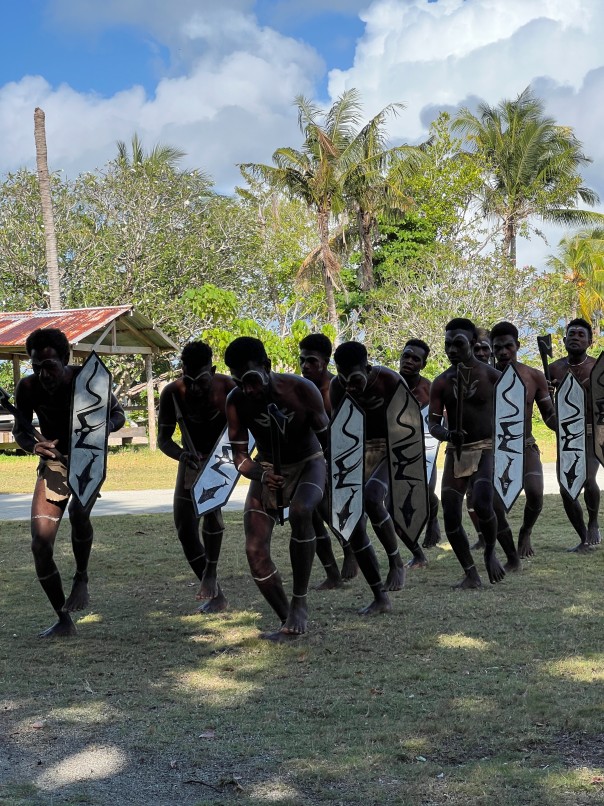
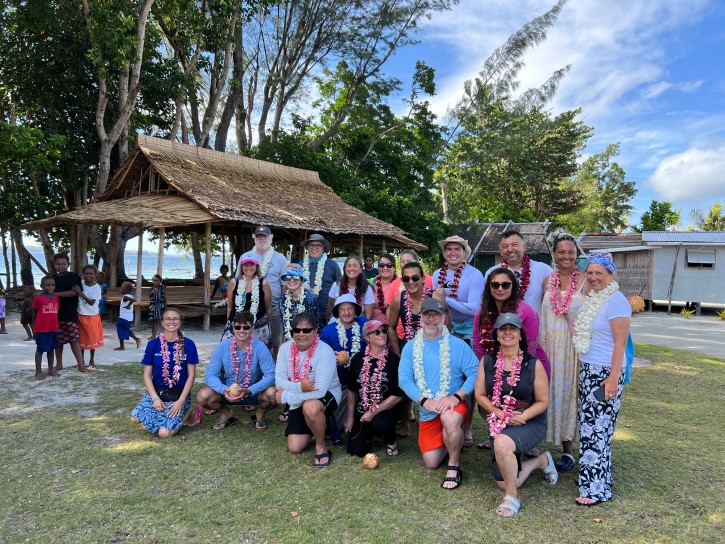
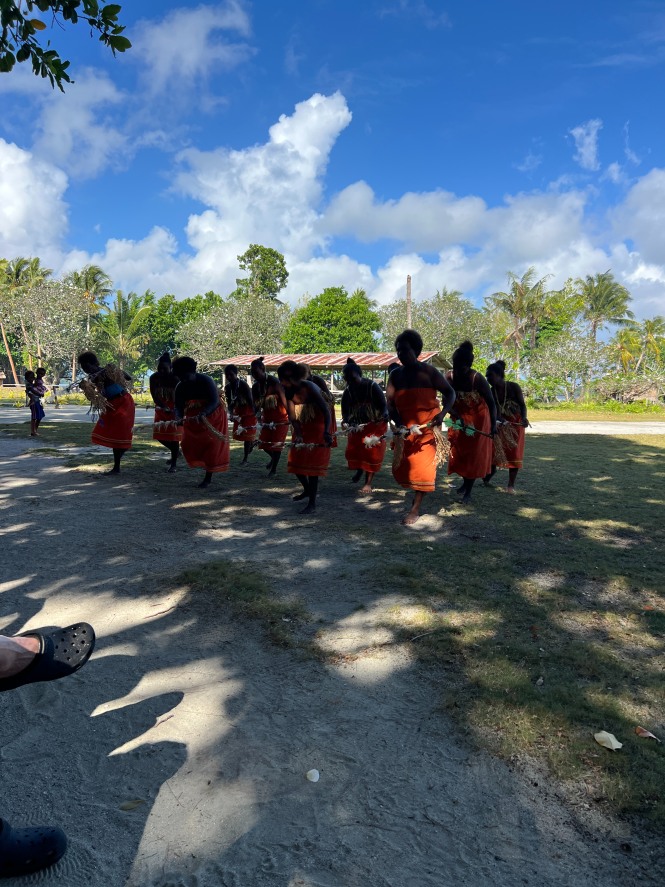
We also visited a small village where we were welcomed with songs and dances before the
village chief walked us through the community. We visited the church, saw some of the homes
and learned a little about everyday life in one of these remote island communities.
Final Thoughts
The variety was what impressed me most about diving the Solomon Islands.
One dive could have us swimming through Leru Cut with shafts of sunlight streaming down
around us, while the next might be a colorful coral wall filled with schooling fish. Later that day
we could be searching for pygmy seahorses on a macro dive or exploring the remains of a
World War II shipwreck.
We saw sharks, turtles, eagle rays, barracuda, jacks and huge schools of fusiliers, but there was
just as much to keep macro photographers busy. Add caves, wrecks, a seaplane, night diving
and healthy reefs and there was very little repetition despite spending ten days underwater.
The cultural experiences made the trip even more memorable. The floating farmers market,
wood carving village and our visits to small island communities reminded me that one of the
best parts of traveling somewhere this remote is experiencing what happens between the dives
as well.
The Solomon Islands felt adventurous, remote and refreshingly different. For experienced divers who enjoy variety, underwater photography, World War II history and destinations that still feel well off the main dive tourism trail, I think it offers a very special liveaboard experience.
More pictures
Author
Tim Yeo
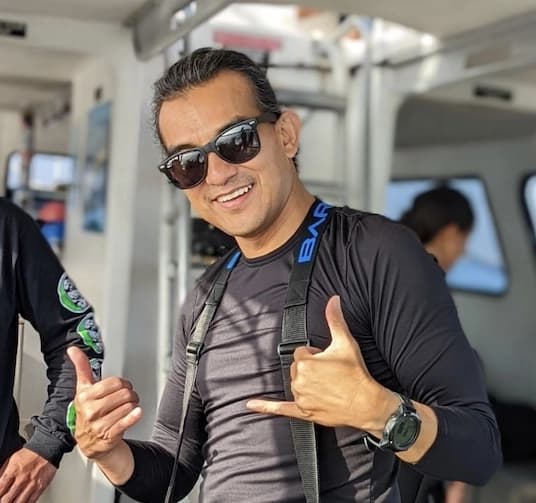
Tim grew up in tiny Singapore, where driving for more than an hour meant you would need a passport. Traveling was always his passion, but Tim became addicted to dive travel soon after he got scuba certified in Malaysia. As his diving addiction grew, Tim eventually became a Staff Instructor with PADI and an Instructor Trainer with SDI. After getting his instructor certification, Tim spent time teaching scuba in Malaysia and Vietnam.
Tim serves as General Manager and COO at Bluewater Travel and is the company's most seasoned trip leader. With a portfolio of leading over 30 group trips, his extensive expertise encompasses a variety of popular dive destinations such as the Galapagos, Raja Ampat, French Polynesia, Fiji, the Red Sea, Palau, Maldives, among others. His travels have taken him across all seven continents and allowed him to dive in all five oceans—the Atlantic, Pacific, Indian, Arctic, and Antarctic.
-optimized.webp&w=640&q=75 "Moorea Trip Recap August 2026")