



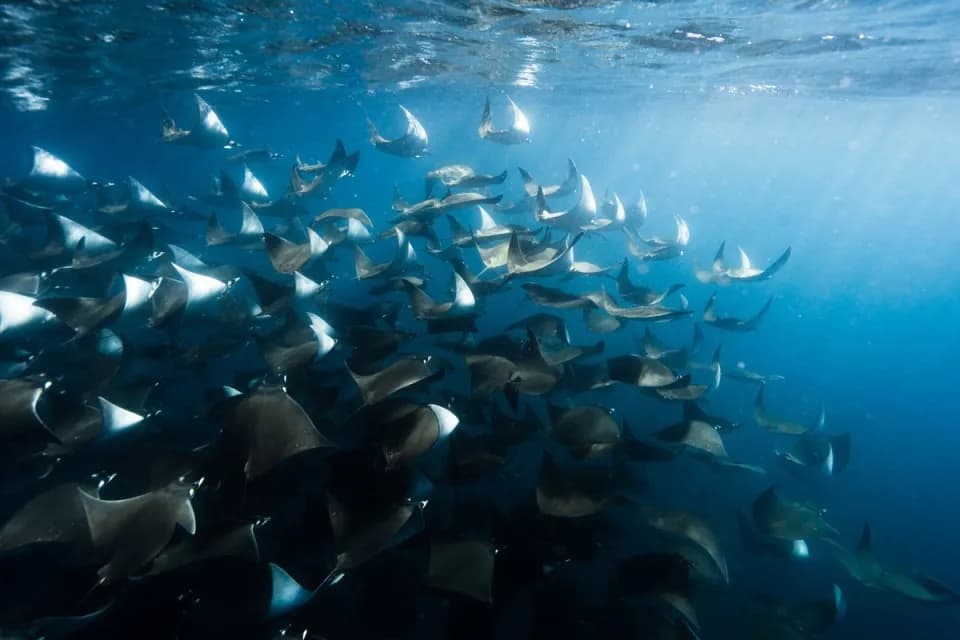
Sea of Cortez Photo Workshop 2026

Our 2026 Bluewater Sea of Cortez trip delivered six rewarding days in the Sea of Cortez, with abundant reef life, memorable macro subjects, and an afternoon snorkeling with feeding whale sharks. Weather and sea conditions affected the opening crossing and visibility was often limited, but the sheltered anchorages, dramatic desert-island scenery and diversity of marine encounters made for a productive and enjoyable photography workshop.


Arrival and Crossing
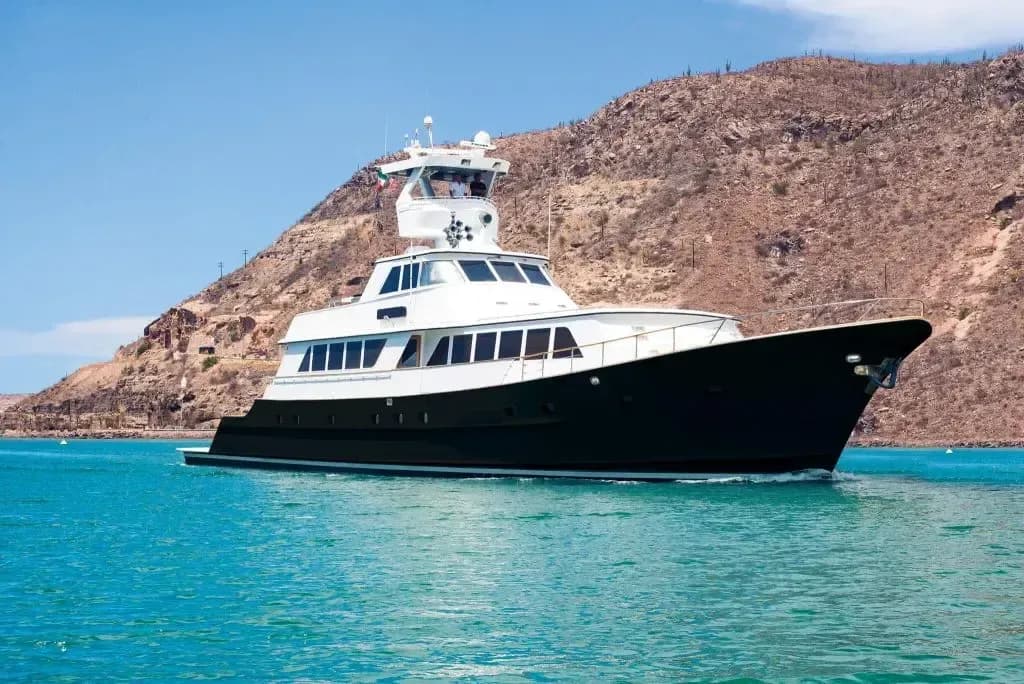
The transfer to Rocky Point, also known as Puerto Peñasco, was straightforward, although the group experienced a long and very hot wait at the border. After arriving in the late afternoon, guests attended the safety briefing, assembled their dive equipment, and enjoyed dinner as the vessel got underway.
Conditions became increasingly windy and rough overnight. By morning, the sea was choppy and covered in whitecaps, delaying the crossing by several hours. Once the vessel reached the chosen anchorage, however, the group was rewarded with calm water and sweeping views of the surrounding desert islands.


Day 1 — Isla Ángel de la Guarda
The delayed crossing limited the first day to two dives.
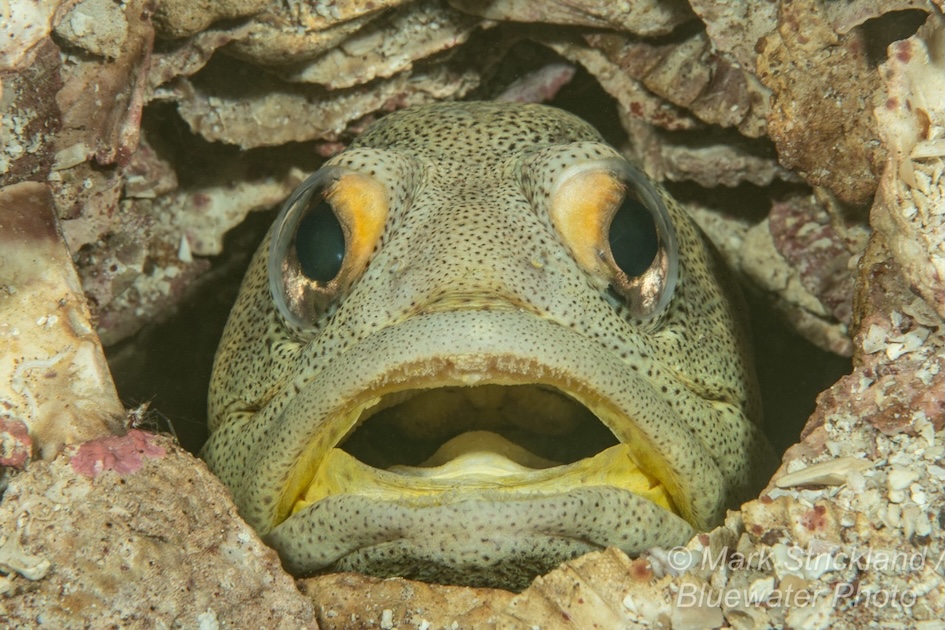
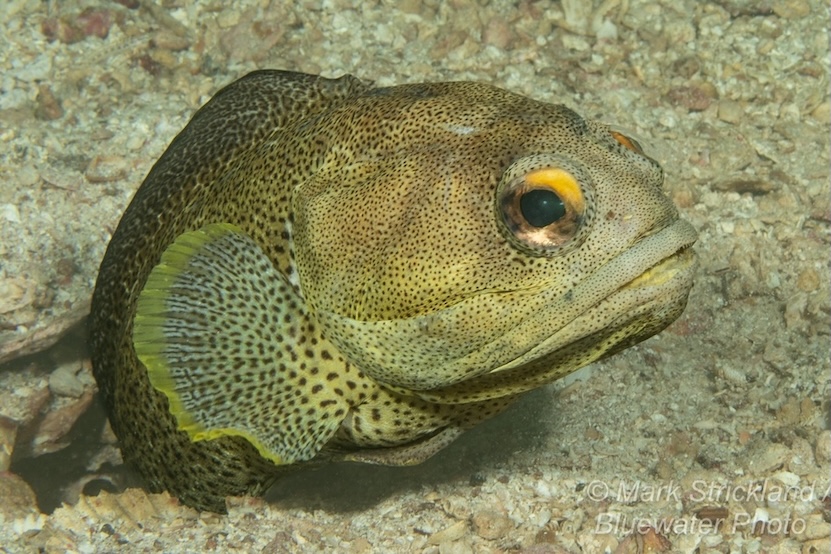
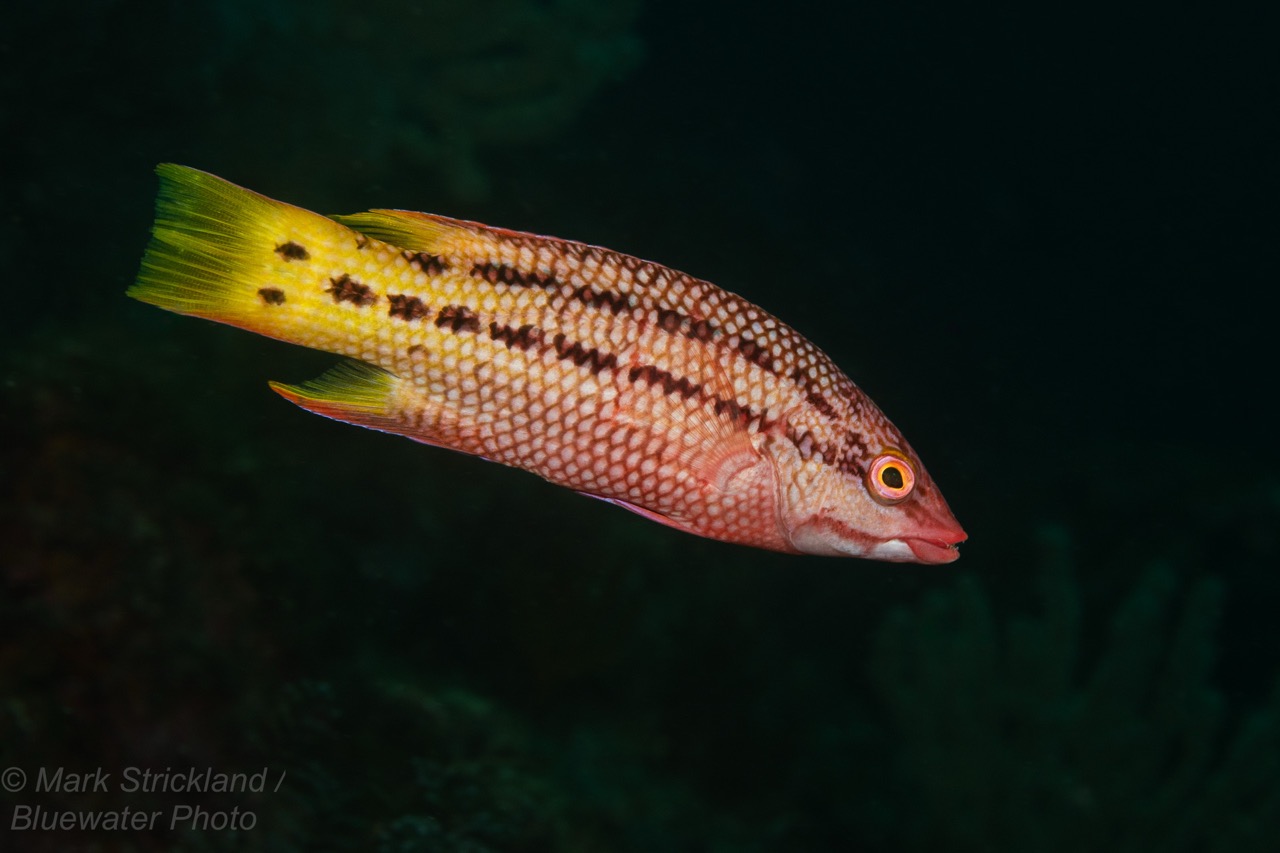
Dive 1 — La Muela The first dive followed a sloping rocky reef around a small islet. Fish life was plentiful, with small leopard groupers, Mexican hogfish and stingrays, along with communities of giant and bluespotted jawfish. Water temperatures reached an extraordinary 88°F at depth, creating bathtub-like conditions.
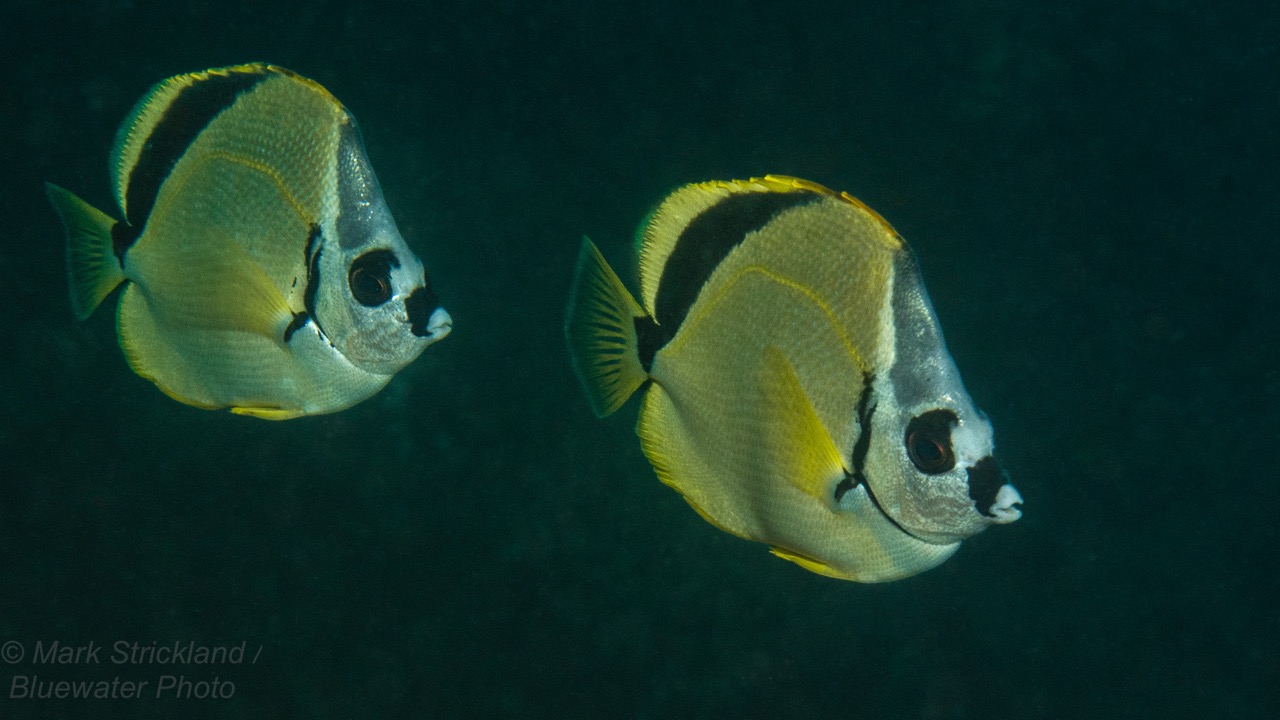
Dive 2 — Sin Miedo al Éxito This steep slope lay in the shadow of the island. The site name translates loosely as “get out if you can,” reflecting an anchorage that can be challenging for sailing vessels. Groupers and damselfish were abundant, and a pair of barberfish was also observed. Divemaster Leo offered shrimp to an exceptionally relaxed giant jawfish, giving the group a close encounter and useful photographic opportunity.


Day 2 — Los Nidos and La Vela
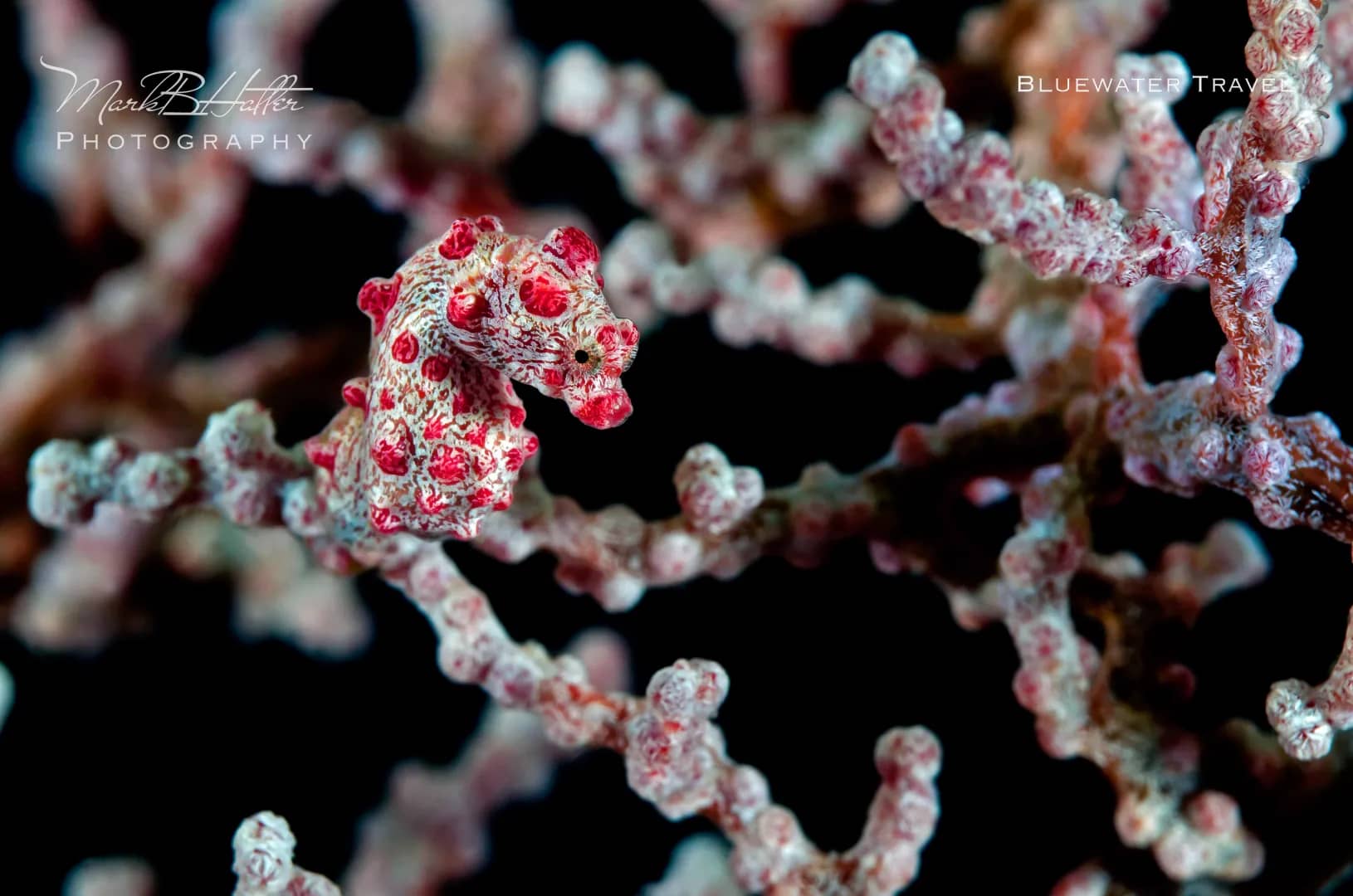
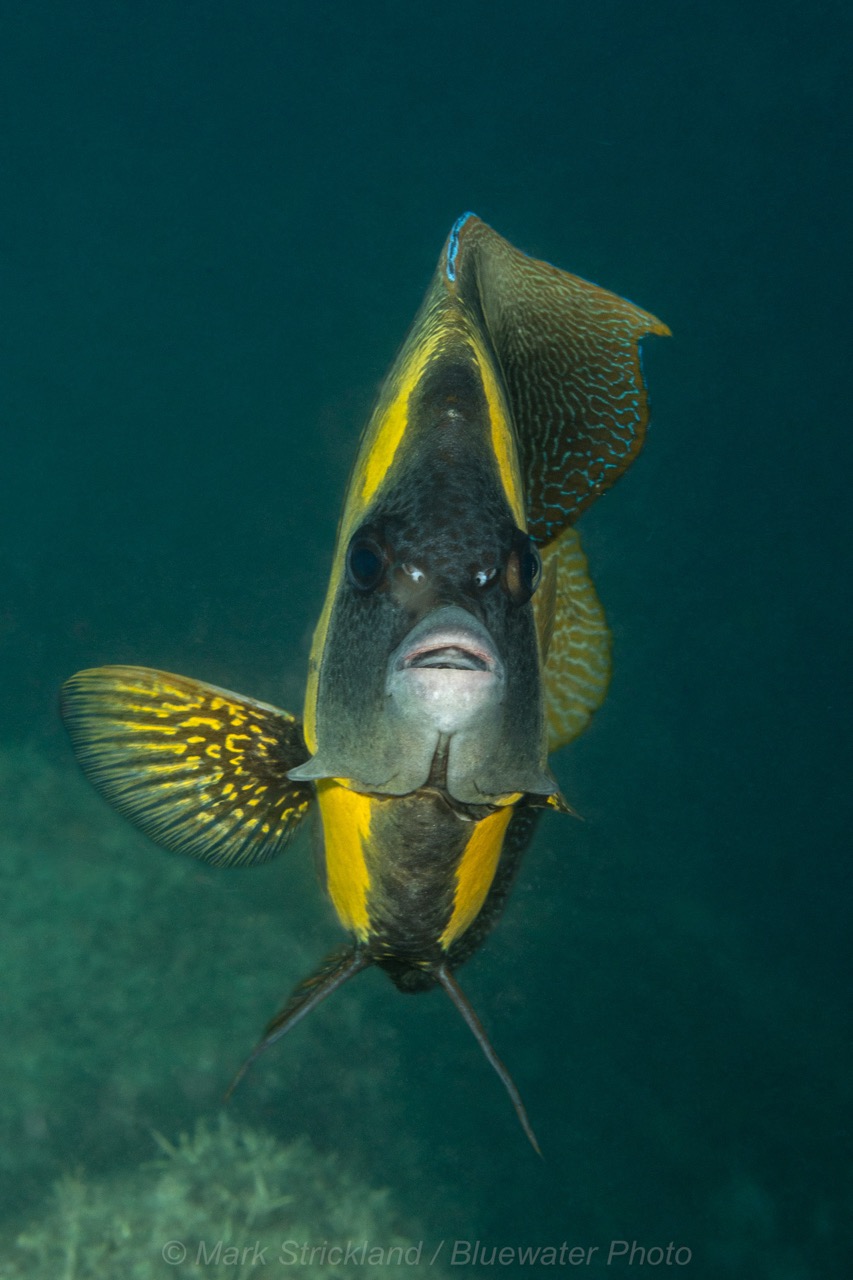
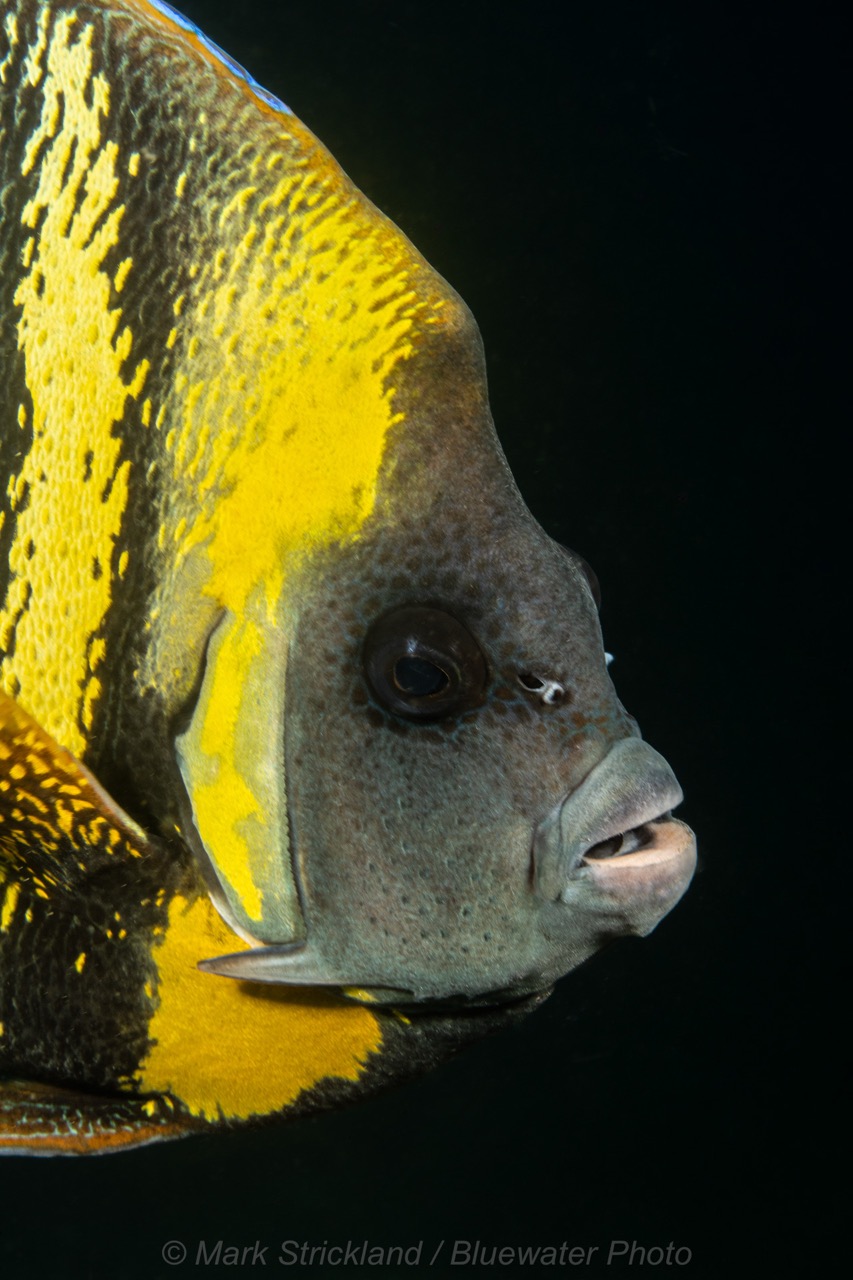
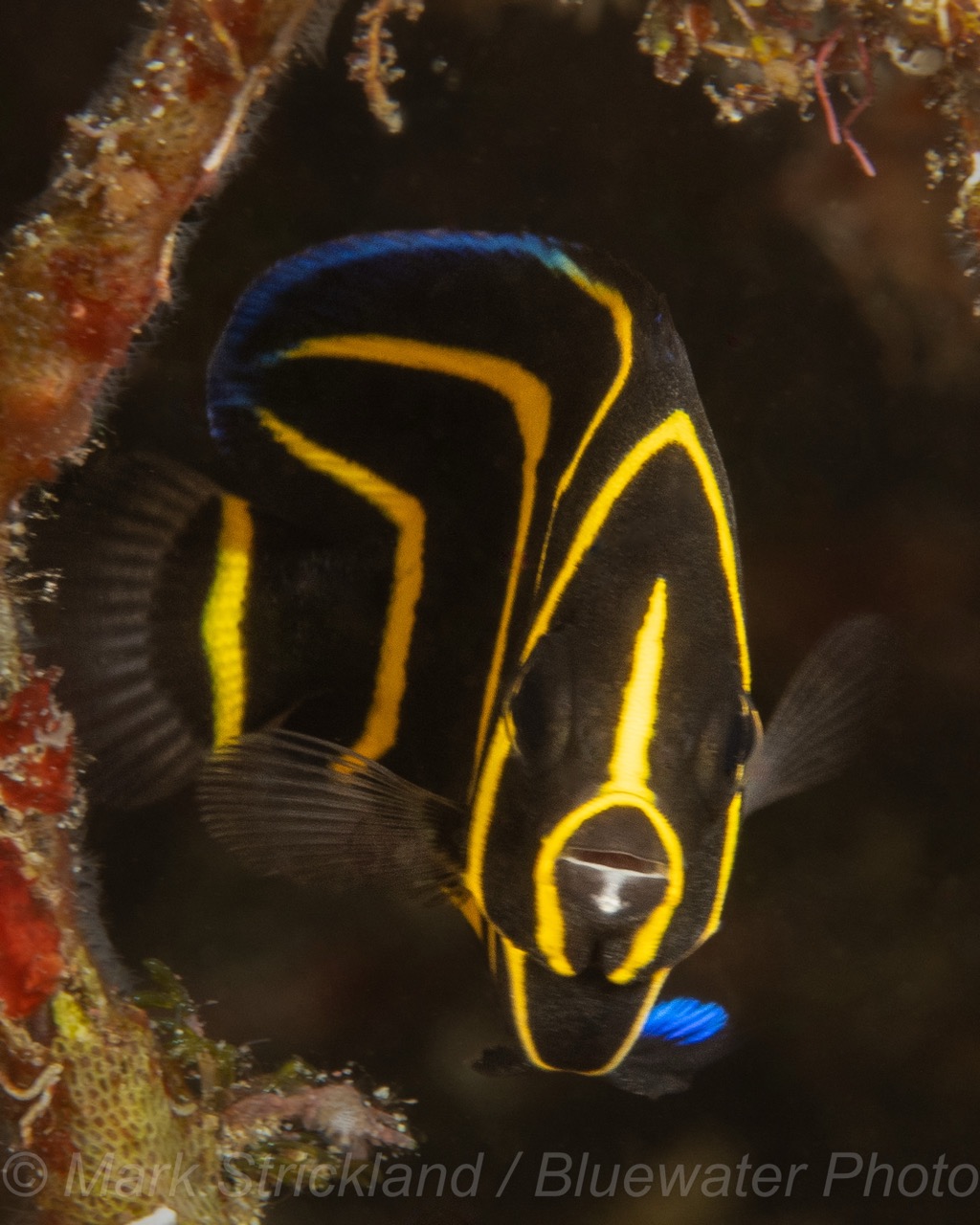
Dive 1 — Los Nidos A sloping rocky reef offered numerous small groupers, juvenile Cortez angelfish, triplefins and colorful flatworms. A yellow seahorse was one of the dive’s standout macro subjects.
Dives 2 and 3 — La Vela La Vela is a pyramid-shaped rocky islet, its surface painted white by the resident brown-footed boobies and other seabirds. A sizeable sea lion colony was present, although its members were not interested in playing with the divers. Below 60 feet, sections of rugged terrain were covered by forests of chartreuse-colored black coral. A large green sea turtle remained unusually relaxed for a site where sea lions often harass turtles. Schools of triggerfish hovered above the reef alongside leopard groupers and Pacific creolefish.
Dive 4 — Los Nidos night dive The night dive revealed scorpionfish hunting, several octopus, a sleeping turtle, and two large yellow seahorses.


Day 3 — Bahía de los Ángeles
Dive 1 — Punta Don Juan A steep slope descended to a sandy bottom at approximately 60 feet. Strong current made it difficult to travel far, but there was no need to cover much ground, as we were surrounded by fish throughout the dive. A confident octopus foraged in the open for several minutes, while tiny barnacle blennies peered from old worm holes.
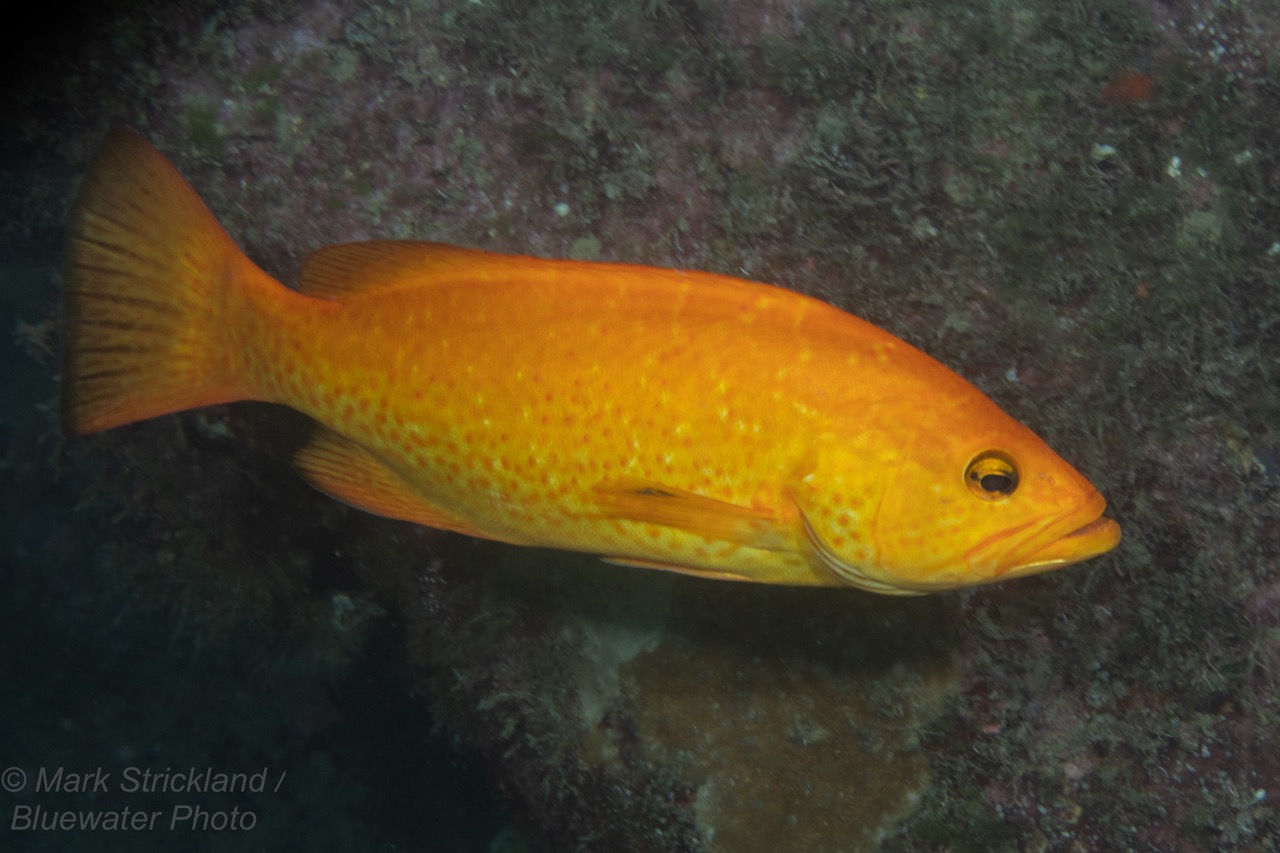
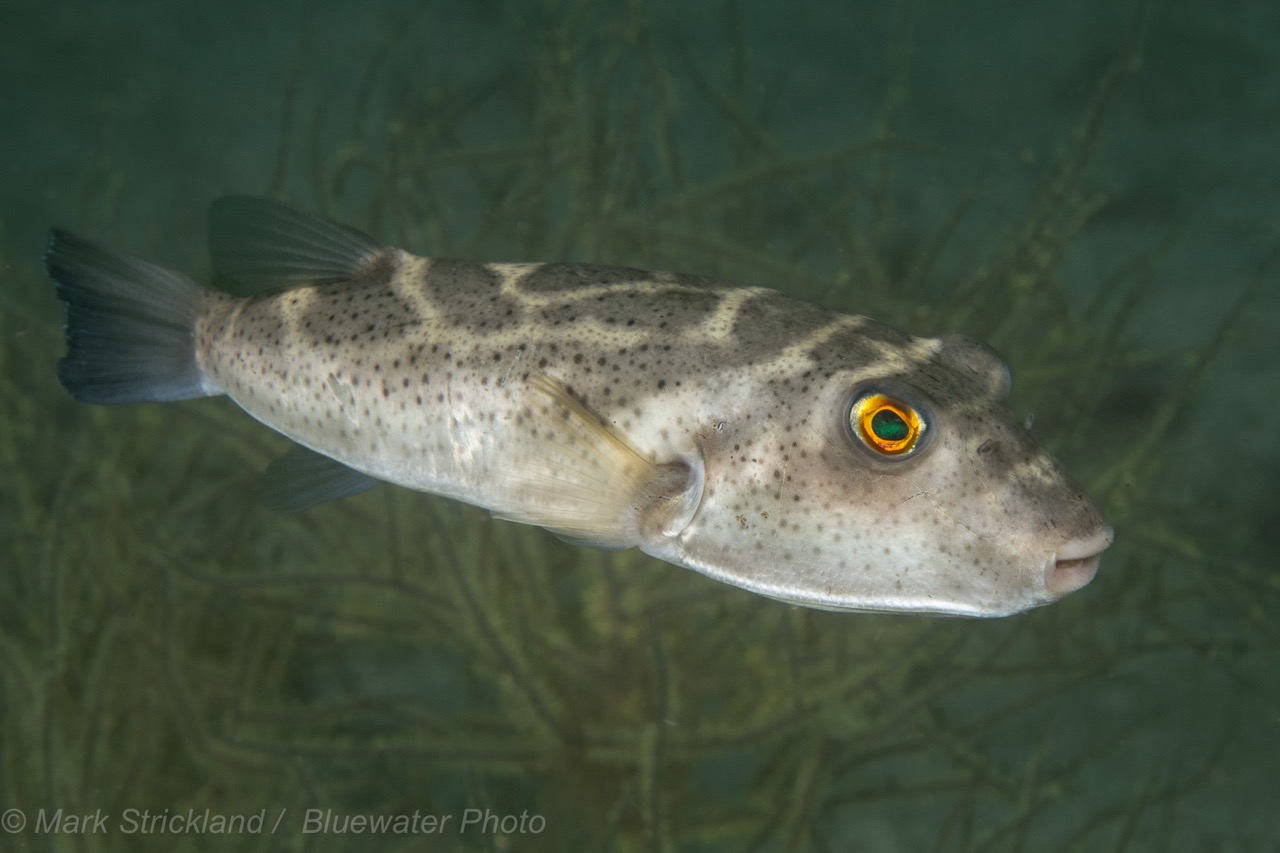
Dive 2 — Punta Don Juan A different section of the island offered a similar sloping reef with healthy colonies of yellowish black coral. Small leopard groupers were plentiful, including an unusual golden-phase individual. Other sightings included Cortez angelfish, Mexican hogfish, bullseye pufferfish and several well-camouflaged scorpionfish.


Whale Shark Afternoon
As the captain moved the vessel into the Bahía de los Ángeles Marine Park, several prearranged local panga boats met the group for an afternoon of whale shark snorkeling. It was difficult to determine the exact number of animals present, but at times at least three could be seen from the boat. They ranged from a juvenile measuring approximately 12 to 14 feet to several individuals around 20 feet long.
The whale sharks spent most of their time at or near the surface, which was ideal because marine park rules permit snorkeling only. Visibility was challenging at around 10 feet, but the plankton-rich water was also the reason the sharks were there. Throughout the afternoon, the enormous spotted fish circled repeatedly while actively filter-feeding at the surface, creating one of the trip’s most memorable encounters.

Day 4 — Bahía de los Ángeles
Dive 1 — Cacaver This rocky islet site began with a powerful current that required several minutes of hand-over-hand movement along the bottom. Once around the corner, the dive became an easy drift. Visibility was only 10 to 15 feet in brownish-green water, yet fish life was abundant, including triggerfish, leopard groupers, silver porgies, strikingly patterned graybar grunts and a school of small barracuda. A small amount of black coral was present at depth.
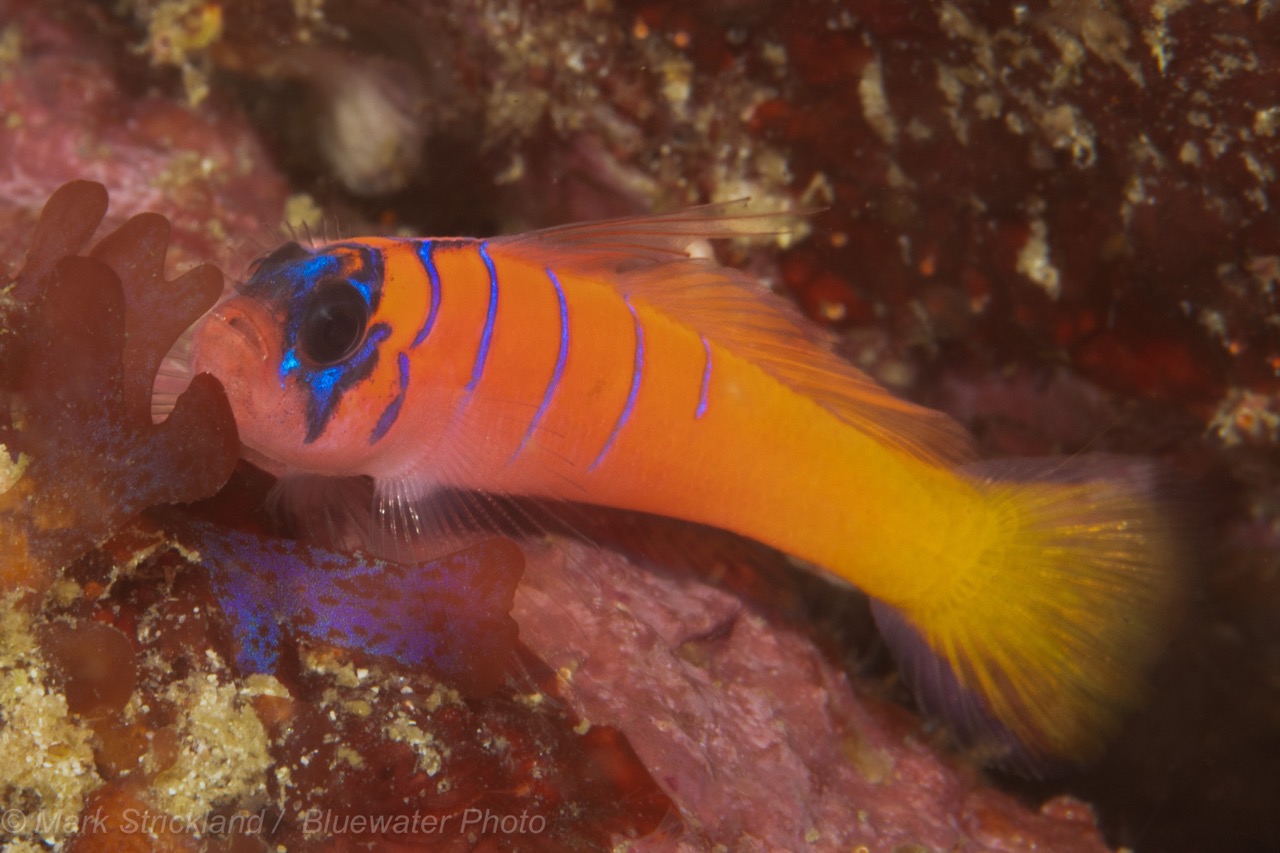
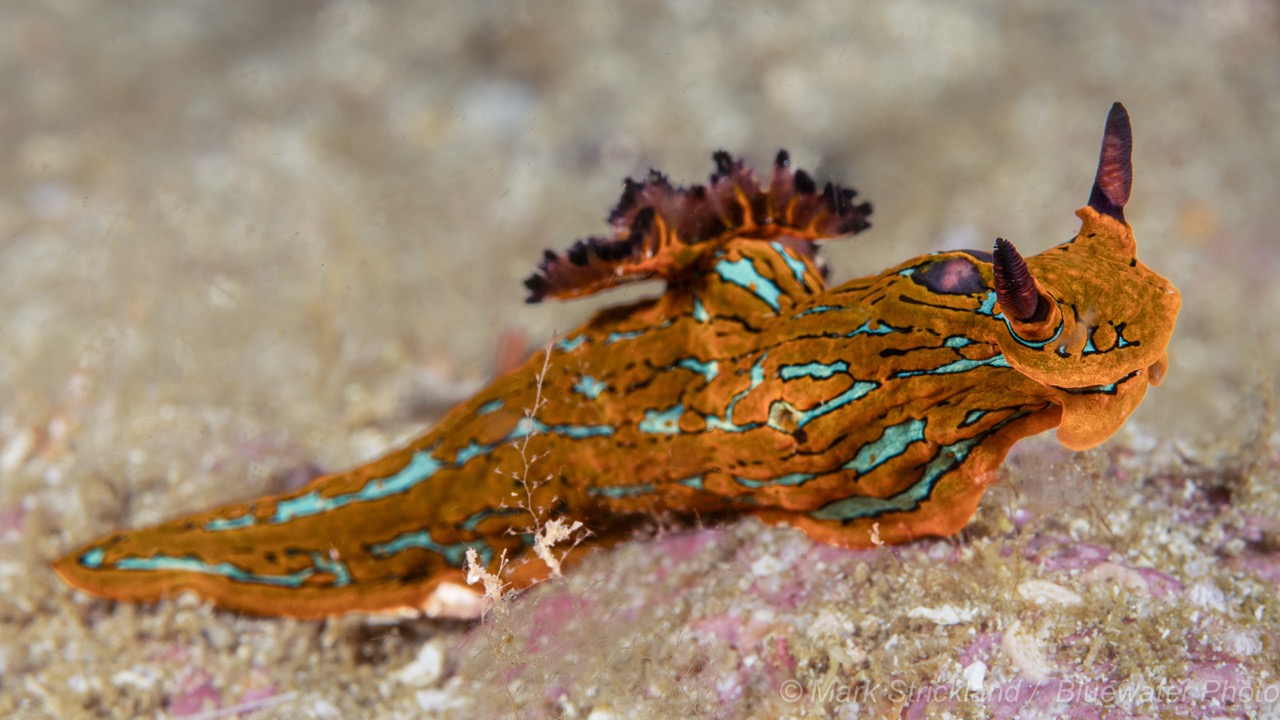
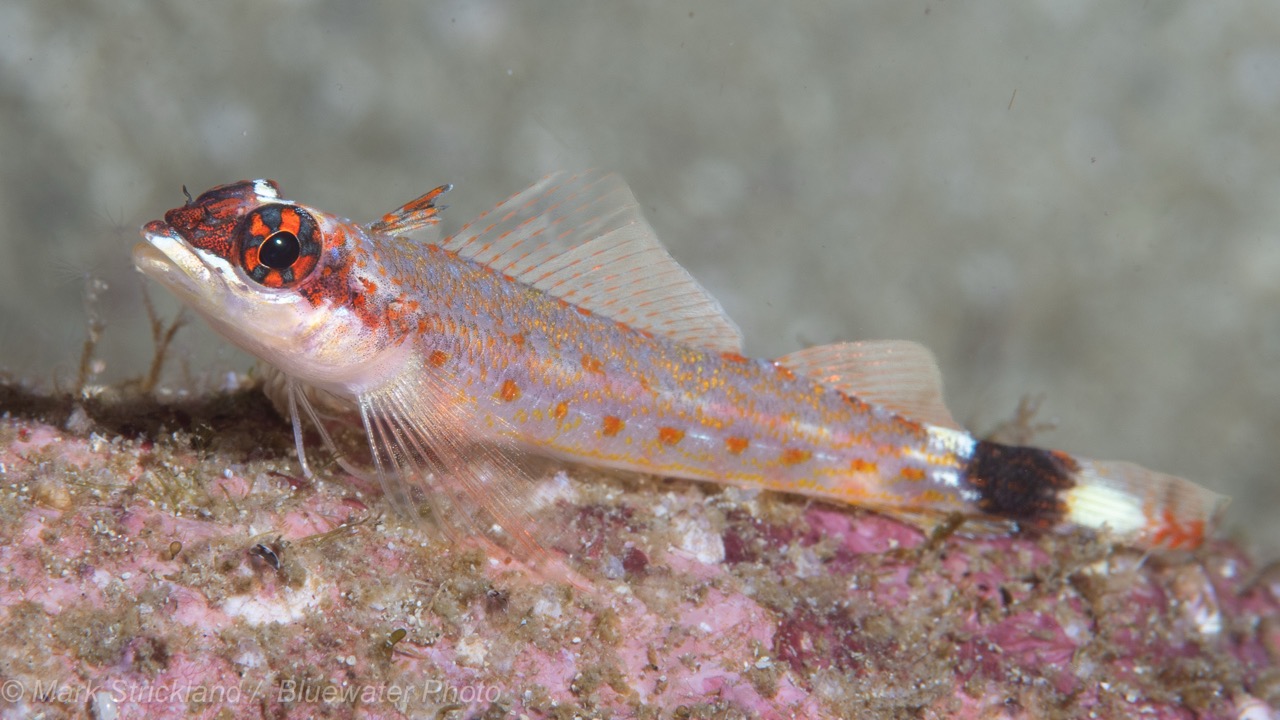
Dive 2 — El Pescador The dive began in shallow water along the boundary between rocky reef and sandy bottom, gradually descending to 50 feet. Sightings included Mexican hogfish, numerous small stingrays, an electric ray and several Mexican dancer nudibranchs. A bullseye puffer rested in the sand, while scorpionfish blended into the reef. A blue-striped goby sheltering in a rocky crevice provided a welcome splash of color.
Dive 3 Returning to the rocky slope and sandy bottom brought another collection of familiar reef residents, including barnacle blennies. The current was much lighter than at the same site the previous morning.
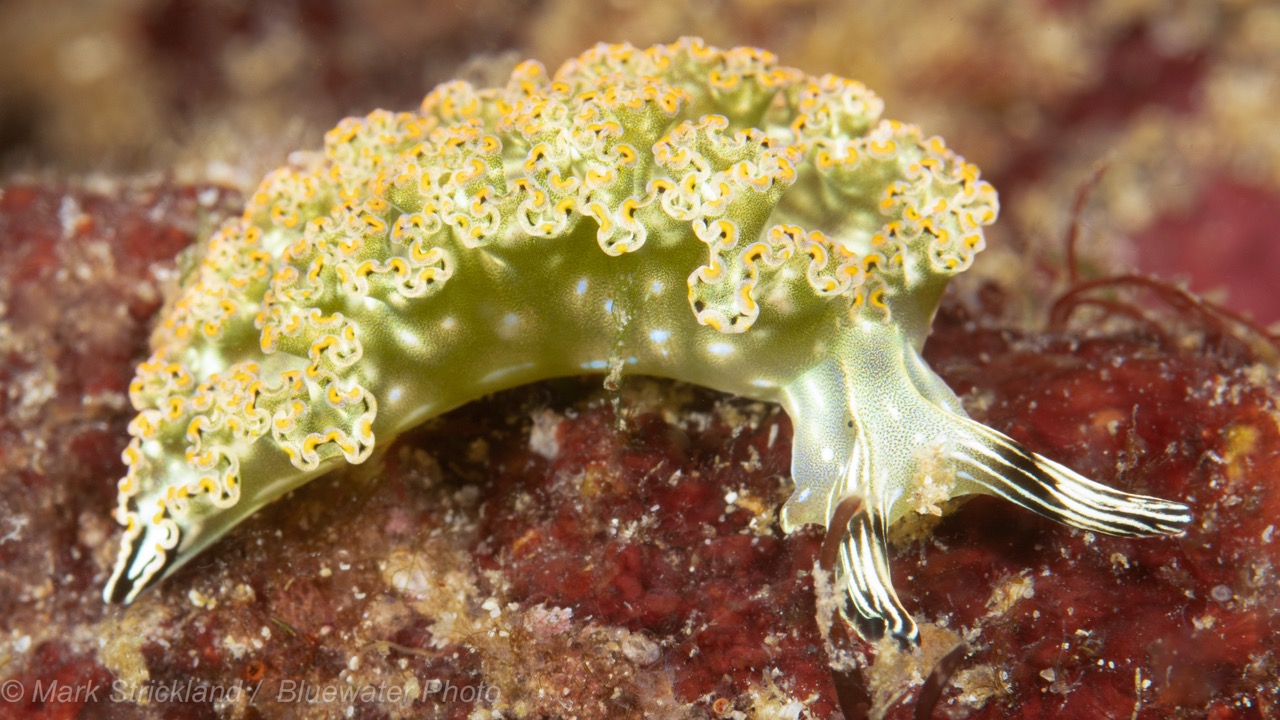
Dive 4 At a nearby site, our late afternoon dive started as we descended the rocky slope to approximately 90 feet. Highlights included a pair of Tamja abdere nudibranchs, a large speckled flatworm, and another golden-phase leopard grouper.
Day 5 — Isla Ángel de la Guarda
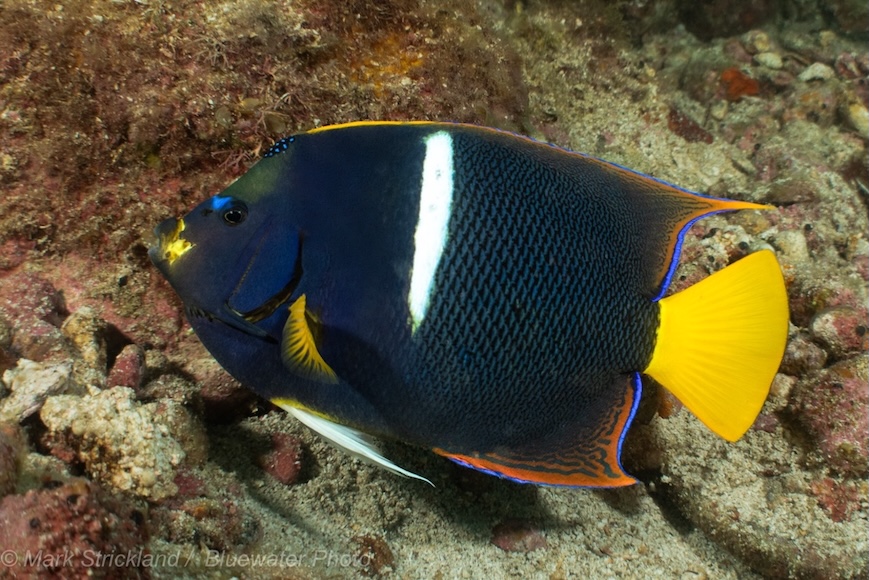
Dive 1 — La Vela Numerous nesting finescale triggerfish attracted a feeding frenzy of damselfish, barberfish, juvenile Mexican hogfish and king angelfish. A large green turtle appeared in the murky distance, while a pair of mating octopus offered a fascinating close encounter. At safety-stop depth, approximately six sea lions made a brief appearance.
Dive 2 — Los Nidos Visibility finally improved to around 30 feet. The rocky slope led to a sandy bottom inhabited by communities of bluespotted jawfish and orange-throated pikeblennies. Two green sea turtles were encountered, one very shy and the other remarkably relaxed. Some fortunate divers also found a juvenile Cortez angelfish.
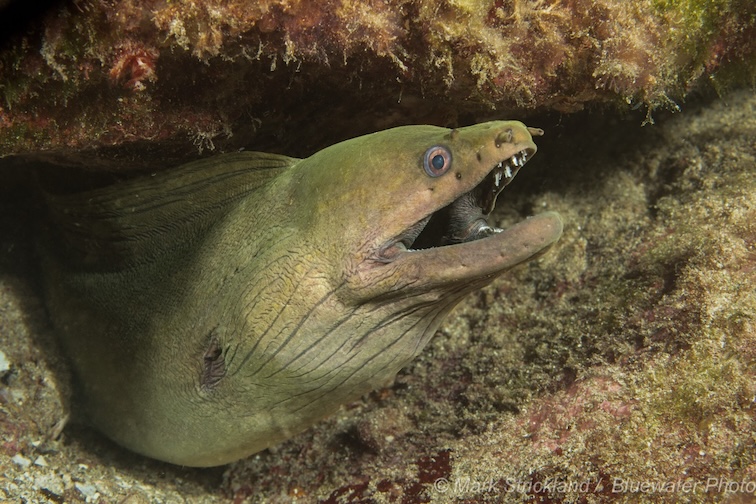
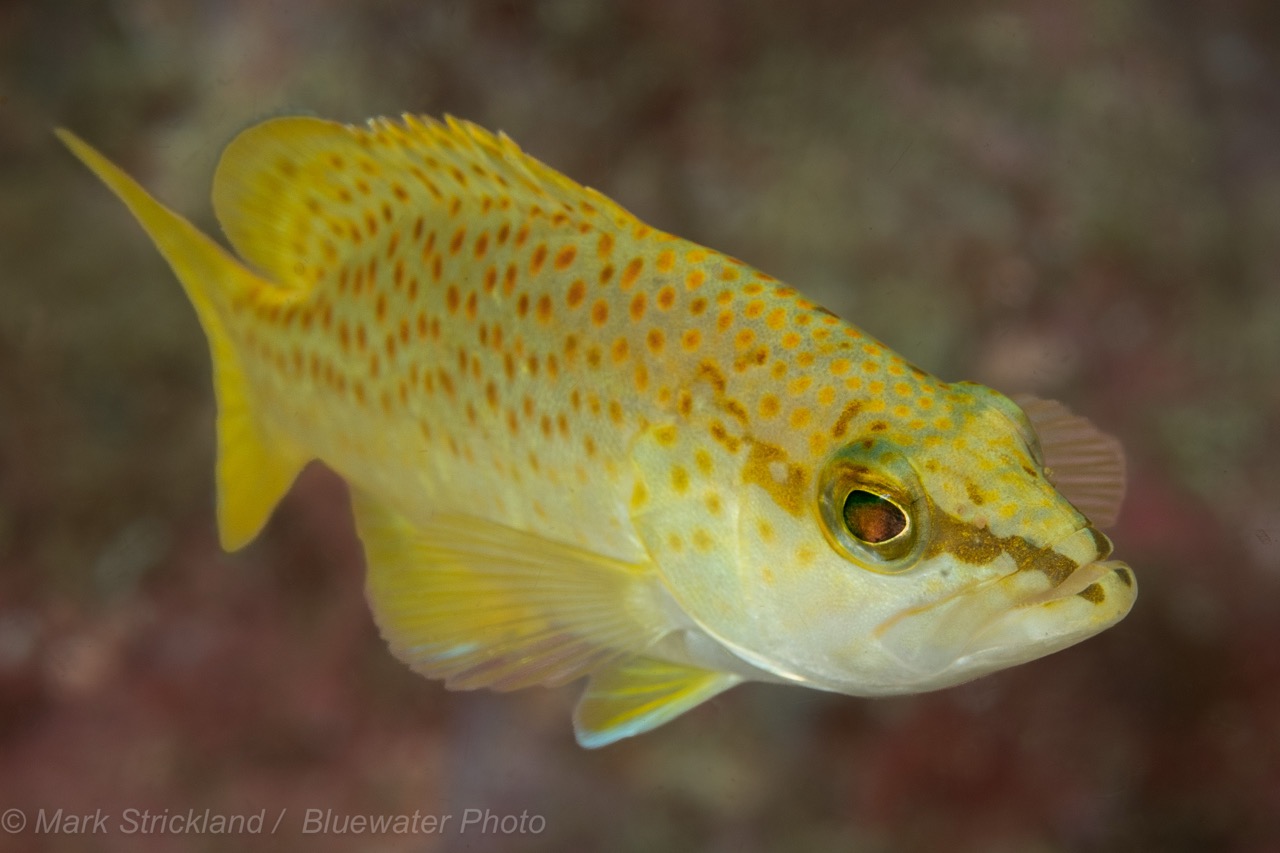
Dive 3 — Sin Miedo The sandy bottom beneath another sloping rocky reef was home to bluespotted and giant jawfish, orange-throated pikeblennies, and small stingrays. The group also encountered another golden-phase leopard grouper and two large Panamic green morays. During the safety stop, a pair of curious Cortez angelfish approached within inches of the divers’ masks.
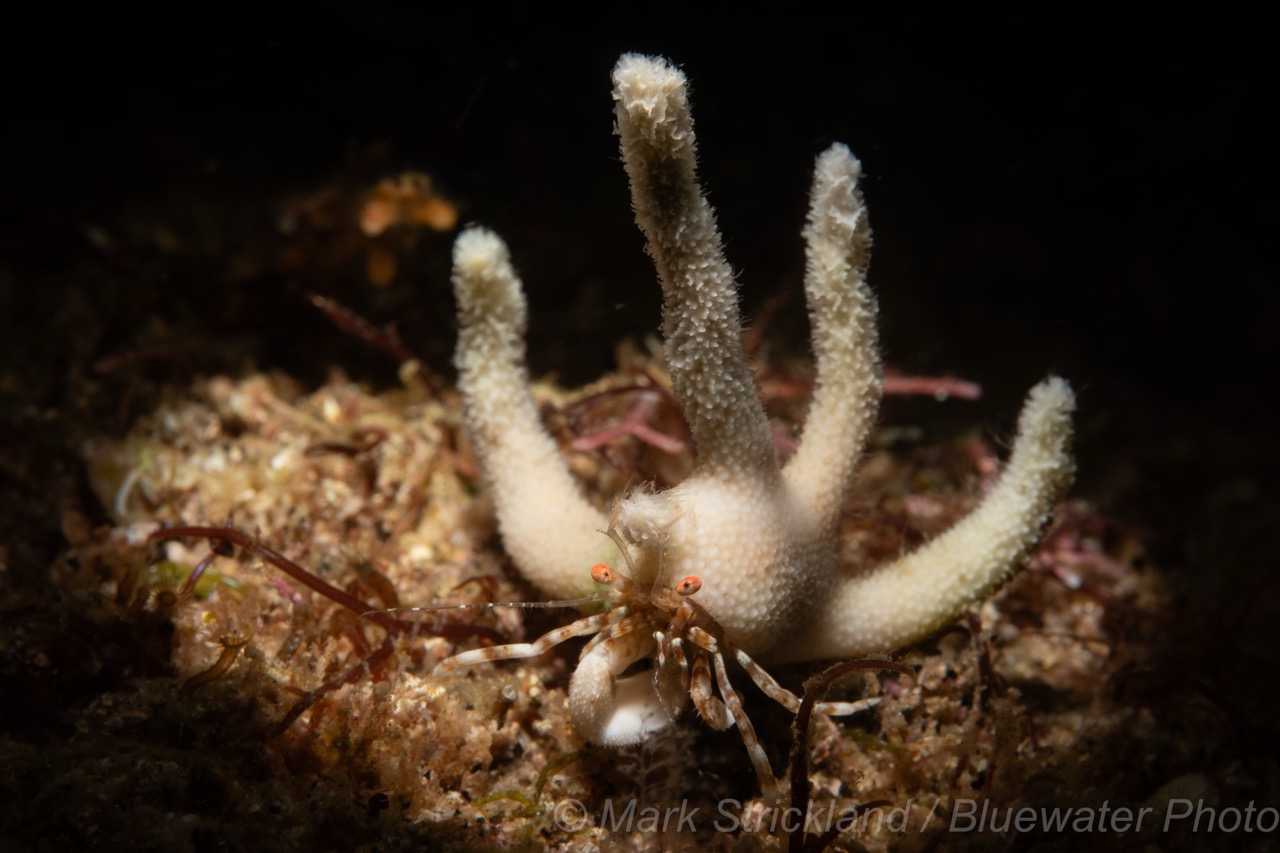
Dive 4 — La Muela night dive Arrow crabs and an ocotpus were among the subjects recorded during the final night dive at La Muela.
Day 6 — New Sites at Isla Ángel de la Guarda
Dive 1 — ECJ Ardin The group enjoyed encountering a wide variety of fish and invertebrate life while exploring the first of two new sites around Isla Ángel de la Guarda.
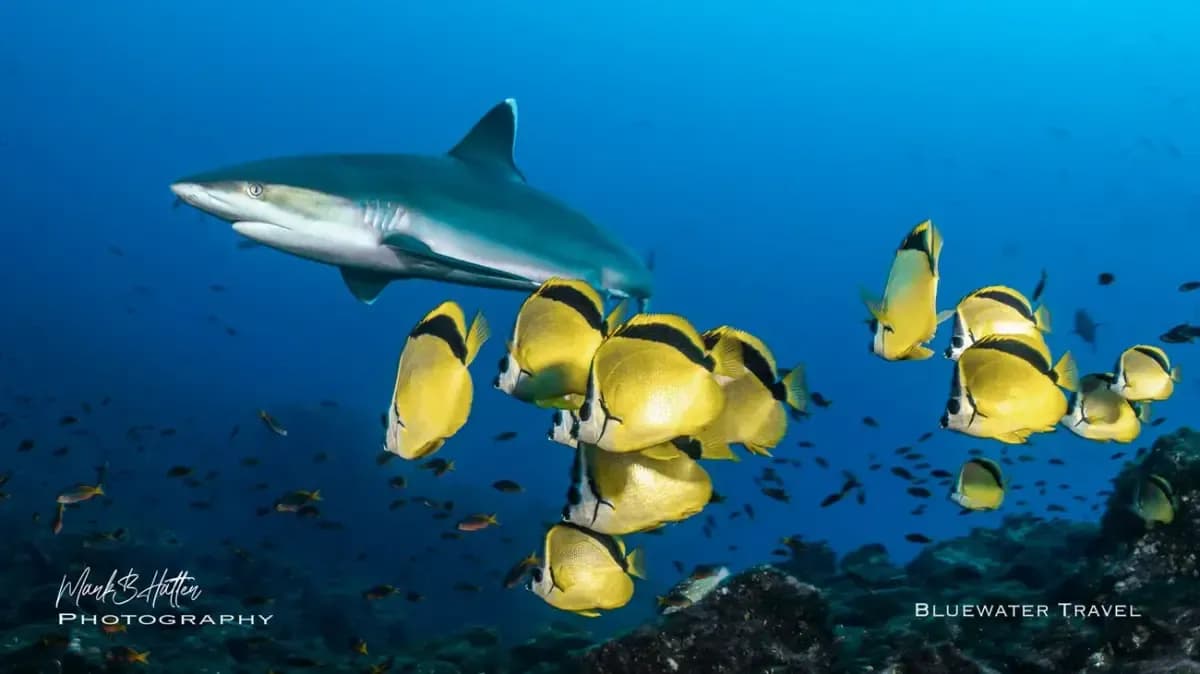
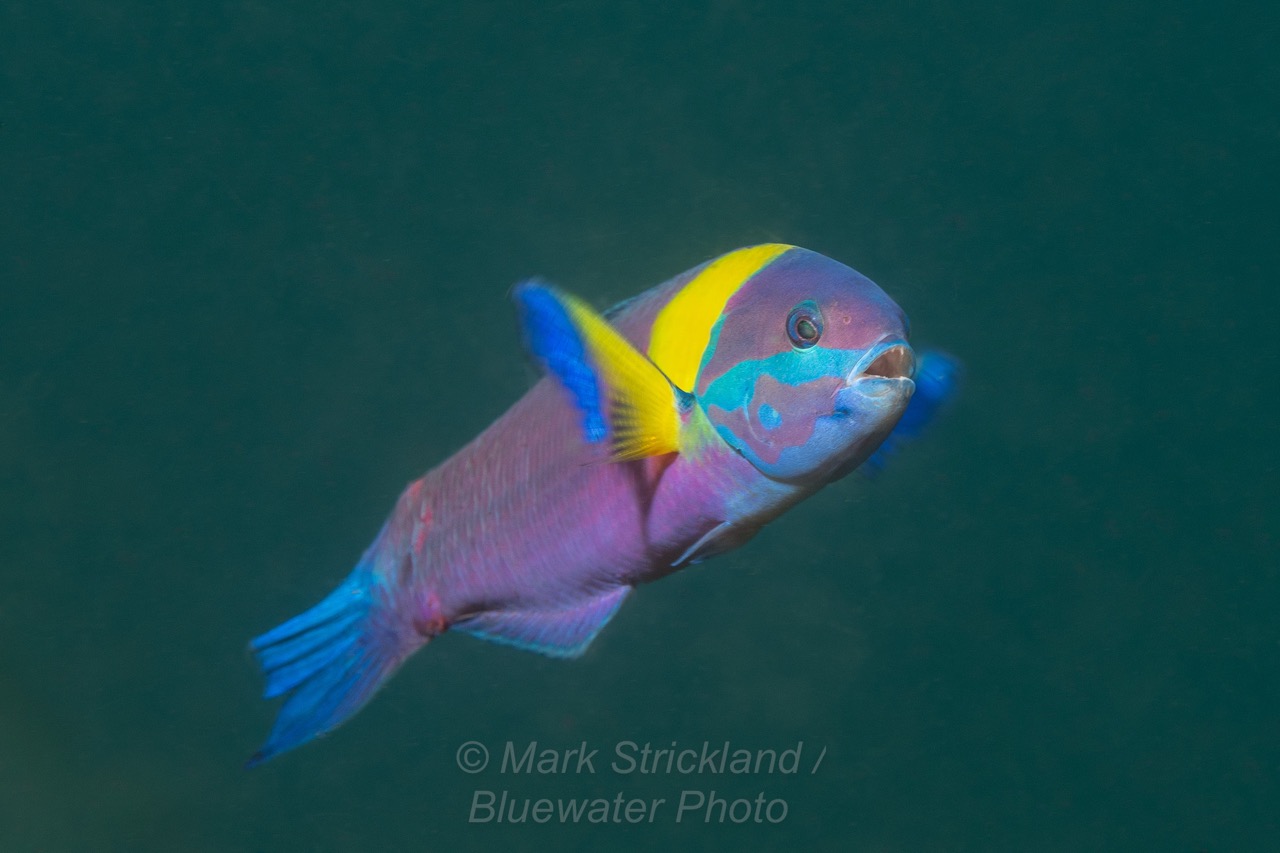
Dive 2 — Punta Miega The final dive was spent slowly exploring among large boulders in limited visibility. Despite the soupy water, a wide variety of fish surrounded the group, including Cortez and king angelfish, barberfish, and leopard groupers. Four Panamic green morays were seen, with three sharing the same hole. At the end of the dive, more than a dozen brightly colored Cortez rainbow wrasses provided a fitting final flourish.
End of Trip
After the final dive, the afternoon was spent packing and relaxing as the vessel traveled through comparatively calm seas. The photographers used their remaining free time to prepare images for the closing slideshow and photo contest. The event was very well attended and provided an enjoyable reminder of the diverse marine life and photographic encounters shared throughout the trip.
Overall Impression
Although challenging weather, current, and visibility shaped parts of the itinerary, the trip offered a strong variety of wide-angle and macro opportunities. The whale shark encounter was an obvious highlight, complemented by turtles, octopus, seahorses, jawfish, morays, black coral habitats and prolific reef fish. The final slideshow brought the workshop to a relaxed and celebratory close.


Author
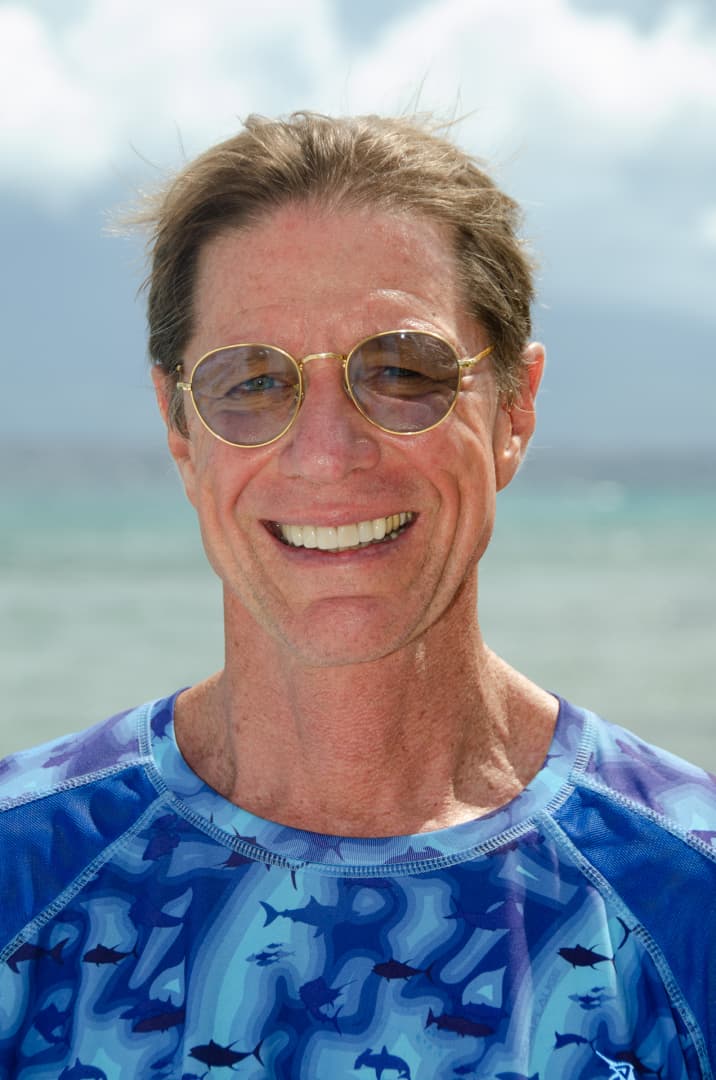
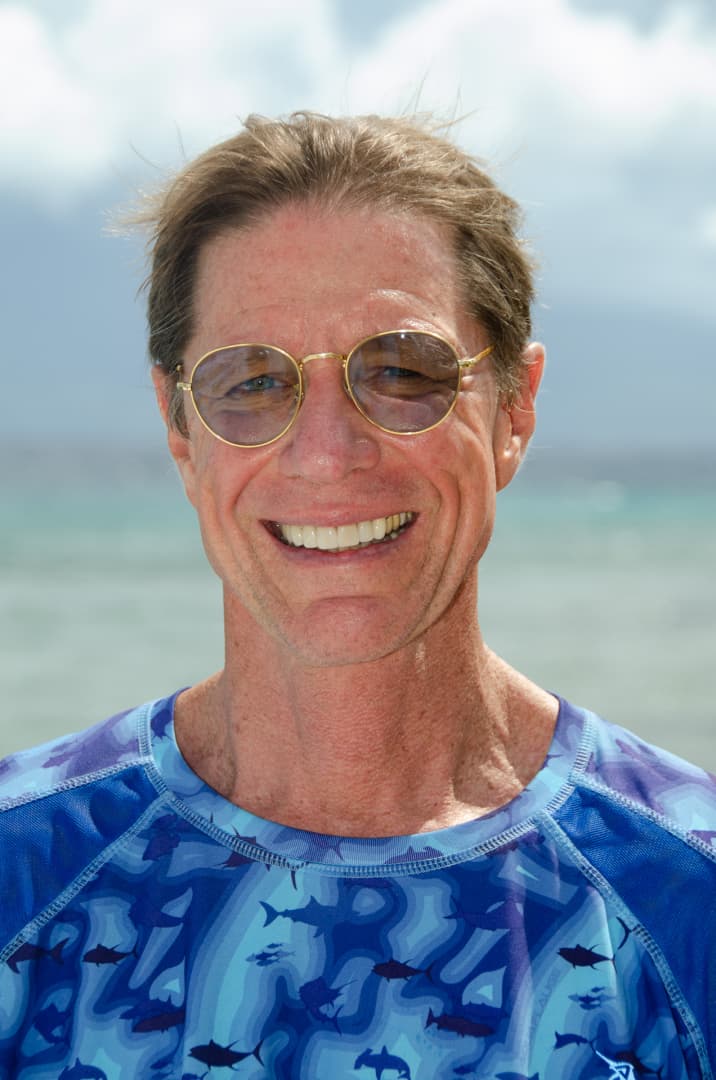
Mark Strickland
Mark Strickland’s life-long interest in the sea has included over 10,000 dives and careers as an ocean lifeguard, boat captain, and scuba instructor. His passion for underwater photography has led him to many top dive locales, including the Virgin Islands, Australia, and Thailand, where he spent 17 years as Cruise Director on a series of liveaboards. Mark now resides in Ventura County, California.
An avid marine naturalist, Mark has discovered several nudibranch species. He is co-author and principal photographer for Lonely Planet’s award-winning book, “Diving and Snorkeling Thailand”, and his work appears in many magazines, books, and displays around the world. Mark's editorial credits include Action Asia, Alert Diver, BBC Wildlife, National Geographic World, Natural History, and most major dive publications.
-optimized.webp&w=640&q=75 "Moorea Trip Recap August 2026")