Botswana Safaris & Wildlife Travel
Expert advice on diving,
seasons, and logistics
Free planning help
when you’re ready to book
Exclusive dive packages
tailored for you
-optimized.webp&w=3840&q=75 "Botswana Safaris & Wildlife Travel - image")
-optimized.webp&w=3840&q=25 "Thumbnail 1")
-optimized.webp&w=3840&q=25 "Thumbnail 2")
-optimized.webp&w=3840&q=25 "Thumbnail 3")
-optimized.webp&w=3840&q=25 "Thumbnail 4")
-optimized.webp&w=3840&q=25 "Thumbnail 5")
-optimized.webp&w=3840&q=25 "Thumbnail 6")
-optimized.webp&w=3840&q=25 "Thumbnail 7")
-optimized.webp&w=3840&q=25 "Thumbnail 8")
-optimized.webp&w=3840&q=25 "Thumbnail 9")
-optimized.webp&w=3840&q=25 "Thumbnail 10")
Destination Highlights
Topside Activities
Botswana, South Africa – Introduction
Botswana at a Glance
When to go
Botswana really doesn't have a "bad" time, but it does have very different moods.
- May–August – dry, cool(ish), clear skies, wildlife steadily concentrating.
- September–October – hot and intense, but it's when animals are most tightly gathered on what water is left.
- November–March – green season: afternoon storms, newborn calves, incredible birdlife, some tracks turned to rivers.
Key regions
- Okavango Delta – slow water, lily-covered channels, palm islands and floodplains that come and go with the season.
- Chobe & Linyanti – classic river country: boats, sand tracks and more elephants than you thought existed in one place.
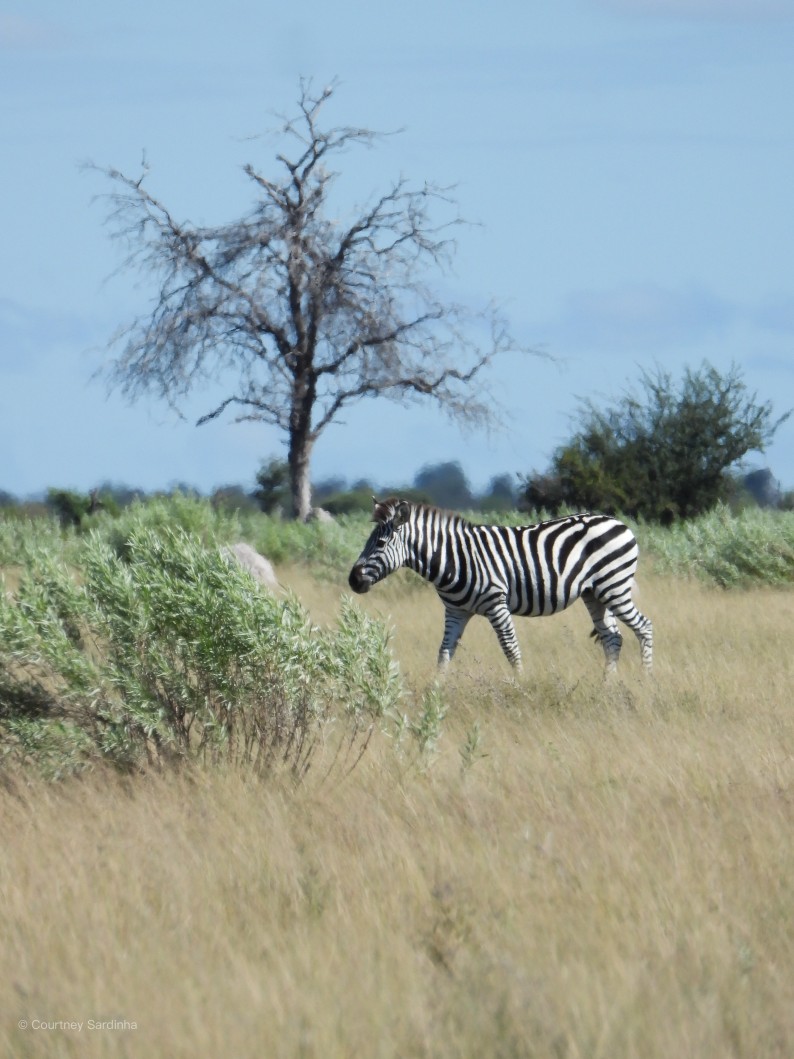
- Makgadikgadi & Nxai Pans – hard white pans, strange horizons, old baobabs and, when the rain behaves, zebras moving across the flats.
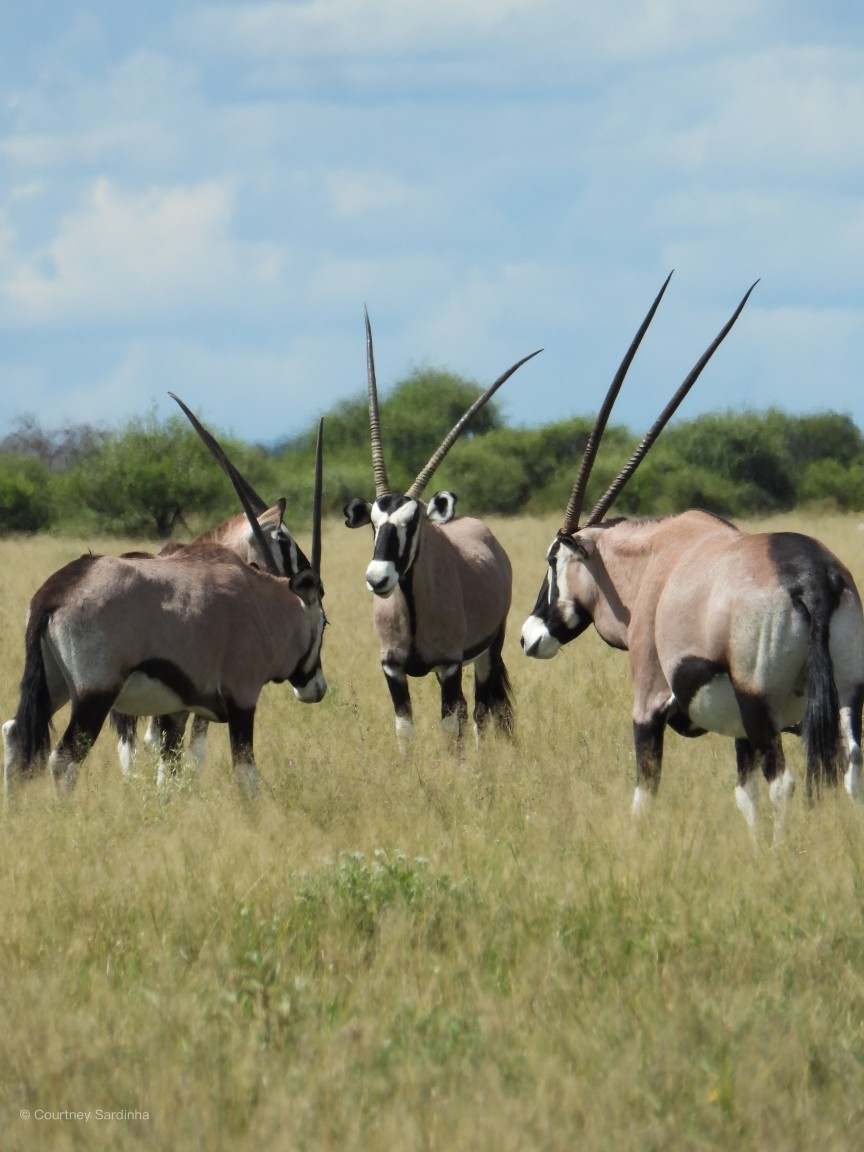
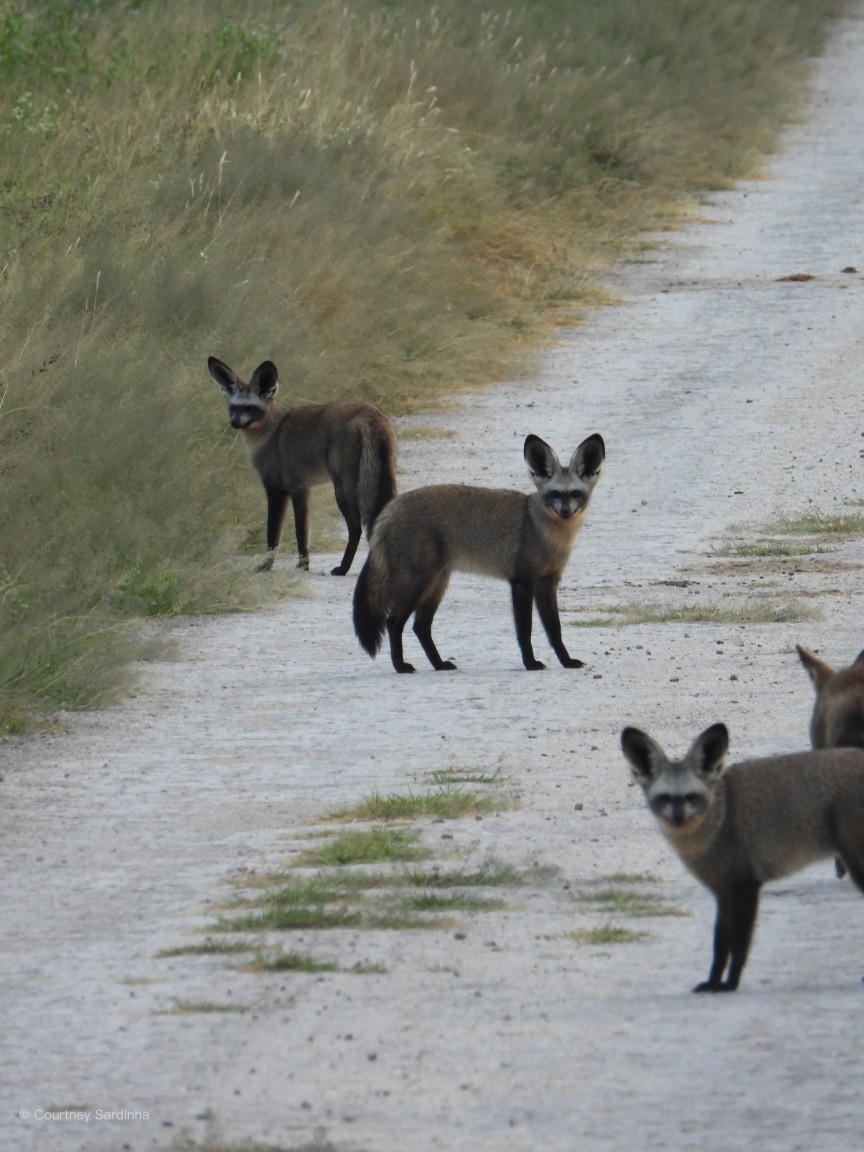
- Kalahari & CKGR – wide open spaces, low dunes, black-maned lions, gemsbok and little bat-eared foxes trotting along the tracks at dusk.
Wildlife "headline acts"
- Huge herds of elephants.
- Regular lion, leopard, cheetah and wild dog sightings in the right areas.
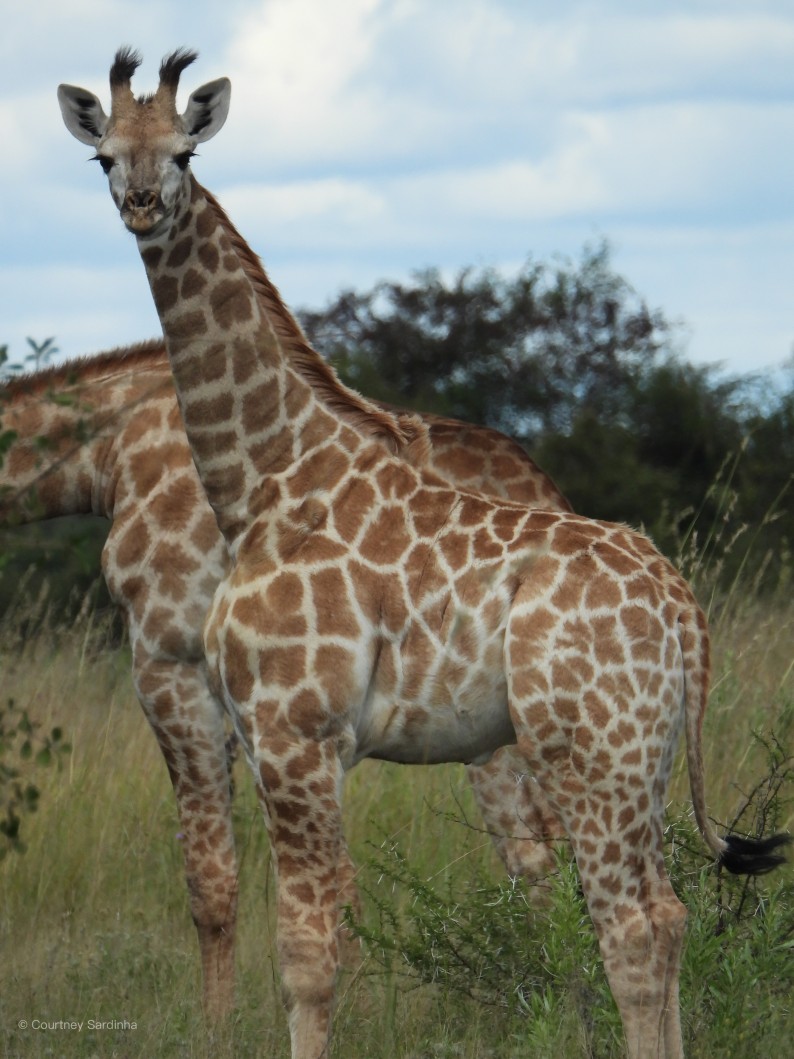
- Ridiculous numbers of plains game – zebra, wildebeest, antelope – plus raptors, owls, bee-eaters and more herons than you think possible.
- Seasonal Delta floods that literally redraw the map.
How you travel
- Small tented camps and lodges, often in private concessions.
- Classic lodge-to-lodge fly-in itineraries.
- Mobile or semi-mobile safaris if you want to follow the action and sleep out under canvas.
- Properly wild self-drive trips if you're happy being responsible for your own wheels, water and recovery gear.
Who it suits
- First-time safari guests who want quality over crowds.
- Repeat Africa travellers looking for something wilder than "big lodge + bar + nightly show".
- Photographers who care about vehicle numbers and light.
- Families with older kids who are comfortable being a long way from a shopping mall.
Where it fits with diving
With decent flight connections via Johannesburg, you can happily do:
- Botswana + Red Sea liveaboard.
- Botswana + Mozambique or South Africa coast.
- Botswana + an Indian Ocean island for a few sandy days before you go home.
Botswana Highlights
Botswana feels very honest. It doesn’t sugar‑coat anything. One morning you might be drifting through Okavango channels in a mokoro with dragonflies and waterlilies all around you; that afternoon you’re crawling along a corrugated sand road in the Kalahari thinking, “This is the roughest track I’ve ever driven and I still wouldn’t rather be anywhere else.”
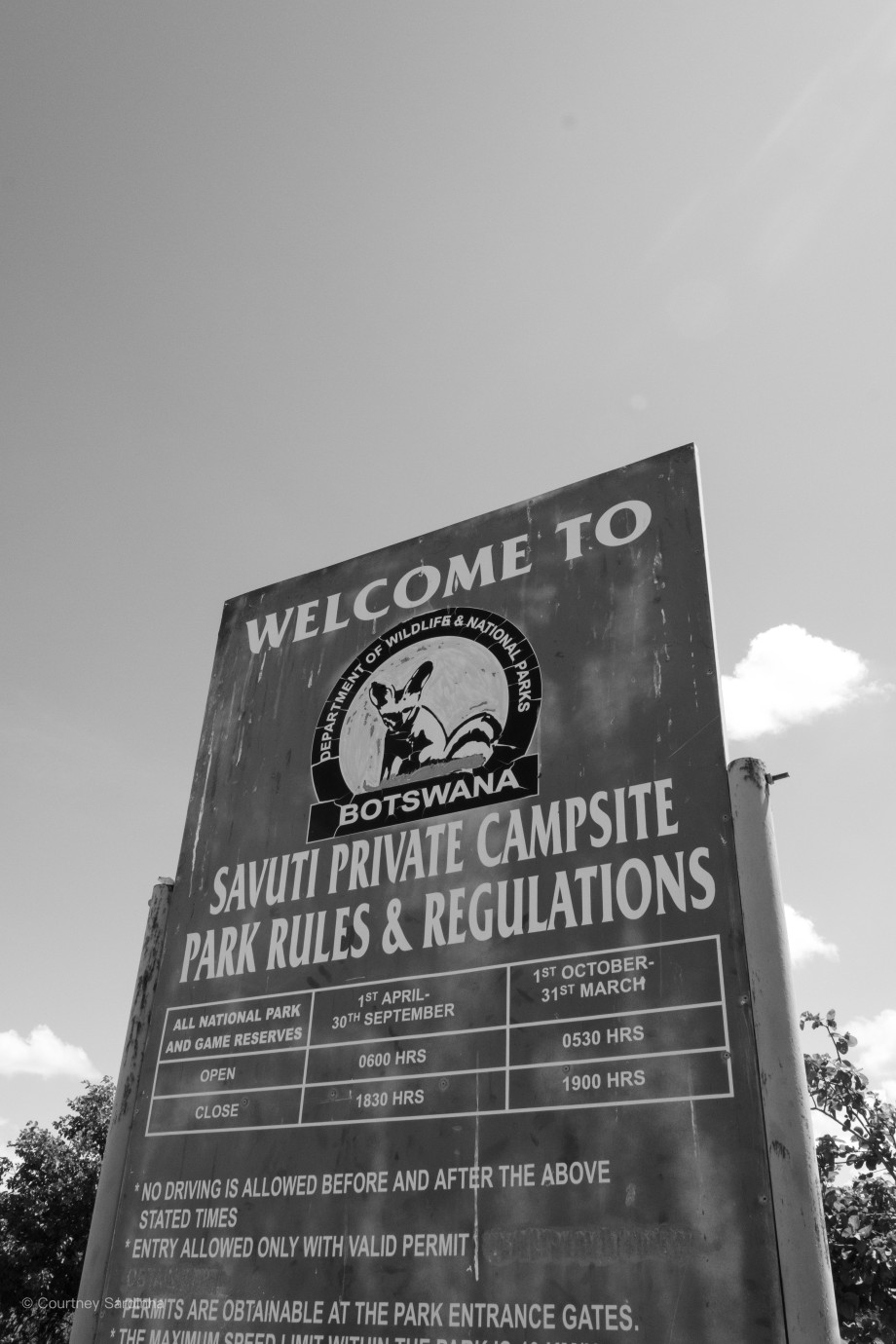
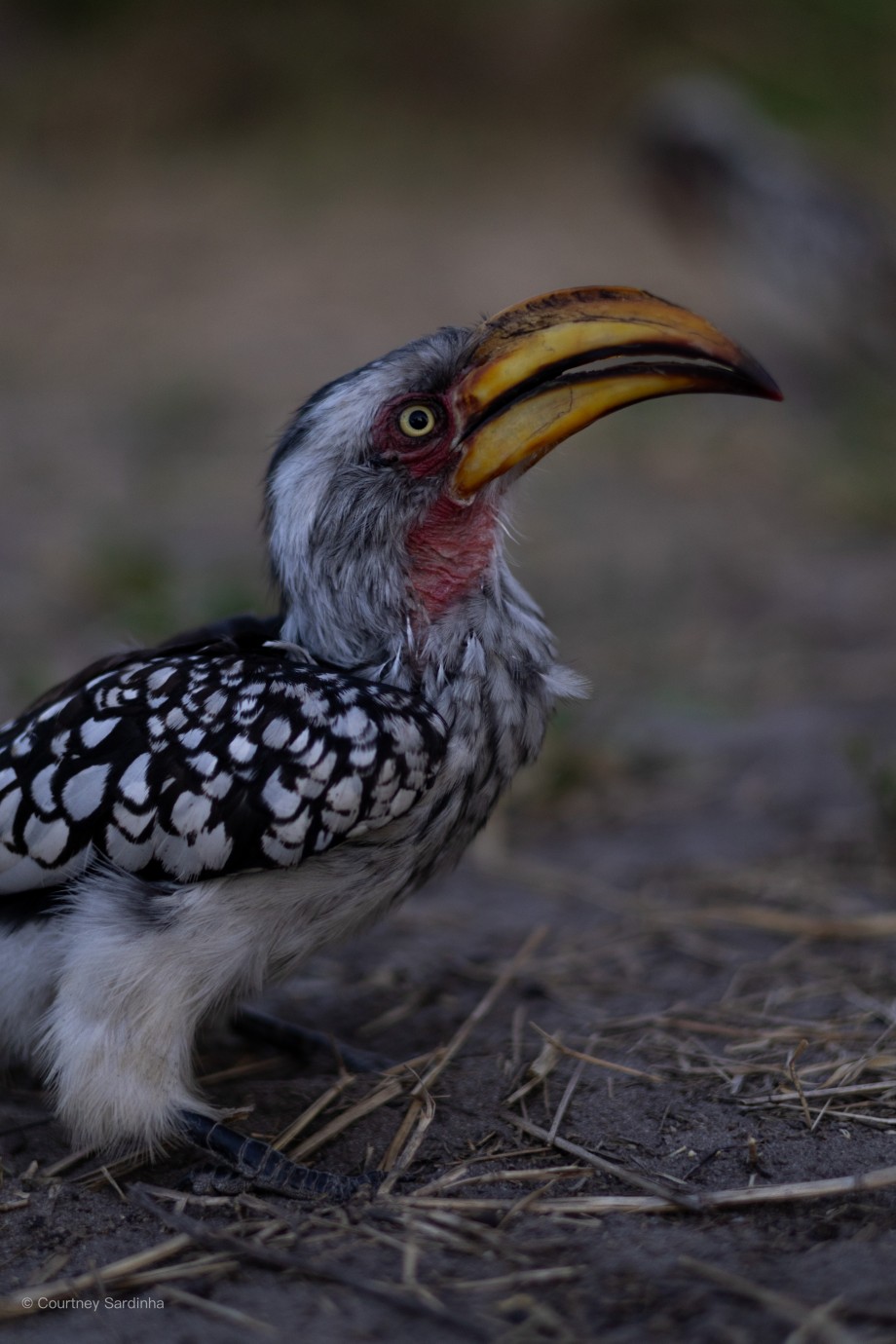
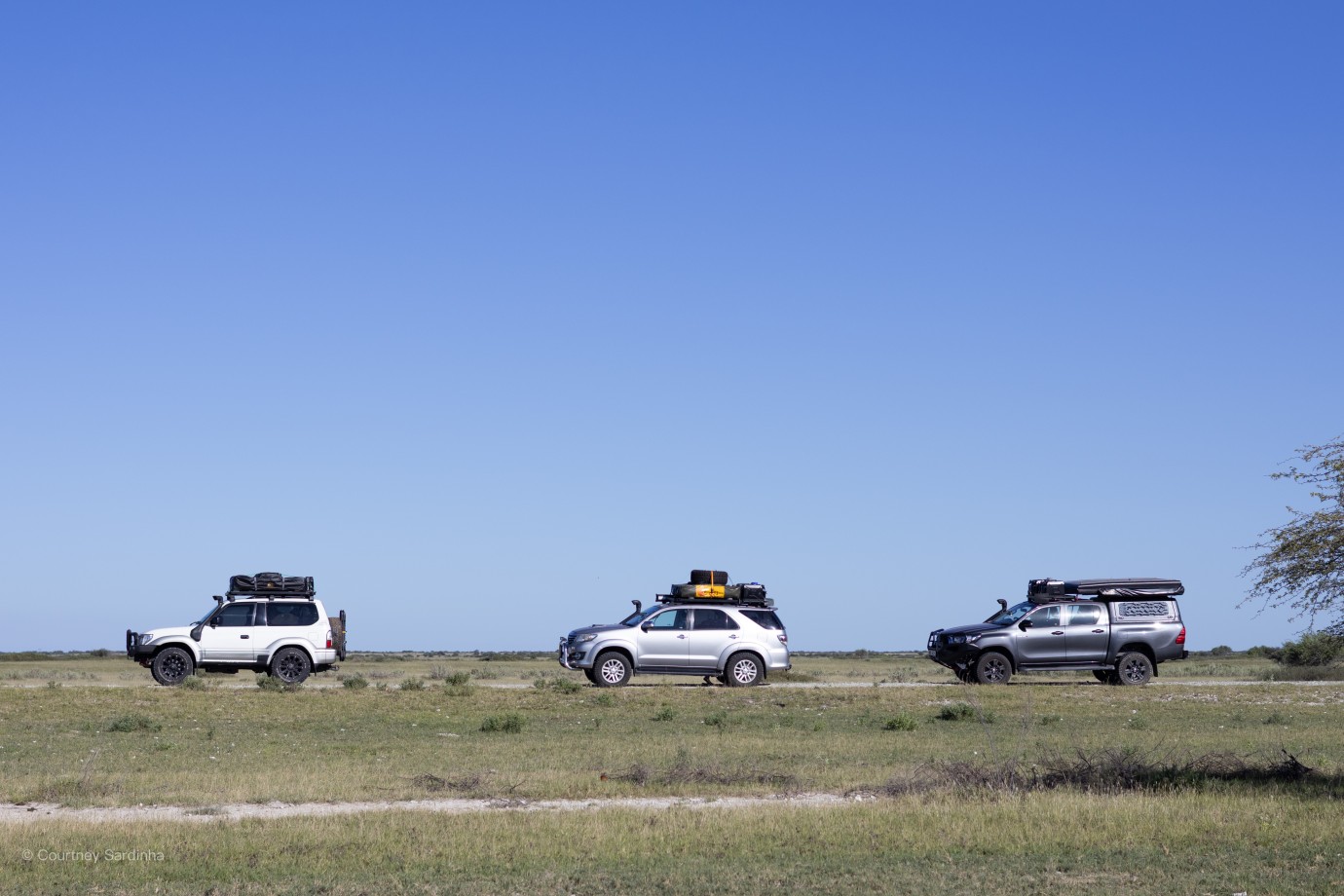
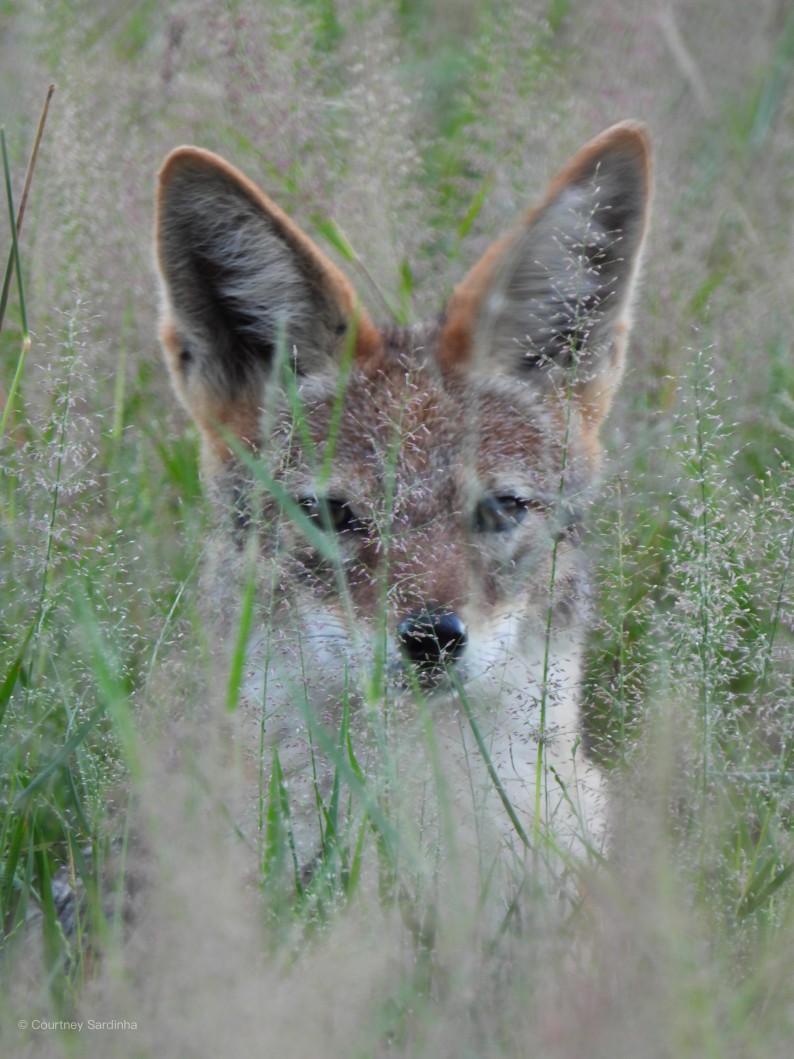
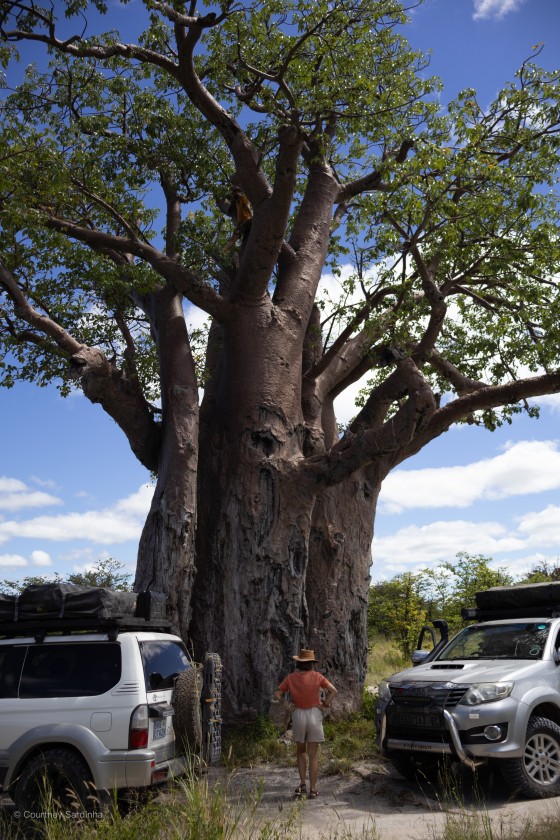
The mix of experiences is part of the appeal. In the Delta you’re moving at water speed: mokoro, small boats, listening to reed frogs and fish eagles, watching lechwe splash through flooded grass. In Chobe and Linyanti it’s all about long game drives and late‑afternoon river cruises with a cold drink while elephants file down to drink. Out on the pans you suddenly realise you’ve taken twenty photos of one baobab from slightly different angles because the light keeps changing and it never looks the same twice.
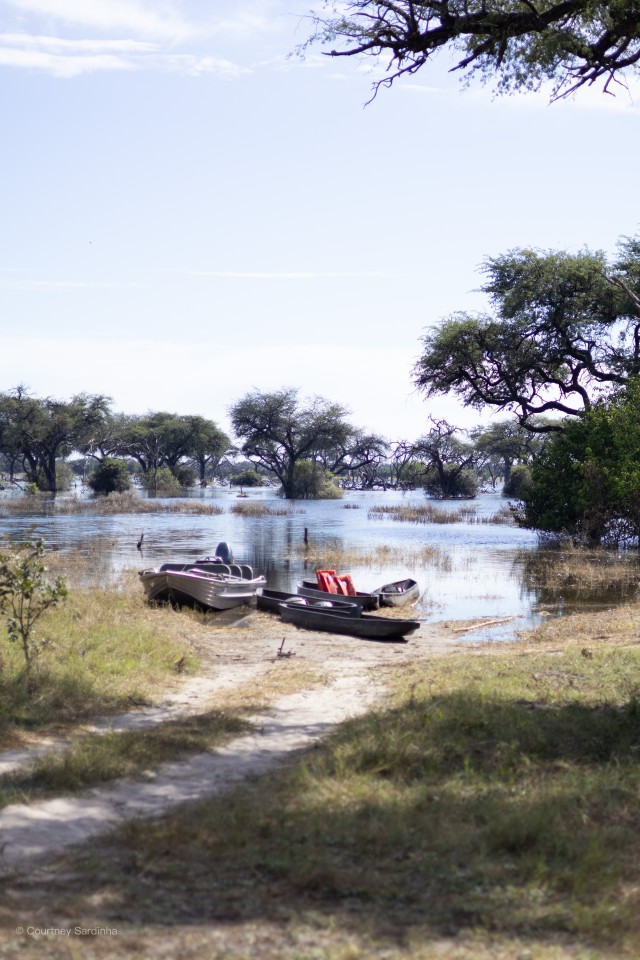
Courtney’s 21‑day overland Botswana trip in April 2026 is a good example of how the country behaves on its own terms. Roads vanished under floodwater. The famous dead‑tree camping area at Khwai was completely submerged – so instead of driving and camping between the trunks, she ended up gliding between them by mokoro at sunrise. In the Central Kalahari she fell asleep to lions roaring right next to camp. By the time the group reached Savuti and Ihaha, they’d learnt to treat the map as a suggestion and the weather as the real boss.
You can absolutely experience Botswana in comfort – lodge‑based safaris can be very spoiling – but even then you always have the sense that the wild is running the show.
"For 21 days we wild‑camped in some of Botswana’s most remote areas – Central Kalahari, Nxai Pans, Khwai and Chobe. We cooked breakfast at Deception Pan, patched diesel cans by the side of dusty roads, and fell asleep to lions roaring just beyond the firelight. By the time we reached Khwai, the famous dead tree forest was completely flooded; where people normally drive and camp, we were gliding through in a mokoro at sunrise. It was raw, dusty, occasionally uncomfortable and one of the most grounding trips I’ve ever done."
Who Botswana Really Suits (and Who It Doesn't)
It probably is for you if:
- You like the idea of watching elephants, not other vehicles.
- You enjoy boat safaris, mokoro trips and traditional game drives – not just one thing on repeat.
- You're happy to pay a bit more to be in places that feel empty, not crowded.
It might not be, if:
- You're trying to put together a super-cheap safari. Botswana has deliberately gone for fewer people paying more, and it shows in pricing.
- You hate the idea of small planes or bumpy 4x4 tracks – a lot of the best bits are reached by light aircraft and sandy roads.
- You really want nightlife, big restaurants and shopping alongside a short wildlife taster. In that case, Cape Town + a South African reserve is often a better match.
Key Safari Regions
5.1 Okavango Delta
The first time you fly into the Okavango you realise the maps don’t prepare you for it at all – it’s just water and islands and more water, sitting in the middle of what you’d expect to be dry country.
Depending on when you go, you’ll stay on islands hemmed in by floodwater or on slightly drier concessions with a mix of channels and plains.
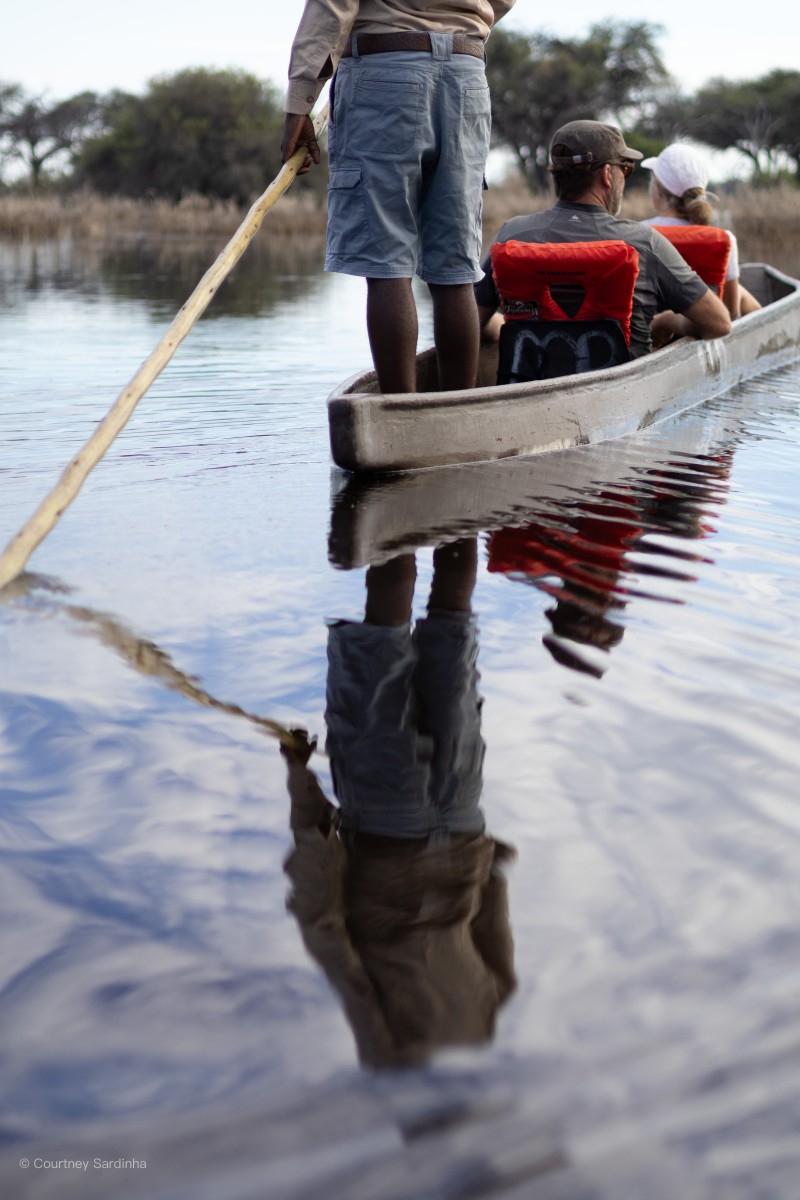
- What it's like – palm-dotted islands, papyrus channels, floodplains that mirror the sky at certain times of day.
- Activities –
- mokoro trips (the dug-out canoes you've probably seen in photos)
- small-boat cruises
- day and night game drives
- walks in some areas if you like the idea of tracking on foot.
- Wildlife & timing – elephants, red lechwe, hippos, lion, leopard, wild dog and an absurd amount of birdlife. June to October is the classic Delta window: floodwaters in, local rain out, animals pulled in towards water.
- Best for – first-timers who want that "this is exactly what I pictured Africa would look like" feeling, and photographers who like reflections, back-light and clean backgrounds.
5.2 Chobe & Linyanti
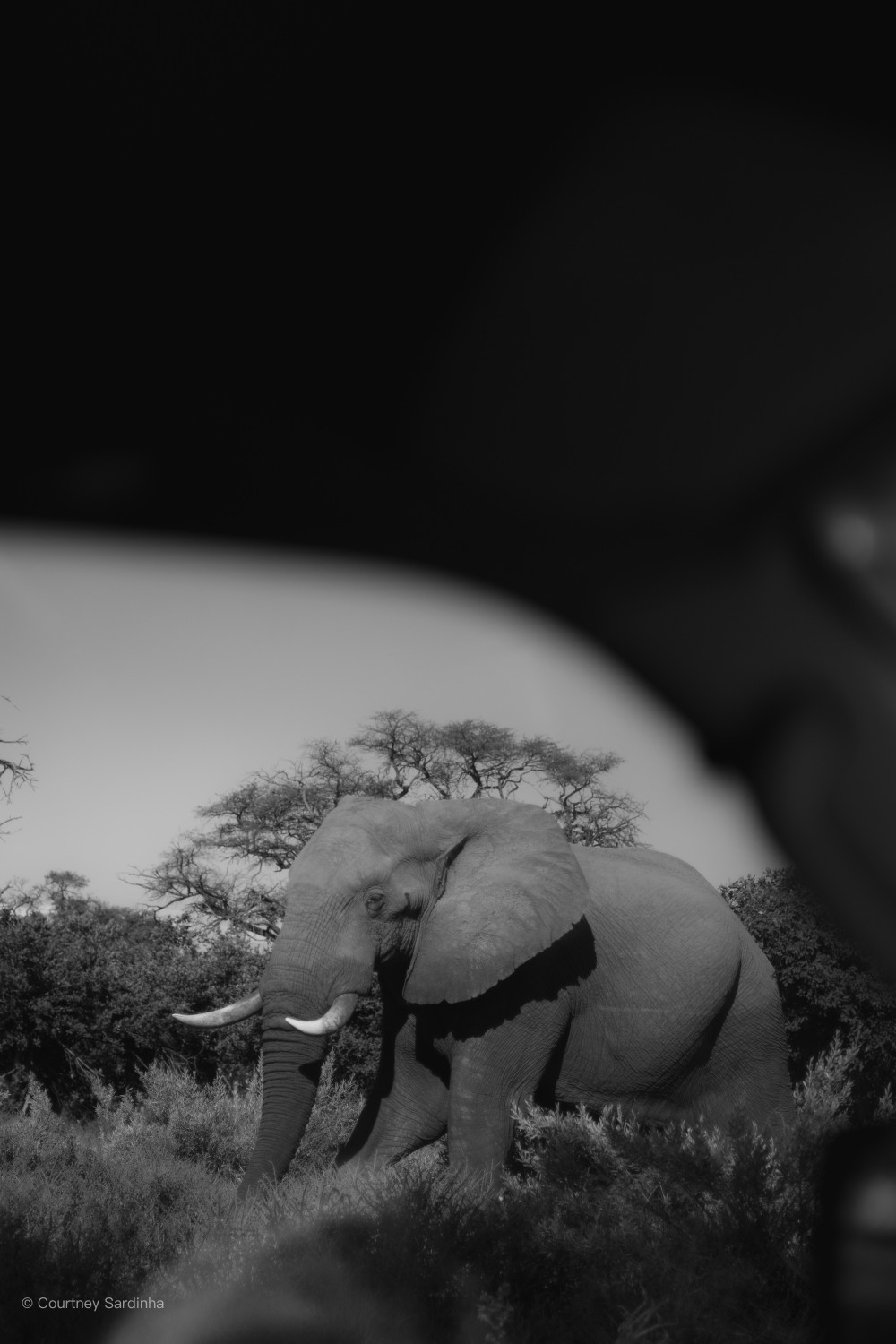
If you've ever seen pictures of a riverbank absolutely jammed with elephants, chances are it was Chobe. The riverfront near Kasane is busy and easy to reach, but it delivers: elephants, buffalo, hippo, crocodiles, and big herds of everything else lining the banks in the late dry season.
- Chobe Riverfront – great boat-based game viewing, particularly July–October. It's popular, so you're not alone, but the volume of game usually makes up for it.
- Linyanti / Selinda / Kwando – further west and more exclusive. You swap some of the river crowds for private concessions, fewer vehicles and very good chances of wild dogs and other predators. These areas come into their own from about June onwards, and stay interesting into the green season.
On the river in Chobe it's very easy to lose track of time – we once sat and watched a single elephant family drinking and swimming for so long that someone finally checked their watch and realised we were an hour behind schedule.
This is where a lot of people fall in love with elephants. You sit on the boat, watch them cross in front of you and suddenly an hour's gone.
5.3 Makgadikgadi, Nxai Pans and the Desert Side of Botswana
The pans and the Kalahari feel like a different country.
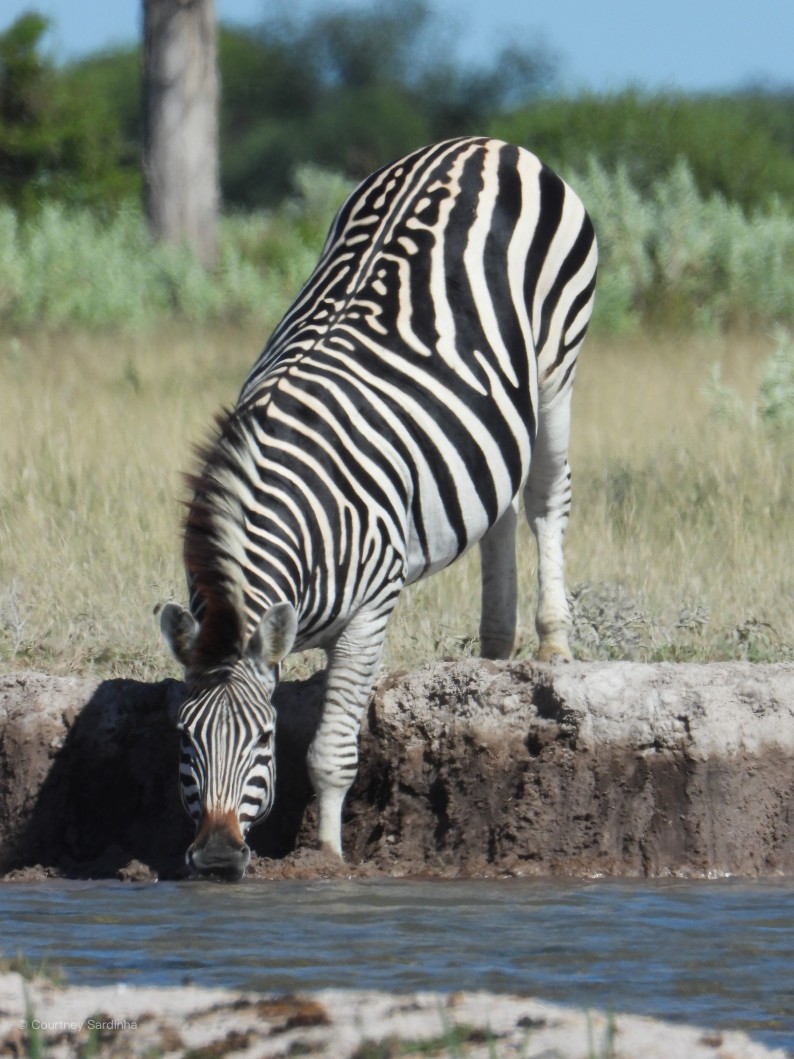
- Makgadikgadi & Nxai Pans – huge white salt pans, endless horizons and baobab "islands". In the dry months they can look almost lunar. With the rains, grass springs up, zebra herds arrive and the whole area feels completely different. Meerkats, kori bustards, secretarybirds and star-fall skies are part of the appeal.
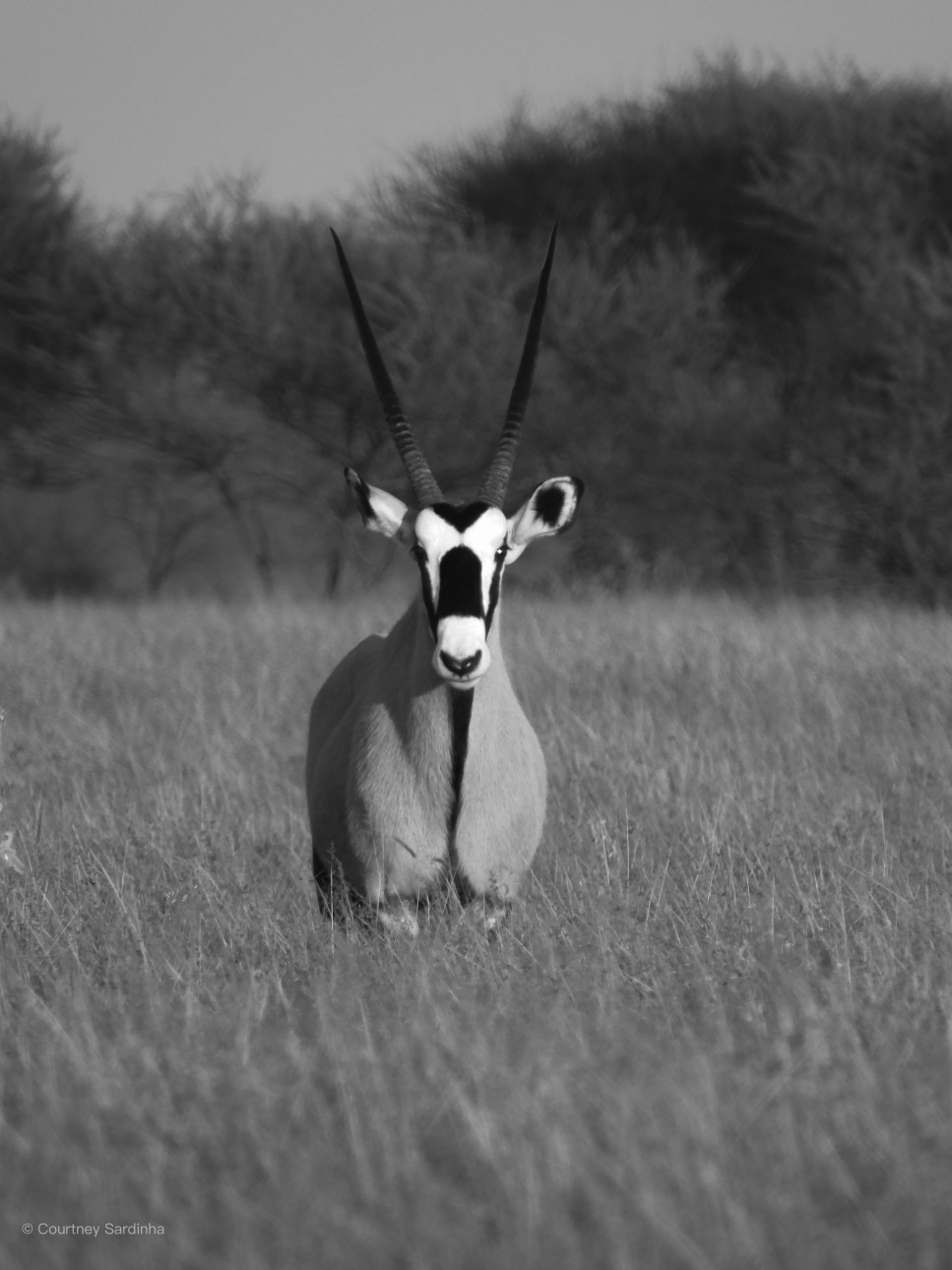
- Central Kalahari & surrounds – fossil river valleys, low dunes, thorny scrub and long, straight tracks. Courtney describes the CKGR as "dusty, dry, no water other than what we brought, long-drop toilets and a portable shower – and absolutely incredible." Black-maned lions, gemsbok, springbok, bat-eared foxes and brown hyena are some of the stars, especially after decent summer rain.
These southern and central areas are brilliant if you want to feel small in the best possible way – and they pair beautifully with a lush, green Delta or busy Chobe riverfront.
Safari Styles & How to Travel
6.1 Lodge-Based Safaris
A lot of Botswana itineraries look like a short chain of camps: three nights here, three nights there, with a small bush plane hop in between. You climb down onto a sand airstrip, your guide is waiting with an open vehicle, and from that point on your "commute" is basically a game drive.
- You unpack less, shower more and let other people worry about mud, flood levels and fuel.
- It's the easiest option if you're also juggling long-haul flights and maybe a dive trip either side.
- You still get that wild feel – most camps are tiny, there are no fences, and you eat dinner under the stars listening to whooping hyenas.
6.2 Mobile & Semi-Mobile Safaris
A mobile safari is a camp that moves with you. Sometimes that's a very simple dome-tent setup and a camp crew; sometimes it's a seriously comfortable tent that just happens to change location every few days.
- The big benefit is flexibility. You can follow where the action is, linger longer in a productive valley, or focus on a migration route.
- They often use private or exclusive-use campsites, so you may not see another vehicle for hours.
- They suit people who've already done a lodge safari and now want a little more dust and a lot more immersion – photographers, especially, tend to love them.
6.3 Self-Drive
Self-drive is where Courtney's story sits: 5,000+ km in an old Land Cruiser, rooftop tents, diesel jerry cans, Pratley's Putty patches and a healthy respect for how far the next fuel stop is.
- It can be the trip of a lifetime if you're set up for it and like being fully responsible for yourself.
- It is not, however, something we'd describe as "easy": the Central Kalahari, Nxai, Khwai, Savuti and Ihaha all require a proper 4x4, sand driving experience and a lot of pre-trip homework.
If you've never been before, we'll usually start you with a guided trip – either a lodge circuit or a mobile camp that moves with you. Once you've seen what the driving and distances are really like, then we can talk seriously about grabbing your own 4x4 and doing the wilder routes.
Best Time to Visit Botswana
Botswana in June and Botswana in February might as well be cousins rather than twins – the same place on paper, totally different feel on the ground.
May–August: Cool Dry
- Days are comfortable, nights can be properly cold, especially in the desert.
- Skies are clear, dust is low, and viewing gets easier as seasonal water starts to shrink.
- The Delta is usually filling nicely, making mokoro and boat trips a joy.
- A sweet spot for people who don't like extreme heat.
September–October: Hot, Dry and Intense
- This is Botswana turned up to 11. It's hot – no way around that – but you're paid back in sightings.
- Inland pans have mostly dried, so animals are bunched around rivers, pumped waterholes and floodplains.
- Chobe and Linyanti feel like an elephant documentary being filmed around you.
- Great if you're happy to trade some comfort for concentration.
November–March: Green Season
- Rains arrive as afternoon storms, turning the bush green almost overnight.
- Animals spread out because water is everywhere, so you may drive further between sightings – but what you do see can be very special.
- It's a paradise for birders and photographers who like dramatic skies, reflections and newborns.
- In some places, like Makgadikgadi/Nxai and parts of the Delta, green-season trips feel completely different to dry-season safaris – less "postcard Africa", more mood and texture.
Very rough guide for specific goals:
- Elephants & big concentrations – Chobe/Linyanti late dry season (Aug–Oct).
- Classic Delta flood scenes – usually June–September, varying by year and area.
- Zebra migrations & pans – green season around Makgadikgadi and Nxai in good rain years.
- Birding & storm-light – November–March, especially the Delta and Kalahari.
Sample Itinerary Ideas
These are just frameworks you can personalise.
7–9 days: Delta & Chobe Sampler
- 3–4 nights in an Okavango Delta camp – mix of water and land activities.
- 3–4 nights in Chobe riverfront or Linyanti concession – elephants, boat safaris, predators.
- Perfect if you've never been on safari and want Botswana's "greatest hits" without too many flights.
10–12 days: Delta, Linyanti & Kalahari
- 3–4 nights in the Delta.
- 3–4 nights in Linyanti / Selinda / Kwando.
- 3–4 nights in Central Kalahari or around Makgadikgadi / Nxai.
- Gives you water, predators and desert in one loop – and a sense that Botswana is really several different countries wearing the same passport.
Conservation & Park Rules
People throw the phrase "high value, low volume" around a lot with Botswana, but what you actually notice as a guest is smaller camps, fewer vehicles at sightings and a lot of empty space between you and the next lodge.
On the ground that looks like:
- Most camps having only a handful of rooms or tents.
- Limits on how many vehicles can view a sighting in certain concessions.
- Guides who will move on if it's clearly stressing an animal, even if the photo would be amazing.
The basics:
- Don't ask guides to push too close or block an animal's path.
- Keep the noise down at sightings.
- Assume drones are a no: in and around parks and concessions they're usually banned unless you've jumped through serious permitting hoops.
- On self-drive, stick to established tracks; cutting across pans or wet ground does long-term damage.
The operators you choose really do make a difference to both your trip and the places you're visiting.
Travel Information
How to Get There
Most international travellers route via Johannesburg or Cape Town. From there:
- Fly into Maun for Okavango Delta, Kalahari and many central or northern itineraries.
- Fly into Kasane for Chobe Riverfront and easy access to Victoria Falls.
- You can also connect between Maun and Kasane on internal flights if you're looping.
If you're heading for the Delta, the Kalahari or most of the northern circuit, you'll almost certainly pass through Maun at some point – it's the little aviation hub that most of the bush flights fan out from.
How to Move Around
On lodge safaris you'll typically:
- Fly by light aircraft from Maun or Kasane into the bush, landing on gravel strips.
- Transfer to camp by open 4x4 or boat.
- Fly between camps if they're far apart.
Those neat little lines on the map are deceptive – a "quick" 150 km can swallow most of the day once you factor in deep sand, elephants on the track and stopping for photos. Crossing into Namibia, Zambia, or Zimbabwe to add the Caprivi or Victoria Falls isn't difficult, but it's something you want booked and confirmed before you land rather than figuring it out from a roadside sign.
On self-drive or mobile trips, distances that look short can turn into full days once you're dealing with sand, water and "African time"
Botswana Safari FAQs
Is Botswana a good choice for a first safari?
If you've got the budget and you like the idea of fewer people and more space, it's hard to beat as a first safari. You get strong guiding, excellent wildlife and you're not constantly parked in a line of vehicles at every sighting.
How many nights, and in how many areas?
A week in Botswana disappears fast. We'd rather see you do around ten nights and three well-chosen areas than try to cram everything into five days. As a rule of thumb, two nights in a camp feels rushed, three is comfortable, and four is where you start recognising individual elephants.
How does the cost compare to Kenya, Tanzania or South Africa?
In very broad strokes, Botswana tends to sit above many Kenya or Tanzania trips on price, because you're paying for remoteness and small camps. South Africa covers the whole spectrum, from relatively affordable self-drive reserves to eye-wateringly smart private lodges.
Is Botswana family-friendly?
Many camps are, especially for children over about 8–10, but it's not Disney. Distances are real, days can be long and there's no popping to the shops if someone forgets their favourite cereal. That said, if your kids love animals and being outdoors, it can be special in a way that sticks with them for life.
What camera gear should I bring?
If you're not a dedicated photographer, a zoom in the 70–300 mm or 100–400 mm range plus a wider lens for landscapes is perfect. If you are more serious, tell us – we can steer you towards camps and seasons where vehicle etiquette and light suit more considered shooting.
Can I combine Botswana with a dive trip?
Absolutely. A few well-worn combos:
- Red Sea liveaboard → Johannesburg → Botswana.
- Mozambique or South Africa diving → Botswana → home.
- Botswana → Maldives / Seychelles / Mauritius for a "safari then sand" finale.
We can help you line up the dates so you're not losing days in transit.
Practical Information
- Currency: Botswana Pula (BWP).
- Language: English is widely spoken; Setswana is the national language.
- Time zone: UTC+2 (no daylight saving).
- Electricity: 220–240 V; plugs vary, so a universal adapter is handy. Some camps have charging points for cameras and devices.
- Health: Standard travel vaccines should be up to date. Always check current advice with your doctor.
- Safety:
- In camps, listen to briefings. If they say "don't walk around at night without an escort", they mean it.
- On self-drive, don't walk up to animals, don't drive off established tracks and don't attempt deep water crossings unless you really know what you're doing.
Plan Your Botswana Trip
Botswana is not a "wing it when you land" destination. Camps book out early, flood levels change year to year, and the best mix of areas depends a lot on whether you're more excited by elephants on the river, lions in the Kalahari, mokoro in the Delta – or all three.
Our safari team has lived and travelled extensively in southern Africa, and Courtney's recent 21-day overland journey through the Central Kalahari, Nxai, Khwai and Chobe adds a very real, boots-in-the-dust perspective to our planning.
If you'd like help working out:
- which regions suit you,
- how many nights you really need, and
- how to dovetail Botswana with your dive plans,
drop us a line at info@bluewaterdivetravel.com with the subject "Botswana safari planning", or send a request through our enquiry form. We'll talk through what you want to see, what kind of travel you actually enjoy, and build something that feels right for you.
Author


Chris Haysey
I’m Bluewater’s SEO and Content Manager, focused on growing our organic traffic and turning divers’ online research into real trip enquiries. I develop and execute our SEO strategy, manage our content calendar and freelance writers, and make sure our destination guides, blogs and trip pages perform well in search while staying accurate and genuinely useful for divers.
Originally from the UK, I’ve spent much of my adult life living and working overseas, including Greece, Türkiye, Egypt, and across the Caribbean in Antigua, Margarita in Venezuela, Bonaire, Aruba, Curaçao, St Lucia and now Barbados. In my twenties and thirties I travelled as a professional watersports instructor and centre manager, running windsurfing, kitesurfing and sailing operations for hotels and specialist resorts before setting up and managing my own award‑winning watersports businesses in St Lucia and later in the UK.
Alongside this hands‑on watersports career I’ve held senior marketing roles for a variety of companies, from motorsport teams to outdoor activity centres and travel training providers. At Bluewater, I draw on this mix of practical experience and digital marketing know‑how to develop content that reflects real destinations, real dive conditions and real guest expectations. When I’m not working on the website, you’ll usually find me windsurfing, kitesurfing, diving or exploring new coastlines on a paddleboard or mountain bike.