




Sea of Cortez 2025 Trip Report
Trip Leaders: Nirupam Nigam & Gill Flaherty
Nirupam’s camera gear: A Nikon Z5 II camera in an Ikelite Z5 II housing with dual Ikelite DS 165 strobes, a Nikon Z 105mm macro lens, a Nikon F 8-15mm fisheye lens, and a Marelux SOFT Lite snoot.
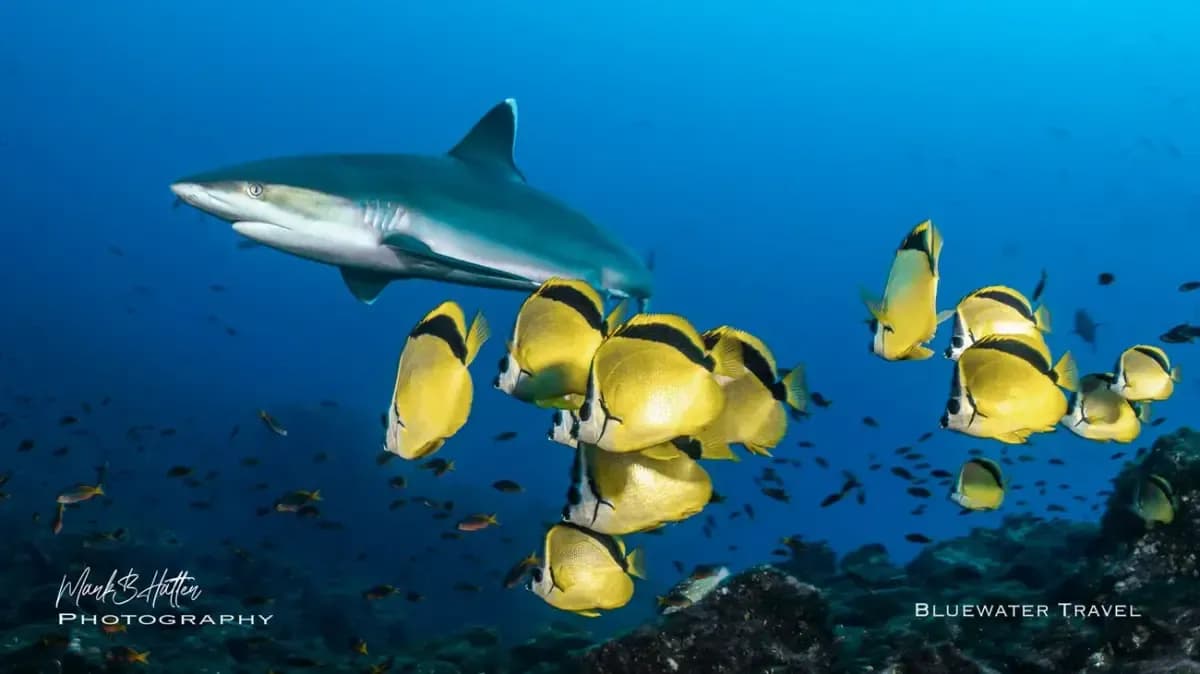
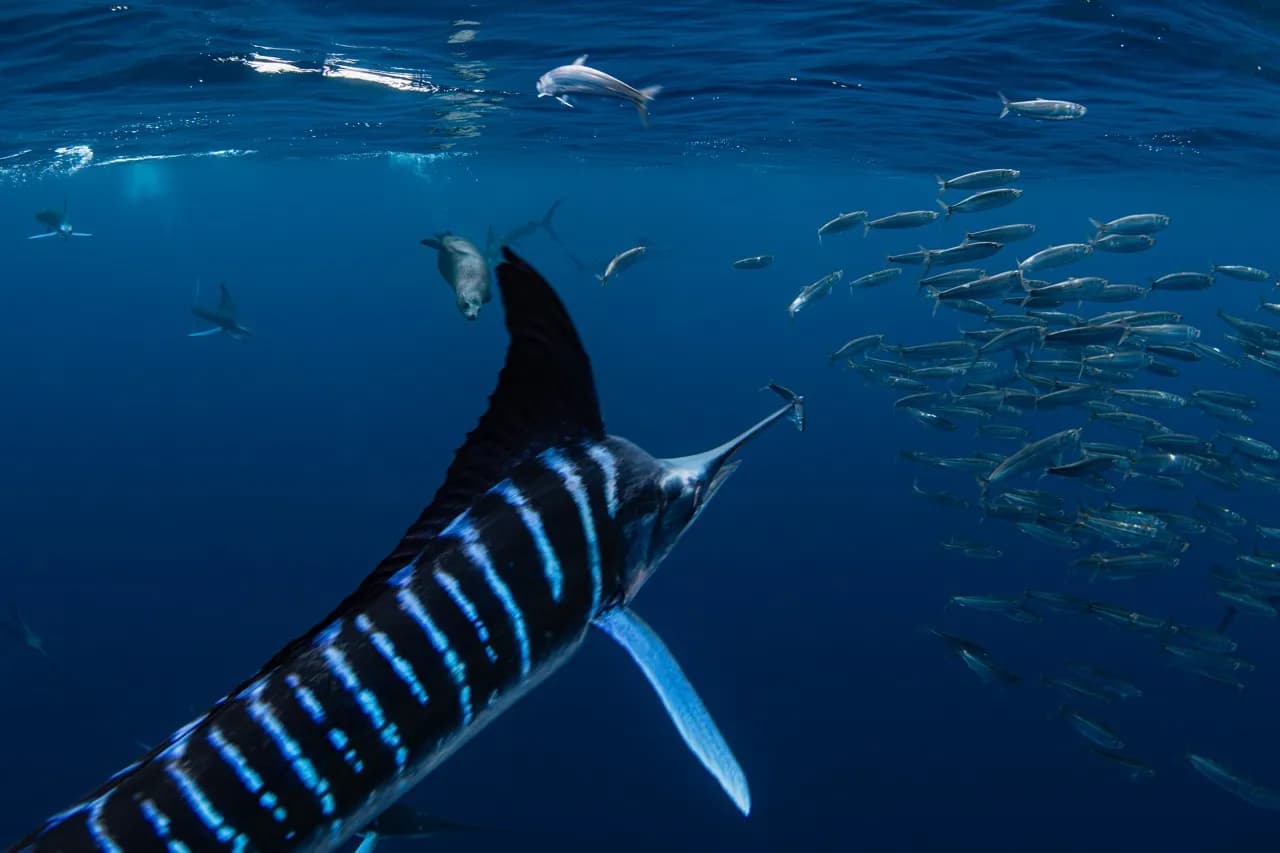
Few destinations on this planet exude pure isolation. Yet in the backyard of every North American is the Sea of Cortez – a warm sea hemmed by desert mountains, where silence stretches from sun-baked cliffs to warm, teal water. A dive trip here brings you to a world of contrast: calm seas that can turn tempestuous in an instant, endless schools of iridescent fish, the playful chaos of sea lions breaking the solitude, and the elegant glide of a behemoth whale shark.
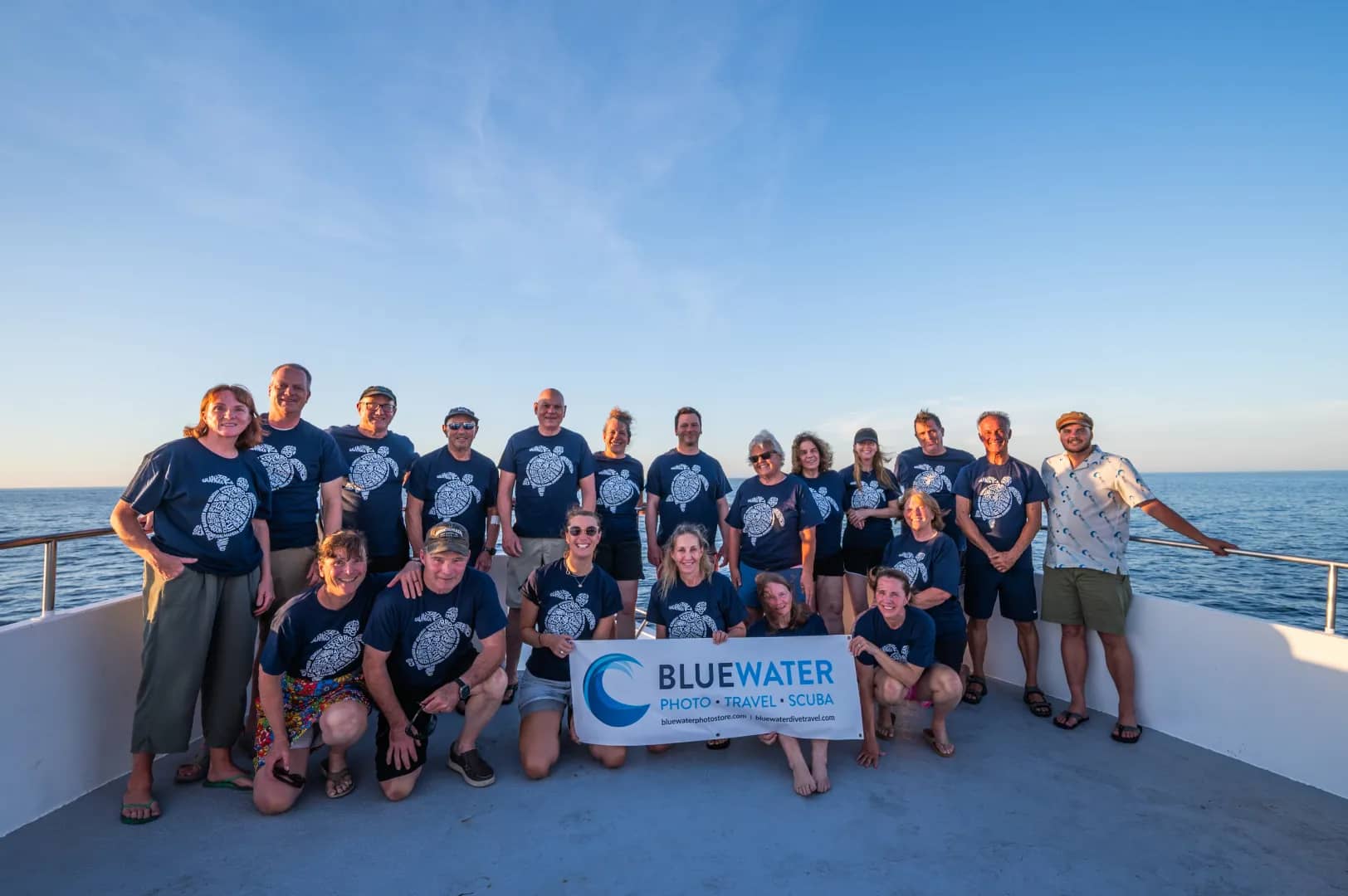
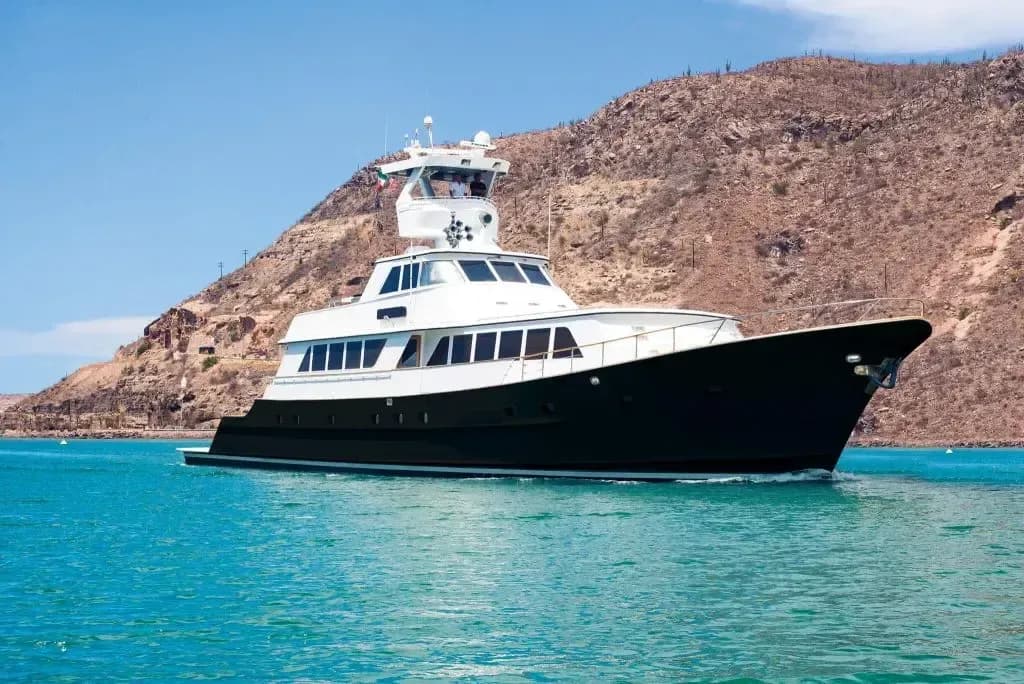
This year, 18 intrepid Bluewater travelers set out on an unforgettable journey from Phoenix — crossing the scorching Arizona desert, braving a flash flood at the Mexican border, and finally boarding our home for the week, the Rocio Del Mar liveaboard. From there, we cruised into the heart of the Sea of Cortez, one of the most biodiverse marine environments on the planet, in search of sea lions, nudibranchs, jawfish, blennies, whale sharks, and pure adventure. Trip leaders Nirupam and Gill guided the way, hosting daily photo workshops to help guests sharpen their camera skills while ensuring every step of the voyage was safe, smooth, and full of fun.
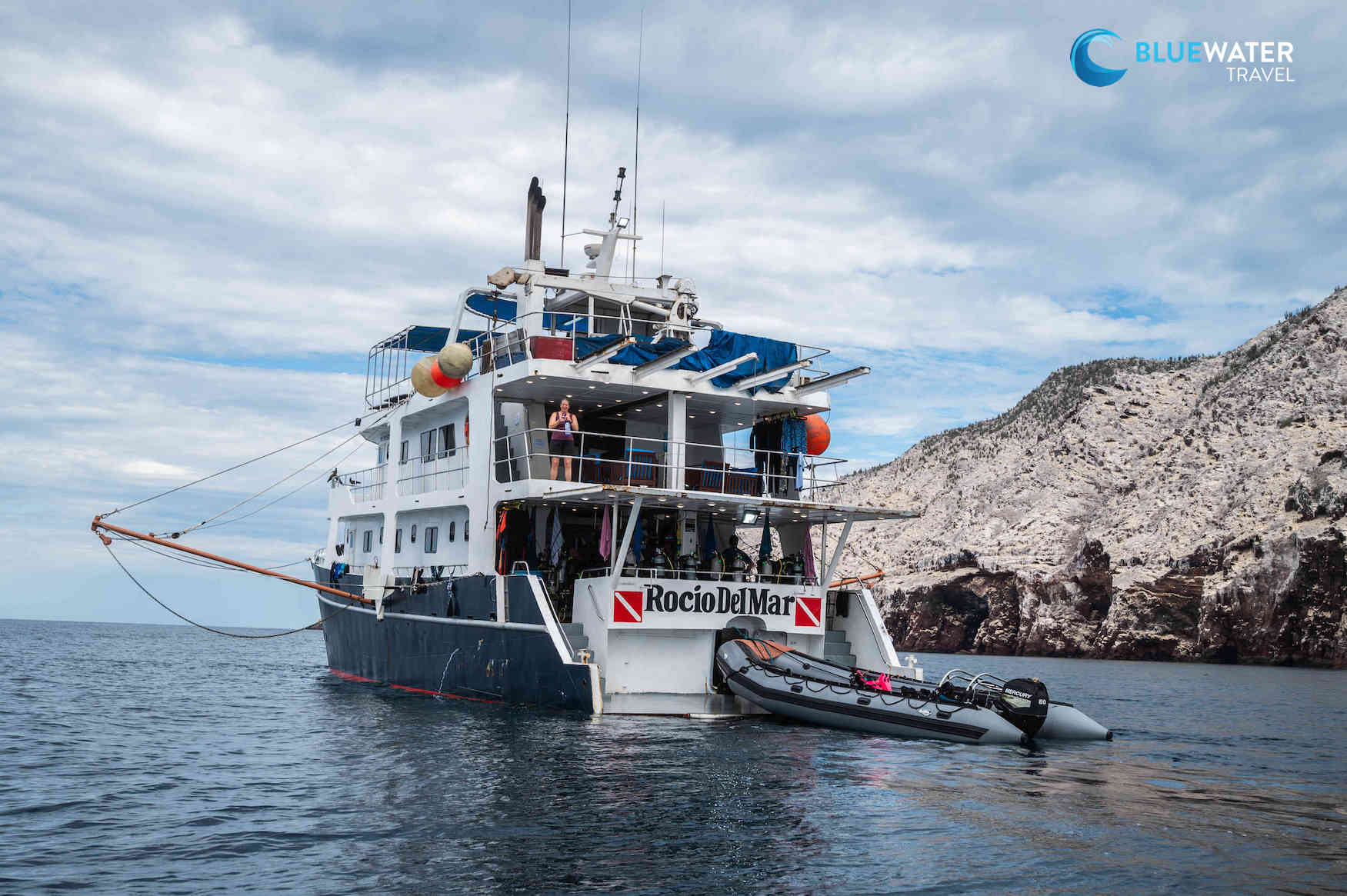
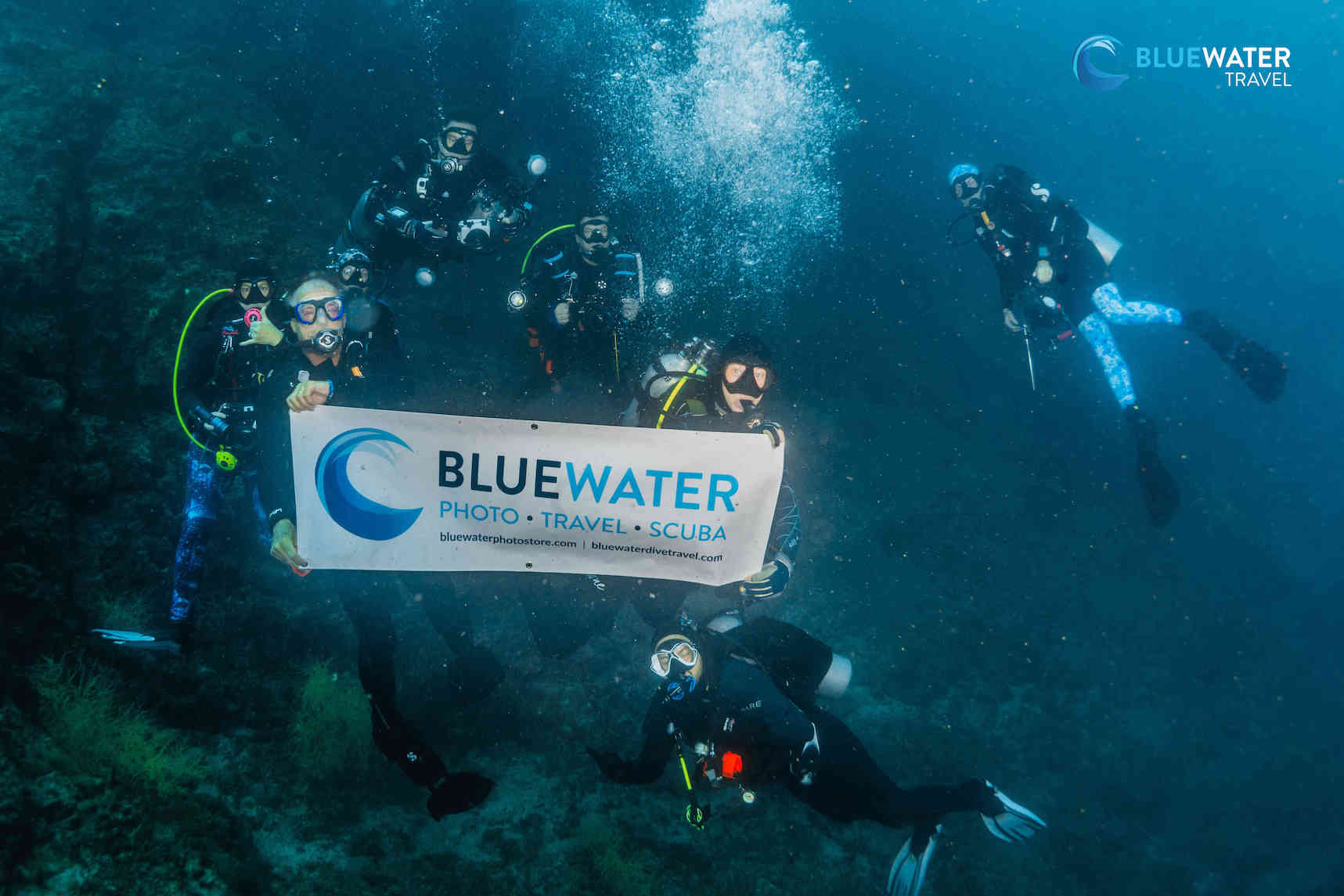
(L) The Rocio Del Mar – Our Vessel for our Bluewater Travel Photoworkshop. (R) Our earnest attempt at an underwater group photo!
Angel de la Guardia – Blenny and Octopus Heaven
Days 1 & 2
Our adventure began in the Northern Sea of Cortez, where we crossed choppy seas left over from a recent flash flood. Despite a little seasickness, the water calmed as we reached our first destination: Angel de la Guardia. The island towered over the sea, its red striated rock and dramatic cliffs carved into striking faces.
We divided our group of adventurers into three dive teams, and I was fortunate to dive with each. The dive deck was cleared so everyone had plenty of room to set up our scuba gear. Then, group by group, we hopped into the pangas and skimmed across a glassy sea to our first site.
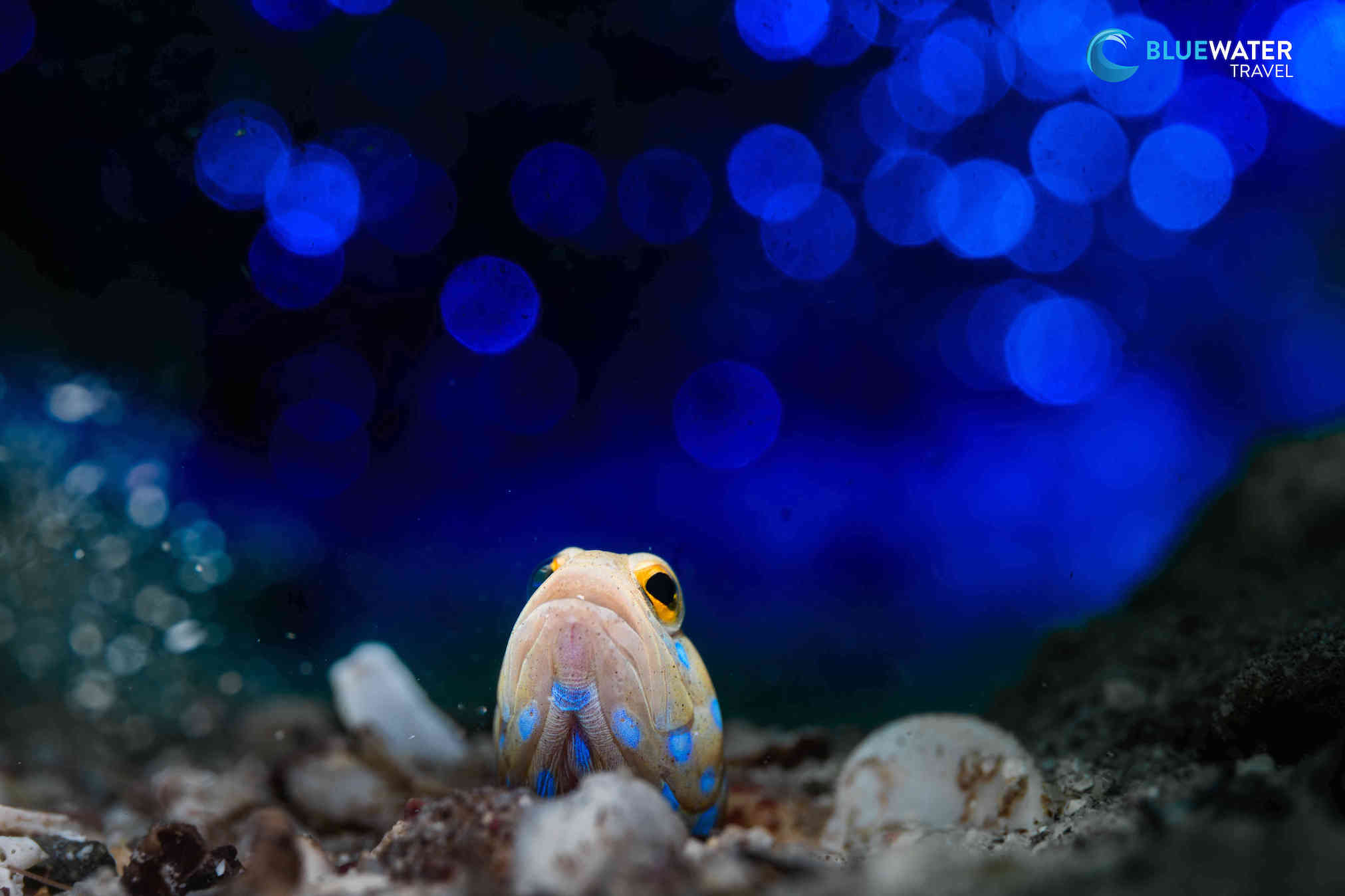
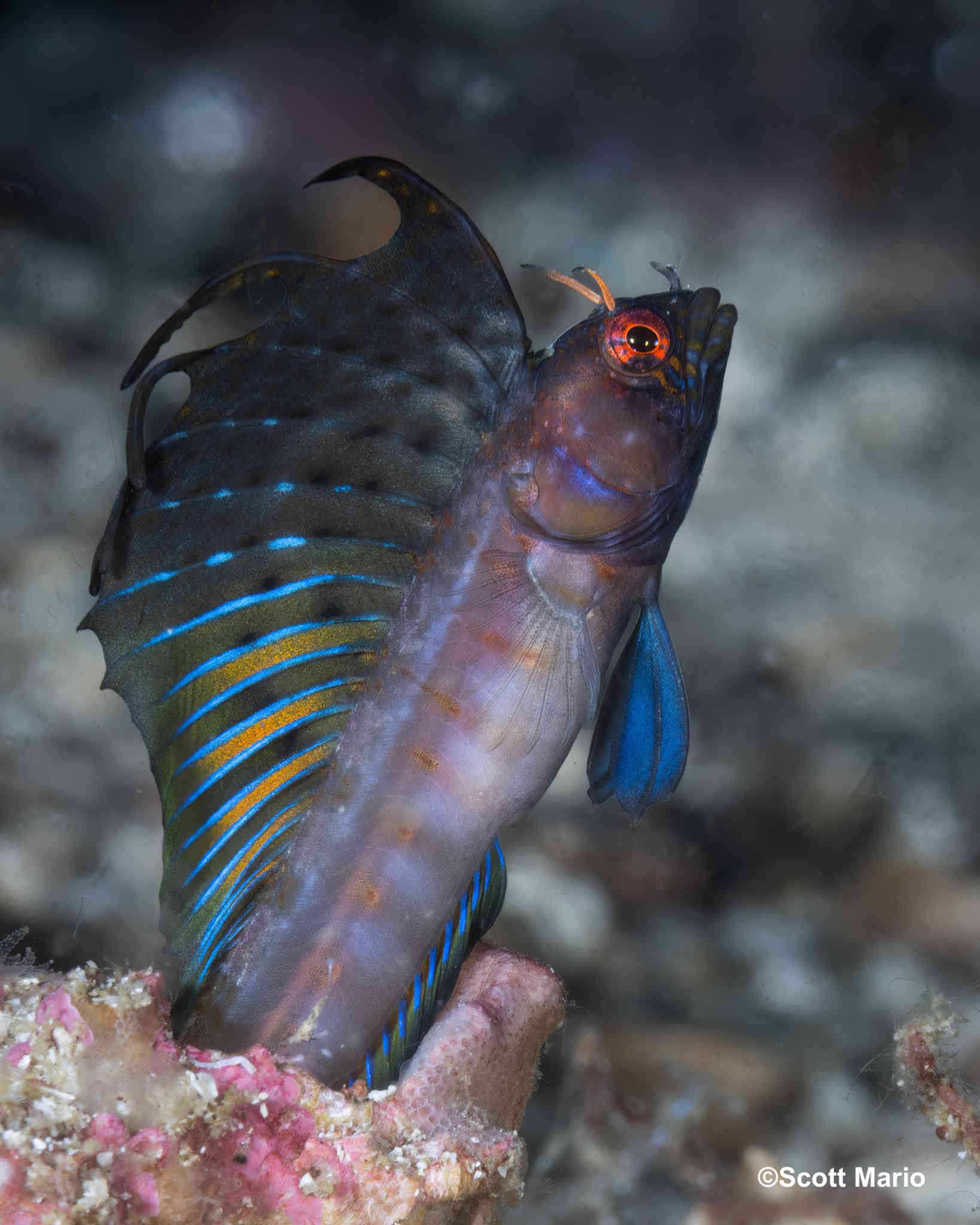
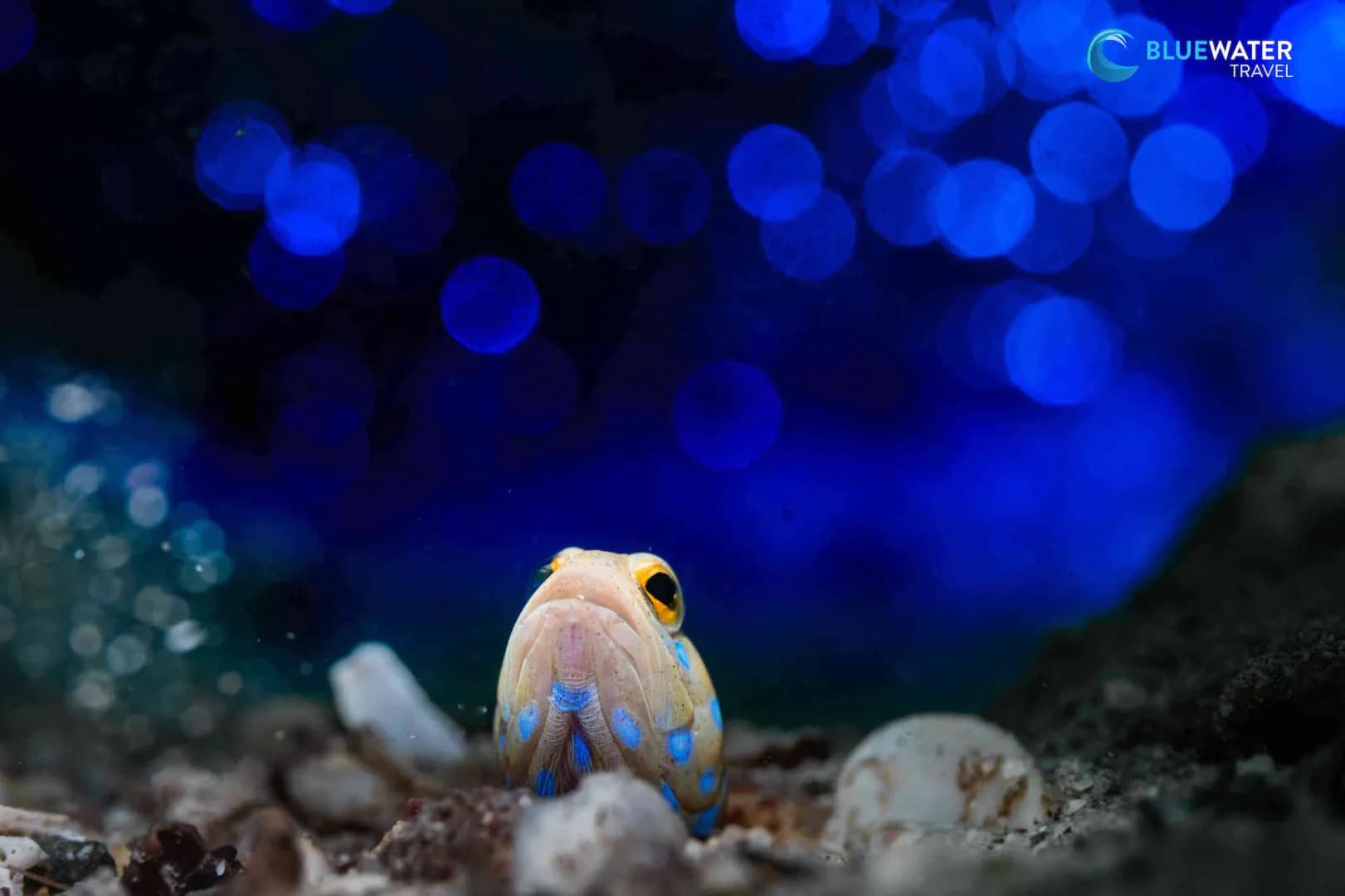
(L) A bluespotted jawfish photographed with the Nikon Z5II in an Ikelite housing with the Marelux Artemis 4500 for backlighting. We used steel background to get a round bokeh that matched the spots on the fish. (R) The winner of our casual underwater photo contest. A signal blenny photographed by Scott Mario.
After a short five-minute ride, we coordinated our first backroll entry and broke the surface of warm, 83-degree water. Los Nidos, our checkout dive, offered little current—perfect for dialing in buoyancy and testing strobes. Descending the slope, we spotted the hidden jewels of the Sea of Cortez: blue-spotted jawfish. White-bodied males darted in and out of their burrows like “whack-a-moles,” while golden-headed females peered curiously at us.
It didn’t take long for the photographers to go “all in.” I set up underwater macro “studios” with creative tools like colored backlights (Marelux Artemis 4500) and steel wool to produce blue bokeh highlighting the jawfish’s electric blue spots. These little fish are quick, so we practiced finding the correct autofocus modes and careful approaches.
After a productive dive, we gathered for breakfast on the bow of the Rocio Del Mar. With Joshua as our chef, every meal was five-star—ranging from seared tuna to the boat’s famous tacos, a delicious mix of Mexican and American classics.
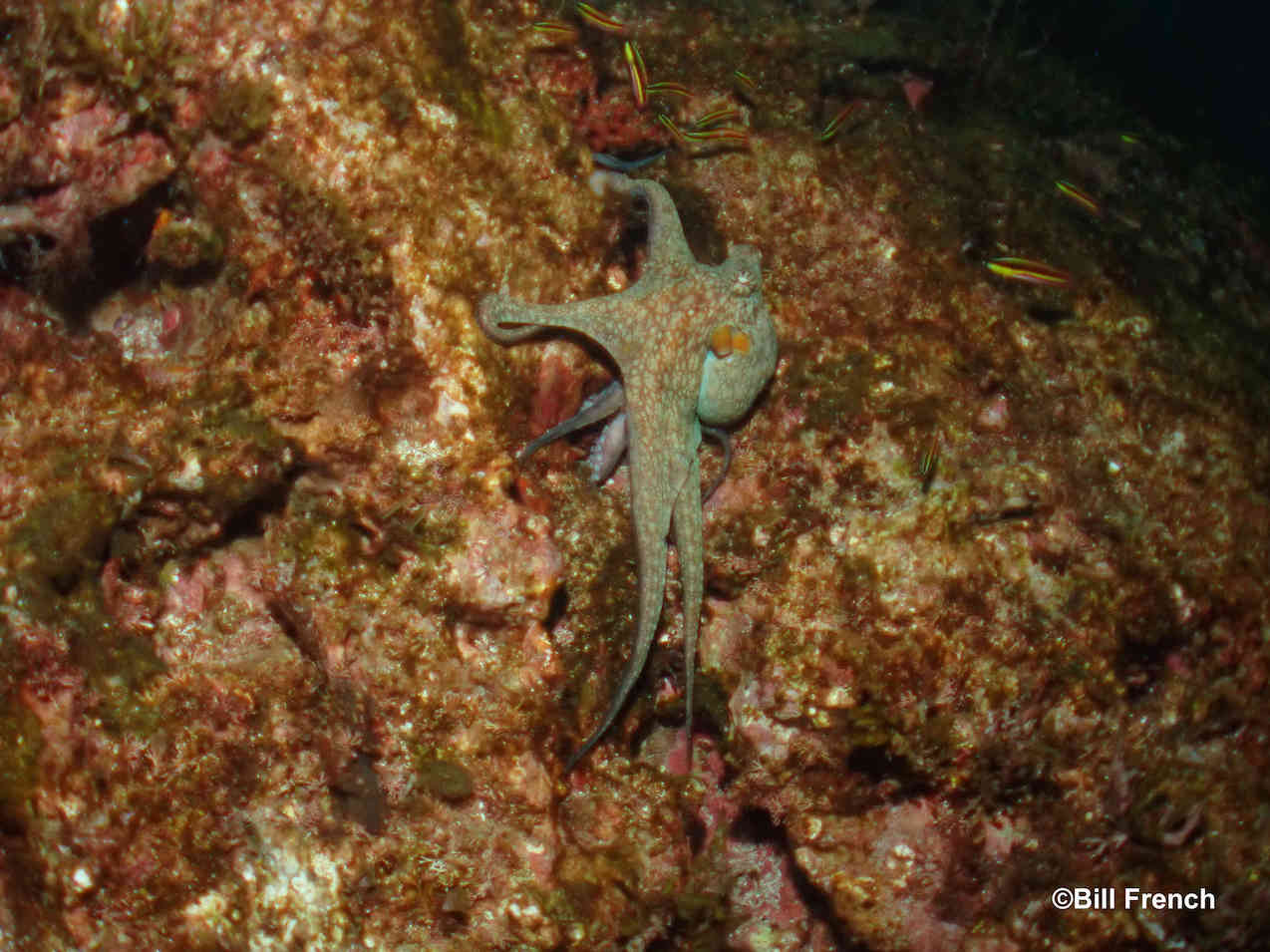
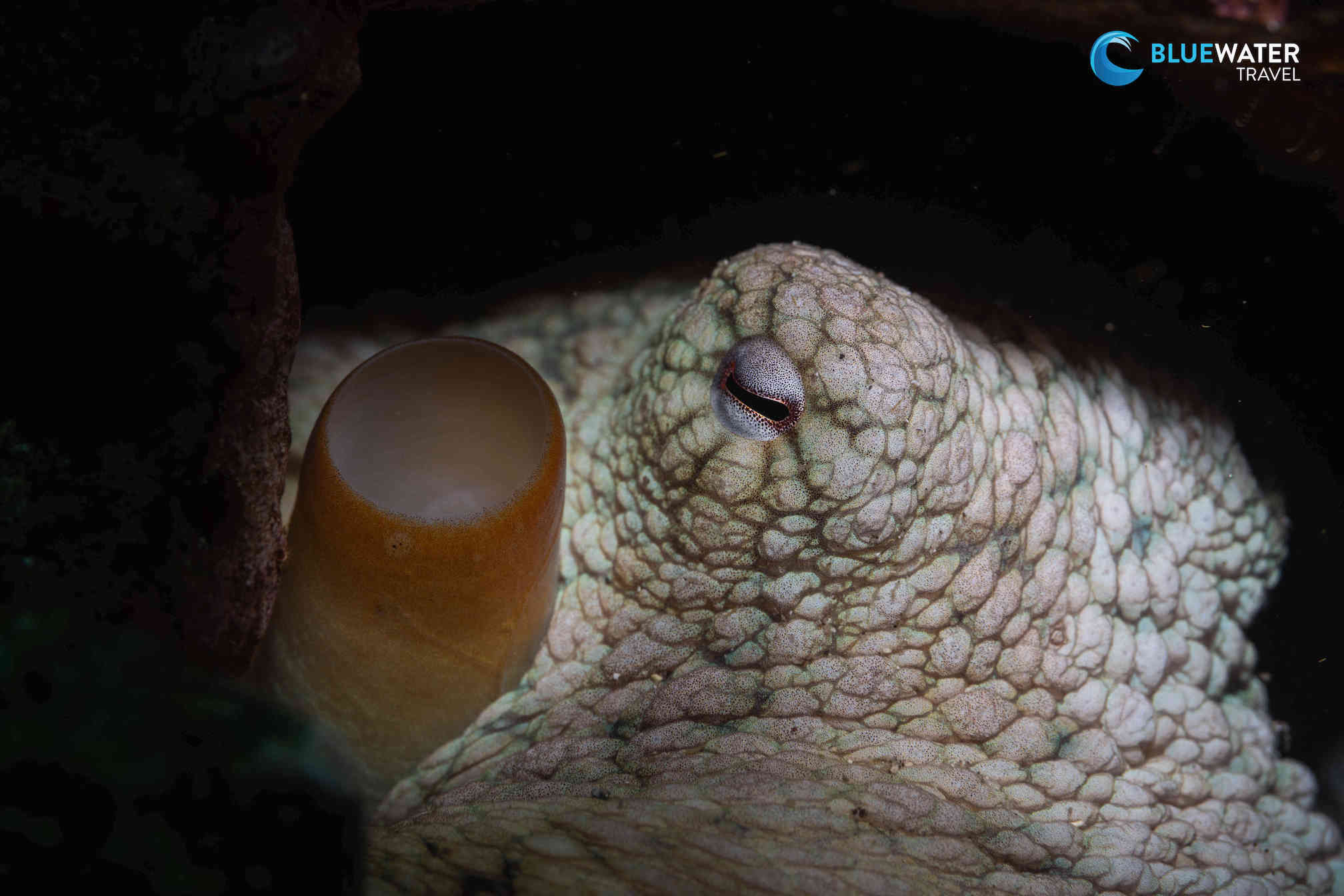
(L) One of many octopus photographed by Bill French with an Olympus TG-7 and a Sea & Sea YS-D3 Duo Strobe. (R) An octopus hides in its den.
Later that day, the weather calmed enough to venture out to a rugged, guano-covered pinnacle. At 60 feet, we discovered something extraordinary: an octopus city. Half a dozen piles of freshly cleaned clam shells marked the burrows of resident octopuses. Out of the corner of my eye, I spotted one attempting stealth, slowly contorting around boulders until it noticed me and froze. Another octopus soon glided over, settled beside the first, and the two touched arms briefly before parting ways. By the end of the dive, we had seen no fewer than eight octopuses!
When the wind picked up again, we shifted to the island’s leeward side for day two. There we discovered the magical muck of the Sea of Cortez: orange-throated pike blennies performing elaborate courtship displays and nudibranchs of every shape and color dotting the seafloor.
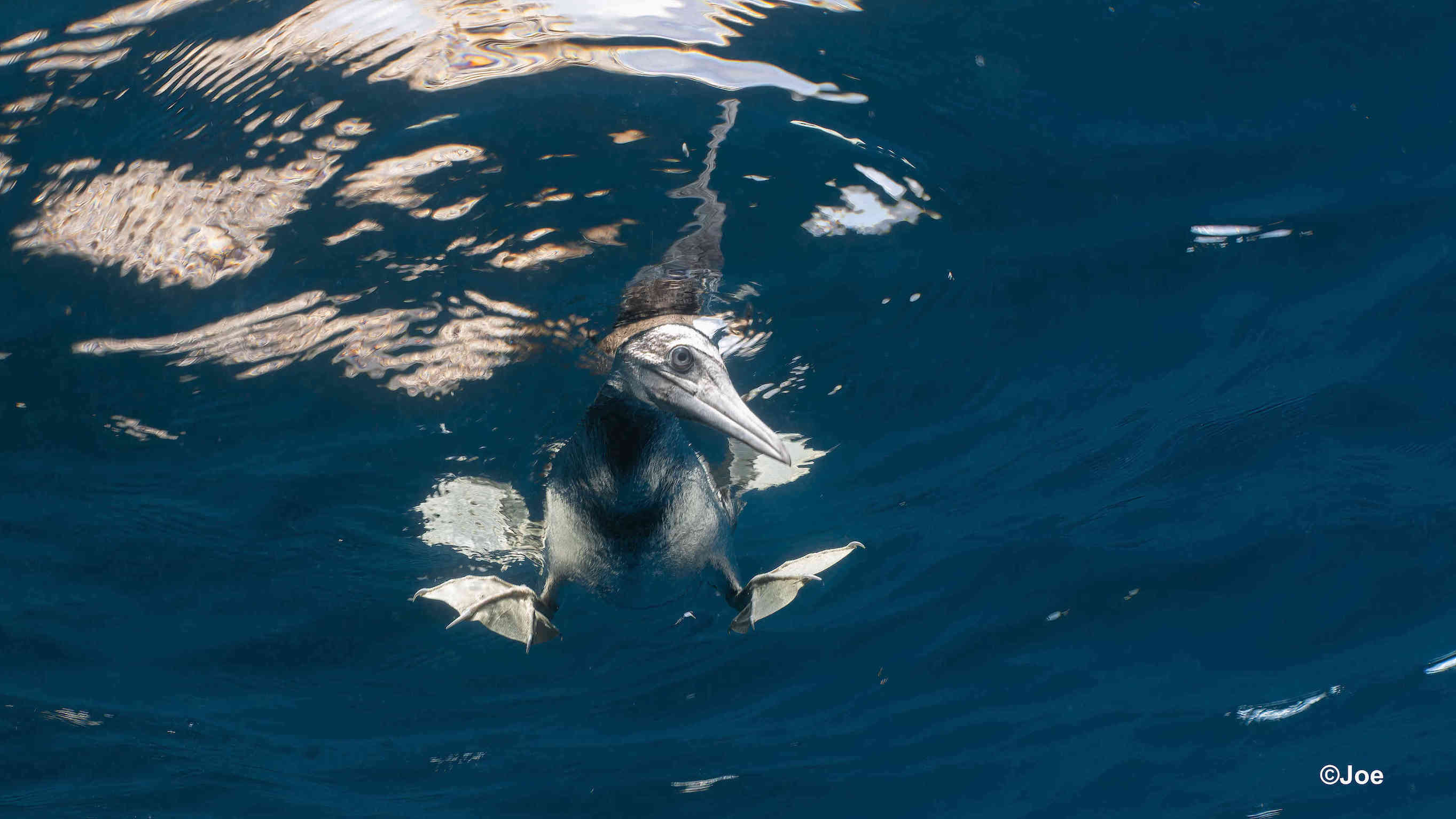
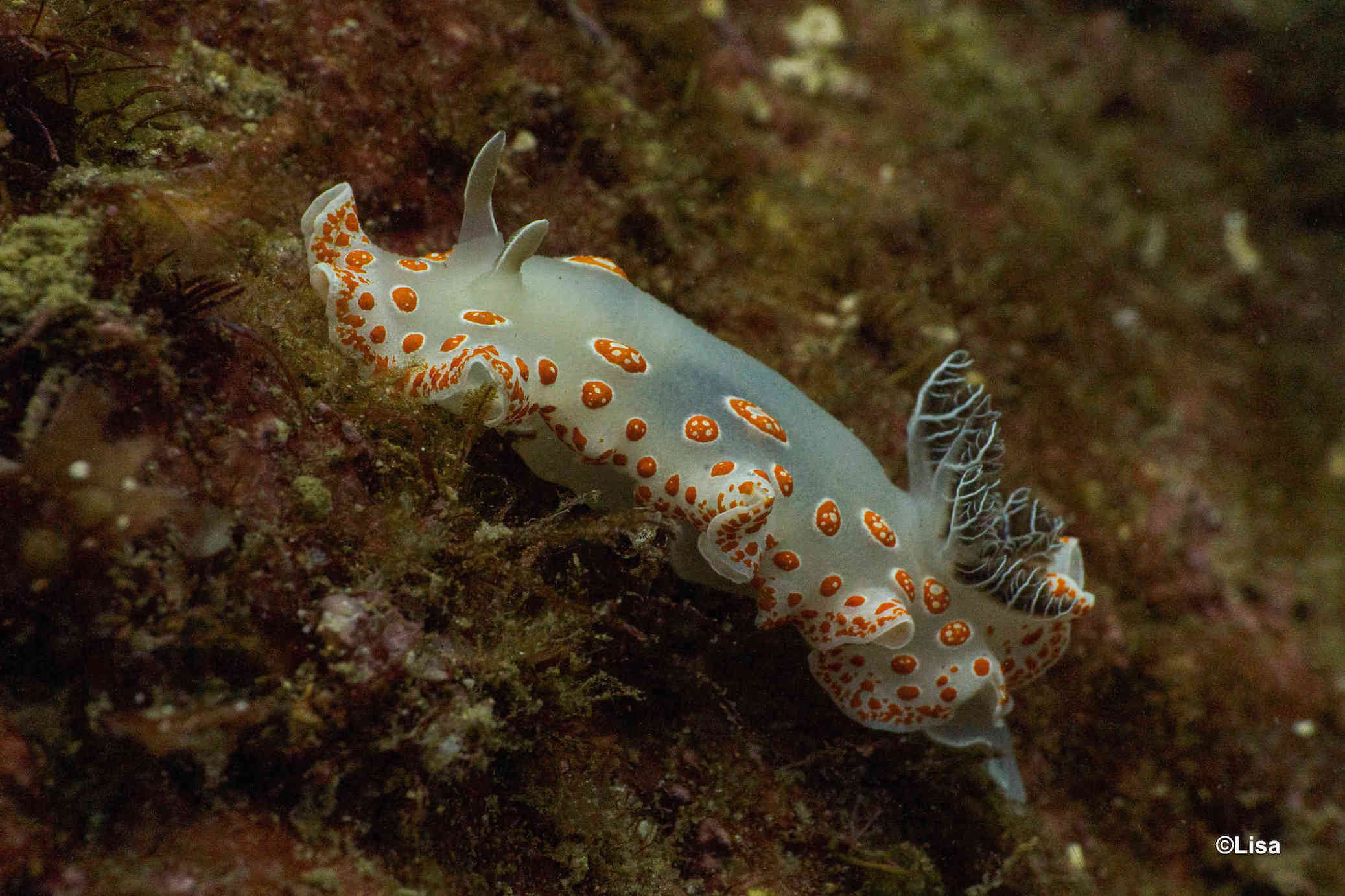
(L) Curious brown footed boobies approached divers for a quick checkout. (R) One of the many nudibranchs of the Sea of Cortez.
San Pedro Martir – Sea Lion Heaven
Days 3 & 4
After two days of macro photography, it was time for wide-angle work at San Pedro Martir, the crown jewel of the Midriff Islands. Wide-angle success is all about timing, sun position, and careful use of strobes or video lights to reveal the sea floor’s vibrance.
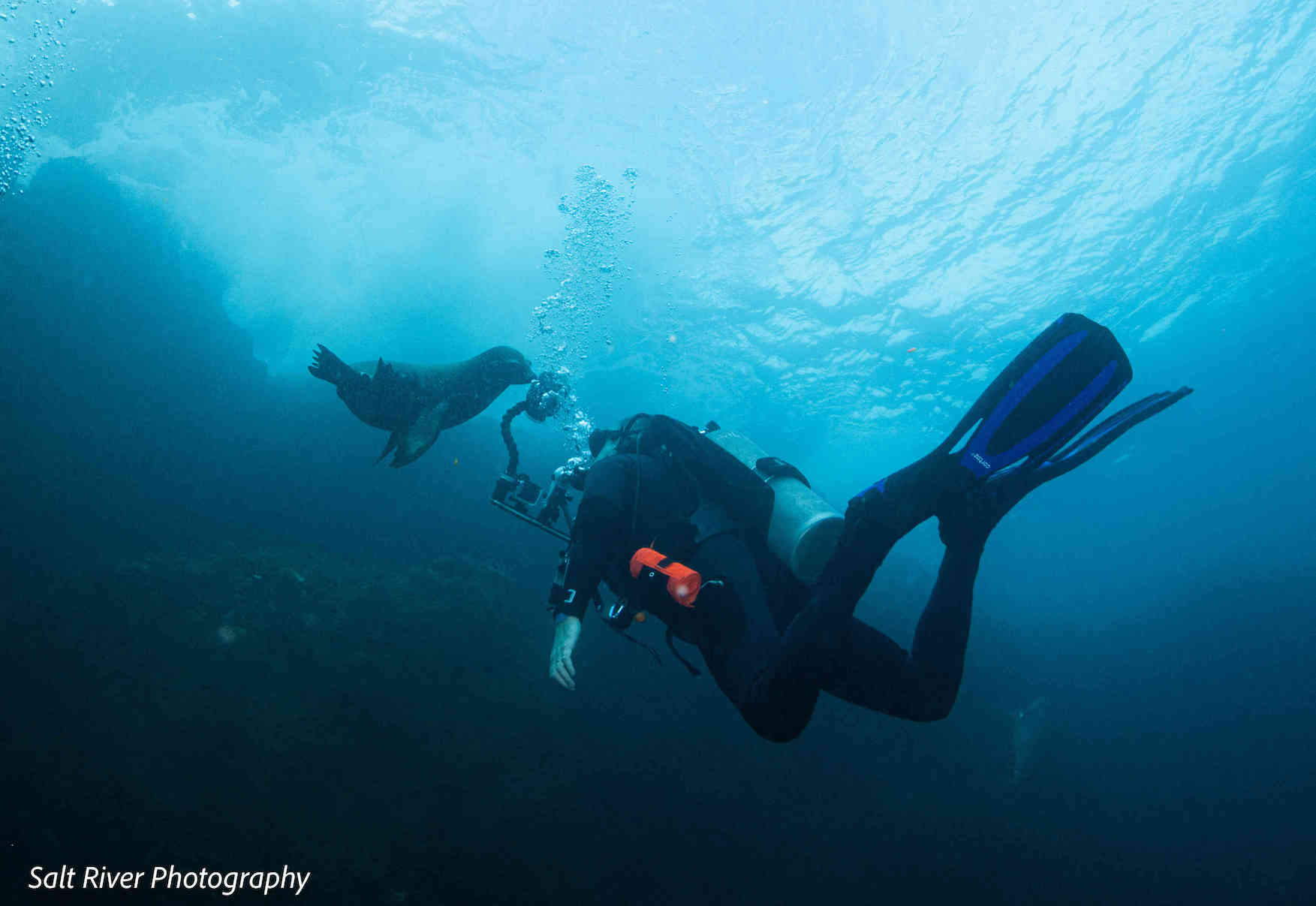
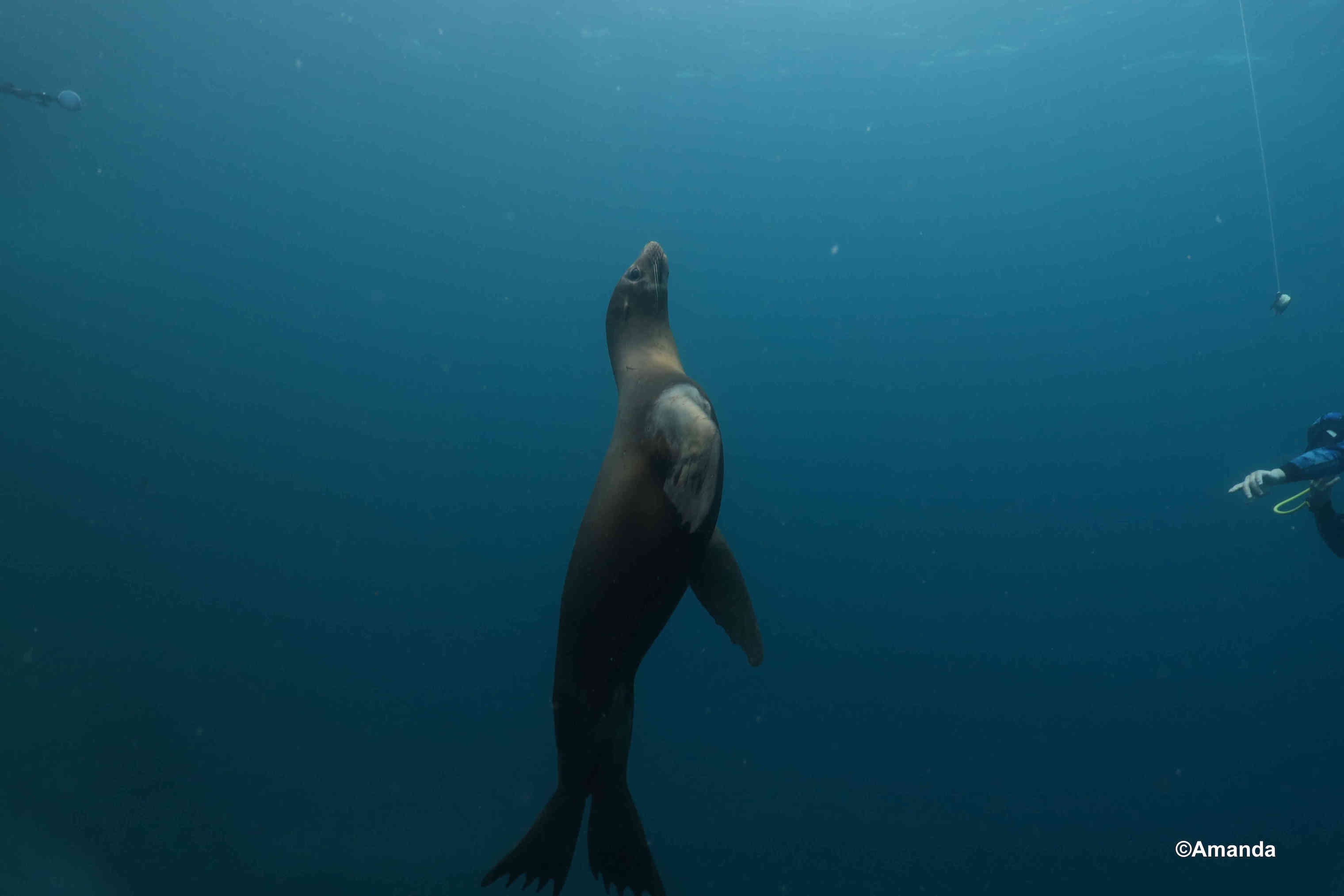
(L) A diver and sea lion in the warm clear water of the Sea of Cortez by Milada Copeland. (R) An elegant sealion approaches the surface.
San Pedro Martir is a rugged cactus-covered island once mined for guano. Today, its surrounding waters are clear, warm (86°F), and filled with colonies of playful sea lions. Over two days, we immersed ourselves in their underwater acrobatics under the watchful eye of our divemasters.
On day four, we explored Morro 1 & 2—two pinnacles draped in soft coral and surrounded by shimmering sardines and curious sea lions. At Arroyo, I even found a beautiful yellow seahorse tucked into algae.
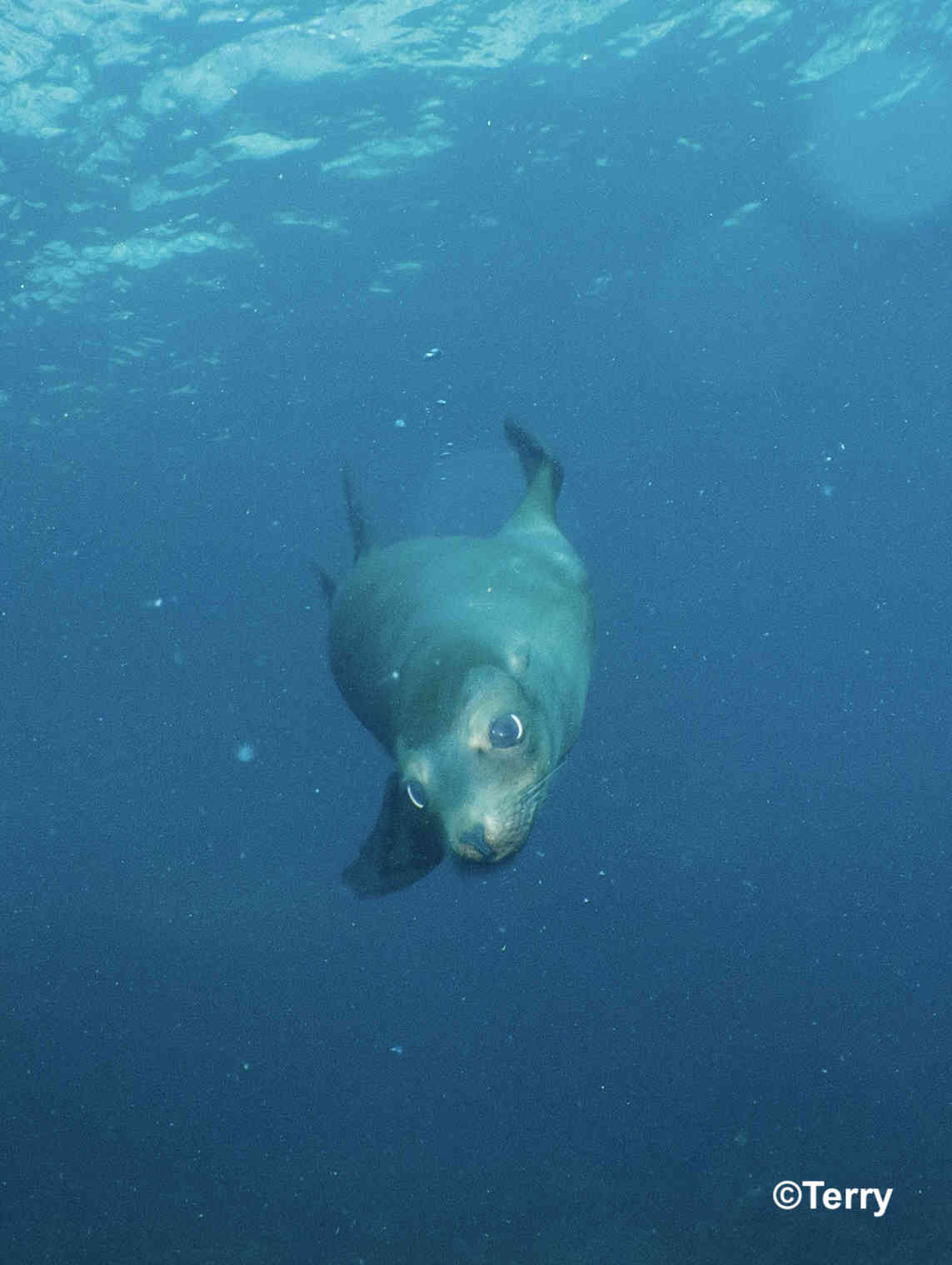
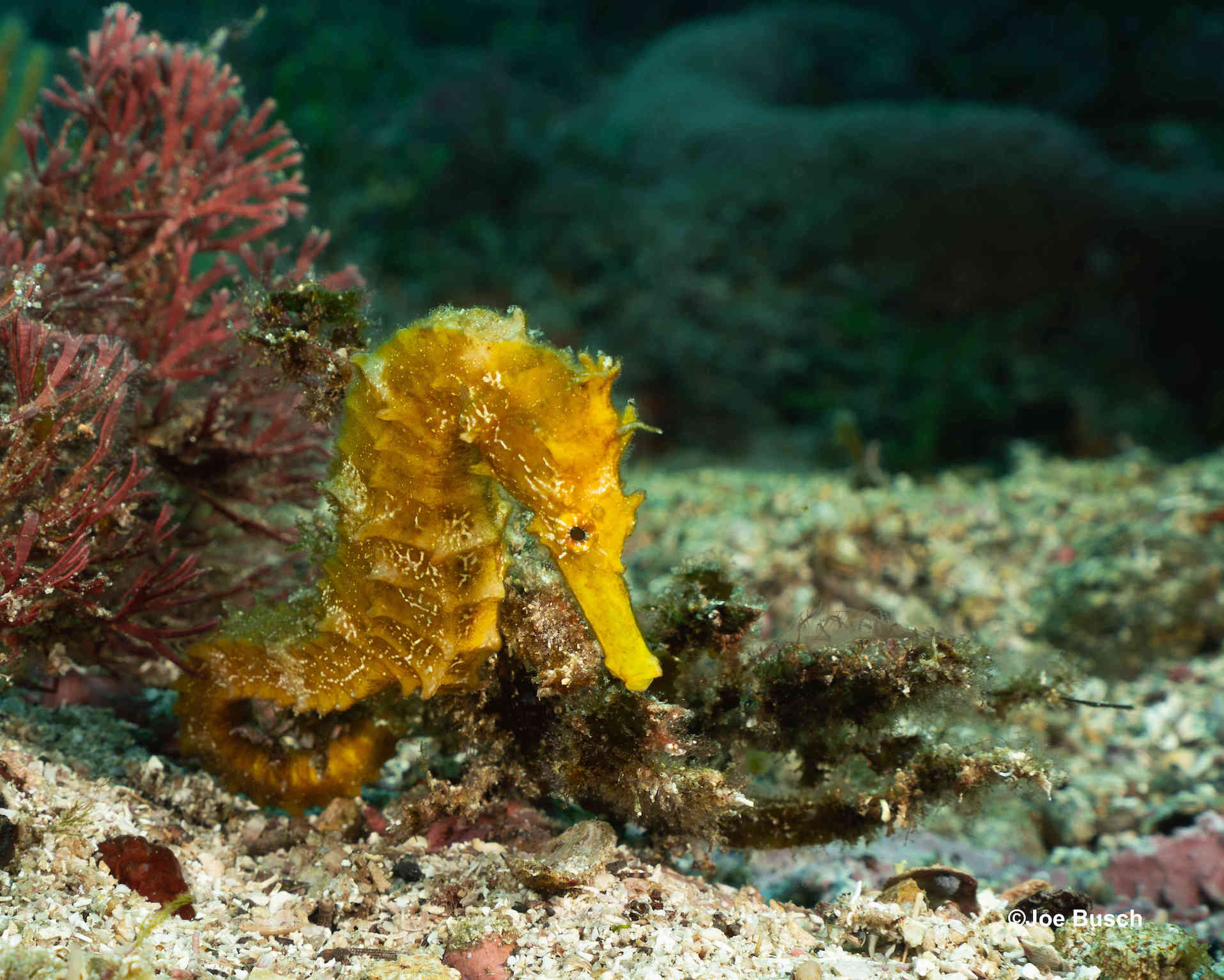
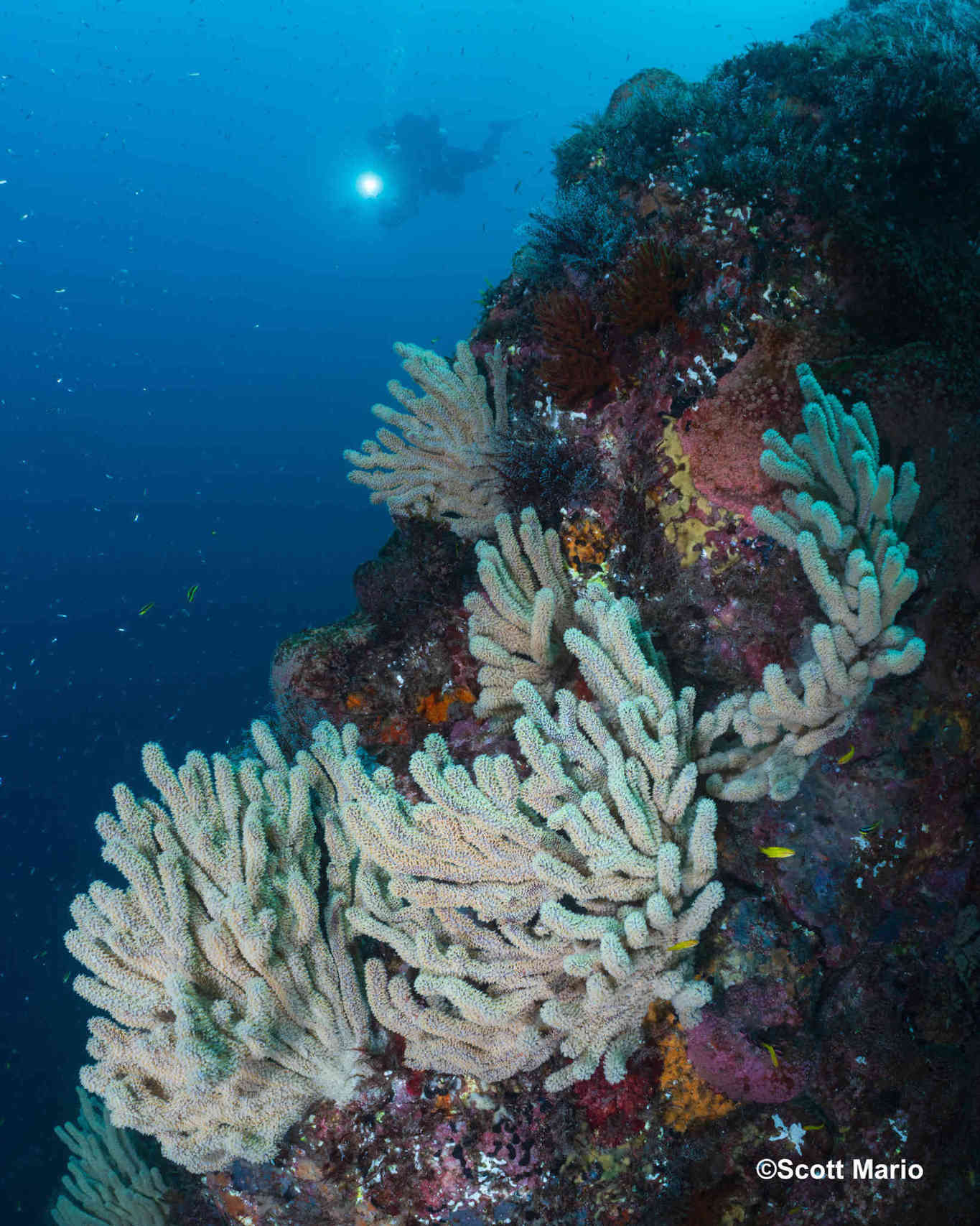
(L) A sealion quickly approaches Terry to play! Photographed by Terry with his Olympus TG-7. (M) A sea horse photographed by Joe Busch. (R) Scott practices his wide angle photography with trip leader Nirupam Nigam modeling in the background.
Our final dive at San Pedro Martir was far sportier than expected. A swift drift forced many groups to surface early, prioritizing safety over adventure.
Salsipuedes – Nudibranch Heaven
Day 5
Although we enjoyed San Pedro Martir’s warm clarity, we began our return journey toward Puerto Peñasco, stopping at Salsipuedes. Here we were greeted by dozens of brilliant Spanish shawl nudibranchs grazing on hydroids. Their fiery orange and purple colors lit up the reef.
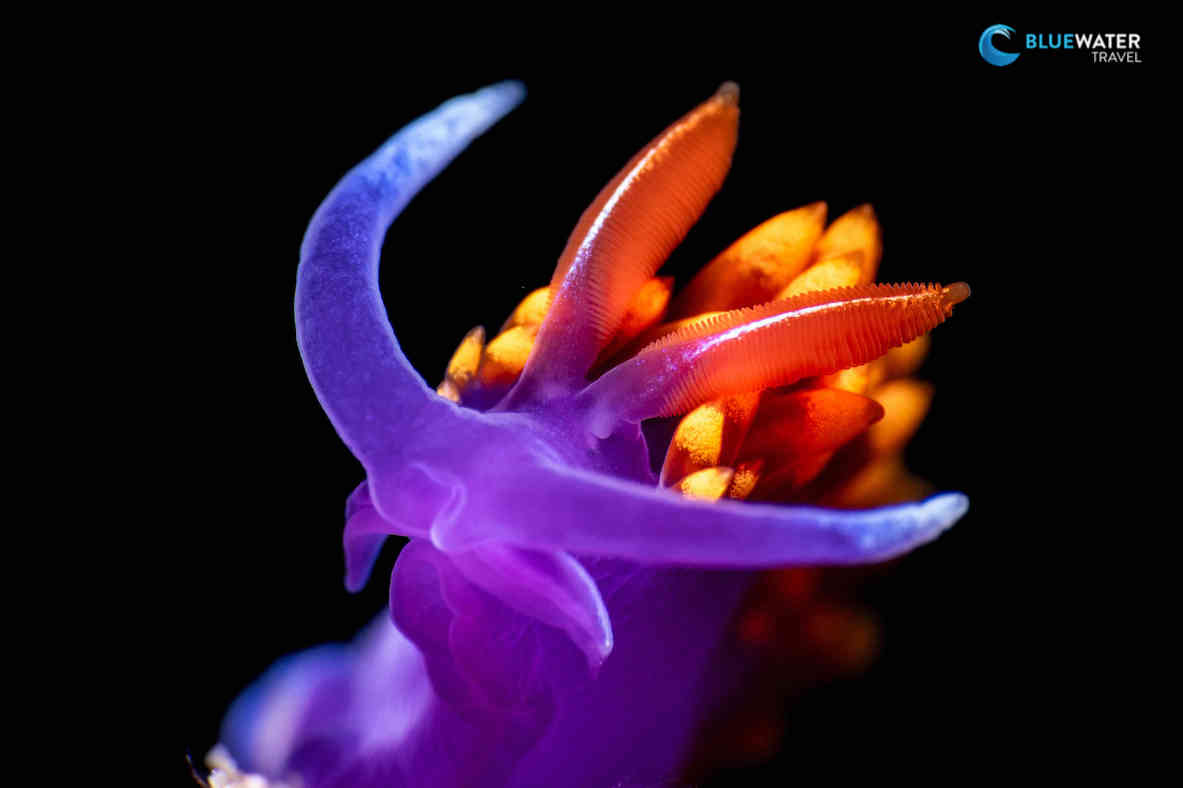
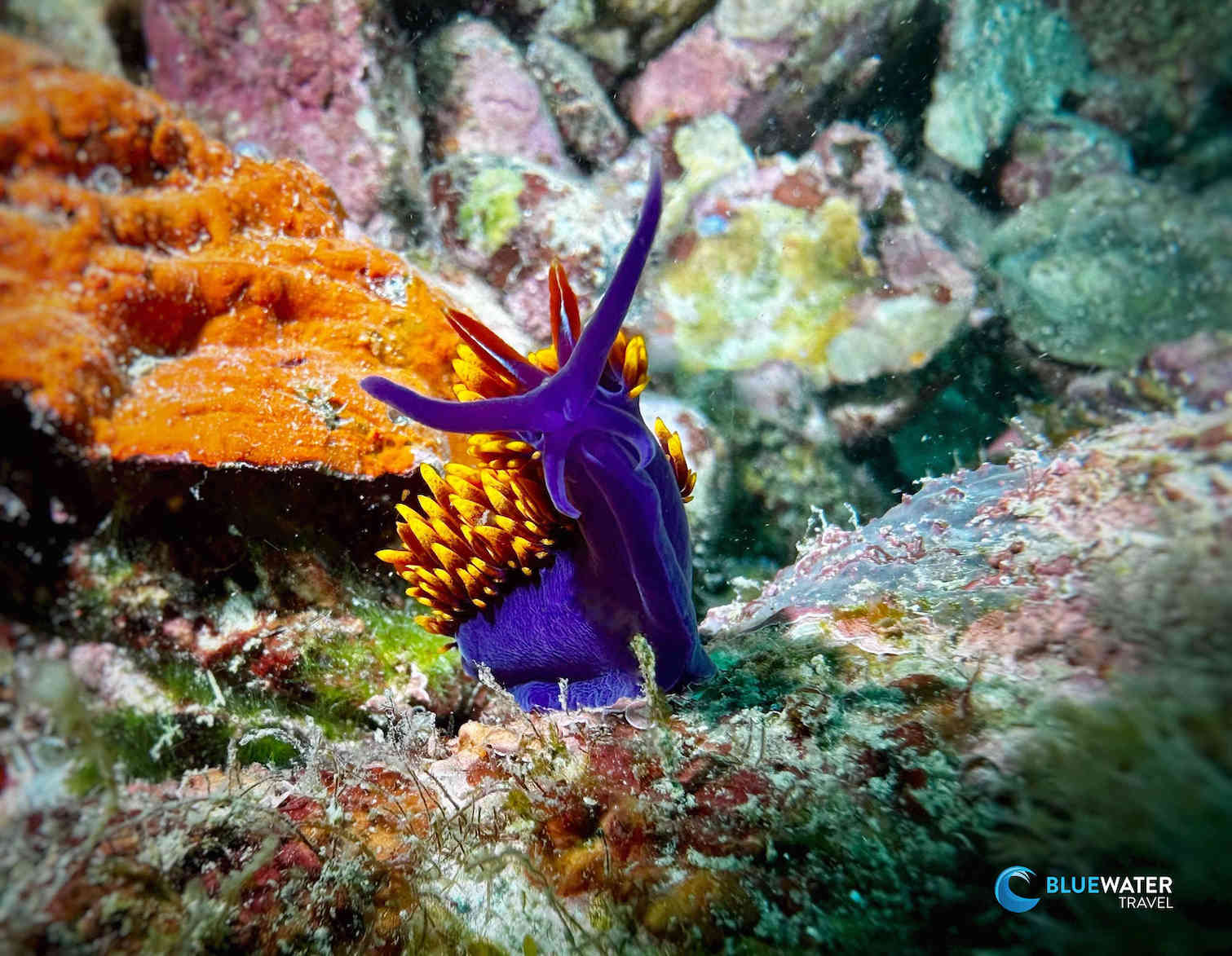
(L) One of the many Spanish shawl nudibranchs at Salsi Puedes. (R) A Spanish shawl photographed by Gill Flaherty with her iPhone!
This was the perfect site for super-macro photography. Even our newer shooters experimented with snoots I had brought along. We all quickly learned one thing: snoots are hard!
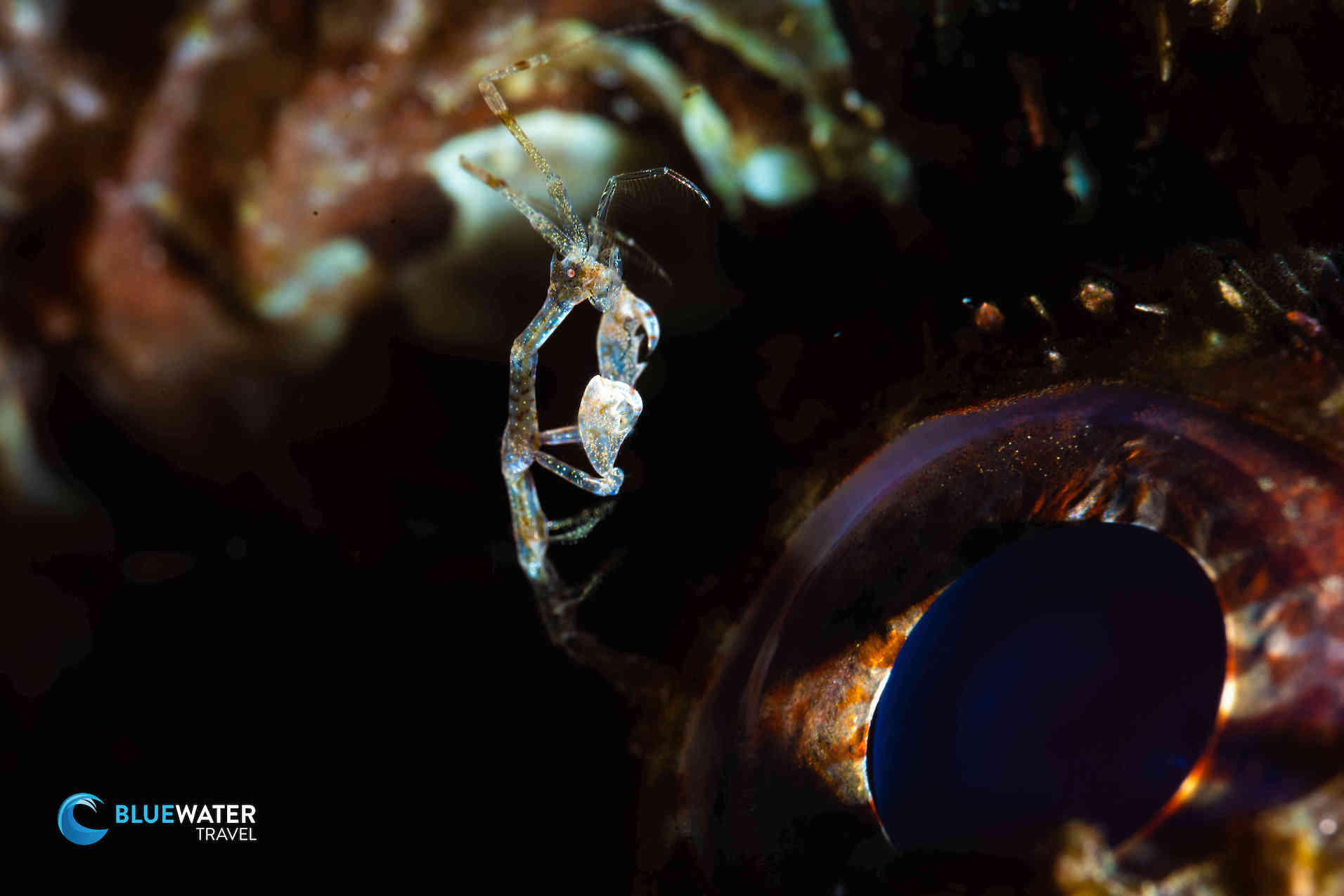
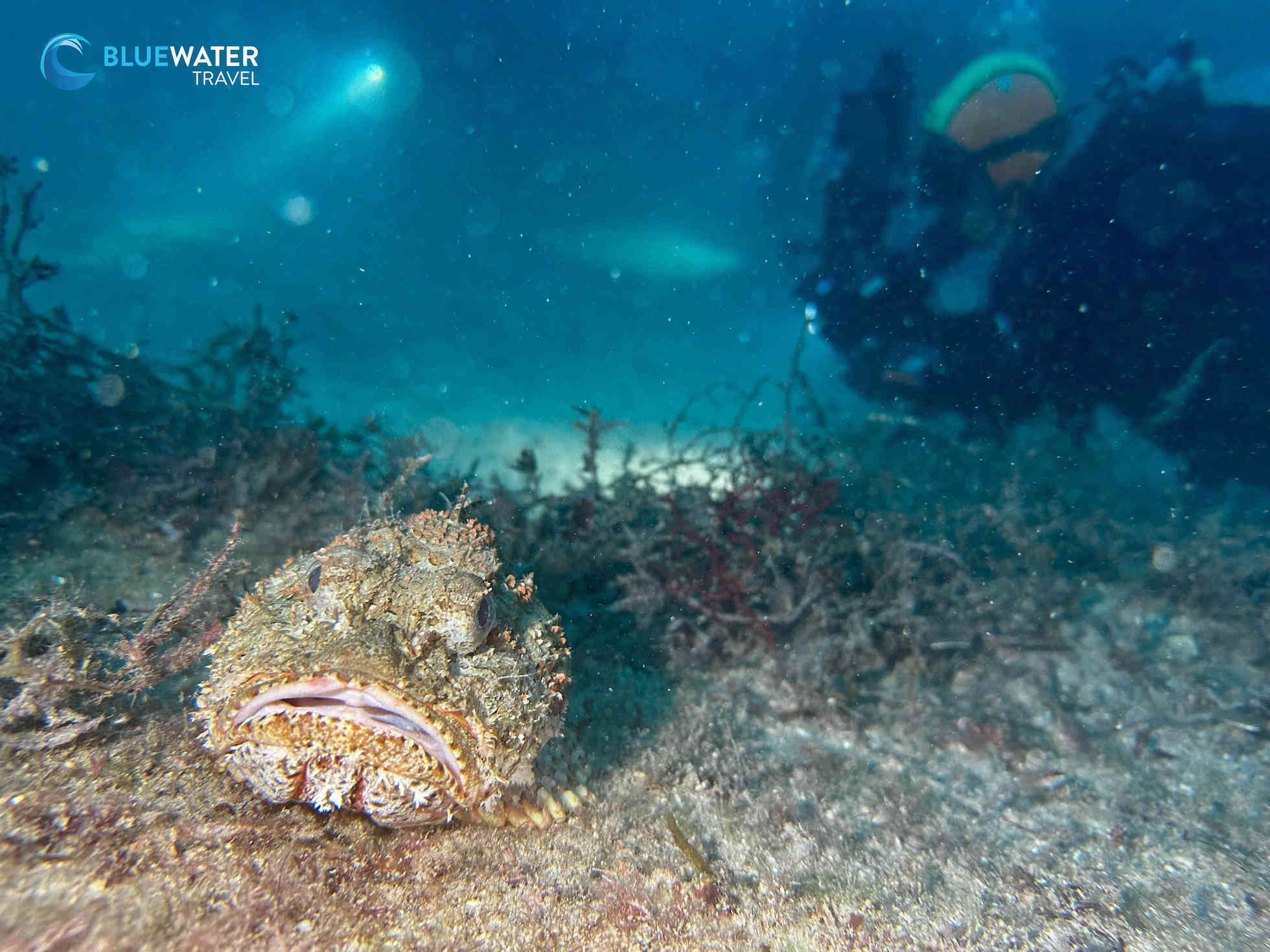
(L) An elusive skeleton shrimp residing on the eye of a scorpionfish. (R) A scorpion fish photographed by Gill with her iPhone (and Terry in the background!).
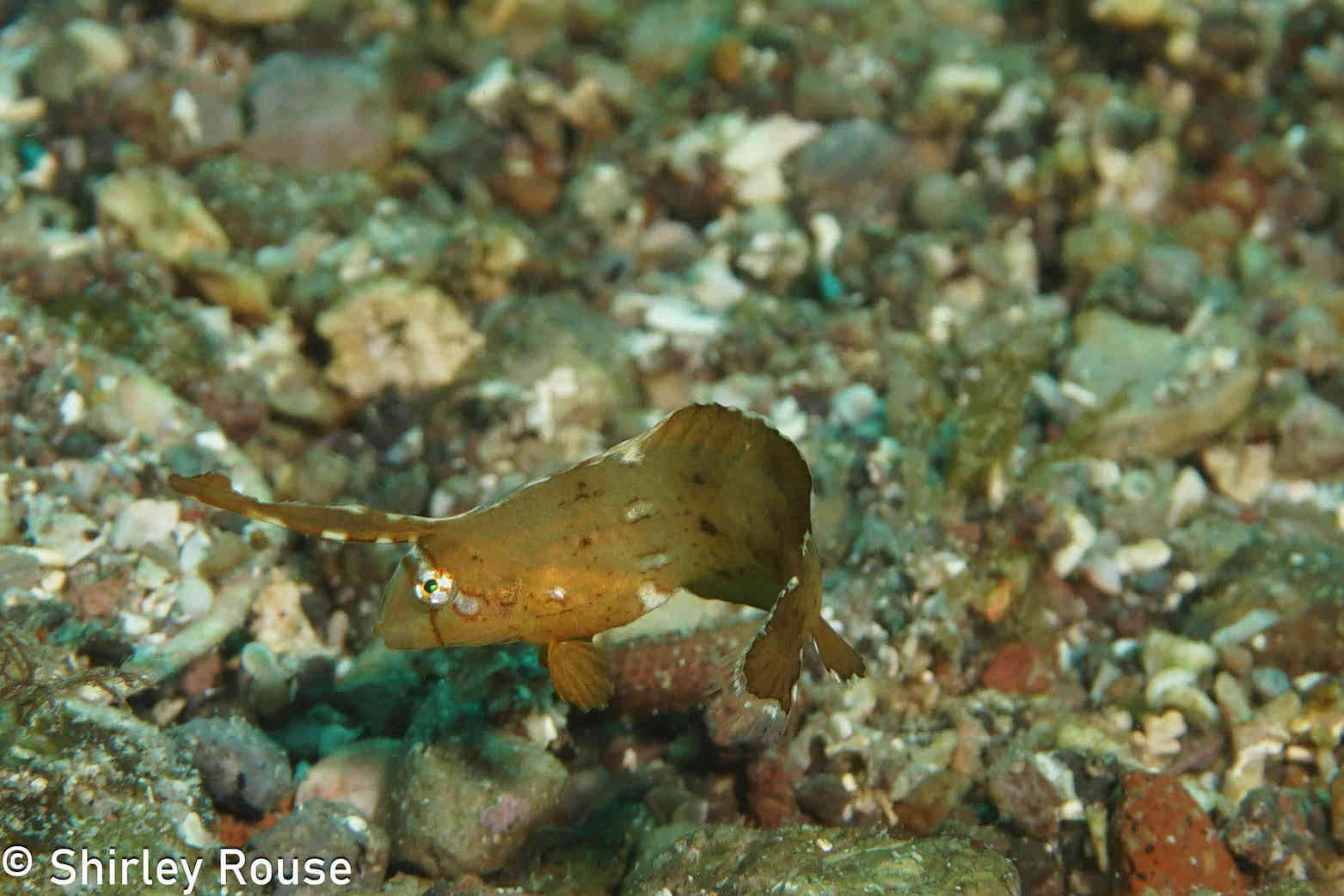
A rare fish photographed in the sand.
Bahía de los Ángeles – Whale Shark Heaven
Day 6
Our trip ended at the stunning Bahía de los Ángeles, a secluded azure bay on mainland Baja. On the morning dive, a bit of current made things sporty, but the reward was worth it: every diver photographed charismatic giant jawfish. While feeding them shrimp, we were startled by a massive ray—nearly diver-sized—darting past.
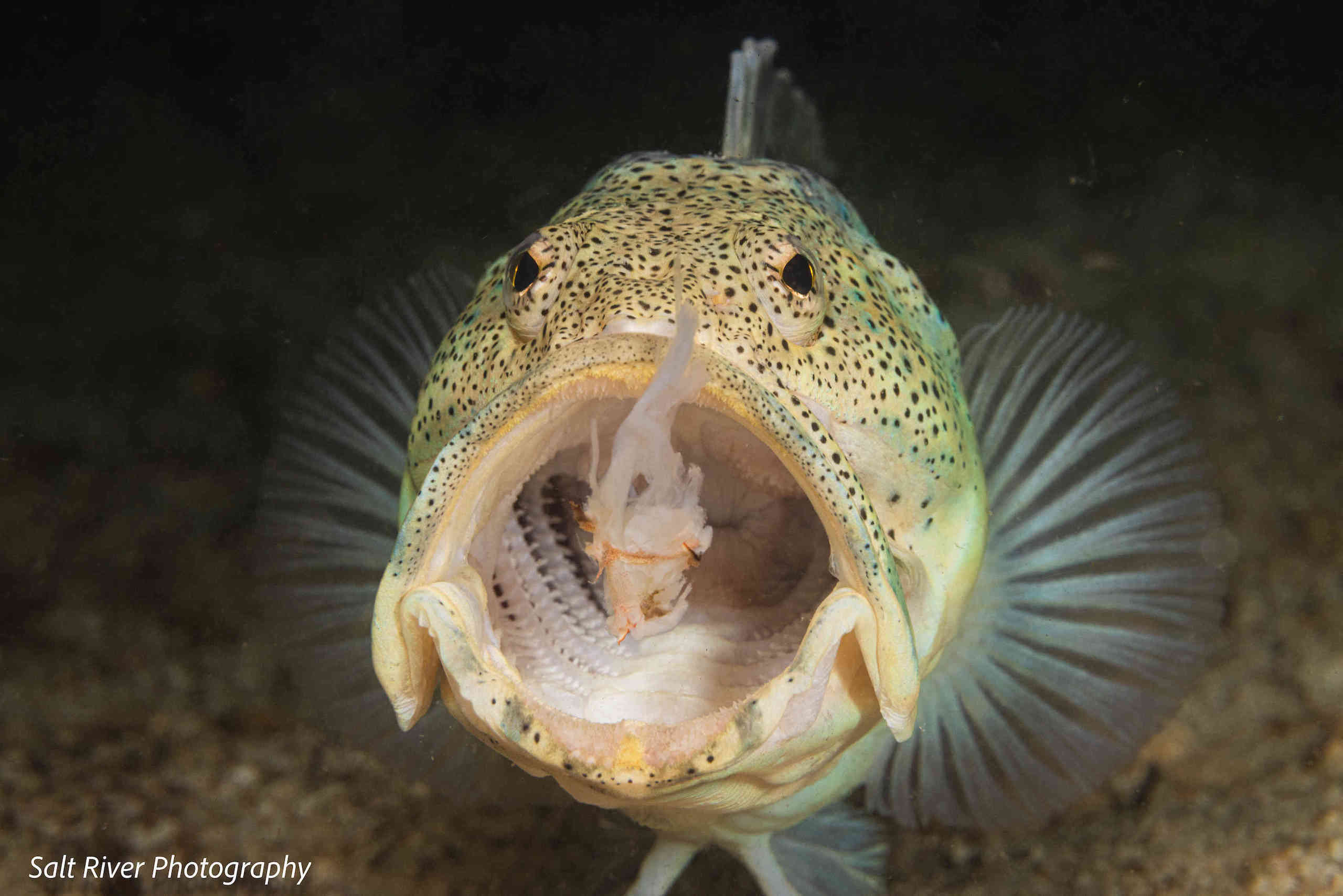
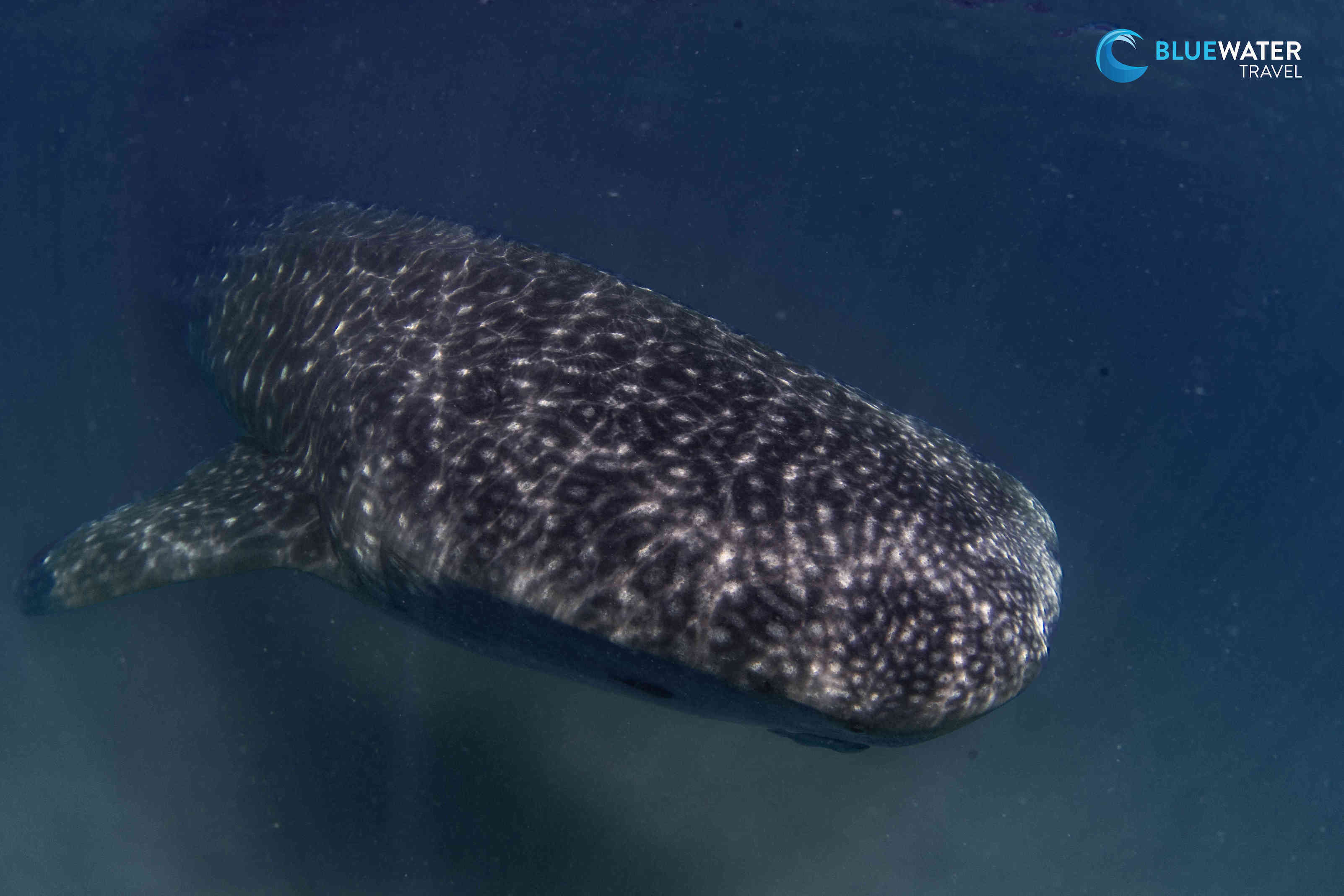
(L) A giant jawfish photographed by Milada Copeland. (R) A whaleshark to top off the trip.
That afternoon, we boarded local pangas to search for whale sharks, the largest fish in the sea. After an hour and a half of scanning, we finally encountered one moving slowly enough to follow. “Slow” was relative, of course—the shark glided effortlessly while we kicked hard to keep up. Taking turns in the water, two or three at a time, we admired the shimmering constellation of spots along its back, even in the bay’s murky water.
With that final encounter, we turned north across a calm sea. Our mission was complete: breathtaking photos captured, new friendships forged, and memories to last a lifetime.
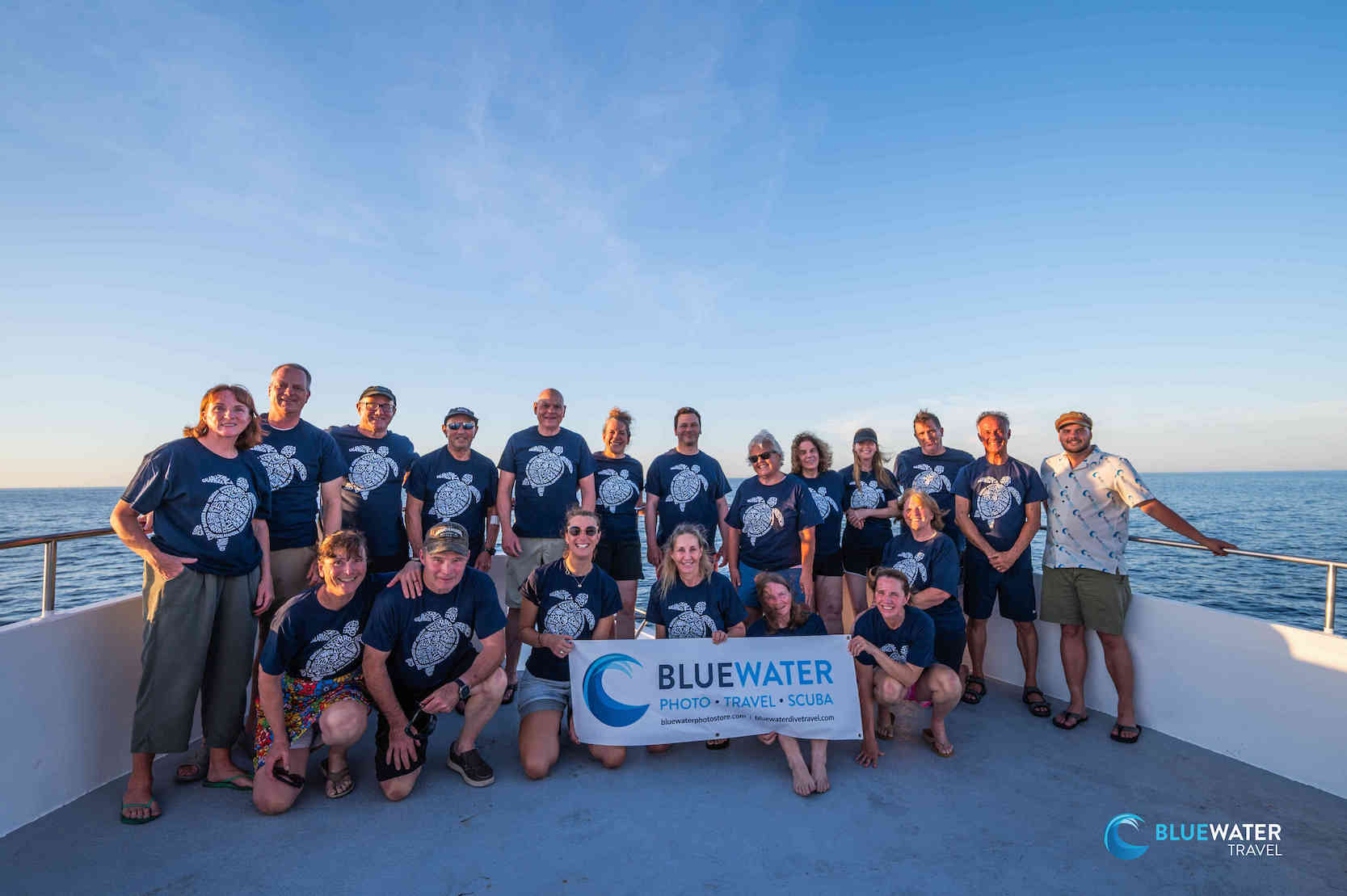
A happy group!
Cool Articles & Hidden Gems
Solomon Islands on the Bilikiki - Trip Report
Roatan Dive Report 2022
Romblon Philippines Macro Trip - 2025 Report
MV Odyssey Liveaboard - Sudan and Red Sea
Dewata Liveaboard - Indonesia
Raja Manta Liveaboard - Indonesia
-optimized.webp&w=640&q=75 "Moorea Trip Recap August 2026")