What Is "Muck Diving"?
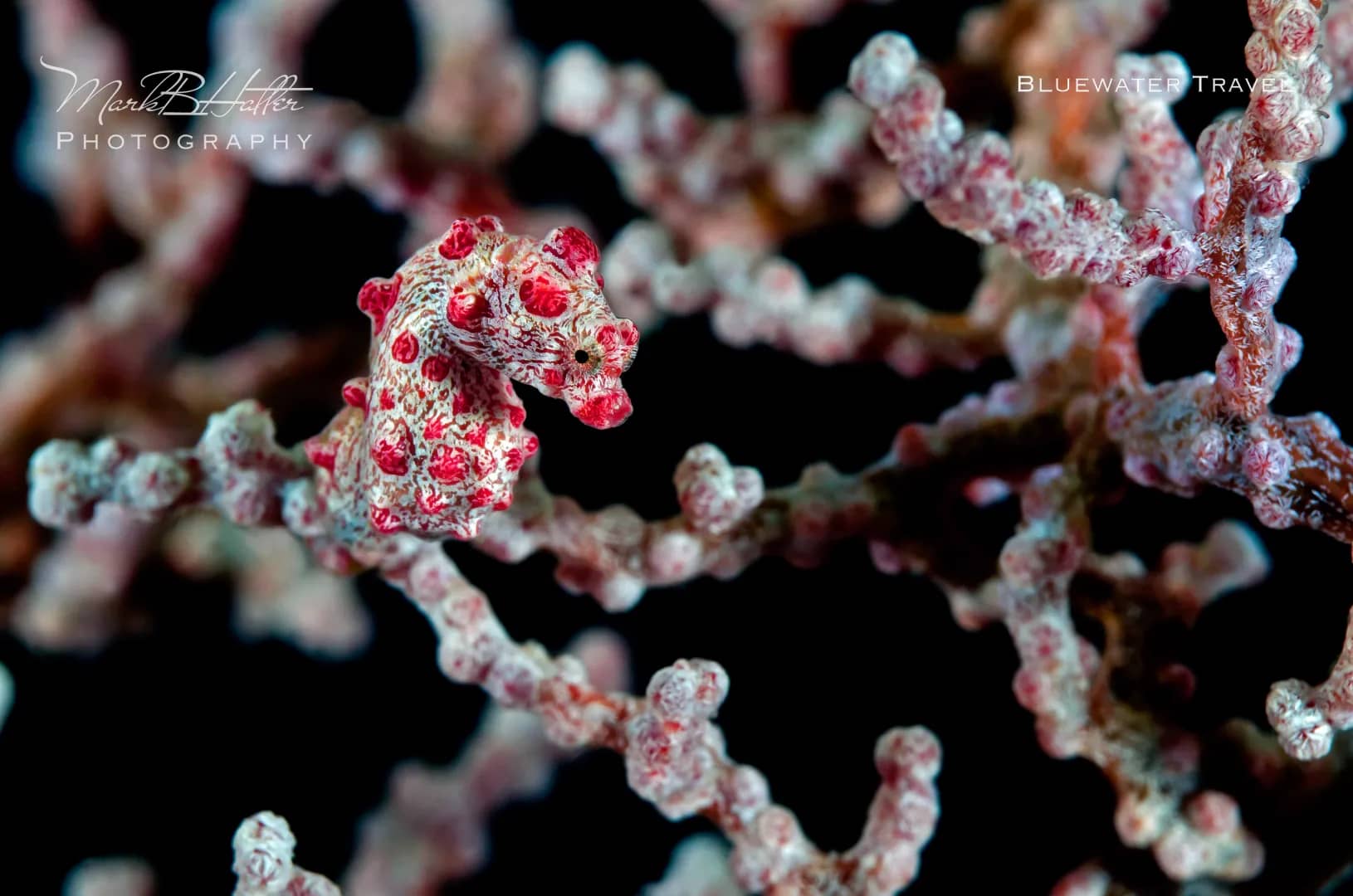
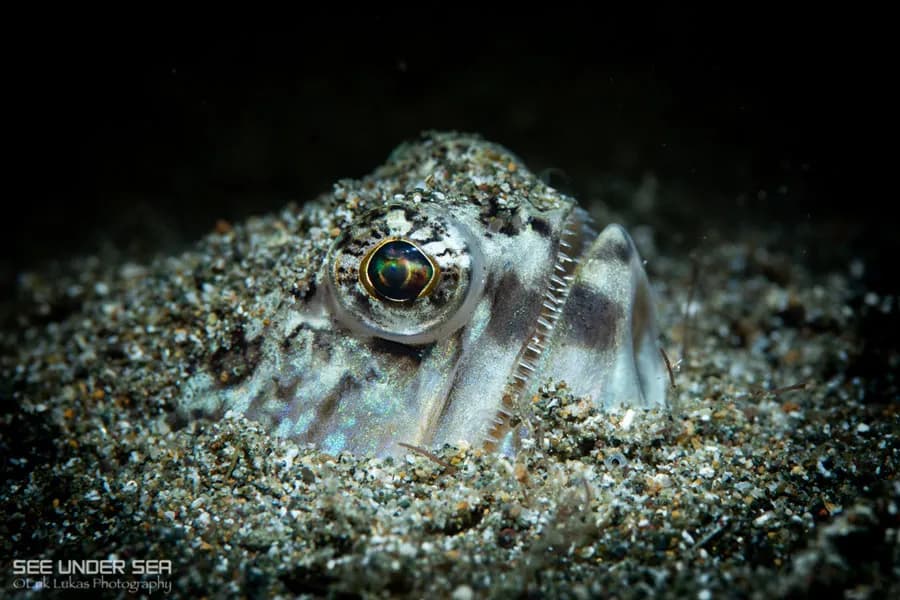
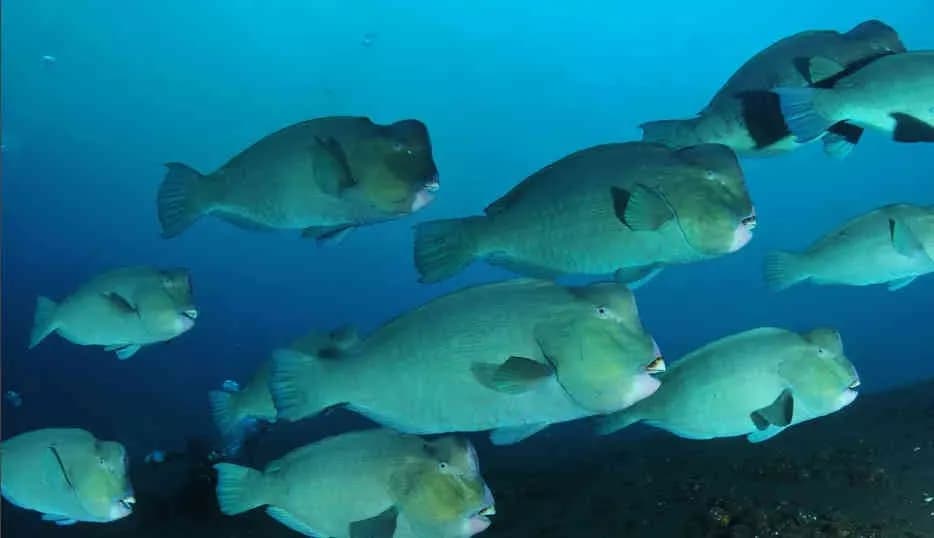
Over the years, muck diving has become increasingly popular, especially among underwater photographers. For those of you who dont know, muck diving refers to the practice of searching the ocean floor, often made up of black sand, sediment and general muck, for the tiny critters that live there. Its the antithesis of diving vast coral reefs and gawking at massive schools of fish as they swim past.
Macro photographers, in particular, love to seek out the best muck diving locations to train their cameras on the small, intriguing creatures that have made their homes in the sediment at the bottom of the ocean.
Not sure what to look for? See our Weird & Wonderful World of Macro guide.
In this article, we will talk about our teams favorite muck diving locations. If you have any questions or want to know more about any of the places on this list, feel free to reach out via email to info@bluewaterdivetravel.com or call us at 310-915-6677. Our specialty is arranging personalized dive or safari vacations, where you travel independently with family, friends or solo. Advantages of booking through Bluewater include never paying more than going direct, a dedicated travel concierge, and our low-price guarantee. You will never pay more using Bluewater Travel.
1. Lembeh Strait, Indonesia
The Lembeh Strait is, without a doubt, the worlds most famous muck diving destination, which is why were starting with it. The strait is located in Indonesia between the islands of Sulawesi and Lembeh and is world-renowned as one of the best places to dive. Youll find an abundance of nudibranchs of different colors and other tiny critters against a backdrop of black volcanic sand from the nearby Tongkoko volcano.
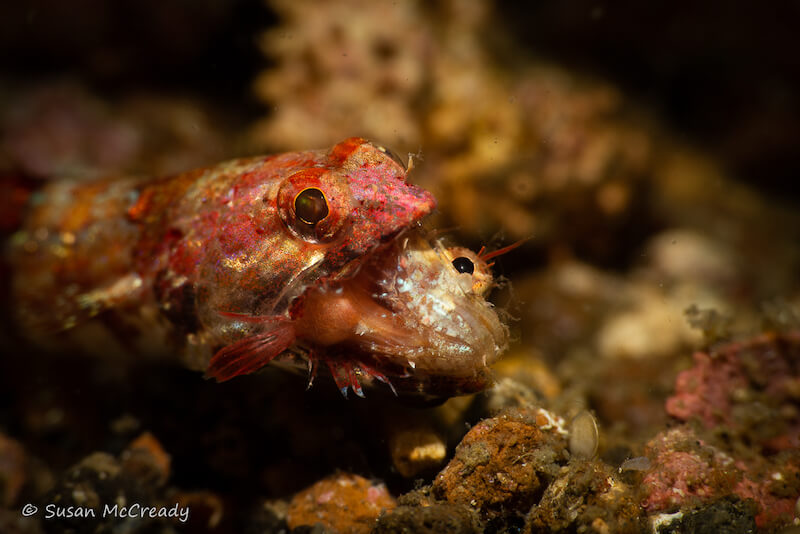
When it comes to muck diving, the Lembeh Strait is one of the most popular choices with our customers. We book divers on diving trips there year-round, both at resorts and on liveaboards.
2. Anilao, Philippines
Another top destination for muck diving is Anilao in the Philippines. The area is well-known for its macro photography opportunities and the possibility of discovering rare and even new species of marine life. Almost every type of critter you could ever want to find on a muck dive can be found in Anilao, including shrimp, frogfish, crabs, small squid, nudibranchs, cuttlefish, rhinopias, pipefish, hairy frogfish, wonderpus, mimic and even blue-ringed octopus.
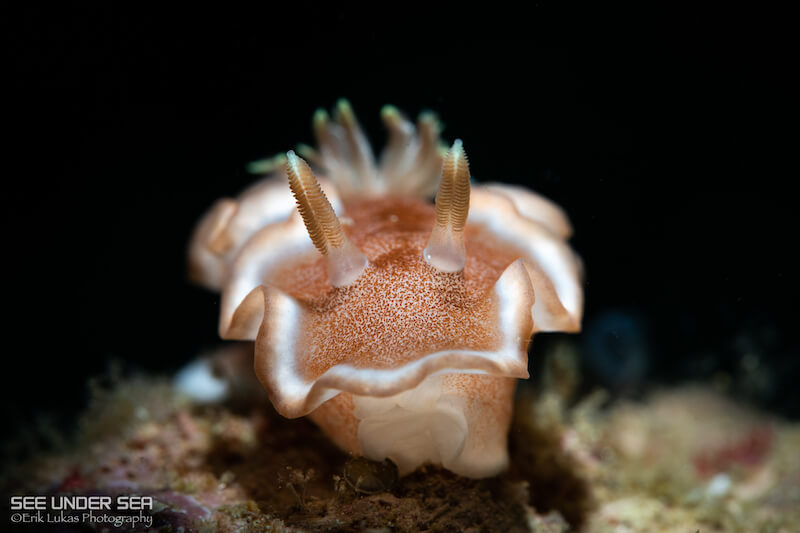
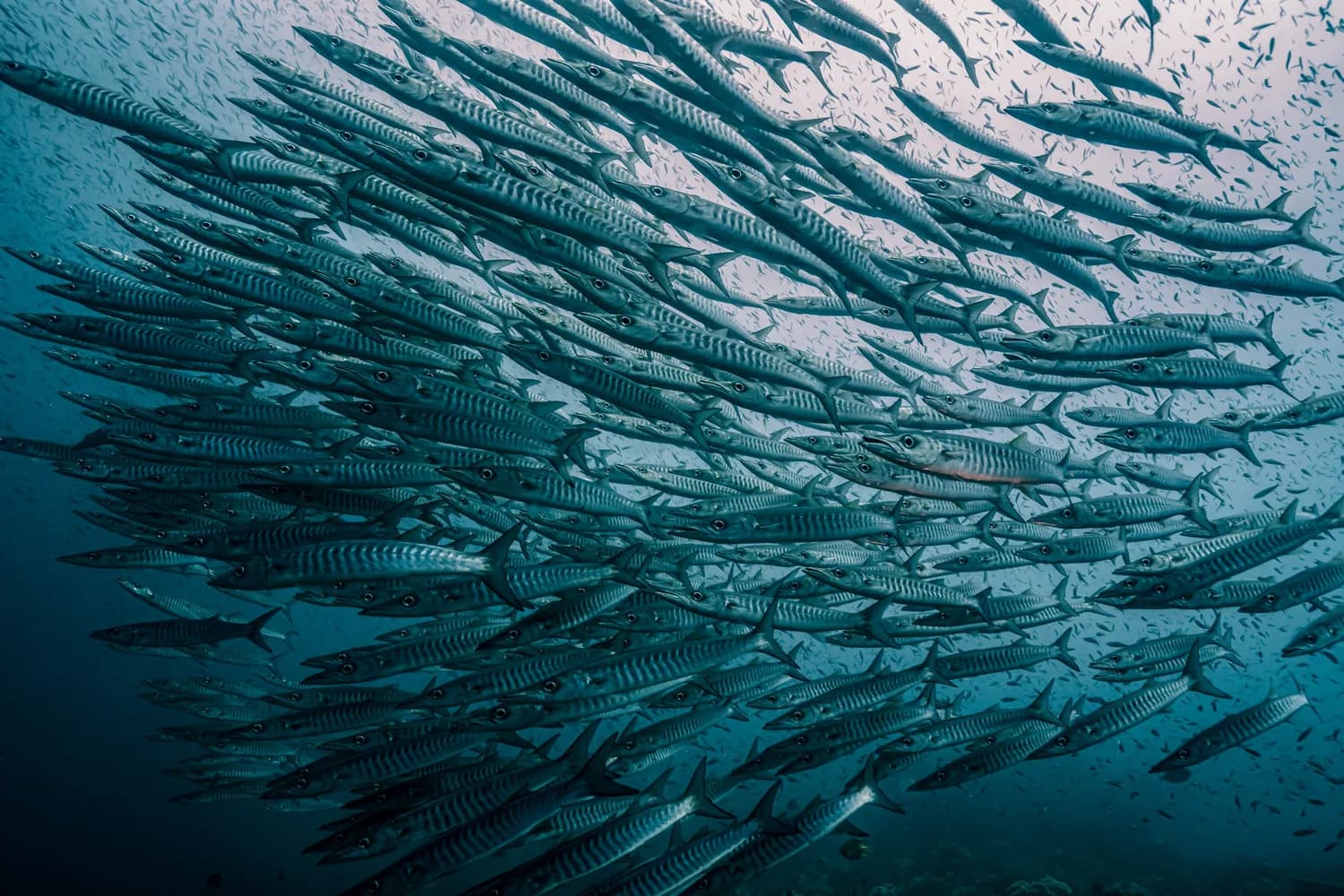
Its also not uncommon to see some of the bigger marine animals like schools of jacks and hunting barracuda in Anilao either, which makes it a versatile place to visit for all kinds of divers!
3. Ambon, Indonesia
The second Indonesian destination on this list, Ambon, rivals the muck diving of Lembeh and Anilao. The thing that differentiates Ambon is the muckiness of the muck diving. Most of the dive sites are around the harbor area, which serves a city of over 300,000 people, meaning the seabed is home to a lot of artificial trash.
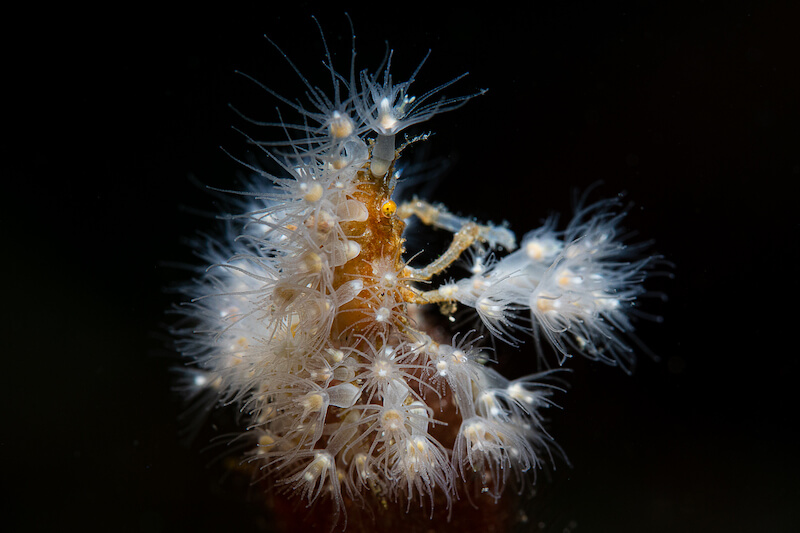
The fact that the dive sites in Ambon contain a fair bit of trash and sediment does, however, mean you can find many unusual critters. You can expect to find bobbit worms, boxer crabs, flamboyant cuttlefish, a variety of frogfish, mototi octopus, harlequin shrimps, wonderpus, stargazers, rhinopias and, of course, many different types of nudibranchs.
4. Redondo Beach, California
This one is a little closer to home, for us at least. When most people think of muck diving, their minds immediately turn to pictures of a tropical paradise somewhere in Asia, but Redondo Beach is an excellent muck diving location where youll be able to find new species of fish, the customary nudibranchs, and other invertebrates. The site is best dived at night if you want to see all the tiny critters out exploring the ocean floor.
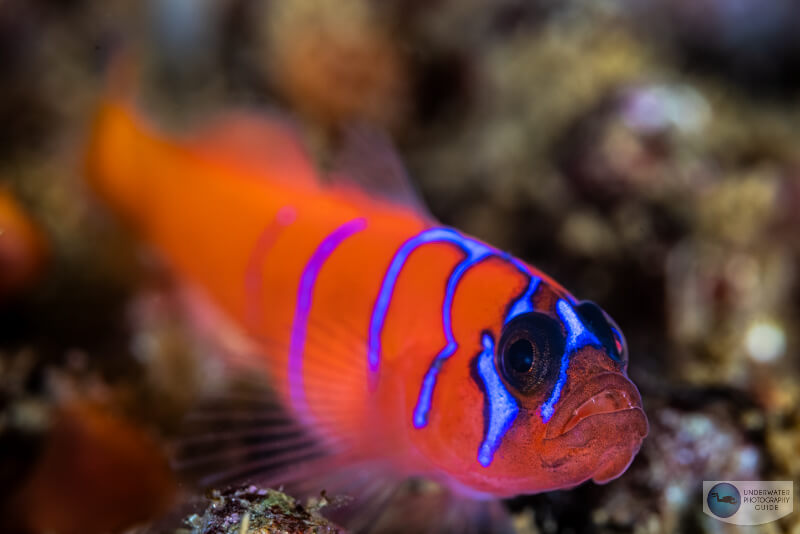
The dive site is easily accessible from the shore at Veterans Park.
5. St. Vincent, Caribbean
The Caribbean might seem out of place on a list of the best muck diving destinations around the world, but St. Vincent is a lesser-known secret in the world of muck diving. St. Vincent is a safe harbor for sailors and far less developed than neighboring St. Lucia, Barbados and Grenada, as tourists flock to the usual Caribbean islands.
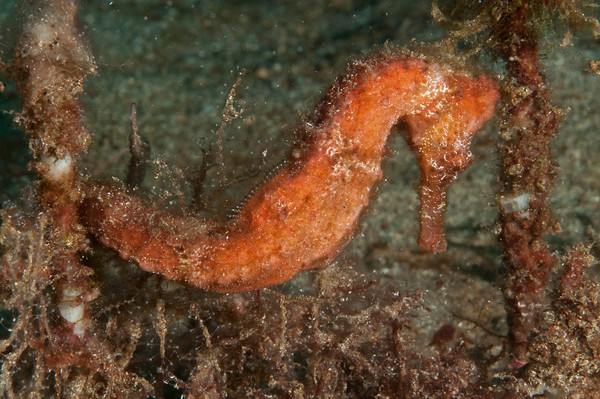
But for those in search of tiny critters, St. Vincent is a welcome alternative to the Indo-Pacific. The sediment-lined seabed is a breeding ground for little creatures. There arent many large marine animals to be found diving St. Vincent, so youll have to be content spending all your time underwater in search of things like butterflyfish, flamingo tongues, shrimp, mantis shrimp, crabs, gobies, long arm octopus, blennies, basslets, hamlets, angels and flying gurnards.
6. Milne Bay, Papua New Guinea
For those looking for a far-flung destination and a more adventurous muck diving trip, Papua New Guinea, or PNG, should be on your shortlist. The country, particularly its capital, has a bad reputation among travelers for having high crime and poverty rates. However, the people who go often say it was an experience of a lifetime and wouldnt hesitate to go back.
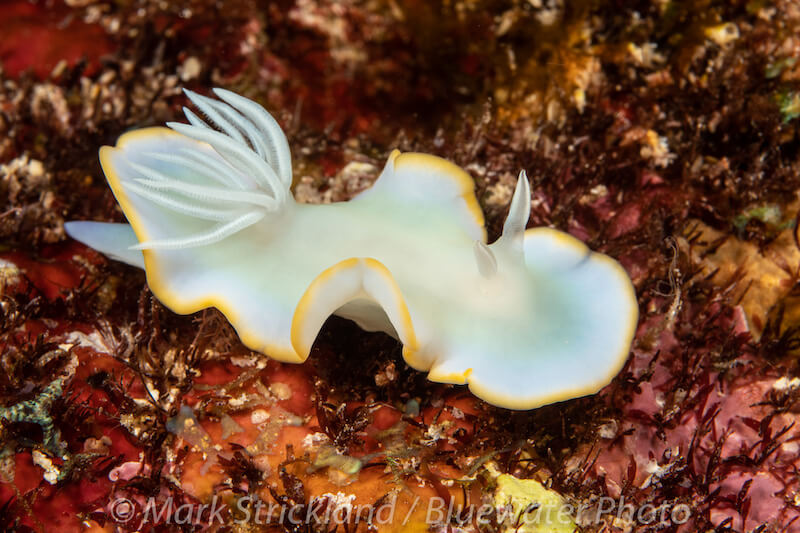
Milne Bay is actually considered to be the home of muck diving and for good reason. An abundance of seahorses, ghost pipefish, cuttlefish, frogfish, mandarin fish and many species of nudibranchs make it a haven for macro photographers.
7. Mabul, Malaysia
The nearby island of Sipadan attracts by far the greatest number of tourists, but Mabul is becoming ever more popular with divers looking to stray further away off the beaten path. While in Sipadan youre likely to encounter the big fish, in Mabul youll be scouring the seabed for the fascinated array of tiny critters that can be found.
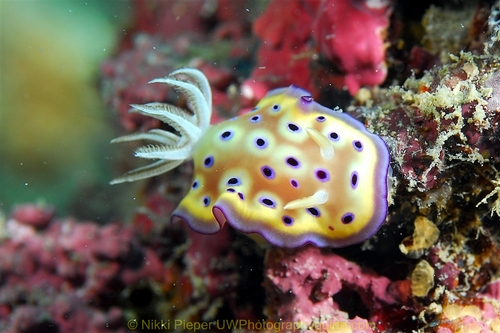
While the dive sites in Mabul might not look as spectacular as those around Sipadan, you will find unique creatures here that you wont elsewhere in the area such as baby oscillated lionfish, sea-moths, blue-spotted golden rays, squid, ribbon-eels, broad club cuttlefish, mandarin fish flamboyant cuttlefish, lots of nudibranchs, and mantis shrimp.
8. Dumaguete, Philippines
Dumaguete is a firm favorite with all kinds of divers. There are impressive clear-water reefs that are home to schooling fish and large marine life, as well as some amazing muck diving sites for the divers who prefer to spend their time underwater in search of what most people would swim straight past without a second thought.
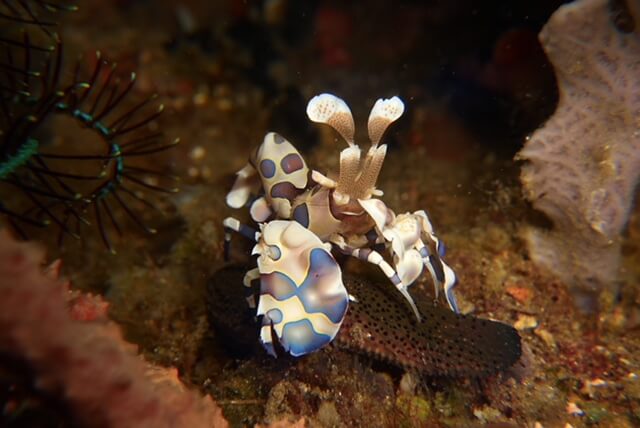
On a typical muck dive in Dumaguete, you may come across cuttlefish, squid, many frogfish and pipefish species, seahorses, eels, nudibranchs, Ambon scorpionfish and much more. The best time to visit Dumaguete is between the months of October and May in order to avoid the monsoon season.
Muck Diving And Macro Photography
Muck diving and macro photography go hand in hand. If you want to take your underwater photography to the next level, try your hand at super macro photography. Youll need plenty of patience and enjoy taking your dives slowly if youre going to have a chance at finding tiny critters, creating interesting compositions, and waiting for the perfect moment to press the shutter button.
Remember to respect the environment by not disturbing the critters youre photographing or kicking up any silt. Your fellow divers and photographers will thank you for that last one too!
Check out the Underwater Photography Guide for more tips on getting the most out of your underwater macro photography.
Want To Know More About Muck Diving Destination?
If you want to know more about any of the muck diving destinations mentioned in this article, or have any diving-related questions, dont hesitate to get in touch with our team of expert dive travel advisors. We specialize in booking individual and group trips to destinations worldwide and have first-hand knowledge and experience at some of the top-rated dive resorts and liveaboards. You can email us at info@bluewaterdivetravel.com or call 310-915-6677.


-optimized-optimized.webp&w=640&q=75 "Solomon Islands Trip Recap 2026")