CrocodilefishSipadan Trip Recap July 2026
By Trip Leader Tim Yeo
Underwater Camera Equipment Used: Sony a6700, Sony a6700 Ikelite Housing, Sony 10-18mm and Sony 50mm macro lens, dual Kraken KS-160 strobes
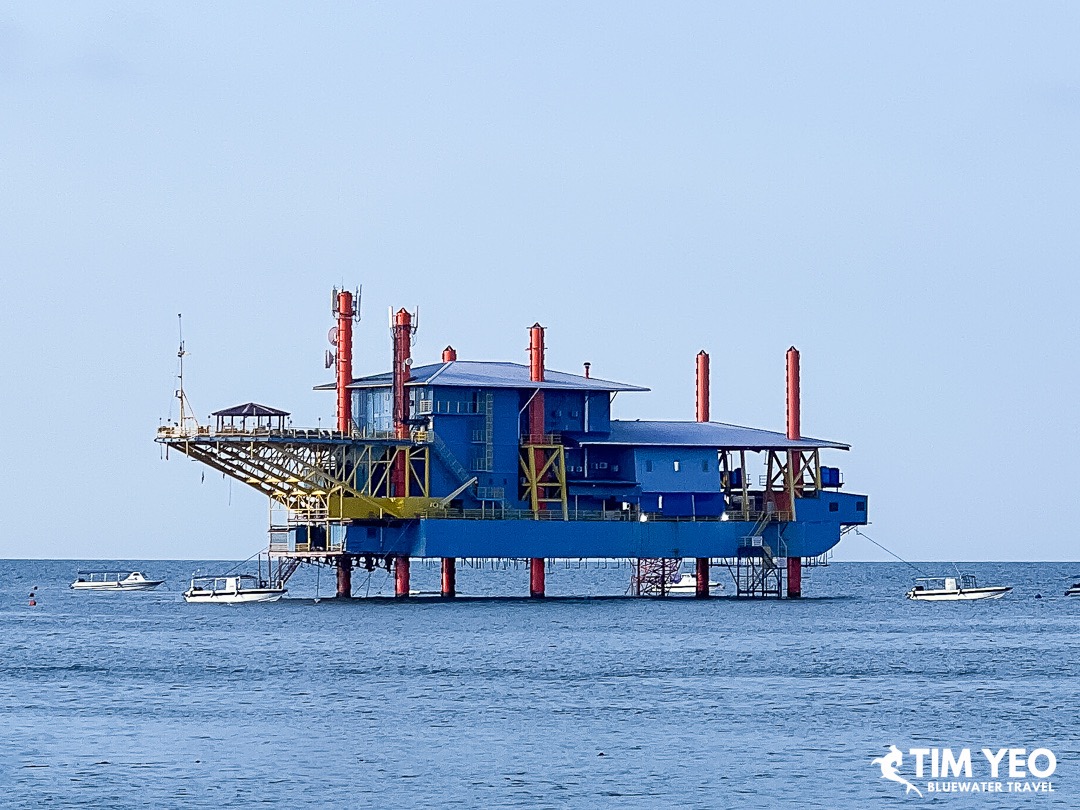
I recently returned from a week of diving Sipadan, Mabul, and Kapalai islands while staying aboard Seaventures, the world's only dive rig. Staying on a converted offshore oil platform makes this one of the most distinctive dive experiences anywhere, and it offers far more than just novelty. The rig is a purpose-built base for serious divers, with a house reef directly below, quick access to Mabul and Kapalai, and regular trips to Sipadan.
The trip delivered an excellent mix of healthy reefs, schooling fish, sharks, turtles, macro life, artificial structures, wreck diving, and night diving. Just as memorable as the underwater encounters was the experience of living high above the sea on a working dive rig, surrounded by water and only minutes from many of the region's best dive sites.
Arriving at Seaventures
We flew into Tawau (TWU) and spent one night in Semporna before transferring to the rig the following morning. Seaventures collected us from our hotel, completed a quick check-in at its Semporna office, and transferred us to the rig by boat in about 45 minutes.
Approaching Seaventures for the first time is impressive. Unlike a conventional island resort or liveaboard, the rig rises high above the water on massive steel supports. Once on board, everything revolves around diving, from the gear setup areas and dive platform to the daily schedules and direct access to the house reef below.
After a briefing and lunch, we completed a checkout dive on the house reef, followed by an afternoon dive at Mabul.
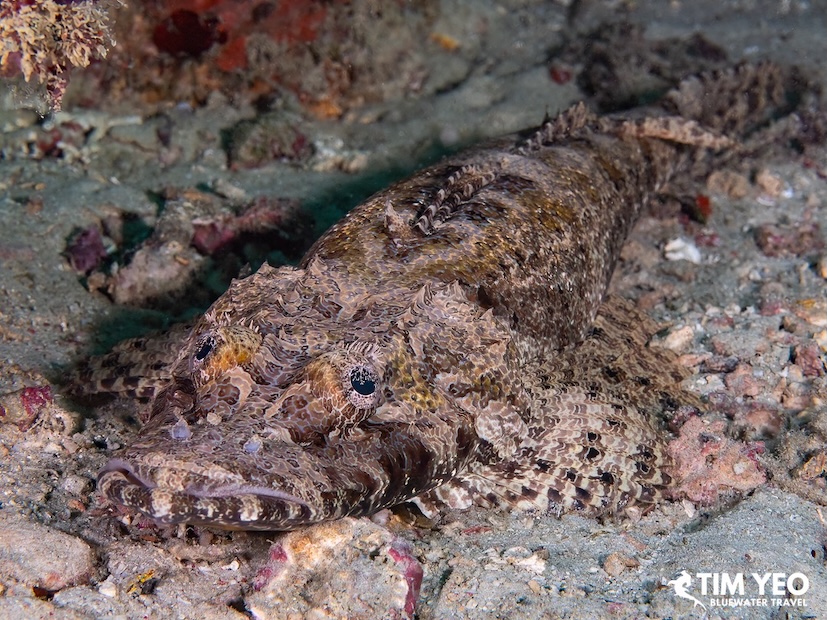
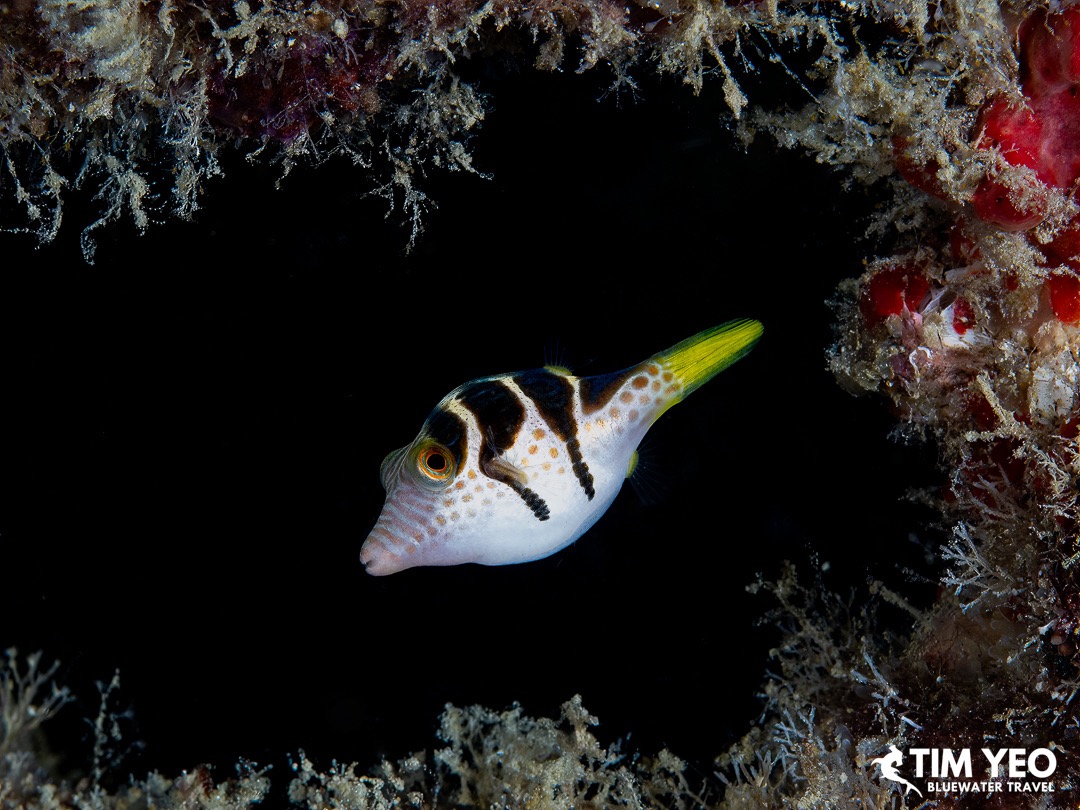
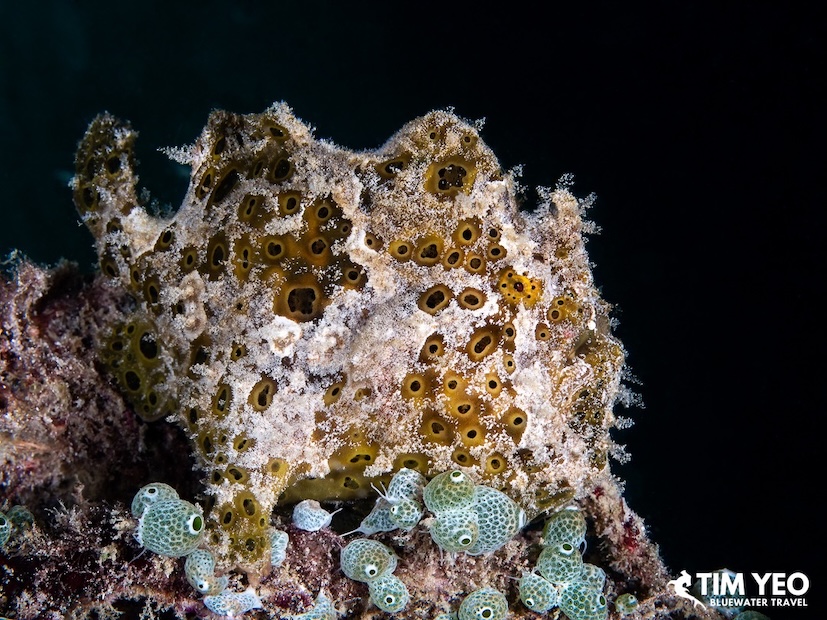
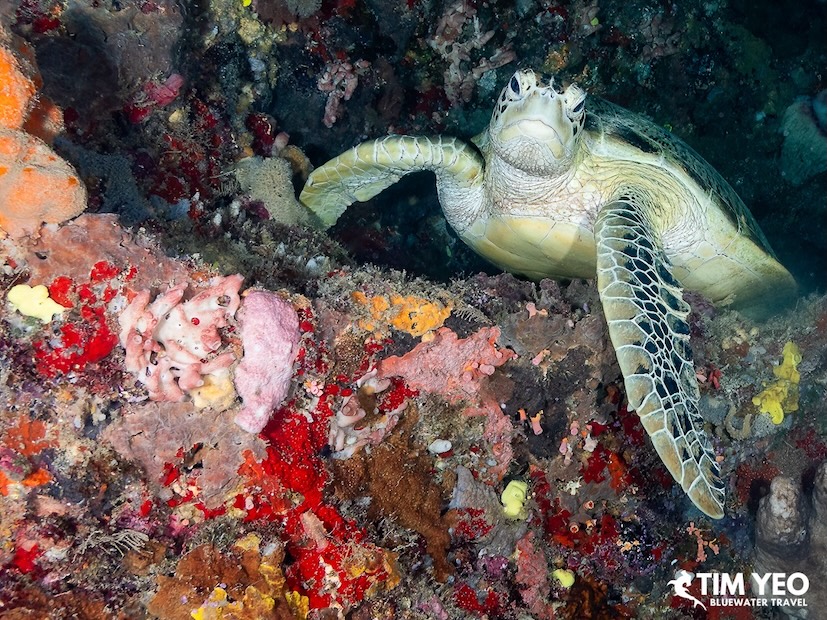
The house reef was one of the first pleasant surprises of the trip. It offered opportunities for both macro and wide-angle photography, with abundant fish life around the structures and an impressive number of crocodilefish. Mabul was more macro-oriented, although we also encountered six green turtles on a single dive!
That evening, a dive group was finishing its stay, and Seaventures hosted a barbecue night with a live band. It was a fun introduction to the social side of life on the rig.
Diving Mabul and Kapalai
Our first full day of diving took us to Kapalai and Mabul. Both areas are best known for macro life, but the numerous artificial reefs, platforms, and structures have attracted large concentrations of fish over the years.
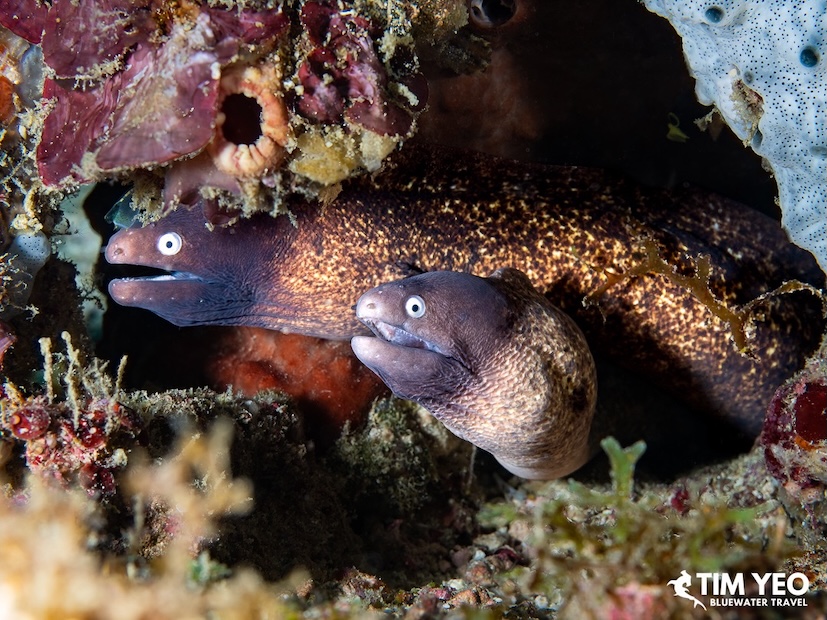
I kept my macro lens on for most of the day, although there were several moments when I wished I had brought a wide-angle setup. Schools of fish surrounded many of the artificial structures, while the sandy areas and debris fields hid nudibranchs and other small subjects.
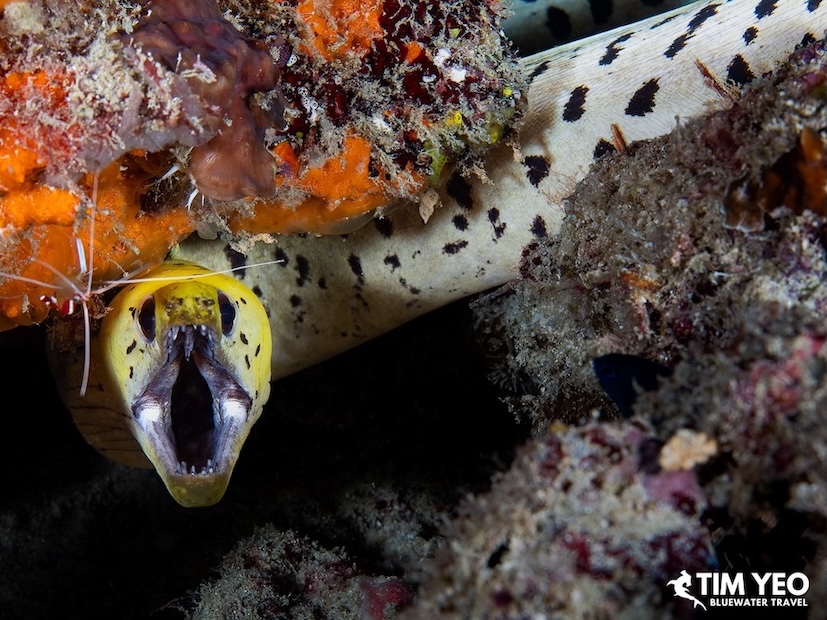
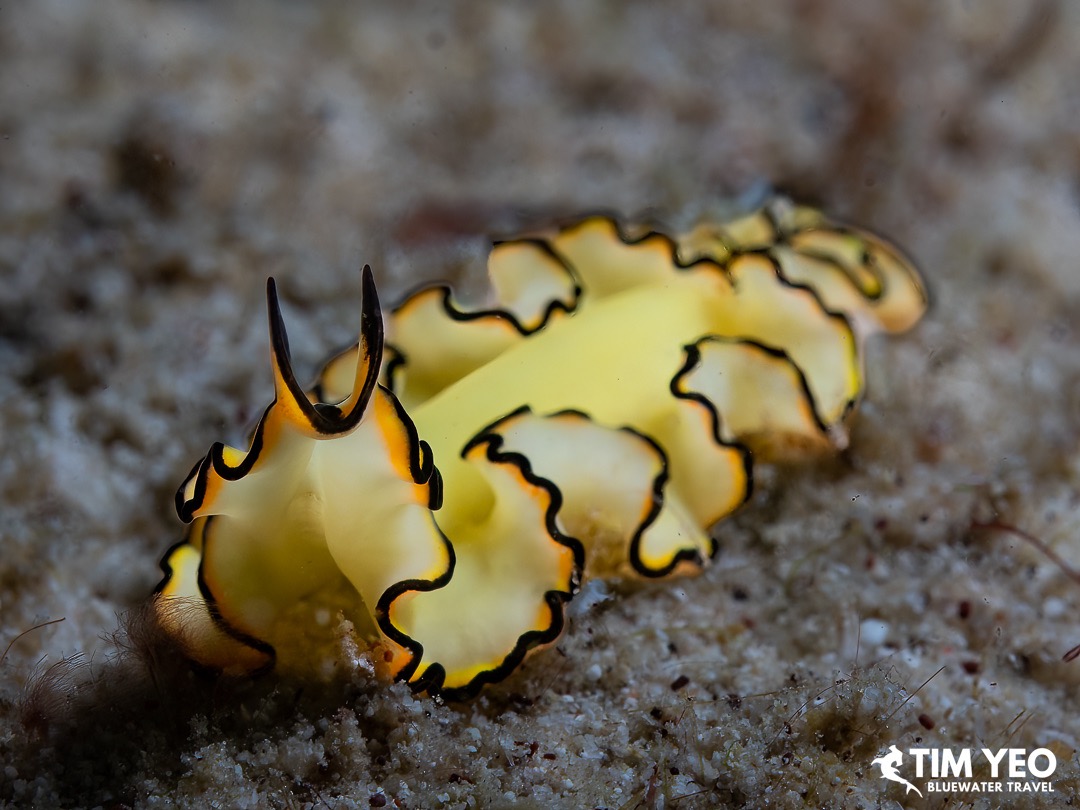
Mabul and Kapalai reward slow, observant diving. There is always something interesting hidden in the sand, tucked beneath debris, or moving among the structures. At the same time, the artificial reefs can be surprisingly lively, with enough fish activity to make them worthwhile for both macro and wide-angle photographers.
Diving Sipadan
Our Sipadan days started with a 6:00 a.m. departure and a roughly 30-minute boat ride to the island. After a quick check-in at the permit office, we completed three dives, returning to the island between dives for breakfast and surface intervals.
The island has comfortable huts with tables and benches overlooking the ocean, along with toilets and showers. It made a pleasant base between dives before heading back out to the surrounding walls and reefs.
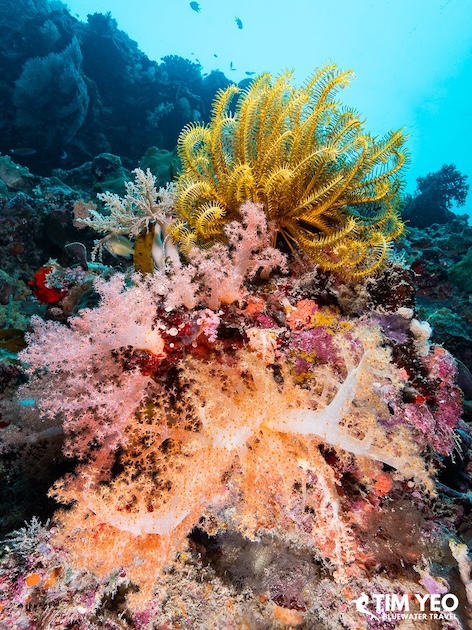
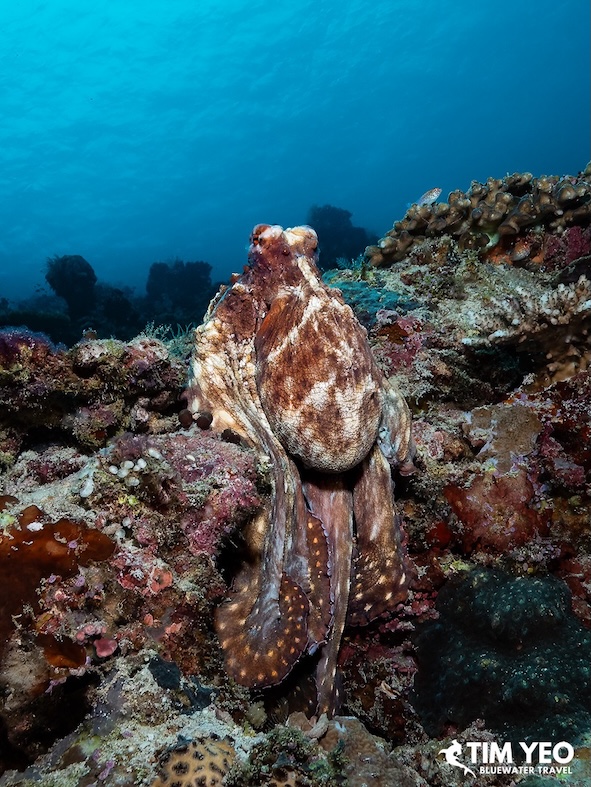
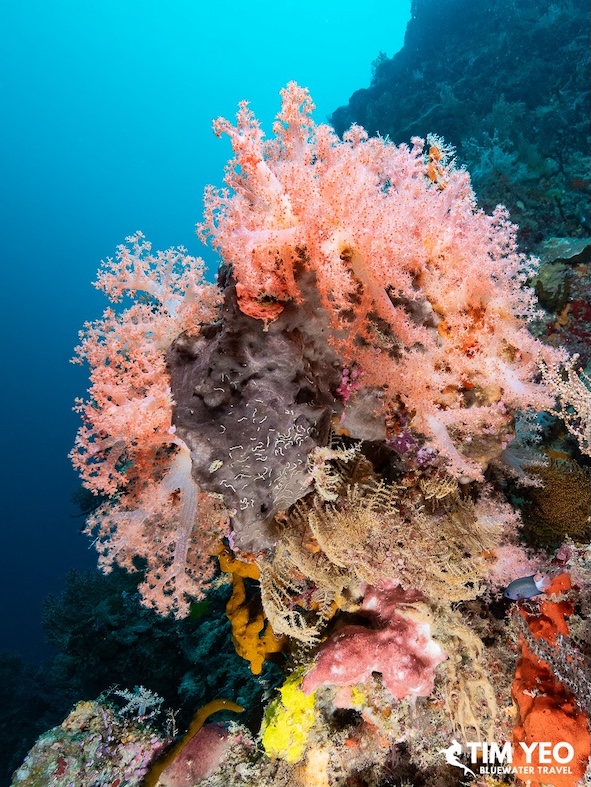
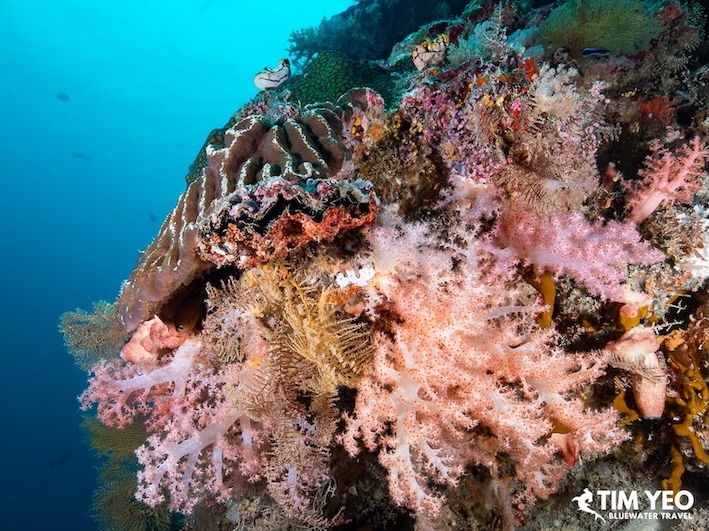
Sipadan was the highlight of the trip. The diving was completely different from Mabul and Kapalai, with healthy coral reefs, steep walls, and a much greater concentration of larger marine life.
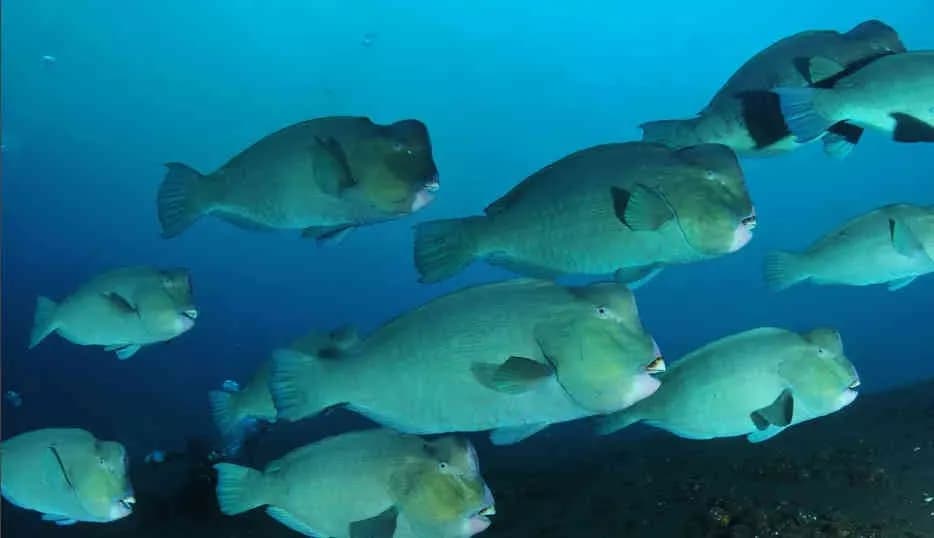
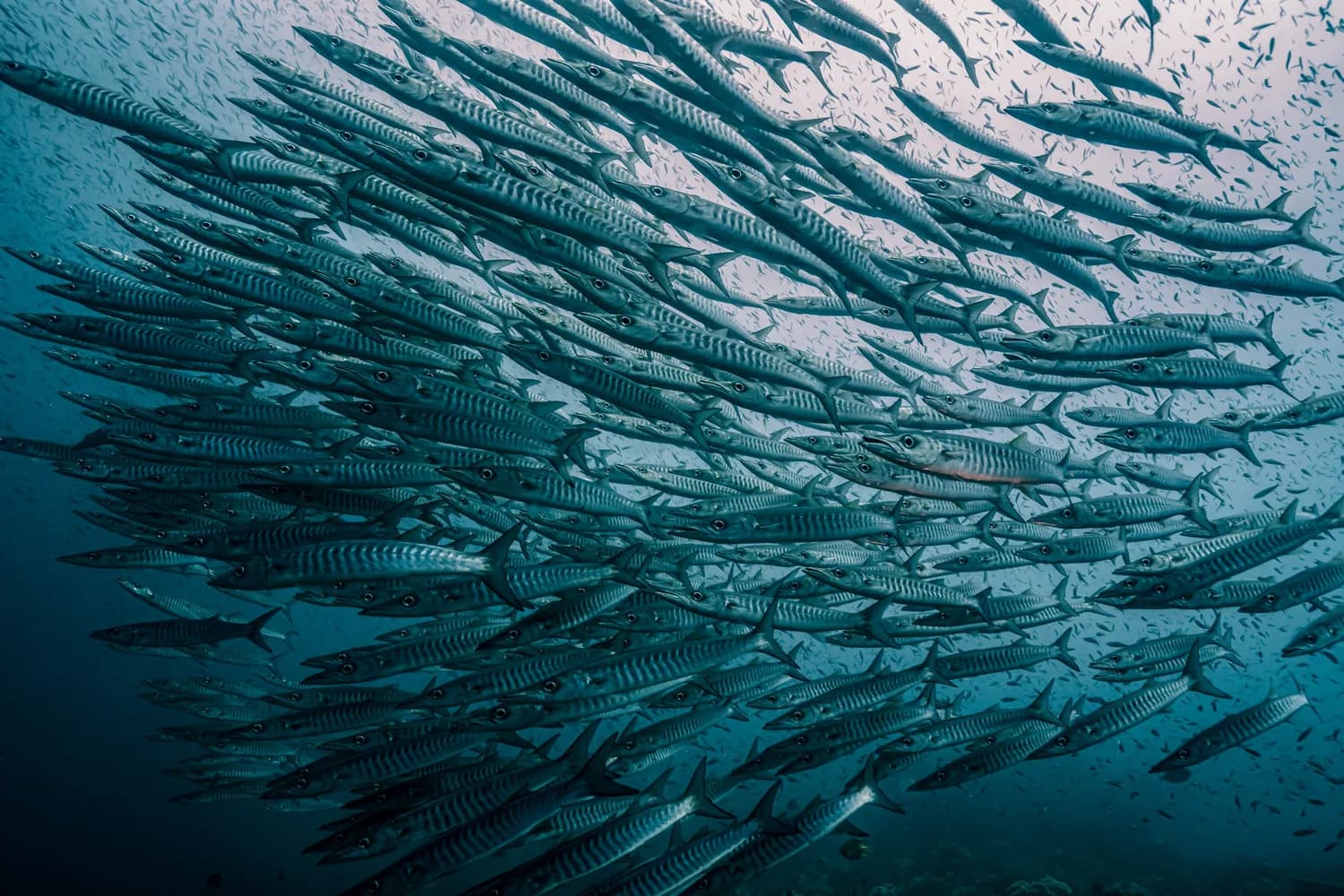
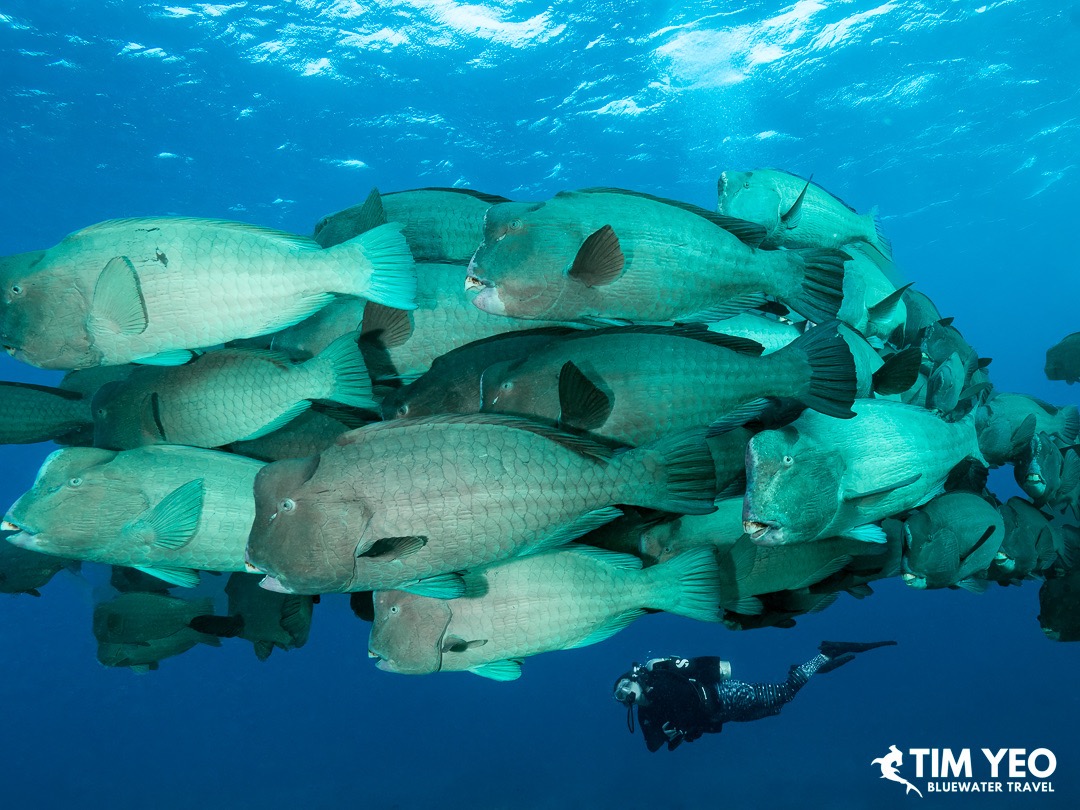
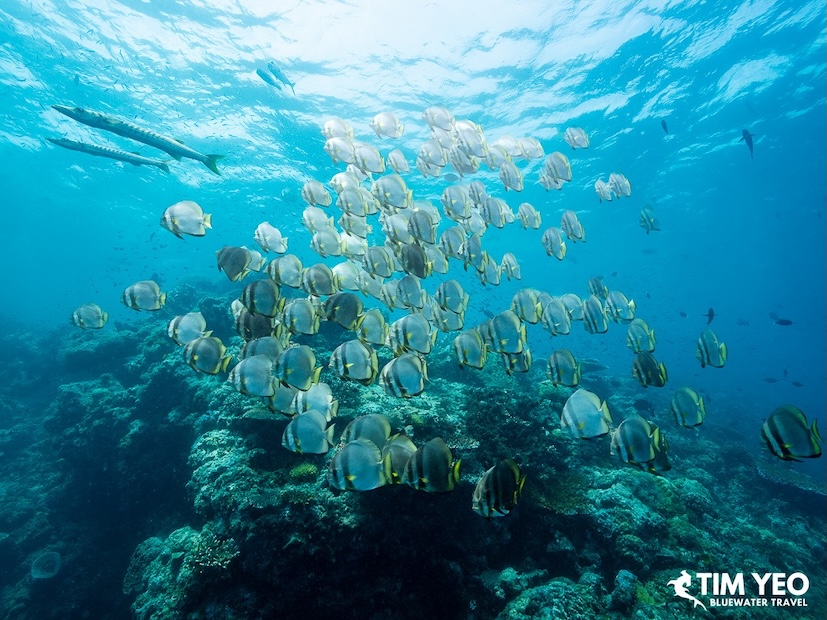
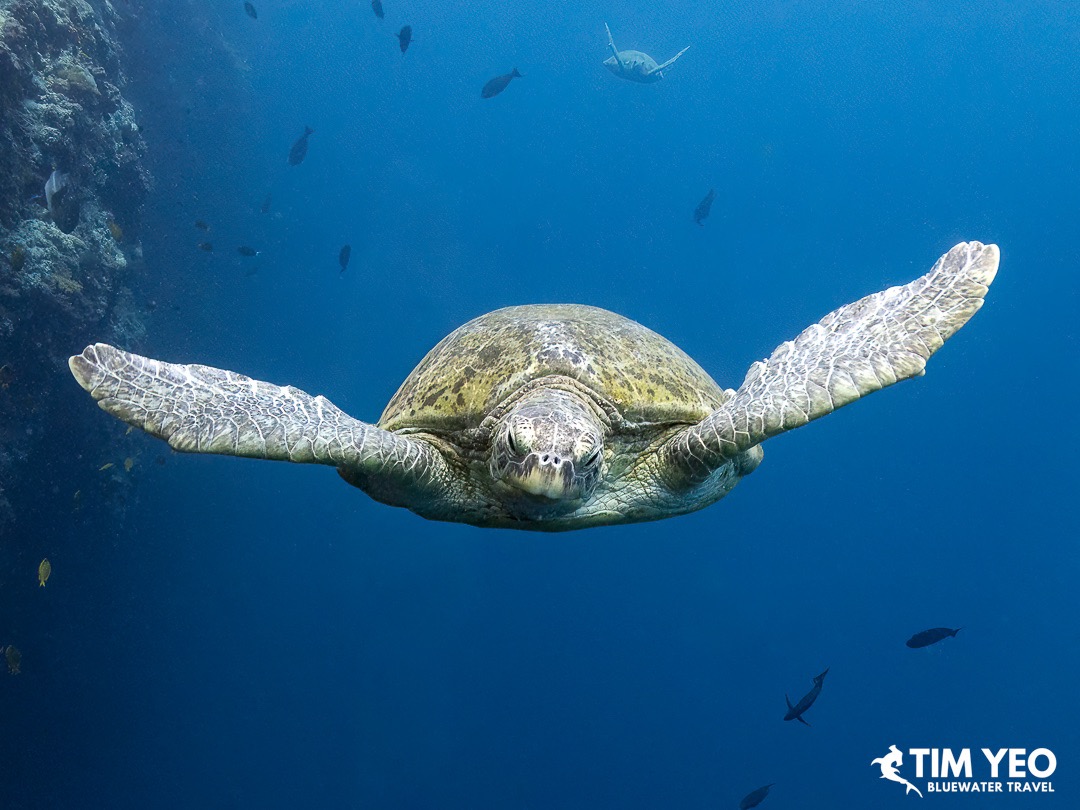
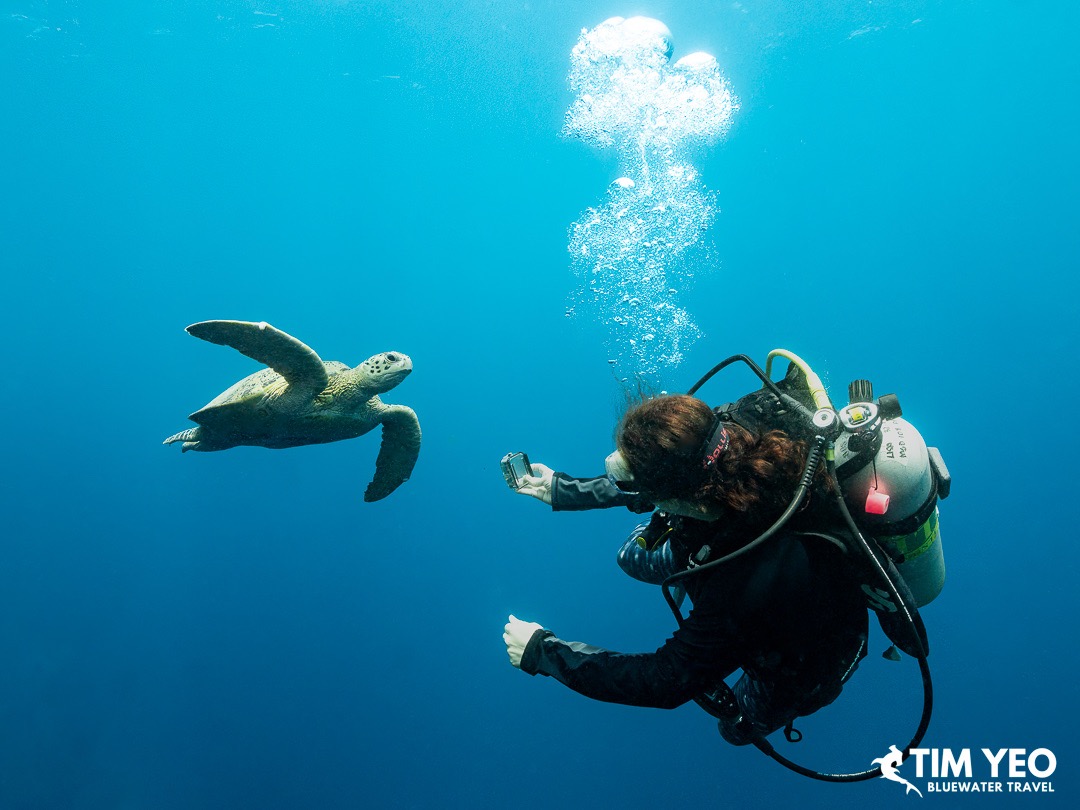
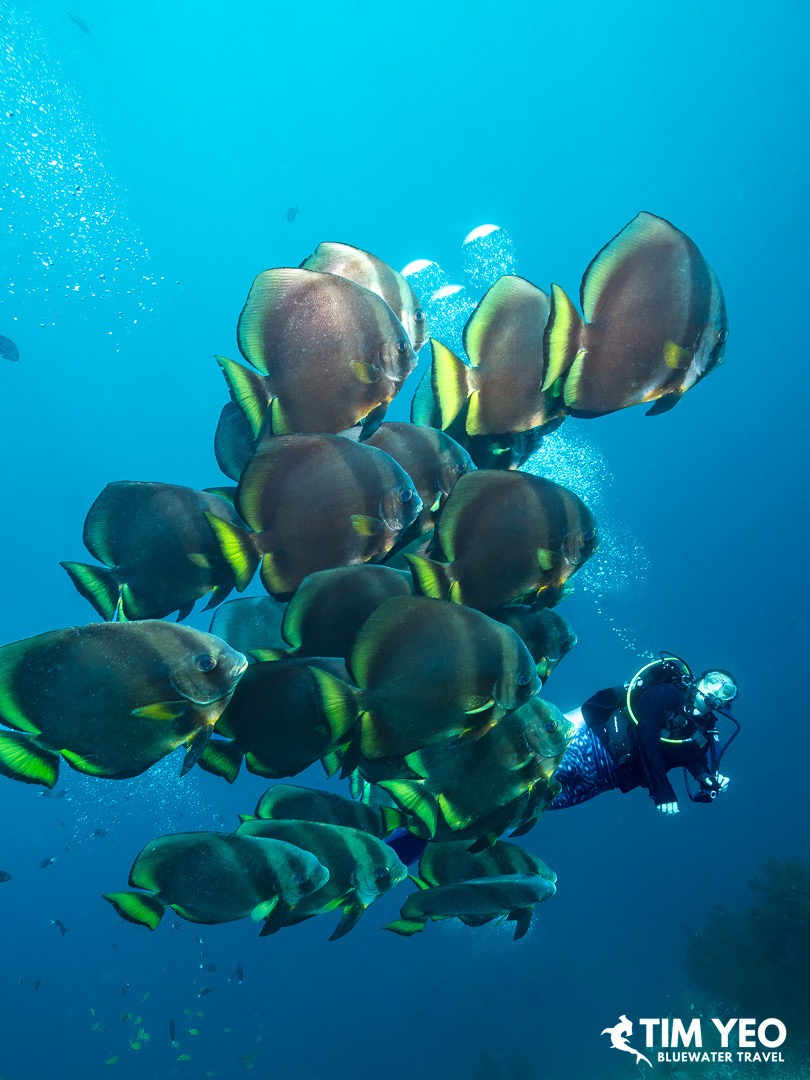
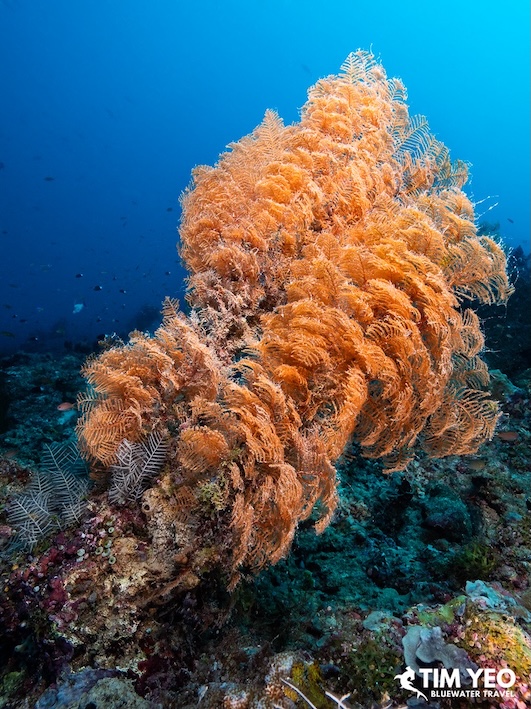
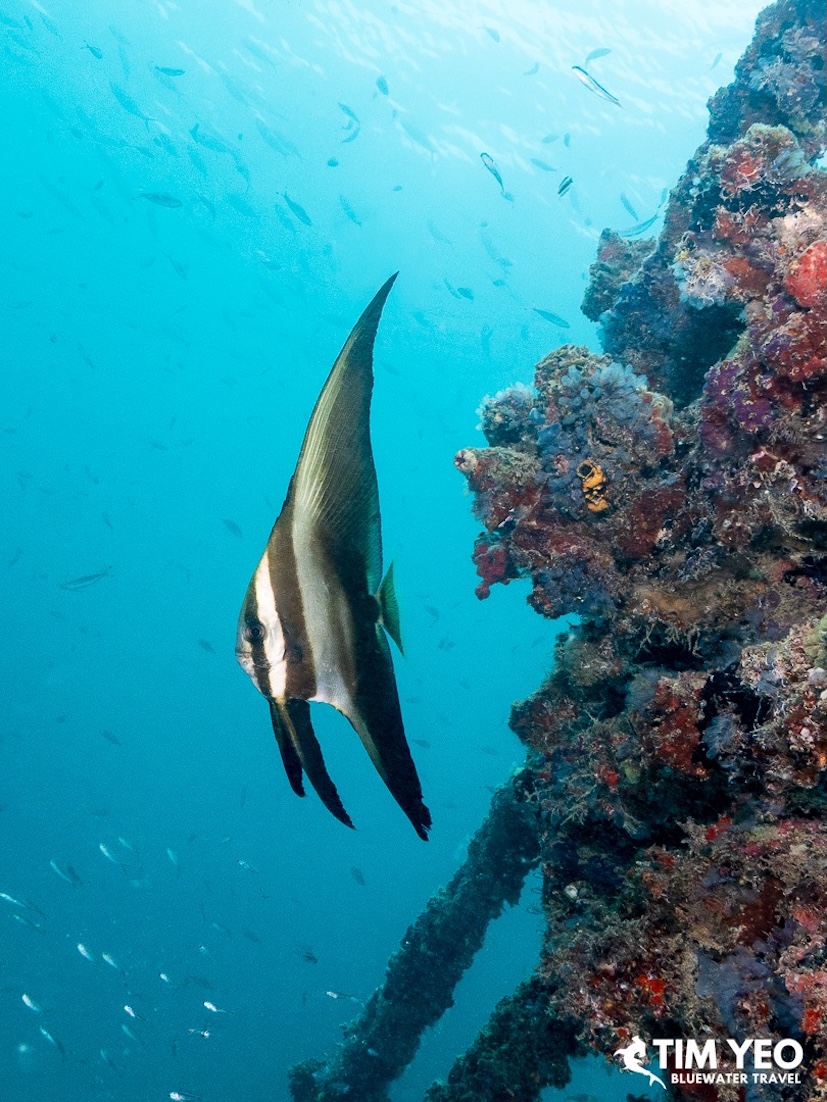
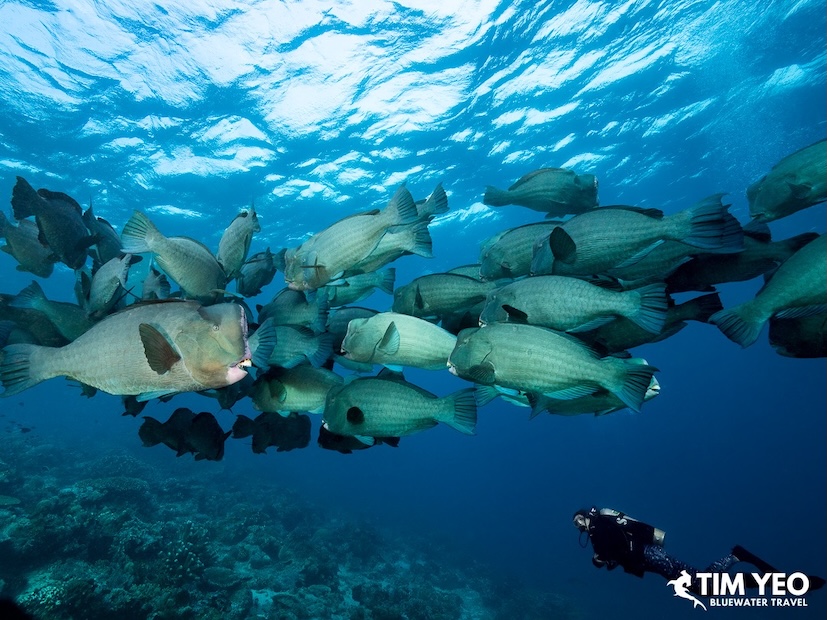
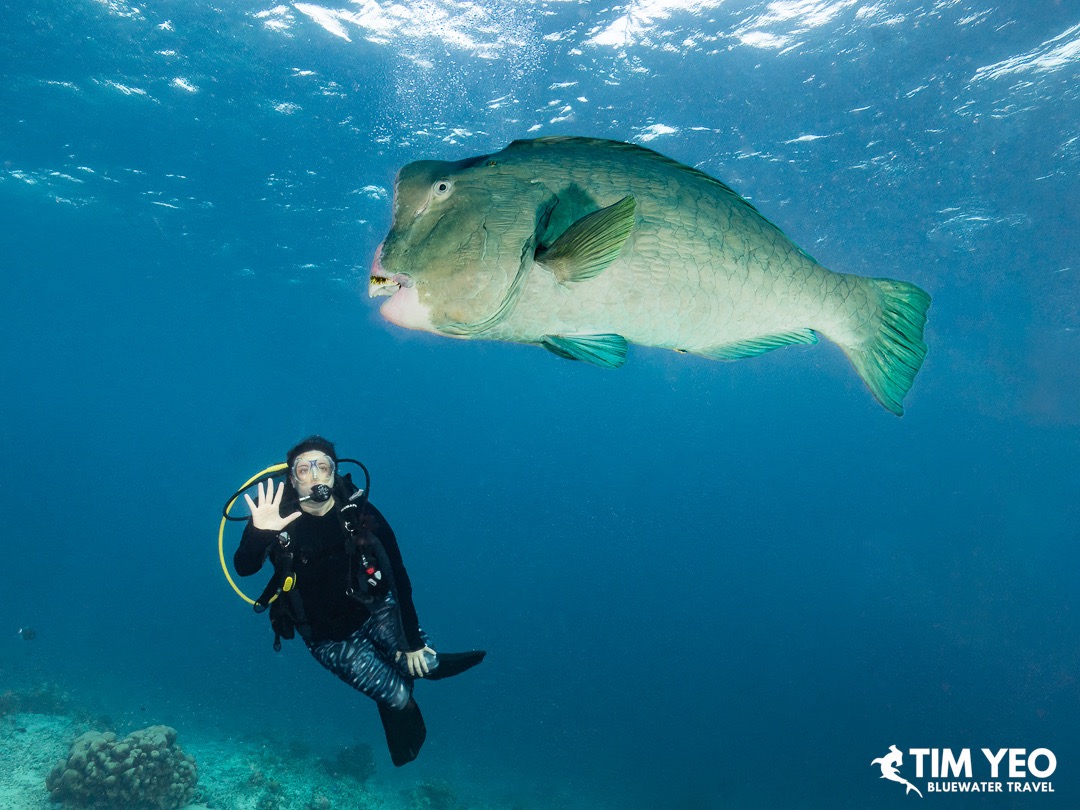
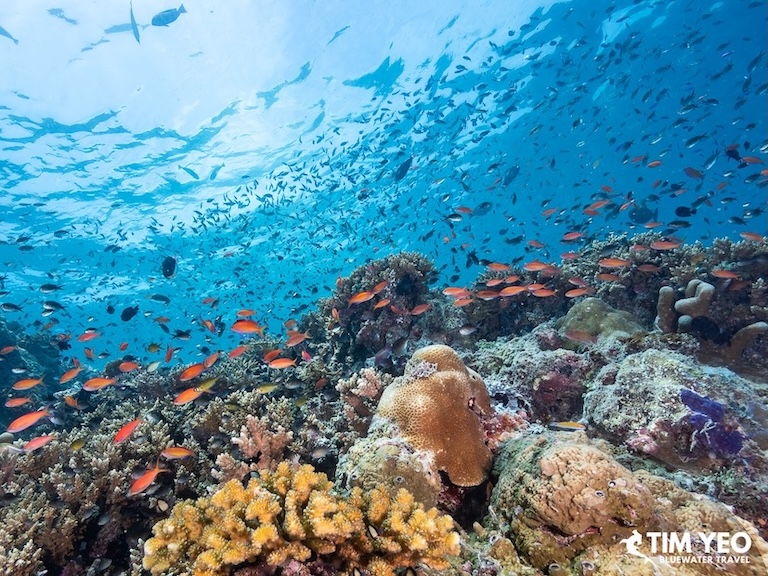
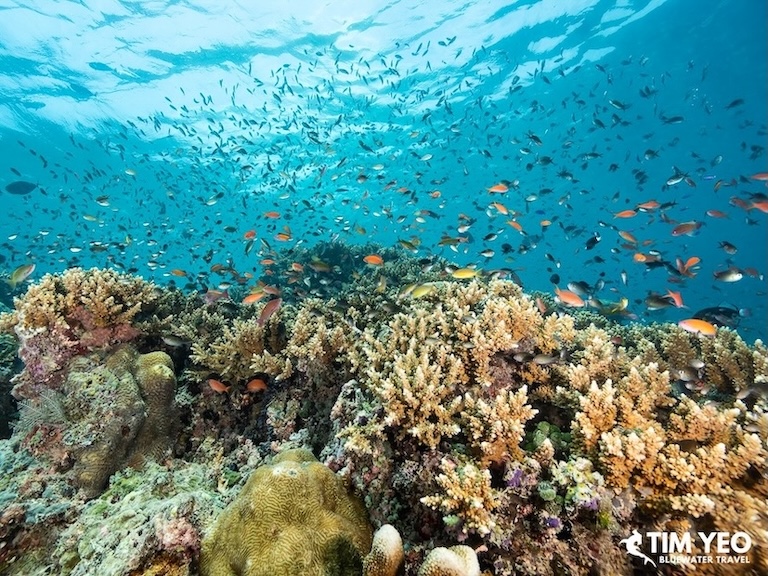
The variety of life is what makes Sipadan special. During a single dive, it is possible to see grey reef sharks, whitetip reef sharks, schooling jacks and barracuda, bumphead parrotfish, batfish, massive Napoleon wrasse, and more green turtles than you can count. The shallow reef tops are filled with anthias and damselfish, while the walls feature hard corals, soft corals, sea fans, and sponges. Even after multiple dives, each site felt different, and there was always the possibility of another memorable encounter.
Blue Liberty Wreck and Night Diving
We took one day off from Sipadan to sleep in and explore more of Kapalai and Mabul. The highlight was the Blue Liberty wreck at Kapalai. Certified wreck divers were allowed to penetrate the wreck and explore the engine room, while other divers could explore the top deck, wheelhouse, exterior and surrounding structures.
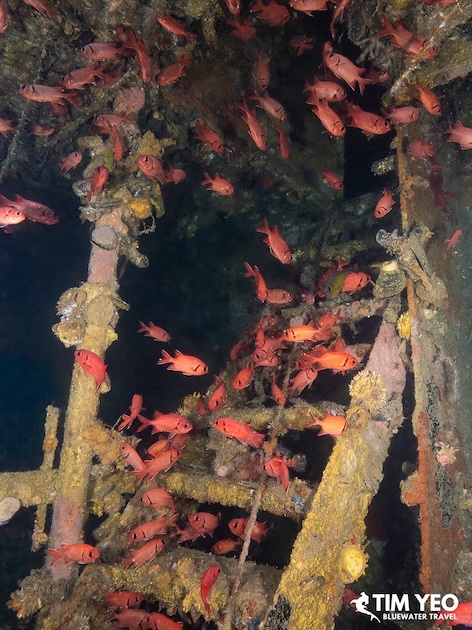
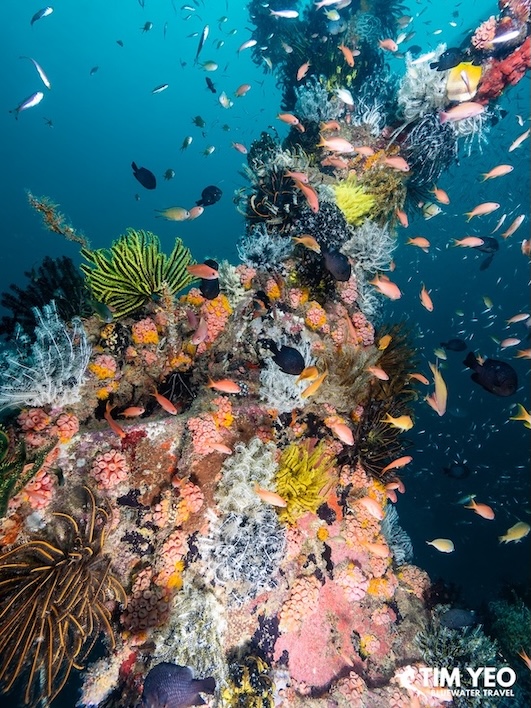
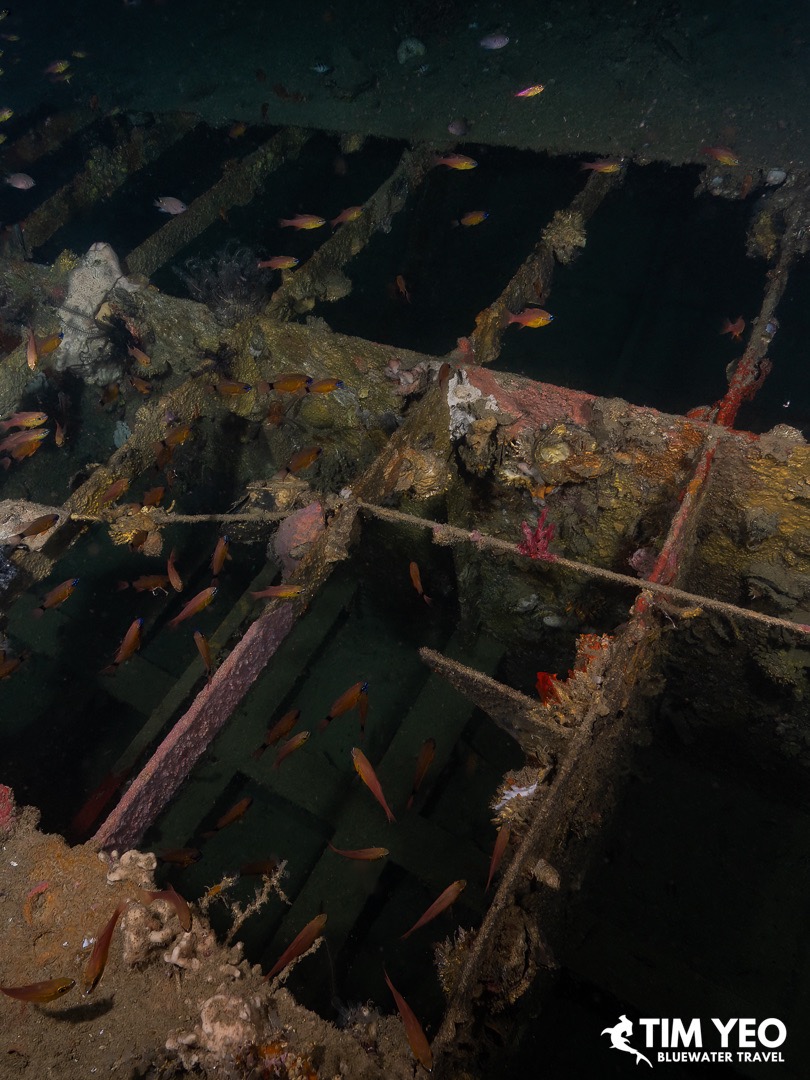
The wreck itself was interesting, but the amount of marine life around it and its supporting structures made the dive especially rewarding. It added another dimension to a trip that already included coral walls, muck diving, artificial reefs, and big-animal encounters.
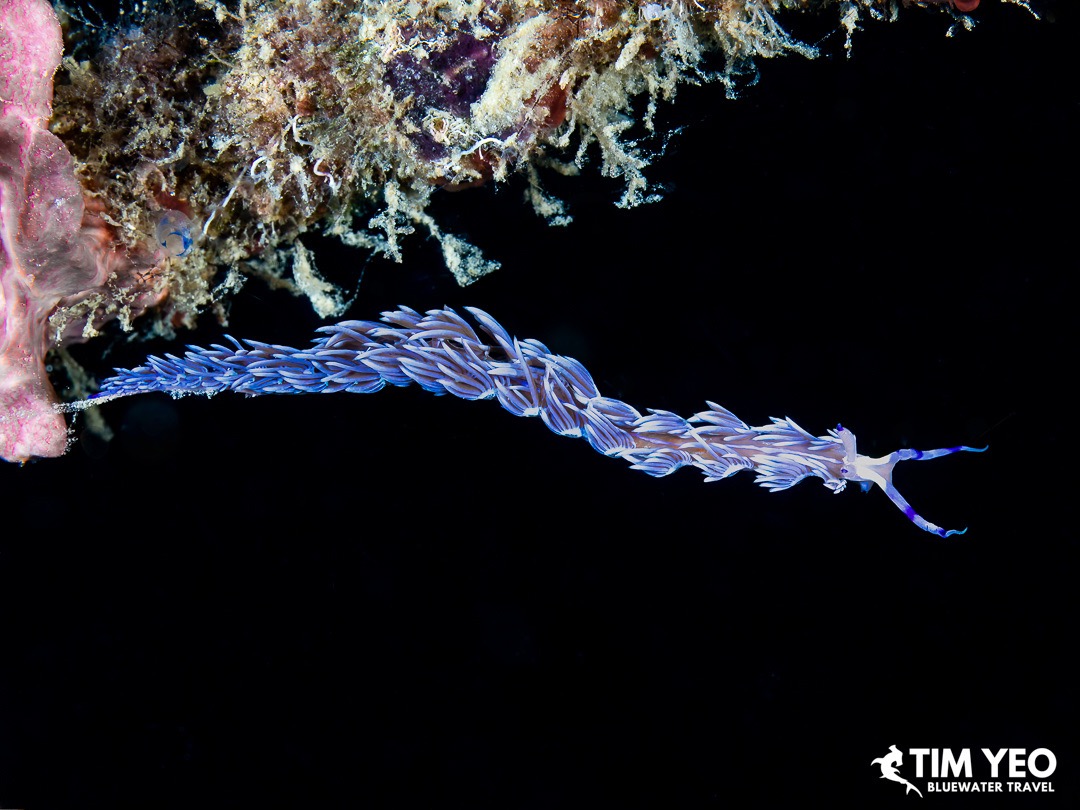
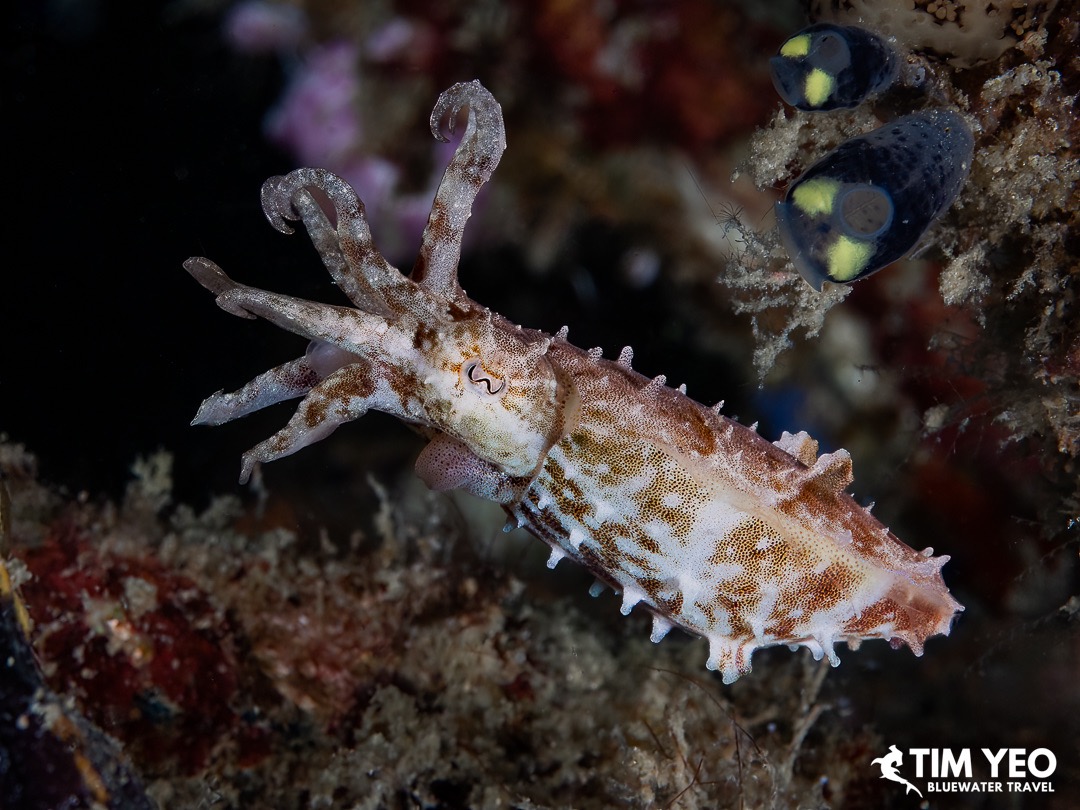
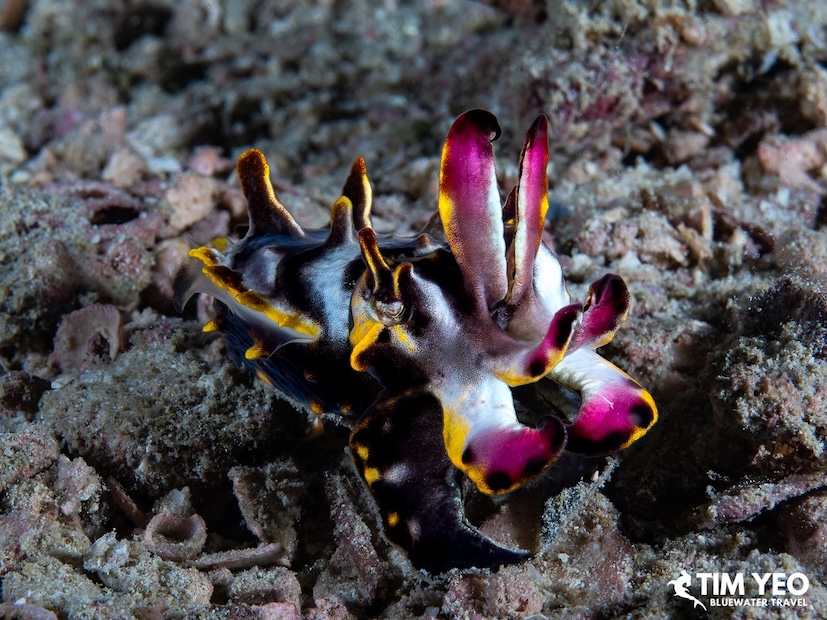
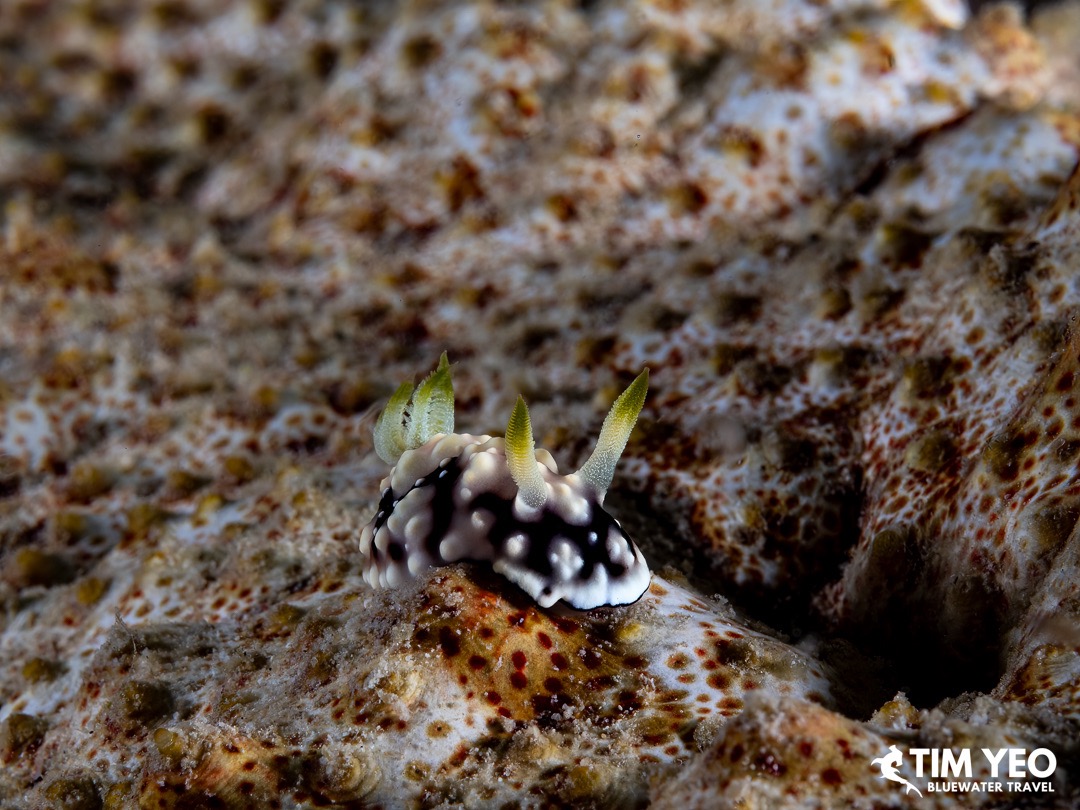
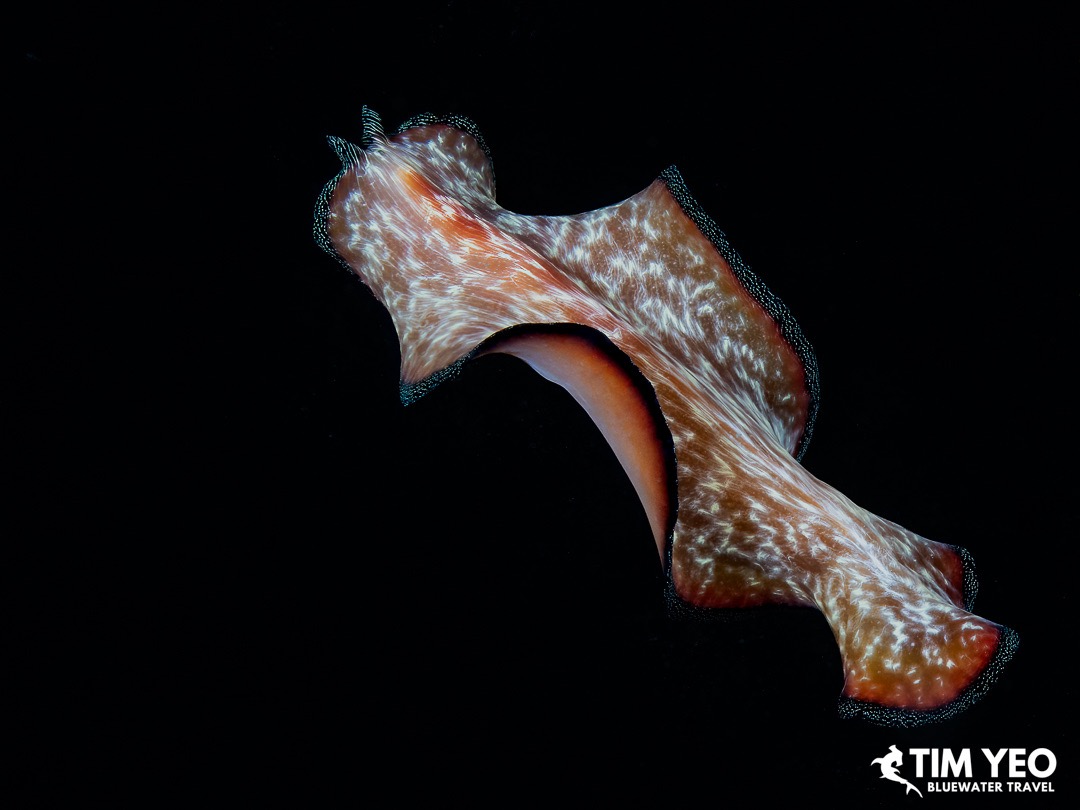
That evening, we went on a night dive at Kapalai. We hoped to find mandarinfish but were unsuccessful. Even so, the dive produced several excellent critters, including a flamboyant cuttlefish and a Ceratosoma nudibranch.
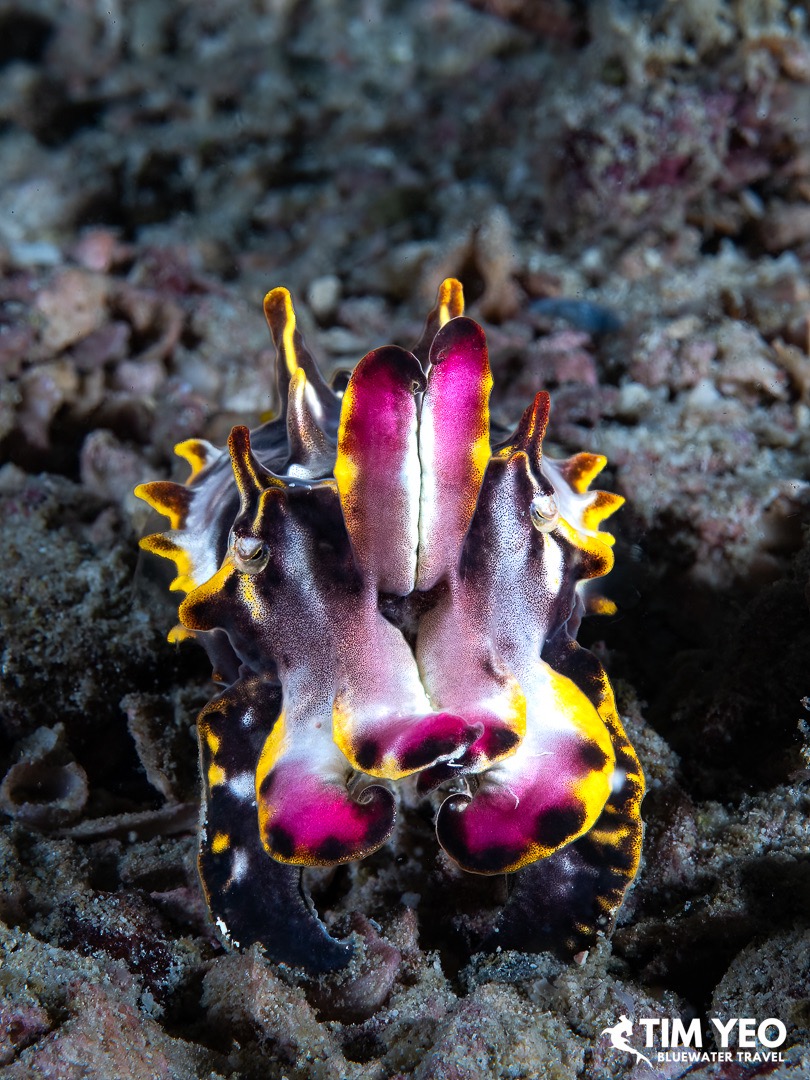
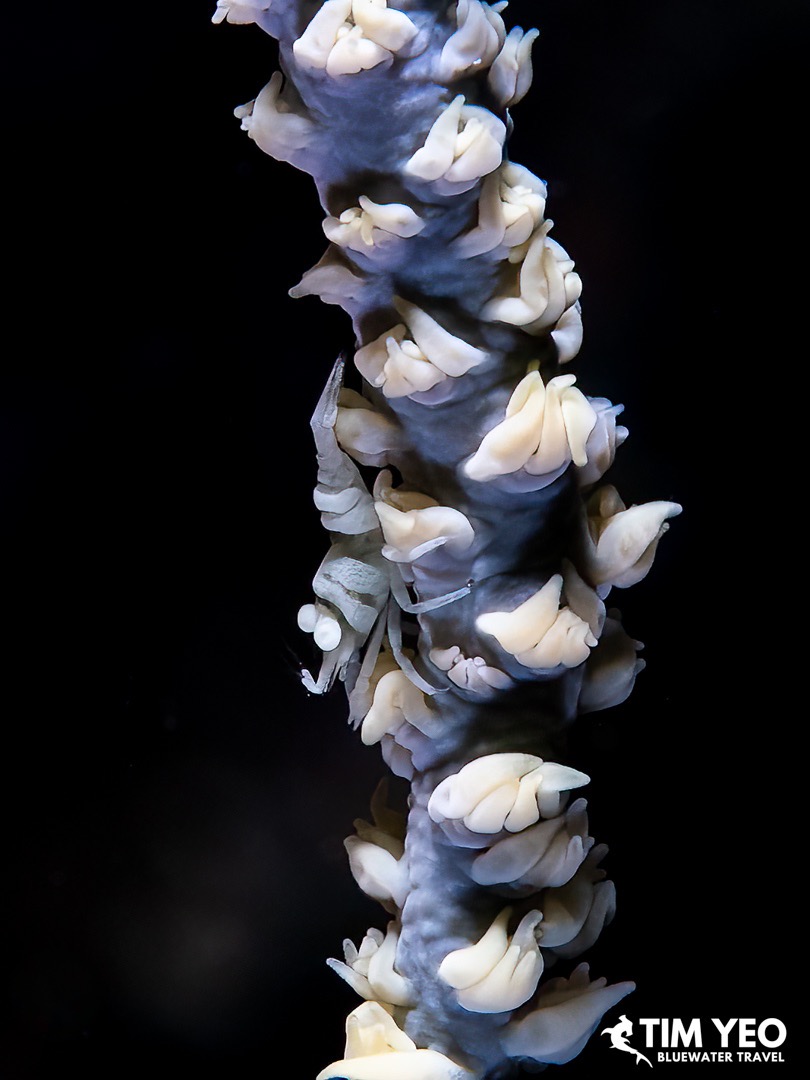
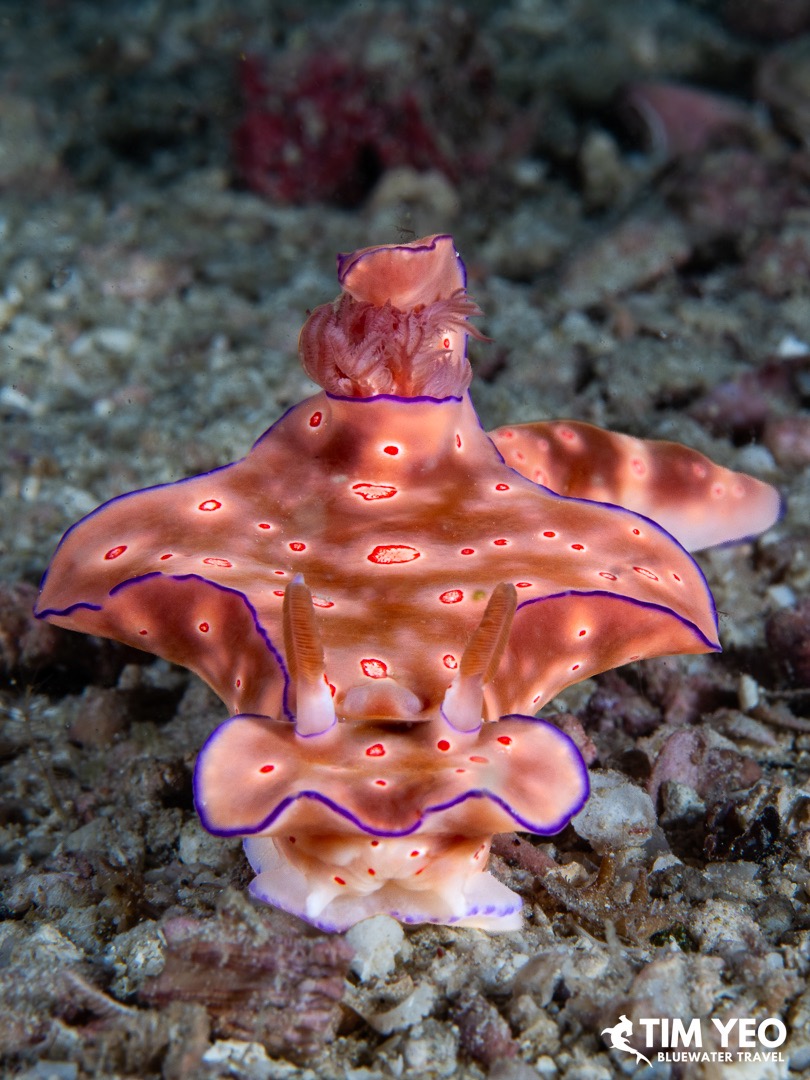
The night dive showed another side of Kapalai, as different animals emerged after dark and familiar structures became hunting grounds for nocturnal marine life.
A Final Day at Sipadan
For our final day of diving, we returned to Sipadan for three more dives. The 5:00 a.m. wake-up for the 6:00 a.m. departure was easier than expected, especially knowing what awaited us. The dives produced close encounters with schools of bumphead parrotfish, large Napoleon wrasse, and schools of batfish.
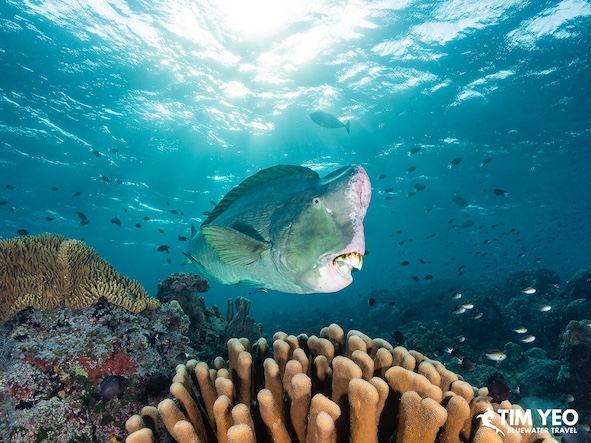
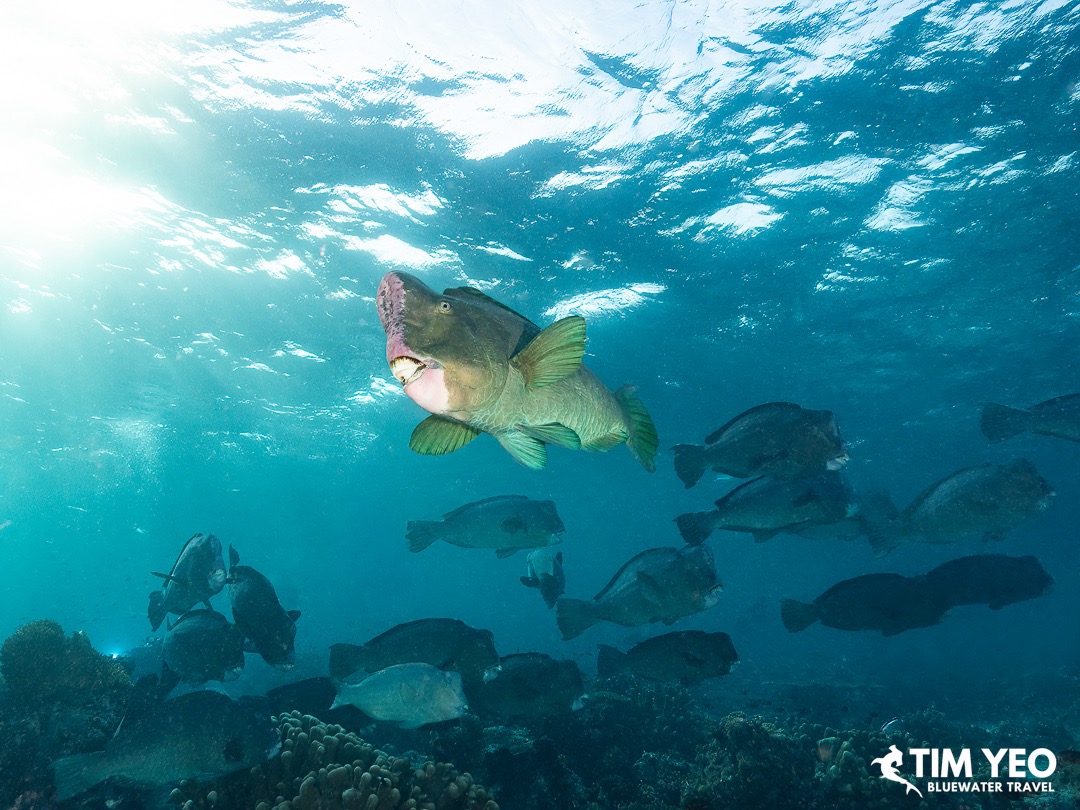
It was a fitting conclusion to the trip. After several days of diving around Sipadan, Mabul, and Kapalai, our final dives brought together many of the elements that make the region so special: large schools of fish, healthy reefs, turtles, sharks, and dramatic wide-angle scenery.
We returned to the rig by around 1:00 p.m. After lunch, we washed all our dive equipment and hung it out to dry. By that evening, everything was dry and ready to pack, making the final departure much easier.
Final Thoughts
Seaventures offers one of the most unusual dive experiences in the world. Staying aboard the world's only dive rig is memorable in its own right, but the rig's real strength is how well it works as a base for dedicated divers and underwater photographers.
The house reef begins directly beneath the platform and is filled with fish life, while Mabul and Kapalai are only minutes away. Sipadan is close enough for regular three-dive excursions, creating a trip that combines macro, wrecks, night diving, artificial reefs, healthy coral walls, and larger marine life.
Mabul and Kapalai delivered nudibranchs, turtles, artificial reefs, wreck diving, and unusual night encounters. Sipadan provided the dramatic contrast, with sharks, schooling jacks and barracuda, Napoleon wrasse, bumphead parrotfish, batfish, vibrant reef tops, and an extraordinary number of turtles.
Photographers should bring both macro and wide-angle setups. The environments change significantly from one area to another, and having both options will help make the most of the diving.
Sipadan was the undeniable underwater highlight, but staying and diving from Seaventures made the trip unique. There are many excellent dive resorts and liveaboards around the world, but only one place where divers can live on a converted offshore rig, descend directly onto a fish-filled house reef, and spend the week exploring Sipadan, Mabul, and Kapalai.
That combination made this one of the most distinctive and varied dive trips I have experienced.
More Pictures
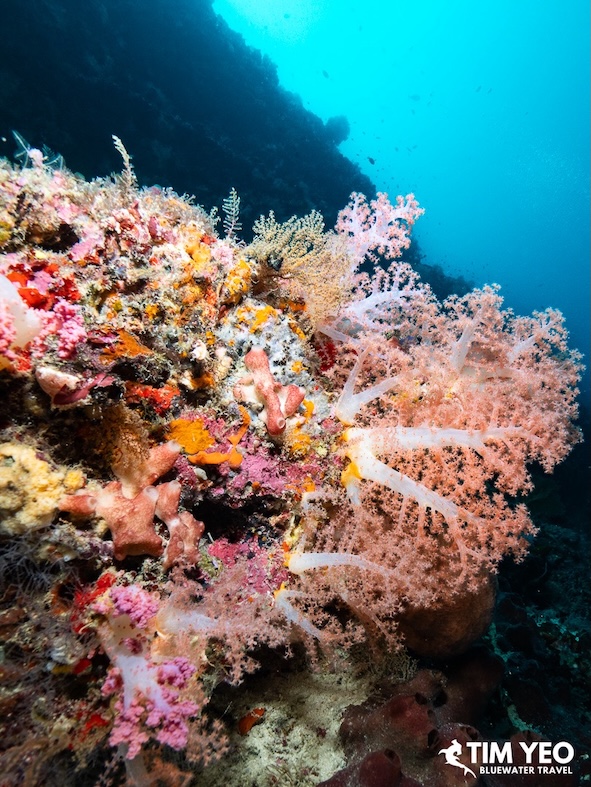
Can't get enough of this trip? Check out our Sipadan 2026 Recap Video!
Author
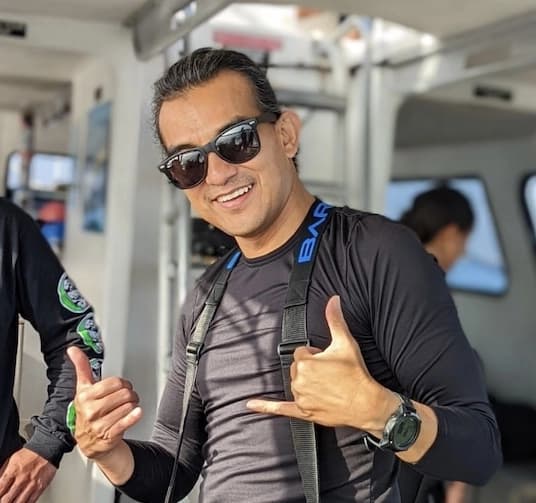
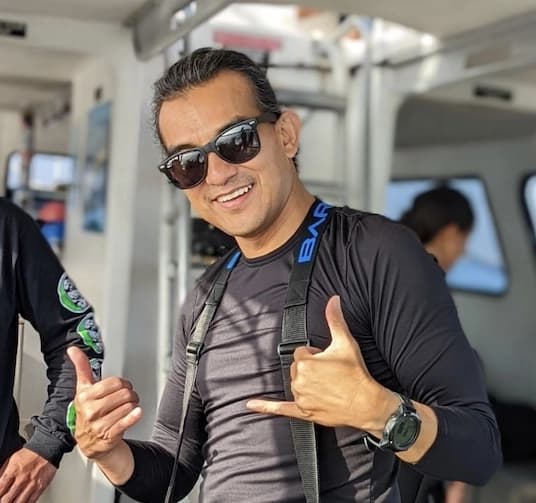
Tim Yeo
Tim grew up in tiny Singapore, where driving for more than an hour meant you would need a passport. Traveling was always his passion, but Tim became addicted to dive travel soon after he got scuba certified in Malaysia. As his diving addiction grew, Tim eventually became a Staff Instructor with PADI and an Instructor Trainer with SDI. After getting his instructor certification, Tim spent time teaching scuba in Malaysia and Vietnam.
Tim serves as General Manager and COO at Bluewater Travel and is the company's most seasoned trip leader. With a portfolio of leading over 30 group trips, his extensive expertise encompasses a variety of popular dive destinations such as the Galapagos, Raja Ampat, French Polynesia, Fiji, the Red Sea, Palau, Maldives, among others. His travels have taken him across all seven continents and allowed him to dive in all five oceans—the Atlantic, Pacific, Indian, Arctic, and Antarctic.
-optimized.webp&w=640&q=75 "Moorea Trip Recap August 2026")


-optimized-optimized.webp&w=640&q=75 "Solomon Islands Trip Recap 2026")