





Exploring Halmahera & Morotai Trip Report 2025
Words and Images By Anne Rucquoi
This summer, I had the pleasure of exploring one of Indonesia’s most untouched diving regions: South Halmahera and Morotai. Over three weeks, I visited several partner resorts and had the opportunity to experience first-hand the diving, accommodations, and hospitality that make this region such a special destination.
Thalassa Dive Resort – Manado
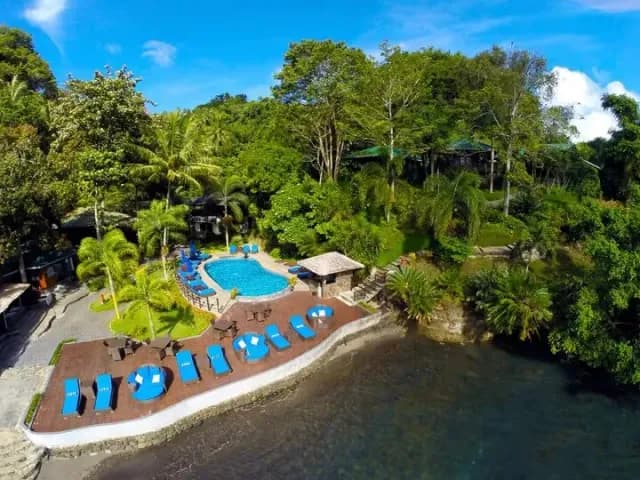
My journey began with an unexpected stopover in Manado due to a volcano erupting in Flores. I stayed at Thalassa Dive Resort, a comfortable mid-range option just a short drive from the airport. The resort has a peaceful jungle feel, with private bungalows as well as villa-style accommodations perfect for families or small groups.
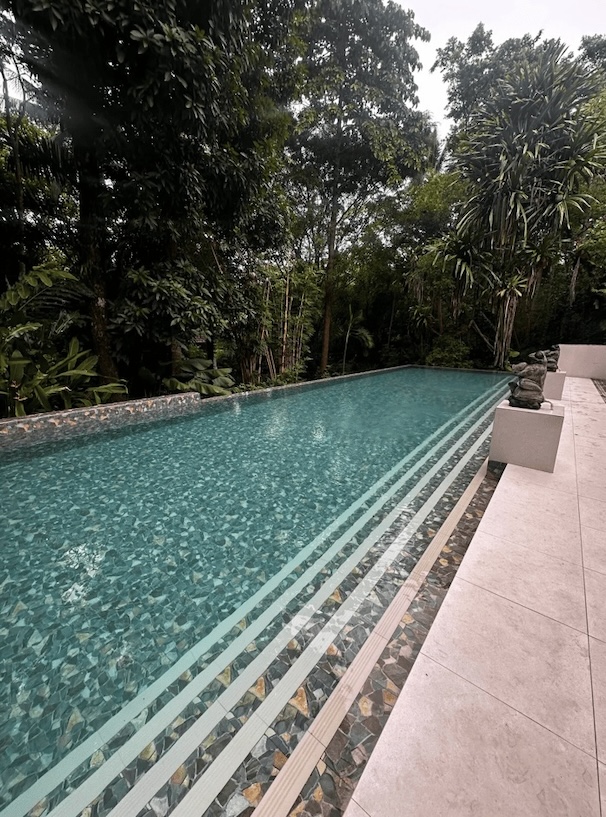
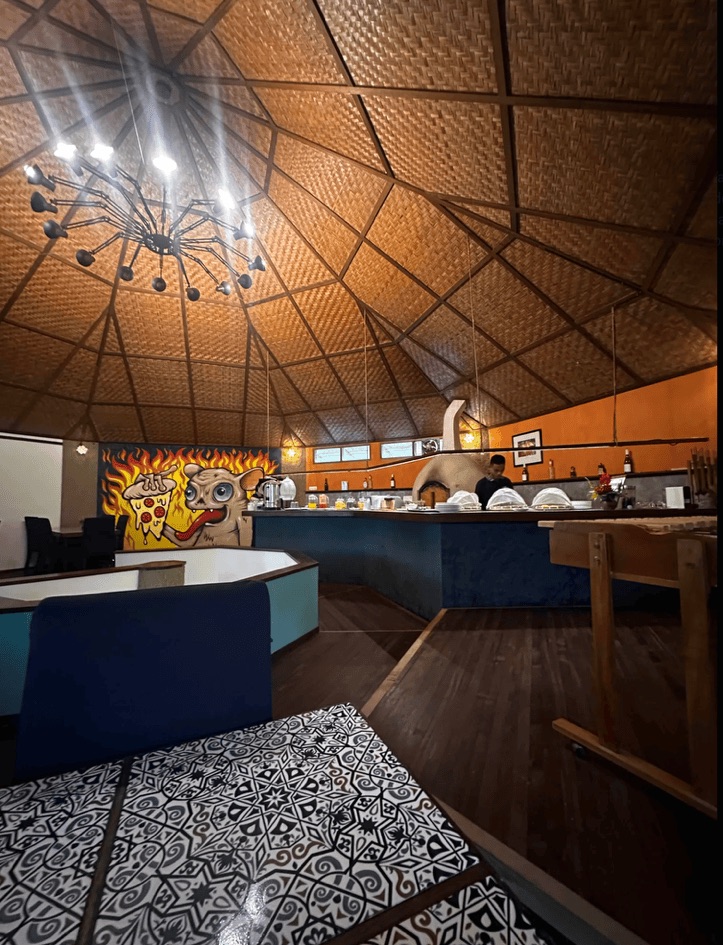
Guests can dive Manado (macro and sandy slopes), Bunaken (walls, hard corals, and turtles), or Bangka (famous for its soft corals and currents that attract varied marine life). Land tours to Tangkoko National Park are also possible. Arjen and Sandrine, the welcoming managers and owners, make guests feel right at home from the start.
My takeaway from this experience: when traveling in Indonesia (or anywhere else for that matter), always purchase travel insurance. This time, it really helped with the cost of rescheduling flights and staying overnight in Manado unexpectedly.
Nabucco’s Spice Island Resort – Kusu Island
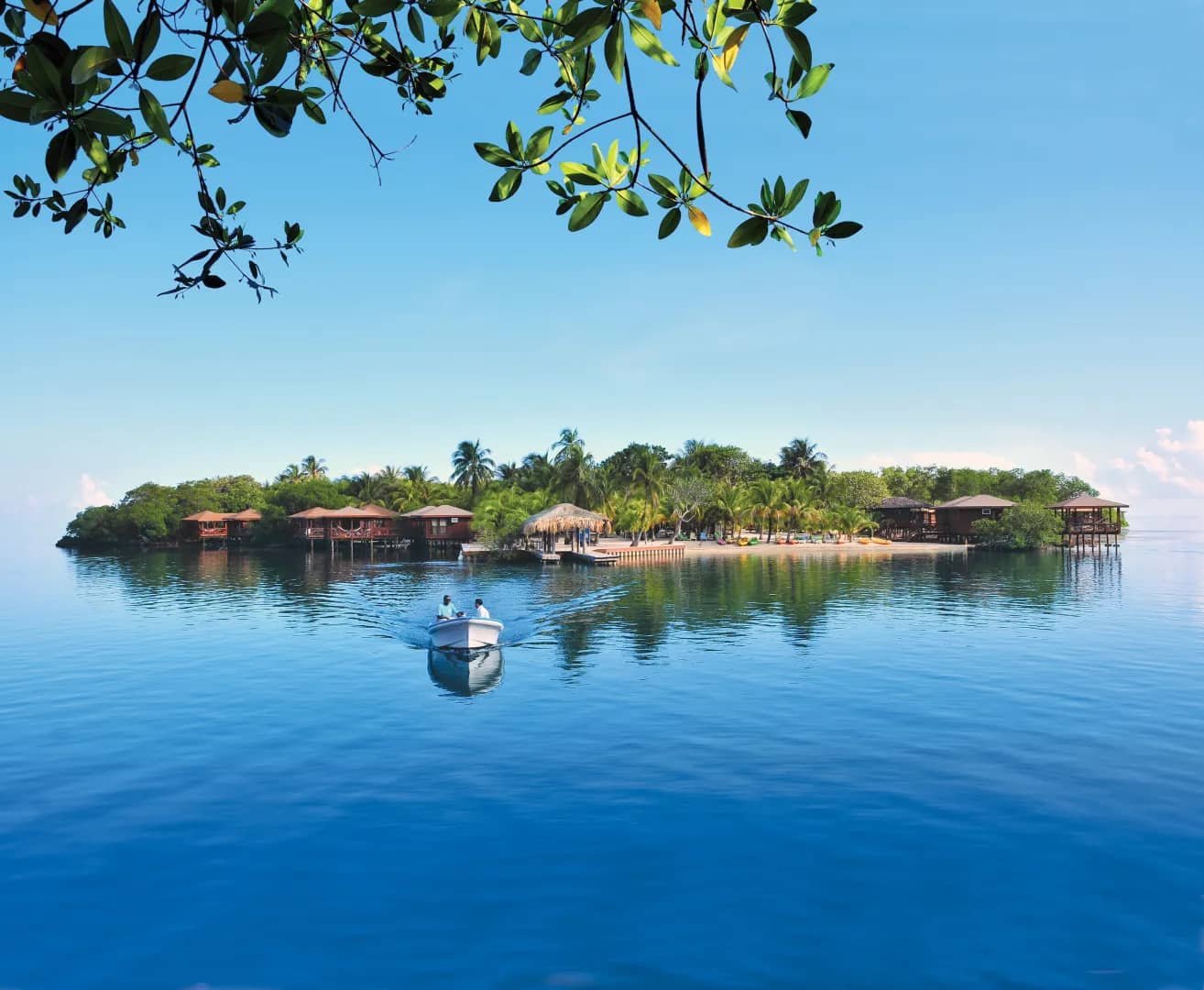
From there, I continued on to Nabucco’s Spice Island, my first stop in Halmahera, a charming boutique resort set on a pristine private island. To reach it, I flew from Manado to Ternate and then to Labuha, where a staff member was waiting to greet me.
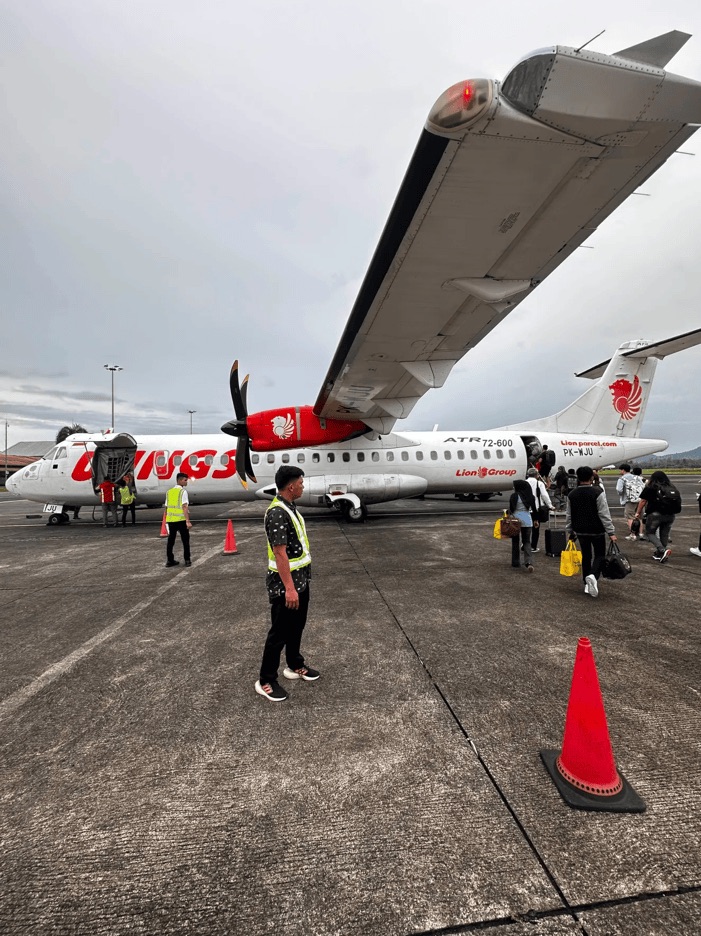
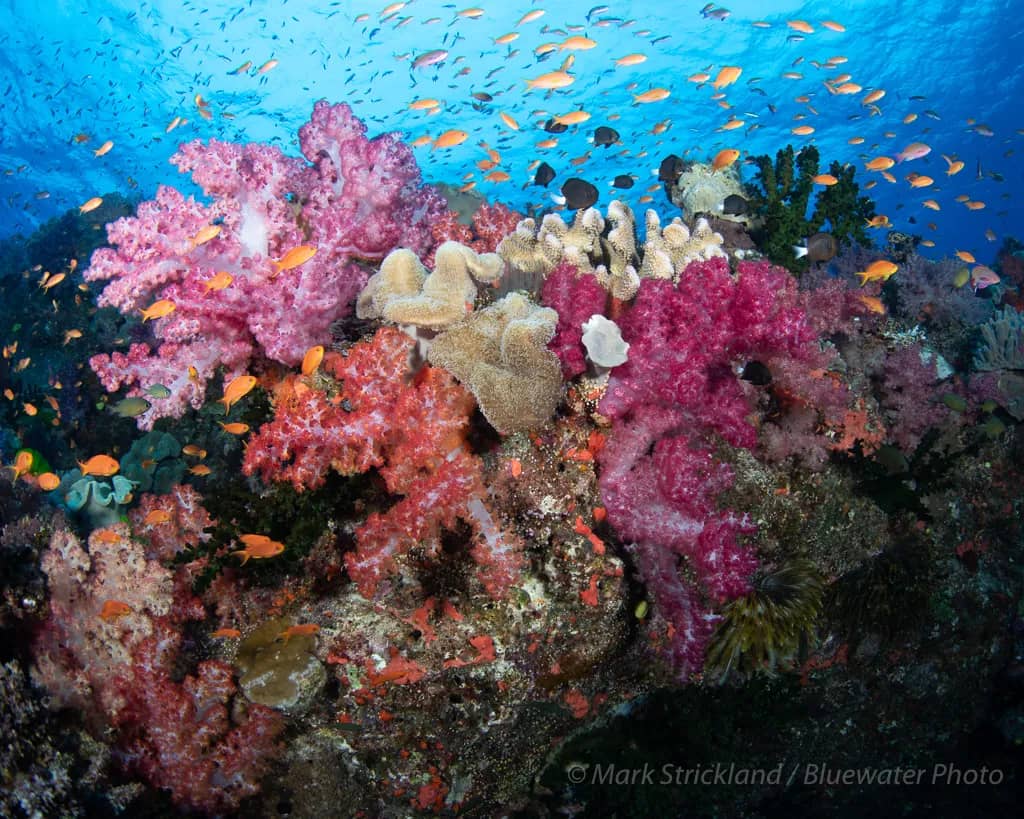
The warm welcome from managers Stephanie and Benjamin immediately set the tone. The diving here is nothing short of spectacular. The house reef is among the best I’ve ever seen, with thriving hard corals, schools of reef fish, bumphead parrotfish, and even sharks patrolling the shallows. Offshore, dive sites like Kelapa Dua continue to impress with their vibrant coral health and abundant marine life.
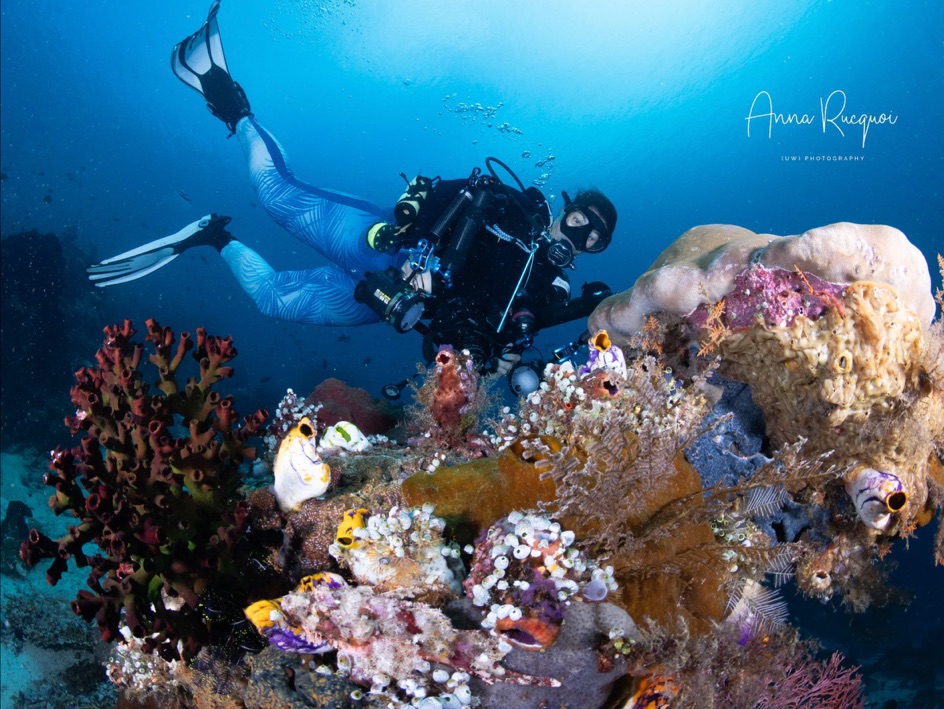
The resort offers 18 bungalows, including three deluxe units with added amenities such as in-room coffee machines. While there’s no spa yet, one is planned, and the resort already boasts reliable Starlink internet. Evenings are magical here — guests gather on the jetty, where walking sharks are often spotted.
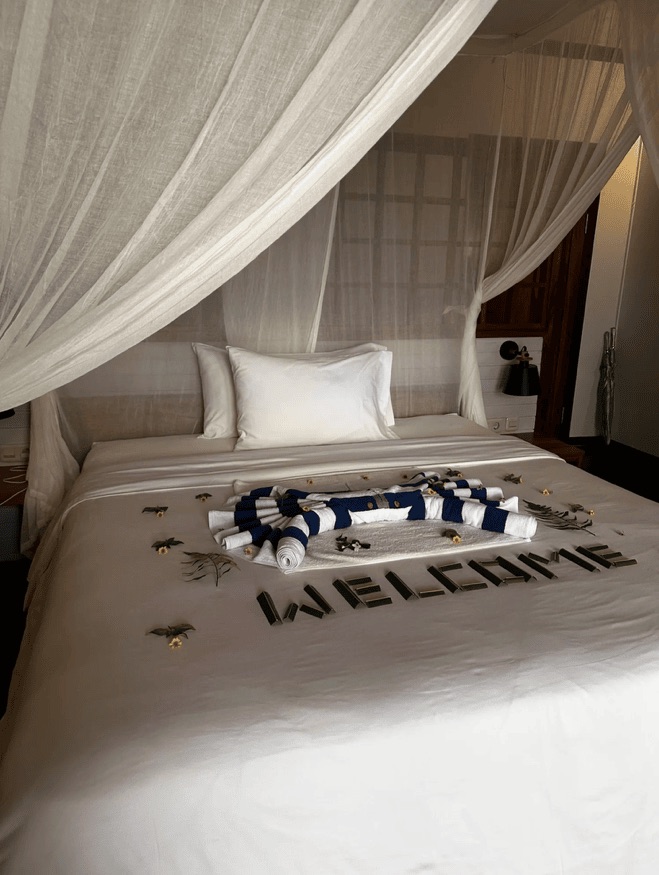
Kusu Island Resort
Just a short transfer away lies Kusu Island Resort, owned by Barbara and Chris. Nestled among mangroves and pristine beaches, the resort has a spacious layout that ensures plenty of privacy. Some bungalows are even set over the water, where baby blacktip reef sharks can be seen in the shallows.
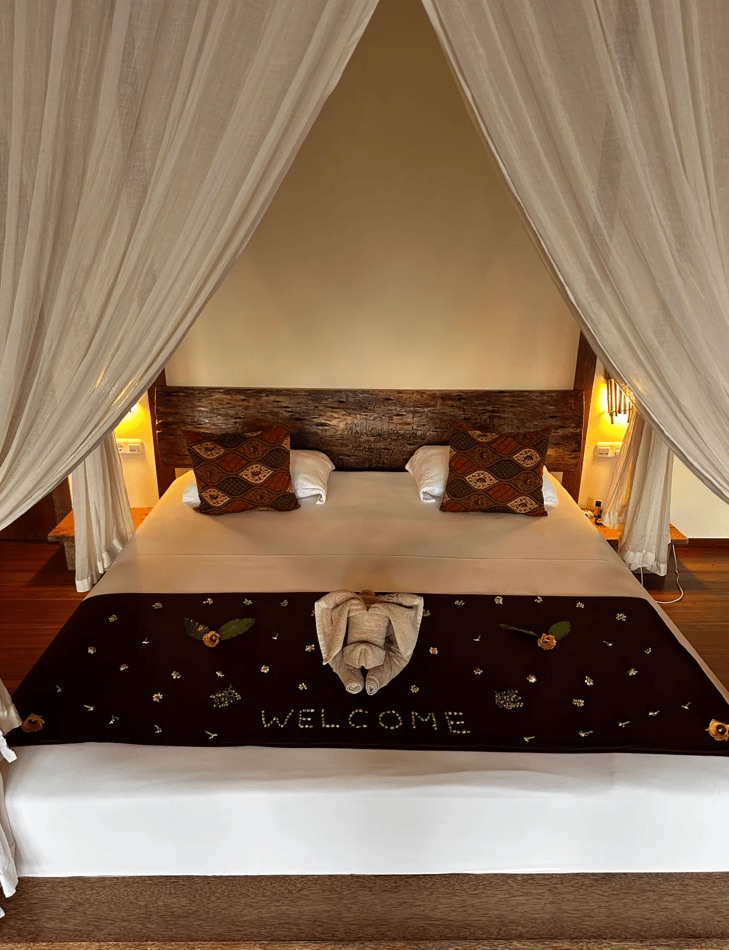
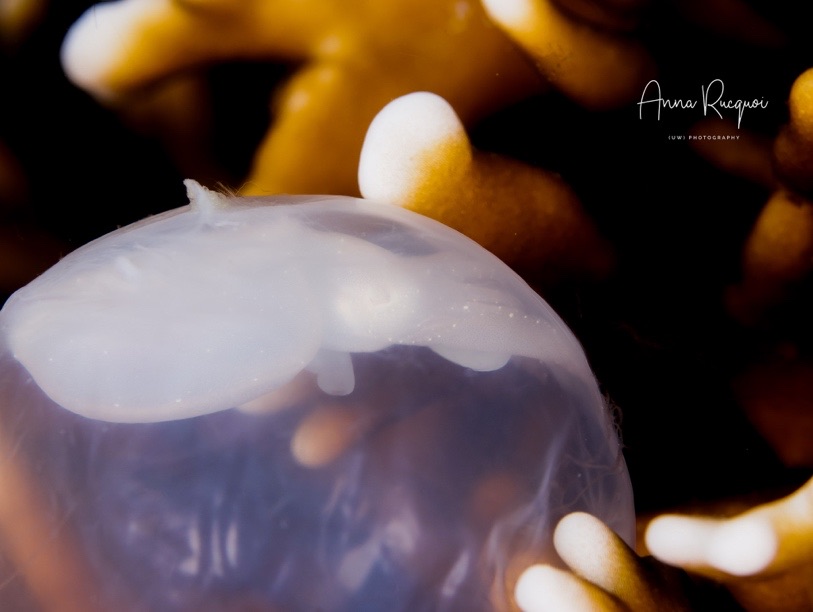
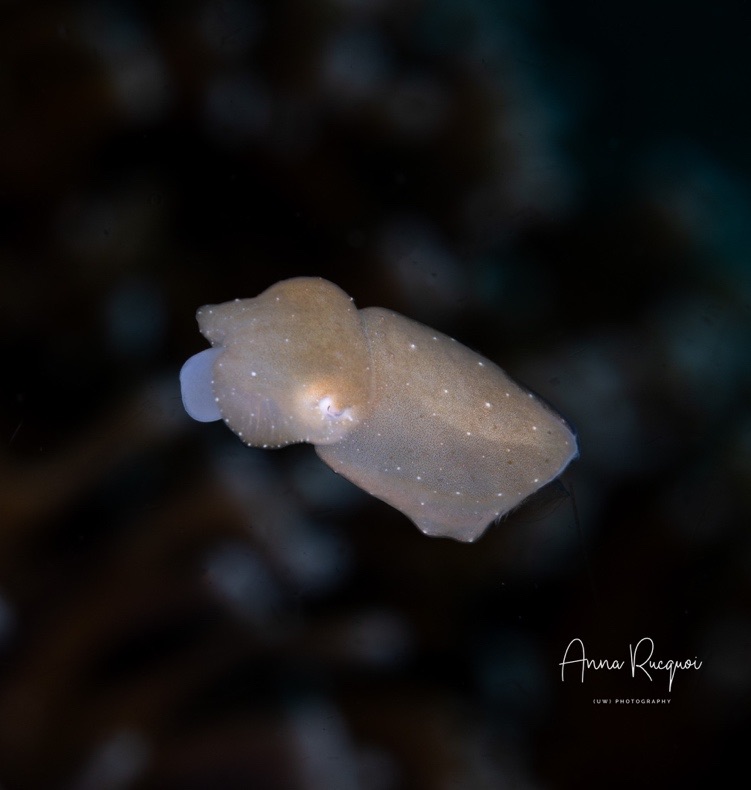
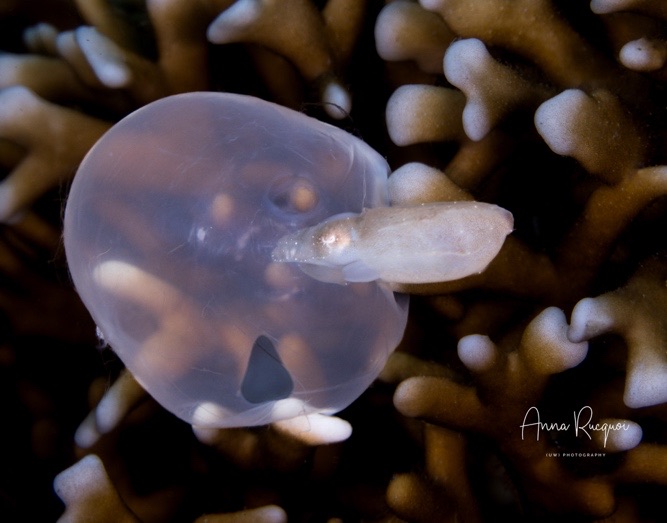
The diving schedule is well structured, with up to four dives per day. Sites are close — usually no more than 25 minutes away by speedboat. Highlights included cuttlefish and eggs, relaxed bumphead parrotfish, and healthy coral slopes. With stronger currents in the area, this is an excellent choice for advanced divers.
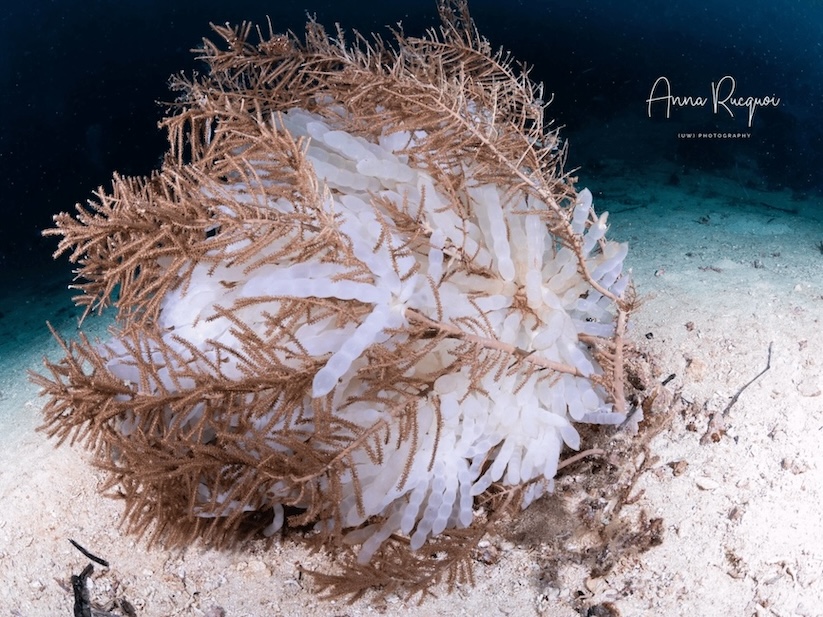
Kusu also features a dedicated camera room and multiple pontoons for easy reef access, making it a great option for photographers.
Sali Bay Resort
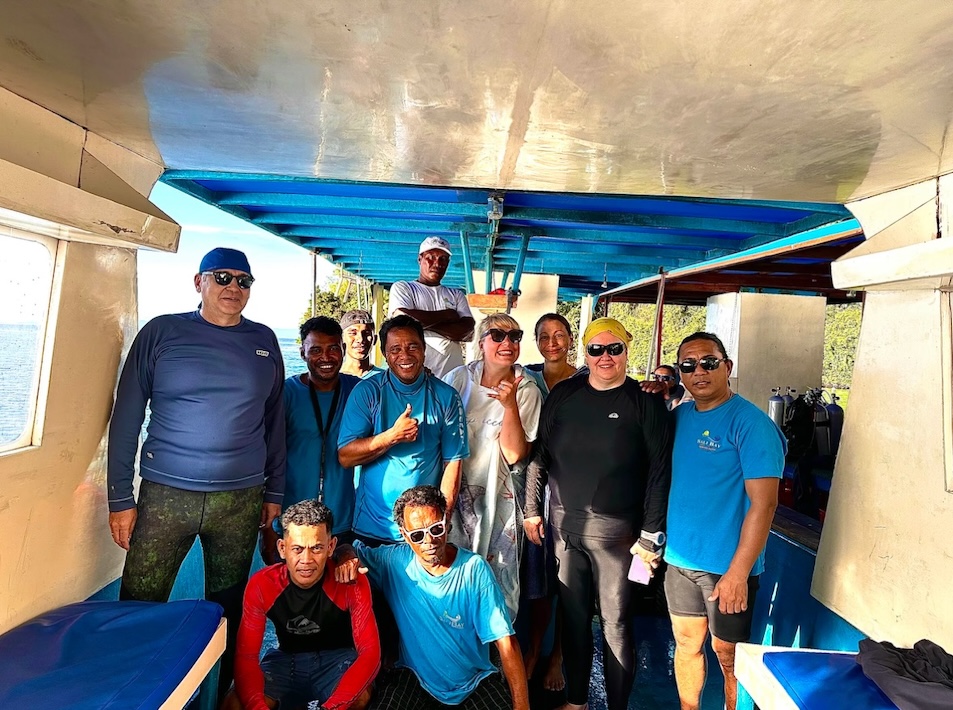
Next, I moved on to Sali Bay Resort, which offers a welcoming family-style atmosphere and a range of accommodation options, from budget rooms to villa-style accommodations. Lisa, the co-owner and manager, has created a warm and social environment where divers and guides mingle freely. Evenings are spent watching sunsets, chatting over dive plans, and sharing critter stories.
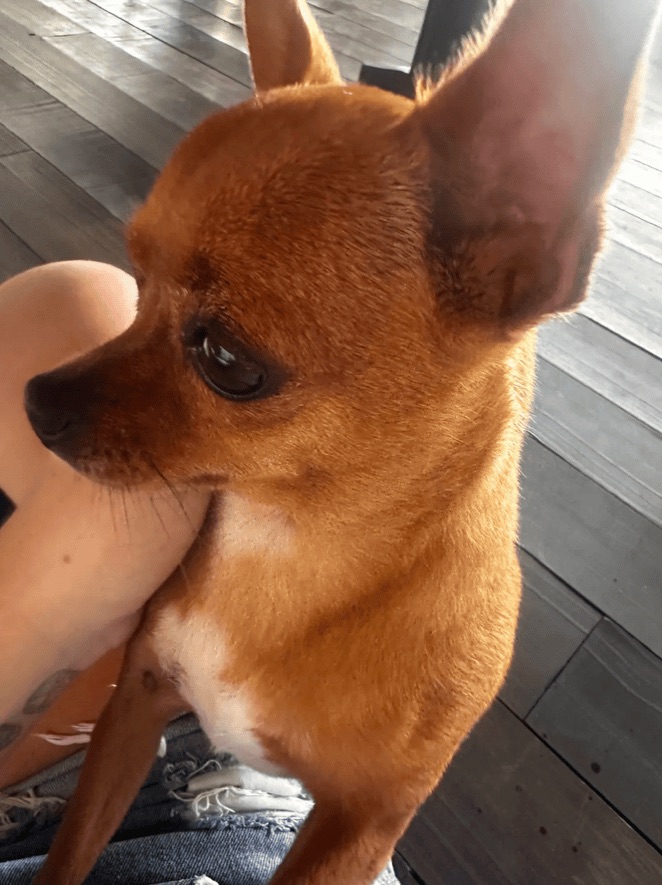
Lucy the resort dog:
The diving here leans toward macro, with excellent guides who are true spotters — perfect for photographers. We also had big-fish encounters, including mobulas, nurse sharks, and the famous walking shark. Sali Bay is ideal for those who value comfort, great food, and a friendly dive family without needing high-end luxury.
Proco Island Bambu Resort
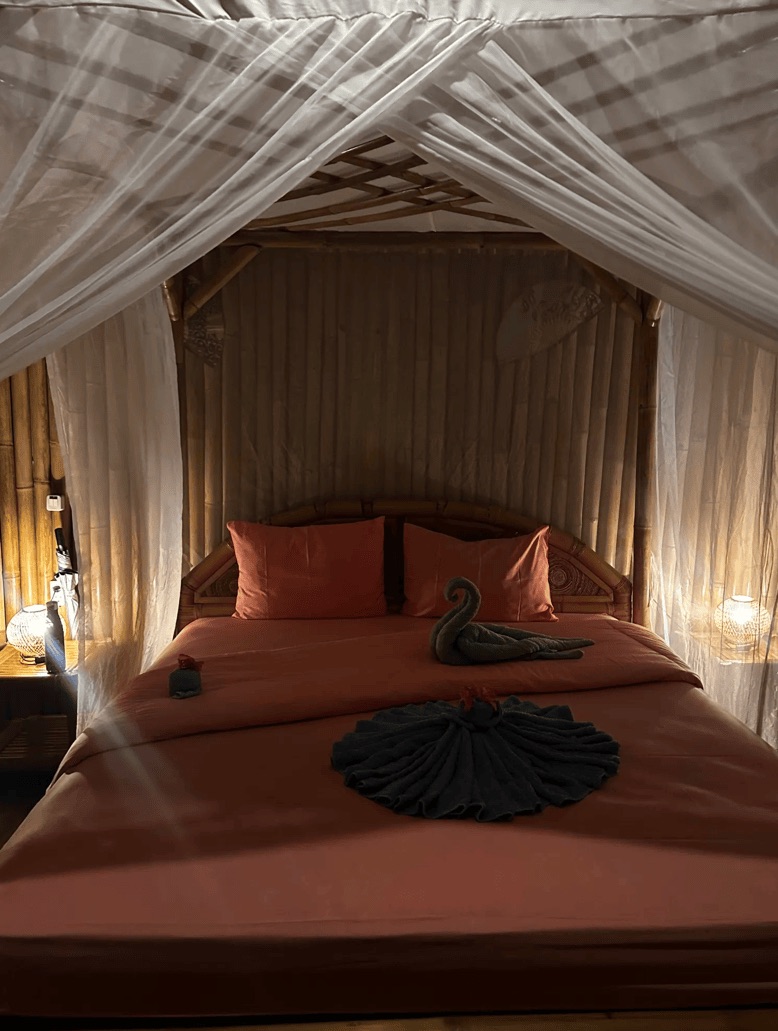
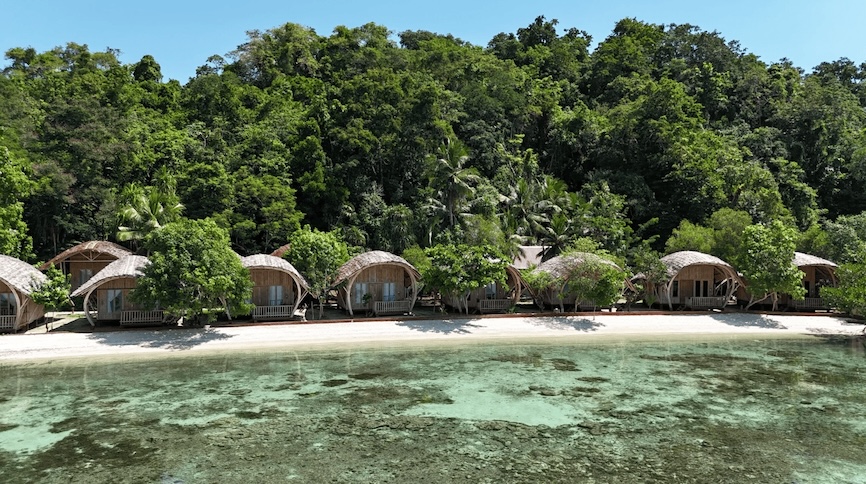
The next stop was Proco Island Bambu Resort, a rustic yet cozy eco-style retreat built almost entirely from bamboo. With just 12 bungalows (9 beachfront and 3 garden), it offers a tranquil, natural atmosphere.
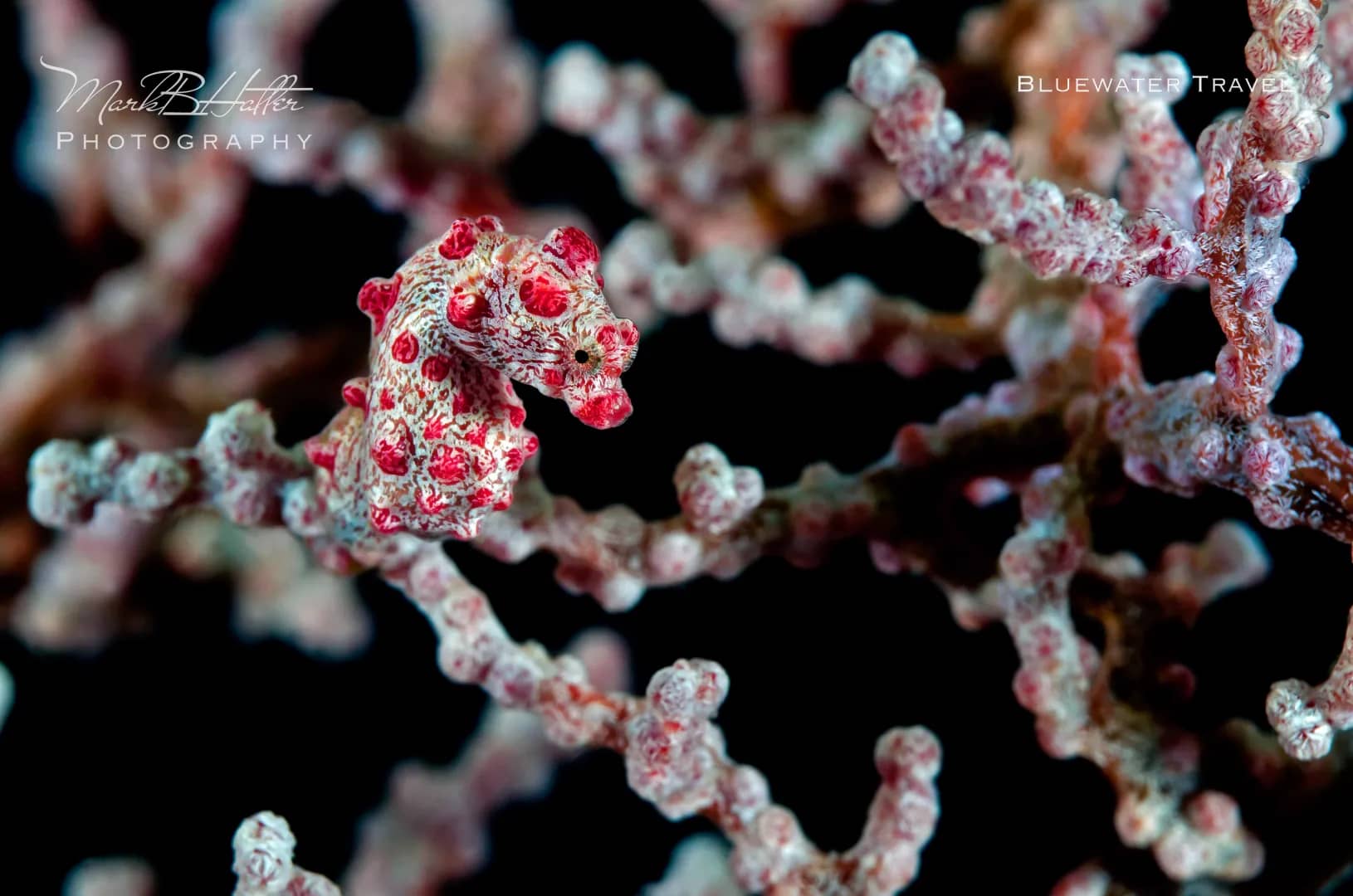
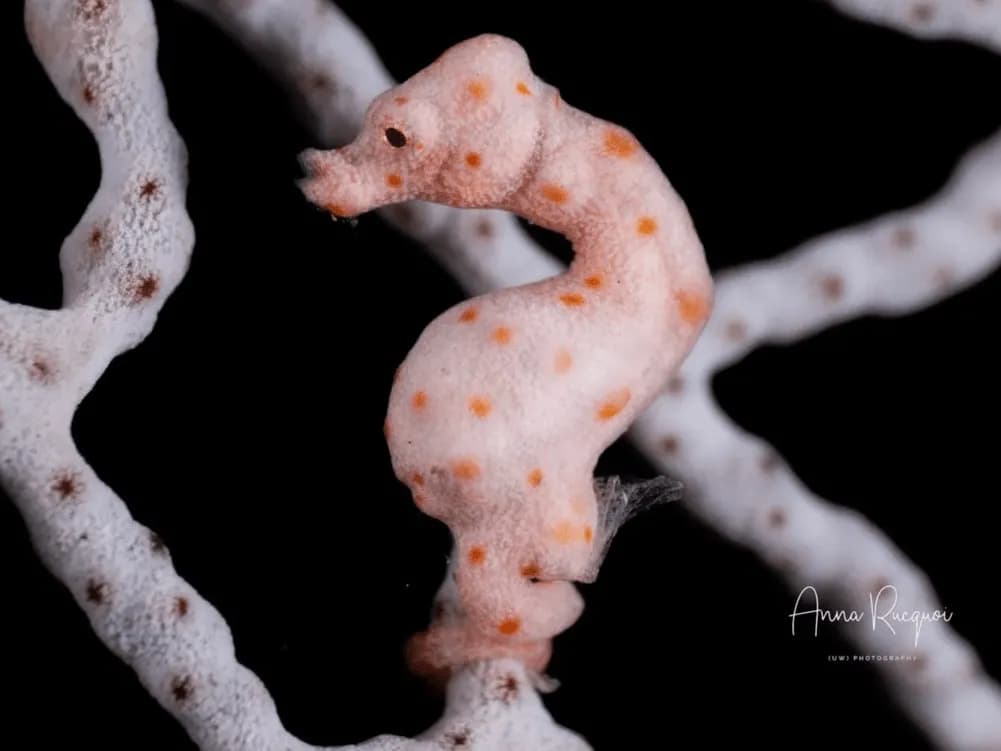
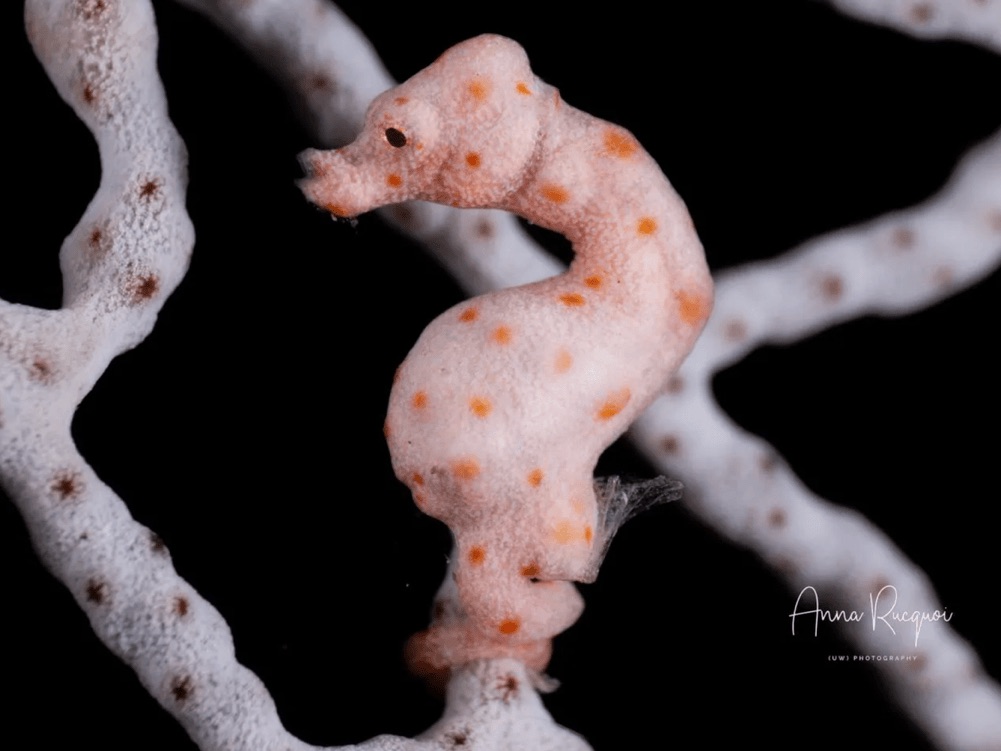
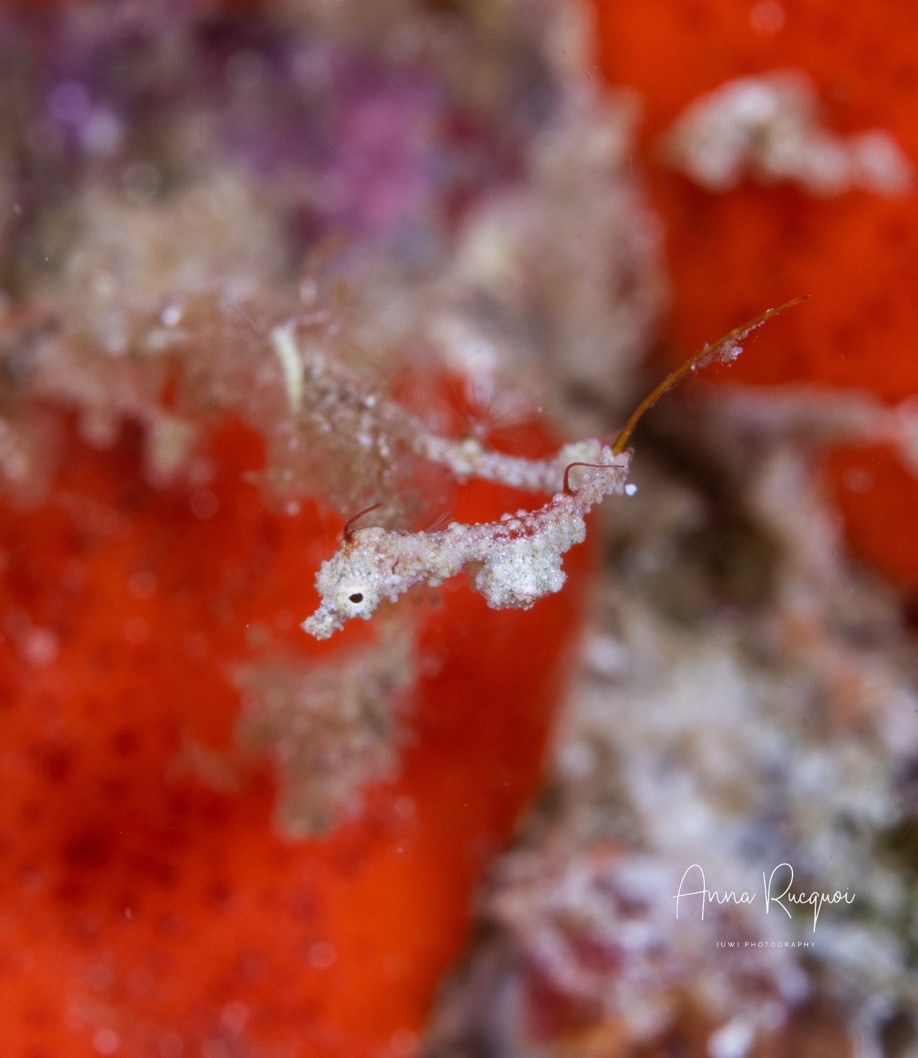
The diving is absolutely world-class. House reef dives revealed critters such as nudibranchs, soft coral crabs, cuttlefish hatching, and even Lembeh sea dragons. Further afield, we explored sites like Batu Paja 2 and Tanjung Surih, which left me in awe.
Imagine vast coral formations, massive schools of anthias and snappers, and sharks cruising effortlessly through crystal-clear water. Batu Paja, in particular, reminded me of Batu Bolong in Komodo — an iconic pinnacle dive. These were easily some of the most breathtaking dives I’ve done in Indonesia.
Metita – Morotai Island
My final stop was Metita Resort on Morotai Island. To reach there, I took a flight to Ternate and began a seven-hour journey to the resort by various speedboats and cars on an island of Indonesia that is still largely untouched by tourists — a true off-the-beaten-path adventure.
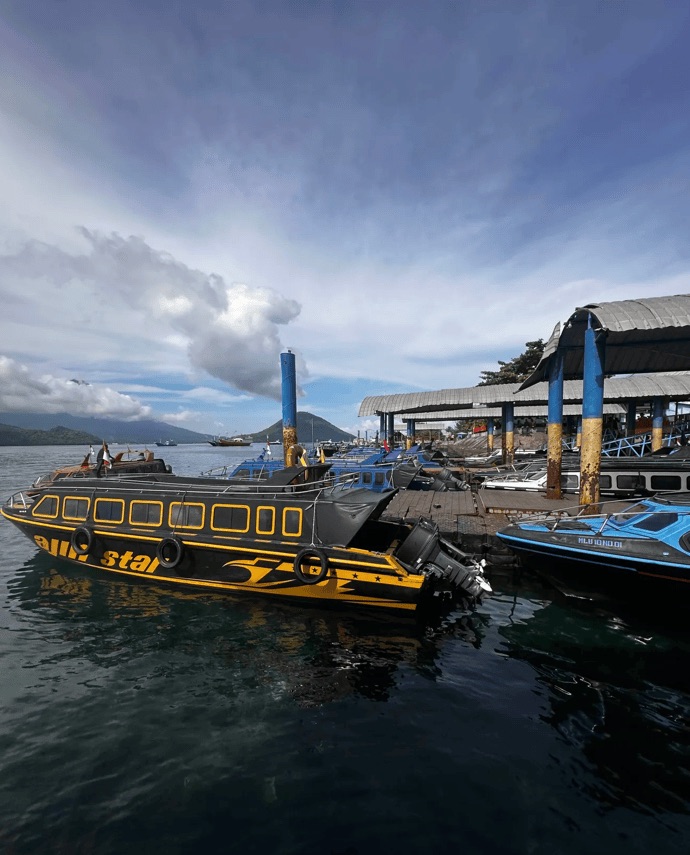
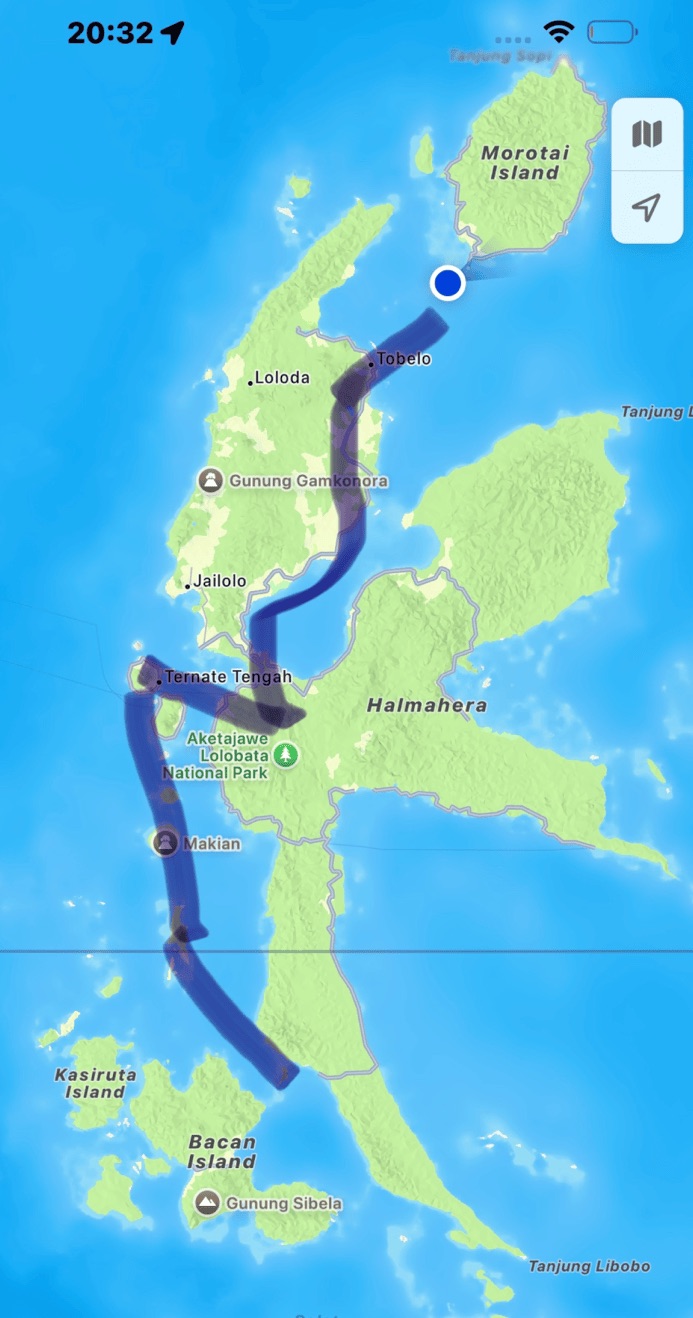
Set on a beautiful stretch of beach, the resort is currently under new management led by experienced operators (Lotus Hotels, owners of Papua Paradise and Gangga Divers) who are revitalizing both the property and the dive offerings.
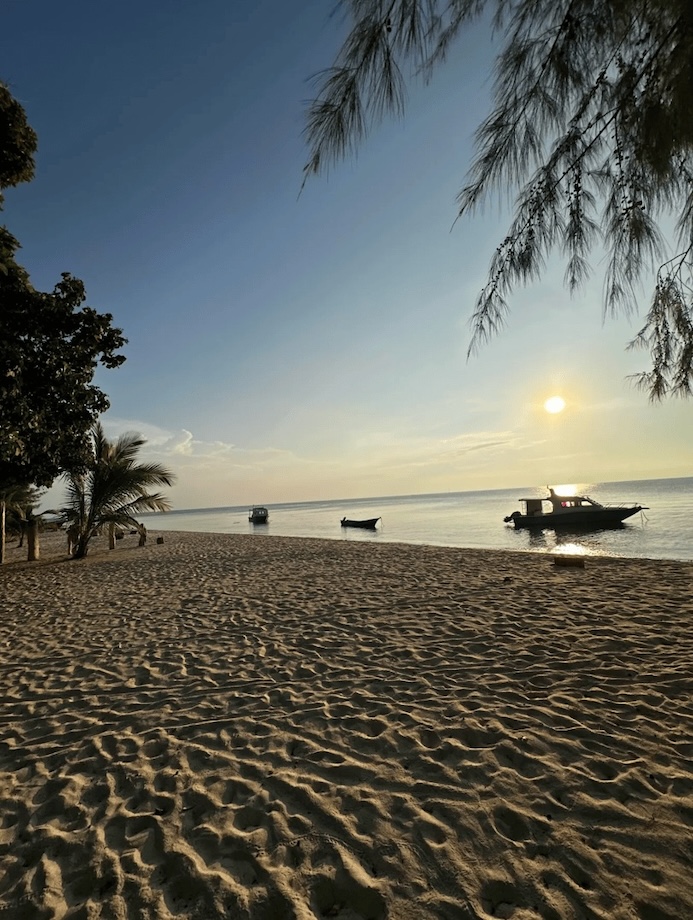
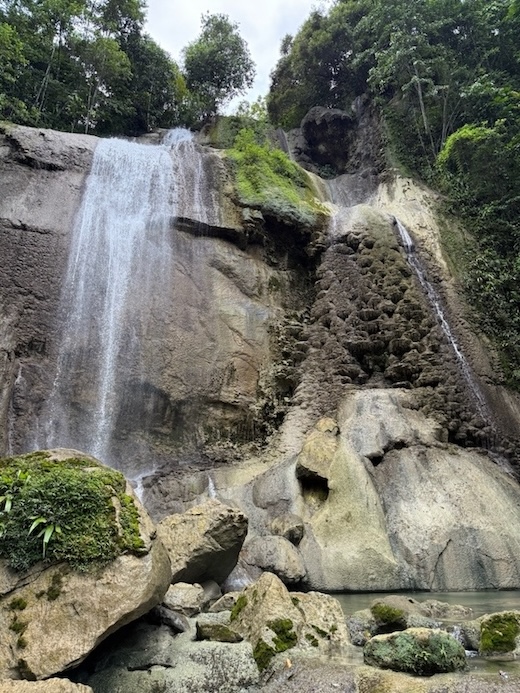
The diving here is still in its exploratory stages, but the potential is enormous. We visited seamounts, walls, and shark points, where blacktips swam right up to us. On land, I joined excursions to local waterfalls and markets — perfect for divers who also want to explore topside adventures.
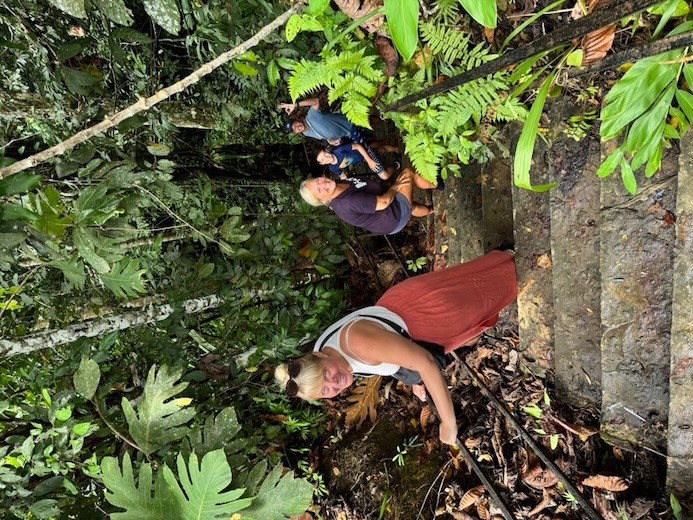
This journey confirmed what a special part of Indonesia this is — and I cannot wait to send more divers to experience it for themselves.


-optimized-optimized.webp&w=640&q=75 "Solomon Islands Trip Recap 2026")