China Panda and Wildlife Trip Recap
Overview
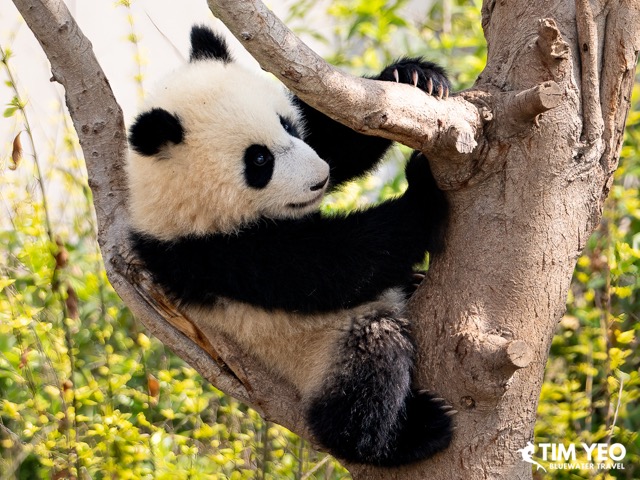
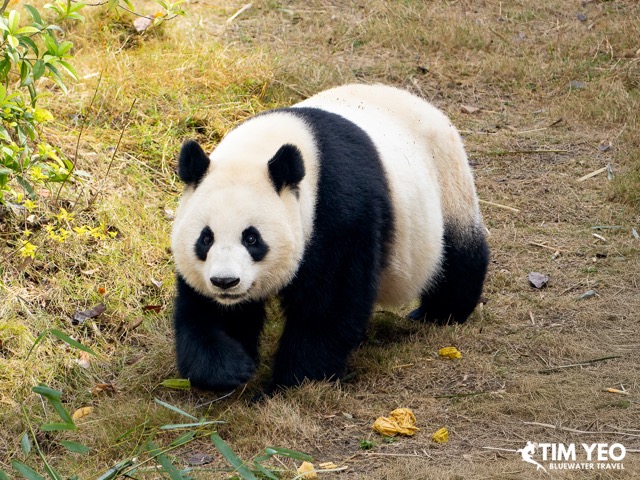
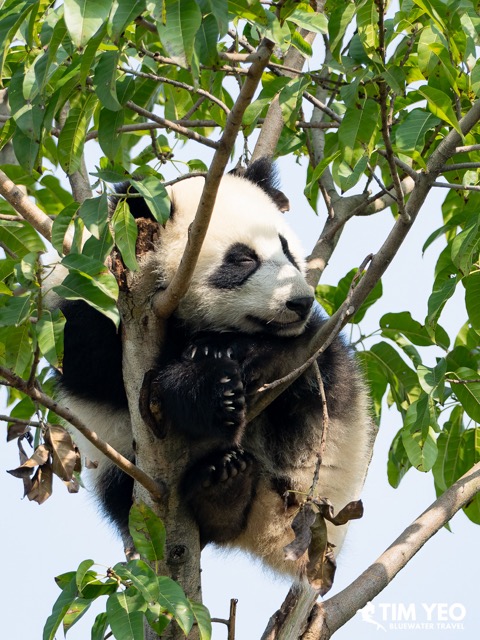
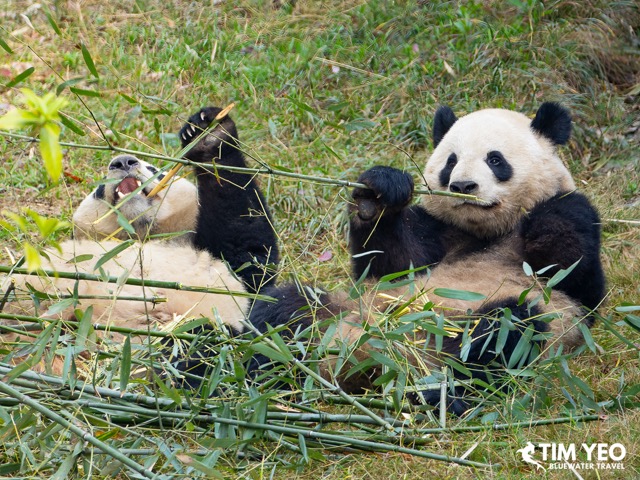
Our Bluewater Travel China wildlife trip was built around one big goal: to try to see giant pandas in the wild. Along the way, the journey turned into so much more than that. Over the course of the week we explored Chengdu, drove deep into the mountains of Sichuan, hiked snowy valleys and forested hillsides, and searched for some of China’s most iconic and elusive mammals. We saw giant pandas in excellent conditions at both the Chengdu Research Base and Dengchigou, and after several days of searching in the field, we were also lucky enough to find a wild giant panda on our final full day.
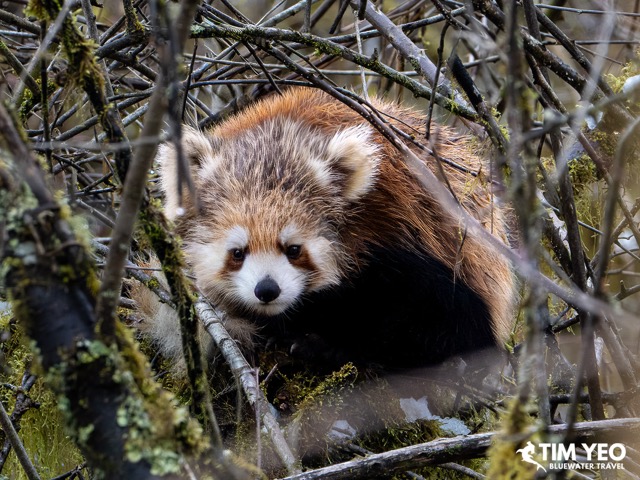
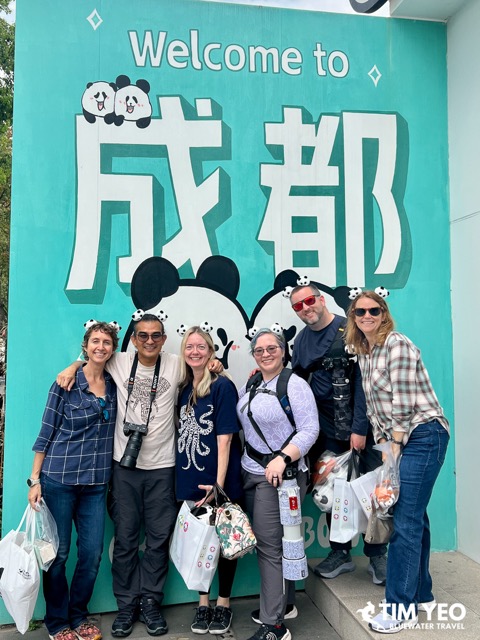
What made this trip especially memorable was the variety of wildlife and landscapes we experienced along the way. In addition to giant pandas, we enjoyed multiple wonderful encounters with red pandas, saw golden snub nosed monkeys several times, and found other wildlife including Tibetan macaques, deer, pheasants, raptors, yaks, horses, and fresh signs of black bear and giant panda. From historical Chengdu to quiet mountain lodges run by warm Tibetan hosts, this was a unique and rewarding journey through one of the most beautiful and wildlife rich parts of China.
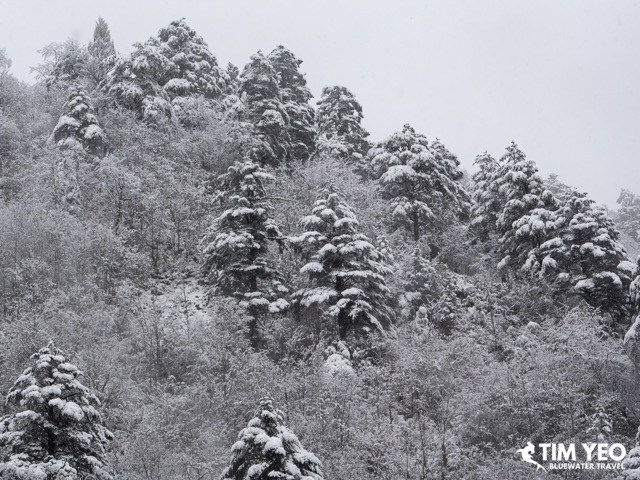
March 27, 2026: Arrival in Chengdu and Welcome Dinner
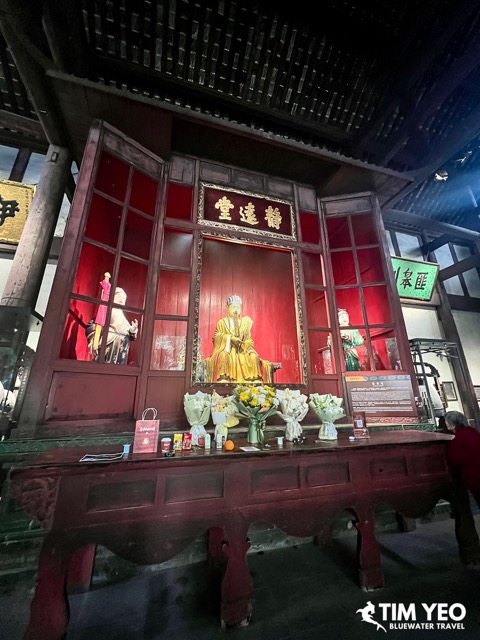
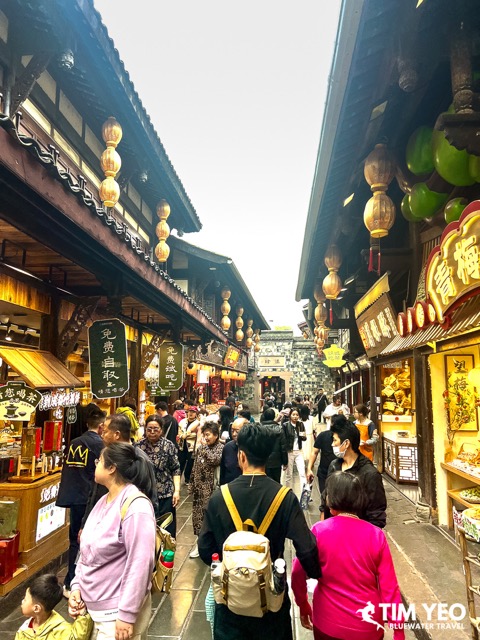
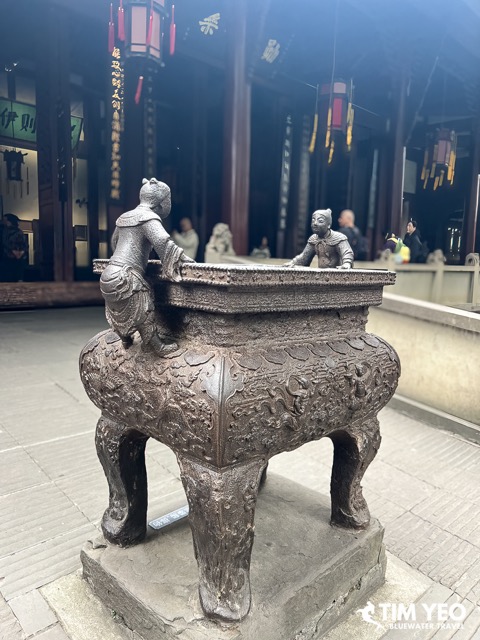
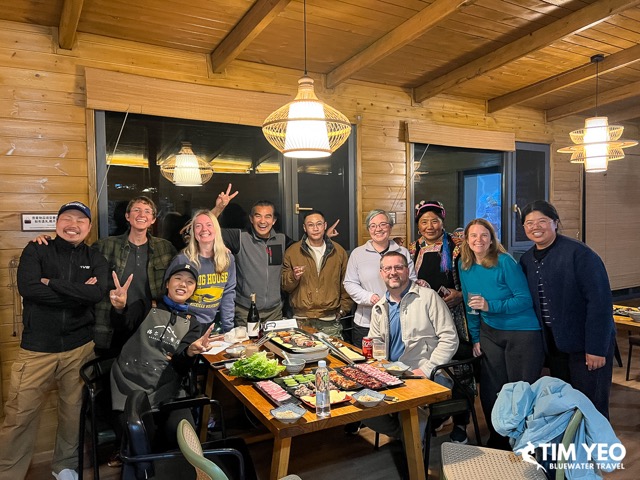
Arrival day brought the group of six together in Chengdu, with some guests flying in from home and others arriving after a few days of touring Beijing and Shanghai. A couple of us got in early and made the most of the day by walking through People’s Park and visiting the WuHou Shrine, which honors Liu Bei and Zhuge Liang. Just outside the shrine, Jinli Street was lively and colorful, with tea houses, shops, and plenty of tempting street food. That evening we gathered for a wonderful welcome dinner in a private room at a restaurant a short walk from the hotel. The meal featured ten courses, including local specialties like mapo tofu with Sichuan peppercorns and Peking duck. After a long day of travel, most of us turned in early, excited for our first panda experience the following morning.
March 28, 2026: Chengdu Panda Base and Drive into the Sichuan Mountains
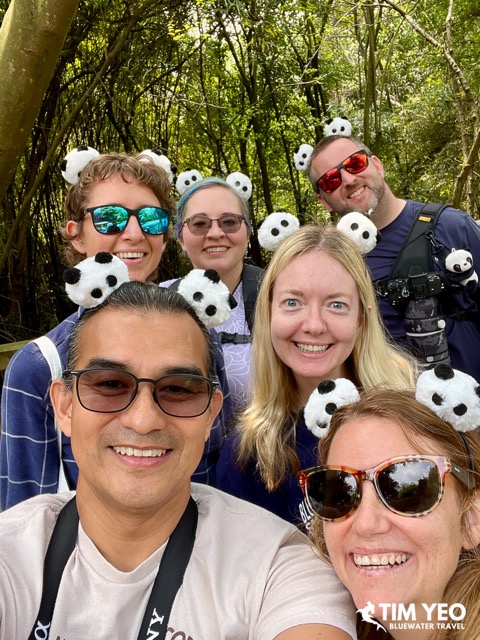
After breakfast we packed up and headed to the Chengdu Research Base of Giant Panda Breeding. It was a fantastic introduction to the trip and gave everyone the chance to see giant pandas up close in beautifully maintained surroundings. We also spent time photographing several red pandas, which were a real treat and quickly became a group favorite.
Following another impressive multi course lunch, we began the four hour drive into the mountains to our lodge. On the way, we were treated to a nice surprise when a Tibetan macaque appeared on the hillside and lingered long enough for all of us to enjoy the sighting. We had originally planned for an evening wildlife session focused on giant pandas, but we had spent so much time enjoying the pandas at the breeding center that by the time we reached the lodge, the light was fading fast. We split into smaller groups for a short outing near the lodge. Although we did not find any target animals, we heard sambar deer calling from across the valley, and our guide even thought he might have picked up a red panda on the thermal scope. Afterward we returned for a great hotpot dinner, and the evening ended with drinks, conversation, and plenty of talk about how adorable the pandas had been earlier in the day.
March 29, 2026: First Giant Panda Search in the Mountains of Sichuan
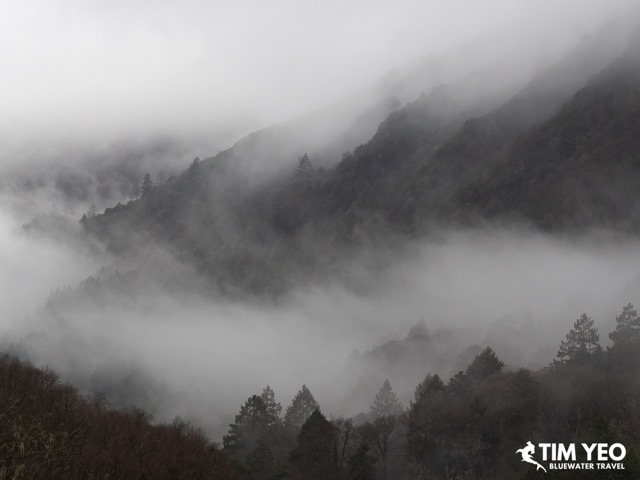
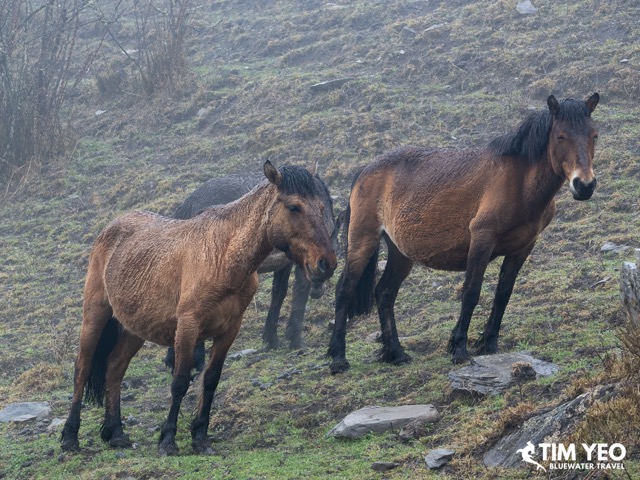
Our first full morning in the field began with a short but steep hike up a mountainside so we could scan the surrounding slopes for pandas. Everyone made it to the top, but it was definitely a workout. Unfortunately, just as we reached the viewpoint, thick fog rolled in. It gave the landscape a dramatic and moody feel, but it made wildlife spotting difficult. Even so, we still saw horses, yaks, deer, and some birds, which made the effort worthwhile.
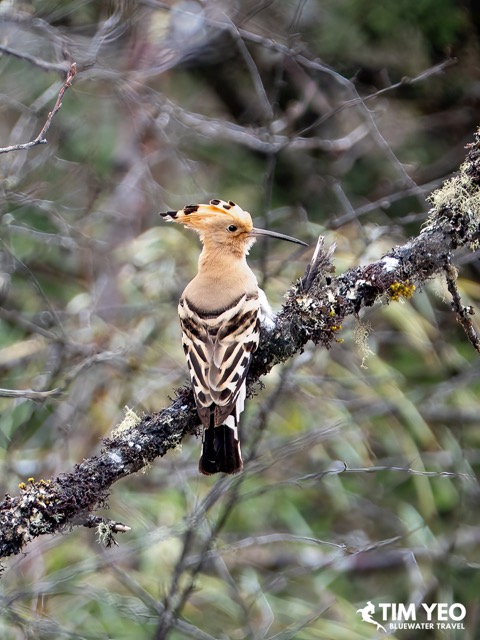
After lunch back at the lodge and a much needed rest, we asked for an easier afternoon outing. The result was a beautiful walk along a stream in the valley. Since we were no longer high on the ridgelines scanning distant slopes, our chances of finding giant pandas were lower, but it was a lovely walk and we did pick up a nice sighting of a common hoopoe. The biggest surprise of the day came when we were nearly back at the lodge. As our vehicles made their way along the road, a red panda suddenly crossed right in front of us, then ran along the roadside for a short distance before disappearing into the forest. It was a brief but unforgettable encounter, and a great way to end the day.
March 30, 2026: Golden Snub-Nosed Monkey Sighting in Sichuan
This morning we headed out in jeeps for a 4WD safari through a gorgeous gorge with a river running alongside it. Pandas had reportedly been seen along this road coming down to drink from the stream, so hopes were high. We stopped several times to scan the hillsides, but the morning was quiet and it looked as though we might return to the lodge empty handed.
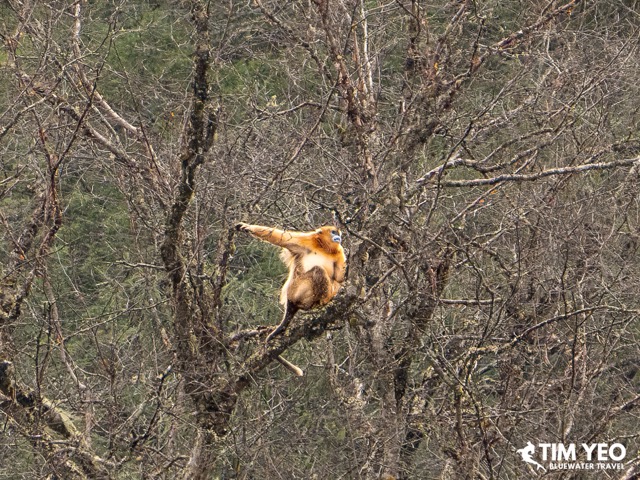
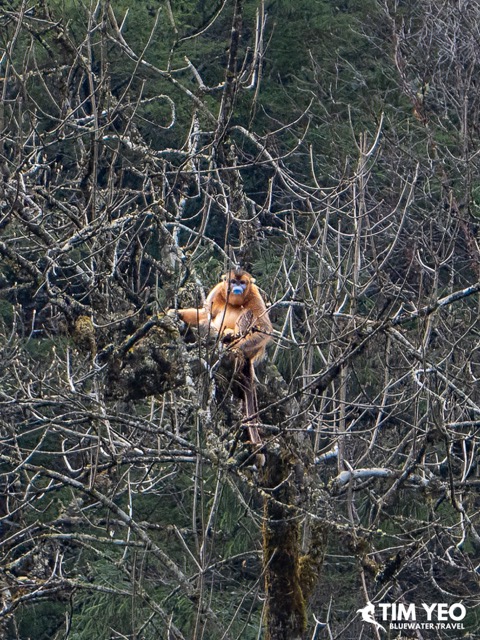
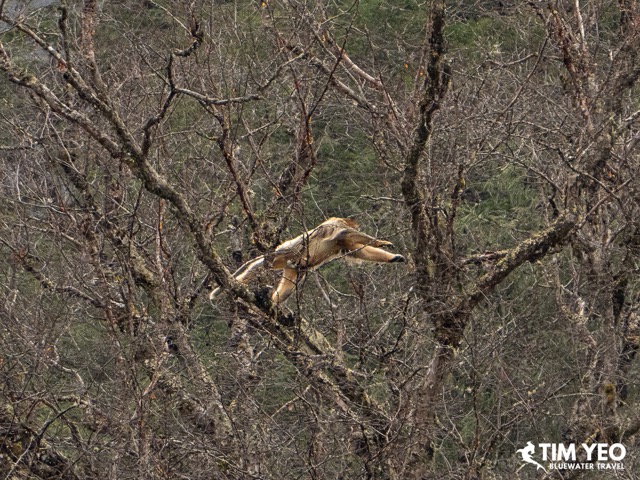
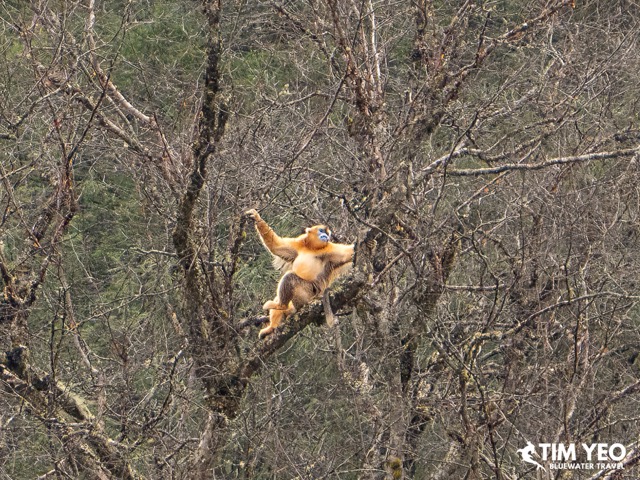
Then, barely fifteen minutes into the drive back, one of us noticed movement in the trees on a distant hillside. We quickly stopped the jeeps, pulled out spotting scopes and binoculars, and found four golden snub nosed monkeys playing in the forest. We stayed with them for about an hour, enjoying prolonged views of one of China’s most charismatic and endangered primates. It was a thrilling and completely unexpected highlight, and it gave the whole group a big lift.
March 31, 2026: Snowy Red Panda Encounters in the Mountains
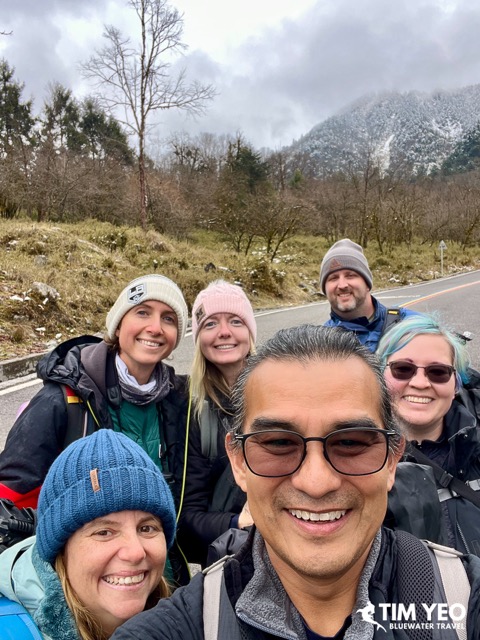
Today we made the longer drive to a different mountain range where red pandas are seen more often. It took more than three hours to get there, but the scenery made the journey worthwhile, and once we arrived we were rewarded with a beautiful hike in falling snow. The conditions felt ideal, and we searched carefully, knowing that red pandas can be especially active in snowy weather. Despite the promising conditions, we came up empty on our first try. We decided to warm up with coffee and lunch before trying again in the afternoon. During the meal, word came in that a red panda had been spotted nearby, so we quickly wrapped up and returned to the area. This time our persistence paid off. We found not one but two red pandas and stayed with them for over an hour. Watching them in the snowy forest was one of the most magical moments of the trip.
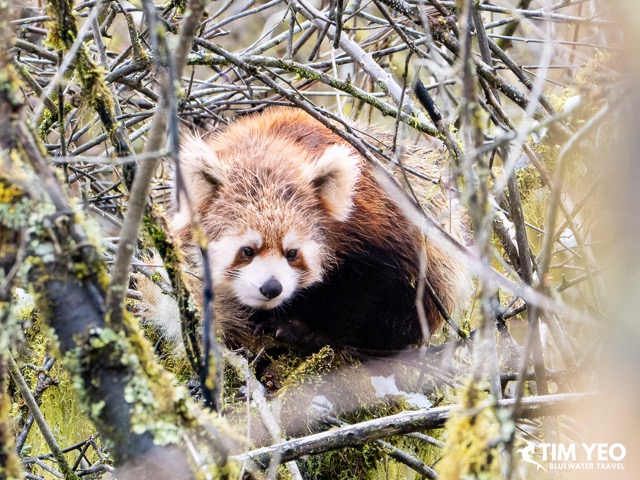
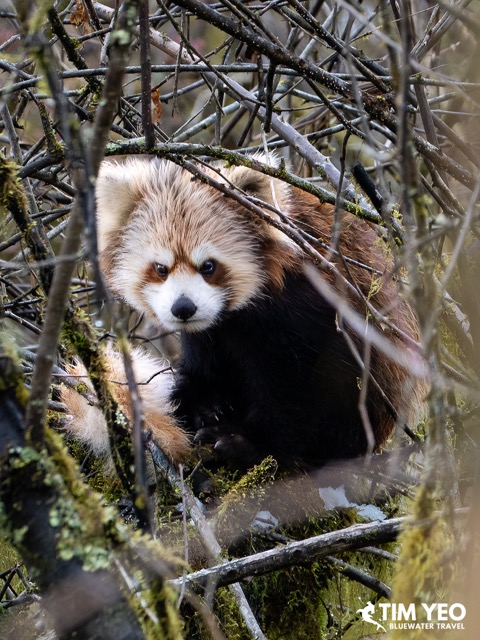
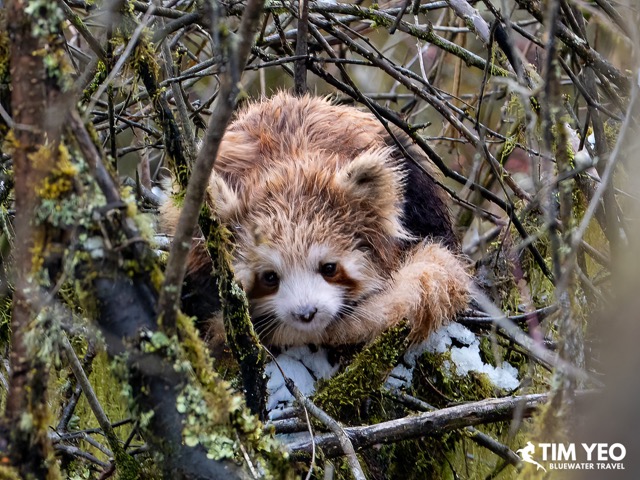
After the sighting we made the long drive back to the lodge, tired but extremely happy with how the day had turned out.
April 1, 2026: Sunrise Mountain Views and More Golden Snub-Nosed Monkeys
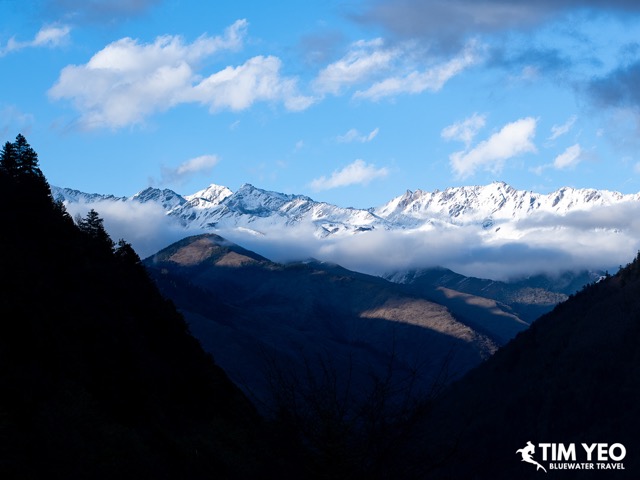
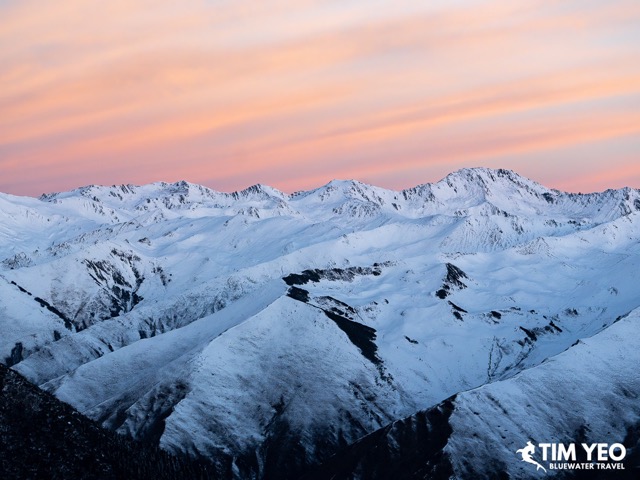
With a favorable forecast, we set off early in the morning for a viewpoint at 12,500 feet to watch the sunrise over the mountains. It was absolutely worth the early start. As the sun climbed, the snow covered peaks took on soft pink and red tones, creating one of the most scenic moments of the trip. On the drive back down we also picked up several birds, including pheasants and raptors.

After lunch and a short rest, we went back out in search of giant pandas. While scanning the hillsides and riverbanks, we first found three golden snub nosed monkeys, then later encountered a larger group of twenty four farther down the road. Seeing so many endangered mammals in one afternoon was remarkable and gave everyone another reminder of how special this part of China is.
April 2, 2026: Dengchigou Pandas and Historic Panda Discovery Site
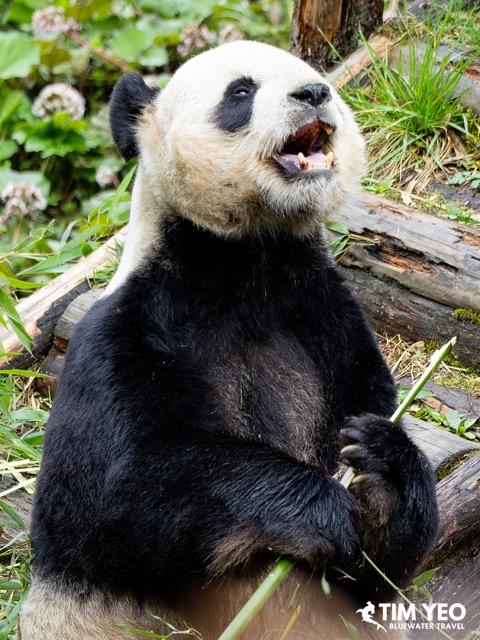
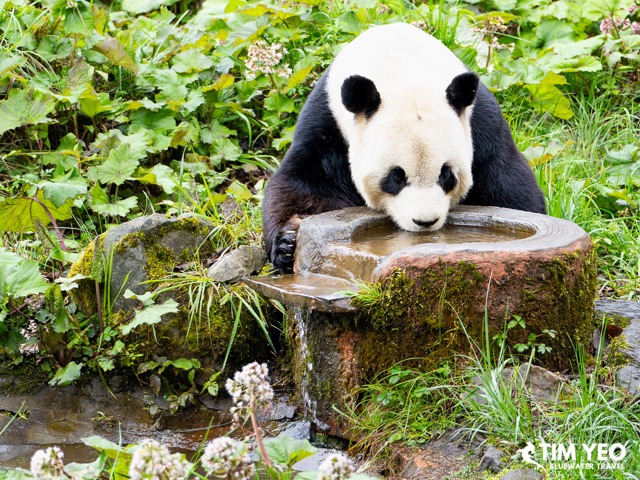
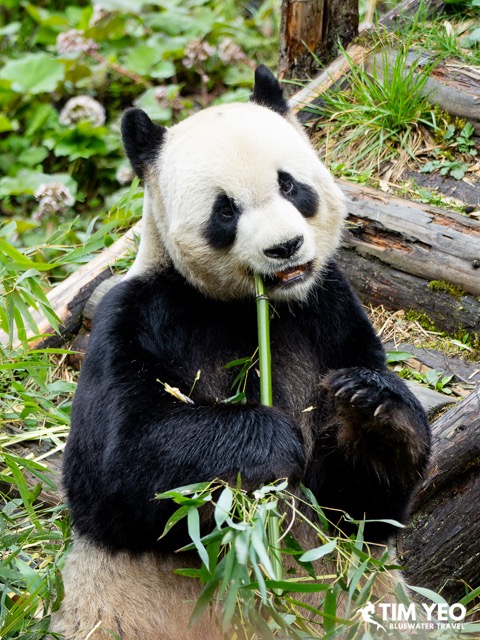
By this point in the trip, we jokingly declared that today would be guaranteed giant panda day. We had a slightly later start and headed to Dengchigou, the site where Armand David first brought the giant panda to the attention of the Western world in 1869. The education center is small, with only six pandas, but the experience was excellent because we had the place almost entirely to ourselves for much of our visit. Spending a couple of quiet hours with the pandas there was a real pleasure.
Afterward we visited the Dengchigou Catholic Church, where Armand David had stayed. Now a museum, it is an unusual and fascinating place, with Qing era mountain architecture wrapped around a traditional French style Catholic church. It was an interesting cultural stop and added a historical dimension to the trip.
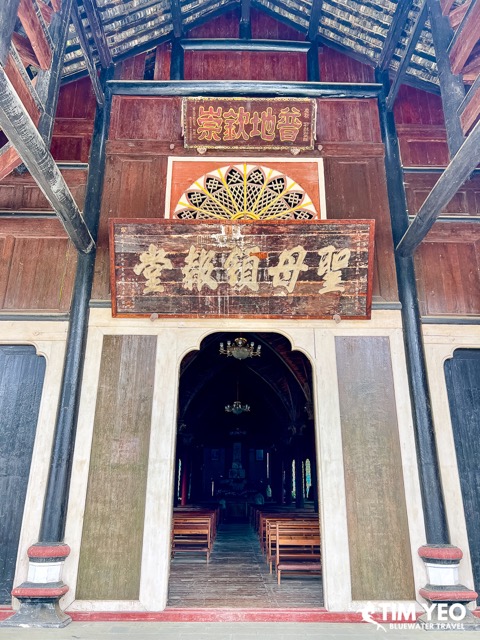
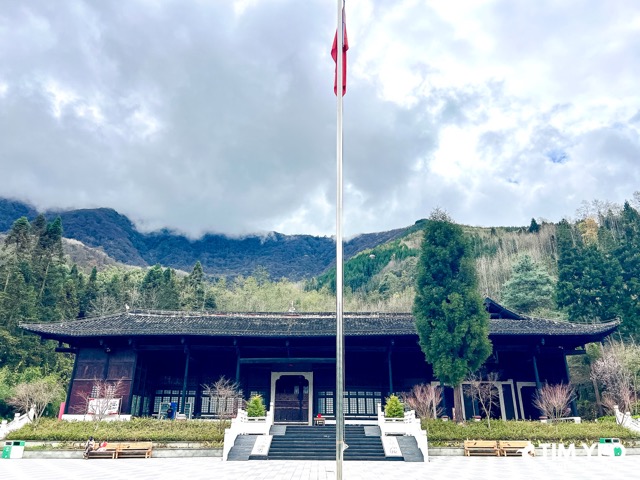
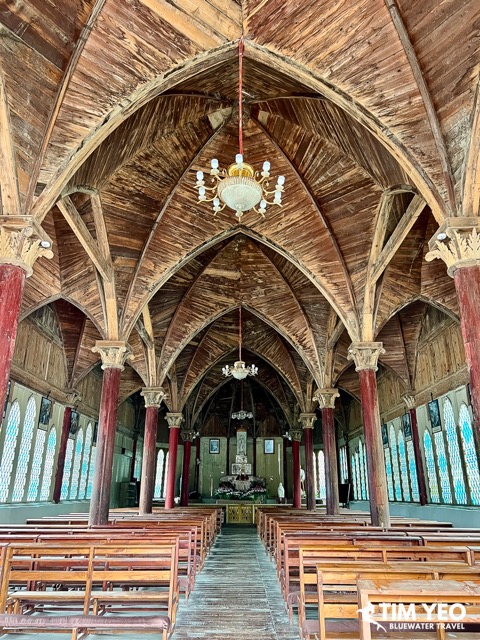
In the late afternoon we went back into the field to continue our search for wild giant pandas and other wildlife. We only saw a single golden snub nosed monkey, but we did find several very fresh signs, including giant panda droppings that were only a few days old and a black bear paw print. Even without a sighting, it felt as though the forest was reminding us that the animals we were searching for were truly out there.
April 3, 2026: Wild Giant Panda Sighting in Sichuan
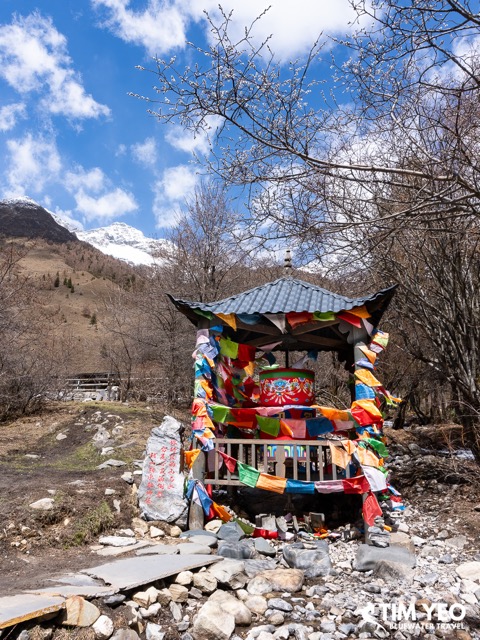
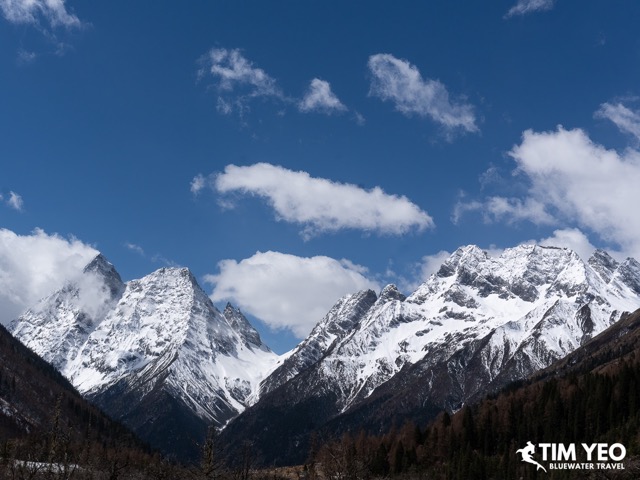
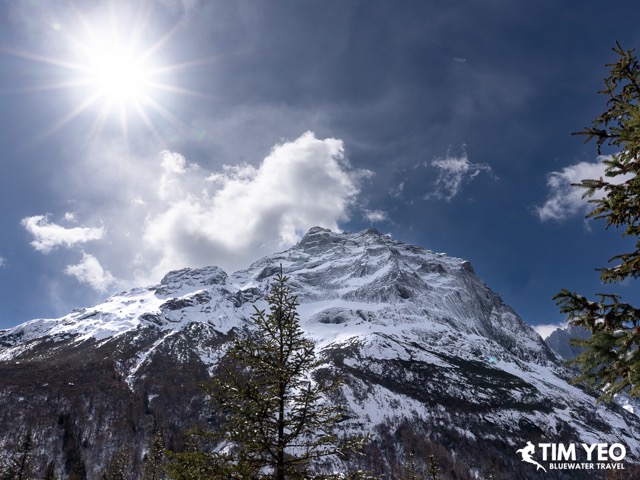
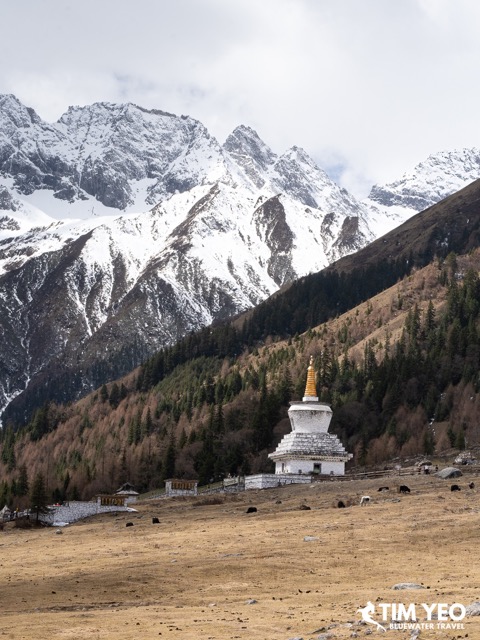
On our final full day, we drove to Siguniang for some mountain scenery and fresh air. Holiday traffic had not yet built up, so we were able to enjoy the area without too much congestion. We did a few short hikes in the valley and took in beautiful views of the snow capped peaks.
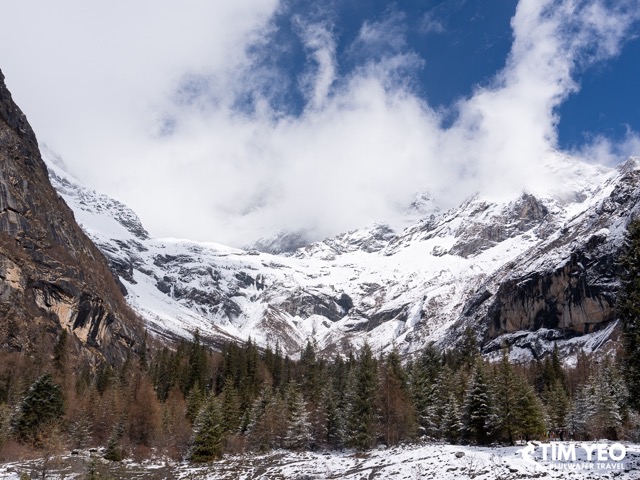
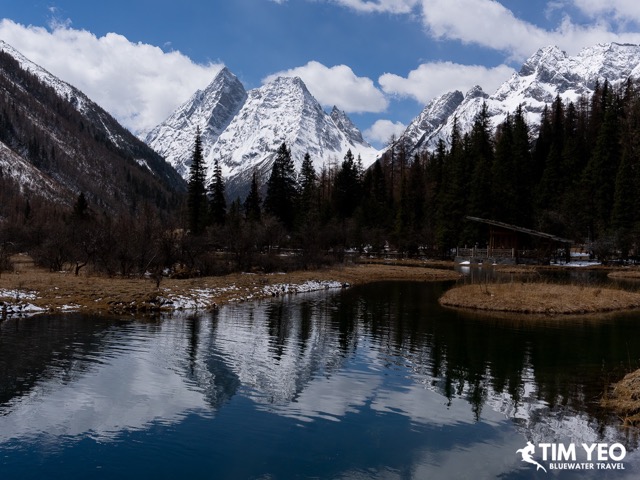
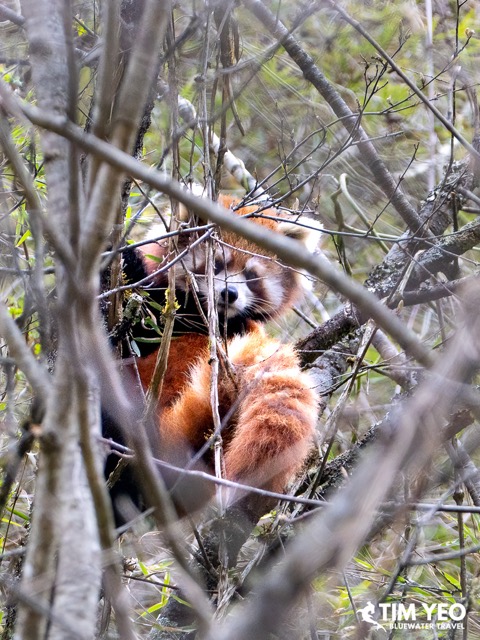
After a quick lunch, we returned for one last wildlife session and headed back to the area of our very first hike, this time choosing an easier route to scan the hillsides for giant pandas. Almost immediately the afternoon began delivering surprises. First we found a red panda resting in a tree. Soon after that we saw a second red panda climbing down and disappearing into the woods. A little later we picked up two golden snub nosed monkeys playing briefly before they too vanished into the forest.
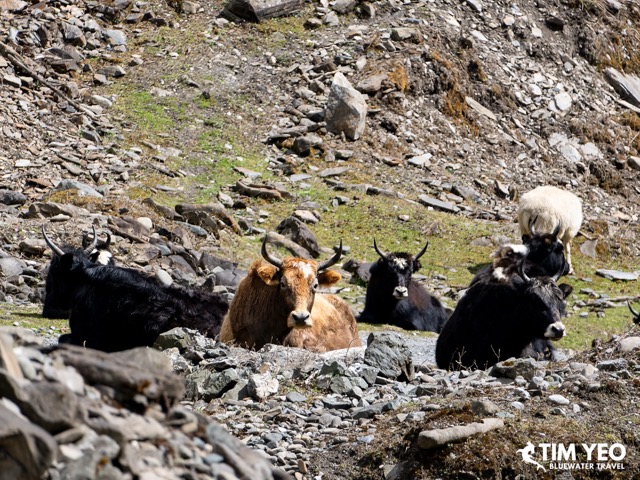
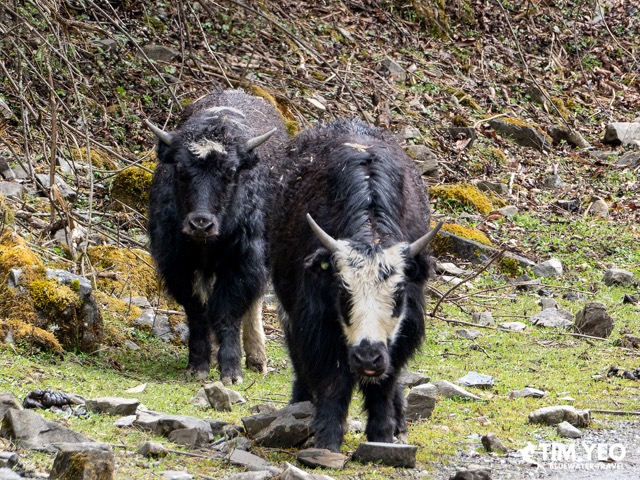
Then came the moment we had all been hoping for. Not long after those sightings, we found an adult giant panda resting under a tree. As soon as the panda caught our scent, it stood up and walked off into the woods. We tried to track it for a while and then waited, hoping it might circle back, but it did not reappear. Even so, it was an incredible sighting and a fitting finale to the trip. Credit goes especially to our guest Katie den Bleyker and the local ranger, who were the ones to spot it. Seeing a wild giant panda is something very few people ever get to experience, and it was an unforgettable way to end our search. Back at the lodge that evening, the wonderful Tibetan family who runs the property prepared a fantastic barbecue for our final dinner and even surprised us with a fireworks show to celebrate the success of the trip. It was a warm and joyful ending to a very special week.
Final Thoughts
This trip was about much more than simply checking off a giant panda sighting, though finding a wild panda on our final afternoon was certainly the perfect ending. Over the course of the week we experienced a remarkable mix of wildlife, landscapes, culture, and history. We saw giant pandas, red pandas, and golden snub nosed monkeys, explored beautiful mountain valleys in both fog and snow, learned about the history of panda discovery, and enjoyed the warmth and hospitality of the people who hosted us along the way. China is not an easy destination to put together logistically, but that is part of what made this journey feel so rewarding. Every sighting felt earned, and the combination of wildlife searching, mountain scenery, and cultural experiences made this a truly unique itinerary. For everyone on the trip, the wild giant panda sighting on the final day will be the moment we remember most, but it was the full journey through Sichuan that made the experience so special.
Looking for more? Check out our trip recap video!
Author
Tim Yeo
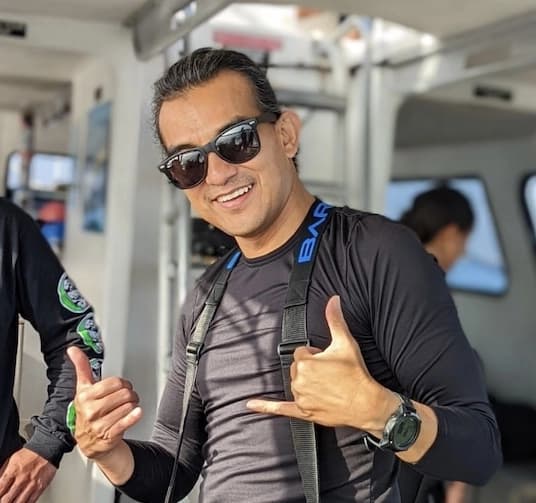
Tim grew up in tiny Singapore, where driving for more than an hour meant you would need a passport. Traveling was always his passion, but Tim became addicted to dive travel soon after he got scuba certified in Malaysia. As his diving addiction grew, Tim eventually became a Staff Instructor with PADI and an Instructor Trainer with SDI. After getting his instructor certification, Tim spent time teaching scuba in Malaysia and Vietnam.
Tim serves as General Manager and COO at Bluewater Travel and is the company's most seasoned trip leader. With a portfolio of leading over 30 group trips, his extensive expertise encompasses a variety of popular dive destinations such as the Galapagos, Raja Ampat, French Polynesia, Fiji, the Red Sea, Palau, Maldives, among others. His travels have taken him across all seven continents and allowed him to dive in all five oceans—the Atlantic, Pacific, Indian, Arctic, and Antarctic.


-optimized-optimized.webp&w=640&q=75 "Solomon Islands Trip Recap 2026")