
Palau Trip Report: Diving Palau with Black Pearl
Words and Images by Anne Rucquoi
Palau had been on my diving radar for a long time, and this trip finally gave me the chance to experience it both from a liveaboard and from land.
I spent most of the trip onboard the Black Pearl, followed by a day of diving with Fish 'n Fins
and visits to several properties around Koror. Having experienced both styles of diving, I came
away with a pretty clear impression: if you're going to Palau primarily to dive, a liveaboard is
hard to beat.
The diving is incredibly varied, the marine life is abundant, and the visibility and water
temperature make for very comfortable diving. But perhaps the biggest surprise for me was just
how healthy the underwater environment felt.
Arriving in Palau
I left Manila on the evening of May 12 with United Airlines and arrived in Palau in the middle of
the night.
For my first night, I stayed at Palau Central Hotel, where the driver was waiting for me at the
airport. The car was small and slightly old-school 😄, but he was there on time and got me safely
to the hotel.
My room was really cute, with a very comfortable bed. The whole property has a wonderful
Jumanji-style jungle atmosphere, with lots of greenery and a very relaxed feel.
After my liveaboard trip, I also had the opportunity to visit their sister property, Carolines Resort,
which I’ll get to later.
Boarding the Black Pearl
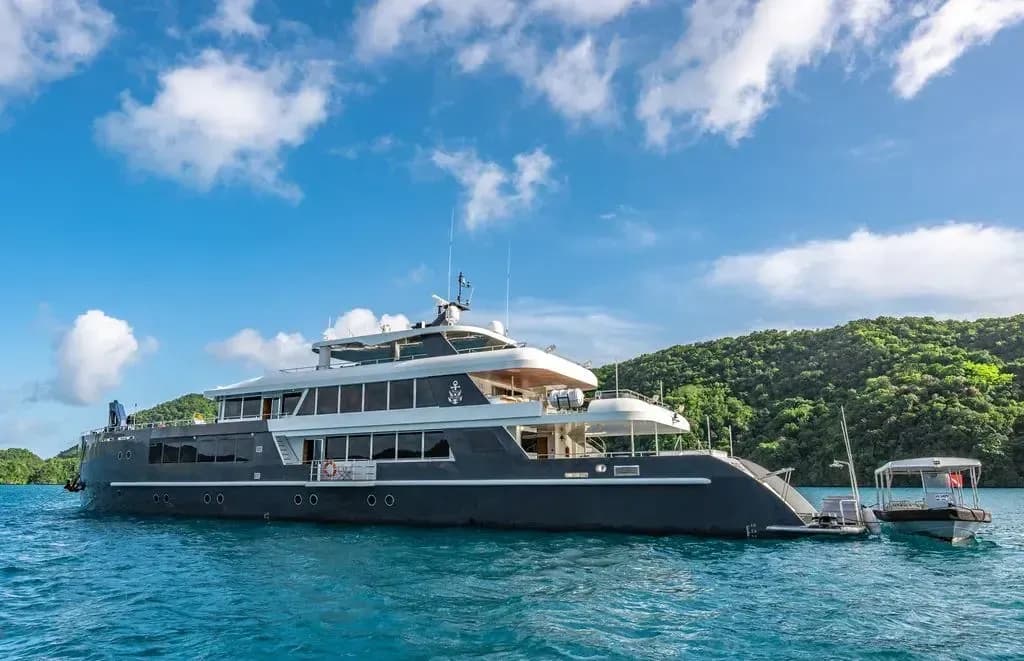
I was picked up from Palau Central at 3 PM and transferred to the Black Pearl.
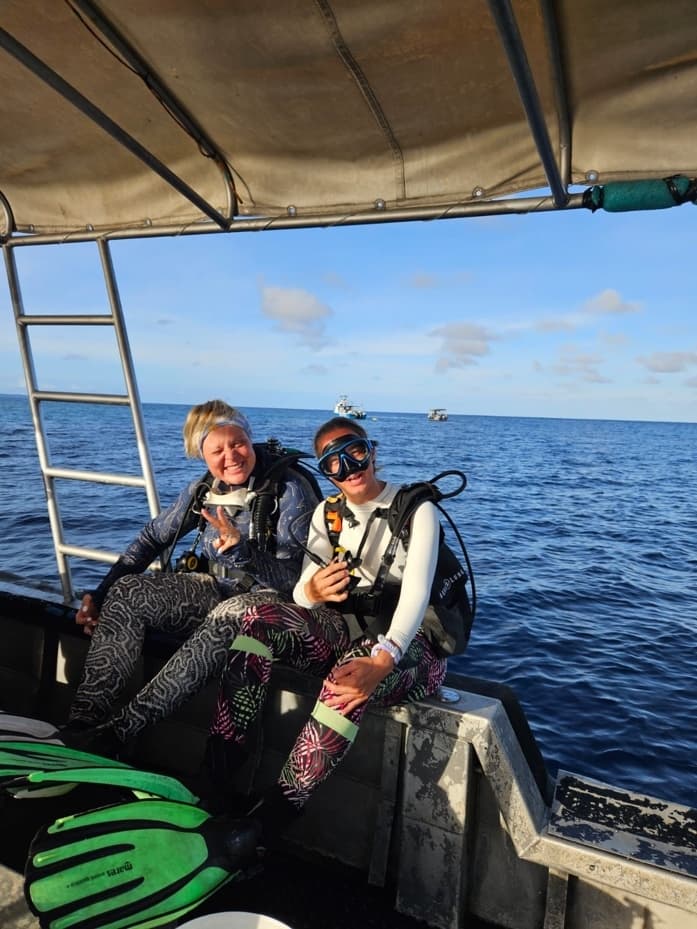
I had four Bluewater clients onboard, plus another guest, Fanny, booked by Bluewater Travel who was sharing my cabin. She was Dutch and incredibly fun, so I definitely got lucky with my cabin-mate situation!
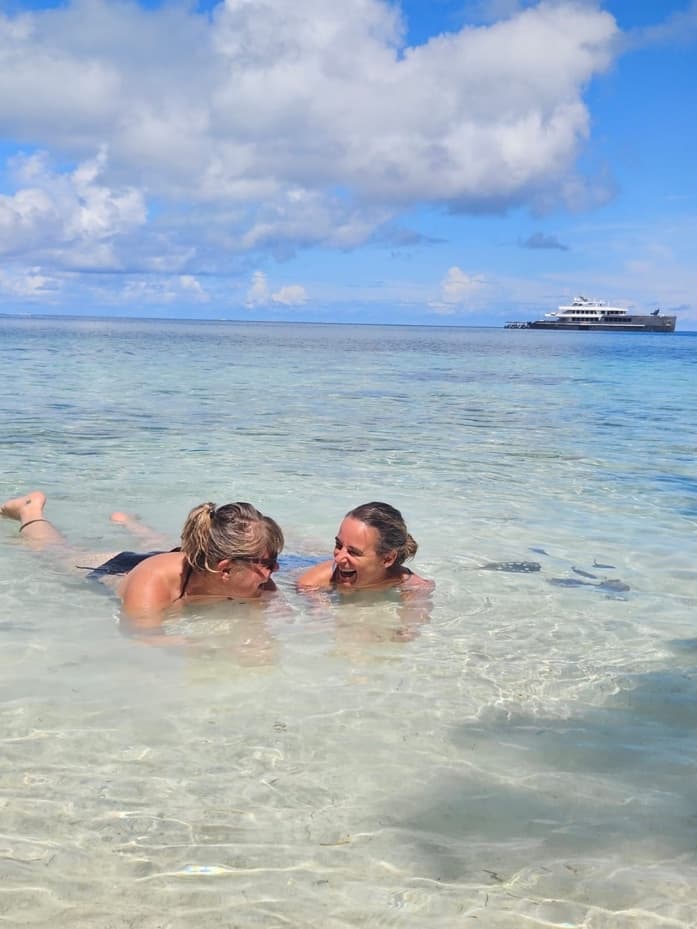
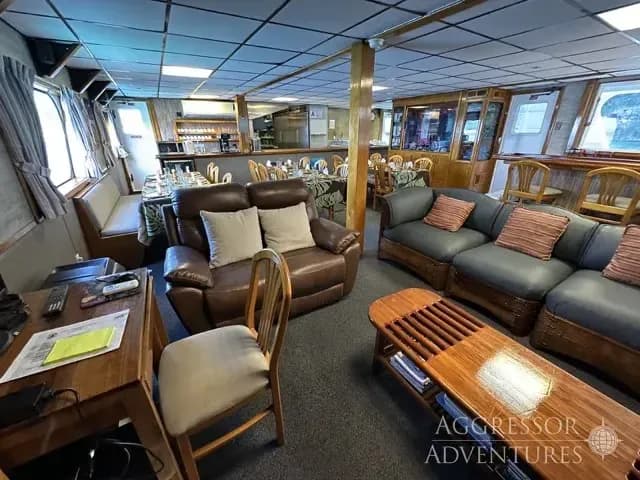
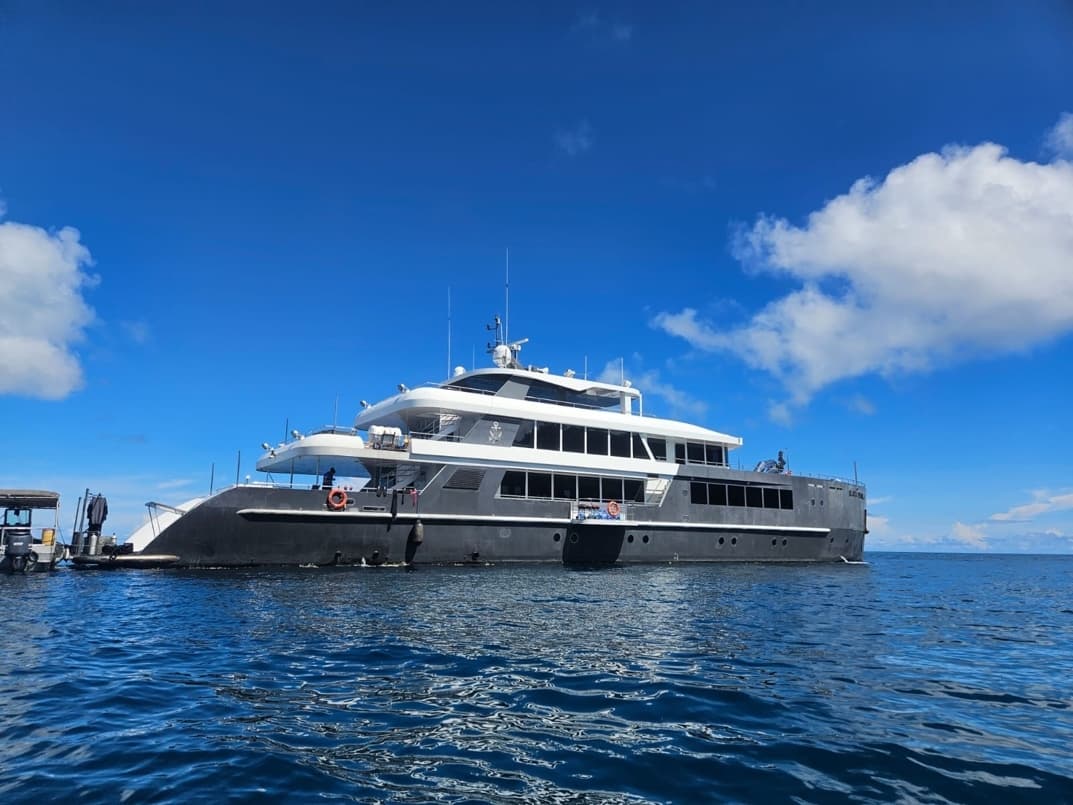
The Black Pearl immediately felt comfortable and welcoming.
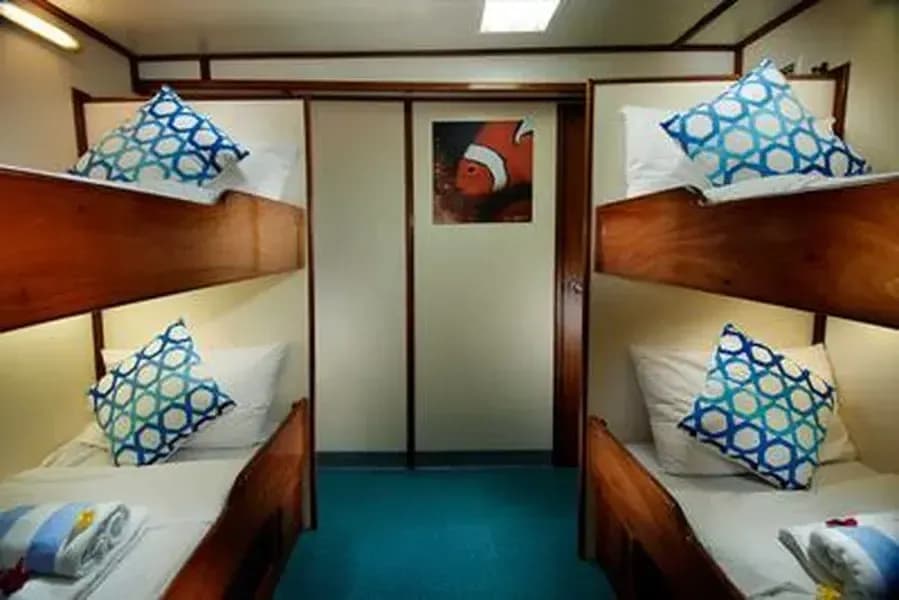
The cabins aren't huge, but they are perfectly comfortable for a week of diving. And, as is often
the case on a liveaboard, the crew quickly became one of the highlights.
The crew is primarily Filipino and Indonesian, and they were exceptionally attentive. They
seemed to know what you needed before you even had to ask.
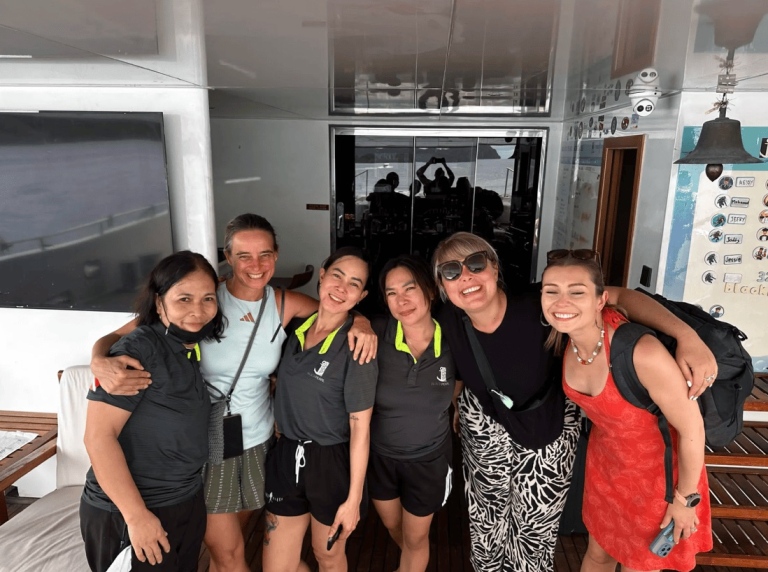
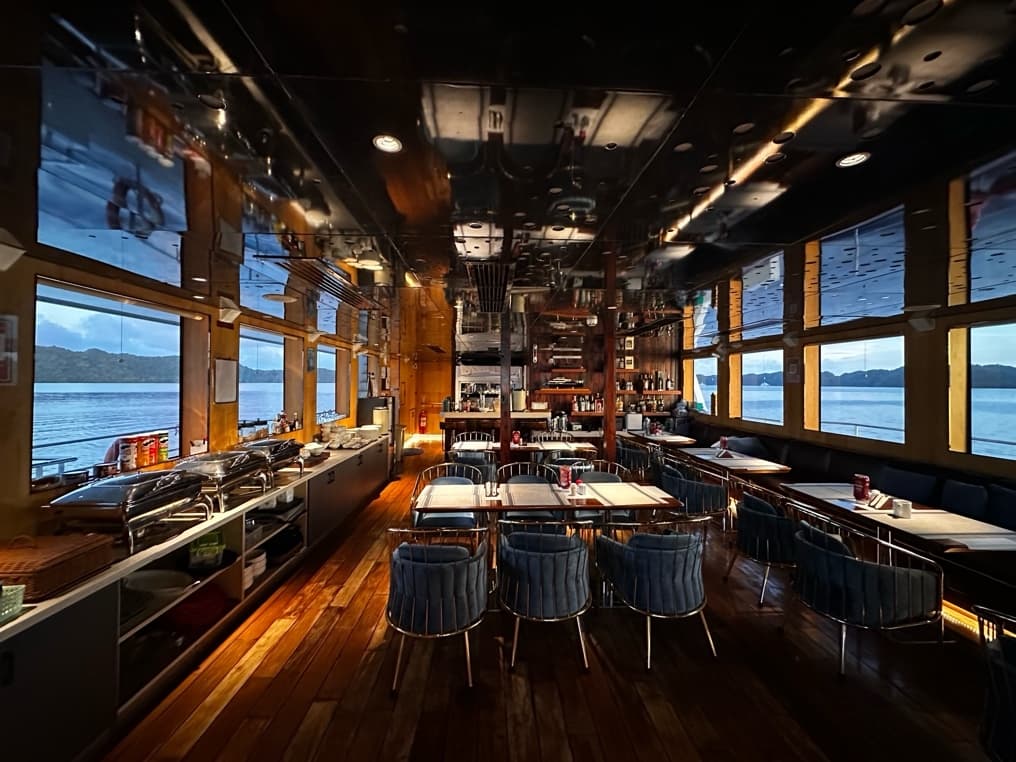
Food is served buffet-style and there was always plenty of it, which is exactly what you want
when you're following the classic liveaboard routine: Dive. Eat. Sleep. Work. Repeat. 😅
The first dives
Our first two dives were at Jake Seaplane and the Iro Maru wreck.
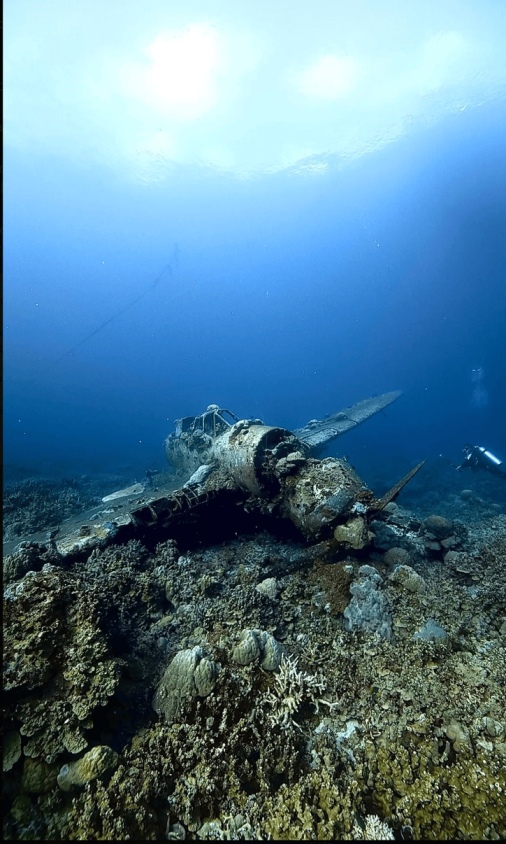
They were good dives, although neither completely blew me away.
The third dive, however, was much more impressive.
At Short Drop Off, we had sharks deeper down, beautiful coral higher up, and triggerfish
everywhere.
And when I say everywhere, I mean you really had to pay attention to where you were
swimming because there were triggerfish all around you! 😅
It was a great introduction to Palau, and it immediately gave me a feeling that there was much
more to come.
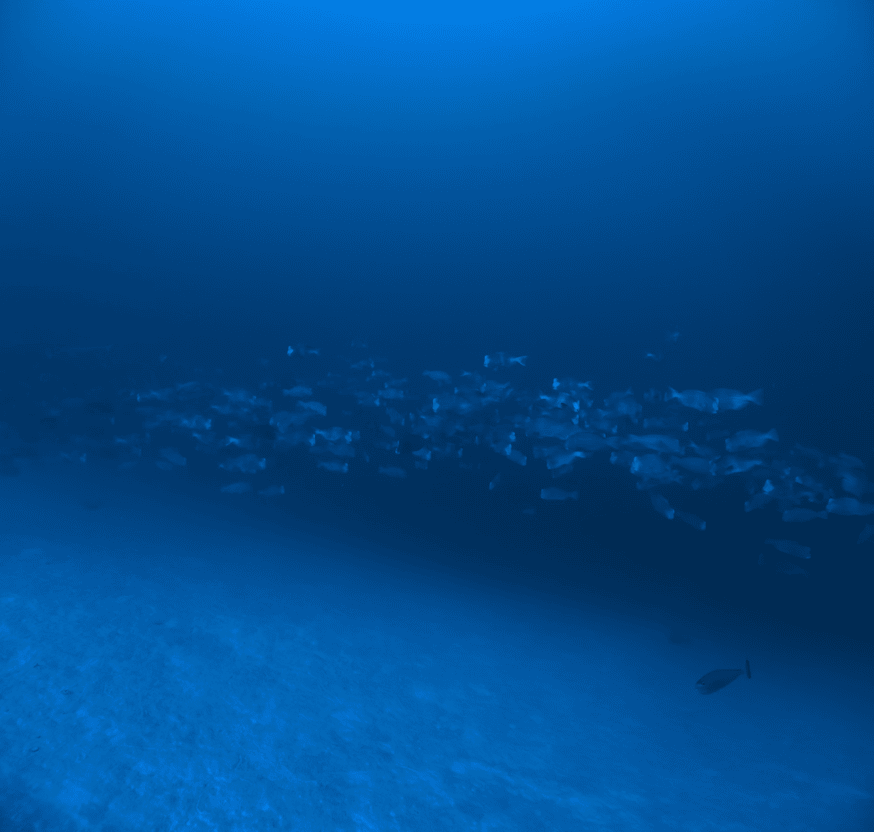
The next morning we were scheduled for the famous bumphead parrotfish spawning dive, so I
was very excited to see what the following days would bring.
Days 2–4 – Welcome to dive, eat, sleep, repeat
By the fourth day, we had officially entered full liveaboard mode. The diving was excellent and,
importantly, extremely varied.
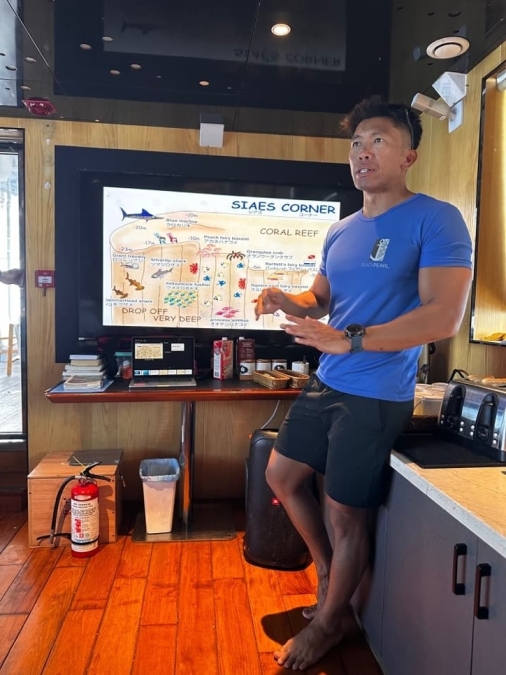
We experienced walls, swim-throughs, sandy bottoms dotted with coral pinnacles, and plenty of
different reef environments.
Water temperature hovered around 29–30°C, and I was perfectly comfortable diving in just
shorts and a rash vest. Visibility was generally very good.
But one thing really stood out to me. I didn't see a single piece of trash. Not one.
That may sound like a small thing, but after spending so much time diving around the world, it
was honestly quite striking. Palau felt clean and incredibly healthy underwater. The fish were
also remarkably comfortable around divers.
We were able to get very close to snappers, bumphead parrotfish, sharks, turtles, and plenty of
other marine life without the animals seeming particularly bothered by our presence.
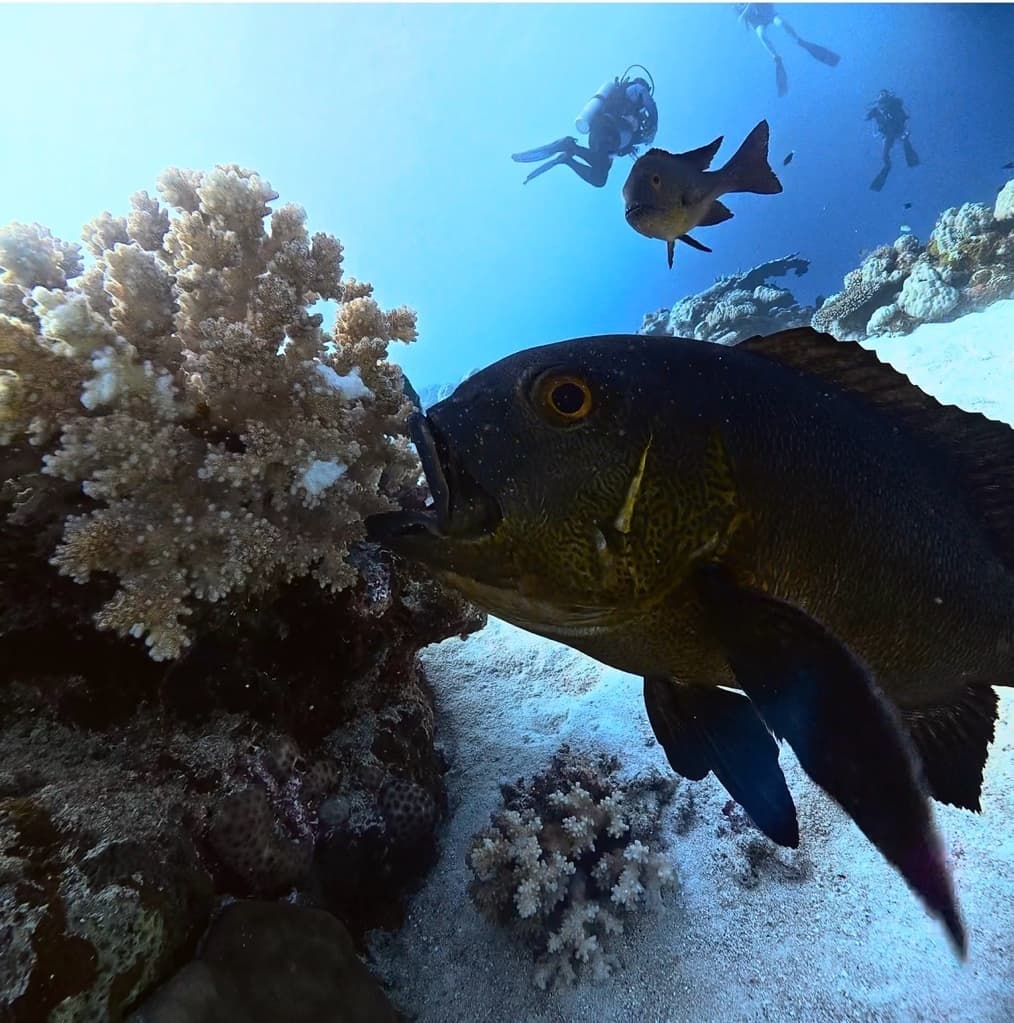
We encountered grey reef sharks on every single dive. Yes. Every. Single. Dive. 🦈
And although Palau has a reputation for current, we actually experienced relatively little during
this trip. I only needed to hook in twice during the entire week.
The Black Pearl had 21 divers onboard, divided into four dive groups. There are two dinghies,
and the dive sites are generally very close to the boat. Most were only 5–15 minutes away,
although our trip to Peleliu required a longer journey.
One thing I had heard from a previous client was that getting everyone into the water could take
quite a while .That wasn't our experience at all. On our trip, everyone was generally in the water
within five minutes.
Of course, this probably depends somewhat on the experience level of the divers onboard, but I
found the operation very efficient.
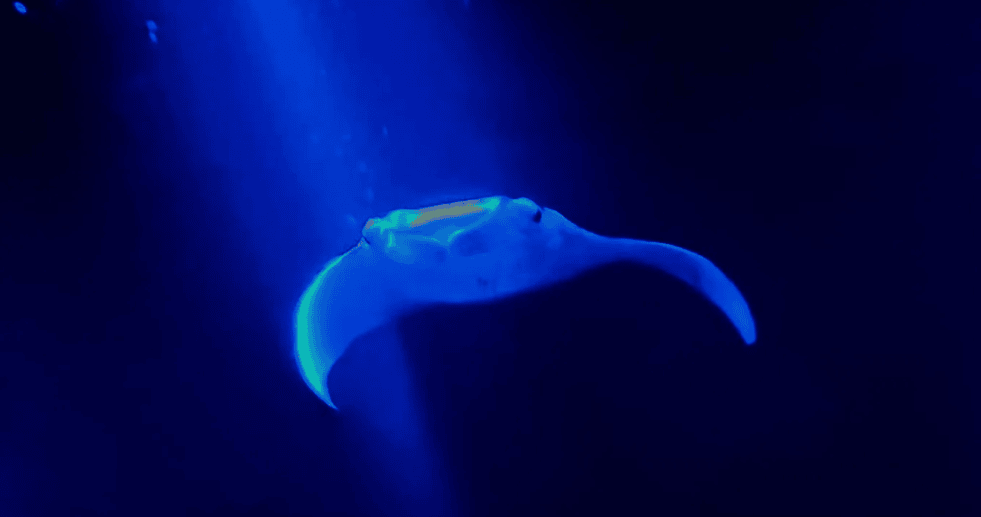
We generally did three dives per day, with one particularly special day when we completed four
dives, including a night dive. And that night dive? Seven feeding manta rays. Absolutely
incredible.
By the halfway point of the trip, I had reached the stage where I genuinely didn't want to leave.
That's usually a pretty good indication that the liveaboard and crew are doing something right!
😬
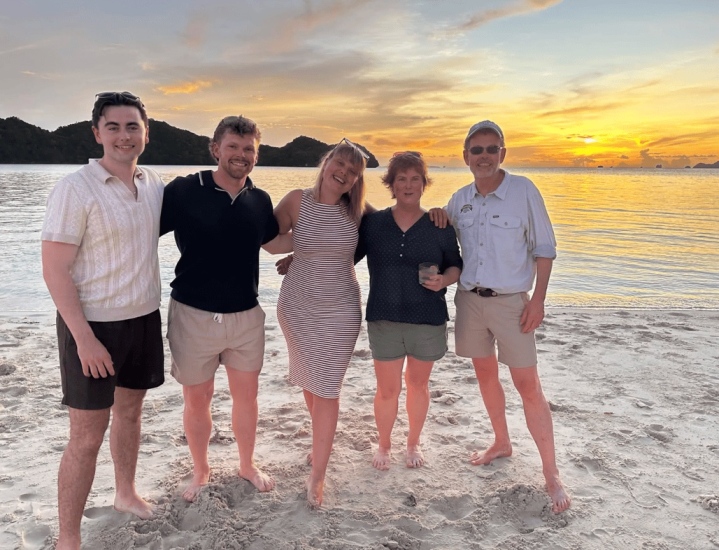
I also had four repeat clients onboard, and every single one of them told me that Palau had
exceeded their expectations. That says a lot.
After experiencing both liveaboard and land-based diving during this trip, I would strongly
recommend a liveaboard for divers whose main goal is to experience as much of Palau's diving
as possible. The biggest advantage is access and efficiency.
You wake up near the dive sites, you don't need to spend time commuting from a hotel to the boat each morning, and you can reach sites that would require longer day trips from Koror.
The Black Pearl also made the diving feel very easy. The crew took care of everything, the dive
groups were small and organized, and the sites were close to the boat.
For me, it was the perfect way to experience Palau.
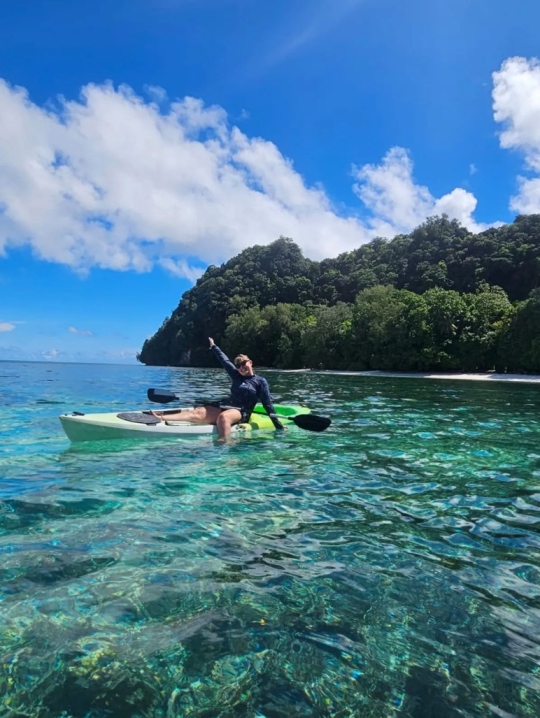
After finishing the liveaboard, I spent a day diving with Fish 'n Fins to experience Palau from
land. The setup was very straightforward.
They picked me up from my hotel and brought me to the dive center, where we completed the
paperwork. From there, you walk just 2–3 minutes to their pier, located next to their Barracuda
restaurant.
They had two boats operating that day — one doing two dives and another doing three.
I was diving with Jen, another diver from our Black Pearl trip, as well as three other divers with
different experience levels.
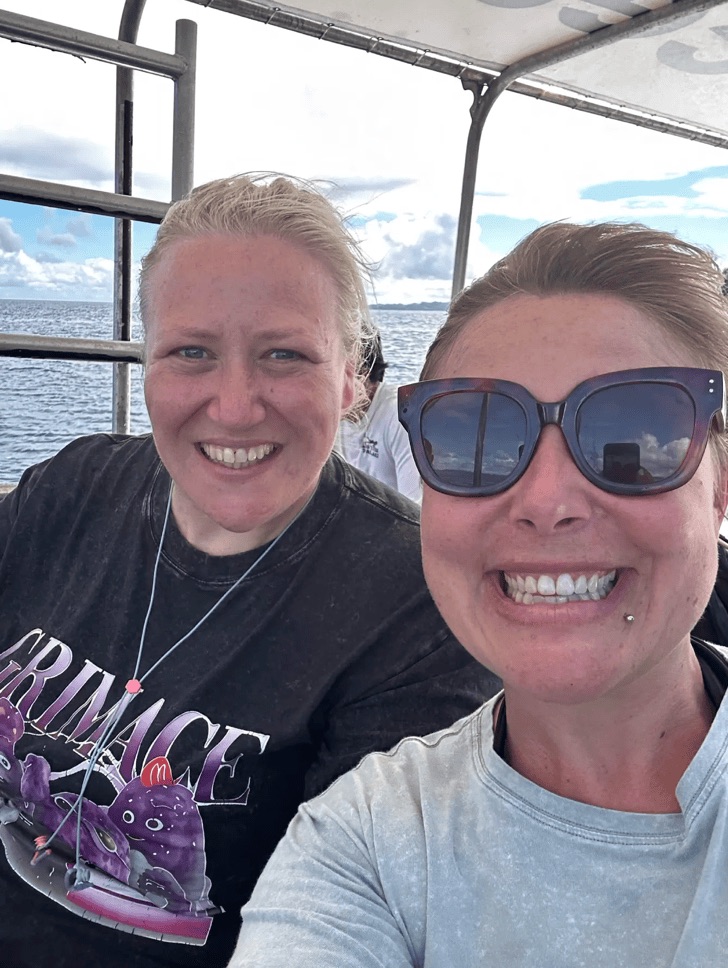
The diving itself was good, although the experience was noticeably different from the liveaboard.
Jen and I were hoping to repeat Ulong Channel, and although we were initially told that we
would most likely do it, the site wasn't ultimately included in our day.
My impression was that the dive itinerary was more influenced by the different levels of divers and snorkelers in the group.
The dives we did were beautiful, but they were not particularly challenging or focused on big-
animal encounters.
This was actually one of the clearest differences I noticed between the liveaboard and day-boat experience.
On the liveaboard, the diving felt much more catered to the divers and their experience levels,
whereas the day trip naturally has to accommodate the needs and abilities of the entire group.
For someone looking for relaxed recreational diving, this isn't necessarily a negative — it's
simply something to keep in mind when choosing how to experience Palau.
After diving, I had lunch at Fish 'n Fins' restaurant, Barracuda, which was very good. I also had
the opportunity to visit the Ocean Hunter III, which was moored at their pier.
The Ocean Hunter III is less luxurious than the Black Pearl, but it has something else going for it: experience.
Many of the crew members have been with the operation for more than 20 years, and the captain
is Palauan.
The boat also offers up to five dives per day, which is an important point to keep in mind because not every Palau liveaboard operates at that pace.
For serious divers who want to maximize their time underwater, this could be a very attractive option.
Fish 'n Fins also has a house reef, where guests receive complimentary dives. The reef is known
for juvenile batfish and mandarin fish, making it a nice bonus for divers staying in Koror.
Palau Central & Carolines Resort
Before heading home, I returned to Palau Central and visited their sister property, Carolines Resort.
Carolines is located up on a hill, and the views are spectacular.
The property has seven bungalows, each accommodating two guests in either a double or twin
configuration, plus a larger Bungalow 8, which can accommodate up to four people.
They also have luxury tents, which I absolutely loved.
The tents have a wonderful Robinson Crusoe feeling, with beautiful views and a very natural atmosphere.
Some of the bungalows even have space to park a car directly in front.
Guests staying in the bungalows receive one complimentary round-trip transfer to Koror town per day, while the luxury tents have unlimited transfers.
The property is also continuing to develop. Plans for the coming year include an additional luxury tent, a spa, restaurant, and swimming pool.
For food, guests can order from the Canoe Restaurant, which is attached to Palau Central, and
have meals delivered to Carolines.
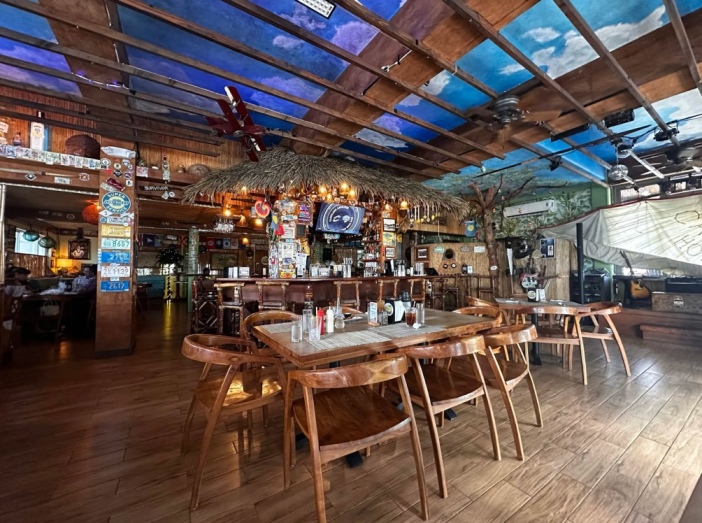
Canoe quickly became one of my favorite spots during my stay. I ate there three times, and the
food was consistently good. They also have live music, making it a nice place to spend an
evening.
A dry-day activity: glassmaking
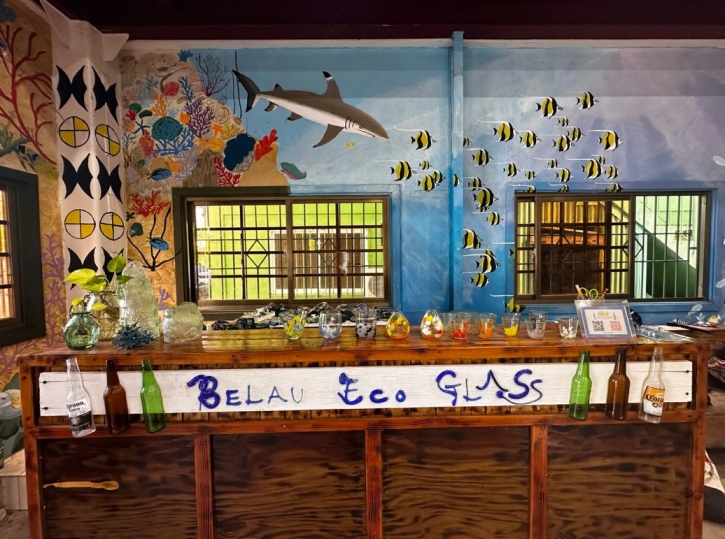
One of the local activities Tova from Fish 'n Fins recommended to me was a visit to a
glassmaking factory.
Unfortunately, I didn't have enough time to participate myself, but I did visit the factory and I
can absolutely see why this would be a great activity for guests.
Especially on a rainy or non-diving day, it would be a fun way to experience something
completely different from the underwater side of Palau.
Sometimes it's good to have a plan for when you're not diving! 🙃
My Take on Palau
Palau completely exceeded my expectations.
What I loved most wasn't just the famous big-animal encounters, although those were spectacular. It was the overall quality of the diving.
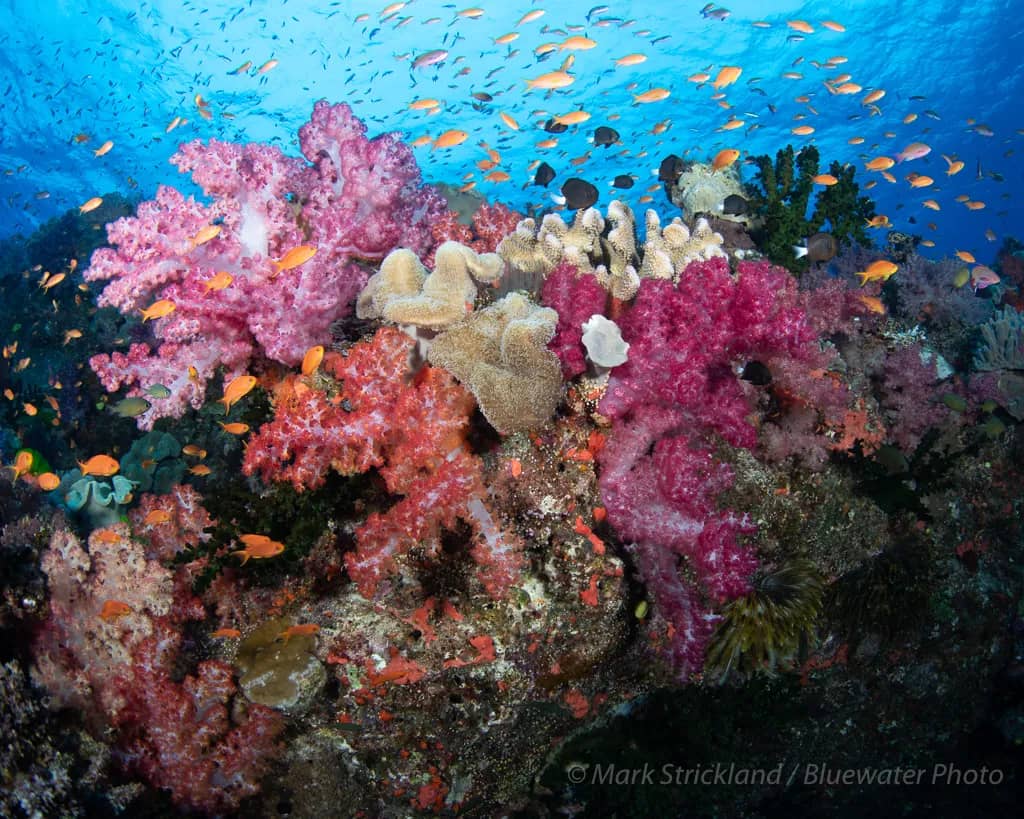
The reefs were beautiful, the visibility was excellent, marine life was abundant, and the variety
of dive sites kept every day interesting.
You can go from a wall to a wreck, from a sandy bottom covered in coral pinnacles to a swim- through, and then finish the day with sharks or mantas.
And the marine life is not shy. Bumphead parrotfish, turtles, snappers and sharks were all
remarkably comfortable around divers, allowing for some fantastic encounters.
The absence of trash was also something I won't forget. It made a real impression on me and
contributed enormously to the feeling that Palau's underwater environment is genuinely well
cared for.
Liveaboard or resort?
For a dedicated diver, I would absolutely lean toward a liveaboard.
The Black Pearl offered an excellent combination of comfort, attentive service, efficient diving, and access to a wide variety of sites. If your priority is maximizing your time underwater, this is the way I would go.
For non-diving partners, families, or travelers who want to combine diving with more time on
land, staying in Koror can make a lot of sense.
Fish 'n Fins is a very established operation and offers flexible day diving, while Palau Central and Carolines provide different accommodation styles depending on whether you're looking for convenience in town or a more secluded jungle setting.
And if you're a diver who wants to maximize your number of dives, Ocean Hunter III is definitely worth looking at, with up to five dives per day.
Palau was one of those trips where, by the middle of the week, I was already wondering how I
could avoid going home.
The combination of sharks on almost every dive, beautiful coral, walls, wrecks, bumphead parrotfish, turtles, mantas, excellent visibility, warm water, and incredibly healthy-looking reefs made this a very special week underwater.
But perhaps the best compliment came from my own clients. I had four repeat Bluewater travelers onboard, and every single one of them told me that Palau exceeded their expectations. I couldn't agree more.
Palau is definitely a destination I would recommend to divers who want a true big-animal, big-
adventure diving experience — and after this trip, I know I'll be going back.
Looking for more Palau options? Check out our full list of Palau liveaboards and Palau resorts.
Author
Anne Rucquoi
Originally from Belgium, Anne’s love affair with the ocean started early — she took her very first dives at just 12 years old in France. What began as curiosity quickly turned into a lifelong passion that would shape her career, her travels, and her way of life.
Anne became a PADI Instructor in 2015 and went on to work across Southeast Asia, including Koh Phi Phi, the Gili Islands, and Bali, where she also managed a dive resort in Amed. In 2021, she became a PADI Staff Instructor, regularly assisting on instructor-level courses and continuing to deepen her knowledge — because learning, for Anne, never really stops.
Since joining Bluewater Travel in 2022, Anne has combined her hands-on dive experience with her love for travel planning. She has personally explored and dived some of the world’s most iconic destinations, including Ambon, the Banda Sea, Komodo, Raja Ampat, Halmahera, Lembeh, the Maldives, Coron, El Nido, Malapascua, Moalboal, Anilao, Romblon, Tubbataha, and the Red Sea — and she’s far from done. Her goal? To visit every continent and help her clients find trips that truly match their diving style and dreams.
Anne is also a passionate underwater photographer, shooting with a Canon R7 and a carefully curated setup of macro, super-macro, and wide-angle lenses (all proudly sourced from Bluewater Photo). If there’s a tiny critter to be found — or a dramatic reef scene to capture — she’s in her element.
When she’s not underwater or planning dive adventures, Anne is happiest keeping plants alive (a real skill), walking her dogs, rescuing the occasional street animal, and — most of all — meeting her clients whenever possible. For her, travel isn’t just about destinations; it’s about people, connections, and shared stories.
Favorite dive experience? Raja Ampat — especially the biggest oceanic mantas she’s ever seen. Ultimate bucket-list destination? The Galápagos.
-optimized.webp&w=640&q=75 "Moorea Trip Recap August 2026")


-optimized-optimized.webp&w=640&q=75 "Solomon Islands Trip Recap 2026")