Call or text us
+1 (310) 915 6677
WhatsApp message
+1 (555) 700 6638
Speak to an expert
Use our online inquiry form
Schedule a consultation
Book a time for us to connect
Our travel consultants are available around the clock to help you plan your next trip.
Contact a specific agentScuba Diving in Tubbataha
Diving Tubbataha Reef is sought after for its incredible marine biodiversity, dynamic underwater terrain, and a wide variety of large marine animals including sea turtles, manta rays, various sharks, including the occasional whale sharks.
Expert advice on diving,
seasons, and logistics
Free planning help
when you’re ready to book
Exclusive dive packages
tailored for you


Expert advice on diving,
seasons, and logistics
Free planning help
when you’re ready to book
Exclusive dive packages
tailored for you
Destination Highlights
Scuba Dive Level
All Levels
Visibility
32 to 114 feet (10 to 35 meters)
Average Water Temperature
84
Pelagic Encounters
Stunning Reefs & Corals

Diving In Tubbataha - Introduction
- Why it’s special: remote UNESCO World Heritage marine park in the heart of the Coral Triangle, with some of the Philippines’ healthiest reefs and highest fish biomass.
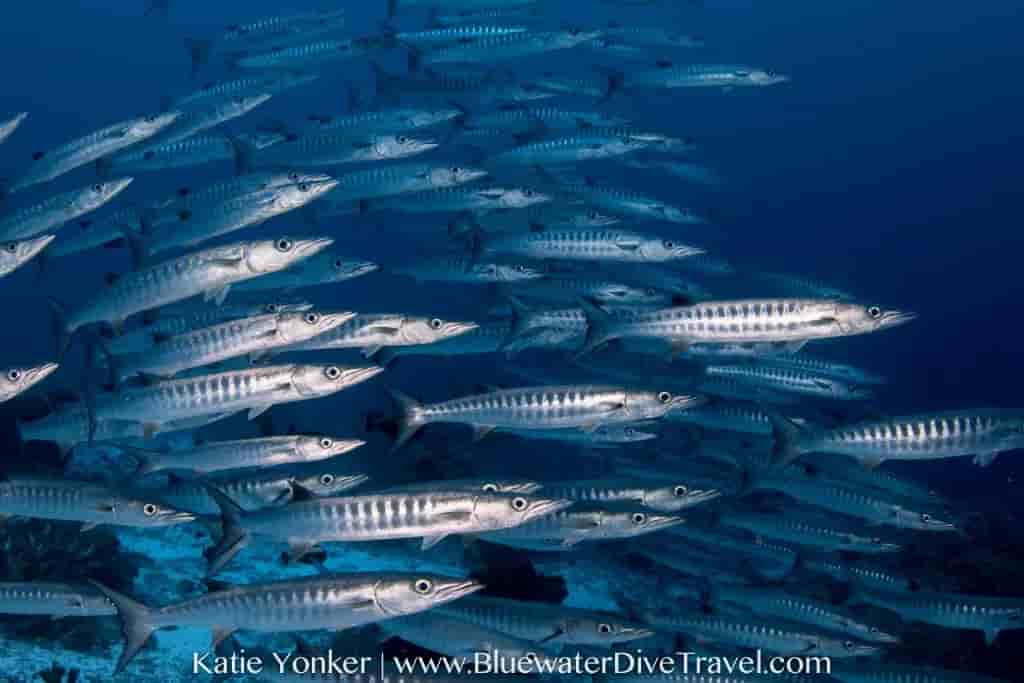
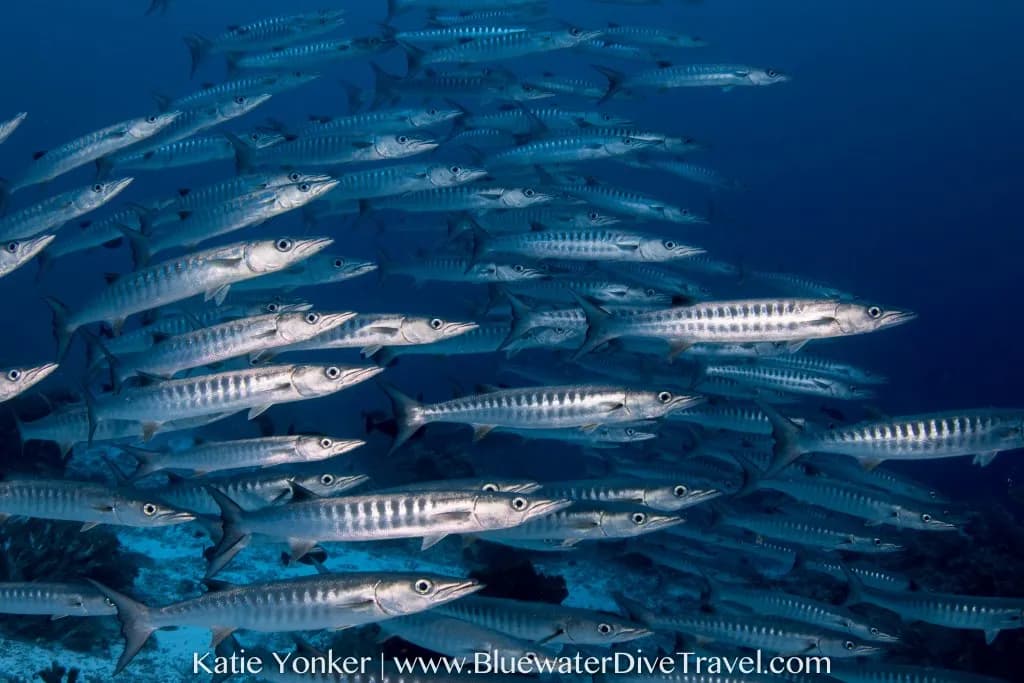
- Signature experiences: sheer walls, huge schools of jacks and barracuda, constant reef sharks, frequent turtles and rays, with chances of hammerheads, whale sharks and other pelagics.
- Season: March–June only; outside this window Tubbataha is closed to diving.
- How to dive it: liveaboard only, usually 5–7 nights, departing Puerto Princesa (PPS) on Palawan.
- Experience level: best for intermediate upwards due to blue‑water walls and current; confident newer divers can enjoy it with good guidance.
- Conservation: strictly protected marine park with limited access, no permanent residents and a ranger station on North Atoll.
Tubbataha Reef Diving Highlights
Diving Tubbataha Reef is famous for its incredible marinebiodiversity, dynamic underwater terrain, and a wide variety of large marine animals, including sea turtles, manta rays, and various shark species.Tubbataha Reefs Natural Park is an isolated and protected marine park that can only be reached by Tubbataha liveaboard. It is arguably the most biodiverse scuba diving destination in the Philippines.
Tubbataha Park ranks number one on our list of Best Diving in the Philippines.
Tubbataha Liveaboards
Tubbataha can only be dived via liveaboard during a shortdiving season from March to June each year. Tubbataha liveaboards fill up early, so plan your trip well in advance!
Intro To Tubbataha Reefs
Tubbataha Reefs is a UNESCO World Heritage site located in the Sulu Sea to the east of Palawan. The region's remote location, combined with challenging access and limited diving season, make it one of the healthiest and least exploited areas of reef in the world. Throughout the 100,000 hectares of the spectacular reef system, divers lucky enough to visit will discover a wide array of pristine coral gardens mixed with steep walls dropping down into the deep blue. Tubbataha Park area is an important fish spawning and breeding site and is significant in terms of global marine life species diversity and richness.
Tubbataha Reefs is divided into three main areas: North Atoll, South Atoll, and Jessy Beazley Reef. Tubbataha liveaboards visit each of the atolls to enable divers to experience a wide variety of Tubbataha dive sites.
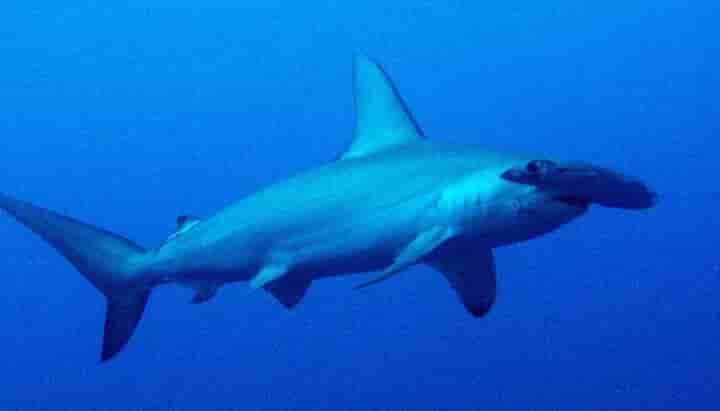
On our most recent group trip we had classic Tubbataha conditions – calm crossings, 20–30 m visibility and four dives a day on the walls and plateaus of North and South Atoll plus Jessie Beazley. Every dive delivered clouds of anthias and fusiliers, constant reef sharks and turtles, and at least once a day we had big‑school action with jacks or barracuda in the blue. We also had a handful of “bonus” moments – including hammerheads at Jessie Beazley and a surprise whale shark cruising past the reef.
For a full day‑by‑day account with photos, read our Tubbataha Dive Trip Report – 2024.
Marine Life In Tubbataha Reef
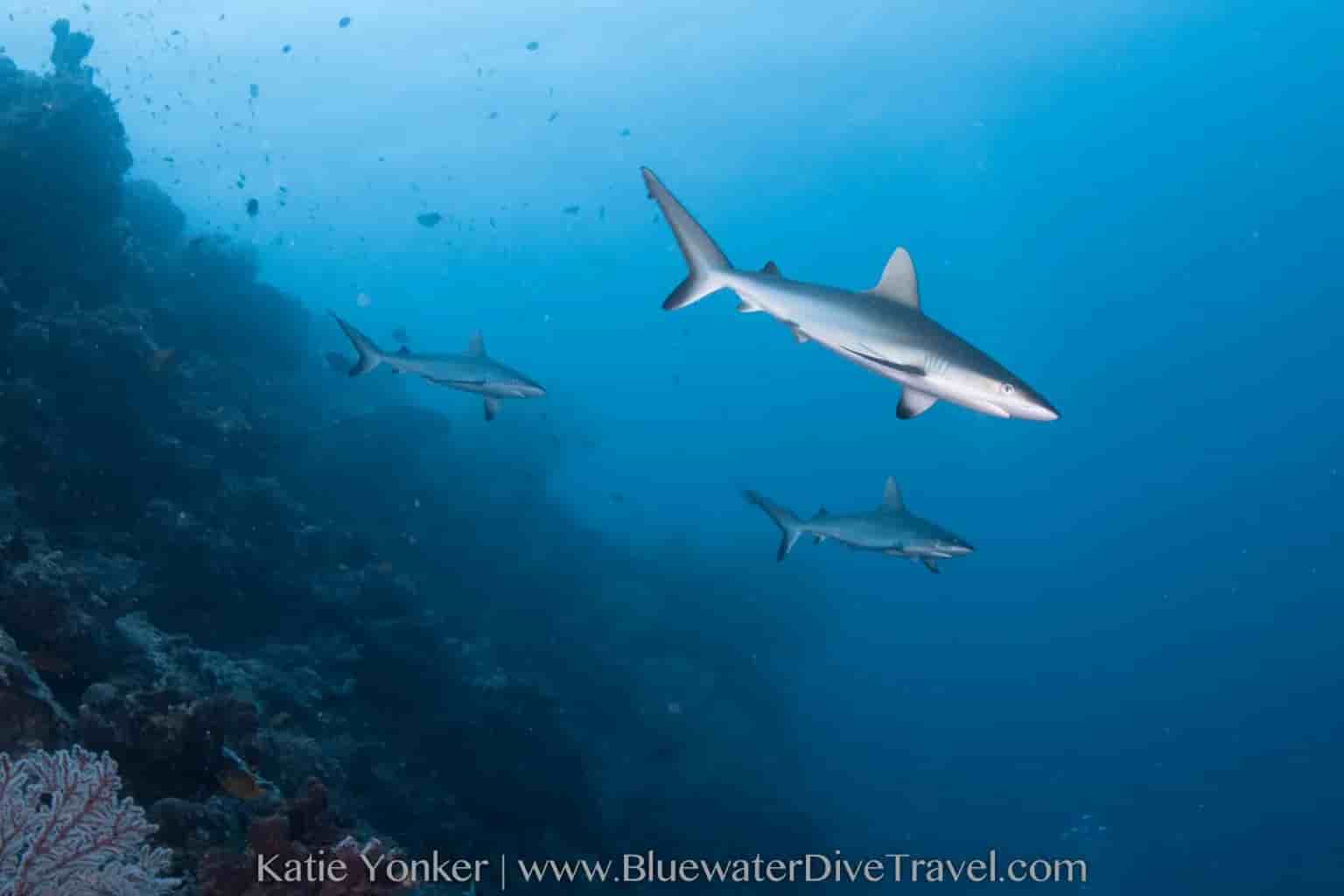
Tubbataha is first and foremost a big‑reef, big‑fish destination: constant reef sharks and turtles, huge schools of jacks and barracuda, walls carpeted in hard and soft corals, plus a genuine chance of hammerheads, whale sharks and other pelagics in season.
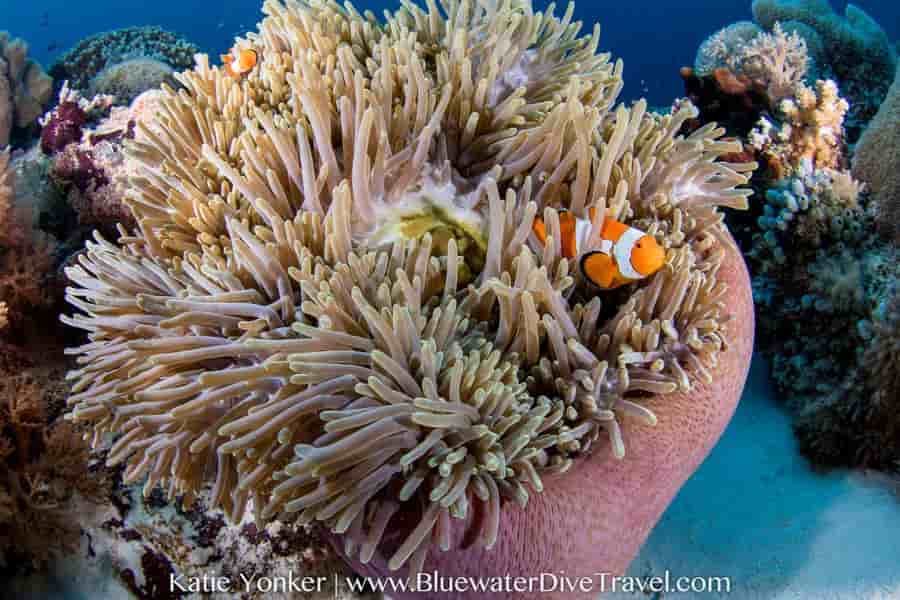
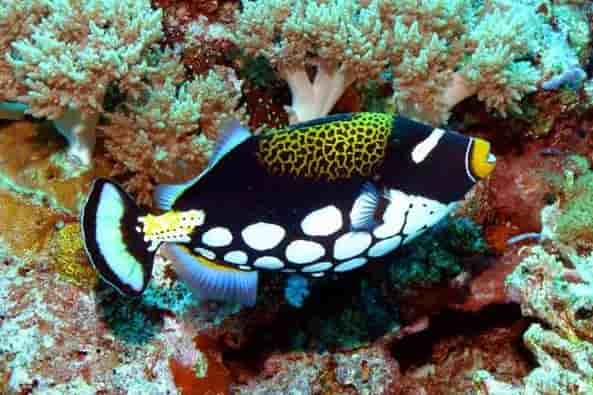
On a liveaboard to Tubbataha, divers are blown away by the never-ending display of multi-colored reef fish, lobsters, stingrays,and turtles on every reef. At deeper spots on the northern side of North Atoll, numerous shark species can be seen, including frequent encounters with white tips, black tips, and grey reef sharks, as well as possible sightings of silky and guitar sharks. The southern side of North Atoll is a hotspot for large pelagics such as giant trevally, tuna, and barracuda, alongside manta rays and turtles. South Atoll is a great hammerhead site, while wrecks on both atolls are fantastic for macro species such as pygmy seahorses, nudibranchs, and tiny crustaceans. The northwestern Jessie Beazley Reef is another area to see hammerhead sharks and other shark species. The fast currents also support huge branching hard corals and all the associated marine life.
Tubbataha Reefs’ Best Dive Spots
Tubbataha’s dive sites all sit on the same pair of atolls, but each has its own personality. Some are classic sharky plateaus, others are known for powerful “washing‑machine” drifts, while a few hide superb macro on old wreckage or seafans loaded with pygmy seahorses. Here are some of the signature sites you’re likely to visit on a Tubbataha liveaboard:
- Amos Rock – colourful wall with huge seafans, schooling fish and regular reef sharks.
- Washing Machine – fast drifts, big currents and excellent chances of sharks and mantas.
- Malayan Wreck – wreck and surrounding reef with great macro, nudibranchs and crustaceans.
- Seafan Alley – fields of gorgonian seafans, often hiding pygmy seahorses.
- Shark Airport – broad plateau and cleaning station where reef sharks rest and cruise past in numbers.
1. Amos Rock - Also known as Southwest Rock, this is a popular dive site at the North Atoll of Tubbataha, featuring various types of beautiful corals, massive gorgonian fans, and large fish such as snappers, mackerels, groupers, and the fascinating Napoleon wrasses. Various reef sharks are also commonly seen at Amos Rock and the night dives offer great macro diversity.
2. Washing Machine - Looking for manta rays and sharks? Head to Washing Machine, a dive site in the North Atoll, to ride the currents and encounter all the big stuff.
If you're interested in diving with sharks, you may also want to check out our list of the best places for shark cage diving or read about diving with tiger sharks in the Maldives' Southern Atolls.
3. Malayan Wreck - If you are a macro photography enthusiast, you can get some great shots at Malayan Wreck, including nudibranchs, crabs, and shrimps. Wreck divers will also get their dose of adventure and exploration at this Tubbataha dive site.
Check out our list of the best shipwrecks to scuba dive here.
4. Seafan Alley - For exceptionally colorful coral reefs, look no further than Seafan Alley in the North Atoll. Featuring plentiful gorgonian sea fans, make sure to keep a lookout for pygmy seahorses!
5. Shark Airport - Another dive site featuring great shark diving is the aptly named Shark Airport, where you'll find these elegant animals either swimming around or resting along the reef. Due to its strong currents, this dive site is better suited for advanced divers.
Best Time To Dive Tubbataha Reefs
The best time to dive Tubbataha Reefs is limited to its short diving season from March through June, so make sure you plan your trip well in advance. The sea conditions are quite calm during the diving season for Tubbataha liveaboards, which is important for the roughly 10-hour crossing to reach the area from the departure point.
Tubbataha also ranks first in our article on the Best Diving in Southeast Asia.
Diving Conditions
- Visibility: 32 to 114 feet (10-35 meters), depending on the tides.
- Good for snorkeling: Yes.
- Required Skill Level: Intermediate to Advanced recommended. Some Tubbataha dive sites experience strong currents.
How To Get To Tubbataha
Fly into Manila (MNL) and take a one-hour flight to Puerto Princesa (PPS), the departure point for Tubbataha liveaboards. It takes around 10 hours to get to Tubbataha Reef from Puerto Princesa, giving you time to rest before you begin diving.
Most boats board guests in the late afternoon or evening in Puerto Princesa, then depart overnight and arrive at Tubbataha early the next morning. We normally recommend arriving in Puerto Princesa at least one day before your liveaboard starts to allow for any flight delays.
How To Dive Tubbataha Reefs
It is only possible to dive Tubbataha Reefs via liveaboard from March to June. There are numerous good liveaboard options in Tubbataha from mid-range boats to luxury yachts.
Outside the Tubbataha season, many liveaboards will visit Malapascua Island or the reefs around Dumaguete, Dauin, Coron and Apo.
It is only possible to dive Tubbataha Reefs via liveaboard from March to June. There are numerous good liveaboard options in Tubbataha from mid‑range boats to luxury yachts, with itineraries typically lasting 5–7 nights. Because permits and berths are limited, popular boats and peak dates can sell out 12–18 months ahead.
Other Things To Do
Topside activities in Tubbataha Reefs are limited to whatever entertainment your liveaboard has to offer. Relax and read a book, sunbathe, and enjoy the scenery during your surface intervals. Tubbataha is also a good destination for snorkeling. Experience more of the Philippines by adding a trip to one of the country's other incredible diving destinations before or after your liveaboard. Discuss the options with your travel advisor to make the most of your trip to the Philippines!
Liveaboards In Tubbataha
Bluewater Travel can book you a liveaboard to Tubbataha, and almost every scuba diving destination you can think of at the same price or even less than booking any other way! Our team of travel advisors knows the boats, diving, and logistics better than anyone else in the industry.
The rates shown below are per person in USD. Some operators may quote in a different currency and the final pricing may vary depending on the latest exchange rates.
Tubbataha Diving FAQs
Is Tubbataha suitable for beginners?
Because most dives are on walls and exposed reefs with current, we generally recommend Tubbataha for at least intermediate divers with some recent boat and drift experience. Skilled, confident newer divers can enjoy it with careful guiding, but it is not ideal as a first‑ever ocean dive trip.
Do I have to stay on a liveaboard?
Yes. Tubbataha Reefs are around 10 hours by boat from Puerto Princesa in the middle of the Sulu Sea, with no resorts on the atolls themselves. Liveaboard is the only way to dive there, typically on 5–7 night itineraries.
How many dives will I do on a typical Tubbataha trip?
Most Tubbataha liveaboards offer up to 3–4 dives per full dive day, including an optional night dive on selected evenings. A 6‑night trip usually gives you 4–5 full dive days plus crossing days at either end.
When is the best time to see sharks and mantas?
March to June is the only period when Tubbataha is open, and reef sharks and turtles are seen on virtually every dive throughout the season. Hammerheads, whale sharks and manta rays are less predictable, but sightings are spread across the three‑month window, often increasing around stronger currents and plankton‑rich conditions.
What exposure protection do I need?
Water temperatures are usually around 26–29 °C / 79–84 °F. Many divers are comfortable in a 3 mm full suit, but if you feel the cold or plan back‑to‑back trips, a 5 mm or a hooded vest is worth considering for repetitive diving on deeper walls.
Practical Information
- Currency: Philippine Peso (PHP).
- Electricity: The standard voltage is 220 V and the frequency is 60 Hz.
- Vaccines: Please check the CDC website for updated information on vaccines, health concerns, etc. It is recommended that you are up to date with Typhoid, Tetanus/Diphtheria, Hepatitis, and Polio for any trip to the tropics.
- Visa: US citizens may enter the Philippines for purposes of tourism without a visa if they present a valid U.S. passport and a return ticket to the United States, or an onward ticket to another country. Upon your arrival, immigration authorities will stamp an entry visa valid for 30 days on your passport.
- Language: Filipino and English are the official languages in the Philippines.
Further Reading
Tubbataha Dive Trip Report - 2024
Oman Explorer Trip Report - 2025
Raja Ampat vs Komodo for Scuba
Author
Tim Yeo
Tim grew up in tiny Singapore, where driving for more than an hour meant you would need a passport. Traveling was always his passion, but Tim became addicted to dive travel soon after he got scuba certified in Malaysia. As his diving addiction grew, Tim eventually became a Staff Instructor with PADI and an Instructor Trainer with SDI. After getting his instructor certification, Tim spent time teaching scuba in Malaysia and Vietnam.
Tim serves as General Manager and COO at Bluewater Travel and is the company's most seasoned trip leader. With a portfolio of leading over 30 group trips, his extensive expertise encompasses a variety of popular dive destinations such as the Galapagos, Raja Ampat, French Polynesia, Fiji, the Red Sea, Palau, Maldives, among others. His travels have taken him across all seven continents and allowed him to dive in all five oceans—the Atlantic, Pacific, Indian, Arctic, and Antarctic.