



North Sulawesi offers something increasingly rare in dive travel: three internationally renowned diving regions within one compact corner of Indonesia.
Around Bunaken and Manado, dramatic walls descend into deep blue water, attracting turtles, schooling fish and passing pelagics. Farther north, Bangka Island is known for colorful pinnacles, soft coral gardens and a rewarding combination of reef life and macro subjects. On the opposite coast, Lembeh Strait reveals an entirely different underwater world, where volcanic sand and rubble shelter some of the ocean’s most unusual creatures.
This variety makes North Sulawesi an excellent choice for divers who want more than one style of diving from a single trip. It is equally appealing to underwater photographers, marine-life enthusiasts, snorkelers and couples or families combining diving with a comfortable resort stay.
Where Is North Sulawesi?
North Sulawesi forms the northeastern tip of the Indonesian island of Sulawesi. The provincial capital, Manado, is the region’s main gateway, with flights connecting through Indonesian hubs such as Jakarta and Bali, as well as selected international services.
Most diving vacations focus on three areas:
- Manado and Bunaken Marine Park, on the western side of the peninsula
- Bangka Island, near its northern tip
- Lembeh Strait, on the eastern side near Bitung
Although relatively close together, these destinations have markedly different habitats and marine life. Visiting all three provides a particularly well-rounded introduction to diving in the Coral Triangle.
Diving Bunaken and Manado
Bunaken National Marine Park is best known for its towering underwater walls. Many dive sites begin on shallow reef flats before dropping almost vertically into deep water, creating impressive scenery for wide-angle photography.
Divers can drift beside walls covered in hard corals, sea fans, barrel sponges and soft corals while watching the blue for larger animals. Green and hawksbill turtles are commonly encountered, sometimes several times during a single dive. Schools of butterflyfish, fusiliers, snappers and triggerfish add movement and color, while reef sharks, eagle rays, tuna and Napoleon wrasse may also appear.
The shallow reef tops are often as attractive as the walls themselves. They provide colorful safety stops and can offer excellent snorkeling when conditions allow.
Popular Bunaken and Manado Dive Sites
- Lekuan: Known for its coral-covered walls, enormous sponges and frequent turtle encounters.
- Sachiko’s Point: Sea fans decorate the wall while reef sharks, barracuda and Napoleon wrasse may appear in the blue.
- Bunaken Timur: A healthy shallow reef with turtles and a good mixture of macro and wide-angle subjects.
- Ron’s Point: A more advanced site where currents can attract sharks, tuna and schooling fish.
- Tanjung Kopi: An advanced dive known for strong currents and the possibility of larger marine life.
- Murex House Reef: An accessible coral and sandy slope with reef balls, macro subjects and rewarding night diving.
- Molas Wreck: A historic cargo ship resting between approximately 79 and 131 feet (24 and 40 meters), making it most suitable for advanced divers.
Bunaken’s walls receive much of the attention, but mainland Manado adds another dimension. Here, divers can explore coral slopes, sandy habitats and the Molas wreck. Manado Bay also supports frogfish, seahorses, octopuses, cuttlefish, nudibranchs and other smaller subjects, providing an early taste of the critter diving found later in Lembeh.
For more detailed information about the area, read our Manado and Bunaken dive travel guide.
Who Will Enjoy Bunaken?
Bunaken is particularly well suited to:
- Divers who enjoy walls and drift diving
- Turtle enthusiasts
- Wide-angle underwater photographers
- Divers seeking healthy reefs and abundant fish life
- Snorkelers comfortable exploring from a boat
- Groups with different experience levels
Some sites can have noticeable current, so good buoyancy control and comfort with drift diving are useful. Dive operators select sites according to daily conditions and each diver’s experience.
Where to Stay in Manado: Murex Manado Resort
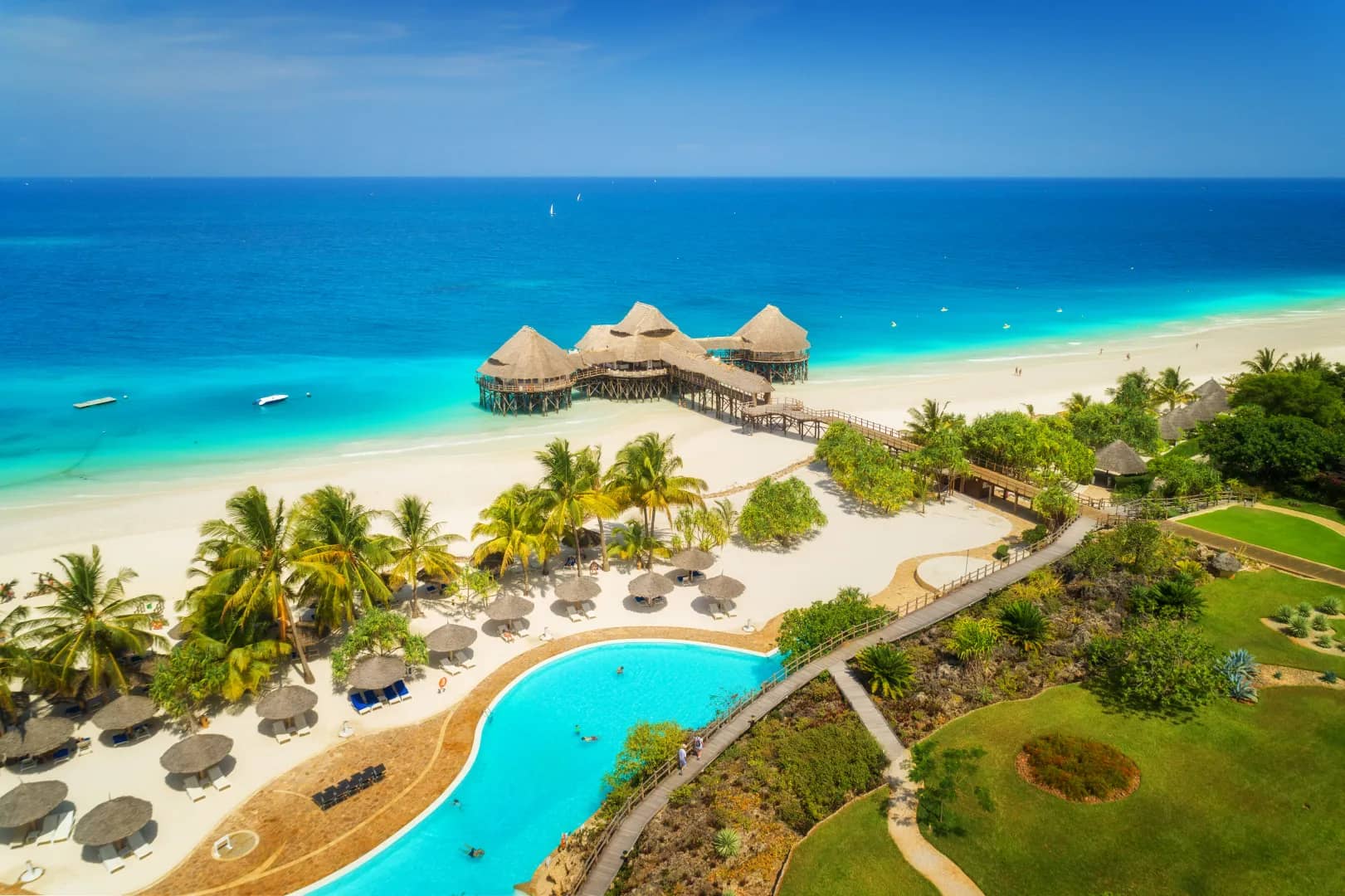
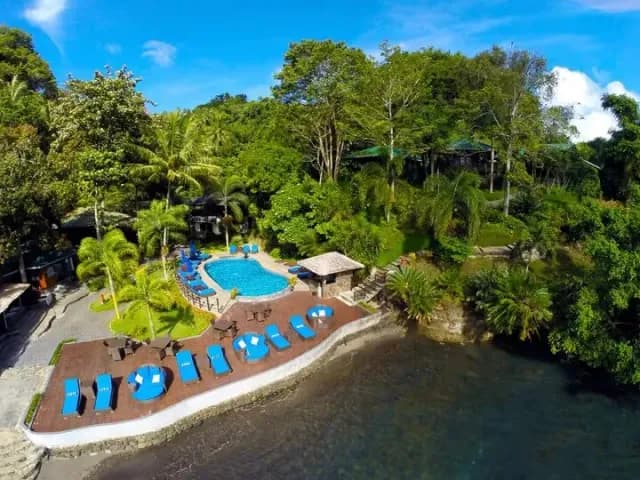
Set in tropical gardens on the waterfront, Murex Manado Resort is a convenient base for both Bunaken Marine Park and the varied sites of Manado Bay. Bunaken’s walls are reached by boat, while the resort’s house reef provides additional opportunities for reef, macro and night diving.

The resort offers garden cottages, premium cottages and oceanfront accommodation, alongside a swimming pool, spa, camera facilities and a full-service dive center. It is a practical first stop after arriving at Manado airport and works especially well for divers planning to continue to Bangka and Lembeh.


Experienced dive guides plan each day around local conditions, with options ranging from single dives to two-tank trips and full-day excursions. Equipment rental, nitrox and PADI courses are available, while the dive team handles much of the day-to-day work associated with carrying, assembling and rinsing equipment.
Diving Bangka Island
Bangka lies between the better-known dive areas of Bunaken and Lembeh, but it should not be treated simply as a stop between the two. Its combination of underwater scenery, biodiversity and relaxed island atmosphere makes it a destination in its own right.
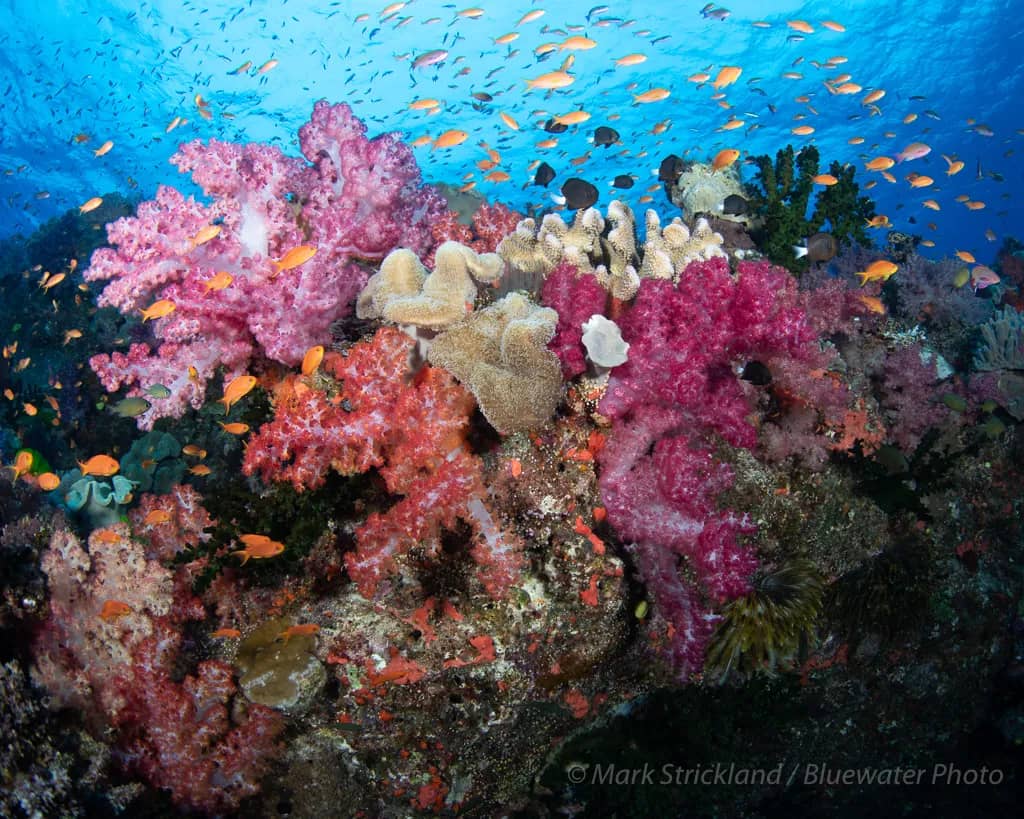
The signature dives take place around rocky pinnacles, boulders and sloping reefs decorated with brightly colored soft corals. Anthias and fusiliers gather above the reef, while snappers, jacks, barracuda and occasional tuna move through open water. Reef sharks, eagle rays and other pelagic visitors are possible, particularly where currents bring nutrient-rich water past exposed pinnacles.
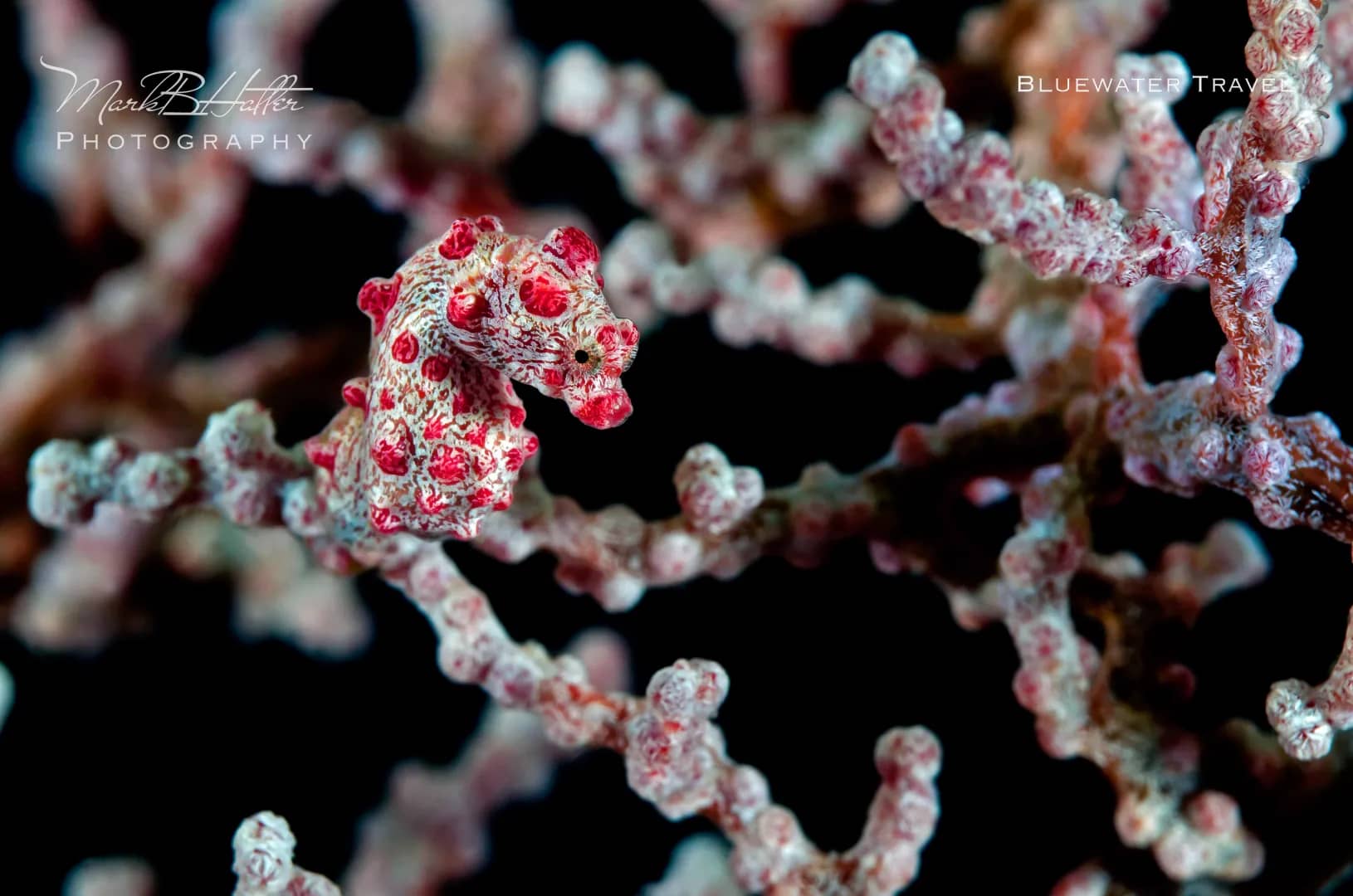
Bangka also has an excellent smaller side. Pygmy seahorses, ghost pipefish, frogfish, nudibranchs, crustaceans and cuttlefish can be found among sea fans and soft corals. As a result, photographers can switch between wide-angle and macro subjects without changing destinations.
Popular Bangka Dive Sites
- Batu Goso: A series of steep, coral-covered pinnacles with the potential for current, reef sharks, turtles and larger fish.
- Sahaung: Known for dramatic topography, colorful soft corals, schooling fish and large table corals.
- Batu Mandi: Submerged pinnacles that support both reef scenery and macro subjects, including pygmy seahorses and frogfish.
- Batu Pendeta: A deeper and more demanding site where divers may encounter tuna, jacks, sharks and sweetlips.
- Sabora: A coral slope offering pygmy seahorses, nudibranchs, sea fans and productive night diving.
Conditions vary between sheltered reefs and exposed pinnacles. Some sites are relaxed and accessible, while others are better for experienced divers due to current, surge or depth.
Who Will Enjoy Bangka?
Bangka is an excellent choice for:
- Divers who want both reef scenery and macro life
- Underwater photographers carrying wide-angle and macro equipment
- Fans of soft corals, pinnacles and colorful fish life
- Divers who enjoy occasional current and more energetic dives
- Snorkelers and non-divers looking for a quiet island setting
- Travelers who want beachfront accommodation away from a busy town
Where to Stay on Bangka: Murex Bangka Resort
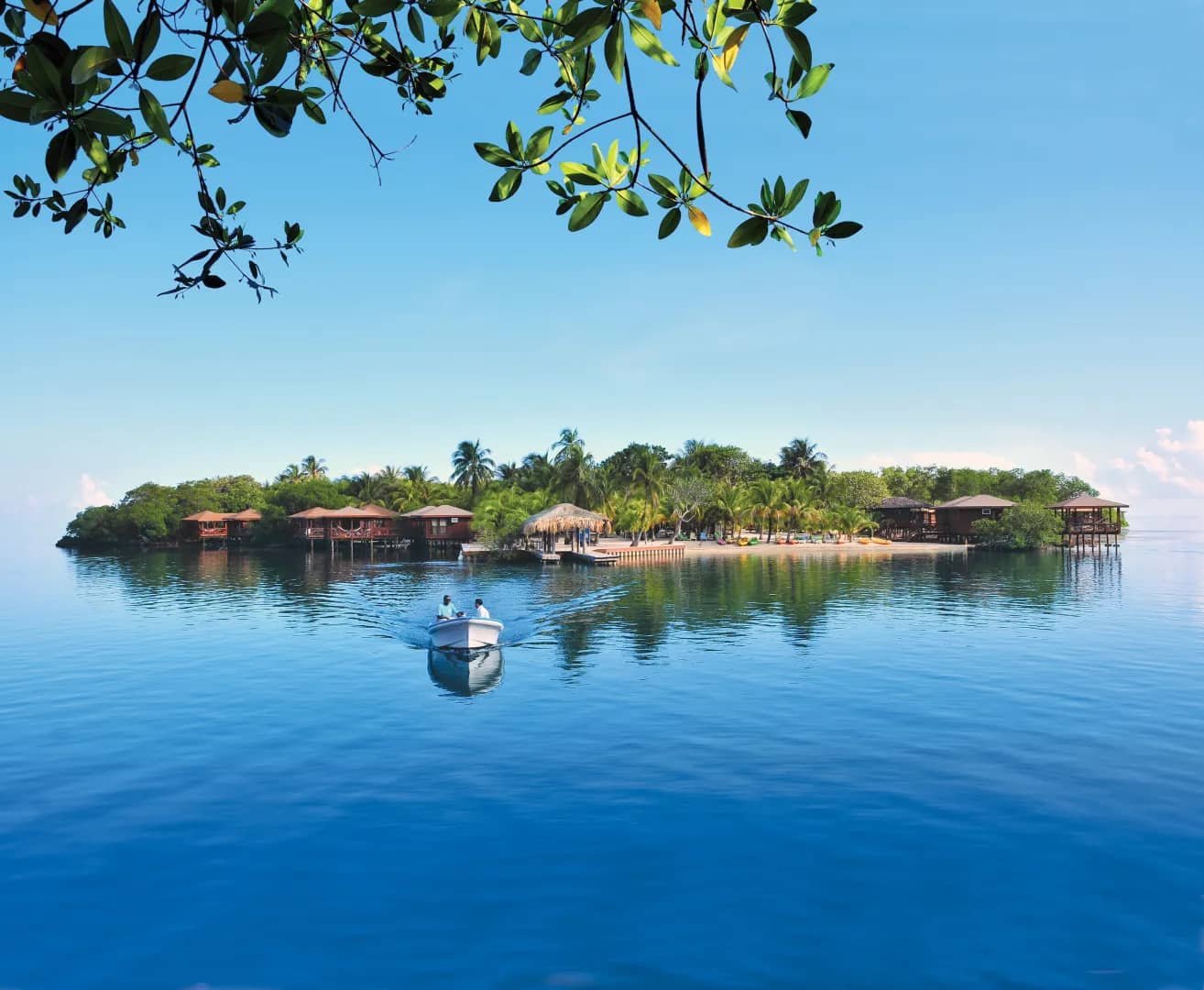
Murex Bangka Resort occupies a palm-fringed beachfront with cottages close to the water. Its accommodation includes traditional oceanfront bungalows, spacious premium cottages and hillside rooms with elevated views.

The house reef can be accessed directly from the beach and is suitable for diving and snorkeling. Farther afield, the resort’s boats visit Bangka’s pinnacles and coral reefs. Experienced guides monitor the conditions and choose sites based on the current, weather and ability of each group.

The resort’s remote location is part of its appeal. Guests should expect a tranquil island experience rather than nightlife or shopping, with meals and diving forming the rhythm of each day.

Dedicated camera facilities, equipment services, massage treatments, paddleboards and beachfront relaxation make it easy to balance a busy dive schedule with time ashore.

Diving Lembeh Strait
Lembeh Strait is widely regarded as one of the world’s leading destinations for muck and macro diving. Its classic sites look very different from Bunaken’s walls or Bangka’s coral pinnacles. Instead, divers move slowly across black volcanic sand, rubble, sponge growth and occasional human-made structures.
At first glance, the landscape can appear sparse. Look more closely, however, and it reveals an extraordinary collection of specialized and highly camouflaged animals.
Marine Life in Lembeh Strait
Possible encounters include:
- Hairy, painted, giant and warty frogfish
- Mimic, blue-ring, coconut and wunderpus octopuses
- Flamboyant cuttlefish
- Rhinopias scorpionfish
- Pygmy and other seahorses
- Ghost pipefish
- Mandarin fish
- Ambon scorpionfish
- Harlequin shrimp
- Decorator crabs
- A remarkable diversity of nudibranchs
Lembeh diving is usually slow and observant. An experienced guide can make an enormous difference, identifying tiny animals and interpreting their behavior. Patient divers may witness frogfish hunting, cuttlefish stalking prey, octopuses changing color or crustaceans living in highly specialized partnerships.
The strait is not exclusively a muck-diving destination. Sites such as California Dreaming, Angel’s Window and Batu Kapal offer coral, topography, blue water and opportunities for wide-angle photography. These reef dives provide welcome contrast, particularly during a longer stay.
Read our dedicated Lembeh Strait dive travel guide for more information about its dive sites, marine life and conditions.
Skills for Successful Muck Diving
Lembeh’s generally calm conditions can suit divers of different experience levels, but careful technique is essential. Divers should:
- Maintain precise buoyancy above sand and fragile habitats
- Use controlled frog kicks or modified finning techniques
- Avoid kneeling on or touching the bottom
- Approach animals slowly
- Give photographers and other divers space
- Never move, handle or manipulate marine life for a photograph
Many subjects are small, and dives frequently spend time at moderate depths. Nitrox can be useful for certified divers completing several dives a day, although all dives must remain within personal training and computer limits.
Where to Stay in Lembeh: Lembeh Resort
Located in a private cove on Lembeh Island, Lembeh Resort provides convenient access to the strait’s muck, macro and reef sites. Its central position means many dive sites can be reached within a short boat ride.

The resort offers garden rooms, ocean-view cottages and higher-end villas, together with full-board dining, a swimming pool, spa and flexible diving options. Guests can arrange morning, afternoon, mandarin fish, night and late-night dives, while the house reef provides further opportunities close to the resort.

Dive boats are designed with diver comfort and underwater camera equipment in mind. Covered seating, camera storage areas, drinking water, towels, emergency oxygen and first-aid equipment are provided aboard the boats.

Lembeh Resort is especially well equipped for underwater photographers. Its dedicated photo center provides camera workspaces, equipment rental, coaching, image critiques and assistance with certain repairs. For non-photographers, the same facilities and highly trained guides make it easier to understand Lembeh’s unfamiliar marine life.

When Is the Best Time to Dive North Sulawesi?
North Sulawesi can be dived throughout the year. Water temperatures are generally tropical, although conditions can vary between the western coast, Bangka’s exposed sites and the protected Lembeh Strait.
Instead of choosing dates around a single guaranteed “best” month, consider what matters most to you:
- Underwater photography: Allow enough days in each area to accommodate changing visibility and conditions.
- Calmer diving: Ask about the most sheltered sites and how conditions normally vary for your dates.
- Pelagic encounters: These are always influenced by current, water movement and luck.
- Macro diving: Lembeh produces rewarding critter encounters year-round, although individual species are never guaranteed.
- Mixed diving and topside activities: Build some flexibility into the itinerary in case weather affects a particular boat route or excursion.
Visibility can range from more limited conditions at productive muck sites to clearer blue water around offshore reefs and walls. Water temperature, exposure protection and current also vary, so it is best to request recent advice before departure.
What Experience Level Do You Need?
North Sulawesi can accommodate newly certified and highly experienced divers, but not every site is appropriate for every diver.
Bunaken’s walls and many Lembeh sites can be accessible when conditions are mild. Some Bangka pinnacles and advanced Bunaken sites can experience stronger current, surge or deeper profiles. Operators normally plan each day around conditions and the group’s experience.
Before traveling, it is useful to be comfortable with:
- Neutral buoyancy
- Controlled descents near walls or over deeper water
- Drift-diving procedures
- Deploying a surface marker buoy
- Maintaining good buddy awareness
- Diving from small or medium-sized boats
A refresher or advanced course can be arranged for divers who have been out of the water or want greater confidence. Private guiding is also worth considering for newer divers and dedicated photographers.
Underwater Photography in North Sulawesi
Few destinations offer such broad photographic variety over a relatively short distance.
In Bunaken, wide-angle subjects include vertical walls, turtles, sea fans, sponges and schooling fish. Bangka is ideal for soft-coral landscapes and diver portraits, but it also supports pygmy seahorses and other macro life. Lembeh is best known for close-up portraits, animal behavior, super-macro subjects and creative black-sand compositions.
Useful equipment may include:
- A wide-angle lens or wet lens for Bunaken and Bangka
- A macro lens for Manado Bay and Lembeh
- A focus light for small or nocturnal subjects
- A snoot, if already comfortable using one responsibly
- Spare O-rings, batteries, chargers and essential tools
- Sufficient storage and a reliable image-backup system
Photographers should avoid letting a desired image override responsible diving practices. Do not move or manipulate animals, and limit time with sensitive subjects if other divers are waiting.
Snorkeling and Activities Beyond Diving
North Sulawesi also works well for couples and groups in which not everyone dives.
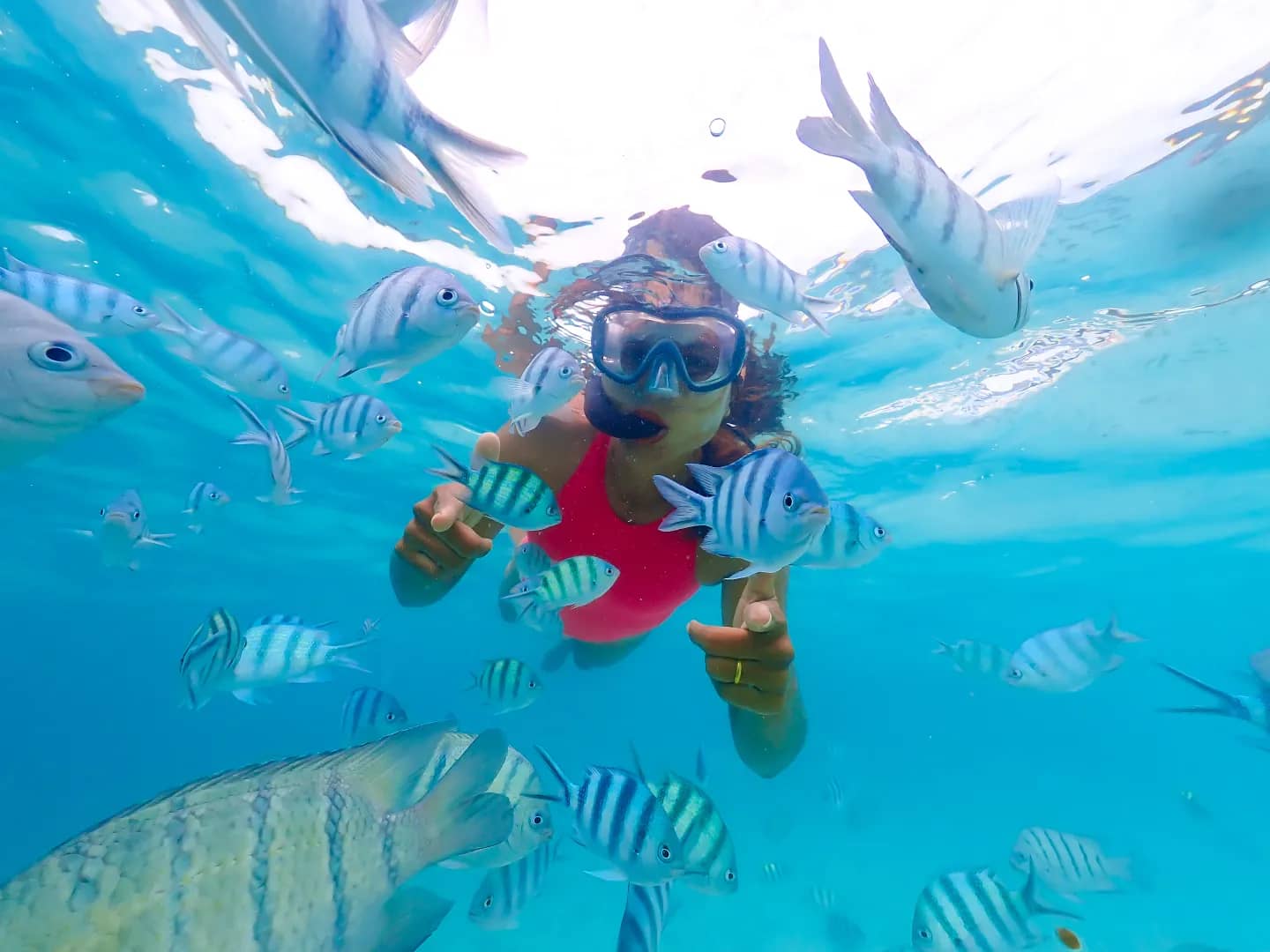
Bunaken’s shallow reef tops and Bangka’s coastal reefs can provide excellent snorkeling, depending on conditions. Resort pools, beaches, spas, paddleboards and quiet garden settings offer alternatives between boat trips.
Topside excursions can include:
- Tangkoko Nature Reserve: Home to crested black macaques, tarsiers, hornbills and other wildlife.
- The Minahasa Highlands: A region of markets, villages, lakes and volcanic landscapes.
- Mahawu Volcano: A popular option for hiking and panoramic views.
- Cooking and cultural experiences
- Mangrove excursions
- White-water rafting and other adventure activities
A land day is also useful near the end of a dive-intensive itinerary, helping divers observe an appropriate no-fly interval before departure.
Combining All Three North Sulawesi Dive Regions
Travelers can book Bunaken, Bangka or Lembeh as standalone destinations, but combining them reveals the full range of North Sulawesi diving.
A balanced itinerary generally allows several days in each region:
- Begin at Murex Manado for Bunaken’s walls and the reefs and macro sites of Manado Bay.
- Continue to Murex Bangka for soft corals, pinnacles, schooling fish and island life.
- Finish at Lembeh Resort with slow-paced critter dives and dedicated macro photography.
Divers especially interested in reefs may add more nights in Manado or Bangka. Macro photographers may prefer a longer stay in Lembeh. A trip of approximately 12 to 15 nights provides a comfortable starting point, although shorter and longer combinations can be arranged.
For another overview of this three-destination journey, read North Sulawesi: 3 Distinct Destinations in 1 Trip.
Passport to Paradise
The Passport to Paradise package connects Murex Manado, Murex Bangka and Lembeh Resort in one customizable itinerary.
Rather than treating each move as a lost travel day, guests transfer between the resorts by dive boat, with diving incorporated along the route where scheduled. Dive equipment is handled by the team, reducing the need to dry, repack and repeatedly set it up.
The package can include:
- Accommodation at all three resorts
- Guided boat diving
- Meals and snacks
- Airport and inter-resort transfers
- Boat-transfer dives
- House-reef diving according to the selected package
- Itineraries tailored to divers, snorkelers and non-divers
Package prices, inclusions, booking deadlines and offers can change. Confirm the current details and availability when requesting a quote.
Practical Tips for Planning Your Trip
Before traveling to North Sulawesi:
- Check passport, visa and Indonesian entry requirements well in advance.
- Confirm baggage allowances for every flight, especially when carrying camera equipment.
- Pack reef-safe sun protection, a reusable water bottle and lightweight rain protection.
- Bring exposure protection appropriate for repetitive diving.
- Consider nitrox certification if you plan to complete several dives each day.
- Carry a surface marker buoy and any other equipment required by your operator.
- Purchase travel and dive insurance covering medical treatment, evacuation and trip disruption.
- Leave adequate time between your final dive and flight, following your computer, training and operator guidance.
- Confirm current marine park fees, equipment-rental charges and package exclusions.
- Avoid touching coral or marine life and keep your fins clear of the substrate.
Frequently Asked Questions
Is North Sulawesi suitable for beginner divers?
Yes. Many sites can accommodate less experienced divers when conditions are favorable. However, some Bunaken and Bangka sites experience strong current, surge or deeper profiles and are more appropriate for advanced divers. Operators select sites according to conditions and diver experience, and private guiding or refresher training can be arranged.
Can I dive North Sulawesi year-round?
Yes. Diving is available throughout the year, although weather, visibility, currents and sea conditions vary between regions and seasons. Lembeh Strait is particularly sheltered, while Bangka’s exposed pinnacles can experience more variable conditions.
How many days do I need?
Allowing at least three or four nights in each destination provides a useful introduction to Bunaken, Bangka and Lembeh. A 12- to 15-night itinerary offers a more comfortable pace and gives underwater photographers additional flexibility.
Is North Sulawesi only for macro photographers?
No. Lembeh is famous for macro and muck diving, but Bunaken offers dramatic walls and turtles, while Bangka is known for colorful soft corals, pinnacles and schooling fish. The combination is particularly attractive to photographers who want both wide-angle and macro subjects.
Can snorkelers and non-divers join?
Yes. Bunaken and Bangka offer especially good snorkeling opportunities when conditions allow. All three resorts also provide relaxing surroundings and access to activities such as spa treatments, wildlife excursions and cultural tours.
How do I reach North Sulawesi?
Most visitors fly into Sam Ratulangi International Airport in Manado. Flights are available from major Indonesian hubs, while international routes vary. Resort transfers can be arranged from the airport, and the Passport to Paradise itinerary connects the three resorts by a combination of road and boat transfers.
Is North Sulawesi Right for You?
North Sulawesi is difficult to match if you value variety. In one vacation, you can drift beside a coral wall with turtles, circle a soft-coral pinnacle filled with schooling fish and search a volcanic sand slope for an octopus no larger than your hand.
Bunaken delivers scale and classic reef scenery. Bangka adds color, topography and a mixture of large and small marine life. Lembeh rewards patience with some of the most distinctive creatures in the ocean.
Staying at Murex Manado, Murex Bangka and Lembeh Resort places divers close to the defining sites of each region. Linking the three through Passport to Paradise makes the journey straightforward while preserving the best part of any North Sulawesi trip: spending as much time underwater as possible.
Ready to plan a North Sulawesi dive trip? Bluewater Travel can customize the number of nights, dives, room categories and topside excursions around your interests, experience level and preferred travel dates.
Author


Chris Haysey
I’m Bluewater’s SEO and Content Manager, focused on growing our organic traffic and turning divers’ online research into real trip enquiries. I develop and execute our SEO strategy, manage our content calendar and freelance writers, and make sure our destination guides, blogs and trip pages perform well in search while staying accurate and genuinely useful for divers.
Originally from the UK, I’ve spent much of my adult life living and working overseas, including Greece, Türkiye, Egypt, and across the Caribbean in Antigua, Margarita in Venezuela, Bonaire, Aruba, Curaçao, St Lucia and now Barbados. In my twenties and thirties I travelled as a professional watersports instructor and centre manager, running windsurfing, kitesurfing and sailing operations for hotels and specialist resorts before setting up and managing my own award‑winning watersports businesses in St Lucia and later in the UK.
Alongside this hands‑on watersports career I’ve held senior marketing roles for a variety of companies, from motorsport teams to outdoor activity centres and travel training providers. At Bluewater, I draw on this mix of practical experience and digital marketing know‑how to develop content that reflects real destinations, real dive conditions and real guest expectations. When I’m not working on the website, you’ll usually find me windsurfing, kitesurfing, diving or exploring new coastlines on a paddleboard or mountain bike.
-optimized.webp&w=640&q=75 "Moorea Trip Recap August 2026")


-optimized-optimized.webp&w=640&q=75 "Solomon Islands Trip Recap 2026")