

Papua New Guinea Trip Report - 2019
By Mark Strickland
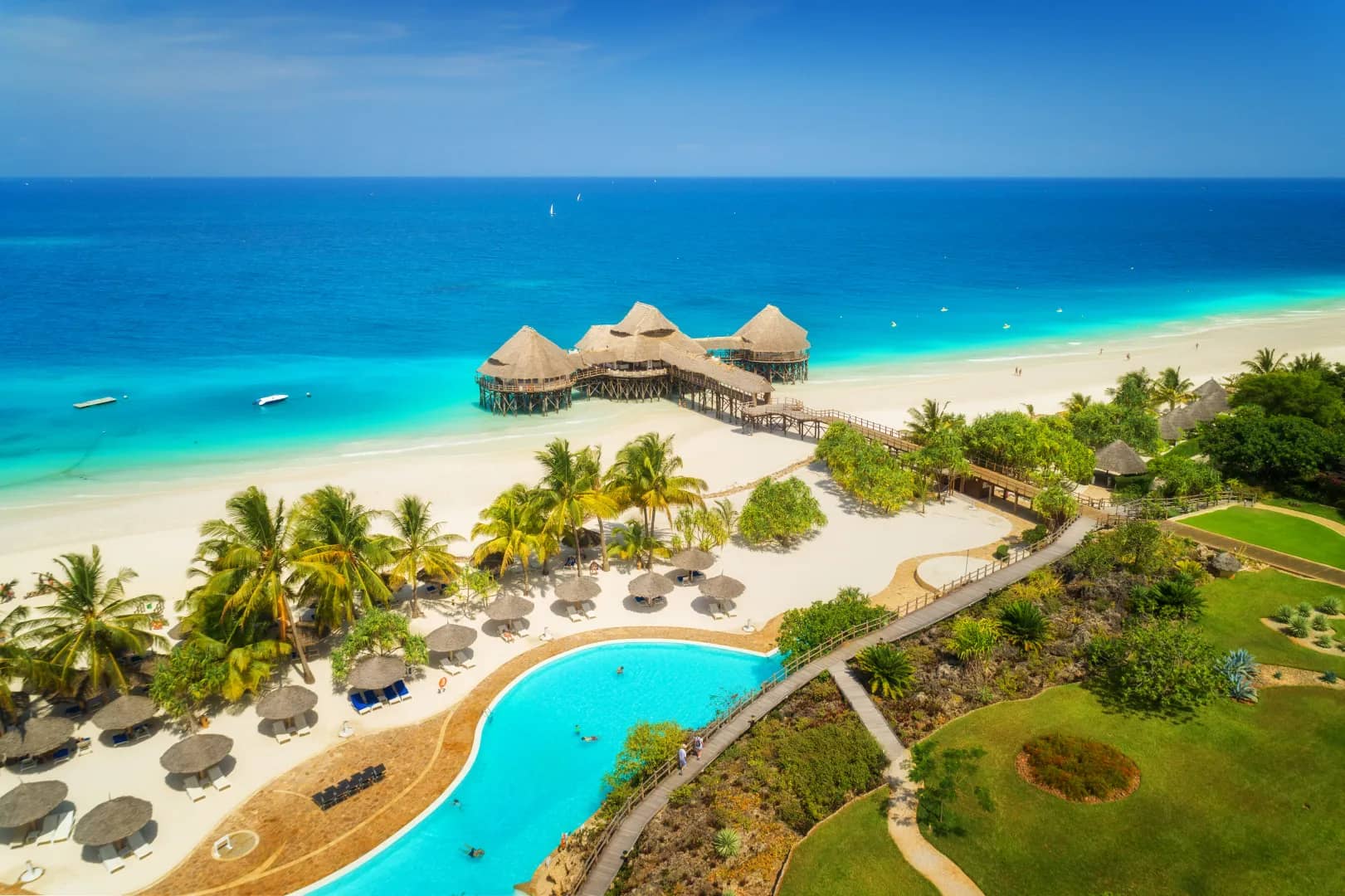
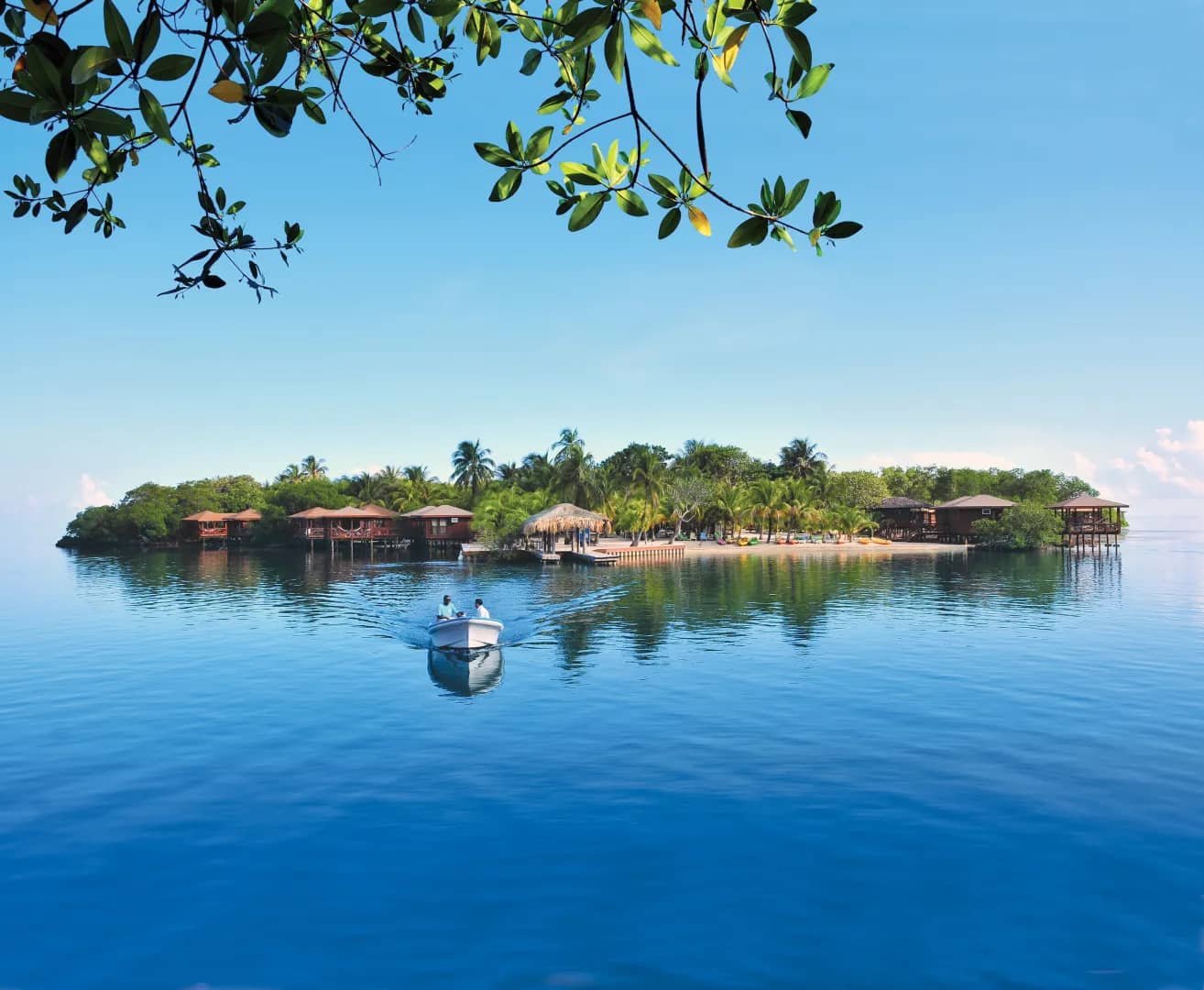
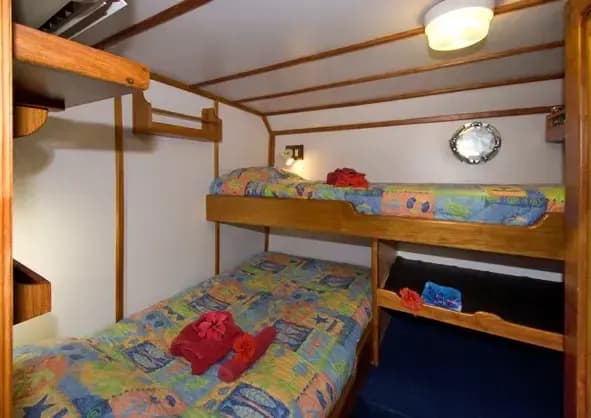
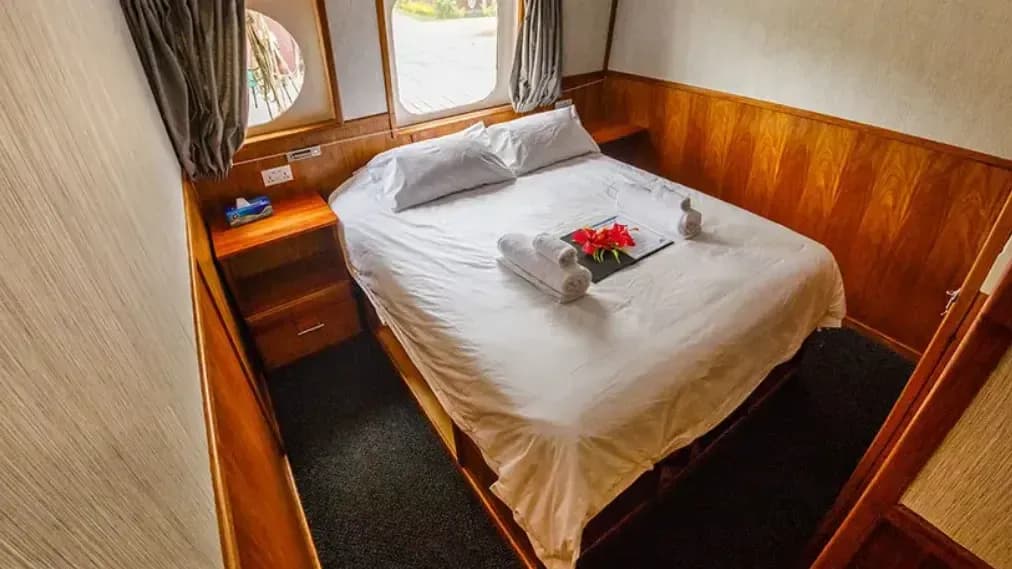
After many hours of travel, arriving at the incredibly lush surroundings and warm ambiance of the Walindi Plantation Resort was a welcome chance to unwind and prepare for our upcoming adventure in Kimbe Bay, Papua New Guinea. Built on the grounds of a working palm oil plantation on the large island of New Britain, Walindi is a world-class dive resort, and several of our group took advantage of that for a few warm-up dives. Our main focus, however, was a 9-night dive excursion on M/V FeBrina, a legendary boutique liveaboard thats been operating in PNG since 1991. Throughout this time shes been operated by veteran captain and colorful character Alan Raabe, who knows these waters and local marine life like his back yard. His Papuan crew are all highly experienced as well, including divemasters Digger and Josie, whove both been aboard for over two decades. In addition to divemaster duties, Josie is also an excellent manager and cook, and was instrumental to the delicious meals that we enjoyed throughout the trip.
From our first dive at Vanessas Reef, it was obvious that the marine environment in this area is exceptionally healthy. Virtually every inch of the reef was covered with thriving marine life, from prolific hard corals to red sea whips to colorful crinoids to vibrant orange sponges. Unfortunately visibility was less than stellar, though, so many of us chose to shoot macro and were richly rewarded with a wide variety of photogenic subjects including burrowing hermit crabs, mushroom coral shrimp and a wide range of small reef fish.


Our next dive was a completely intact Japanese Zero fighter plane, resting upright on a mucky bottom in about 55 ft. of water. The silty substrate threatened to ruin the already marginal visibility, but everyone did a great job of keeping their fins away from the bottom, allowing great photo ops throughout the dive.


From there we headed to Joelles Reef, a small seamount inhabited by schooling barracudas, Pinjalo snapper and healthy hard corals, where we observed nearly non-stop cleaning activity at several spots. For our last dive of the day, we moved to Tuare, where the mucky, dark-sand bottom was alive with small critters, including peacock mantis shrimp, various nudibranchs and shrimp, and an exquisite bubble shell that several of us spent most of our dive with. It was only our first day, and already we had enjoyed an assortment of unique and exceptional dives an excellent start to be sure!


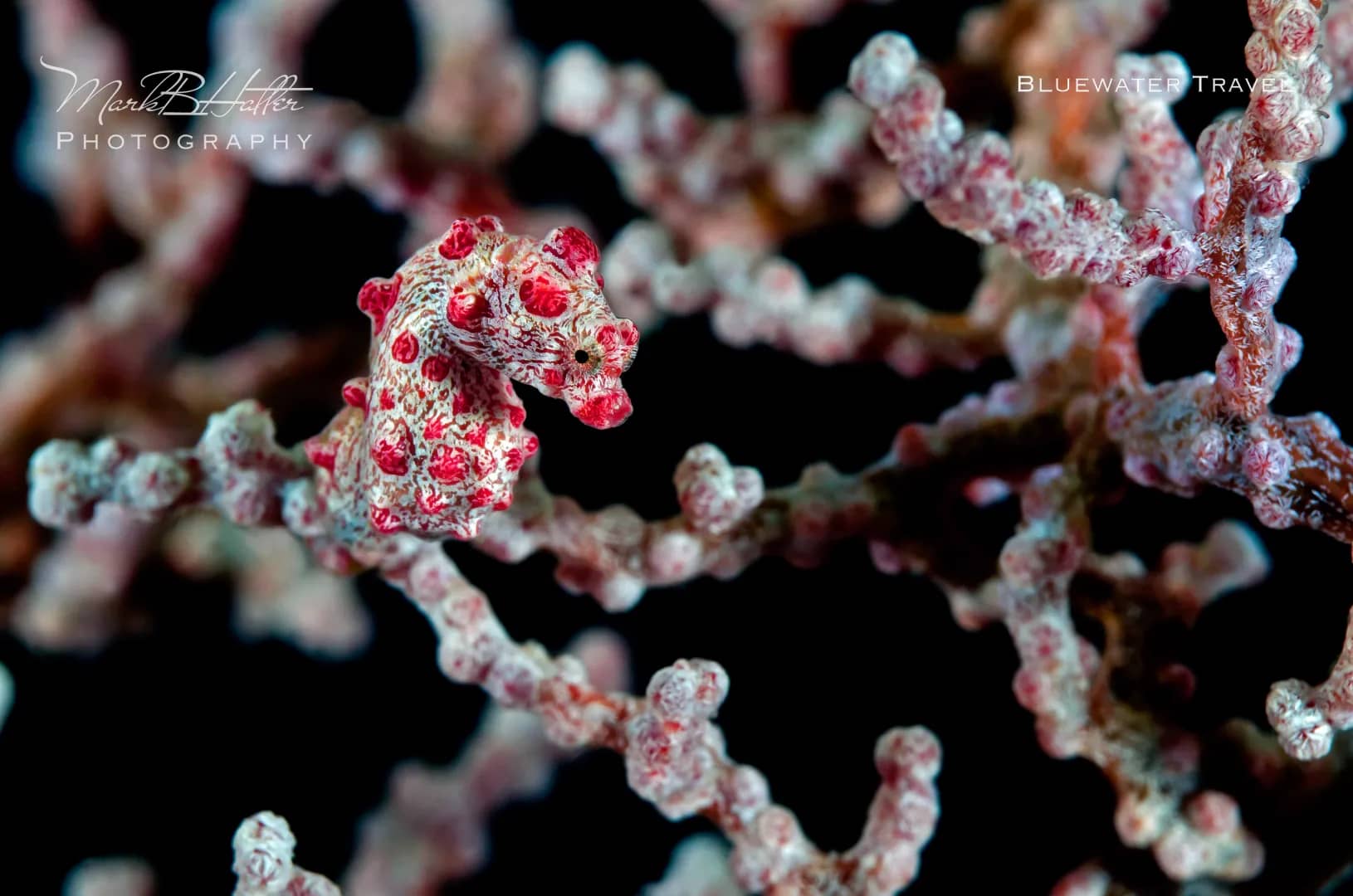
The following day featured a similar variety of sites and marine life, including ribbon eels and signal gobies at Wiry Bay, squarespot anthias and Colemans pygmy seahorse at Goru Arches, and Widu harbor, where we encountered dozens of sand divers and minuscule, green hairy shrimp and pygmy pipehorses on blades of seagrass.


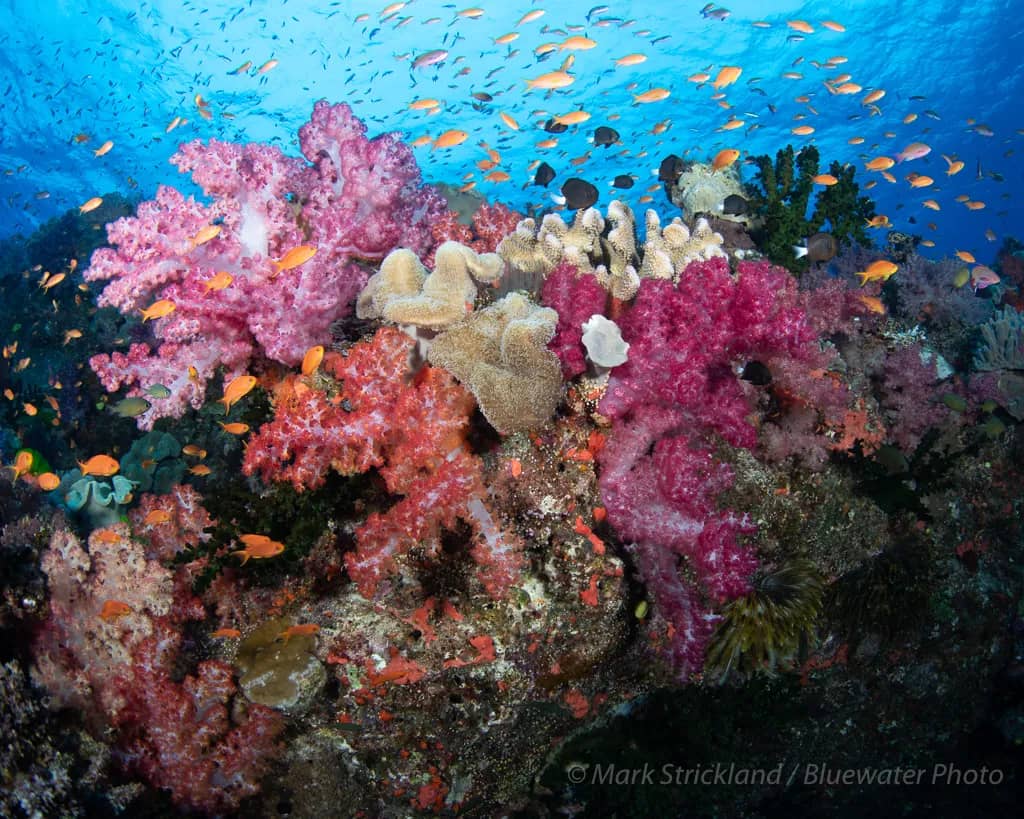
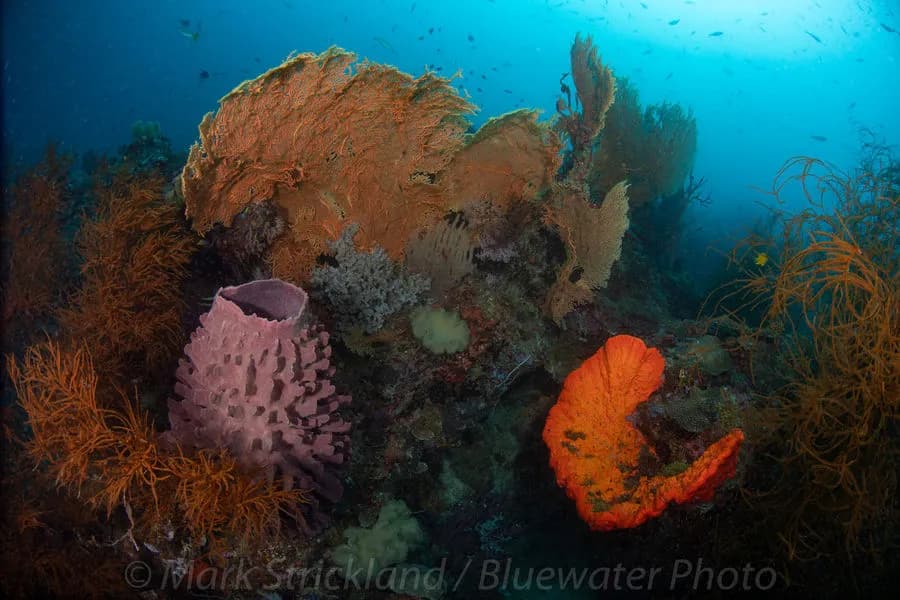
After steaming overnight to the Witu Island group, we started at a black-sand muck site called The Crater, which is exactly that the caldera of an extinct volcano. A superb critter site, this dive included 2 different frogfish, colorful nudibranchs and shrimp, and several reclusive yellow bearded gobies. For the next dive, a lively seamount called Krakafat, we shifted our focus to wide-angle to take advantage of the abundant fish life and healthy corals. Upon reaching the bottom, a small white-tip reef shark passed close enough for my fisheye lenssomething Ive never experienced before. Schooling fish were everywhere, including squadrons of rainbow runners, bigeye jacks, and hundreds of chevron barracuda. It was the next dive, however, at a site called Swamp Tinny, where I first became excited about the wide-angle scenery. Here, at the base of a steep dropoff, was a forest of colorful soft corals, huge orange sponges, and red whip corals, all of which validated my choice to stick with the fisheye lens. We also had a brief encounter with a lone mobula ray, winging its way along the wall. The current picked up on our fourth dive at a site called Lama III, but those who followed the divemasters were rewarded with some beautiful reef scenery. Some of us still hadnt had their fill, so a night dive was offered at a site called Duck Pond, where our eagle-eye guides found a juvenile ornate ghost pipefish, along with a host of invertebrate critters.


For our second day in the Witu area, we spent all day at a fabulous wide-angle site called Barneys Reef. About the right size to circumnavigate in a single dive, this coral pinnacle tops out at a perfect safety-stop depth. At depth, the abundance of soft corals, brilliant orange sponges, and red whip corals was incredible. When the current was running, this visual feast was complemented by an intermittent parade of schooling fusiliers and rainbow runners, making for some awesome wide-angle opportunities. It required a lot of discipline to obey my computer and ascend from this enthralling scene, but even safety stops included beautiful scenery among the abundant, healthy hard corals on the reef top. I would have been happy spending an entire week here, but after our third dive, it was time to get underway to our third main dive region, the Fathers Reefs area on the north-eastern edge of Kimbe Bay.
On our first dive in the Fathers Reefs, at a site called Killibobs Knob, we were greeted by a welcome sight clear, blue water! The improved visibility enabled us to view nearly the entire site while descending the mooring line, a compact double-pinnacle riddled with intriguing ledges and crevices. Hundreds of anthias and wrasses dashed about, while pairs of magnificent and decorated dartfish flitted nervously above their burrows. At the mooring base, a blue-spotted grouper was so intent on hunting that it refused to yield as we passed within inches. Invertebrates were also well-represented, including several unusual and beautiful nudibranchs and tiny bubble shells that kept the macro shooters well occupied. After a second dive at Killibobs, the remainder of the day was divided between Elaines Reef, a submerged L-shaped pinnacle where we watched a pair of octopus mating, and Jackies Reef, which featured schooling fairy wrasses and pyramid butterflies, along with cuttlefish and skeleton shrimp which were seen on the night dive.


Our next day at Fathers started with two dives at Jaynes Gulley, where clouds of damselfish and other small reef fish dashed about it the shallows, as crimson-colored soldierfish and squirrelfish hovered among the crevices. We also saw several unusual dottybacks, and were entertained by a pair of super-friendly hawksbill turtles that just couldnt seem to get enough of us! From there we moved to Flamenco Reef, where less than ideal weather forced us to spend the remaining three dives. Coral growth here wasnt great, but there was an abundance of subjects nonetheless, including brilliant bi-color dottybacks, juvenile regal angelfish, coral groupers and some interesting nudibranchs and other small critters.
Our last day in the Fathers region was a real winner, starting with a very photogenic site called The Archway, where colorful soft corals and sponges compliment a dramatic opening in the reef at roughly 100 feet. The next site was another pinnacle called Normans Knob, exceptional because of the presence of a pair of sleek 7 ft. silvertip sharks. To improve our chances of capturing images of these beautiful animals, the dive crew arranged us divers in a line on the reefs edge, then periodically released tuna pieces from a semi-sealed container. The result was an exciting dive filled with close encounters and ample photo-ops, which everyone enjoyed immensely.


Our last half-day of diving took place at Restorf Island, within just a few miles of Walindi. Although visibility was quite limited, the reef surrounding this scenic little island was exceptional, with huge soft corals, sponges and black coral trees dominating the scenery in some areas, and massive table corals in others, while those shooting macro found a good variety of invertebrates and two species of garden eels, as well as pairs of signal gobies in the sandy patches.


Throughout the trip, the entire crew went out of their way to be helpful, but Digger warrants special mention, as he not only served as a great critter-spotter, dive guide and model, but also demonstrated his excellent photographic instincts to coach and assist everyone with their underwater shooting.
While many of our group headed home after disembarking, four of us continued the adventure by spending several days exploring the main islands central highlands. Based at the renowned Rondon Ridge resort, we set out each day to visit with a number of tribes who only several generations ago had no knowledge of the outside world. Meeting them and learning about their culture was a very special experience, and also provided some amazing photo ops as they entertained us by performing traditional dances while dressed in colorful ceremonial costumes.


All in all, it was an amazing and rewarding trip to a very special destination that has withstood the onslaught of the modern world far better than most. Im already dreaming about returning, and highly recommend it for anyone looking for a truly exotic and exceptional adventure.
Papua New Guinea's amazing corals are featured in BWT's Best Coral Reefs in the World.Head on over to see more!
-optimized.webp&w=640&q=75 "Moorea Trip Recap August 2026")


-optimized-optimized.webp&w=640&q=75 "Solomon Islands Trip Recap 2026")