Scuba Diving In Coron, Philippines
Coron Diving Highlights
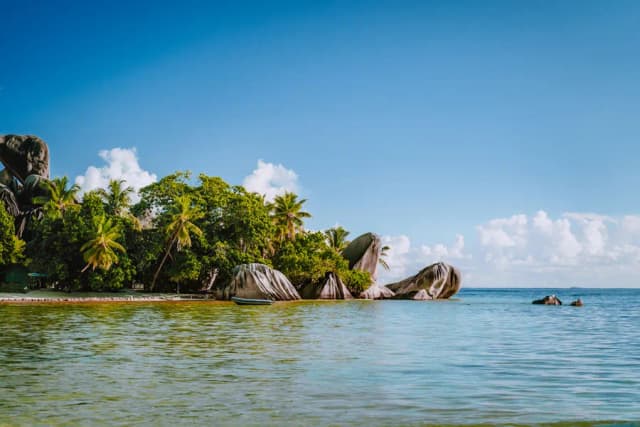
With access to some of the best wrecks in the Philippines, scuba diving Coron is a unique and exciting experience and one of the regions best-kept secrets. Limestone cliffs and white sandy beaches give way to turquoise water above healthy reefs, an intoxicating combination for divers and snorkelers alike. Furthermore, nearby diving on the Apo Reef system offers some beautiful sites, and together with Coron creates a fantastic combination trip scuba diving in Palawan.
Coron Dive Resorts/liveaboards
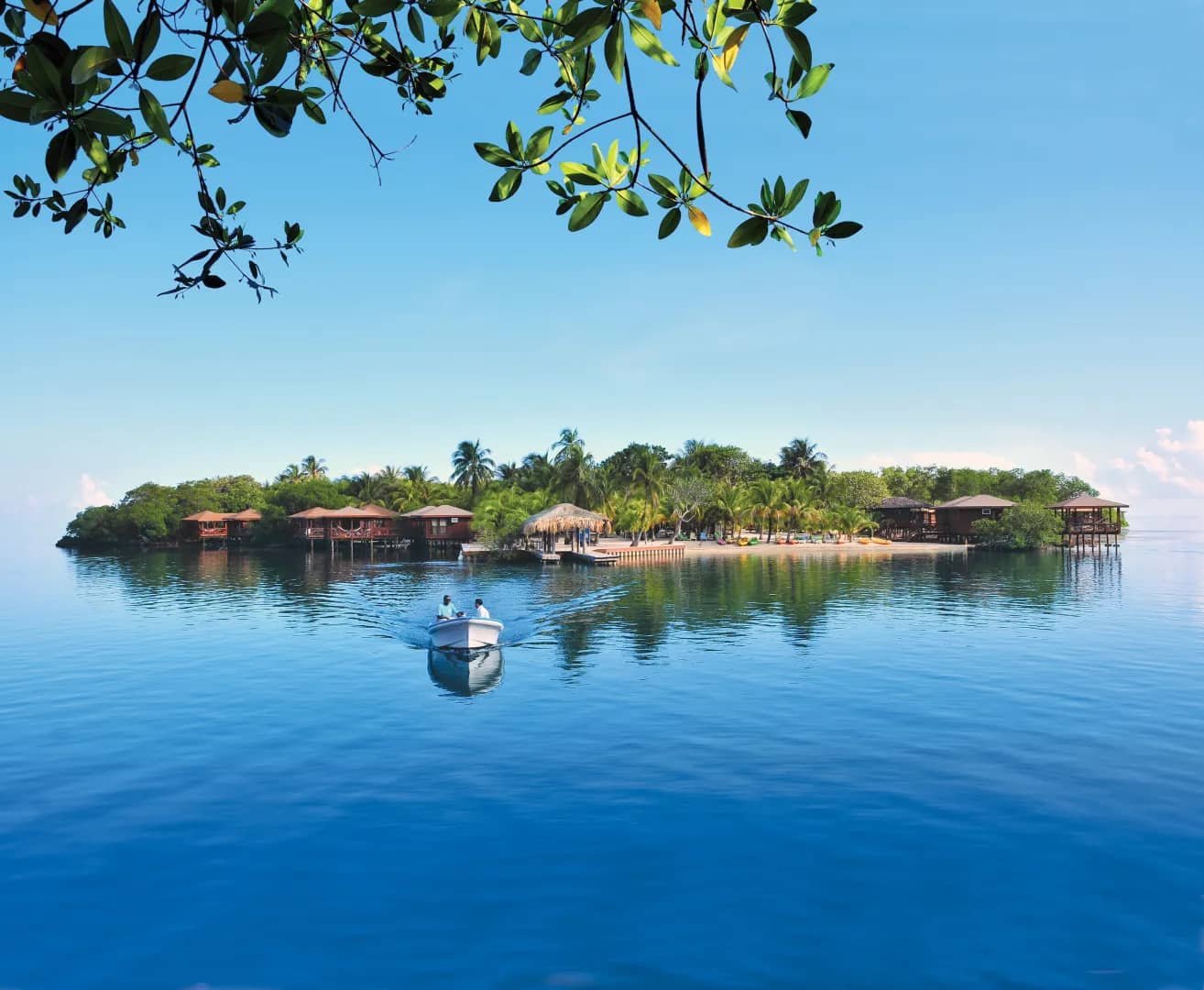
Coron can be explored from one of many resorts that offer diving around Coron Island and nearby Apo Reef. It is also a popular stopping-off point on the itinerary of numerous liveaboards that explore the best dive sites in Palawan.
Intro to Coron
The Coron region occupies the eastern half of Busuanga Island, part of the Palawan Province of the Philippines. In the south of the island, Coron Town Proper is a focal point for tourists and divers, offering easy access to dive Coron Bay, nearby Coron Island, and Apo Reef.
Boasting arguably the best wreck-diving in Asia, Coron Bay is the final resting place of 11 Japanese supply ships, bombed by Allied forces in 1944. Many of the wrecks are still in excellent condition, featuring well-preserved fixtures and fittings and piles of ammunition that provide plenty of intrigue for visiting divers. In the intervening years since WWII, the regions rich marine life has moved in, and each wreck is now a vibrant artificial reef teeming with colorful life.
As if this wasnt enough, Coron also boasts some fascinating underwater topography, with vast caverns and limestone caves creating maze-like reefs and several salt/freshwater lagoons that make for a unique diving experience.
To the northeast of Busuanga Island in the Mindoro Strait, Apo Reef Natural Park is a UNESCO World Heritage Site candidate consisting of 13 square miles of continuous coral reef system including Apo Island. Often referred to as 'little Tubbataha', the reefs boast colorful walls and an abundance of marine life, big and small. Apo Island in this reef system shouldnt be confused with the island of the same name in Coron Bay. Day trip diving in Apo Reef is also available from Mindoro Island to the east.
Coron may be the Philippines' best-kept secret, but this wont last much longer as increasing numbers of tourists choose to experience the amazing diving and explore the regions wild limestone landscape.When to Go
Diving is available throughout the year, however, the dry season of October to June is considered the best time to dive.
Coron Diving Information
Marine Life & Photography Subjects
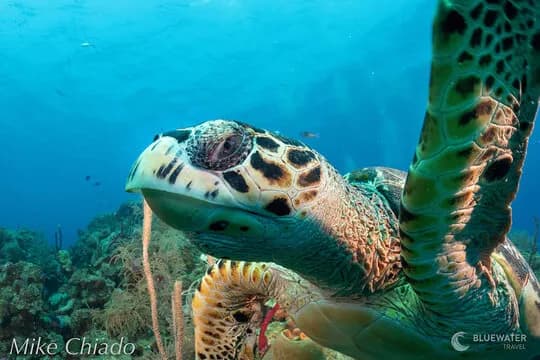
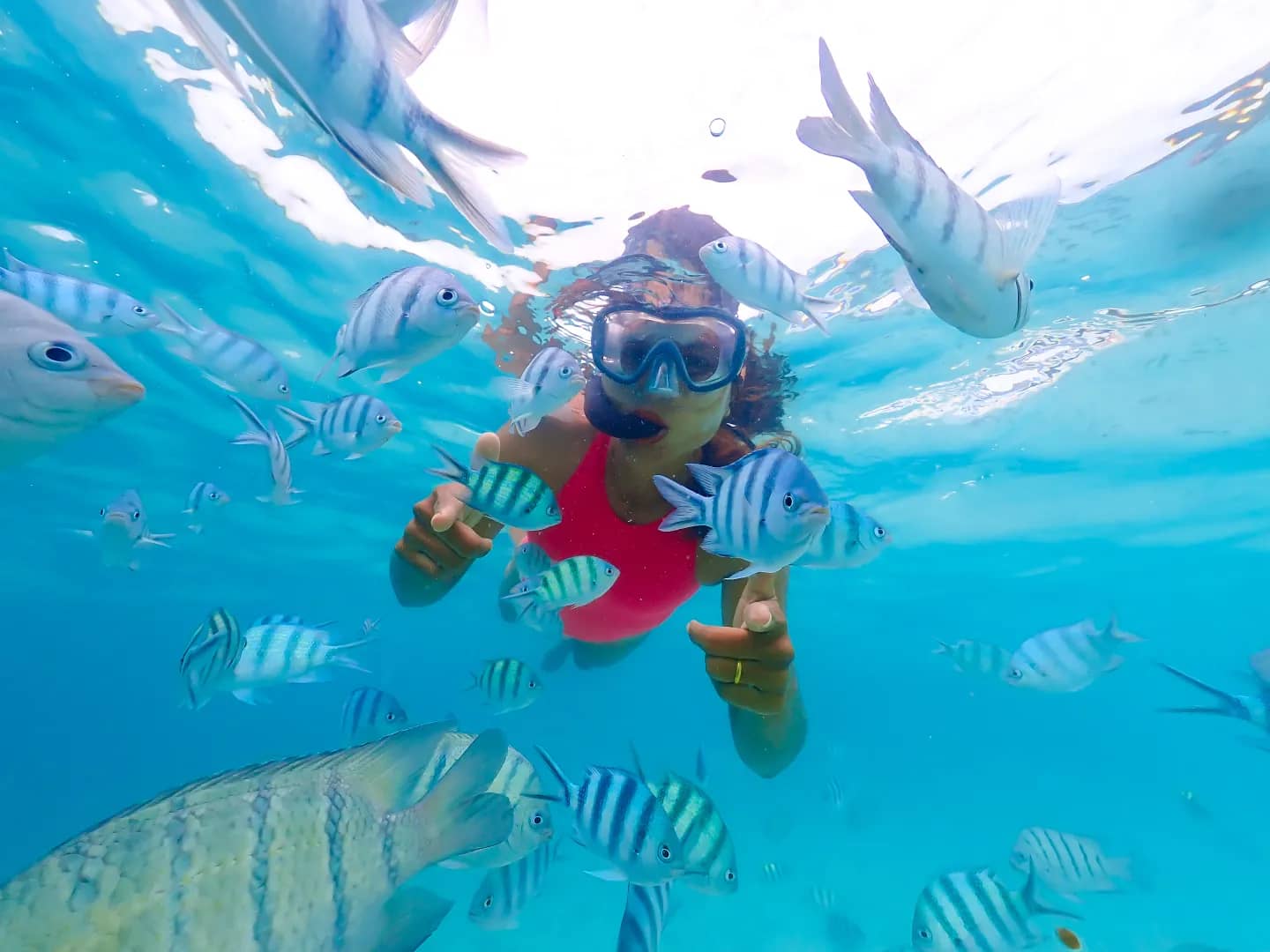
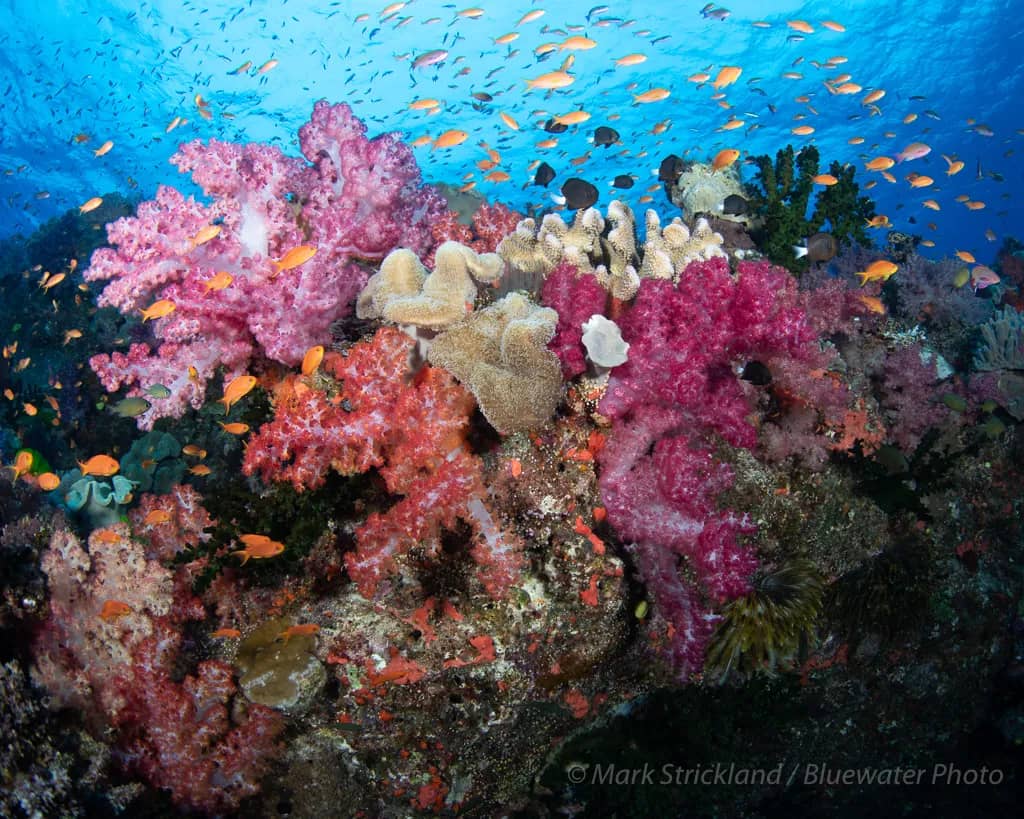
Situated firmly within Southeast Asias Coral Triangle, the marine life and species diversity found around Coron is spectacular. Divers can expect to spot masses of critters and macro life both along the reef and amongst the wreckage in Coron Bay. A multitude of nudibranchs, crabs, shrimps, and other crustaceans have set up home along these artificial reefs, and rays, turtles, and the occasional reef shark can be observed patrolling the surrounding sand.
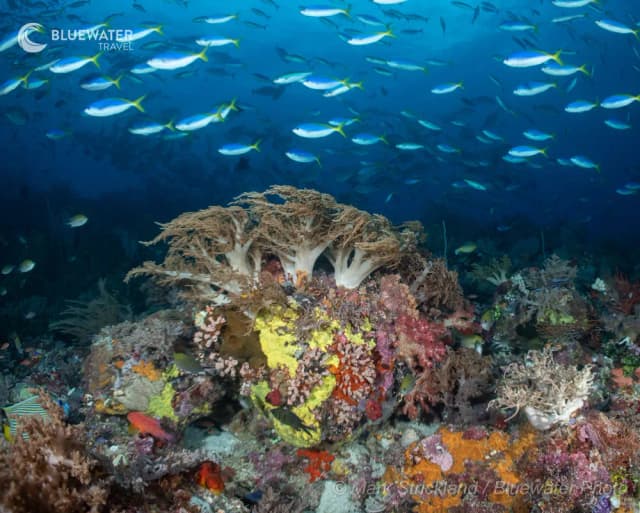
Larger reef species also abound, with eels, grouper, and barracuda lurking in caves along the reef or amongst the hulking superstructure of the wrecks. A multicolored confetti of schooling fusiliers, sweetlips, batfish, yellow-tailed snapper, and angelfish create a dizzying backdrop to each dive.
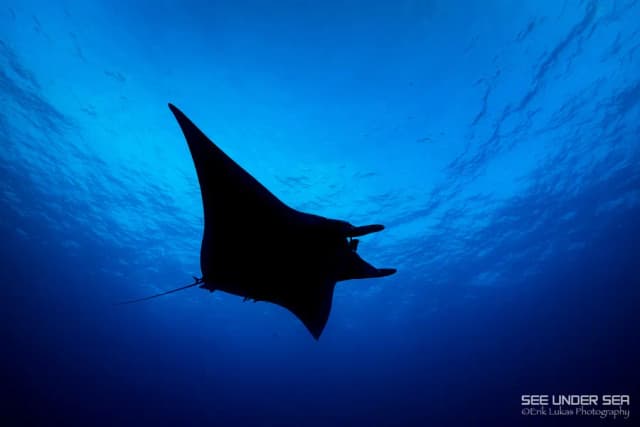
All along the Apo Reef divers can enjoy the vibrant aquarium of color from more than 400 different species of coral. As many as 500 species of fish make this reef system their home, with plenty of sharks, turtles, bumphead parrotfish, and huge schools of snappers and tuna. Manta and eagle rays, as well as other pelagic species, are also commonly spotted.
Diving Conditions
- Water temperature: 79-88F (24-31C), warmer during the summer months.
- Visibility: Very varied - 23 to 100ft (7 to 30m) depending on tides and currents. Visibility is better during the winter months.
- Depth Range: 50-131ft (15-40m).
- Diving Difficulty: Suitable for all levels including snorkelers. Some sites with strong currents required experience.
Best Dive Sites in Coron
Siete Picados
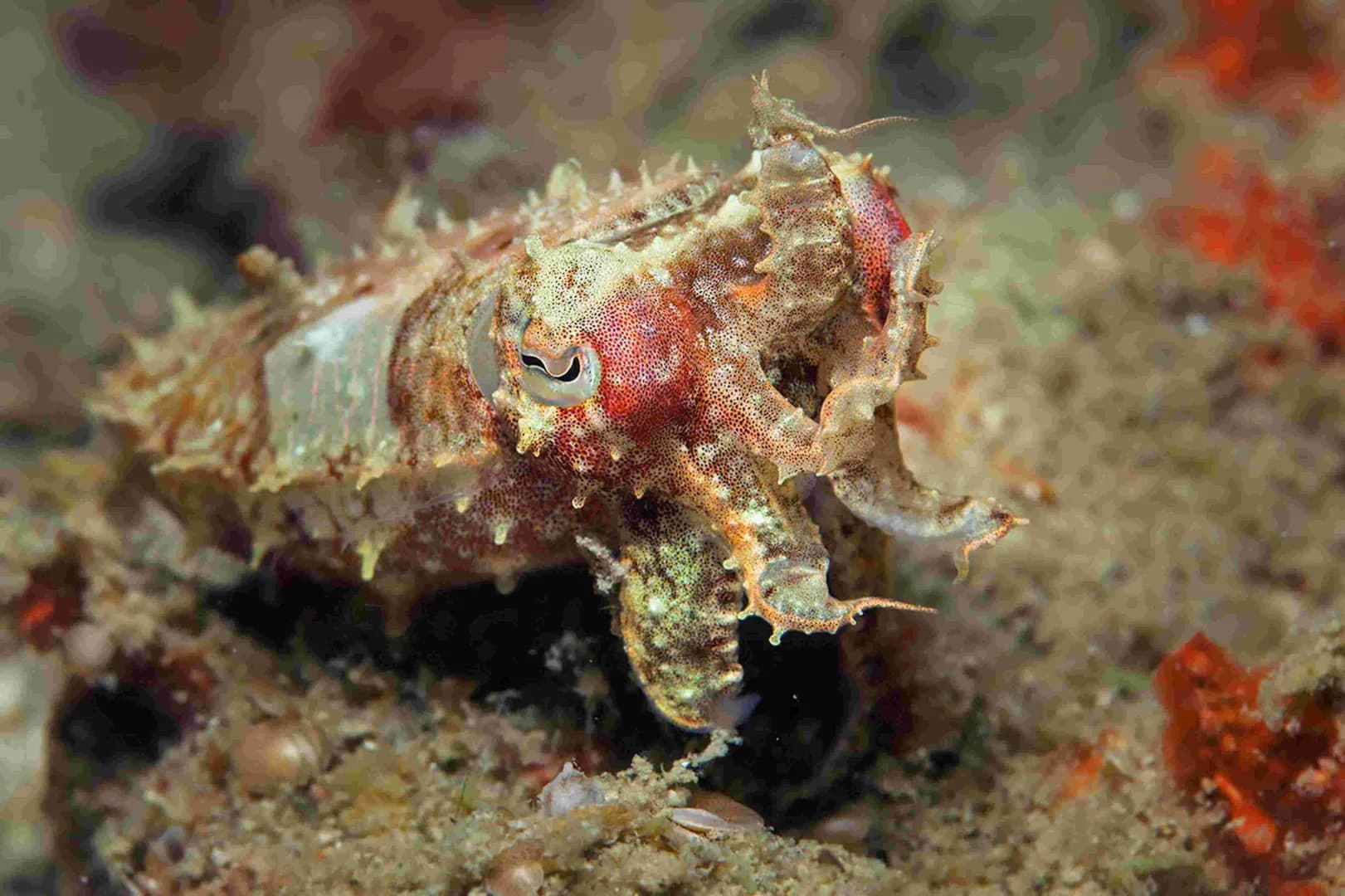
Also known as Seven-Islands Reef, this site is near Coron Town Proper and boasts an abundance of marine life including giant clams, moray eels, turtles, lobsters, mandarin fish, nudibranchs, seahorses, anemones, barracuda, cuttlefish, angelfish, groupers, and much more. The variety of colorful species makes it perfect for underwater photography.
Okikawa Maru
The Okikawa Maru (also known as the Taiei Maru) can be found in the relatively shallow waters of Coron Bay. Its main deck is at 52 feet (16m), while its deepest point is at 85 feet (26 m). After more than 75 years at the bottom of the bay, the vessel is fully coral-encrusted and home to a plethora of nudibranchs and critters. Schooling fish abound, and divers can enjoy a tornado of barracuda, snapper, sweetlips, and batfish, as well as lionfish, wrasse, tang, and soldierfish amongst the wreckage. Be aware that currents can often be brisk.
Morazan Maru
This popular wreck lies at a depth of 82 feet (25 m) with gentle currents making it suitable for less experienced divers. Whilst the holds are empty, her boilers are still intact in the engine room and easily explored. Visitors can try to pick out crocodile fish and scorpionfish camouflaged against the encrusted metalwork, and watch sea snakes, pufferfish, young barracuda, and turtles weaving around the wreckage.
Barracuda Lake
A peculiar lagoon famous for its extreme thermoclines, Barracuda Lake is a mixture of salt and freshwater layers ranging from 82 to 100oF (28 to 38oC). Although there is little marine life in the lake, this surreal dive features incredible limestone pinnacles and a deep cave that is said to house the lake's only barracuda. The lake is located in the north of Coron Island.
Apo Island
Characterized by huge coral heads in all shapes and sizes, Apo Island is an extraordinary maze of staghorn, brain, fire, and table corals as well as colorful soft corals covering every rocky surface. Strong and unpredictable currents render this site suitable for experienced divers only.
Shark Ridge
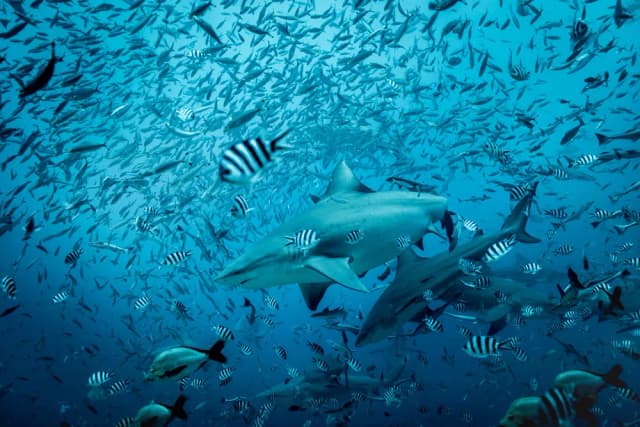
On the north-east side of Apo Reef, this site ranges from 32 to 164 feet (10 to 50m) and features a steep drop-off full of overhangs. Gray and whitetip reef sharks are a common sight patrolling the walls, as well as schools of barracuda and snappers out in the blue.
Best Time to Dive
The diving season in the Philippines runs year-round, although some specific areas and certain marine life sightings are seasonal.
November to May is the dry season, with very little rain and hot, humid weather. This period is also considered the best time to dive and is the most popular time to visit the country.
During the wet season which typically runs from May to October, most dive sites are still excellent to visit, the waters are warmer, and you have the advantage of having fewer divers around. Although unlikely, typhoons may occur during the wet season, particularly from July to September.
How to Get to Coron
Fly internationally into Manila Ninoy Aquino International Airport (MNL) or Mactan-Cebu International Airport (CEB), then take a 1-hour flight on to Francisco B. Reyes Airport (USU) in Busuanga, Palawan. Coron Town Proper is a 45-minute drive from Busuanga airport.
Alternatively, after arriving in Manila, take an overnight ferry from Manila to Coron. The 16-hour boat ride makes for a less expensive and culturally-enlightening alternative to the typical domestic flight.
Some liveaboards that explore the area depart from Puerto Galera, only a 2-hour transfer from Manila airport.
How To Dive Coron
Coron Town Proper hosts a wide range of land-based dive operators suitable for all budgets. It is a very popular tourist area compared to many other Philippines dive destinations, so if you want to avoid the crowds, diving Coron via a liveaboard is highly recommended. It also allows you to explore more sites in a short period.
For divers that want to concentrate on Apo Reef, accommodation on Pandan Island to the east, or Puerto Galera in the north are viable alternatives. Day trips are available from both these resorts, although transit times are lengthy and most visitors opt for the liveaboard option.
Liveaboards will often combine the wrecks of Coron with Mindoro Strait's Apo Reef in their itineraries. Great liveaboard options that offer this Coron Wrecks/Apo Reef combo itinerary include the Atlantis Azores and Infiniti liveaboards. While Coron can be dived year-round, these trips are typically offered in January and February, right before the start of the diving season in Tubbataha.
Other Things To Do
There are many things to do in Coron, such as island-hopping in Coron Bay and exploring the most secluded spots for swimming and snorkeling. Nature-lovers should visit Kingfisher Park where you can kayak amongst the mangroves and encounter many exotic bird species. Trekkers can hike up Mount Tapyas for the amazing views, and on cooler nights, take a dip under the stars at Maquinit Hot Springs.
Practical Information
- Currency: Philippine Peso (PHP)
- Language: Filipino and English
- Time Zone: Philippine Standard Time (GMT+8)
- Electricity: 220V