Scuba Diving In La Paz
La Paz Liveaboards & Dive Resorts
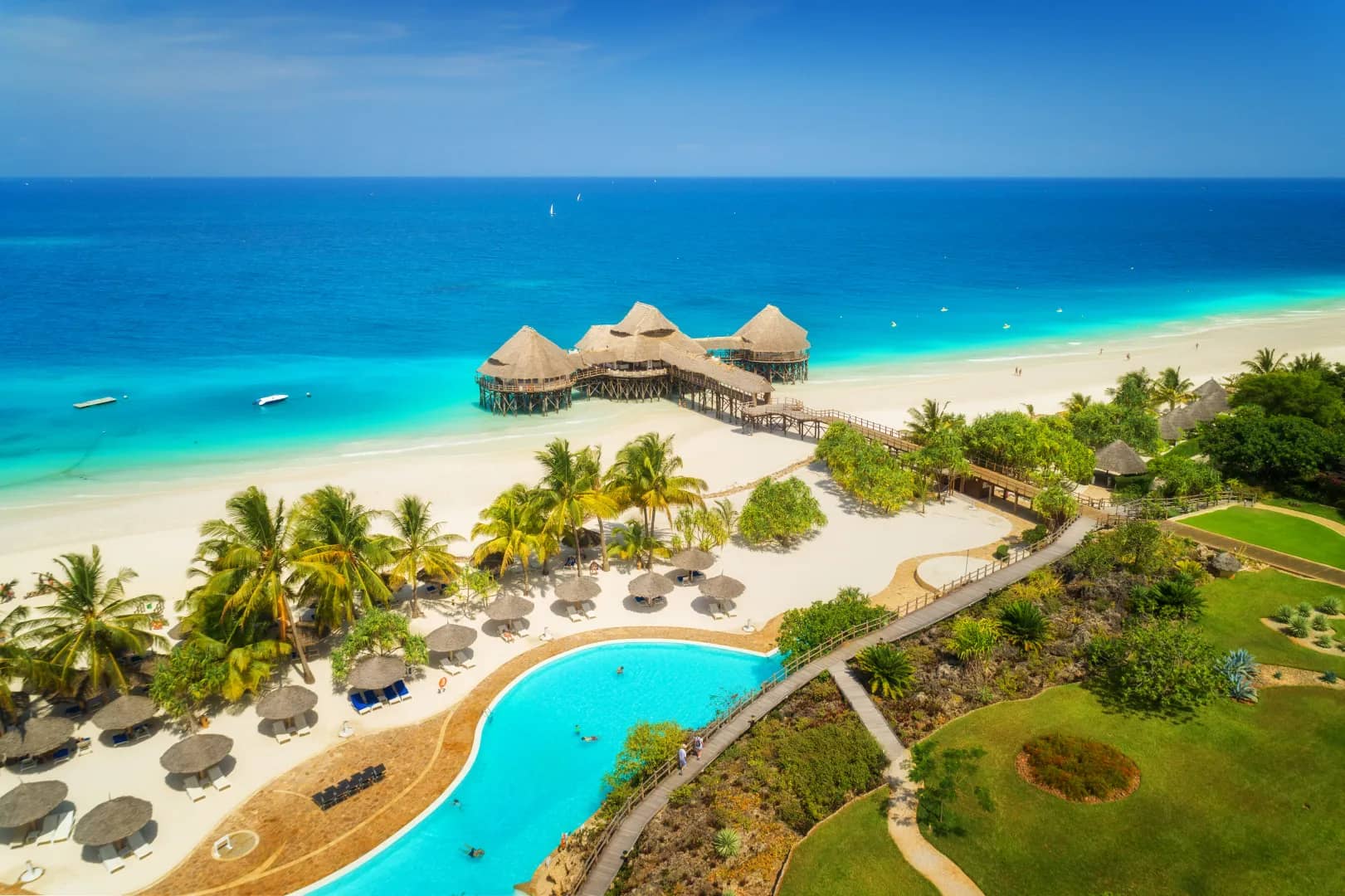
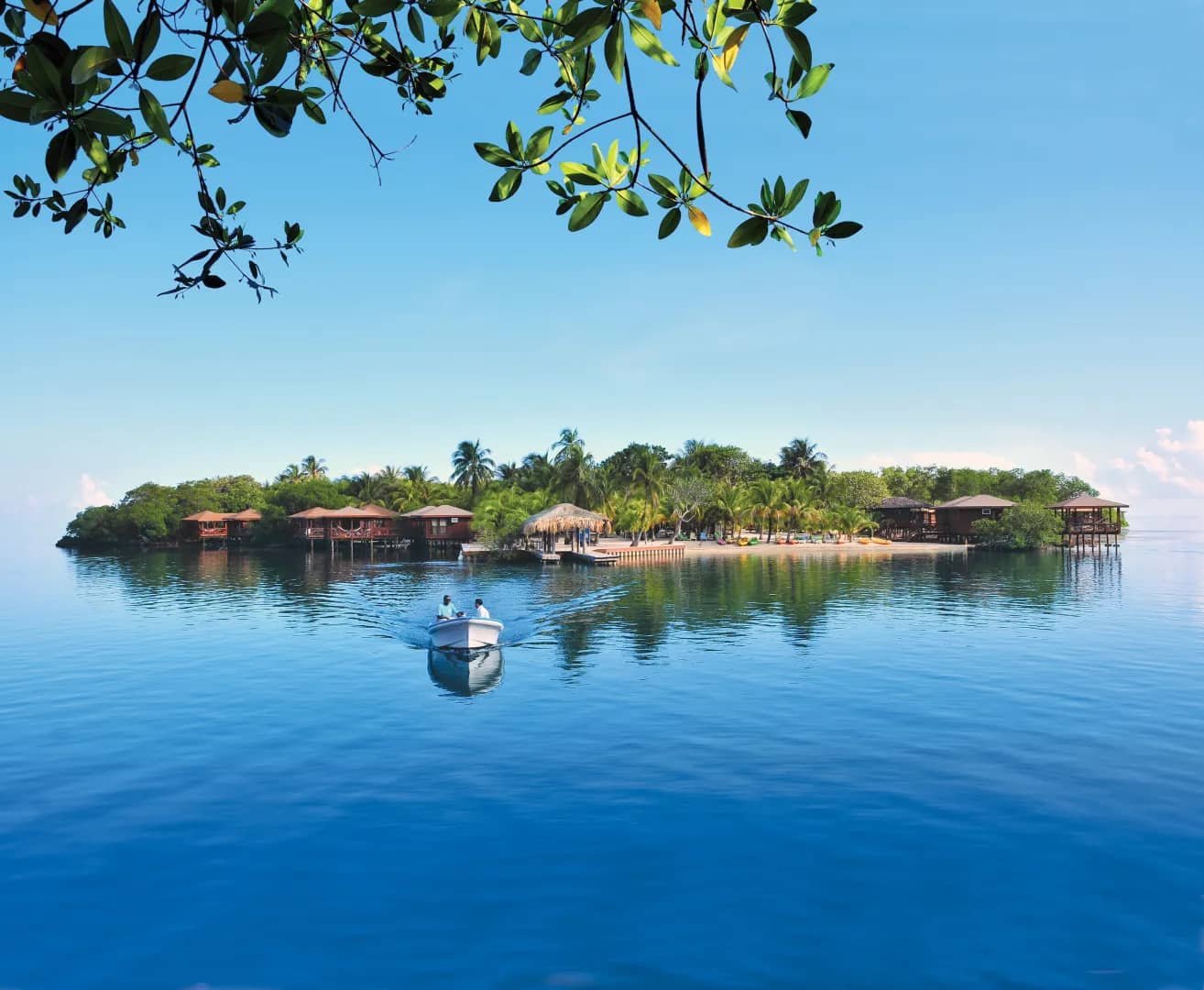
While some Sea of Cortez liveaboards depart from La Paz and visit local sites, the majority of diving here is resort-based or in the form of day trips. For comfortable lodging near dive sites, consider the Hyatt Place La Paz, offering modern amenities and easy access to the marina. Dive sites around La Paz are accessed by small pangas or speedboats.
Our Featured Partner in Mexico
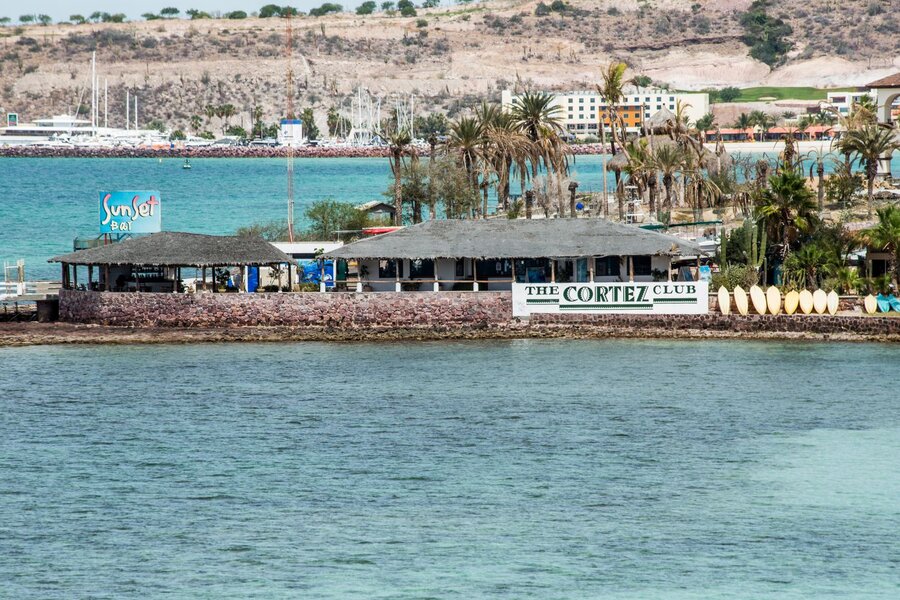
The Cortez Club, located in La Paz, Mexico, offers premier diving in the Sea of Cortez, famously dubbed "The Aquarium of the World." Dive alongside sea lions, hammerheads, giant mantas, and seasonal whale sharks. With expert guides and easy access to wrecks, reefs, and stunning marine life, it's a top destination for unforgettable underwater adventures. Learn more
Intro to La Paz
Situated on the southeastern edge of Mexicos Baja California Peninsula, La Paz is one of the easiest warm water dive destinations to reach from the US. The areas diversity of dive sites includes wrecks, caves, offshore pinnacles, and rocky reefs, as well as some sheltered inshore diving and snorkeling in the Bay of La Paz.
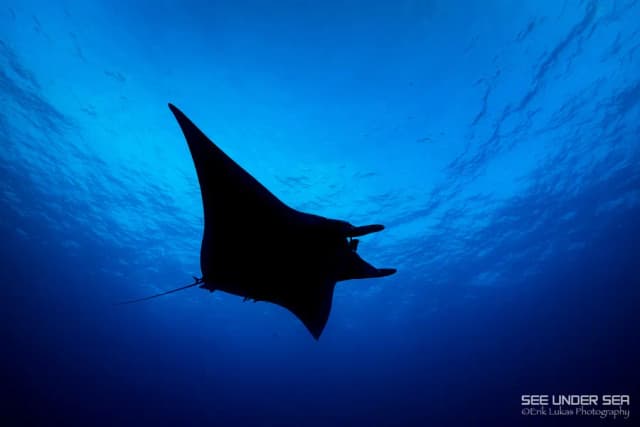
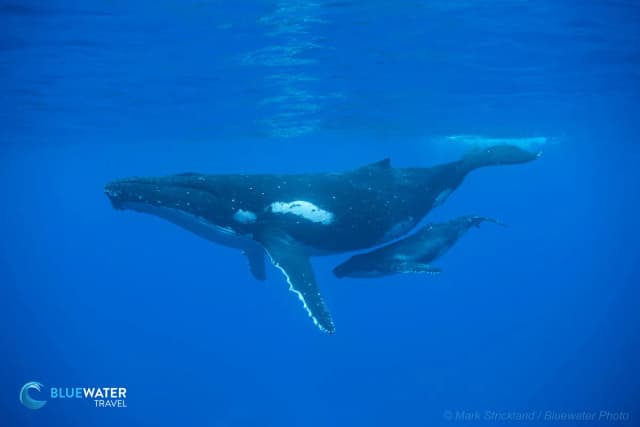
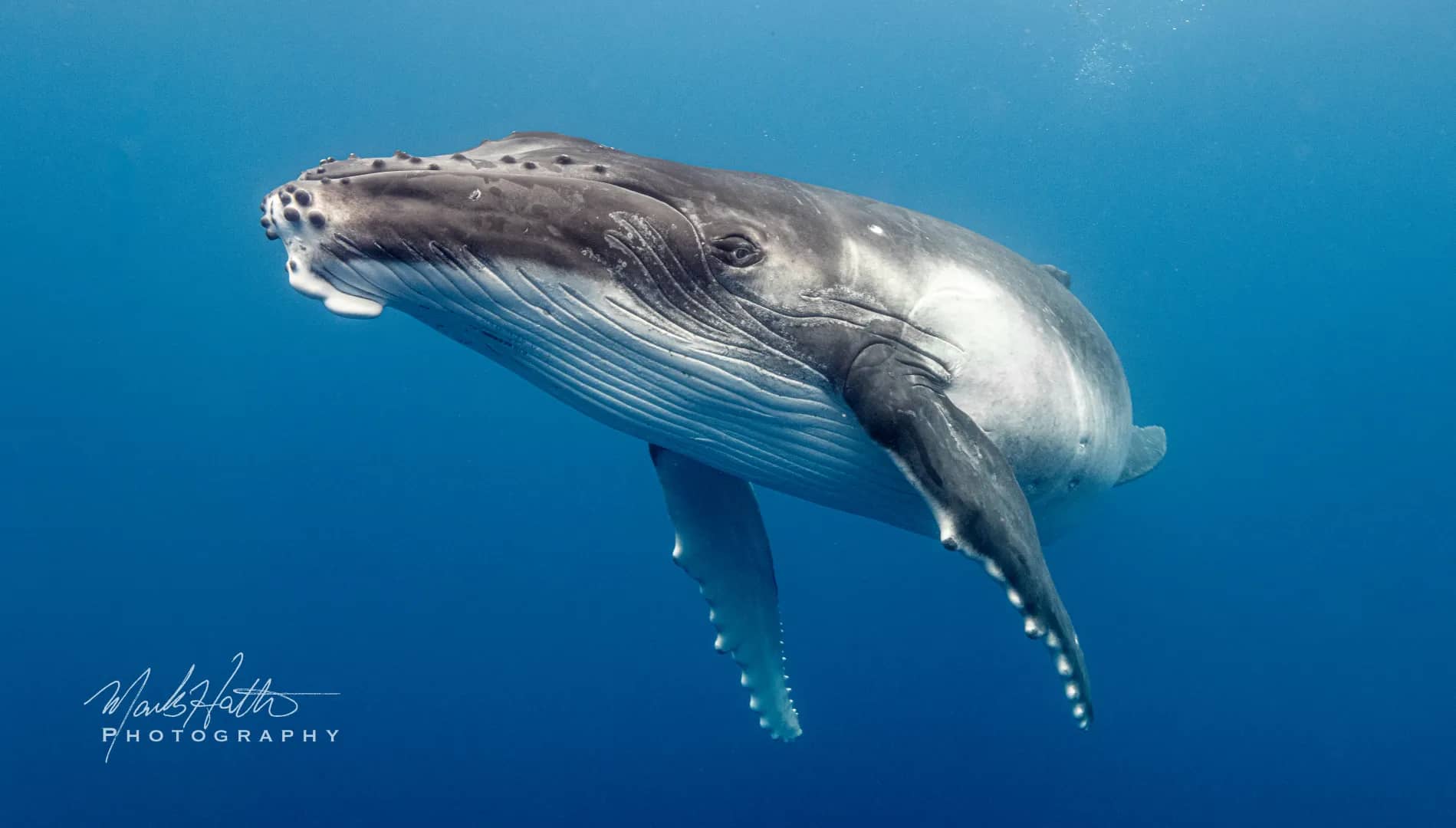
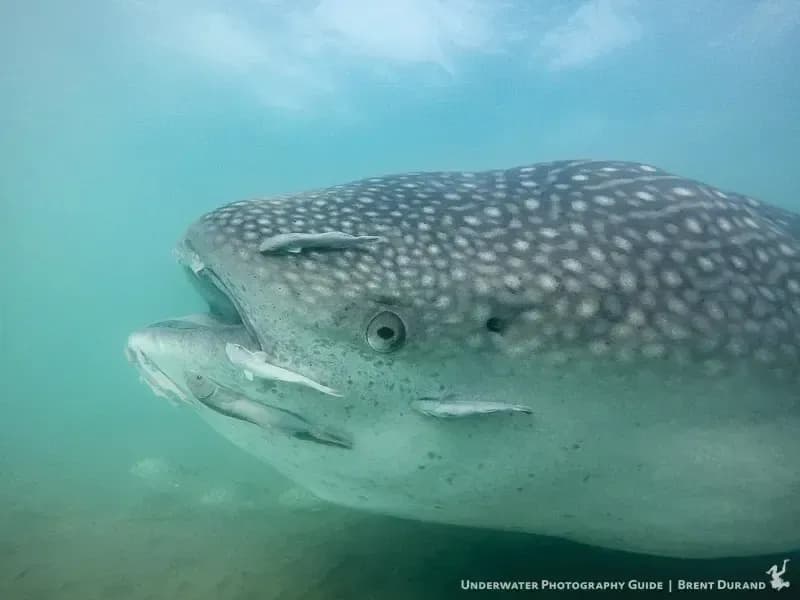
By far the regions biggest attraction is year-round access to some of the oceans most impressive pelagic species. Depending on the time of year, divers can expect to spot whale sharks, hammerhead sharks, sea lions, mobula rays, several species of whales, and a myriad of other local and migratory species. There is so much marine life in this area that La Paz is included in the Sea of Cortez UNESCO World Heritage Site designation.
When to Go
Diving in La Paz is great year-round, but the best time to go depends on what you want to see. We recommend diving between October and December when water temperatures are warm, the sea lion colony is diveable, and topside conditions are not as hot as in the summer months. Whale sharks arrive in the region around mid-November, so if these gentle giants are on your bucket list, visit La Paz later in November or into December.
La Paz Diving Information
La Paz Marine Life & Photography Subjects
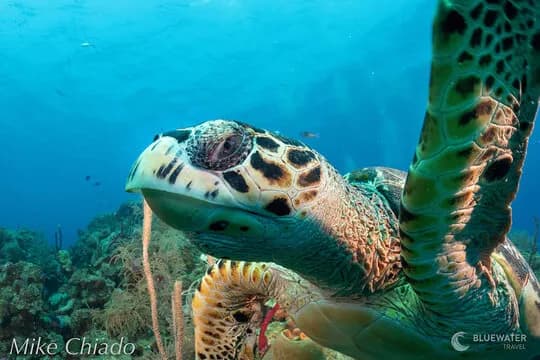
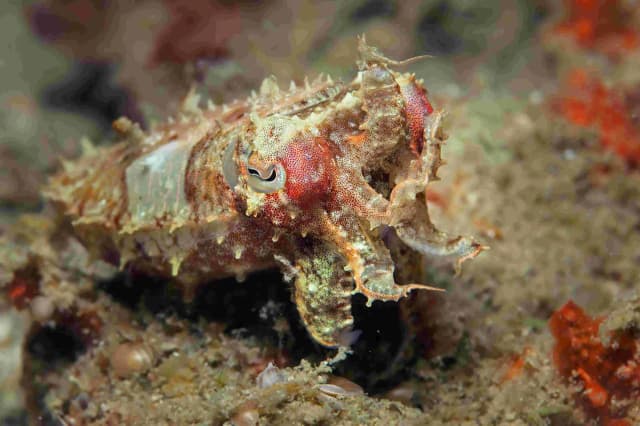
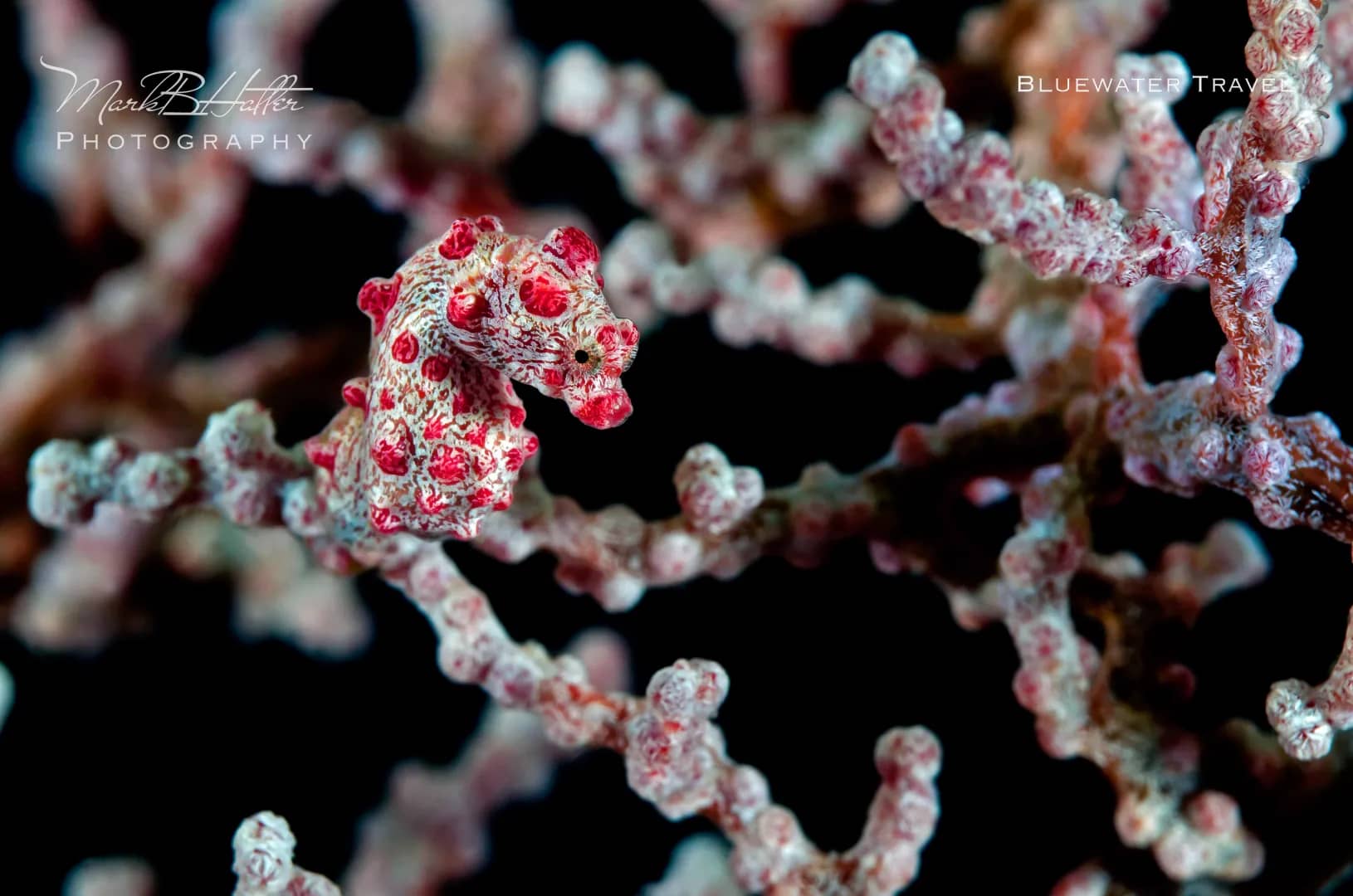
La Pazs protected location at the entrance to the Sea of Cortez makes for a great base to spot both migrating pelagics and local species. Around 850 marine species are found in these waters, from the biggest of fish and marine mammals to macro species such as seahorses and nudibranchs.
List of some of the marine animals you may see around La Paz:
- Whale shark
- Hammerhead shark
- Gray whale
- Humpback whale
- Mobula ray
- Eagle ray
- California sea lion
- Turtle
- Dolphin
- Marlin
- Tuna
- Wrasse
- Moray eel
- Angelfish
- Seahorse
The Bay of La Paz is considered one of the best destinations in the world to swim with whale sharks, and these huge fish flock to the southern Sea of Cortez in the fall to feed on plankton. Robust licensing restricts the number of boats and individuals that can be in the water at any one time, therefore there is a good chance of achieving a one-to-one encounter with these gentle giants. The La Paz whale sharks are found quite close to shore, and this is a great place for non-divers to snorkel and swim with them without a lengthy boat journey to a remote offshore location.
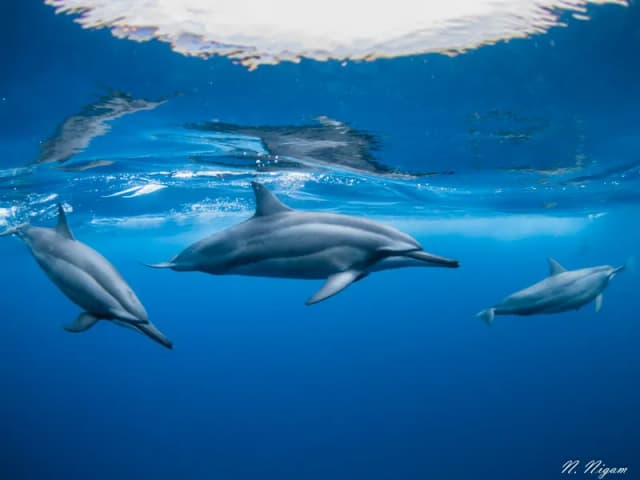
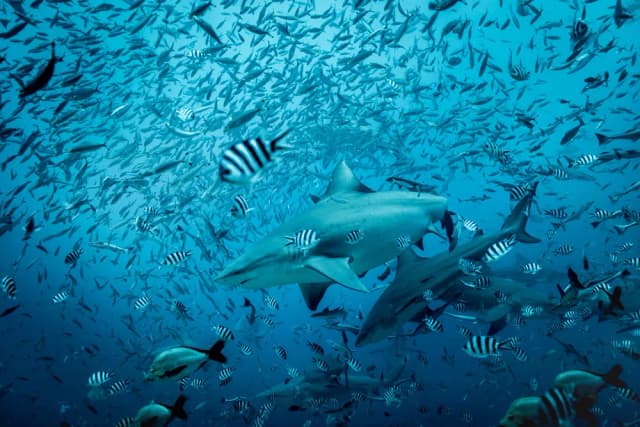
Hammerhead sharks were a common sight in La Paz waters until fishing decimated their numbers in the 80s and 90s. The good news is that the hammerhead nursery in the Bay of La Paz is slowly regenerating, and sightings of these unique sharks around El Bajo seamount are becoming more frequent again. Also at El Bajo, expect to encounter key pelagics such as mobula rays, eagle rays, dolphins, marlin, and tuna, all against a dramatic offshore backdrop of steep walls and rocky reefs.
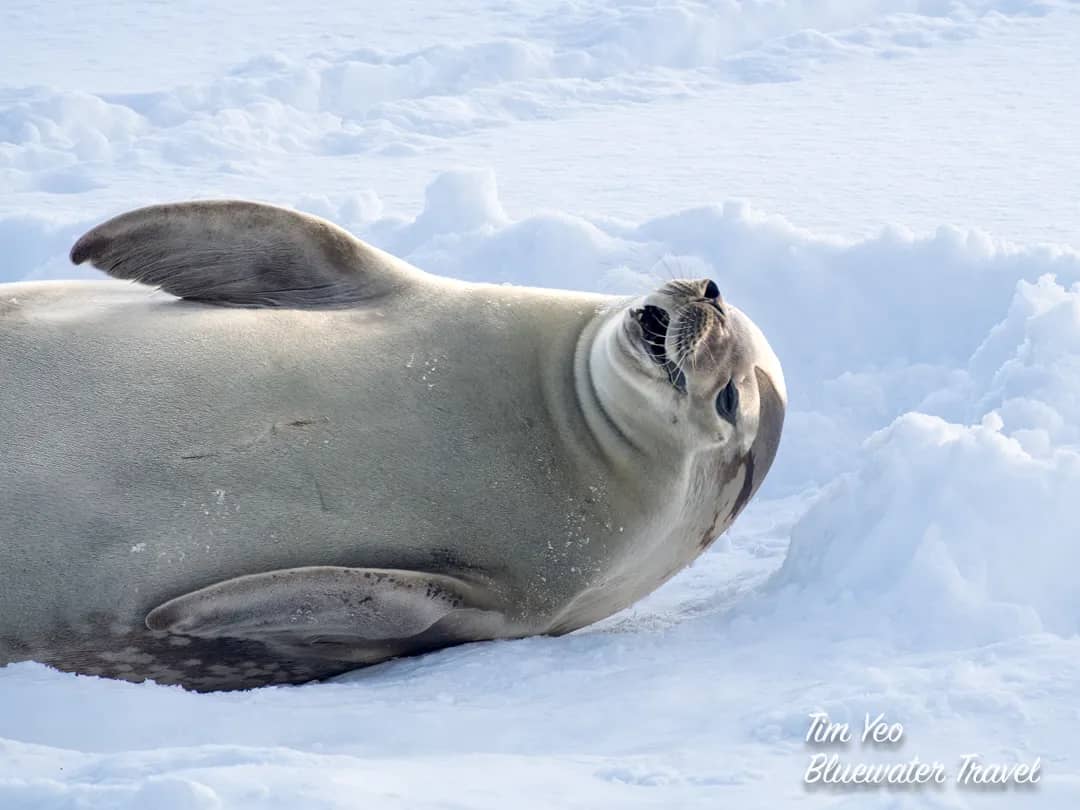
One of the most memorable experiences at La Paz is a visit to the sea lion colonies at Los Islotes. Although sea lions will likely pop up on many dives around the area, Los Islotes is home to a rookery of around 400 sea lions and pups, and snorkeling or diving with these inquisitive youngsters is a real treat.
Read all about our recent trip to La Paz.
Best Time to Dive
Diving in La Paz is possible year-round, but the best time to go depends on what you want to see. We recommend diving between October and December when water temperatures are warm, the sea lion colony is diveable, and topside conditions are not as hot as in the summer months.Whale sharks arrive in the region around mid-November, so if these gentle giants are on your bucket list, visit La Paz later in November or into December.
From January to May, the water can get very cold and visibility is reduced; however, this is the best time to spot hammerhead sharks, whales, and mobula rays. December to March is the peak season for tourism in Mexico and like many other resort areas, La Paz can get busy and experience an increase in accommodation rates.
The sea lion colonies are active year-round, however, they are closed for breeding from June 1st to August 31st each year.
Diving Conditions
- June - November: The summer months are hot and humid top-side, with some rain towards the end of the season. Water temperatures are at their warmest with an average of 80oF (27oC). Visibility is very good outside plankton blooms, often approaching 80ft.
- December - May: The top-side conditions cool off over the winter, but with plenty of sunshine. Water temperatures also cool down, averaging 72oF (24oC) but dropping as low as 64oF (18oC).
La Paz Diving Difficulty
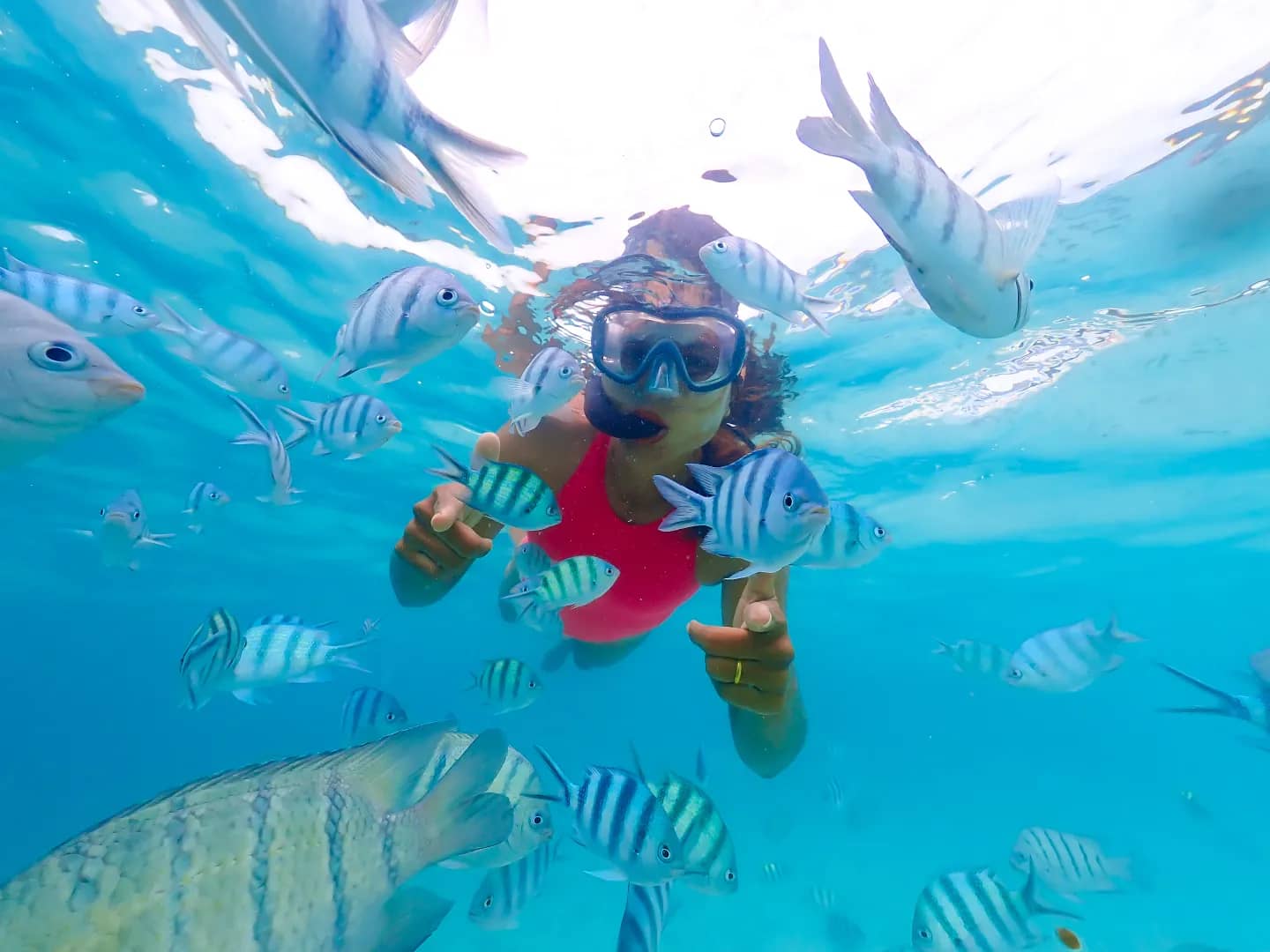
La Paz offers diving and snorkeling suitable for all levels. Swimming with whale sharks and diving and snorkeling with the sea lions can be enjoyed by everyone, including children - and they love it! The colorful inshore reefs of Playas Tecelote and El Coyote offer excellent snorkeling in calm, clear waters.
The offshore sites at El Bajo are best suited to experienced divers. Large swells and strong currents can make for tricky conditions, especially over the winter months.
Best Dive Sites in La Paz
1. Los Islotes - One of the biggest sea lion colonies in the area can be found to the north of Espritu Santo Island. Two large rocky promontories featuring a natural arch create a fun game of hide-and-seek for extremely playful pups, keen to get involved in any diving or snorkeling activity. Also, expect to see large shoals of sardines, angelfish, and surgeonfish amongst the rocky coral reefs. This shallow site is great for snorkelers.
2. El Bajo - A group of three isolated seamounts 8 miles from Los Islotes, that attract a great number of pelagic species around steep walls, canyons, and drop-offs. This is a prime spot for catching a glimpse of large schools of fish and schooling hammerhead sharks, who have been known to gather here in hundreds. Resident species include moray eels, octopus, tuna, and schooling amberjack.
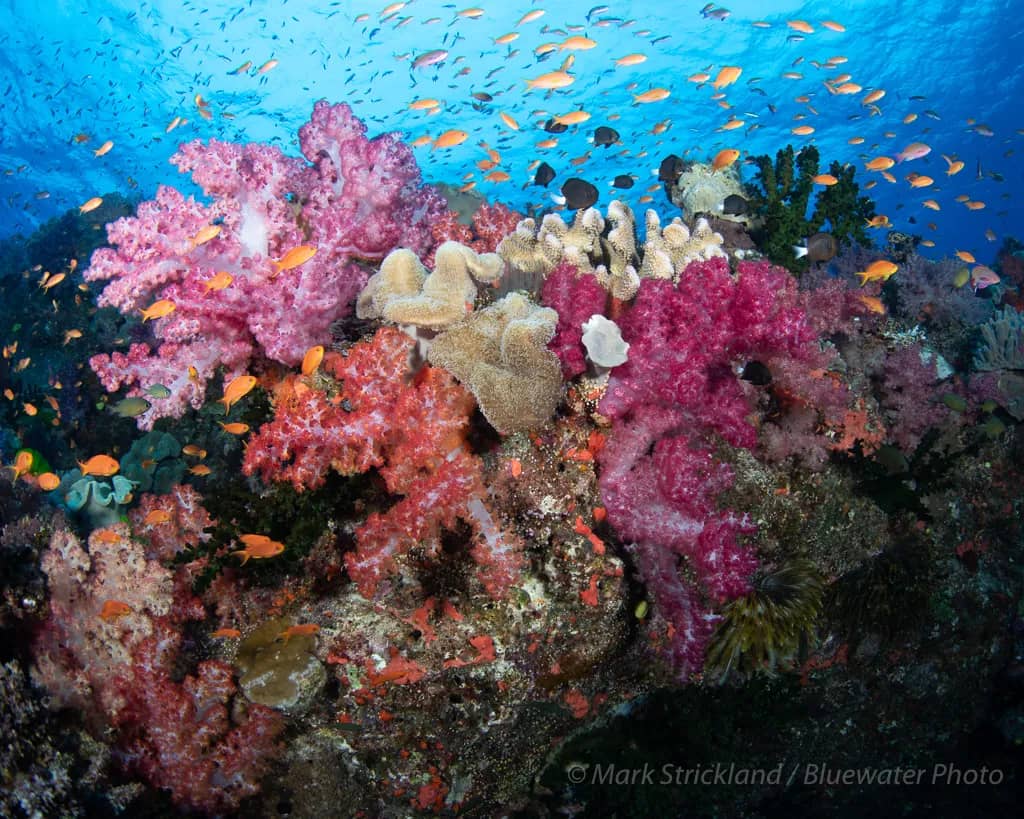
3. La Reina - One of the most beautiful sites in the area, this large reef is located just north of Isla Cerralvo at a depth of around 80 feet. Large gorgonians and brain coral dominate the landscape. Divers are also likely to encounter several resident manta rays.
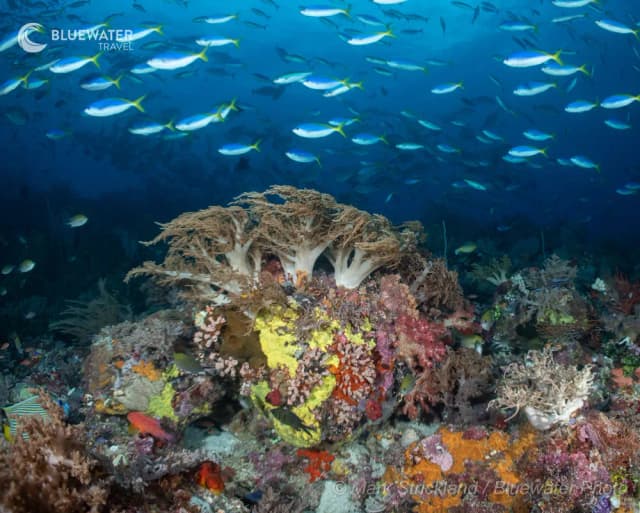
4. Swanee Reef - An exciting dive site on the southern tip of Isla Espirito Santo, featuring huge coral heads, gorgonians, and sea fans smothering the rocky reef. Shoals of small fish school and then vanish to escape larger predators, and a good amount of macro can be discovered when the visibility is good.
5. Salvatierra Wreck - A great dive site for novice divers or those without wreck experience, the Salvatierra sunk in 1976 after hitting Swanee Rock, leaving a scar on the reef that is still visible today. Much of the ship's cargo of trucks is still intact, as are both propellers, and the artificial reef attracts a wide variety of marine life.
Also on Swanee Reef, the wrecks of the Fang Ming and C59 make for fascinating dives, and cement La Paz as a great wreck diving destination.
How to Get to La Paz
La Paz is serviced by Manuel Márquez de León International Airport (LAP), with flights from the U.S. via Mexico City – Benito Juárez International Airport (MEX) or Guadalajara – Miguel Hidalgo y Costilla International Airport (GDL). Flights from other continents also connect in Mexico City. Once on the ground, it's a quick shuttle ride to the dive resorts.
Many visitors also choose to fly directly into Los Cabos International Airport (SJD) and then take a 2.5-hour shuttle north to La Paz. This is a beautiful drive through the Baja California Desert with glimpses of both the Pacific Ocean and the Sea of Cortez.
How To Dive La Paz
La Paz offers a great range of resort accommodation to suit all budgets. Inshore diving is either from small pangas or speedboats where divers will backward roll into the water. Access to offshore sites such as El Bajo is via larger day boats that offer more facilities and are better suited to heavier seas. Most resorts will arrange whale shark trips with one of the locally licensed operators.
Other Things to Do
Many of the best experiences around La Paz are open to snorkelers as well as divers, so this is a great place for divers and non-divers to travel together. There are also many other water-based activities available, such as whale and bird watching tours, fishing, and kayaking. La Paz has a healthy resort-life, with lots of shopping, a wide choice of restaurants, bars, and clubs, spas, and good beaches. Playa Balandra, located about 20 minutes from La Paz, is consistently named as one of the top beaches in Mexico, and even the world.
Practical Information
- Currency: Mexican Peso (MXN).
- Language: Spanish, but many people speak English, especially in tourist areas.
- Main Aiport: Manuel Mrquez de Len International Airport (LAP).
- Time Zone: Mexican Pacific Standard Time (GMT-7).
- Electricity: 127V.