Using a Smartphone for Underwater Photography

July 14, 2025|Author: JennyH|Reading time: 5 minute

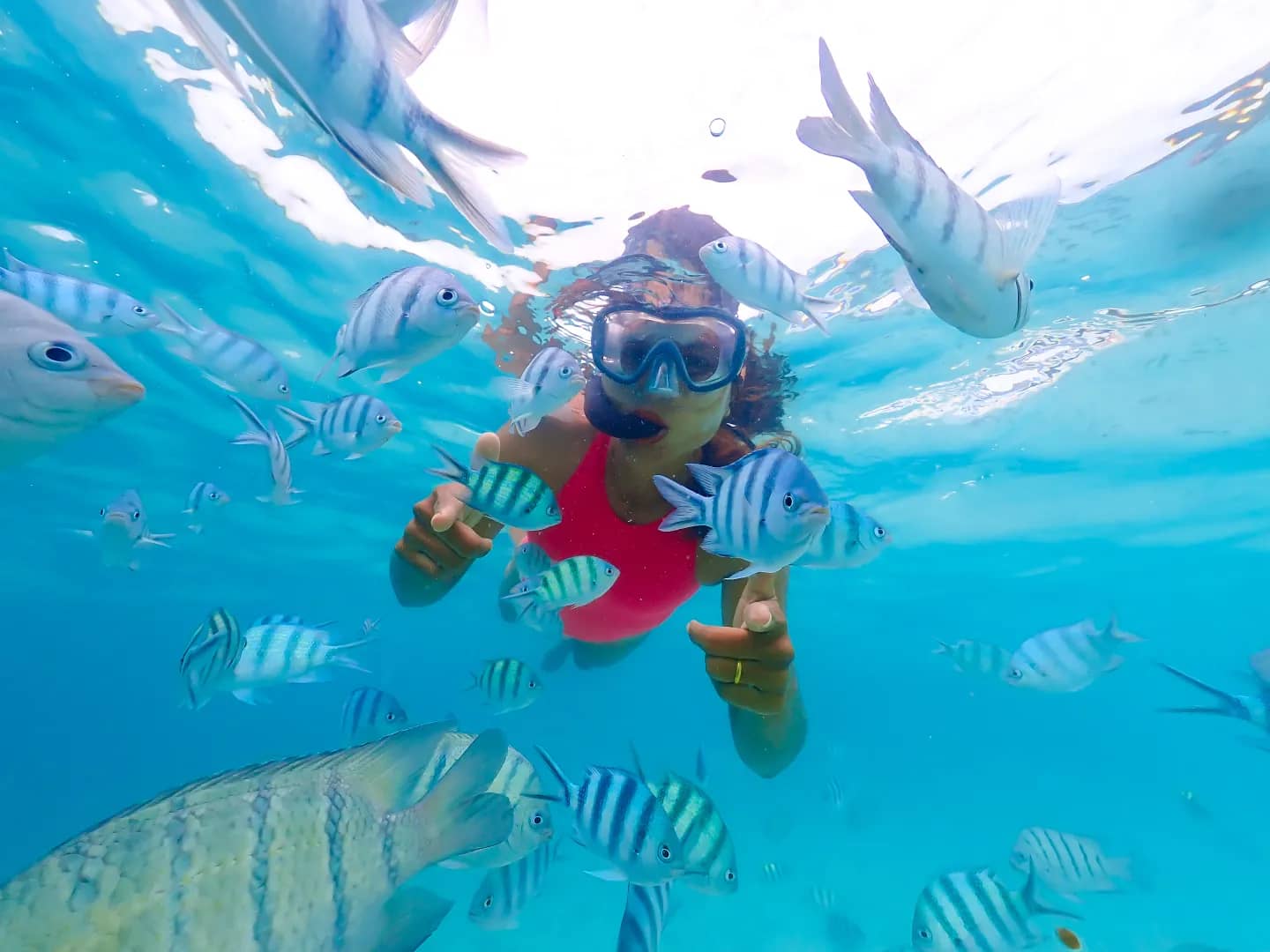
Over the past two decades, we have become accustomed to always having a camera on us in the form of a smartphone. So, it only makes sense that technology would develop to enable us to take these miniature supercomputers everywhere even underwater.

Using a Smartphone for Underwater Photography - image

Using A Smartphone For Underwater Photography

Over the past two decades, we have become accustomed to always having a camera on us in the form of a smartphone. So, it only makes sense that technology would develop to enable us to take these miniature supercomputers everywhere even underwater.

In the early days of underwater smartphone housings, I was too nervous to bring an expensive smartphone diving with me and opted for a GoPro instead. When my GoPro housing flooded during a dive in Curacao, I was disappointed and without an underwater camera, but at least I still had my phone for topside photos. Confidence in underwater smartphone housings has grown over recent years; I regularly see divers securing their smartphones into a SeaLife SportDiver Housing or DiveVolk SeaTouch 4 Max as they gear up on a dive boat. ProShot is so confident in its ProShot iPhone Dive Case that it includes a 12-month iPhone Protection Guarantee. Many new phone models are also water resistant to some extent, which provides some reassurance.

Underwater photographers are used to packing their cameras, housings, lenses, strobes, and other accessories on their dive trips, and they might not be willing to trade all of that in for a smartphone. However, there are some great benefits to using a smartphone for your underwater photography hobby.

Packing Light

We often struggle with how to pack for a dive holiday, especially as each destination is different. If you have dive equipment, you probably prefer to take it with you and use it on your holidays; thats what you bought it for! Underwater photographers face an even bigger challenge, as cameras, housings, lenses, lights, and protective cases for all these delicate elements can add massive bulk to your luggage.

Eliminating underwater photography gear can streamline your packing in an instant. Youre most likely bringing your smartphone on holiday anyway, so you only need to pack a small housing and, possibly, a few compact accessories. Slip this gear into your carry-on bag, and youll hardly notice a difference in its weight.

You might even be able to pack everything you need in your hand luggage, which can eliminate the risk of lost luggage. If you're traveling to a challenging destination or boarding a liveaboard that won't wait for delayed bags, this is even more beneficial.

Budget-Friendly

Scuba diving is an expensive hobby on its own, and underwater photography requires significant upfront investment. Smartphone housings and accessories are relatively inexpensive, and many accommodate a range of smartphones, so you can continue using the same housing if you upgrade your phone. With all the money you can save on expensive underwater photography gear, youll have more to spend on trips to explore some of the worlds best dive destinations.

Ease Of Use

A smartphone is your one-stop shop for photography. You can take photos, edit them, save them to the cloud, and share them with friends, family, or the world - all from the phone itself. Theres no need to download them to a computer and use editing software, but you can still take those extra steps to add some finesse to the final images. Additionally, novice underwater photographers already know how to use their smartphones, and with a well-designed housing, using the phone to capture underwater photos is intuitive.

Action cameras are great for taking videos during a dive but are not necessarily the best option for taking photos. You can easily capture both videos and images with a smartphone. Some housings are compatible with wide-angle and macro lenses, enabling you to take your photography to the next level.

Join one of Bluewaters workshops if you're just beginning your underwater photography journey. Led by an experienced photographer, you will have continuous support and guidance to improve your skills.

Image Quality

Robust cameras are a critical smartphone selling point and the reason many people upgrade their phones, so manufacturers always work to develop cameras that outperform their previous models and those of their competitors. With this advancing technology, images captured by modern smartphone cameras are nearly as good as those from compact cameras. While traditional cameras are capable of higher-quality images due to their sensors and the ability to attach a strobe, this is not a deal-breaker for most underwater photography hobbyists.
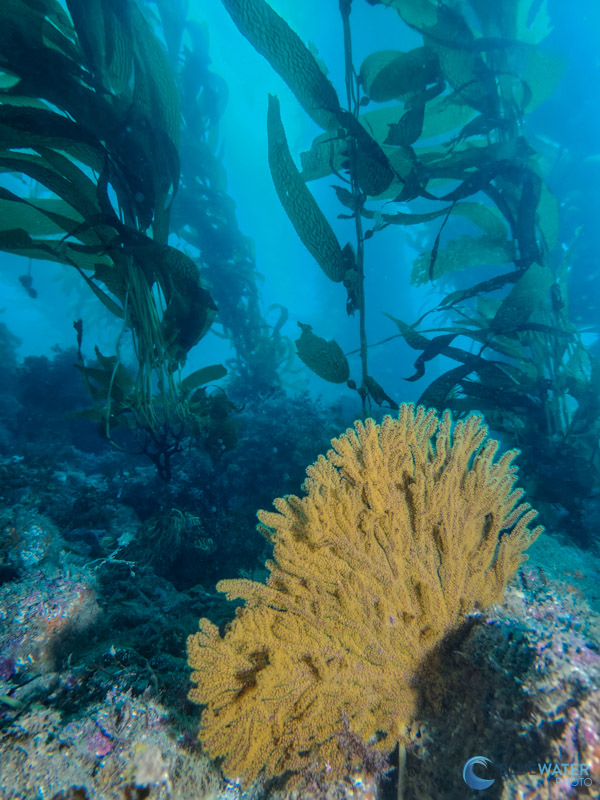
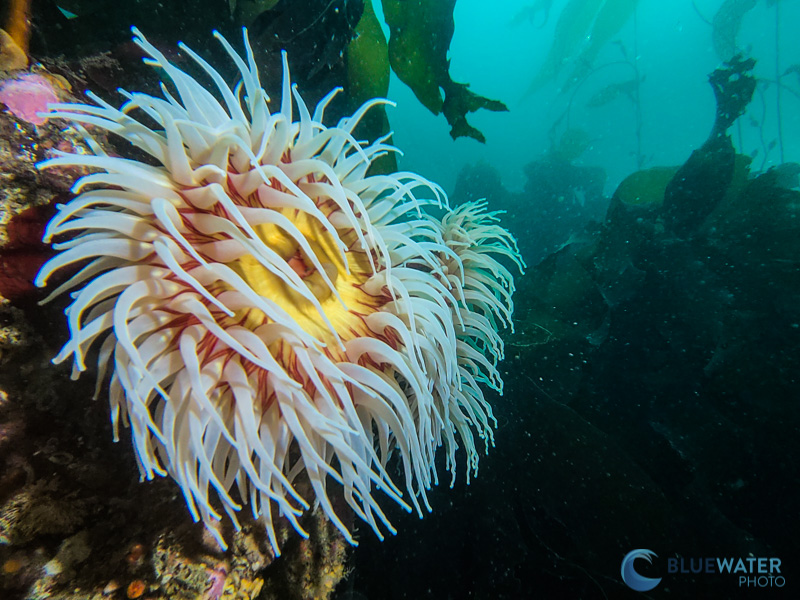
A sea fan in a kelp forest taken using a smartphone for underwater photography.
An anemone is captured by a smartphone in an underwater housing.
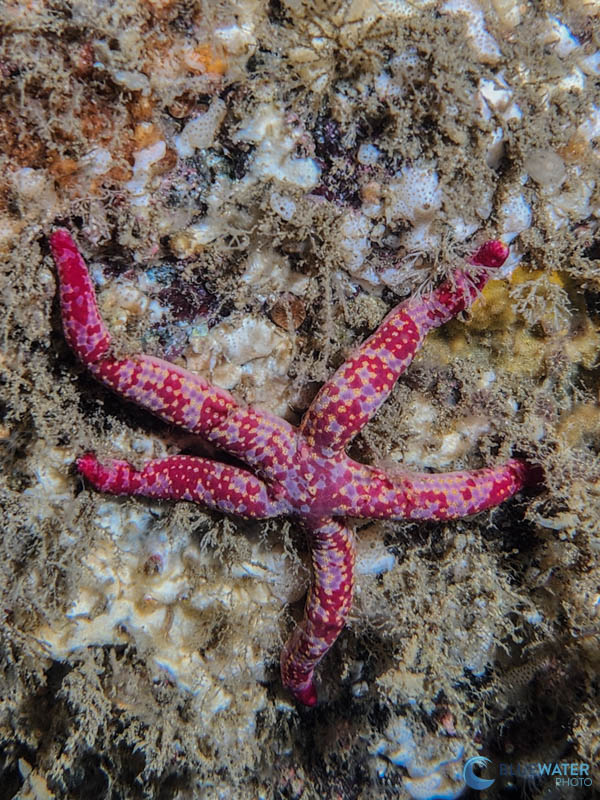
A sea star - Smartphone Underwater Photography

A sea fan photographed with the Samsung Galaxy S22 in a DiveVolk SeaTouch 4 Max (left); An anemone (center) and sea star (right) photographed with the Samsung Galaxy S20 in a SeaLife SportDiver Housing.

Convenient In Currents

Diving in strong currents comes with additional challenges, especially for underwater photography. You have more freedom of movement with a smartphone than with a traditional camera, even when it's clipped off on your BCD so you can have both hands available for other tasks. Underwater photographers with large camera rigs can bring a smartphone housing as an alternative when conditions aren't suitable for a large camera.

Is Smartphone Underwater Photography Right For You?

Smartphones with underwater housings are a great, cost-effective, and lightweight alternative to traditional cameras for underwater photography. If youre looking for an easy way to capture some quality images and footage of your dives and quickly edit and share them, a smartphone is an excellent option. Dedicated photographers can also carry a smartphone housing as a backup if they experience technical or environmental difficulties with traditionalcamerasor strobes. Visit the Bluewater Photo Store to find all the latest underwater photography gear and check out the Underwater Photography Guide for tutorials and reviews.

Related Articles

Big-Blue Adventures from Indonesia to the Solomons

Article

Chris H

Big-Blue Adventures from Indonesia to the Solomons

Indonesia

When divers talk about bucket list liveaboard routes, the same three regions keep coming up: Indonesia, the Maldives, and the Solomon Islands. They’re very different experiences, but they all have two things in common – serious diving and long memories.

We’re shining a spotlight on Emperor Liveaboards across the Indo-Pacific: Emperor Harmoni in Indonesia, Emperor Serenity in the Maldives, and Emperor Bilikiki in the Solomon Islands. Together they offer three very different ways to spend a week (or more) at sea – from classic Maldivian shark and manta channels, to Indonesian big fish and reefs, to remote tropical seascapes in the Solomons.

Great‑Value Maldives Diving with Himmafushi Scuba Adventure

Article

Chris H

Great‑Value Maldives Diving with Himmafushi Scuba Adventure

Indian Ocean

For many divers, the Maldives is a dream destination – mantas, sharks, channels and blue water as far as you can see. The catch is usually the cost. Private‑island resorts and high‑end liveaboards add up quickly, especially if you want to dive a lot. Himmafushi Scuba Adventure offers a different way to do it: Maldives diving at a realistic price, based on a friendly local island and run by a team whose focus is firmly on safety, marine life and value for money.

If you’re happy to swap over‑water villas for solid diving, straightforward logistics and a more authentic Maldivian feel, this operator sits right in the sweet spot.

Caribbean Diving in Statia: Golden Rock Dive & Nature Resort

Article

Chris H

Caribbean Diving in Statia: Golden Rock Dive & Nature Resort

Caribbean

Perched on a hillside above the Caribbean Sea on the tiny island of St Eustatius (Statia), Golden Rock Dive & Nature Resort offers something rare in the region: a genuinely high‑end, nature‑focused dive resort, surrounded by a superb marine park, at a price point that’s very competitive for this quality of stay.

With 75 ocean-facing rooms set in lush gardens, awarded a Michelin Key for an outstanding overall hotel experience, and direct access to some of the Caribbean’s healthiest reefs and wrecks, this is a serious option for divers who want excellent underwater time without crowds — and without giving up comfort.

Waidroka Bay Resort Fiji: Adventure Diving on Viti Levu’s Wild South Coast

Article

Chris H

Waidroka Bay Resort Fiji: Adventure Diving on Viti Levu’s Wild South Coast

Fiji

Tucked into the lush south coast of Viti Levu, Waidroka Bay Resort blends warm Fijian hospitality with easy access to some of the country’s most exciting diving – and a serious dose of topside adventure. Sitting within reach of Beqa Lagoon’s famous reefs and shark dives, as well as world‑class surf breaks, this is a great choice if you like your dive holidays a bit more active and off‑the‑beaten‑track.

Bligh Water Diving, Fiji: Soft Coral Spectacle

Article

Chris H

Bligh Water Diving, Fiji: Soft Coral Spectacle

Fiji

Straddling the channel between Viti Levu and Vanua Levu, Fiji’s Bligh Water is the stuff of diver daydreams: current‑swept pinnacles smothered in soft corals, walls draped in fans, and clouds of reef fish swirling in the blue. Long known as one of Fiji’s most colourful regions, it’s easily accessible from VoliVoli Beach Resort on the northern tip of Viti Levu, making it a prime target for anyone chasing “soft‑coral capital of the world” diving without complicated travel. 

 From relaxed coral gardens to full‑on current dives with schooling fish, Bligh Water delivers a huge amount of variety in a relatively compact area – ideal for a week or more of intensive, high‑impact diving.

Caribbean Diving in Roatán – Wrecks, Walls, and Reef Critters

Article

Chris H

Caribbean Diving in Roatán – Wrecks, Walls, and Reef Critters

Caribbean

Stretching along the southern edge of the Mesoamerican Barrier Reef, Roatán has quietly grown into one of the Caribbean’s most rewarding dive destinations. Warm, clear water, colourful reefs, relaxed island life and easy travel connections make it an appealing choice whether you’re planning your first dive holiday or your tenth. Add in excellent value, plenty of topside activities, and a strong choice of dedicated dive resorts, and it’s easy to see why so many divers return to Roatán year after year.
Liveaboard Diving - How to Plan, What to Expect & Insider Tips for 2026

Article

Chris H

Liveaboard Diving - How to Plan, What to Expect & Insider Tips for 2026

Indonesia

As divers seek more immersive and efficient experiences, liveaboard trips remain one of the most popular ways to explore world‑class destinations in 2026.

The Ultimate Guide to Eco‑Conscious Dive Travel in 2026

Article

Chris H

The Ultimate Guide to Eco‑Conscious Dive Travel in 2026

Indonesia

Scuba divers are among the few travellers who see firsthand how fragile marine ecosystems really are. From vibrant coral gardens to reefs damaged by warming seas, pollution, and overuse, the contrast is striking. As a result, eco‑conscious dive travel has shifted from a niche interest to a priority for divers planning trips in 2026 and beyond.

Find your next adventure