


Egyptian Red Sea Diving Adventure - April 2025
Images & Text by Dan Bishop
In April 2025, I spent three unforgettable weeks exploring some of the best scuba diving the Egyptian Red Sea has to offer. From historic shipwrecks in the north to pristine reefs in the deep south, this journey showcased the full spectrum of Red Sea diving—vibrant coral gardens, abundant marine life, and thrilling drift dives, all framed by clear waters and comfortable spring temperatures.
Northern Red Sea – Wrecks & Reefs (Week 1)
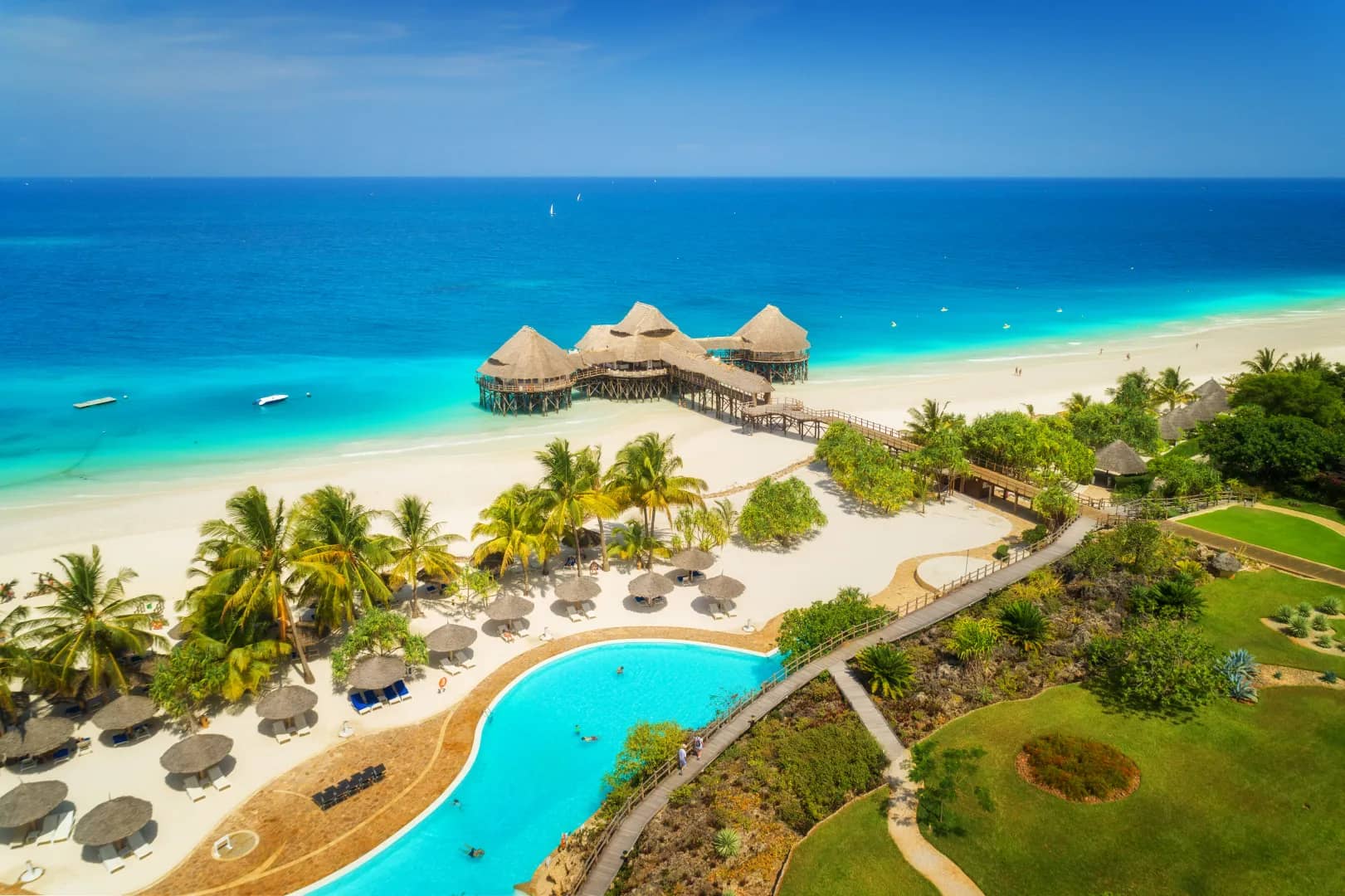
I flew into Hurghada a couple of days early and checked into the Marriott Beach Resort. This is a convenient location as the liveaboard I’d be on, All Star Liveaboard’s luxurious Scuba Scene, embarks from the pier at the Marriott for its northern route itinerary. Guests were picked up at their hotels, and we all boarded at 5 pm on the first day. We were greeted with welcome drinks and were given a safety briefing in the main salon. We stayed overnight in the harbor the first night.
On day 2, we headed north to do our first dive, which was a nice check dive at Gota Abu
Ramada. We were a bit delayed in departing given it was a holiday, and we needed Coast Guard
signoff before setting sail. After our check dive, we headed north to the Ras Mohamed National
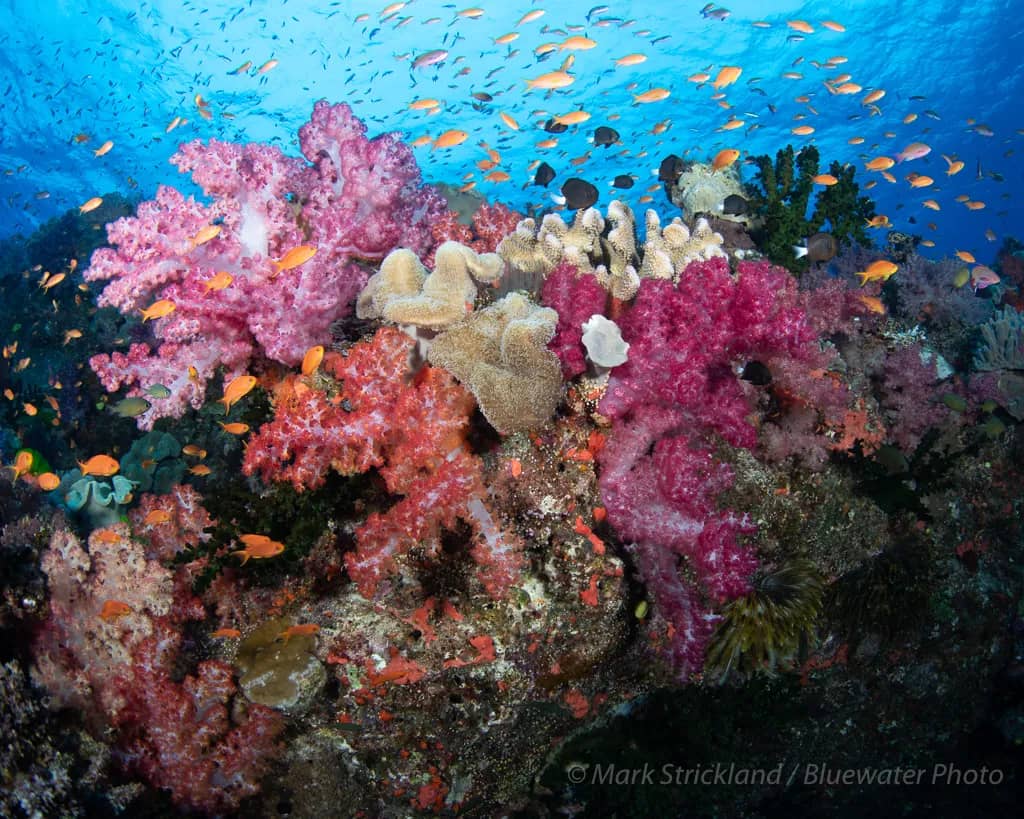
Park area, which contains many great reef and wreck dives. There is a mix of hard and soft corals
in this area, and healthy fish populations.


Wreck Diving Highlights: Dunraven, Thistlegorm & More
Day 3 was spent diving sites Jackfish Alley, Shark Reef, and Beacon Rock. On day 4, we did our
first wreck dives – the Dunraven in the morning, and our first dive on the famed Thistlegorm in the
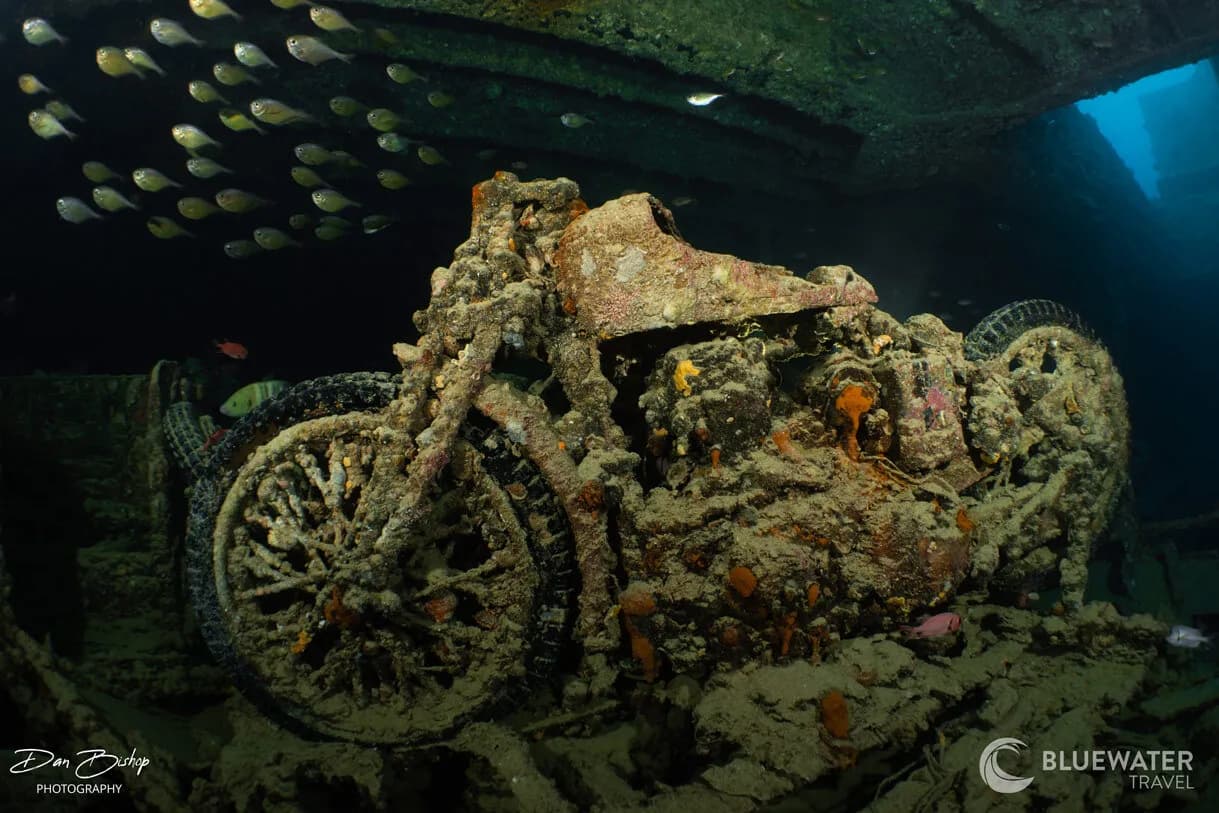
afternoon. The Thistlegorm was a British cargo ship sunk by the Germans in 1941, and was
transporting vehicle, motorcycles, lumber, ordinance, and other cargo. Much of the front half of
the wreck is still intact and contains 2 levels of cargo to explore.


Final Wreck Dives: Thistlegorm, Carnatic & Giannis D
On day 5 was spent doing two more dives on the Thistlegrom to explore more of the cargo holds. We then moved to dive the wreck site called The Barge. This site contains an older, mostly deteriorated wreck that is home to an abundance of marine life, including corals, eels, many fish species, rays, etc. A night dive was also done on this site to look for macro subjects.
On Day 6, we did another dive on The Barge and then navigated to dive the wrecks of the
Carnatic and Giannis D. There are a number of wrecks in this area - mostly a result of
navigational challenges resulting in collision with the reef. The wrecks here are in various states
of decay, but their metal structures are largely intact, and penetration is possible.


Last Northern Dives Before Heading South
On Day 7 we started to head south back towards Hurghada, and did two dives at Shaab El Erg,
followed by another wreck dive at El Minya, which is close to the port in Hurghada.
Overall, the northern sites offer some great diving on healthy reefs and an abundance of wrecks.
In April, the water temps were 70-72 degrees, and visibility ranged from average to good. The
other thing to note is that the northern sites can be a bit busy with other boats, as it is accessible
to day trips boats.
Short Stay and Day Dives in Marsa Alam
Following disembarkation, I headed 3 hours south to Marsa Alam as I had 5 days before my next
liveaboard. I used this time to do some day trips from Port Ghalib with a local operator. Diving in
this area is mediocre - most dive boats are geared more towards snorkelers and newer divers,
and the sites are crowded with other boats. The diving itself is average as there isn’t as much
marine life compared to other areas of the Red Sea. One highlight was the massive and friendly
green turtles that can be found at Marsa Mubarak.

Deep South Red Sea Adventure (Week 2)
For the final week, I was originally scheduled to be on the brand-new Red Sea Aggressor V. A few
days prior to departure, I was notified that there were delays with final Coast Guard paperwork,
and as a result, another liveaboard, the MY Sea Friends, would be our boat instead. Although a
bit older and smaller, the Sea Friends is a nice yacht with a capacity of 20, although our group was
only 9. The Aggressor dive guides joined the crew of the Sea Friends to run the diving operation
portion of the trip
For the next week, we explored the (very) deep south area of the Egyptian Red Sea. Our route
would take us to Elba Reef, which is seldomly visited, and as a result, the reefs here are pristine.
Visibility was improved, and water temps were warmer, ranging from 74-78 degrees.
Southbound Reefs and Encounters (Week 3)
After boarding on day 1, we had dinner and headed south overnight. On day 2, we did our first
dives at Zabagab Island and Rocky Island. These sites have steep walls with healthy coral and
fish populations.


Elba Reefs & Levanzo Wreck Dive
We headed further south on day 3 to Elba Reef, and dived Gota Elba (which is actually across the
border in Sudan), followed by Elba Reef Nord-Ost. We were again treated to healthy hard and
soft corals, as well as abundant fish populations. We also say a school of barracuda and many
eels.
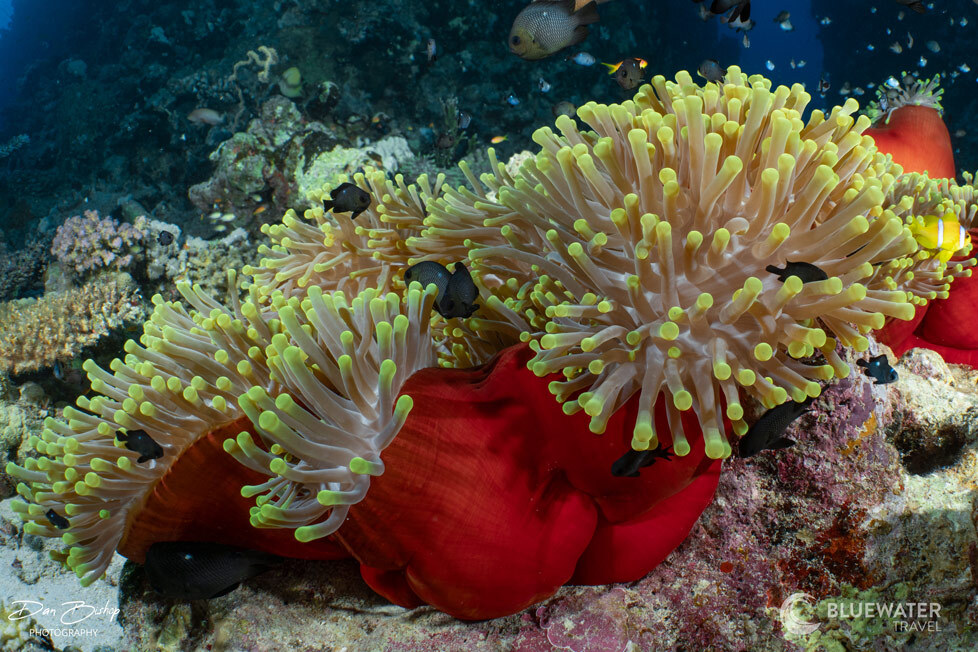
Day 4 was spend exploring the wreck of the Levanzo, followed by 2 dives further north at Abu
Shaga and Abu Tais. Here, we found some enormous anemones and a friendly octopus.

Swim-Throughs and a Manta Encounter
We travelled further north on day 5 to dive the St. John’s area, including sites such as Gota
Kebira, Umm Chararim, and Paradise Reef. Umm Chararim is unique in that it is largely a series
of connected shallow swim-throughs, which made for a very unique experience. Another highlight
was a manta ray that was swimming near the boat which we jumped in the Zodiacs to snorkel
with.

Spinner Dolphins and Final Deep South Dives
Day 6 was spent further north at sites Satayah Sud, Shaab Clauidio, and Abu Galawa Soghayr.
After the first dive, we were given the opportunity to snorkel with a pod of spinner dolphins. After
hunting at night, these dolphins relax in a nearby lagoon during the day. We saw ~200 on the day
we were there, but the local guide said there can sometimes be many more.


On our final day, we dove at two sites near Marsa Alam. Overall, the Deep South offers pristine reefs,
healthy marine life, warmer water, good visibility, and very few other boats.
All Star Liveaboards Scuba Scene Review
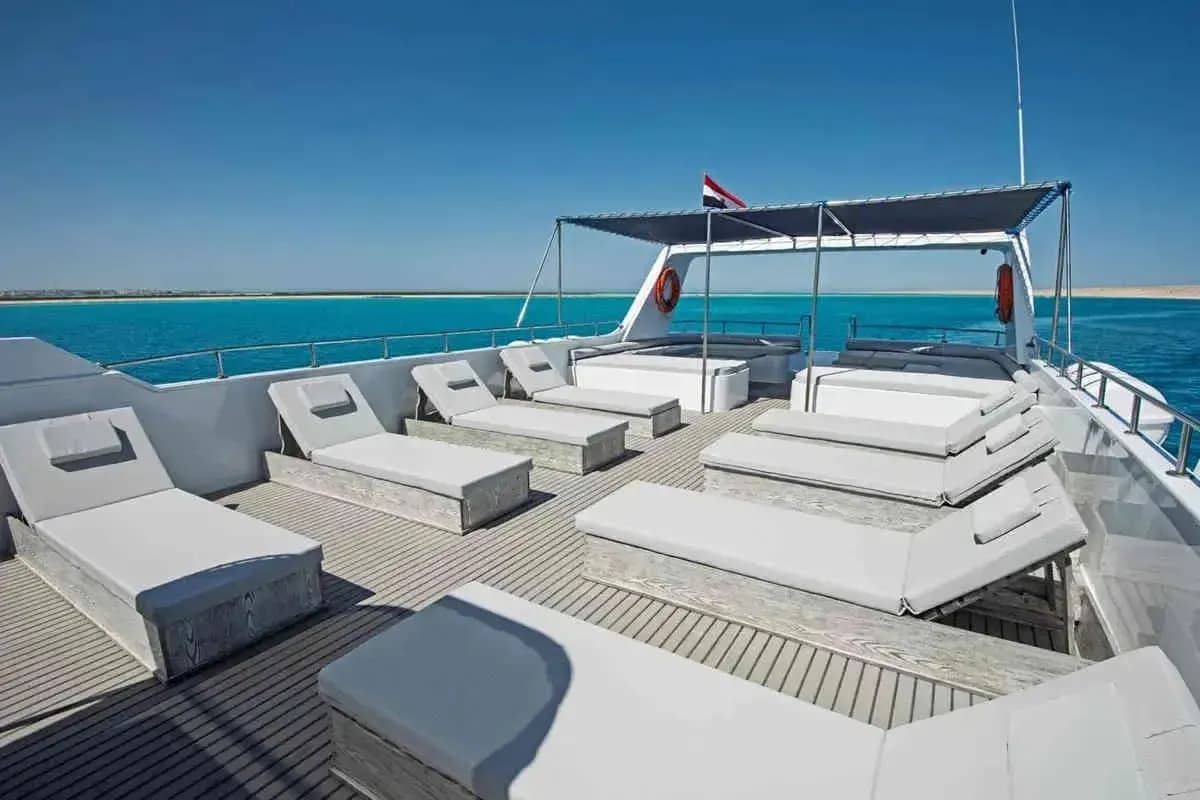
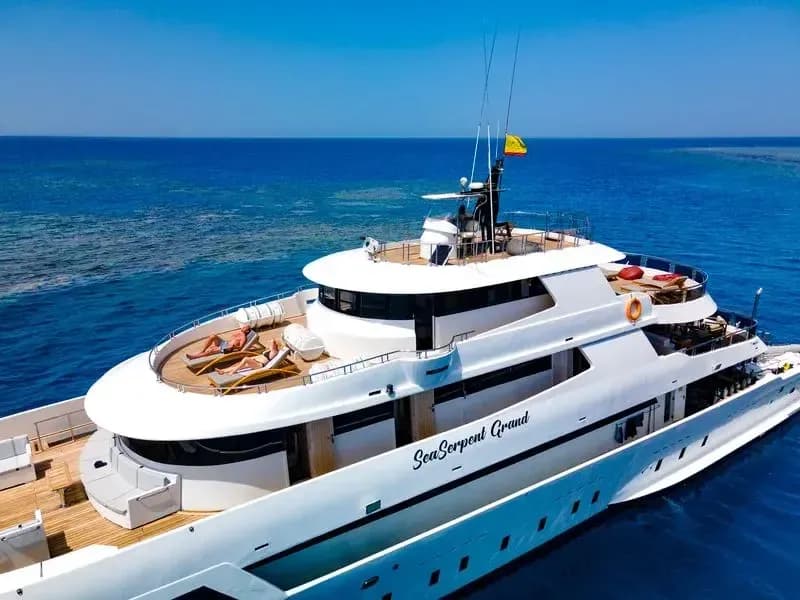
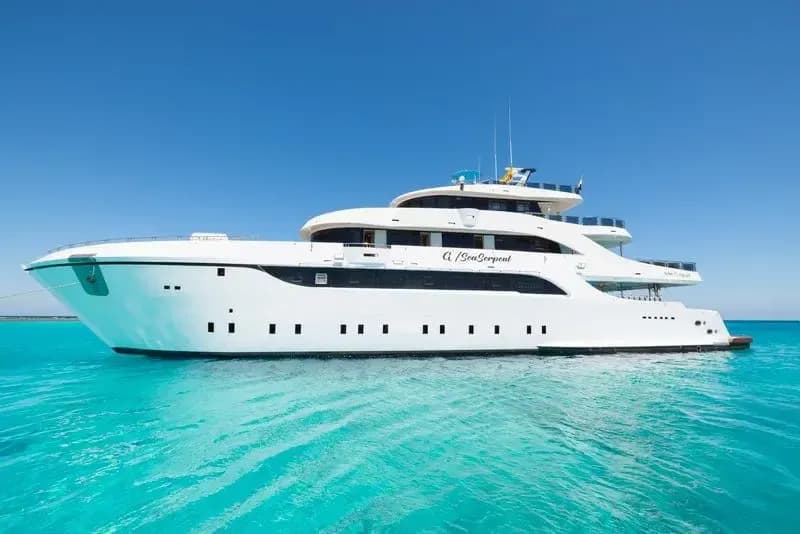
The Scuba Scene is a luxury liveaboard that operates in the Egyptian Red Sea. At 159ft long, it's
one of the largest liveaboards in the Red Sea, comfortably housing 28 guests. It is also one of the
nicest boats I've been on, both in terms of the boat itself and the first-rate service. Scuba Scene
runs trips with various Red Sea routes – the Northern routes (like the one I did) include world-class wreck dives, along with healthy coral reef sites. Central, South, and Deep South routes are
also available. For our trip, we embarked and disembarked from the pier at the Marriott in
Hurghada


The crew is exceptionally focused on guest's comfort, with some nice touches not found on all
liveaboards. For example, there are always crew members helping people in and out of wetsuits
and BCDs, rinsing wetsuits after every dive, and taking care of everyone's equipment. Guests are
offered a hot towel after each dive, as well as a cold or hot beverage.


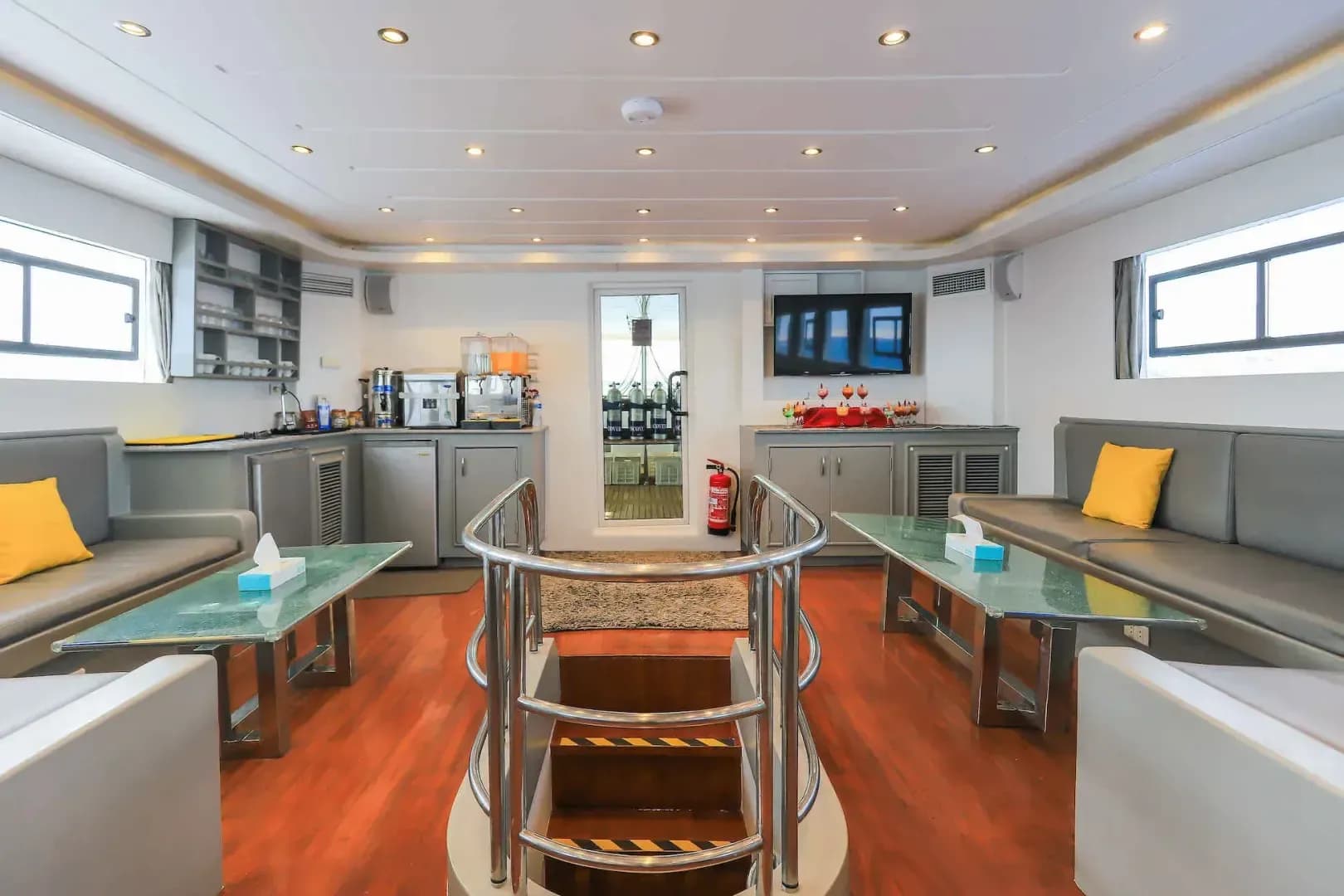
The dive operation is efficient and safety-focused. Dive briefings are held in the main salon and
utilize a large TV with dive site renderings to explain all aspects of the upcoming dive. Given the
number of wreck dives, historical information about each wreck is also provided. Guests have the
option to follow a dive guide or dive the site in buddy teams. There is a mix of drift and moored
dives depending on the site, and the speedboats are always ready to pick people up regardless of
the dive plan. Safety is emphasized, and all buddy teams are required to use a reel/SMB before
surfacing away from the boat. Nitrox is available, and guests are required to check their Nitrox
mix before each dive. We were offered 3-4 dives per day, including a night dive, depending on
location.


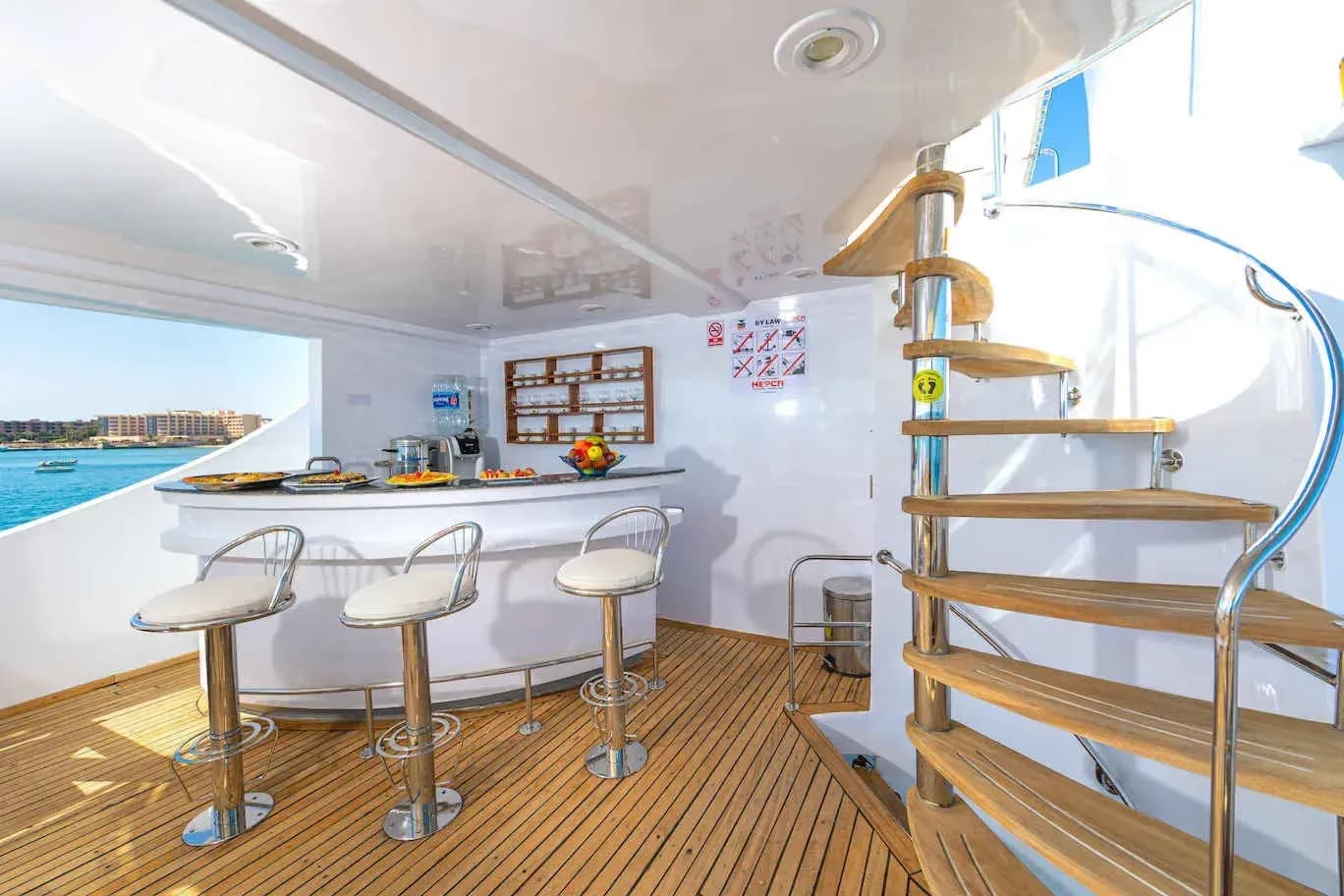
Launched in 2023, the boat is fairly new and feels very well maintained. All the areas are
spacious and comfortable, including the dive deck, salons, outdoor lounges, and dining area.
Given its size, it is also remarkably stable – even on windy days, there was little movement. There
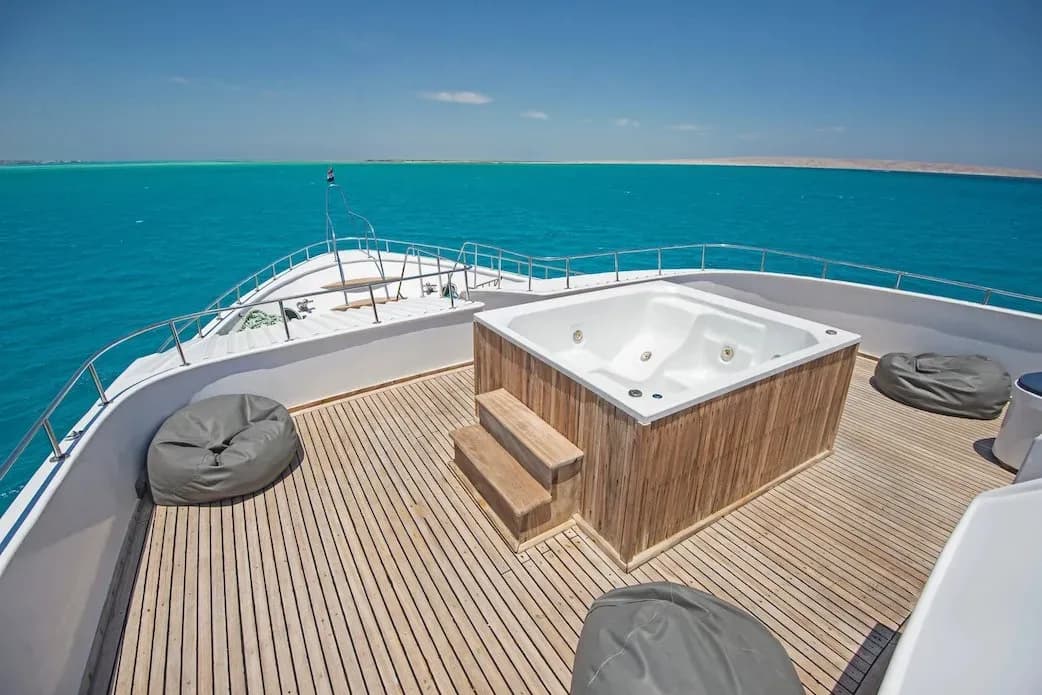
is a saltwater pool that is filled upon request, as well as a jacuzzi and sun deck. There is an
excellent camera room/area for those with cameras, and each station includes cubbies, an AC
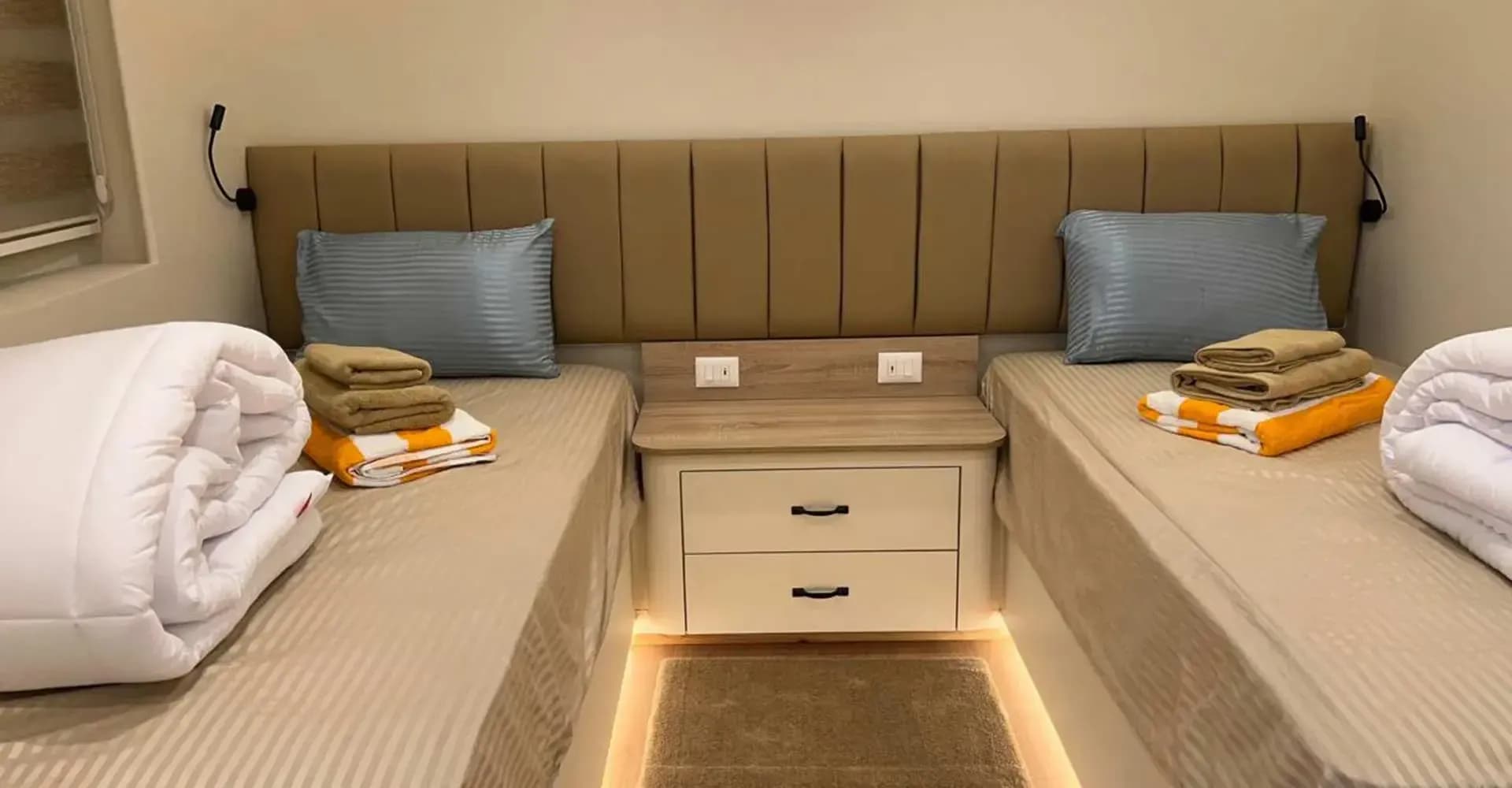
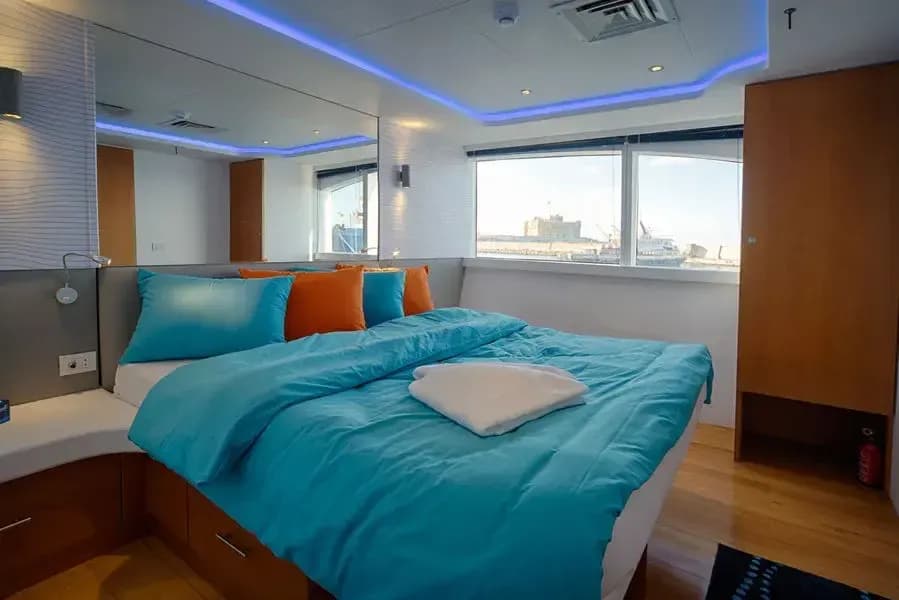
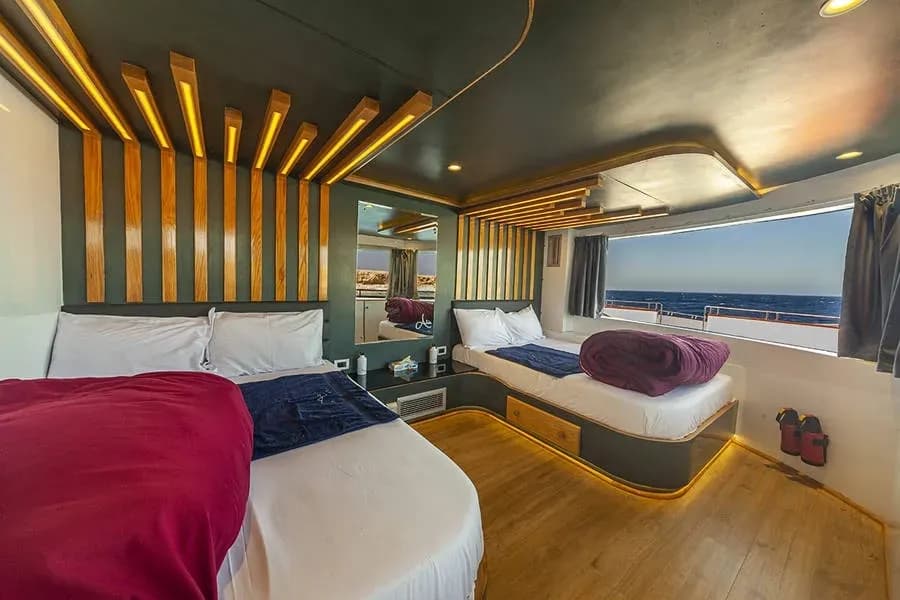
outlet, a drawer, and under-counter storage for camera bags. Cabins are also quite spacious,
each with its own AC control and bathroom. Most cabins can be configured as two doubles or a
single combined bed. Mattresses are very firm, which not everyone prefers. There is free WIFI
on board, but note it is cellular-based, so it is quite spotty.


The food was excellent and plentiful! Breakfast and lunch are done buffet style, with made-to-order eggs available at breakfast. Dinners are done restaurant style, and include a soup, starter,
main course, and dessert. There was typically a good mix of local as well as western style food.


Overall, the Scuba Scene is an exceptional liveaboard and a great choice if you want to check out
the Red Sea. For another liveaboard option departing from Hurghada, check out the Anemone.
Red Sea Destination Review
The Egyptian Red Sea offers abundant diving, so much so that you’ll need to choose which area
you’d like to dive on a given trip. Generally, the Egyptian Red Sea is divided into Northern,
Central, South, and Deep South routes. In April 2025, I had the chance to dive the Northern and
Deep South (Elba Reef) routes.
The Northern routes are best known for the many accessible wrecks, along with protected reefs
and abundant marine life. Spring and Fall are generally considered the best times to dive the Red
Sea – the water has warmed up a bit, visibility is generally decent, and the heat of the summer
can be avoided. In April, for example, water temps are 70-72 degrees. Many liveaboards depart
from Hurghada, which is a direct flight from several European cities. Note that this area can be a
bit crowded given its proximity to ports such as Hurghada.

The wreck diving in this area is abundant. Notable wrecks include the Thistlegrom, the Dunraven,
the Carnatic, the Giannis D, and El Minya just to name a few. Most of these wrecks have been
submerged for quite some time and have developed a marine ecosystem of their own.
Penetration is possible in many of the wrecks. In addition to the wrecks, there is a nice reef
system to be explored. Ras Mohamed National Park, in particular, has healthy corals and fish
populations.
While harder to get to, the Deep South Routes offer pristine reefs, warmer waters, and far fewer
boats. Boats generally depart from the Marsa Alam / Port Ghalib area, or Port Berenice. Marsa
Alam does have an international airport, or you can fly to Hurghada and travel ~3 hours south to
Marsa Alam. Port Berenice in another 3 hours south. When I was there in April 2025, water temps
were 74 – 78 degrees and visibility was generally good.
There are a few different Deep South Routes to choose from. I was on the Elba Reef route, which
is the furthest south you can go - in fact, we crossed the Sudan border at one point. The marine
ecosystems in the south are vibrant, with healthy hard and soft corals, plentiful fish species, eels,
and rays. At some sites, there are long, connected swim-throughs which offer a unique diving
experience. There are also sites where large pods of friendly spinner dolphins can be found
relaxing in lagoons.


As an Alternative consider joining our Super All-Inclusive Cozumel Group Trip 2026 for an unforgettable diving adventure in Mexico's Caribbean waters.
Author

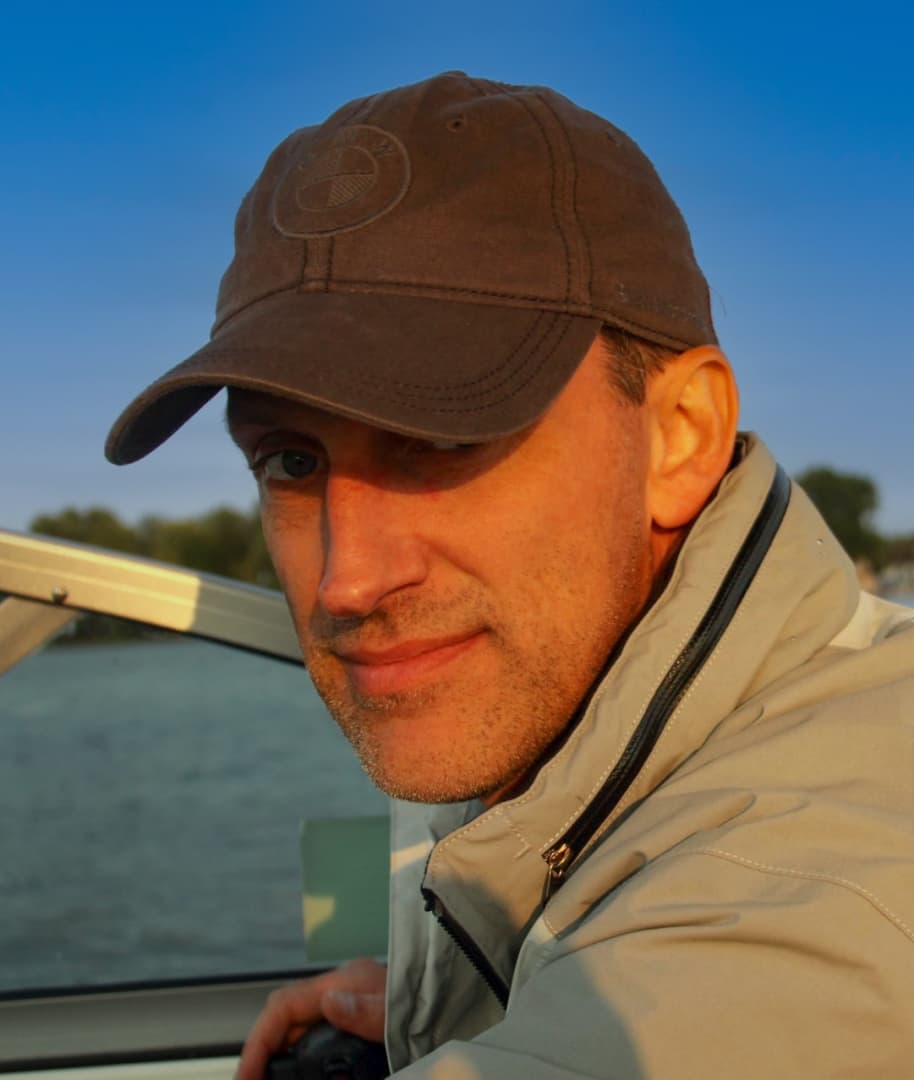
Dan Bishop
Dan is an accomplished underwater photographer based in northern Virginia. He did his first dive at age 14 and has been an avid photographer for more than 30 years. Initially a skydiving photographer and videographer, Dan transitioned his focus to the underwater world, driven by a desire to capture the ocean's stunning beauty. Dan is skilled in both wide-angle and macro photography and has a passion for sharing his knowledge with others, particularly in a structured workshop environment.
View more of Dan's work here: DanBishopPhotography.com
Learn more about Dan with this amazing video!
-optimized.webp&w=640&q=75 "Moorea Trip Recap August 2026")


-optimized-optimized.webp&w=640&q=75 "Solomon Islands Trip Recap 2026")