

Group trip
Expert advice on diving,
seasons, and logistics
Free planning help
when you’re ready to book
Exclusive dive packages
tailored for you
Group trip
Special
Special
Special
Group trip
Group trip
Group trip

Group trip
Diving in Socorro, or the Revillagigedo Archipelago (its official name), is the best diving I’ve done anywhere. On our 2025 Socorro photo workshop we had giant mantas hovering in our bubbles, shark “cuddle puddles” at Roca Partida, dolphins and even a curious humpback—alongside long crossings, strong current and blue‑water safety stops. Socorro diving is a true big‑animal adventure best suited to experienced divers who want close encounters with mantas, sharks, whales and more.
Socorro scuba diving is an underwater adventure filled with exciting encounters with large marine animals, including friendly giant manta rays, playful dolphins, breaching humpback whales, whale sharks, various rays, and over seven shark species when conditions line up.
Already seeing these majestic islands—San Benedicto, Socorro and Roca Partida—from the boat is a stunning sight. They seem almost otherworldly and truly wild. Socorro Island is nicknamed Mexico's "Little Galapagos" due to its unique ecosystem that attracts large pelagic animals. The archipelago hosts some of the world's best dive sites for large pelagics, comparable to other Pacific destinations, namely the Galapagos in Ecuador, Cocos Island in Costa Rica, and Malpelo Island in Colombia. Among these amazing scuba diving destinations, Socorro Island is the easiest one to get to from the Americas and most parts of the world.
My most memorable dive was at The Boiler, where I had dolphins, a whale shark and a huge manta ray all swimming toward me at the same time. On another visit I even saw a dolphin giving birth at this site. Encounters like this are why I’d choose Socorro over any other destination.
-optimized.webp&w=640&q=75)
Expert insight from Scott Gietler, Founder & CEO of Bluewater Travel
Having visited most major dive destinations in the world - I can honestly say that Socorro is imho one of the most underrated dive destinations. You have friendly giant manta rays, lots of sharks including hammerhead sharks and galapagos sharks, dolphins, whale sharks, and the occasional humpback whale.
Close, extended encounters with 25 foot wide manta rays are not uncommon at all. These encounters are what make it not just a great destination, but a special place.
To top it off, it’s simple and easy to travel to from anywhere in North America. The sharks and manta rays alone make this trip incredibly worth it. There are direct flights to Cabo, Mexico from many cities, and going from the airport, to a hotel, to a boat is simple. And there’s so much to do and see after the trip in the area around Cabo.
If you want big animals, without the travel time and expense of Cocos or Galapagos, Socorro really delivers. My dives in Socorro are some of my most memorable dives anywhere.
– Scott Gietler, Bluewater CEO
Note: Marine park fees for Socorro are increasing substantially in January 2025. For more information, read our article, Socorro Marine Park Fee Increase: What You Need to Know.
See our comparison article on diving Socorro, Cocos, and Galapagos.
Interested in diving Socorro? View availability of liveaboards in Socorro and book online at the best price!
Socorro Island is a small volcanic island situated about 400 km off Mexico's west coast. Diving Socorro is renowned for encounters with the world's friendliest manta rays and other large marine animals like sharks, dolphins, tuna and whale sharks.
Socorro Island is one of the four main islands that form the Revillagigedo Archipelago in Mexico. Socorro Island, Roca Partida, San Benedicto and Clarion make up the Revillagigedo UNESCO World Heritage Site and are all amazing spots for scuba diving. These four islands combined are commonly referred to as the Socorro Islands or simply "Socorro".
Diving Socorro is also relatively straightforward to reach from the US: divers fly into Los Cabos International Airport (SJD) and transfer to their liveaboard in either San Jose Del Cabo or Cabo San Lucas.
More on How to Get to Socorro or View Socorro's Location on Google Maps
See this amazing video of diving the Socorro Islands:
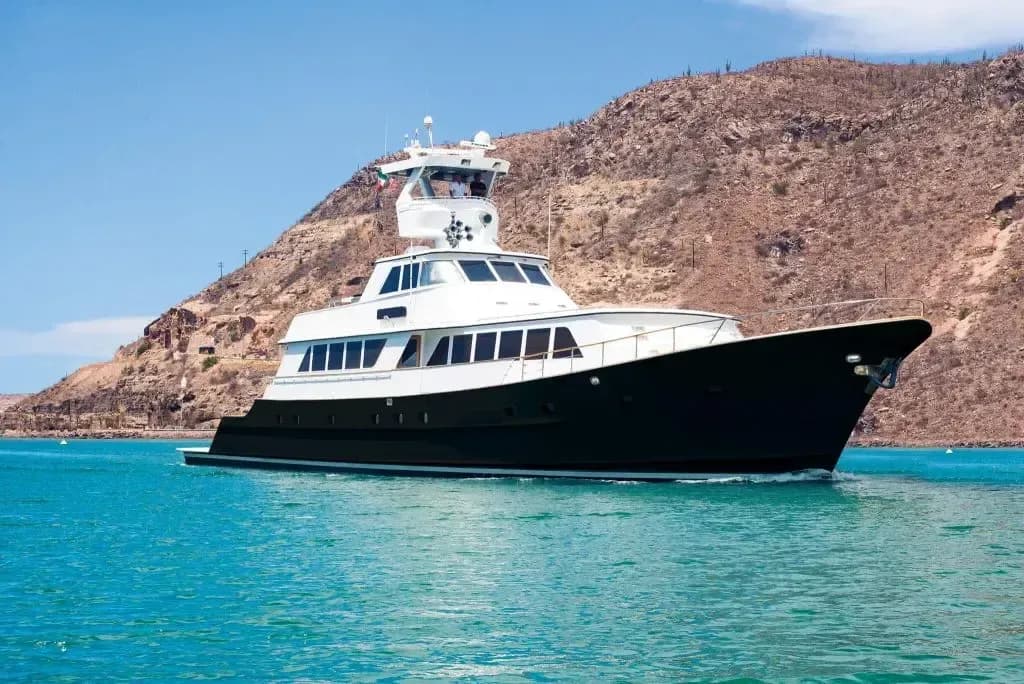
A liveaboard is the only way to reach the majestic Socorro Islands. The archipelago lies about 320 nautical miles offshore of Cabo San Lucas, and the crossing takes roughly 20–24 hours, so the boats are built for open sea and you can experience some swell. During the diving days the mothership remains at anchor and dives are conducted from smaller inflatable skiffs, which drop you right on the site and pick you up as you surface. Sites are large and open‑ocean, so safety procedures and surface‑signalling devices are important, but once you’re there the focus is on letting the animals come to you rather than racing around different sites.
The only way to scuba dive in Socorro is via liveaboard, and there are plenty of options ranging from budget to luxury. Most Socorro trips last 8 nights and the crossing from Cabo to Socorro typically takes about 24 hours. Check out the liveaboards of our Preferred Partners—Nautilus' fleet of vessels: Belle Amie, Explorer, and Under Sea; the Solmar V; the Quino El Guardian, and Rocio Del Mar.
Booking with us is free
Trusted by 10,000+ Divers worldwide
The scuba diving season in the Socorro Islands runs from November to May, and liveaboard itineraries follow this window. In my experience, it honestly doesn’t matter when you go—every trip is unique, and even returning to the same site on the same day can feel completely different.
The best time to dive Socorro depends on what you want to see and what conditions you are comfortable with. Manta rays and various sharks are present year‑round. Humpback whales with calves are around the islands from roughly January to April, and whale‑watching between dives is common. With a bit of luck, you can even spot a humpback underwater.
November and December are the warmest months to dive Socorro, with temperatures reaching about 27°C / 80°F. This is also peak whale shark season, so if diving with whale sharks is on your bucket list, these months are ideal.
From January to April the water is cooler, but this is when humpbacks are around in the highest numbers. Water temperatures then warm up again in late April and into May, which marks baitball season—when you can witness many predators hunting, including sharks and tuna.
For photography, I treat November–December as clear‑water wide‑angle season, perfect for clean manta and schooling‑fish images, and January–April as the time to hope for humpback encounters and moodier shark shots. A fisheye or other very wide‑angle lens works best year‑round, and a good video light helps bring back colour on deeper or overcast dives.
Bluewater Travel hosts an annual trip to Socorro in March—a time when marine life is abundant and there is a chance to see or swim with humpback whales.
Join our next trip to Socorro in February 2027!
I recommend Socorro for experienced divers because it’s exposed Pacific‑style diving: rough seas are possible, currents can be strong and most dives are in blue water around big volcanic structures. That said, a skilled and confident beginner with recent dives, good buoyancy and comfort in open‑ocean conditions can also enjoy Socorro with the right guidance.
The islands often experience rough seas and strong currents, which attract the rich pelagic life. The dive sites are rugged, with rocky structures and some huge walls. It’s the perfect place for wide‑angle photography and big‑animal encounters, rather than easy, shallow reef diving.
For a location suitable for all experience levels, read our guide to diving in Cozumel, Mexico here.
Most Socorro liveaboards recommend at least Advanced Open Water (or equivalent certification) and a solid base of logged dives, including recent experience in currents and deeper water. This isn’t resort‑style diving: entries and exits are from inflatable skiffs, many dives are in the open ocean around pinnacles and walls, and blue‑water safety stops are the norm.
Typical Socorro itineraries run 8–10 days, with around five full dive days and up to three or four dives per day, conditions and marine life permitting. Because the season is limited and trips are popular—especially in peak humpback or whale shark months—it’s wise to book 9–12 months in advance if you want the most choice of boats, dates and cabins.
In addition to your standard kit, I always recommend a full 5 mm wetsuit with a hooded vest, a DSMB and whistle or DiveAlert for signalling, and, where available, a personal locator beacon for extra safety on open‑ocean dives. Socorro’s marine park fees have risen in recent years, so factor those into your budget and check our dedicated article for the latest details.
On this trip we started at San Benedicto’s Boiler with eight giant mantas circling the pinnacle, rolling through our bubbles and making repeated close passes for full dives. At El Cañón we sat in a circle around the shark cleaning station and had silvertip, whitetip reef, Galapagos, silky and scalloped hammerhead sharks all within photography range over the course of the day. At Punta Tosca a small humpback whale made a slow, curious pass past one of our groups while singing vibrated through everyone’s chest.
Conditions were typical Socorro: 70–75°F (21–24°C) water, moderate to strong current on some dives, surface swell and blue‑water safety stops on most sites. We had some low‑viz dives and slower animal days mixed in, but across ten days everyone came home with “lifetime” manta encounters and solid shark, dolphin and pelagic shots.
If you’d like to see how conditions and marine life change from year to year, explore our detailed Socorro trip reports. These first‑hand logs include daily dive notes, photos and honest commentary on what each expedition was like.
You can browse all of our Socorro trip reports here.
The Revillagigedo Archipelago is home to a bounty of sought‑after marine animals, so pack your wide‑angle lens or action camera and get ready to capture unforgettable encounters. Expect manta rays, sharks, whales, dolphins, tuna, whale sharks and plenty of other fish during your dives in Socorro. This is very much a wide‑angle, big‑animal destination where large subjects regularly come very close to the lens.
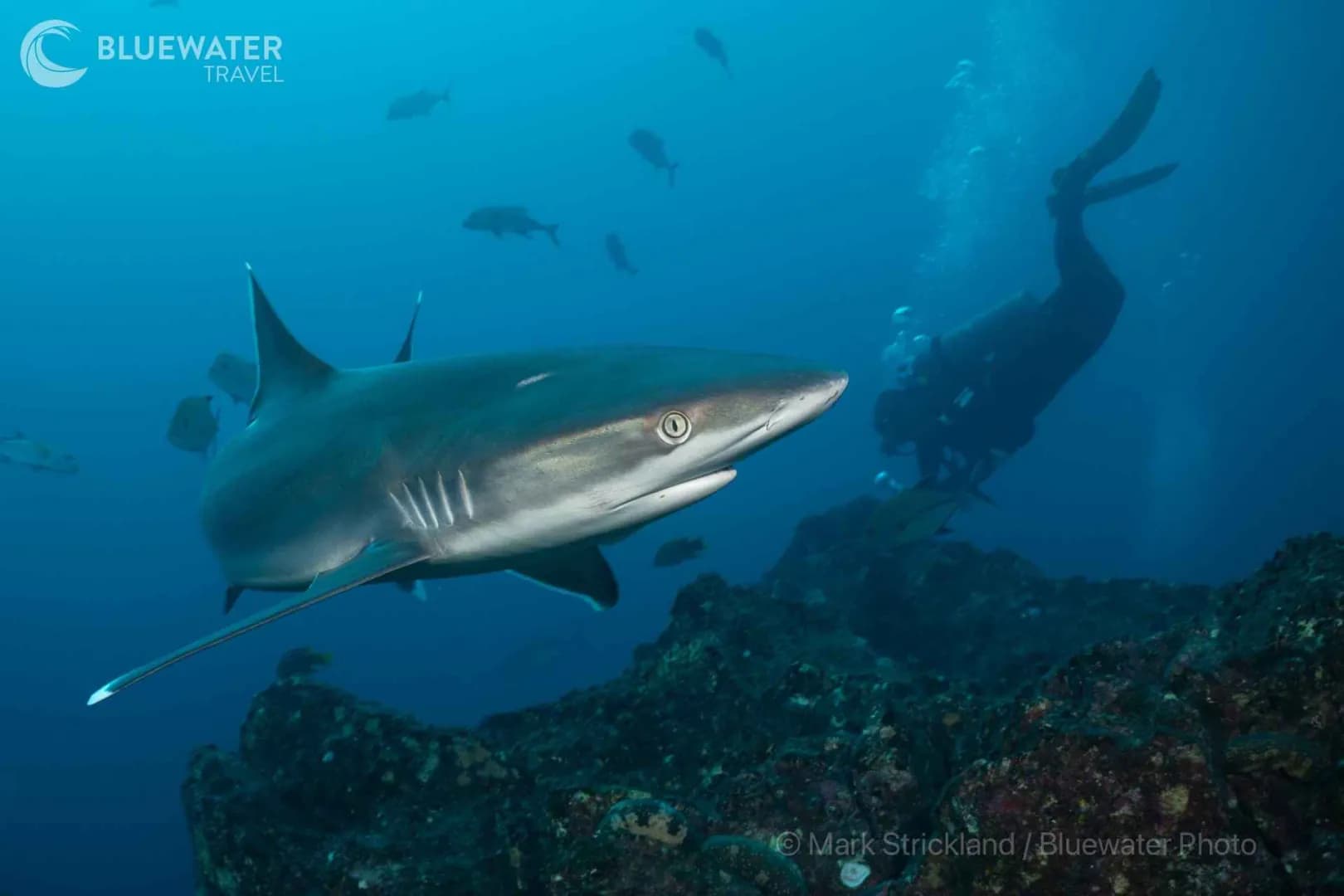
From my own dives here, the stand‑out is the animals’ behaviour: giant mantas (Mobula birostris) swim right up to you and pass overhead just inches away, clearly enjoying hanging in your bubbles. The resident bottlenose dolphins often come incredibly close and love to play—on many days they even seem to enjoy being gently scratched. Over eight shark species can show up regularly: silvertips on the Canyon’s cleaning stations, whitetips stacked on the balconies at Roca Partida, Galapagos sharks, schooling hammerheads in the blue, plus whale sharks in the first and last months of the season. Silkies often circle under the liveaboard hulls, which can be fantastic even for snorkellers.
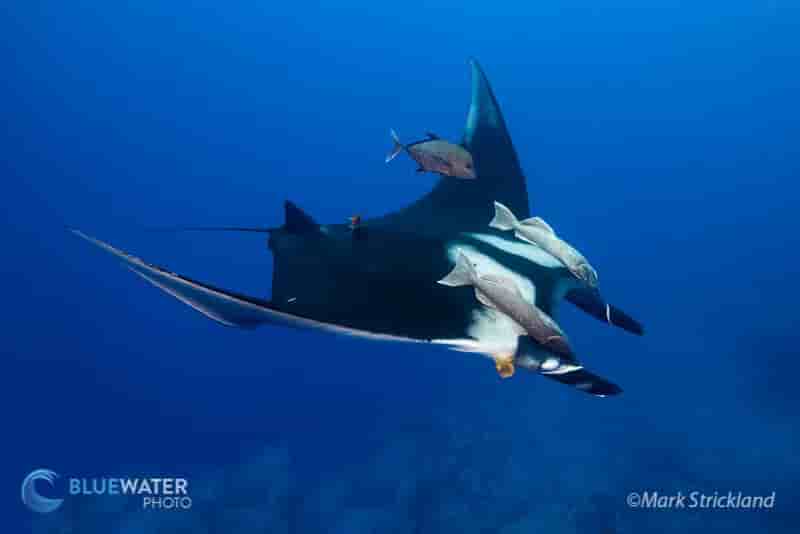
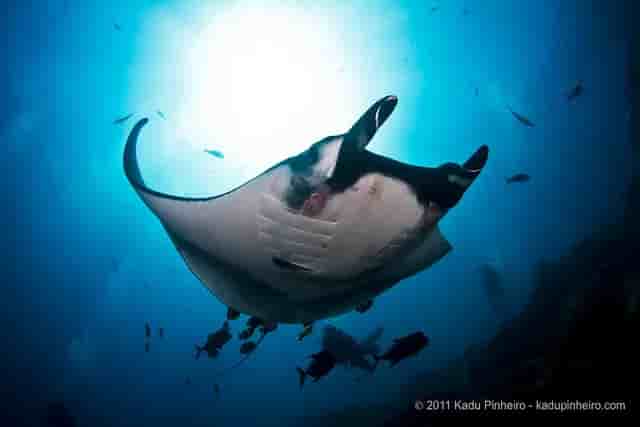
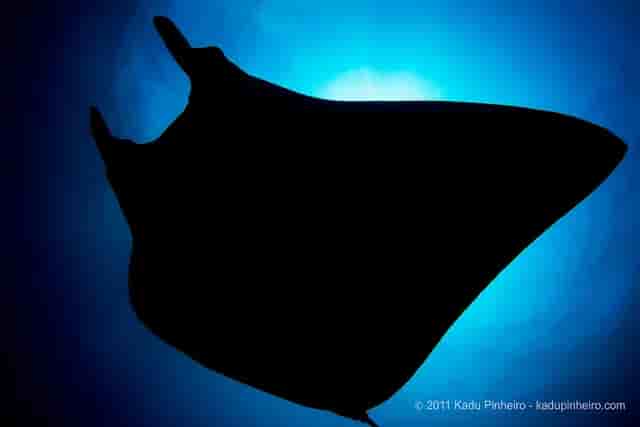
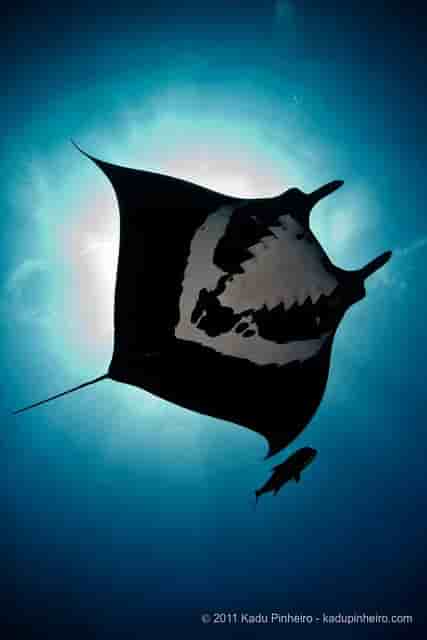
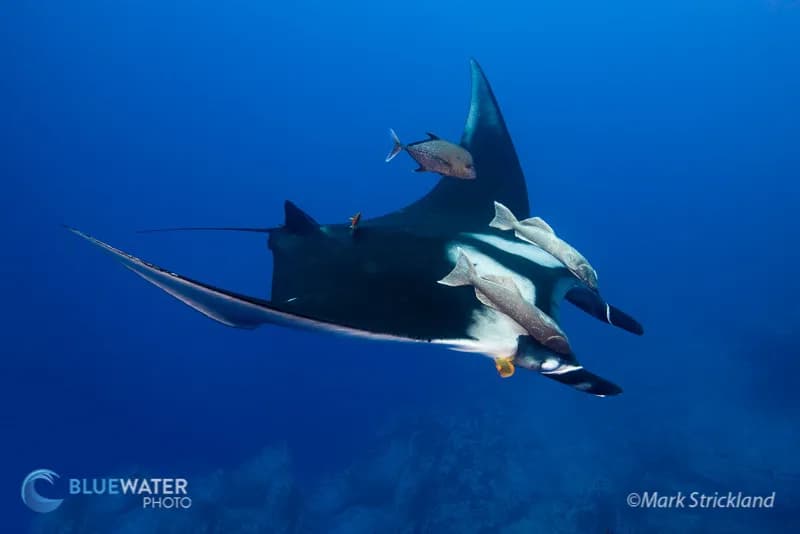
Experience diving with friendly majestic manta rays year-round in Socorro, a destination well-known for its manta cleaning stations. Observe these gentle giants and capture incredible underwater images and videos as the mantas glide around the cleaning station and play in divers' bubbles.
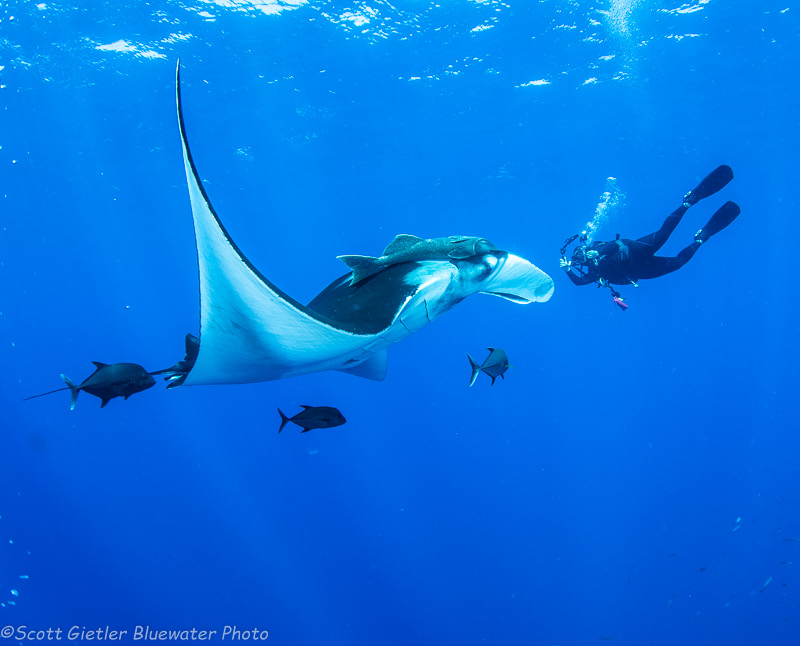

If you're not careful swimming with manta rays in Socorro could turn into an addiction that's hard to break. They're incredibly friendly! Photos by Scott Gietler & Nirupam Nigam.
There aren't many places in the world that can match the manta ray experience in Socorro. The giant manta rays in Socorro seem to seek divers out as they swim directly overhead and enjoy the bubbles hitting their unique bellies. Having visited so many places in the world, our team of travel advisors agree that swimming with manta rays at Socorro Island is something that should be on everyone's scuba diving bucket list.
For another awesome manta ray destination, check out our Maldives liveaboards.
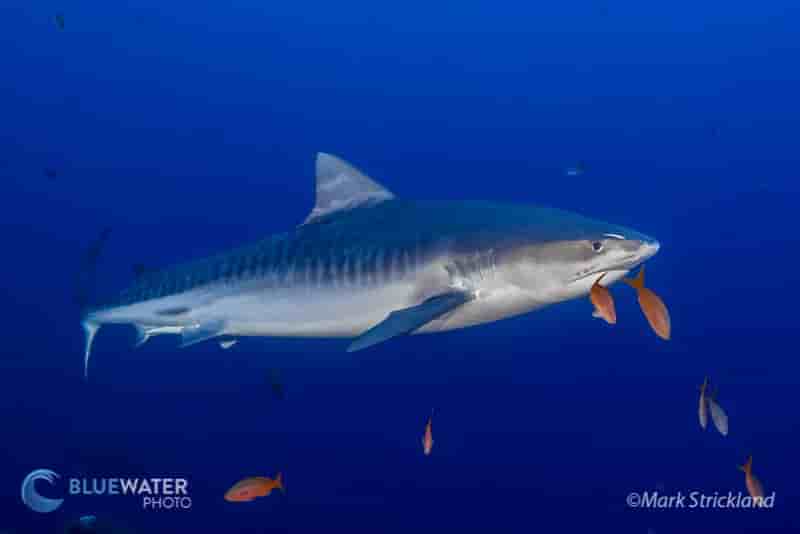
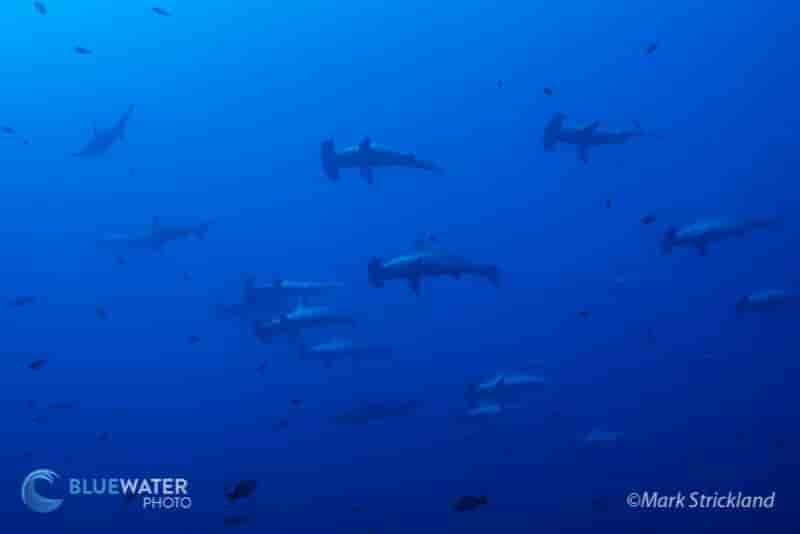
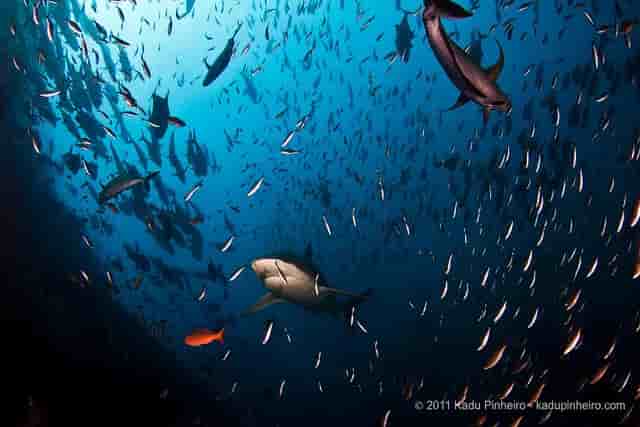
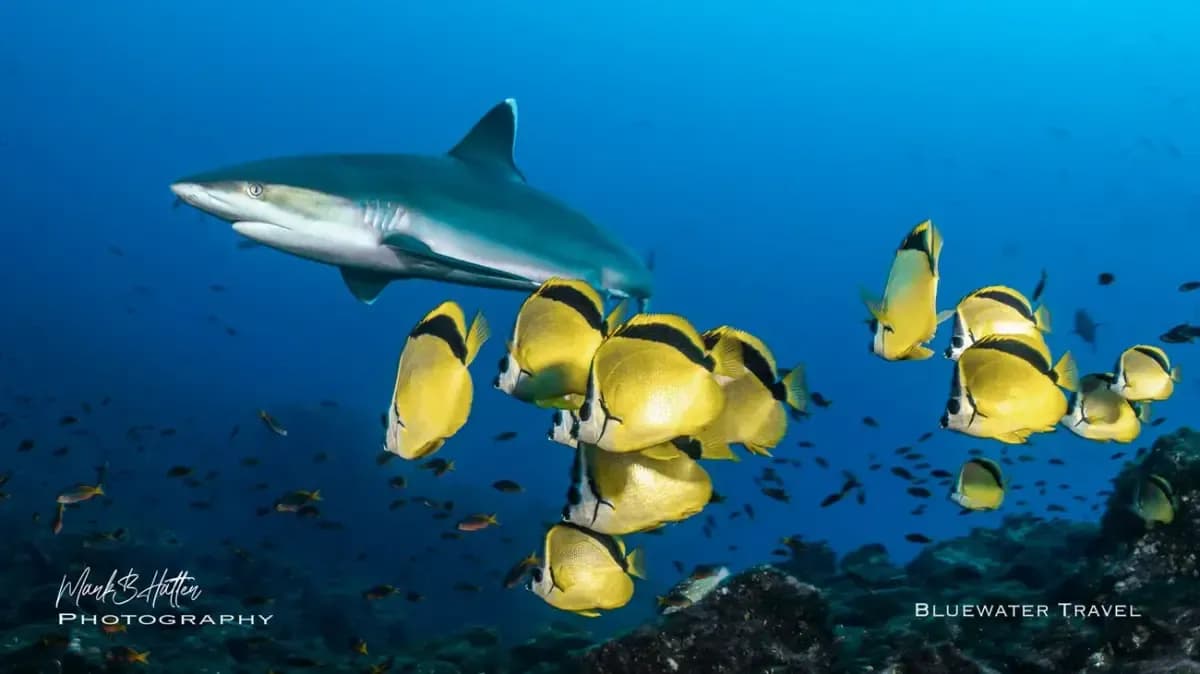
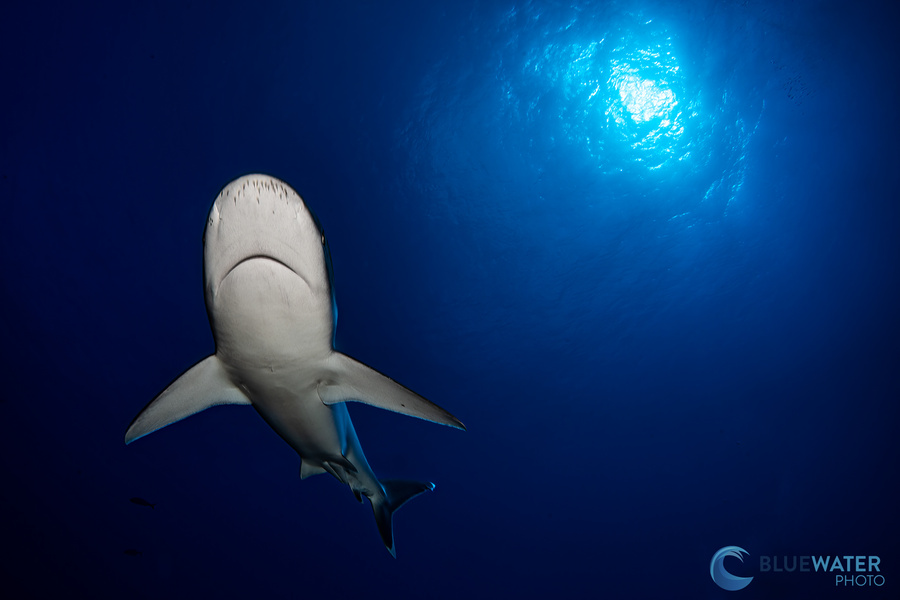
Shark lovers, rejoice! Galapagos, silky, silvertip, whitetip and hammerhead sharks are common in Socorro, enabling you to check off multiple bucket list species on one dive trip. It is even possible to spot tiger sharks with some luck. The shark dives in Socorro Island are simply world-class, placing this destination high on our list of best locations for shark diving.

Hundreds of silky sharks enveloping divers in an epic feeding frenzy. Photographed during a Bluewater trip in March 2018.


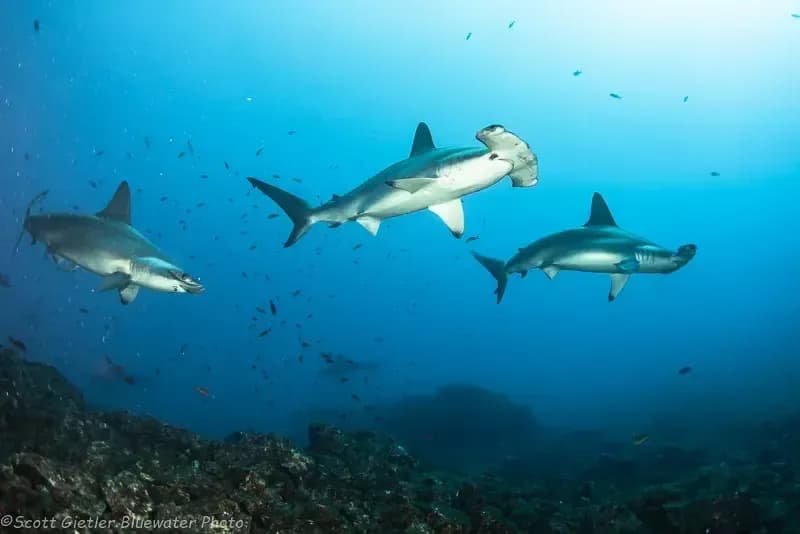
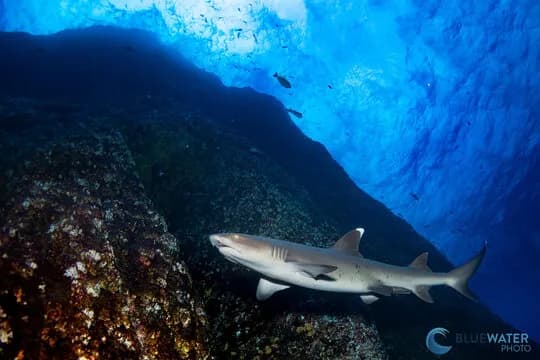
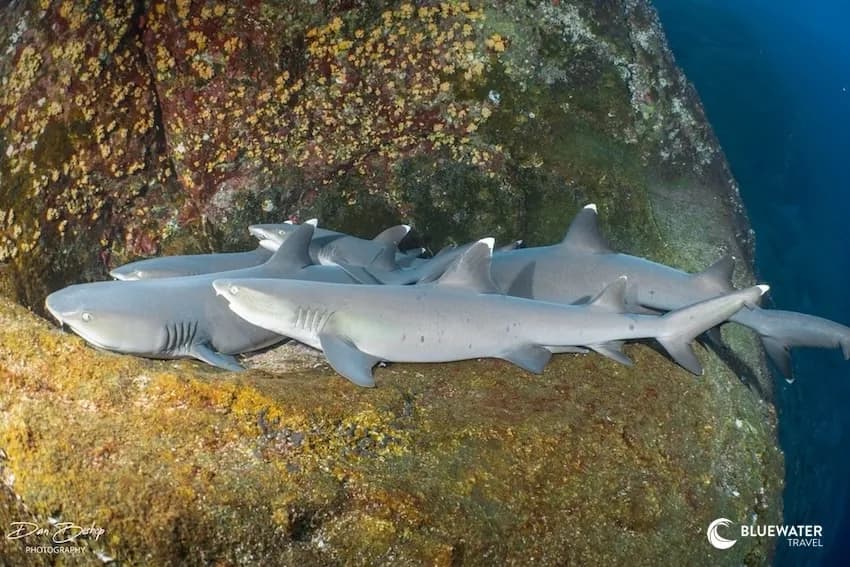
Whitetip reef sharks sleep (top) and a school of hammerhead sharks (bottom). Photographed during Bluewater's 2023 Socorro trip.
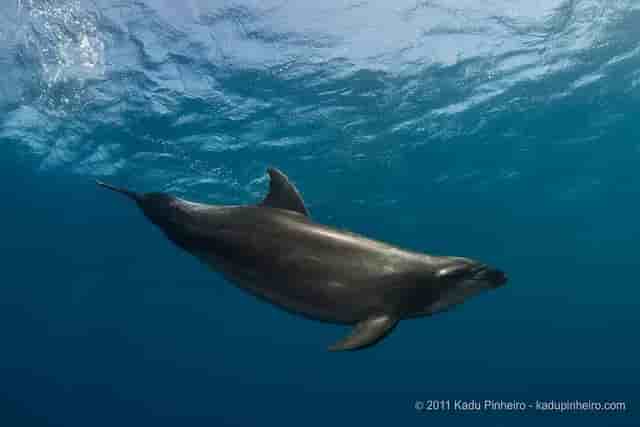
Another "signature experience" at Socorro Island is swimming with a group of bottlenose dolphins that often visit divers and typically make several close passes. Experiencing intimate encounters with dolphins in their natural habitat is remarkable, as these curious mammals often seem to put on a show of their own for divers.

Seeing a pod of dolphins during a dive is not uncommon.
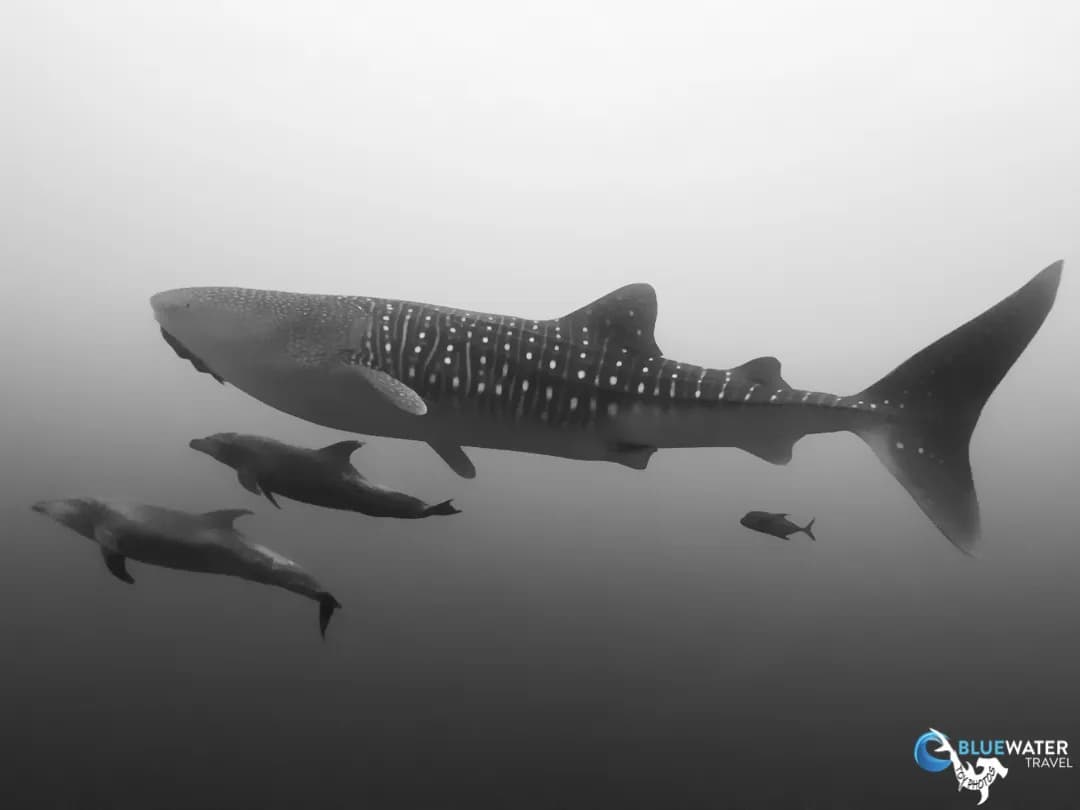
Whale sharks are most frequently spotted in November and December, and schools of pelagic fish like jacks and barracuda regularly cruise the waters around Socorro. Divers often see large gamefish like tuna, wahoo and marlin—something few other destinations can offer.


A tuna (L) and a whaleshark (R). Photos by Tim Yeo.
When the water cools in February and March, divers are often treated to humpback whale sightings. Lucky visitors can see the whales spouting and breaching the surface of the rugged sea from the liveaboard, and if you're really lucky, you can even swim with them or spot them underwater during a dive.
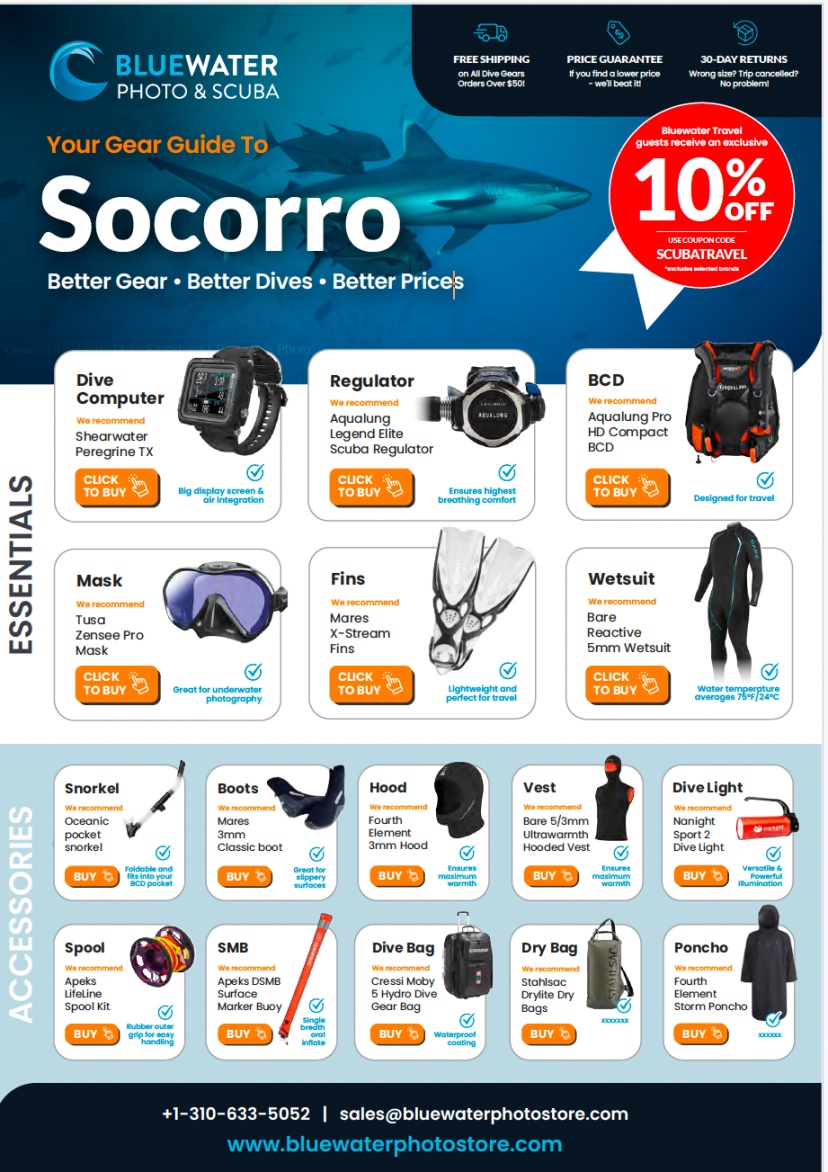
Download our full scuba gear guide to Socorro—Bluewater Travel guests receive 10% OFF!
I strongly recommend Advanced Open Water (or equivalent) and good recent experience in currents and deeper water. A skilled, confident beginner can enjoy Socorro with the right guidance, but this is not a first‑ever ocean dive destination.
Most liveaboards offer around five full dive days with up to three or four dives per day, weather and wildlife permitting. One day is partly used for check‑in with the Mexican Navy.
Whale sharks are most frequently seen in November and December. Humpback whales with calves are around the islands roughly January to April, with the highest chance of hearing whale song on dives in February and March.
Read more first-hand experiences in our Socorro trip reports .
Booking with us is free
Trusted by 10,000+ Divers worldwide

Jessie Hug is a highly experienced professional in the dive industry with over 12 years of experience. She is originally from Switzerland but currently resides in La Paz, Mexico, and is fluent in multiple languages including English, German, French, and Spanish. Jessie has worked and dived in various popular and remote destinations worldwide including Honduras, Mexico, Indonesia, and the Maldives.
As a PADI IDC Staff Instructor and SSI Instructor, she has certified hundreds of student divers.
She possesses exceptional knowledge and skills in the field of scuba diving. After many years diving in resorts, she has worked the last 5 years on liveaboards, where she could truly enjoy her passion for the marine megafauna.
Jessi won Top Sales Agent of 2024 for Bluewater Travel!
I have been lucky enough to go to Socorro on several occasions and I would go back in a heartbeat. I think it's heaven for big fish diving!!On every trip, I had intimate interactions with mantas (yes, they do look right into your soul), I played with dolphins that came so close they sometimes brushed up against me, I saw dozens and sometimes close to 100 hammerheads and unnumbered white tip reef sharks (especially in the Roca Partida balconies). My favorite shark, the silvertip shark, is also often encountered, especially at Roca Partida and the Canyon. I saw whalesharks cruising by, unbothered by the divers and they do get pretty big in Socorro. On only one occasion, but it will be an image forever burned into my memory, a humpback whale swam right up to the dive site Roca Partida.My top dive site is the Canyon, especially on early morning dives. You never know what you will see at the Canyon (but it has a shark cleaning station with silvertips, big galapagos sharks and hammerheads).The conditions can be choppy occasionally and some current may be present. But if you stick close to the guides you will quickly learn where you should be for the best sightings with the least effort.I would recommend Socorro to every intermediate and advanced diver who loves sharks and marine mega-fauna. It's a truly magical place!
I primarily booked the Socorro trip to prep for my Galapagos trip that was coming up in 3 months . I wasn’t expecting to see a whole lot on that trip, to be honest , a Mexican Galapagos , more like a sidekick to to the Ecuadorian Galapagos. But was I pleasantly surprised at how beautiful it was. Overall I preferred Socorro to the Ecuadorian Galapagos. On our Galapagos trip ( Ecuadorian ) a number of divers felt the same way. My favorite dive sites were El Canyon for the hammerheads , Roca Partida for the shark caves & El boiler for a v. interactive manta experience. They come up to each diver so no one feels left out.
Fine, really fine pelagic quarry diving and in our backyard (from NW US that is)! Our last several trips involved tortuous amounts of time in airplanes and ports but not so Socorro and yet the payoff is up there on the "best" scale. This November in the Revillagigedo islands, we made the CLOSE acquaintance of at least 4 whale sharks including a calf, saw white tips stacked like cord wood, Galapagos, Silvertip, and Silky shark cruised within 20 feet. Hammerheads, as they tend to, stayed on the blue edge. We have seen more than a few mantas elsewhere but these were there to entertain, coming in multiples and staying for the length of the dive. Octopus, turtles,humongous lobster, morays in most nooks, we had absolutely no shortage of sightings. Topside all there was time for was excellent eating and welcome beds before time to get deep again. Currents added some spice but not excessive danger to the experience. Visibility was affected by the storm crossing our path but was 75 ft at worst. Water temp was 74-80 degrees, we wore 5mm's to keep warm on successive dives. Our crossings a bit rough but hey, this is the Pacific and the dolphins were there for diversion. If you have dived enough to gain respect for open water and essentially bottomless sites, Socorro is for you!
Diving the Isla Revillagigedo has always been on my bucked list. I was finally able to cross it off in early December 2013. A short flight from LAX brought us to Cabo San Lucas. We overnighted in Cabo, and the next afternoon boarded theboat for the 22 hour ride to the islands. Our first stop was Isla San Benedicto. The boilers had a few manta rays circling us. Our next stop was Roca Pardita. A rock in the middle of the ocean, known for lots of pelagic fish cruising by. But not when we were there. I did see a group of hammerhead sharks deep. The pile of white tip sharks in the crevices was worth the ride. Then off to Isla Soccoro. Cabo Pearce had dolphin, turtles, schooling fish, lobsters and manta rays. Finally back to San Benedicto, and The Canyon. Dolphins and more mantas. Our final destination was The Boilers once more. And, more mantas.This trip was basically Manta Madness. We had up to 7 flying carpets on one dive. I was told to make lots of noise. Apparently mantas like that sort of thing. I tested it. A manta would come by, I sang and screamed, it circled and circled. Same manta would swim by later in the dive. I was mute. It slowly glided by. Even later in the dive, said same manta approached, I sang and screamed (some say it's the same). Said manta circled and circled. I was perplexed why are the mantas approaching us bubble breathers? We don't offer food, nor cleaning. We aren't even allow to touch them. I think they're just as perplexed at the insane bubble breathers. A behavior I thought interesting, they would unwind their cephalic lobes in my face, and wind them back up. I wasn't sure what was proper reply was, so I just sang and screamed. Also, a manta with no tail, would come straight at me (and others), shoot straight up. Then like a stalled biplane, drop back down. Recover and do it again. I had always thought that mammals only did things for FUN. I was wrong, these guys may have had more fun the we had.I would consider this a fairly advanced sort of trip. Long bumpy boat ride (bring your meds). Help is a long way away. Large ocean swells, and currents. But the reward is great big animal encounters. I tend to do macro videography. I even brought my macro stuff along. Save luggage weight, leave the macro stuff at home. His is a wide angle adventure.My video of can be seen athttp://youtu.be/jpvltm_n1i4Please give it a like.
I attended the Socorro photo workshop with Bluewater in March 2017. The daily workshops were fun and also informative for everyone on our boat, from novice photographers to experienced professionals. We learned tips and tricks about lighting, framing and even post-processing. I have since applied a number of the techniques during future trips and have noticed significant improvement in my photos. Thanks Erik!I rated Socorro as a destination as 4 stars because the conditions can be intense (especially the crossing if you experience motion sensitivity), water is chilly and excellent water skills and experience swimming into strong currents is advised. Such great exercise! Seasonality and weather can also greatly affect the amount of pelagic life that you might see. Some dive groups might spot humpbacks, dolphins, Galapagos sharks, hammerheads or even a whale shark like we did, but other groups may not. That is expected diving the deep blue so as long as you set your expectations properly, it can be a nice experience.
Socorro is not a place for novice diver. The currents are strong, and even on calm days, there is a lot of surge (which is actually fun to ride in after awhile). None of that was unexpected -- after all, we were diving in the middle of the Pacific without any extensive reefs, or large islands to provide sheltered water.The marine varies by season (we did not see whale sharks, for example, because they do not show up typically in January -- again no surprise), but is focused on large pelagic creatures. Socorro is all about wide-angle photography. We dove at 3 sites, (Canyon, Boiler, Roca Partida), all of which were very similar in the types of creatures you see. There is a surprising amount of interesting smaller creatures lurking in the rocks (I followed around a very sweet octopus for awhile) at the dive sites, but sadly they just tend to get ignored by divers in awe of the big stuff -- dolphins, sharks (hammerhead, silky, reef), and playful manta rays that seem to love swimming through the bubbles of divers. The experience of playing with the giant Pacific Manta rays, over and over again really made the trip worthwhile.The dolphins were surprisingly shy (I know other divers have different experiences), but they did show up on 2 early morning dives at Canyon. Later on, we headed out in the panga boats, chasing humpback whales (there were 4 hanging out near the boat). We got close to one whale, but he dove immediately upon our approach. However, we did get to snorkel with a playful pod of dolphins, (and some curious sharks that made us a bit nervous), and got some nice videofootage.If you want better idea about the trip, you can check out my video here:https://vimeo.com/87921607